
Yellow Watchman Goby: Nano Reef's Charming Sentinel & Its Secrets

Welcome to Aquarium Mastery!
Ever wondered how to introduce a vibrant splash of personality to your nano reef? Or perhaps you're simply captivated by the quirky charm of the Yellow Watchman Goby? This fascinating fish is more than just a pretty face. Dive in and discover the secrets to successful Yellow Watchman Goby care, uncovering everything you need to know about their behavior, ideal tank mates, and how to keep them thriving in your saltwater aquarium. Let's unlock the mysteries of this tiny titan together!
- Yellow Watchman Goby: A Nano Reef Gem
- Introduction to Yellow Watchman Goby Care
- Essential Care Guidelines
- Selecting a Healthy Specimen
- Tank Mate Compatibility
- Understanding Goby-Shrimp Symbiosis
- Addressing Common Issues
- Breeding Yellow Watchman Gobies
- Enhancing Your Reefscape
- Conclusion: Successful Yellow Watchman Goby Keeping
- Frequently Asked Questions
- Final Reflection: Guardians of the Nano Reef
- Unleash the Potential of Your Nano Reef!
Yellow Watchman Goby: A Nano Reef Gem
Introduction to Yellow Watchman Goby Care
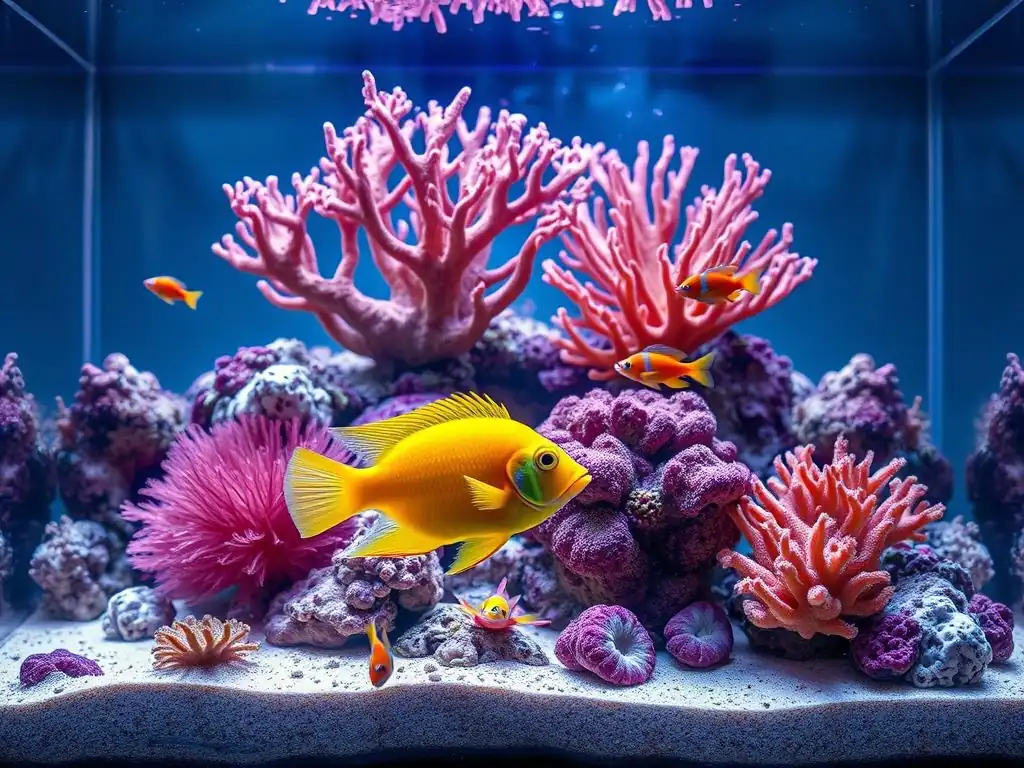
The Yellow Watchman Goby, scientifically known as Cryptocentrus cinctus, is a captivating and highly sought-after inhabitant for nano reef aquariums. Renowned for its vibrant yellow coloration, often adorned with iridescent blue or white spots, and its distinctive watchful eyes, this species brings both aesthetic appeal and intriguing behavior to smaller marine setups. Its relatively small adult size, typically reaching 3 to 4 inches (7.5 to 10 cm), makes it an ideal candidate for tanks ranging from 10 to 30 gallons, where larger fish might feel cramped.
Beyond its striking appearance, the Yellow Watchman Goby is celebrated for its peaceful temperament and fascinating symbiotic relationship with pistol shrimp, a partnership that provides both species with mutual benefits and offers aquarists a unique glimpse into natural marine behaviors. Mastering Yellow Watchman Goby care involves understanding its specific environmental needs, dietary preferences, and compatibility with other tank inhabitants, ensuring a thriving and engaging display within your reef ecosystem. This guide aims to provide comprehensive insights into keeping this charming sentinel healthy and happy.
Benefits of Keeping Yellow Watchman Gobies in Nano Reefs
Yellow Watchman Gobies offer numerous advantages for the discerning nano reef keeper, making them a top choice for smaller aquatic environments. Their moderate size ensures they do not outgrow typical nano tank dimensions, which often range from 10 to 30 gallons, preventing the need for future tank upgrades solely due to fish growth. Furthermore, their generally docile nature means they pose little threat to corals or other peaceful invertebrates, allowing them to integrate seamlessly into delicate reefscapes without causing disruption or stress.
One of the most compelling benefits, crucial for comprehensive Yellow Watchman Goby care, is their unique symbiotic relationship with certain species of pistol shrimp, such as Alpheus bellulus or Alpheus randalli. This partnership provides continuous entertainment as the goby acts as a lookout, warning the nearly blind shrimp of predators, while the shrimp diligently maintains their shared burrow. This natural behavior not only adds a dynamic element to the aquarium but also contributes to the substrate's aeration and cleanliness, making the goby a practical as well as beautiful addition to the reef.
Essential Care Guidelines
Ideal Tank Parameters: Size, Water Quality, and Temperature
Providing the correct environmental parameters is fundamental to successful Yellow Watchman Goby care. A minimum tank size of 10 gallons is generally recommended for a single specimen, though a 20-gallon or larger tank is preferable, especially if planning to house a pair or introduce a symbiotic pistol shrimp. This allows ample space for burrowing and establishing territories.
Maintaining stable water quality is paramount; aim for a specific gravity of 1.023-1.025, a pH range of 8.1-8.4, and alkalinity between 8-12 dKH. Ammonia and nitrite levels must consistently remain at 0 ppm, with nitrates kept below 10-20 ppm through regular water changes and efficient filtration.
Temperature stability is equally vital for the health of Cryptocentrus cinctus. The ideal temperature range for these gobies is between 72°F and 78°F (22°C and 25.5°C). Sudden fluctuations can cause significant stress, leading to weakened immune systems and susceptibility to disease. Utilizing a reliable aquarium heater with a thermostat, along with a separate thermometer for verification, is crucial. Regular testing of all these parameters, ideally on a weekly basis, allows for prompt adjustments, preventing stress and ensuring the long-term well-being of your Yellow Watchman Goby.
Habitat Enrichment: Substrate, Rockwork, and Water Flow
Proper habitat enrichment is a cornerstone of effective Yellow Watchman Goby care, directly influencing their comfort and natural behavior. These gobies are avid burrowers, and a substrate consisting of fine sand, at least 2 to 4 inches (5 to 10 cm) deep, is absolutely essential. This depth allows them to construct intricate burrow systems, often in collaboration with a pistol shrimp, providing them with security and a sense of belonging. Without suitable burrowing material, the goby may become stressed and fail to exhibit its characteristic behaviors, potentially impacting its overall health.
In addition to a deep sand bed, stable rockwork is crucial. Aquascaping should include plenty of crevices, caves, and overhangs that can serve as anchors for their burrows or provide alternative hiding spots. Ensure that the rockwork is securely stacked and stable, as the goby's burrowing activities, especially when paired with a pistol shrimp, can undermine structures if not properly secured.
While they appreciate moderate water flow, which mimics their natural reef environment, strong, direct currents should be avoided as they can make burrow construction difficult and stress the fish. Gentle, indirect flow from powerheads positioned appropriately will suffice, ensuring good water circulation without disturbing their habitat.
Diet and Feeding: Ensuring Nutritional Needs are Met
A comprehensive approach to Yellow Watchman Goby care includes providing a varied and nutritious diet that caters to their carnivorous preferences. In their natural habitat, these gobies primarily feed on small benthic invertebrates found in the substrate. Therefore, a diet consisting of high-quality frozen foods is ideal, such as mysis shrimp, brine shrimp (enriched), finely chopped krill, and various marine-based preparations. Offering a variety of these foods several times a week ensures a balanced intake of essential nutrients.
While frozen foods are preferred, Yellow Watchman Gobies can also be trained to accept high-quality marine pellets or flakes, though this may take some time and patience. It's important to offer food in small portions, two to three times a day, to prevent overfeeding and maintain water quality. Because they are bottom-dwellers and sometimes shy, ensuring food reaches them, especially if faster-moving tank mates are present, is part of attentive Yellow Watchman Goby care. Using a feeding stick or target feeder can help deliver food directly to their vicinity, ensuring they receive adequate nutrition.
Selecting a Healthy Specimen
Identifying Healthy Characteristics: Appearance and Behavior
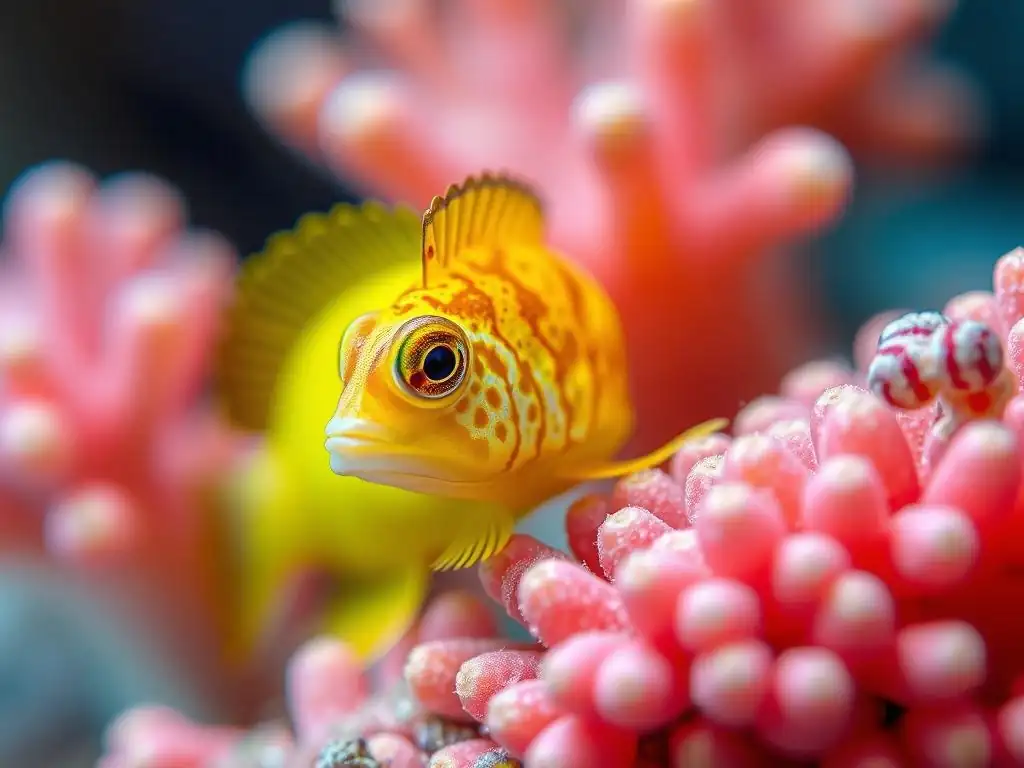
When selecting a Yellow Watchman Goby for your aquarium, careful observation of its appearance and behavior is paramount to ensuring you acquire a healthy specimen. A healthy Cryptocentrus cinctus will exhibit vibrant, consistent yellow coloration, without any dull patches or discoloration. Its eyes should be clear, bright, and free of cloudiness or damage, and its fins should be intact, without any signs of fraying, tears, or white spots indicative of parasitic infections like Ich. The body should appear full, not emaciated or pinched, suggesting it has been feeding well.
Beyond physical appearance, observe the goby's behavior in the dealer's tank. A healthy Yellow Watchman Goby should be alert and active, though they may spend time resting on the substrate or within rockwork. Look for signs of active burrowing or at least an interest in the substrate. Avoid specimens that appear listless, are breathing rapidly, have clamped fins, or show any signs of labored swimming. These are indicators of stress or underlying health issues that could lead to complications, making proper Yellow Watchman Goby care more challenging once introduced to your system.
Quarantine and Acclimation: Preventing Disease Introduction
Implementing a strict quarantine protocol is a non-negotiable aspect of responsible Yellow Watchman Goby care, crucial for preventing the introduction of diseases into your established display tank. Upon bringing your new goby home, it should be placed in a dedicated quarantine tank (QT) for a minimum of two to four weeks. This allows you to observe the fish for any signs of illness, such as marine ich ( Cryptocaryon irritans), velvet ( Amyloodinium ocellatum), or bacterial infections, and treat them in isolation without risking your main tank inhabitants.
The acclimation process itself should be slow and methodical to minimize stress. Drip acclimation is highly recommended, allowing the goby to gradually adjust to your quarantine tank's water parameters (temperature, salinity, and pH). This process typically involves slowly dripping water from the QT into the bag or container holding the fish over a period of 30-60 minutes, doubling the volume of water.
Once acclimated, gently net the goby and place it into the quarantine tank, discarding the water it came in. This careful approach significantly reduces the risk of shock and helps ensure a smooth transition, setting the foundation for long-term Yellow Watchman Goby care.
Tank Mate Compatibility
Suitable Tank Mates: Peaceful Fish and Invertebrates
Choosing appropriate tank mates is a critical consideration for successful Yellow Watchman Goby care, as their peaceful nature requires similarly docile companions. Ideal tank mates include other small, non-aggressive fish species that occupy different areas of the water column, minimizing direct competition for space. Good examples include clownfish (e.g., Ocellaris or Percula), small blennies (e.g., Lawnmower or Tailspot blennies), firefish gobies, and certain species of cardinalfish. These fish generally coexist well with the Yellow Watchman Goby without exhibiting aggression or outcompeting it for food.
In terms of invertebrates, the Yellow Watchman Goby is reef-safe and compatible with most common clean-up crew members. Snails (e.g., turbo, nassarius), hermit crabs (e.g., scarlet reef, blue-legged), and various shrimp species (e.g., peppermint, cleaner shrimp) are excellent choices that contribute to tank maintenance without threatening the goby. However, avoid very large or predatory crabs that might pose a risk. The key to successful Yellow Watchman Goby care regarding tank mates is to select species with similar temperament and environmental needs, ensuring a harmonious and thriving nano reef community.
Incompatible Species: Avoiding Aggression and Predation
While Yellow Watchman Gobies are generally peaceful, certain fish and invertebrate species are incompatible and should be avoided in the same aquarium. Aggressive or territorial fish can stress the goby, leading to hiding, refusal to eat, and increased susceptibility to disease. Examples of incompatible fish include large angelfish, triggers, puffers, and certain larger wrasse species that may view the goby as a food source or compete aggressively for territory. Even other species of gobies, particularly those with similar body shapes or occupying the same niche, can sometimes lead to territorial disputes, especially in smaller tanks.
Predatory invertebrates, such as large mantis shrimp or certain types of large crabs, also pose a significant threat to the relatively small and docile Yellow Watchman Goby. These invertebrates can easily injure or consume the goby, especially during its vulnerable burrowing activities. Therefore, a crucial aspect of Yellow Watchman Goby care involves thoroughly researching potential tank mates to ensure they are not only reef-safe but also compatible with the goby's temperament and size, preventing undue stress or predation within your aquarium.
Pistol Shrimp Symbiosis: Benefits and Considerations
The symbiotic relationship between a Yellow Watchman Goby and a pistol shrimp is one of the most captivating interactions observed in a home aquarium, offering mutual benefits to both species. The pistol shrimp, often Alpheus bellulus or Alpheus randalli, constructs and maintains a burrow system within the sand bed, which provides shelter for both itself and the goby. In return, the goby, with its superior eyesight, acts as a vigilant sentinel, perching at the entrance of the burrow and alerting the nearly blind shrimp to any perceived threats by flicking its tail.
This partnership is not only fascinating to observe but also contributes to the goby's sense of security and well-being, which is a key part of holistic Yellow Watchman Goby care. When selecting a pistol shrimp, ensure it is a species known to form symbiotic relationships with gobies. While the goby and shrimp do not necessarily need to be introduced simultaneously, introducing them to the tank at the same time or the shrimp first often facilitates pairing.
Provide a deep, fine sand bed and stable rockwork for burrow construction. Observing their synchronized movements and the shrimp's continuous burrow maintenance is a highlight for many aquarists.
Understanding Goby-Shrimp Symbiosis
Creating an Environment for Pairing
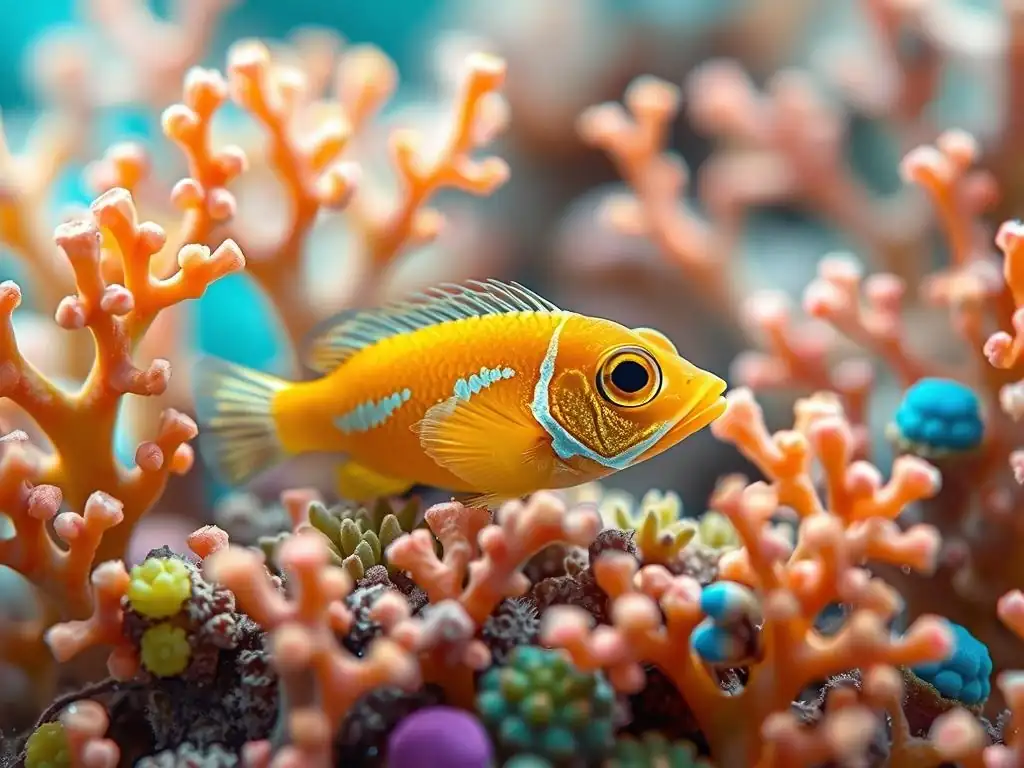
To encourage the natural goby-shrimp symbiosis, providing the right physical environment is paramount. The most crucial element is a deep sand bed, ideally 3 to 5 inches (7.5 to 12.5 cm) deep, composed of fine-grained sand. This allows the pistol shrimp to excavate and maintain a stable, intricate burrow system, which will serve as the shared home for both the shrimp and the Yellow Watchman Goby. Without adequate substrate depth and type, the shrimp may struggle to build a secure burrow, potentially preventing the symbiotic bond from forming or causing stress to both organisms.
Additionally, stable rockwork should be strategically placed on the bottom glass of the aquarium (before adding sand) to provide secure anchor points for the shrimp's burrow. This prevents the rockwork from collapsing due to the shrimp's tunneling activities, which could injure the inhabitants. Introducing the goby and shrimp simultaneously or introducing the shrimp first can often facilitate pairing. If they don't pair immediately, patience is key; sometimes it can take several days or even weeks for the relationship to form naturally, depending on the individual personalities and the tank setup.
Observing and Managing the Symbiotic Relationship
Once paired, the goby and pistol shrimp will exhibit a remarkable degree of cooperation and synchronized behavior, which is a joy to observe and a testament to excellent Yellow Watchman Goby care. The goby will typically perch near the burrow entrance, often with a portion of its tail touching the shrimp. If a perceived threat approaches, the goby will flick its tail, signaling the shrimp to retreat into the burrow, and the goby will follow swiftly. This synchronized retreat is a clear indicator of a strong symbiotic bond.
Managing this relationship involves ensuring the burrow remains stable and that both partners have access to food. While the shrimp is responsible for burrow maintenance, the goby benefits from the secure shelter.
It's important to provide food that sinks to the bottom, ensuring the shrimp also receives nutrition, as it often relies on food brought into the burrow or stirred up by the goby. If the pair becomes separated or the bond breaks (e.g., due to stress or disease), they may re-pair over time, but sometimes a new partner for either the goby or shrimp may be necessary if the original partner perishes.
Addressing Common Issues
Identifying and Treating Common Diseases
While generally hardy, Yellow Watchman Gobies can be susceptible to common saltwater aquarium diseases if water quality is poor or stress levels are high. Marine Ich ( Cryptocaryon irritans) is one of the most prevalent parasitic infections, presenting as small white spots resembling salt grains on the fish's body and fins. Another common ailment is Marine Velvet ( Amyloodinium ocellatum), which appears as a dusty, yellowish-brown coating, often accompanied by rapid breathing. Both are highly contagious and can be fatal if not treated promptly.
Effective Yellow Watchman Goby care includes proactive measures to prevent disease, such as maintaining pristine water quality, performing regular water changes, and quarantining new arrivals. If a disease is identified, treatment typically involves transferring the affected fish to a hospital tank and administering appropriate medications, such as copper-based treatments for Ich or Velvet, or antibiotics for bacterial infections like fin rot. It is crucial to follow medication instructions carefully and remove activated carbon during treatment, as it can absorb the medication.
Managing Aggression Between Tank Mates
Yellow Watchman Gobies are known for their peaceful demeanor, but managing aggression between tank mates can occasionally become a concern, particularly in smaller nano reef environments. While the goby itself is rarely the aggressor, it can become a target if housed with overly aggressive or territorial fish. Signs of aggression include nipped fins, hiding, refusal to eat, or constant chasing. If such behavior is observed, it's crucial to identify the aggressor quickly.
Solutions for managing aggression include rearranging rockwork to break up territories, providing more hiding spots, or, if necessary, removing the aggressive fish. In some cases, a very active or boisterous tank mate might inadvertently stress the goby, even without direct aggression, simply by outcompeting it for food or space. Ensuring adequate space and selecting compatible, similarly peaceful tank mates from the outset is the most effective strategy for preventing aggression and fostering a calm environment crucial for optimal Yellow Watchman Goby care.
Preventing Escapes: Securing the Aquarium
Yellow Watchman Gobies, like many goby species, are known jumpers, especially when startled or feeling threatened. This natural instinct to leap out of the water can lead to unfortunate escapes from an uncovered aquarium, resulting in the fish drying out and perishing. Therefore, securing the aquarium with a tight-fitting lid or cover is an essential, yet often overlooked, aspect of responsible Yellow Watchman Goby care.
Even small gaps around equipment (heaters, filters, powerheads) can provide an escape route for a determined goby. Using mesh covers or egg crate material can effectively prevent escapes while still allowing for gas exchange and light penetration. Regularly checking the integrity of the lid and ensuring there are no new gaps created by equipment adjustments will significantly reduce the risk of your Yellow Watchman Goby ending up on the floor. This simple preventative measure is vital for the long-term safety and well-being of your cherished reef inhabitant.
Breeding Yellow Watchman Gobies
Creating Breeding Conditions
Breeding Yellow Watchman Gobies in a home aquarium, while challenging, is a rewarding endeavor that requires specific environmental conditions and dedicated Yellow Watchman Goby care. A separate breeding tank, typically 10-20 gallons, is often recommended to isolate the pair and protect the fry. Stable water parameters mirroring their ideal living conditions (72-78°F, SG 1.023-1.025, pH 8.1-8.4) are crucial. The tank should include a deep sand bed (at least 4 inches or 10 cm) and plenty of rockwork or PVC pipes to create secure burrowing sites, as they are substrate spawners.
Conditioning the prospective breeding pair with a high-quality, varied diet rich in protein is essential to encourage spawning. This includes frequent feedings of live foods such as enriched brine shrimp, copepods, and mysis shrimp, along with finely chopped seafood. Some breeders report success with slightly increasing the temperature by a degree or two and performing small, frequent water changes (e.g., 10% twice weekly) to simulate natural seasonal changes that might trigger spawning. Establishing a strong, bonded pair is the first and most critical step towards successful reproduction.
Recognizing Spawning Behavior
Recognizing spawning behavior in Yellow Watchman Gobies requires careful observation and an understanding of their typical courtship rituals. Prior to spawning, the male goby may intensify his coloration, becoming more vibrant, and engage in elaborate fin displays to attract the female. The pair will often spend increased time together within their shared burrow, meticulously cleaning and preparing the spawning site. This preparation can involve the male fanning the area and both gobies rearranging substrate and small pieces of rock or shell within the burrow.
Spawning typically occurs within the confines of their burrow, making direct observation of the egg-laying process difficult. However, after spawning, the female will lay a clutch of demersal (bottom-dwelling) eggs, often numbering in the hundreds, attached to the roof or walls of the burrow. The male goby usually takes on the primary role of guarding and fanning the eggs, ensuring proper oxygenation and keeping them free of detritus. The eggs are typically small, oval-shaped, and may be translucent or slightly yellowish. Observing the male's diligent fanning behavior near the burrow entrance is a strong indicator that spawning has occurred.
Raising Fry: Challenges and Techniques
Raising Yellow Watchman Goby fry presents significant challenges, primarily due to their extremely small size and specific nutritional requirements during their larval stage. The eggs typically hatch after 4-7 days, depending on temperature, releasing minute, planktonic larvae that are highly vulnerable. These newly hatched fry require extremely small, live food sources, such as rotifers ( Brachionus plicatilis) for the first few days, followed by newly hatched brine shrimp nauplii ( Artemia salina) as they grow. Culturing these live foods in sufficient quantities is often the biggest hurdle.
Maintaining pristine water quality in the fry rearing tank is also critical, as the larvae are highly sensitive to ammonia and nitrite. Small, frequent water changes (e.g., 10-20% daily) are necessary, often using air-driven sponge filters to prevent accidental siphoning of the delicate fry.
As the fry mature, typically after 2-3 weeks, they will undergo metamorphosis, settling out of the water column and beginning to resemble miniature versions of the adult gobies, at which point they can be transitioned to finely crushed flake foods or frozen cyclop-eeze. The high mortality rate during the larval stage makes raising Yellow Watchman Goby fry a testament to advanced Yellow Watchman Goby care and dedication.
Enhancing Your Reefscape
Integrating the Goby into Your Aquascape
Integrating the Yellow Watchman Goby seamlessly into your reefscape involves more than just adding the fish; it means designing an environment that highlights its natural behaviors and vibrant coloration. Given their preference for burrowing, ensure the aquascape includes open sand areas, particularly near stable rock formations. This allows the goby to establish its territory and burrow system without constantly undermining critical rock structures. Strategically placed flat rocks or coral rubble can also serve as excellent perching spots from which the goby can observe its surroundings.
Consider the goby's relatively small size when planning coral placement. Avoid placing large, aggressive, or fast-growing corals directly over their preferred burrowing areas, as this could limit their movement or even sting them. Instead, create open spaces or smaller, non-aggressive coral gardens around their territory. The Yellow Watchman Goby's bright yellow hue provides a striking contrast against blue lighting and various coral colors, making it a focal point. Thoughtful aquascaping ensures the goby feels secure, encourages its natural behaviors, and enhances the overall visual appeal of your nano reef, reflecting comprehensive Yellow Watchman Goby care.
Optimizing Lighting and Flow
While Yellow Watchman Gobies are not directly dependent on specific lighting conditions for their health (unlike photosynthetic corals), optimizing lighting in a reef tank is still crucial for the overall ecosystem they inhabit. Standard reef-compatible LED lighting that supports coral growth will generally be suitable for the goby. The goby's vibrant yellow coloration often appears most striking under actinic or blue-spectrum lighting, which enhances fluorescence and brings out the iridescent spots that sometimes adorn their bodies. Avoid overly intense lighting that might cause them to hide excessively, as they prefer slightly dimmer, more natural reef light.
Regarding water flow, Yellow Watchman Gobies thrive in moderate, indirect flow. Excessive or turbulent flow can make it difficult for them to maintain their burrows, especially if paired with a pistol shrimp, and can also stress the fish. Position powerheads or wavemakers to create gentle, broad water movement throughout the tank, ensuring detritus is suspended for filtration but without directly blasting the goby's preferred areas.
A flow rate of 10-20 times the tank volume per hour is a common guideline for nano reefs, and this range typically provides sufficient circulation without being overly powerful for the goby. Balancing these elements contributes significantly to successful Yellow Watchman Goby care.
Observing and Appreciating Natural Behavior
One of the most rewarding aspects of Yellow Watchman Goby care is the opportunity to observe and appreciate their unique and engaging natural behaviors. Their primary activity revolves around their burrow, whether they are meticulously maintaining it with their pistol shrimp partner or simply perching diligently at its entrance, acting as the reef's charming sentinel. Take time each day to watch how they interact with their environment, how they dart back into their burrow at the slightest perceived threat, and how they emerge cautiously once the danger has passed.
Beyond their burrowing habits, observe their feeding strategies. They often sift through the sand with their mouths, searching for small invertebrates, or patiently wait for food particles to drift near their perch. Their distinct "watchman" posture, with their eyes constantly scanning, is a captivating sight. By regularly observing these behaviors, you can not only enjoy the natural beauty of Cryptocentrus cinctus but also quickly identify any changes in behavior that might indicate stress or illness, allowing for prompt intervention and ensuring the ongoing success of your Yellow Watchman Goby care efforts.
Conclusion: Successful Yellow Watchman Goby Keeping
Key Considerations for Long-Term Health and Happiness
Achieving long-term health and happiness for your Yellow Watchman Goby hinges on a consistent commitment to its specific care requirements. Paramount among these is the maintenance of stable and pristine water parameters, including appropriate salinity, temperature, pH, and negligible levels of ammonia and nitrite. Regular water changes and a robust filtration system are non-negotiable for preventing stress and disease. Providing a deep, fine sand bed is equally critical, enabling their natural burrowing instincts and, if applicable, facilitating their symbiotic relationship with a pistol shrimp, which significantly contributes to their well-being.
Furthermore, a varied and high-quality diet, primarily consisting of frozen marine foods, ensures their nutritional needs are met, bolstering their immune system and vibrant coloration. Selecting peaceful and compatible tank mates is vital to prevent aggression and ensure the goby feels secure in its environment.
Finally, implementing preventative measures such as quarantine for new arrivals and securing the tank with a tight-fitting lid will safeguard against disease introduction and potential escapes. Adhering to these key aspects of Yellow Watchman Goby care will ensure your Cryptocentrus cinctus thrives as a charming and captivating inhabitant of your nano reef for many years.
Further Resources for Reefkeeping Information
For aquarists seeking to deepen their knowledge and refine their Yellow Watchman Goby care practices, a wealth of resources is available beyond this guide. Comprehensive reefkeeping forums and online communities offer platforms for engaging with experienced hobbyists, asking specific questions, and sharing insights on various aspects of marine aquarium maintenance. These communities often provide real-time troubleshooting advice and updates on new techniques or products.
Specialized books on marine fish and invertebrate care, as well as scientific journals focusing on marine biology and aquaculture, provide in-depth information on species-specific needs, disease pathology, and breeding protocols. Reputable local fish stores and aquarium societies can also be invaluable resources, offering personalized advice, access to healthy livestock, and opportunities to connect with fellow enthusiasts. Continuous learning and engagement with the broader reefkeeping community are essential for mastering Yellow Watchman Goby care and ensuring the ongoing success and enjoyment of your marine aquarium.
Frequently Asked Questions
How difficult is Yellow Watchman Goby care for beginners?
Yellow Watchman Goby care is generally considered relatively easy, making them a good choice for beginners. They are hardy fish and adapt well to established aquarium environments. Just ensure proper tank parameters and a stable environment.
What size tank is appropriate for a Yellow Watchman Goby?
A tank of at least 10 gallons is recommended for a single Yellow Watchman Goby. This provides enough space for them to establish a territory and maintain a healthy environment. Larger tanks are always better and can support more of these fish.
What type of substrate is best for a Yellow Watchman Goby?
A sandy substrate is essential for Yellow Watchman Gobies. They are natural burrowers and need sand to create their burrows. Fine to medium grain sand is the best to prevent irritation.
What do Yellow Watchman Gobies eat?
Yellow Watchman Gobies are carnivores and require a varied diet of meaty foods. Offer them a mix of frozen, live, and prepared foods like mysis shrimp, brine shrimp, and high-quality marine pellets.
Are Yellow Watchman Gobies reef safe?
Yes, Yellow Watchman Gobies are generally considered reef safe. They typically do not bother corals or invertebrates, making them ideal inhabitants for reef tanks. However, they may sift through the sand bed, which can occasionally disturb delicate corals placed directly on the substrate.
Final Reflection: Guardians of the Nano Reef
The insights shared throughout this article, focusing on optimal Yellow Watchman Goby care, resonate deeply in today's burgeoning nano reef aquarium hobby. As more enthusiasts embrace the challenge and beauty of these miniature ecosystems, understanding the specific needs of each inhabitant, particularly the charming Yellow Watchman Goby, becomes paramount for long-term success and ethical reef keeping. This knowledge empowers aquarists to create thriving, balanced environments where these captivating creatures can flourish.
The Yellow Watchman Goby's popularity stems not only from its vibrant color and endearing personality, but also from its crucial role in maintaining a healthy substrate. Witnessing this tiny sentinel diligently sifting sand, aerating the substrate, and keeping unwanted pests at bay, underscores the interconnectedness of the reef ecosystem and our responsibility as stewards. In the end, we will conserve only what we love; we will love only what we understand; and we will understand only what we are taught.
- Baba Dioum. This quote perfectly encapsulates the importance of understanding the Yellow Watchman Goby's needs to truly appreciate and protect it.
Now, armed with this knowledge of Yellow Watchman Goby care, I encourage you to reflect on your own role in the reef keeping community. Consider how you can apply these principles to create a more sustainable and enriching environment for your own nano reef inhabitants. Let us all strive to be responsible guardians, ensuring the well-being of these captivating creatures and contributing to the preservation of the delicate beauty of the reef ecosystem for generations to come.
Unleash the Potential of Your Nano Reef!
Thank you for exploring the fascinating world of the Yellow Watchman Goby with us! We hope you've gained valuable insights into the care and charm this little sentinel brings to your aquarium. Now, let's translate that knowledge into action and further enrich your nano reef experience.
Here are some ways to connect with the Yellow Watchman Goby and the wider reef community:
- Introduce a Compatible Companion: Observe your goby's behavior and carefully consider adding a compatible invertebrate, like a pistol shrimp, to create a symbiotic and captivating reef dynamic.
- Share Your Story:Post a picture or video of your Yellow Watchman Goby in its habitat on social media, tagging #AquariumMastery, and inspire others with the beauty of your nano reef.
- Dive Deeper: Research uncommon goby pairings and document your findings, contributing unique observations to the aquascaping community.
What unique personality traits have you observed in your Yellow Watchman Goby, and how has it enriched your nano reef ecosystem?