
Pink Skunk Clownfish (Amphiprion perideraion): Delicate Symbiosis & Care

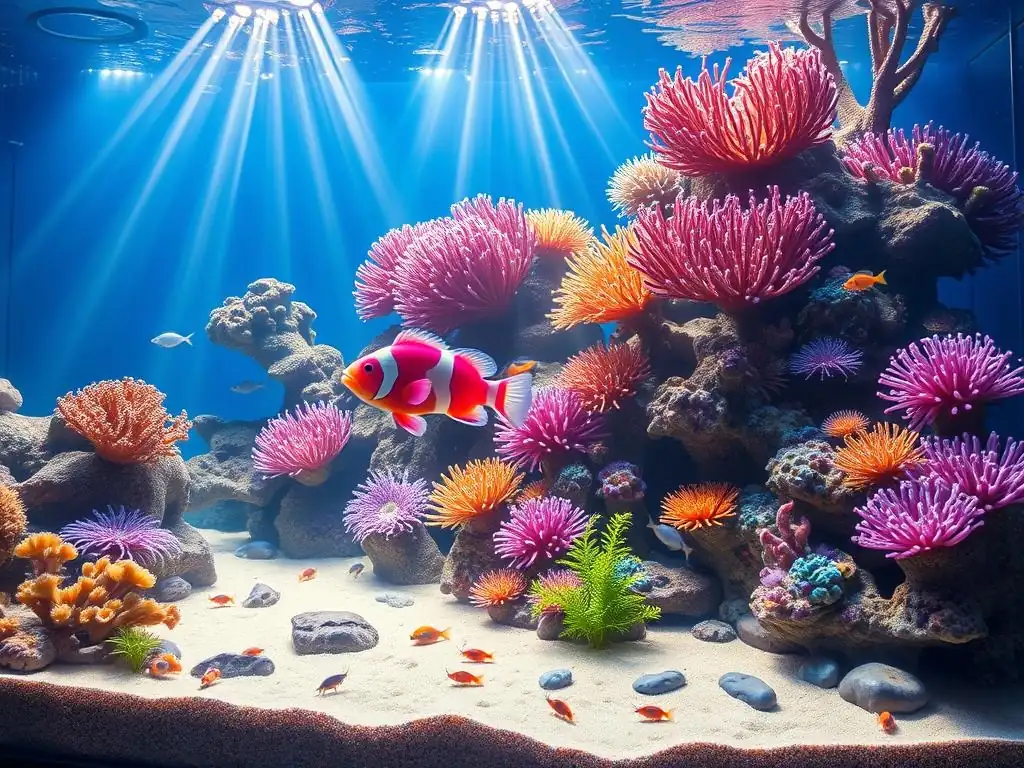
Welcome to Aquarium Mastery, your ultimate guide to the captivating world beneath the waves!
Ever wondered about the secrets to keeping a Pink Skunk Clownfish thriving in your saltwater aquarium? These delicate beauties require specific care, and we're here to unravel the mysteries. Dive in to discover essential care tips and unlock the key to a flourishing symbiotic relationship within your tank. What are the ideal tank mates? What about their breeding habits? Let's find out!
- Pink Skunk Clownfish (Amphiprion perideraion): Delicate Symbiosis & Care - Aquarium Mastery
- Understanding the Pink Skunk Clownfish: An Introduction to Amphiprion perideraion
- Essential Pink Skunk Clownfish Care Tips for a Thriving Aquarium
- Pink Skunk Clownfish Behavior and Compatibility
- Breeding Pink Skunk Clownfish: A Challenging but Rewarding Endeavor
- Common Health Issues in Pink Skunk Clownfish and Their Treatment
- Troubleshooting Common Problems with Pink Skunk Clownfish
- Advanced Pink Skunk Clownfish Care: Going Beyond the Basics
- Conclusion: Mastering Pink Skunk Clownfish Care for a Stunning Reef Aquarium.
- Frequently Asked Questions
- Final Reflection: Embracing the Delicate Balance
- Dive Deeper: Unleash Your Inner Reef Keeper!
Pink Skunk Clownfish (Amphiprion perideraion): Delicate Symbiosis & Care - Aquarium Mastery
Understanding the Pink Skunk Clownfish: An Introduction to Amphiprion perideraion
Origin and Natural Habitat of the Pink Skunk Clownfish
The Pink Skunk Clownfish, scientifically known as Amphiprion perideraion, originates from the vast Indo-Pacific region. Its natural range extends from the Andaman Sea and Malaysia across Indonesia, Papua New Guinea, and the Solomon Islands, reaching as far north as the Ryukyu Islands of Japan and south to the Great Barrier Reef in Australia. These beautiful fish primarily inhabit the sheltered lagoons and outer reef slopes, typically found at depths ranging from 2 to 25 meters (approximately 7 to 82 feet), though they can occasionally be observed deeper.
In their native environment, Pink Skunk Clownfish form a vital symbiotic relationship with specific species of sea anemones. Unlike some other clownfish species that host a wide variety of anemones, Amphiprion perideraion shows a strong preference for certain hosts, most notably the magnificent sea anemone ( Heteractis magnifica), the Merten's carpet anemone ( Stichodactyla mertensii), and the sebae anemone ( Heteractis crispa). This co-dependent relationship provides the clownfish with protection from predators and a safe place to lay eggs, while the clownfish helps clean the anemone and potentially deter some of its predators.
Identifying Features: Distinguishing the Pink Skunk Clownfish
The Pink Skunk Clownfish is easily recognizable by its distinctive coloration and markings. Its body typically displays a vibrant orange-pink hue, which can range from a pale peach to a deeper salmon color depending on its geographic origin and individual variation. The most prominent identifying feature is a single, narrow white stripe that runs along the entire length of its dorsal side, starting from the snout and extending to the caudal fin. This "skunk" stripe is what gives the fish its common name and differentiates it from other clownfish species that often have vertical stripes.
Adult Pink Skunk Clownfish generally reach an average size of about 8 to 10 centimeters (approximately 3 to 4 inches) in length, with females usually being larger than males. Their fins are typically translucent or slightly tinted with the same pinkish-orange as their body. Their slender, elongated body shape also helps distinguish them from the more robust build of species like the Ocellaris or Percula clownfish. Observing these unique features is a key aspect of proper Pink Skunk Clownfish care tips, as it helps in accurate identification and understanding their specific needs.
The Delicate Beauty of Amphiprion perideraion in the Aquarium
The delicate beauty of Amphiprion perideraion makes it a captivating addition to many saltwater aquariums. Their graceful movements, especially when hosting an anemone, provide a constant source of fascination for aquarists. The subtle shifts in their pinkish coloration under different lighting conditions add a dynamic aesthetic to reef tanks, complementing the vibrant corals and other invertebrates. Despite their relatively small size, their distinct appearance ensures they stand out.
While visually appealing, maintaining their delicate beauty and overall health requires diligent Pink Skunk Clownfish care tips. They are generally considered peaceful and relatively hardy once acclimated, making them a suitable choice for intermediate aquarists or beginners committed to learning proper marine husbandry. Their potential to host an anemone, mimicking their natural behavior, adds an extra layer of authenticity and beauty to a well-maintained reef system, making them a cornerstone species for many enthusiasts.
Essential Pink Skunk Clownfish Care Tips for a Thriving Aquarium
Optimal Tank Setup for Pink Skunk Clownfish
Tank Size Requirements for Happy Pink Skunk Clownfish
When planning an aquarium for Pink Skunk Clownfish, tank size is a crucial consideration for their well-being and long-term health. While a single Pink Skunk Clownfish can comfortably live in a tank as small as 20 gallons (approximately 75 liters), providing ample swimming space and stable water parameters is key. For a pair of Pink Skunk Clownfish, a minimum tank size of 30 gallons (approximately 113 liters) is highly recommended. This larger volume helps dilute waste, maintain consistent water quality, and provides more territory, reducing potential aggression between the pair or with other tank mates.
If you plan to introduce a host anemone, it is imperative to increase the tank size significantly. Anemones, especially those preferred by Amphiprion perideraion like Heteractis magnifica or Stichodactyla mertensii, can grow quite large, often reaching diameters of 12 to 20 inches (30 to 50 cm) or more.
Therefore, for a pair of Pink Skunk Clownfish with a suitable host anemone, a tank size of 50 gallons (approximately 190 liters) or larger is advisable. This allows sufficient space for both the fish and the anemone to thrive without overcrowding, which is a vital aspect of comprehensive Pink Skunk Clownfish care tips.
Water Parameters: Maintaining Ideal Conditions for Amphiprion perideraion
Maintaining stable and precise water parameters is paramount for the health of Pink Skunk Clownfish. The ideal specific gravity should be kept between 1.023 and 1.026, mimicking natural oceanic conditions. Temperature is another critical factor, with a stable range of 75-82°F (24-28°C) being optimal. Fluctuations in temperature can stress the fish, making them susceptible to disease. Regular monitoring with a reliable thermometer is essential.
Nitrate, nitrite, and ammonia levels must be meticulously controlled. Ammonia and nitrite should always be undetectable (0 ppm), as even trace amounts are highly toxic. Nitrates should be kept as low as possible, ideally below 10 ppm, though established reef tanks may tolerate up to 20 ppm.
Regular water changes, typically 10-20% bi-weekly or monthly, depending on bioload, are crucial for maintaining these parameters. Additionally, alkalinity (8-12 dKH), calcium (400-450 ppm), and magnesium (1250-1350 ppm) should be monitored, especially in reef setups with corals or if a host anemone is present, as these elements are vital for calcification and overall water stability, forming core Pink Skunk Clownfish care tips.
Essential Equipment for a Pink Skunk Clownfish Tank
Setting up an optimal environment for Pink Skunk Clownfish requires specific equipment to ensure their well-being. A reliable filtration system is fundamental, typically comprising mechanical filtration (filter socks or sponges), biological filtration (live rock and sand), and chemical filtration (activated carbon or GFO). A protein skimmer is highly recommended, especially for tanks 30 gallons or larger, as it efficiently removes organic waste before it breaks down into harmful nitrates, significantly contributing to water quality.
Temperature stability is achieved with a submersible heater, sized appropriately for the tank volume, coupled with a thermometer for accurate monitoring. Good water flow is also important; powerheads or wavemakers should be used to create moderate water movement, preventing dead spots and aiding in gas exchange, replicating natural reef currents.
Lastly, proper lighting is essential, particularly if you plan to keep a host anemone or corals. While clownfish themselves don't have specific lighting requirements beyond a day/night cycle, their host anemones are photosynthetic and require intense, full-spectrum lighting, making comprehensive equipment selection a key component of successful Pink Skunk Clownfish care tips.
Diet and Feeding: Providing Proper Nutrition for Pink Skunk Clownfish
Recommended Foods for Optimal Health
Providing a varied and nutritious diet is paramount for the long-term health, vibrant coloration, and vigor of Pink Skunk Clownfish. They are omnivores, meaning their diet in the wild consists of both meaty foods and some algae. In the aquarium, a high-quality staple diet should include marine-based pellet or flake foods specifically formulated for omnivorous marine fish. Look for brands that list marine proteins (like fish meal, shrimp, krill) as primary ingredients.
Supplementing their dry food with frozen or live foods is crucial for optimal health. Excellent choices include frozen mysis shrimp, brine shrimp (enriched), finely chopped marine-grade fish or shrimp, and spirulina-enriched foods. These provide essential fatty acids, vitamins, and trace elements often lacking in dry foods. For an extra boost, some aquarists also offer small amounts of high-quality nori (seaweed) or spirulina flakes, ensuring a well-rounded nutritional intake, which is a central element of effective Pink Skunk Clownfish care tips.
Feeding Schedule and Portion Sizes
A consistent feeding schedule is beneficial for Pink Skunk Clownfish, helping to establish routine and promote healthy digestion. It is generally recommended to feed adult clownfish two to three times per day. The key is to offer small portions that can be consumed within 2-3 minutes. Overfeeding is a common mistake that can lead to poor water quality, increased nitrate levels, and potential health issues for the fish.
For example, a single feeding for a pair of Pink Skunk Clownfish might consist of a pinch of high-quality marine flakes or 1/4 of a cube of frozen mysis shrimp, thawed and rinsed. Observe your fish during feeding to gauge if the portion size is appropriate; all food should be eaten promptly, with minimal sinking to the substrate. Adjust the quantity based on the number and size of your fish, as well as the overall bioload of your tank, making mindful feeding a cornerstone of Pink Skunk Clownfish care tips.
Avoiding Overfeeding and Maintaining Water Quality
Overfeeding is one of the most significant contributors to declining water quality in a marine aquarium, directly impacting the health of Pink Skunk Clownfish. Excess food that goes uneaten quickly decomposes, releasing ammonia and nitrites, which are highly toxic. Even if these are processed by the biological filter into nitrates, consistently high nitrate levels can stress fish, promote unwanted algae growth, and even harm sensitive invertebrates like corals and anemones.
To avoid overfeeding, always start with smaller portions and observe your fish's appetite. If food is left over after a few minutes, reduce the next feeding quantity. Utilizing a turkey baster or feeding tongs to deliver frozen foods directly to the fish can help minimize waste. Regular water changes and a robust filtration system, including a protein skimmer, are also vital to manage any residual organic waste. By strictly adhering to proper feeding practices, you significantly enhance the effectiveness of your Pink Skunk Clownfish care tips and maintain a pristine aquatic environment.
Choosing the Right Anemone Host for Your Pink Skunk Clownfish
Compatible Anemone Species for Amphiprion perideraion
While Pink Skunk Clownfish are known for their symbiotic relationship with anemones, not all anemone species are suitable hosts. In the wild, Amphiprion perideraion primarily associates with a select few species, and replicating this in the aquarium is ideal for their well-being and natural behavior. The most common and preferred host anemones include the Magnificent Sea Anemone ( Heteractis magnifica), also known as the Ritteri Anemone; the Merten's Carpet Anemone ( Stichodactyla mertensii); and the Sebae Anemone ( Heteractis crispa).
Other anemone species sometimes accepted, though less frequently, include the Bubble Tip Anemone ( Entacmaea quadricolor), which is a popular choice due to its hardiness, and the Malu Anemone ( Heteractis malu). It's crucial to research the specific care requirements of any chosen anemone, as they often demand more stringent water parameters, intense lighting, and mature tank conditions than the clownfish themselves. Ensuring a compatible and healthy host anemone is a significant aspect of comprehensive Pink Skunk Clownfish care tips.
Introducing the Anemone to the Tank
Introducing an anemone to a tank housing Pink Skunk Clownfish requires careful planning to minimize stress for both organisms. First, ensure your aquarium is well-established, ideally at least six months to a year old, with stable water parameters and mature biological filtration. Anemones are highly sensitive to water quality fluctuations and require pristine conditions. Acclimate the anemone slowly using a drip acclimation method over several hours to match salinity and temperature precisely.
Once acclimated, place the anemone in a location with moderate to strong flow and appropriate lighting for its species. Avoid forcing the anemone into a specific spot; it will naturally move to find its preferred location. Do not attempt to force the clownfish into the anemone, as this can cause stress. The Pink Skunk Clownfish will typically find and begin to host the anemone on its own, sometimes within minutes, or it may take days or even weeks. Patience is key, and providing a healthy environment for both is a core part of effective Pink Skunk Clownfish care tips.
Monitoring the Anemone's Health and Well-being
The health of your host anemone directly impacts the well-being of your Pink Skunk Clownfish, making its monitoring an integral part of Pink Skunk Clownfish care tips. A healthy anemone should be fully expanded, with tentacles extended and sticky to the touch. Its mouth should be tightly closed, and its coloration should be vibrant and consistent with its species. Signs of distress include a deflated or shrunken appearance, a gaping mouth, discolored or transparent tentacles, and a refusal to attach to the rockwork.
Regularly test water parameters (salinity, temperature, alkalinity, calcium, magnesium, nitrates, phosphates) to ensure they remain within the anemone's optimal range. Feed the anemone appropriate foods, such as small pieces of shrimp or silversides, two to three times a week, depending on its size and species. Ensure adequate lighting and water flow. If the anemone shows signs of decline, immediate action to correct water parameters or address potential issues is necessary to safeguard both the anemone and its symbiotic Pink Skunk Clownfish.
Pink Skunk Clownfish Behavior and Compatibility
Understanding the Symbiotic Relationship with Anemones
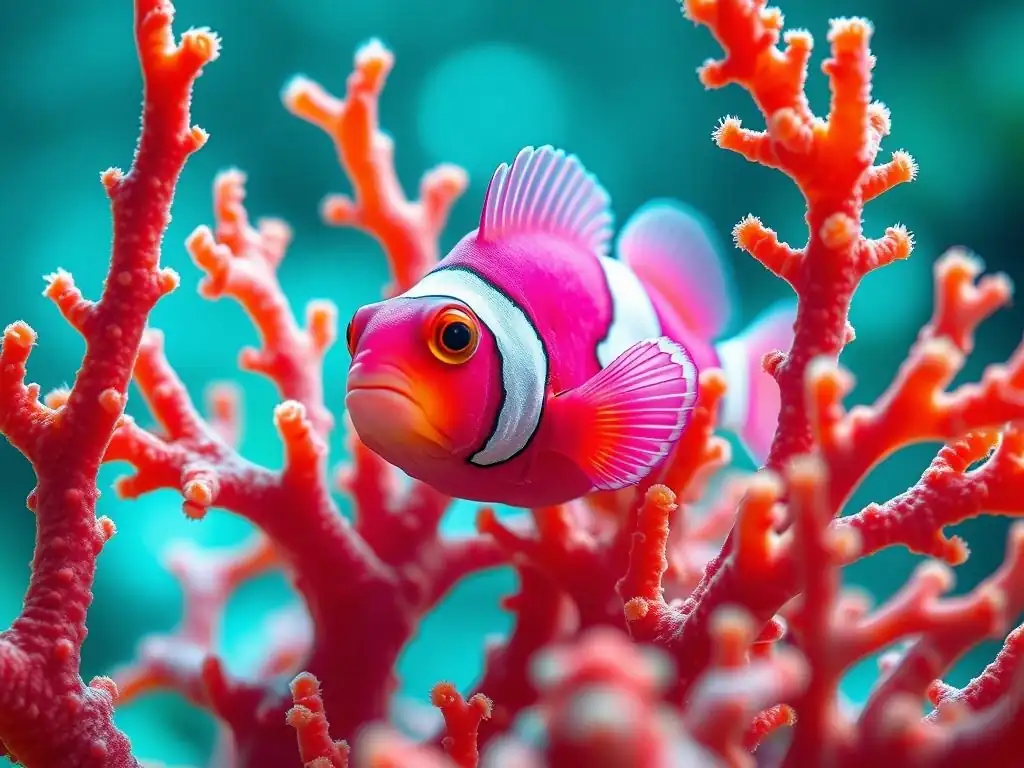
The symbiotic relationship between Pink Skunk Clownfish and their host anemones is one of the most fascinating aspects of marine life and a cornerstone of understanding Pink Skunk Clownfish care tips. This mutualistic interaction provides significant benefits to both species. The clownfish gains protection from predators within the anemone's stinging tentacles, to which it is immune due to a protective mucus coating. It also uses the anemone as a safe haven for sleep and egg-laying.
In return, the Pink Skunk Clownfish is believed to provide several services to the anemone. It may clean the anemone by removing parasites and debris, deter potential predators of the anemone (such as butterflyfish), and potentially even bring food scraps to its host. This intricate dance of co-existence showcases nature's efficiency and adaptability, making the successful establishment of this symbiosis a highly rewarding experience for aquarists.
Pink Skunk Clownfish exhibit fascinating social behavior, typically living in hierarchical groups in the wild. In an aquarium setting, they are best kept as a mated pair. Introducing two juveniles together usually results in one fish growing larger and becoming the dominant female, while the other remains smaller and develops into the male. This process of protandrous hermaphroditism, where all clownfish are born male and can change sex to female, is a key characteristic of the species.
Attempting to keep more than two Pink Skunk Clownfish in a typical home aquarium (under 75-100 gallons) is generally not recommended due to potential aggression, especially as they mature. While a larger tank might allow for a small group (e.g., 3-4), the risk of territorial disputes and bullying increases significantly. For most aquarists, a bonded pair offers the most peaceful and successful long-term outcome, making careful pairing a vital part of effective Pink Skunk Clownfish care tips.
Tank Mates: Choosing Compatible Fish for a Peaceful Community
Choosing appropriate tank mates for Pink Skunk Clownfish is crucial for maintaining a peaceful and thriving community aquarium. Pink Skunk Clownfish are generally considered semi-aggressive, particularly if they are hosting an anemone, as they will defend their territory. Ideal tank mates are peaceful to moderately aggressive fish that occupy different areas of the tank and do not compete directly for food or territory.
Good choices include small gobies (like watchman or pistol shrimp gobies), blennies (such as the lawnmower blenny), certain peaceful wrasses (e.g., six-line wrasse or fairy wrasses), and some damselfish (though caution is advised as some damselfish can be very aggressive). Small, peaceful tangs (like Yellow Tangs in larger tanks) and certain cardinalfish can also coexist well. Always introduce new fish carefully and monitor interactions closely, as compatibility can vary individually, underscoring the importance of thoughtful Pink Skunk Clownfish care tips.
Fish to Avoid with Pink Skunk Clownfish
When selecting tank mates, it's equally important to know which fish to avoid to prevent stress, injury, or even death for your Pink Skunk Clownfish. Highly aggressive fish, such as large predatory species like lionfish, moray eels, or large groupers, are unsuitable as they will view clownfish as prey. Similarly, very aggressive damselfish species (e.g., Domino Damsel, Blue Devil Damsel) can constantly harass and stress Pink Skunk Clownfish, especially in smaller tanks.
Additionally, avoid keeping Pink Skunk Clownfish with other species of clownfish unless the tank is exceptionally large (150+ gallons) and offers multiple host anemones or distinct territories. Different clownfish species often exhibit inter-species aggression. Fin-nipping fish, like some triggerfish or pufferfish, should also be avoided as they can damage the clownfish's fins. Careful consideration of tank mate compatibility is a critical aspect of successful Pink Skunk Clownfish care tips, ensuring a harmonious environment.
Breeding Pink Skunk Clownfish: A Challenging but Rewarding Endeavor
Creating a Breeding Environment for Amphiprion perideraion
Breeding Pink Skunk Clownfish in a home aquarium can be a challenging yet incredibly rewarding experience for dedicated aquarists. The first step involves establishing a stable, mature breeding pair. This typically means starting with several juveniles and allowing them to pair naturally, with the dominant fish becoming female and the smaller one remaining male. A dedicated breeding tank of at least 30 gallons (approximately 113 liters) is highly recommended to provide a calm, undisturbed environment.
The breeding tank should have optimal water parameters as previously discussed, with stable temperature (around 78-80°F or 25-27°C) and perfect water quality. Providing a suitable spawning site is crucial. This can be a flat piece of slate, an overturned terracotta pot, or a live host anemone. While clownfish can breed without an anemone, providing one (like a Bubble Tip Anemone) can increase comfort and breeding success, as they naturally lay eggs at the base of their host. Good Pink Skunk Clownfish care tips for breeding also include a nutrient-rich diet for the parents to condition them for spawning.
Identifying Mating Pairs and Observing Breeding Behavior
Identifying a mating pair of Pink Skunk Clownfish is relatively straightforward: one fish will be noticeably larger (the female), and the other smaller (the male), and they will consistently stay together, often near a chosen spawning site or host anemone. Prior to spawning, the pair will engage in a courtship ritual that involves the male meticulously cleaning the chosen spawning site. This can involve biting, rubbing, and fanning the surface for several days leading up to egg-laying.
During the actual spawning, the female will make repeated passes over the cleaned surface, depositing small, oval, orange eggs in a tight cluster. The male follows closely behind, fertilizing the eggs. A typical clutch can range from 100 to 500 eggs, depending on the age and size of the female. The male then takes primary responsibility for fanning and guarding the eggs, often using his mouth to remove unfertilized or fungus-covered eggs. Observing these behaviors is a key part of successful Pink Skunk Clownfish care tips for aspiring breeders.
Raising Pink Skunk Clownfish Fry: From Egg to Juvenile
Raising Pink Skunk Clownfish fry is the most challenging aspect of breeding, requiring significant dedication and specialized equipment. The eggs typically hatch after 7-10 days, depending on temperature, usually within an hour or two after the tank lights go out. The newly hatched larvae are tiny, planktonic, and highly vulnerable, measuring only about 3-4 millimeters in length.
Setting Up a Nursery Tank for Clownfish Fry
A dedicated nursery tank, often a bare-bottom 5-10 gallon (approximately 19-38 liter) aquarium, is essential for raising clownfish fry. This tank should be set up with minimal equipment: a small air stone for gentle aeration, a heater to maintain stable temperature (around 78-80°F or 25-27°C), and possibly a simple sponge filter. Avoid strong filtration or powerheads that could suck in the delicate fry. Water quality is paramount, requiring daily small water changes (10-20%) with aged, pristine saltwater.
The nursery tank should be dimly lit initially, as bright lights can disorient the fry. Some breeders use black paint or paper on three sides of the tank to create a sense of security and make it easier to see the tiny fry against a dark background. Transferring the eggs or larvae from the breeding tank to the nursery tank must be done with extreme care, often by siphoning the newly hatched fry gently into the new environment. This meticulous setup is a critical step in Pink Skunk Clownfish care tips for successful fry rearing.
Feeding and Caring for Newborn Clownfish
The most critical factor in raising newborn Pink Skunk Clownfish is providing appropriate first foods immediately after hatching. Their mouths are incredibly small, so they require live rotifers ( Brachionus plicatilis) for the first 5-7 days. Rotifers should be cultured and enriched with nutritional supplements (e.g., Selco, Nannochloropsis) to ensure they provide adequate nutrition to the fry. Feed small amounts frequently, aiming to keep a constant density of rotifers in the water column.
After about 5-7 days, the fry will be large enough to accept newly hatched brine shrimp nauplii ( Artemia). These should also be enriched before feeding. As the fry grow, typically around 2-3 weeks post-hatch, they can be transitioned to larger foods like copepods, finely ground flake food, or commercially prepared larval diets.
Maintaining impeccable water quality through daily water changes, avoiding overfeeding, and closely monitoring the fry's development are paramount. High mortality rates are common in the first few weeks, but consistent, diligent care significantly increases survival rates, making these feeding and care protocols essential Pink Skunk Clownfish care tips for breeders.
Common Health Issues in Pink Skunk Clownfish and Their Treatment
Recognizing Signs of Illness in Amphiprion perideraion
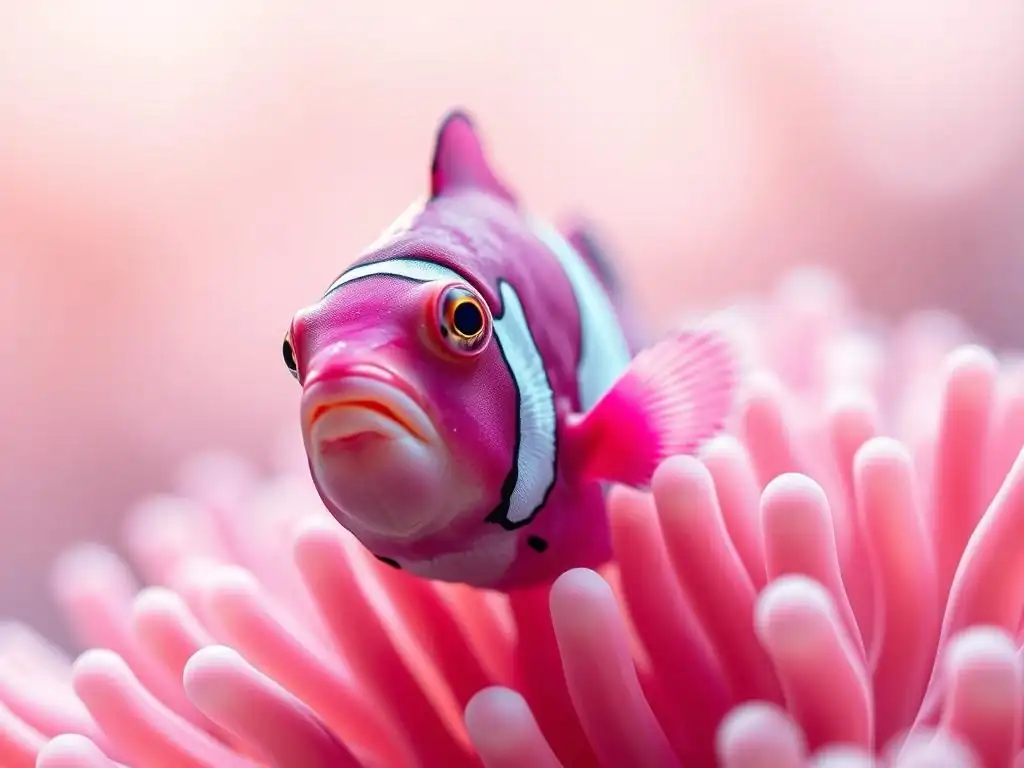
Recognizing the early signs of illness in your Pink Skunk Clownfish is crucial for prompt intervention and successful treatment, making it a key component of comprehensive Pink Skunk Clownfish care tips. Healthy clownfish are typically active, alert, and exhibit vibrant coloration. They will eagerly feed and, if hosting, spend time interacting with their anemone.
Signs that your Amphiprion perideraion may be ill include:
- Changes in coloration: Fading colors, darkening, or unusual blotches.
- Abnormal swimming: Erratic movements, lethargy, difficulty maintaining buoyancy, swimming upside down, or rapid gill movements.
- Behavioral changes: Hiding excessively, refusal to eat, rubbing against rocks or substrate (flashing), or unusual aggression or shyness.
- Physical symptoms: White spots (ich), velvet-like coating, cloudy eyes, fin erosion, ragged fins, ulcers, lesions, or swelling.
- Breathing difficulties: Rapid gill movements, gasping at the surface.
Any deviation from their normal behavior or appearance warrants immediate investigation and, if necessary, isolation in a quarantine tank.
Common Diseases Affecting Pink Skunk Clownfish
Pink Skunk Clownfish, like all marine fish, are susceptible to various diseases, often exacerbated by stress from poor water quality, incompatible tank mates, or improper diet. Understanding these common ailments is vital for effective Pink Skunk Clownfish care tips.
Treating Parasitic Infections
Parasitic infections are among the most common health issues encountered in marine aquariums, with Ich ( Cryptocaryon irritans) and Marine Velvet ( Amyloodinium ocellatum) being particularly prevalent and dangerous.
- Marine Ich: Appears as tiny white spots, resembling grains of salt, scattered over the fish's body and fins. Fish often "flash" against decor. Treatment typically involves transferring the fish to a separate quarantine tank for a regimen of copper-based medications (e.g., Cupramine) or hyposalinity (gradually lowering salinity to 1.009-1.010 for several weeks). The main display tank must be left fallow for 6-8 weeks to eliminate the parasite.
- Marine Velvet: A highly contagious and rapidly fatal disease. It presents as a dusty, golden or brownish film on the fish's body, often accompanied by rapid breathing and lethargy. Treatment requires immediate transfer to a quarantine tank and aggressive use of copper-based medications or chloroquine phosphate. Due to its rapid progression, early detection and swift action are critical for survival.
Gill flukes and other external worms can also affect clownfish, causing heavy breathing, flashing, and lethargy. These are typically treated with praziquantel-based medications. Always ensure accurate diagnosis before treatment, as misapplication of medication can be more harmful than the disease itself.
Addressing Bacterial and Fungal Issues
Bacterial and fungal infections often manifest as secondary infections when a fish's immune system is compromised by stress, poor water quality, or a primary parasitic infestation.
- Bacterial Infections: Can present as fin rot (ragged, deteriorating fins), cloudy eyes, open sores, red streaks on the body, or general lethargy. Internal bacterial infections may cause bloating or loss of appetite. Treatment often involves broad-spectrum antibiotic medications (e.g., Furan-2, Maracyn 2) administered in a quarantine tank. Improving water quality and reducing stress are crucial supporting measures.
- Fungal Infections: Less common in marine environments than in freshwater, but can occur, often appearing as white, cottony growths on the body or fins. These are typically secondary to an injury or bacterial infection. Treatment involves antifungal medications (e.g., Melafix, Pimafix, though more potent options may be needed for severe cases) and addressing the underlying cause.
For both bacterial and fungal issues, maintaining pristine water parameters and a nutritious diet is vital for recovery and preventing recurrence. Never dose medications directly into the main display tank if it contains corals or invertebrates, as many medications are toxic to them. A dedicated quarantine tank is an indispensable tool for effective Pink Skunk Clownfish care tips.
Quarantine Procedures and Preventative Measures
Implementing rigorous quarantine procedures is arguably the single most effective preventative measure for maintaining a healthy marine aquarium, especially for delicate species like Pink Skunk Clownfish. Any new fish, coral, or invertebrate should spend a minimum of 4-6 weeks in a dedicated quarantine tank (QT) before being introduced to the main display.
During quarantine, observe the new arrivals closely for any signs of disease. It's often recommended to proactively treat for common parasites like Ich and Velvet with a copper-based medication or hyposalinity, even if no symptoms are visible, as these diseases can be latent. Similarly, a broad-spectrum antibiotic dip or short course might be considered for bacterial prophylaxis. Beyond quarantine, maintaining excellent water quality, providing a balanced diet, avoiding overstocking, and minimizing stress are fundamental preventative Pink Skunk Clownfish care tips that build a resilient and disease-resistant system.
Troubleshooting Common Problems with Pink Skunk Clownfish
Anemone Rejection: What to Do When Your Clownfish Won't Host
It's a common desire for aquarists to see their Pink Skunk Clownfish host an anemone, but sometimes, despite providing a suitable host, the clownfish may refuse to interact with it. This "anemone rejection" can be frustrating but is usually not a cause for alarm regarding the fish's health, provided it is otherwise thriving.
Several factors can contribute to rejection. The clownfish might have been wild-caught and never hosted in captivity, or it may have been tank-bred and never exposed to an anemone. Stress from a new environment, incompatible tank mates, or poor water quality can also deter hosting. To encourage hosting, ensure the anemone is healthy and placed in an ideal location with proper flow and lighting.
Some aquarists report success by placing a small, familiar object (like a terracotta pot) near the anemone, or by showing the clownfish a picture or video of another clownfish hosting. However, forcing the interaction should always be avoided, as it can stress both the fish and the anemone. Patience is key; some clownfish may take weeks or even months to host, while others may never do so. Continued good Pink Skunk Clownfish care tips, focusing on overall well-being, is the most important factor.
Aggression Issues: Managing Territorial Behavior
While generally peaceful, Pink Skunk Clownfish can exhibit aggression, especially if kept in pairs or if their territory (particularly around a host anemone) is encroached upon. The female, being the dominant fish, is usually the more aggressive of the pair. Aggression can manifest as chasing, nipping, or fin-flaring towards tank mates or even the male clownfish.
To manage aggression, ensure your tank is adequately sized for the number and type of fish you keep. Overstocking is a major stressor. Provide plenty of rockwork with caves and hiding spots to break up sight lines and create distinct territories for all inhabitants. If aggression is directed at the male, ensure he has ample space to retreat.
In extreme cases of aggression towards other tank mates, rehoming the aggressor or the targeted fish may be necessary. Introducing new fish after the clownfish are established can sometimes lead to aggression; consider adding clownfish last or simultaneously with other peaceful fish. Consistent observation and understanding individual fish personalities are crucial Pink Skunk Clownfish care tips to maintain a harmonious environment.
Poor Water Quality: Identifying and Correcting Imbalances
Poor water quality is the root cause of many health and behavioral problems in Pink Skunk Clownfish. Identifying and correcting imbalances promptly is critical for their survival. Common indicators of poor water quality include:
- Cloudy or discolored water: Often a sign of bacterial bloom or excessive organic waste.
- Algae blooms: Indicate high nitrates and phosphates.
- Fish gasping at the surface: Suggests low oxygen or high ammonia/nitrite.
- Lethargy, labored breathing, or loss of appetite in fish: General signs of stress from toxins.
To correct imbalances, first test your water parameters (ammonia, nitrite, nitrate, pH, salinity, temperature). If ammonia or nitrite are detected, perform an immediate large water change (30-50%) and investigate the cause (e.g., overfeeding, dead fish, filter malfunction). For high nitrates, increase the frequency and volume of water changes, reduce feeding, and ensure efficient biological and chemical filtration (e.g., protein skimmer, GFO). Ensure proper tank maintenance, including regular substrate vacuuming and filter cleaning. Addressing water quality issues is foundational to all effective Pink Skunk Clownfish care tips, as a pristine environment is the best defense against disease and stress.
Advanced Pink Skunk Clownfish Care: Going Beyond the Basics
Enhancing Coloration and Vigor
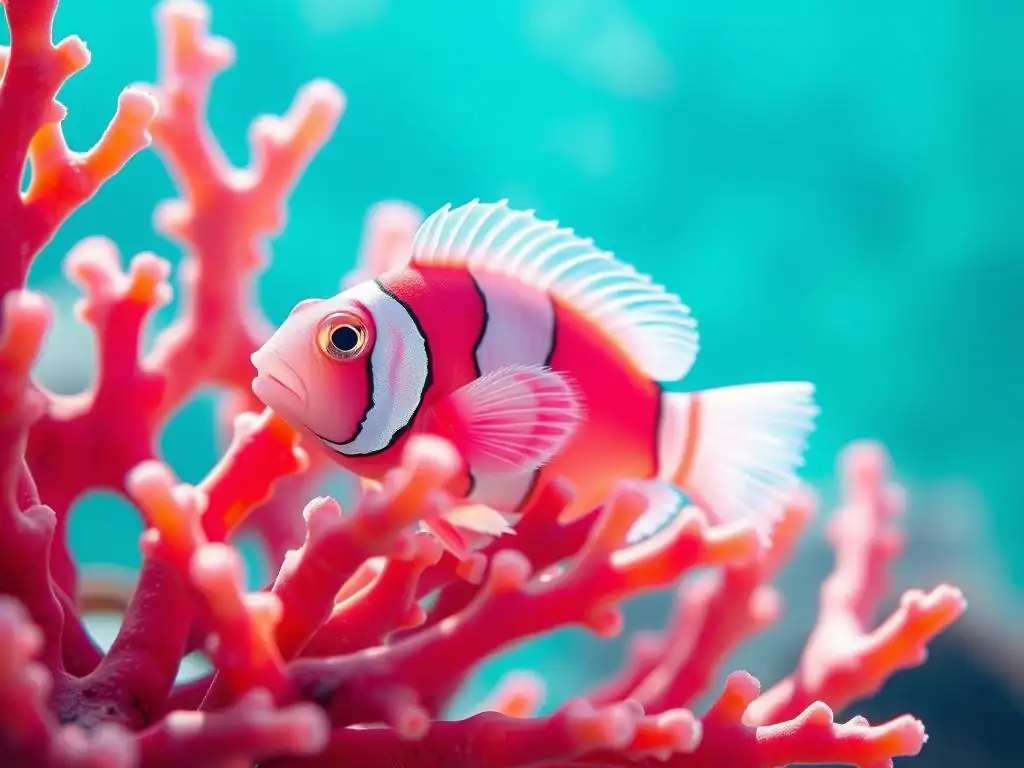
For aquarists seeking to truly optimize their Pink Skunk Clownfish's appearance and vitality, going beyond basic care is essential. Enhancing coloration and vigor primarily revolves around a premium diet and optimal water chemistry. Provide a diverse diet rich in astaxanthin and other carotenoids, which are natural pigments found in foods like spirulina, krill, and high-quality color-enhancing pellets. Frozen foods like mysis shrimp, enriched brine shrimp, and finely chopped seafood should be a regular part of their feeding regimen, offered multiple times a week.
Beyond diet, maintaining pristine and stable water parameters (as discussed in earlier Pink Skunk Clownfish care tips) is crucial. Consistent temperature, salinity, and undetectable levels of ammonia and nitrite reduce stress, allowing the fish to allocate more energy to vibrant coloration and robust health. Adequate lighting, while not directly impacting clownfish color, can indirectly enhance their appearance by promoting the health of their host anemone, if present, which in turn can positively influence the clownfish's well-being.
Optimizing Water Chemistry for Breeding Success
For those aiming for breeding success with Pink Skunk Clownfish, fine-tuning water chemistry is paramount. While stable parameters are always important, a slight elevation in temperature (e.g., 79-80°F or 26-27°C) can sometimes stimulate spawning activity. More critically, consistent alkalinity (8-10 dKH), calcium (400-450 ppm), and magnesium (1250-1350 ppm) are vital, especially if a host anemone is present, as these elements support the health of the entire breeding environment and the developing eggs.
Beyond the major parameters, maintaining low phosphate levels (below 0.03 ppm) is beneficial for overall water quality and can indirectly support egg health. Some breeders also advocate for regular small water changes (10-15% weekly) with high-quality saltwater to replenish trace elements and remove accumulated nitrates, ensuring the most pristine environment for egg development and larval survival. This meticulous approach to water chemistry is a hallmark of advanced Pink Skunk Clownfish care tips for reproduction.
Implementing a Refugium for Water Quality and Pod Production
Implementing a refugium is an advanced technique that significantly enhances water quality and provides a natural food source, directly benefiting Pink Skunk Clownfish care. A refugium is a separate, dimly lit sump or chamber plumbed into the main display tank, typically filled with live rock, sand, and macroalgae (like Chaetomorpha or Caulerpa). The macroalgae consumes nitrates and phosphates, effectively acting as a natural filter and reducing the need for chemical filtration.
Beyond nutrient export, a refugium provides a safe haven for microfauna, particularly copepods and amphipods, to reproduce without predation from the main tank inhabitants. These "pods" are a natural food source for Pink Skunk Clownfish, providing continuous, nutrient-rich live food that can boost their immune system, enhance coloration, and potentially stimulate breeding. The constant trickle of pods from the refugium into the main tank mimics a natural reef ecosystem, contributing to the overall health and vigor of your clownfish. This natural supplementation is a prime example of advanced Pink Skunk Clownfish care tips.
Conclusion: Mastering Pink Skunk Clownfish Care for a Stunning Reef Aquarium.
Frequently Asked Questions
How difficult is it to care for Pink Skunk Clownfish?
Pink Skunk Clownfish are generally considered moderately easy to care for. However, they are more sensitive than some other clownfish species and require stable water parameters.
What size aquarium is recommended for Pink Skunk Clownfish?
A minimum tank size of 20 gallons is recommended for a pair of Pink Skunk Clownfish. This allows them adequate space and helps maintain water quality stability.
What type of anemone is best for Pink Skunk Clownfish?
Pink Skunk Clownfish are known to host in various anemones, including Heteractis magnifica (Ritteri Anemone) and Stichodactyla gigantea (Giant Carpet Anemone). Providing a suitable host anemone is beneficial for their well-being.
What should I feed my Pink Skunk Clownfish?
They are omnivores and should be fed a varied diet of high-quality flake food, frozen foods like mysis shrimp, and small meaty foods. Regular feeding is crucial for their health and vibrant coloration.
What water parameters are ideal for Pink Skunk Clownfish?
Maintaining stable water parameters is crucial. Aim for a temperature of 72-78°F (22-26°C), a salinity of 1.023-1.025 specific gravity, and a pH of 8.1-8.4.
Final Reflection: Embracing the Delicate Balance
The journey into understanding the Pink Skunk Clownfish, as we've explored, is more than just learning aquarium care tips; it's about appreciating the intricate web of life that exists within a coral reef environment. The delicate symbiosis these creatures share with anemones serves as a powerful reminder of the interconnectedness of all living things, and the responsibility we bear in preserving these fragile ecosystems.
This exploration has undoubtedly deepened our understanding of the Pink Skunk Clownfish, but it also underscores the broader need for responsible aquarium keeping and conservation efforts. The dedication required to properly care for these animals reflects a commitment to respecting the natural world and ensuring its survival for future generations. In the end, we will conserve only what we love; we will love only what we understand; and we will understand only what we are taught.
- Baba Dioum. This quote perfectly encapsulates the importance of education and awareness in fostering a genuine appreciation for the delicate balance of marine life.
Now, armed with knowledge and a deeper appreciation for the Pink Skunk Clownfish, I invite you to consider your own role in preserving our planet's biodiversity. Whether you're a seasoned aquarist or simply an admirer of nature, let the lessons learned here inspire you to make informed choices, support sustainable practices, and advocate for the protection of these magnificent creatures and their natural habitats. Let's all strive to be responsible stewards of our planet, ensuring that the vibrant beauty of the Pink Skunk Clownfish and the coral reefs they call home continue to thrive for generations to come.
Dive Deeper: Unleash Your Inner Reef Keeper!
Thank you for exploring the fascinating world of the Pink Skunk Clownfish! We hope you've gained valuable insights into the delicate symbiosis and care required for these charming creatures. Now, let's put that knowledge into action and create a thriving ecosystem.
- Commit to mastering water quality: This is the most crucial aspect of keeping Pink Skunk Clownfish.
- Share your newly acquired knowledge! Pass on this article to fellow reefing enthusiasts, and spark conversations about this amazing animal.
- Consider unconventional pairings: Research alternative anemone hosts or corals that might provide a stimulating environment for your Pink Skunk Clownfish if hosting an anemone isn't possible.
What unexpected behaviors have you observed in your clownfish, and what innovative solutions did you come up with to address them?