
Photographing Your Clownfish and Anemone: Tips for Stunning Symbiotic Shots

Welcome to Aquarium Mastery!
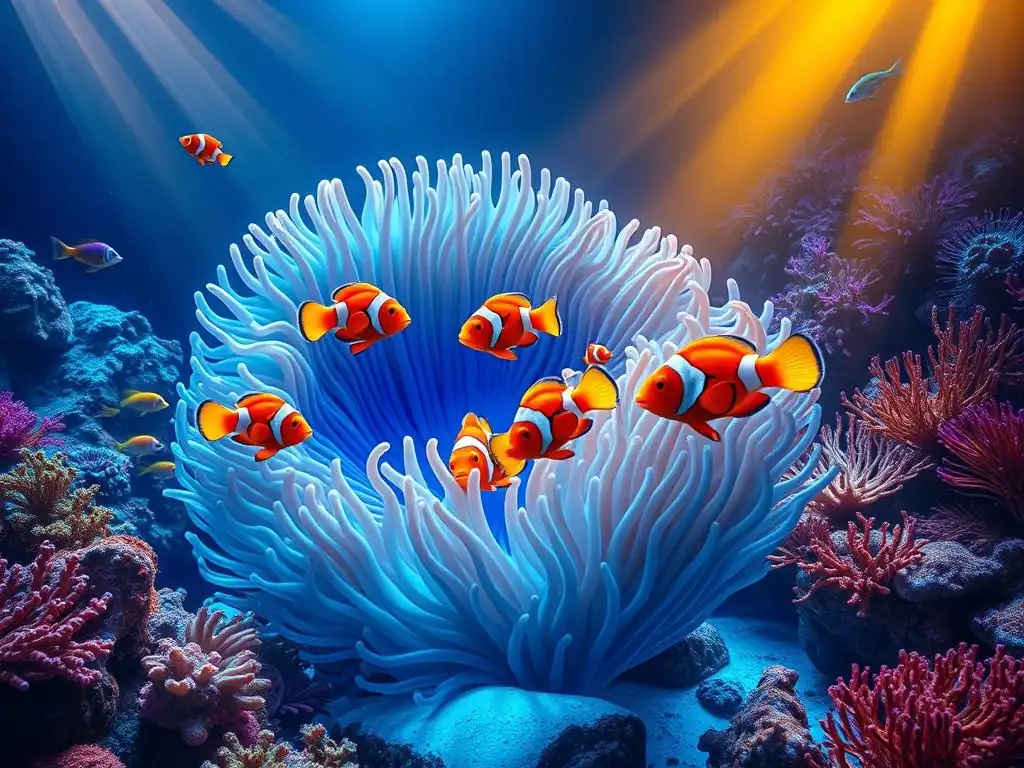
Ever wondered how to capture those breathtaking, National Geographic-worthy shots of your clownfish nestled in their anemone home? We've got you covered! Dive into our guide and discover the secrets to stunning clownfish anemone photography tips, transforming your tank into a photographer's paradise and preserving those precious symbiotic moments forever. Get ready to unlock the art of capturing the beauty of your saltwater aquarium!
- Photographing Clownfish and Anemones: A Guide to Capturing Their Beauty
- Introduction: Capturing the Symbiotic Relationship
- Understanding the Subjects: Clownfish and Anemones
-
Frequently Asked Questions
- How can I improve the sharpness of my clownfish and anemone photos?
- What are the best camera settings for photographing clownfish and anemones in an aquarium?
- How do I deal with the blue tint often present in aquarium photos?
- What are some tips for capturing interesting clownfish behavior with my camera?
- How can I minimize reflections when photographing my aquarium?
- Final Reflection: Capturing the Essence of Symbiosis
- Capture the Underwater Magic: Immortalize Your Clownfish!
Photographing Clownfish and Anemones: A Guide to Capturing Their Beauty
Introduction: Capturing the Symbiotic Relationship
The vibrant world of a saltwater aquarium offers endless photographic opportunities, but few subjects are as captivating as the symbiotic relationship between clownfish and their host anemones. This unique partnership, a dance of mutual benefit and striking visual contrast, provides an incredible canvas for aquarists and photographers alike.
Mastering Clownfish anemone photography tips allows you to transform these fleeting moments of natural beauty into lasting works of art, showcasing the intricate behaviors and stunning colors that make this aquatic duo so beloved. From the playful darting of a clownfish through an anemone's tentacles to the subtle sway of the host itself, every interaction is a potential masterpiece waiting to be captured with precision and artistry.
Understanding the Subjects: Clownfish and Anemones
The Symbiotic Relationship: Impact on Photography
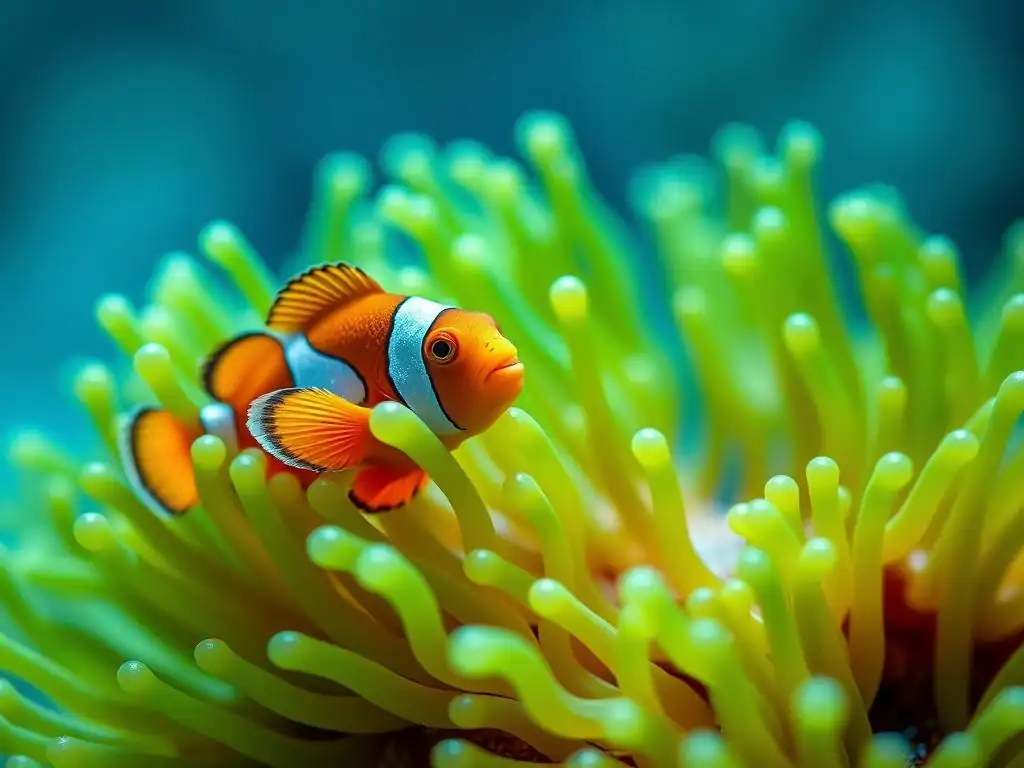
The mutualistic relationship between clownfish and anemones is a cornerstone of their existence and profoundly impacts how they are best photographed. Clownfish, immune to the anemone's stinging nematocysts, seek refuge and protection within the tentacles, while the anemone benefits from the clownfish's waste, aeration, and protection from predators.
From a photographic perspective, this means capturing the clownfish often nestled deep within the anemone, requiring careful consideration of lighting and depth of field to ensure both subjects are in focus and well-lit. The constant, subtle movement of the anemone's tentacles and the clownfish's quick darting in and out create dynamic photographic challenges, demanding faster shutter speeds to freeze motion and prevent blur, especially when attempting to illustrate their protective interaction.
Furthermore, the physical interaction itself—the clownfish rubbing against the tentacles, the gentle sway of the anemone as the fish moves—adds a layer of authenticity and visual interest that simple portraits cannot convey. Photographers aiming for stunning Clownfish anemone photography tips should focus on these behavioral nuances. For instance, capturing a clownfish actively cleaning the anemone or a pair guarding their host offers a narrative element. The interplay of light refracting through the anemone's tentacles and illuminating the clownfish's scales can also create captivating visual effects, highlighting the texture and color of both organisms in their natural habitat.
Selecting Compatible Clownfish and Anemone Species
Choosing the right clownfish and anemone species is crucial not only for the health of your aquarium but also for optimal photographic opportunities. Different clownfish species exhibit varying preferences for host anemones, and some pairings are more common and visually striking than others. For example, the popular Ocellaris Clownfish ( Amphiprion ocellaris) and Percula Clownfish ( Amphiprion percula) are well-known for hosting in Bubble Tip Anemones ( Entacmaea quadricolor), Sebae Anemones ( Heteractis crispa), and Magnificent Sea Anemones ( Heteractis magnifica).
These specific pairings often result in predictable behaviors and complementary color palettes, making them ideal for capturing iconic Clownfish anemone photography tips. A vibrant orange clownfish nestled in a green or purple Bubble Tip Anemone, for instance, offers a natural high-contrast subject.
Consider the size and growth potential of both species when planning your shots. A juvenile clownfish with a large, mature anemone might appear disproportionate, while a large clownfish in a small anemone could obscure the host entirely.
For instance, a fully grown Maroon Clownfish ( Premnas biaculeatus), which can reach up to 17 cm (7 inches), would require a substantial anemone like a Carpet Anemone ( Stichodactyla gigantea) for a balanced composition. Researching species-specific hosting preferences, such as the Pink Skunk Clownfish ( Amphiprion perideraion) often favoring Magnificent Anemones, allows for more authentic and visually pleasing photographic setups that truly represent the symbiotic beauty.
Frequently Asked Questions
How can I improve the sharpness of my clownfish and anemone photos?
To achieve sharper images, ensure your aquarium glass is clean and use a fast shutter speed to minimize motion blur. Also, consider using a tripod for your camera to stabilize it.
What are the best camera settings for photographing clownfish and anemones in an aquarium?
Experiment with aperture and ISO. A wider aperture (lower f-number) can create a shallow depth of field, focusing on the clownfish or anemone. Adjust ISO to maintain a proper exposure without excessive noise.
How do I deal with the blue tint often present in aquarium photos?
Use white balance adjustments on your camera or in post-processing software to correct the blue tint. Experiment with different white balance presets or manually adjust the color temperature.
What are some tips for capturing interesting clownfish behavior with my camera?
Patience is key! Observe your clownfish and anemone to anticipate their movements. Try using burst mode to capture a sequence of shots and increase your chances of getting the perfect moment.
How can I minimize reflections when photographing my aquarium?
Turn off room lights and use a lens hood to block stray light. Position your camera perpendicular to the glass and consider using a polarizing filter to reduce reflections further.
Final Reflection: Capturing the Essence of Symbiosis
The vibrant dance between clownfish and anemone, a microcosm of the ocean's intricate web, holds a captivating allure. The ability to translate this symbiotic relationship into a compelling photograph is more relevant than ever, as visual storytelling becomes a powerful tool for raising awareness about the delicate balance of marine ecosystems and the urgent need for their conservation.
This journey into clownfish anemone photography has not only equipped us with technical skills but has also deepened our appreciation for the beauty and fragility of the underwater world. The act of patiently observing and capturing these moments fosters a profound connection with nature, reminding us of our responsibility to protect it. In the end, we will conserve only what we love; we will love only what we understand; and we will understand only what we are taught.
- Baba Dioum. This quote perfectly encapsulates the power of photography to educate and inspire conservation efforts.
Now, armed with these tips and a renewed sense of wonder, I encourage you to dive in, whether literally or figuratively. Let your lens be a window into this fascinating world, sharing the story of clownfish and anemone with others. Let your photographs not only capture stunning images but also spark conversations and inspire action to protect these precious ecosystems for generations to come.
Capture the Underwater Magic: Immortalize Your Clownfish!
Thanks for diving into the world of clownfish and anemone photography! We hope you've gained some valuable insights to help you capture stunning images of this symbiotic relationship. Now, let's turn that knowledge into action.
- Book a dedicated hour this weekend to experiment with the lighting techniques discussed, focusing on minimizing reflections on your aquarium glass.
- Share your most captivating clownfish photo on Instagram using #AquariumMastery for a chance to be featured on our page.
- Surprise us: Try capturing a short video of your clownfish hosting the anemone, focusing on the movement and interaction between the two.
What's one new trick you're excited to try to get that perfect clownfish photo?