
The Ultimate LPS Coral Care Guide: Euphyllia, Favia, Acans & More

Welcome to Aquarium Mastery!
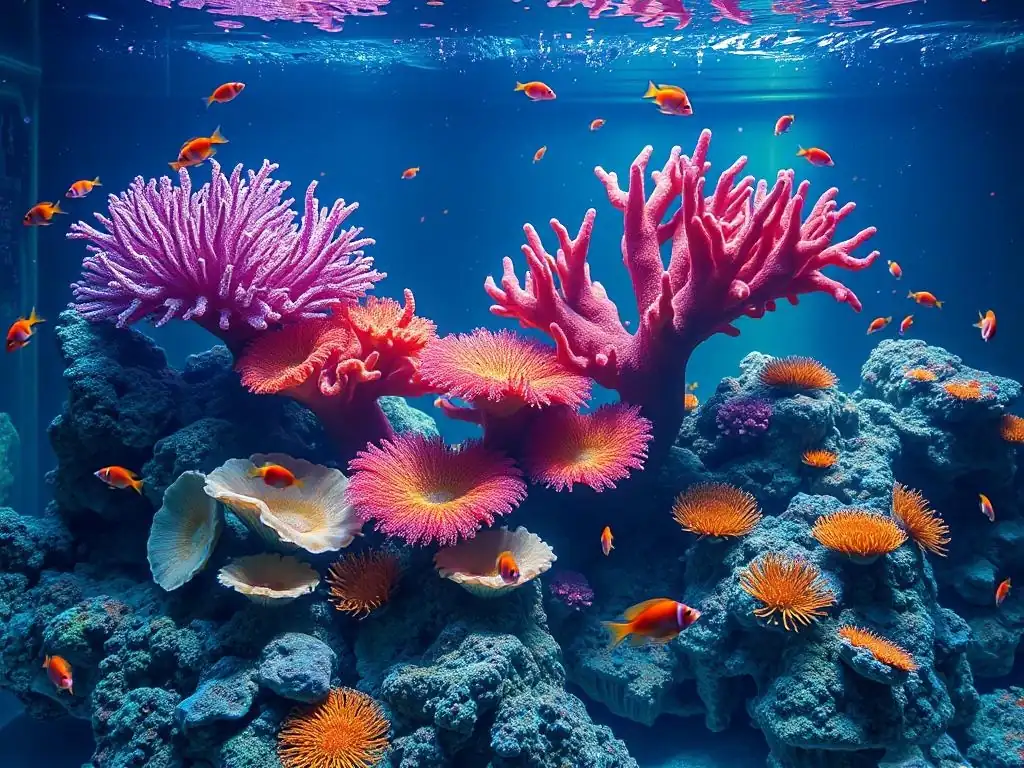
Dive into the vibrant world of LPS corals! Ever wondered how to unlock the secrets to keeping those stunning Euphyllia, Favia, and Acans thriving in your reef tank? Our comprehensive LPS coral care guide is your key to success. From understanding their unique needs to mastering essential care techniques, get ready to transform your aquarium into a flourishing coral paradise. Intrigued? Let's explore the fascinating world of LPS corals together!
- Introduction to LPS Corals: A Comprehensive Care Guide
- Essential Water Parameters for Thriving LPS Corals
- Lighting Requirements for LPS Corals: Illuminating Your Reef
- Feeding Your LPS Corals: Nutritional Needs and Strategies
- Common LPS Coral Species: Care Profiles and Considerations
- Proper Water Flow and Placement for LPS Corals
- Identifying and Treating Common LPS Coral Diseases and Pests
- Fragging LPS Corals: Propagation and Expansion
- Troubleshooting Common LPS Coral Problems
- Conclusion: Mastering LPS Coral Care for a Thriving Reef Aquarium
-
Frequently Asked Questions
- What are LPS corals and why are they popular in reef aquariums?
- What are the key water parameters to maintain for healthy LPS corals?
- How often and what should I feed my LPS corals?
- What type of lighting is best for LPS corals?
- What are some common problems encountered when caring for LPS corals, and how can I address them?
- Final Reflection: The Enduring Beauty of LPS Corals
- Ignite Your Reef: Unleash the Vibrant Potential of Your LPS Corals!
Introduction to LPS Corals: A Comprehensive Care Guide
What are LPS Corals? Understanding the Basics
LPS stands for Large Polyp Stony corals, a diverse group of cnidarians characterized by their large, fleshy polyps and a hard, calcium carbonate skeleton. Unlike Small Polyp Stony (SPS) corals, which have tiny polyps and typically form branching or plating structures, LPS corals often exhibit a more robust, sometimes bulbous appearance due to their expansive polyps. These polyps can expand significantly during the day or at night, creating a dynamic visual display in a reef aquarium.
Common examples of LPS corals include the popular Euphyllia species (Torches, Hammers, Frogspawns), Favia and Favites (Moon corals, War corals), Acanthastrea (Acans), Blastomussa, and Lobophyllia. These corals derive the majority of their energy, typically 70-90%, from a symbiotic relationship with zooxanthellae algae residing within their tissues, performing photosynthesis. However, they also possess well-developed feeding mechanisms, actively capturing and consuming food particles from the water column, which is a crucial aspect of their care and overall health, as detailed in this LPS coral care guide.
Why Choose LPS Corals for Your Reef Tank? Benefits and Considerations
LPS corals are a favored choice for many reef aquarists, from intermediate hobbyists to seasoned veterans, primarily due to their striking aesthetics and often more forgiving care requirements compared to their SPS counterparts. Their large, flowing polyps come in an astonishing array of vibrant colors and patterns, adding significant visual appeal and movement to a reef tank. Species like the "Holy Grail" Torch Euphyllia or the "Watermelon" Acan are highly sought after for their unique coloration.
Beyond their beauty, LPS corals generally exhibit moderate growth rates and can adapt to a wider range of water parameters than SPS corals, making them an excellent stepping stone for those looking to advance beyond soft corals. However, it's important to consider their potential for aggression; many LPS species possess long sweeper tentacles that can inflict damage on neighboring corals, necessitating careful placement and adequate spacing, a key consideration for any comprehensive LPS coral care guide.
LPS Coral Care: Setting the Stage for Success
Successful LPS coral care hinges on providing a stable and appropriate environment that mimics their natural habitat. This involves meticulously managing essential water parameters, optimizing lighting, ensuring adequate water flow, and implementing a consistent feeding regimen. While LPS corals can be more tolerant of slight fluctuations than SPS, long-term stability is paramount to prevent stress, promote vibrant coloration, and encourage robust growth.
This comprehensive LPS coral care guide will delve into the specifics of each critical factor, from maintaining the delicate balance of alkalinity and calcium to understanding the nuances of PAR levels and effective feeding strategies. By adhering to these guidelines, aquarists can cultivate a thriving LPS coral display, enjoying the beauty and dynamic nature these magnificent creatures bring to a reef aquarium.
Essential Water Parameters for Thriving LPS Corals
The Importance of Alkalinity, Calcium, and Magnesium in LPS Coral Care
The trio of alkalinity, calcium, and magnesium forms the bedrock of skeletal growth and overall health for all stony corals, including LPS. Alkalinity, measured in dKH (degrees of carbonate hardness), is crucial for maintaining stable pH and providing the carbonate ions necessary for calcification. An ideal range for LPS corals is typically 8.0-12.0 dKH, with many successful aquarists aiming for a stable 8.5-10.0 dKH. Fluctuations exceeding 0.5-1.0 dKH per day can stress corals and inhibit growth.
Calcium (Ca), the primary building block of the coral's aragonite skeleton, must be present in sufficient concentrations. The recommended range for LPS corals is generally 400-450 ppm. If calcium levels drop too low, corals cannot properly form their skeletons, leading to stunted growth or even tissue recession.
Finally, Magnesium (Mg) plays a vital role in regulating the availability of calcium and alkalinity, preventing their precipitation and ensuring they remain usable by corals. An optimal magnesium level is between 1250-1350 ppm. Maintaining these three parameters within their respective stable ranges is a fundamental aspect of any effective LPS coral care guide.
Maintaining Stable Water Parameters: A Guide to Testing and Adjustments
Consistent monitoring and adjustment of water parameters are critical for the long-term health of LPS corals. Regular testing using reliable test kits (e.g., Hanna Checkers, Salifert, Red Sea) is essential. For new tanks or those experiencing issues, daily testing of alkalinity might be necessary, while established, stable systems may only require testing 2-3 times per week. Calcium and magnesium can typically be tested weekly or bi-weekly.
To maintain these parameters, aquarists often employ various methods. Manual dosing of two-part solutions (calcium and alkalinity supplements) is common for smaller tanks or systems with lower demand. For larger tanks or those with significant coral biomass, automated dosing pumps are highly recommended, providing precise and consistent additions throughout the day.
Kalkwasser, a saturated solution of calcium hydroxide, can also be used as a top-off water to replenish alkalinity and calcium while helping to maintain pH. Additionally, regular partial water changes (e.g., 10-20% bi-weekly) with high-quality salt mix help replenish trace elements and dilute accumulated undesirable substances, contributing significantly to a successful LPS coral care guide.
Nitrate and Phosphate Levels: Finding the Right Balance for LPS Health
While often seen as undesirable, nitrates (NO3) and phosphates (PO4) are essential nutrients in trace amounts, playing a role in coral health and zooxanthellae function. For LPS corals, maintaining a slightly elevated nitrate level, often in the range of 2-10 ppm, is generally preferred by many experienced aquarists compared to ultra-low nutrient systems that can starve corals. Some hardy LPS species can even tolerate levels up to 20 ppm without significant issues, though stability remains key. Excessively low nitrates (below 1 ppm) can sometimes lead to coral pale coloration or even starvation, as zooxanthellae require these nutrients.
Phosphates, on the other hand, should be kept very low, ideally below 0.05 ppm, with many hobbyists aiming for 0.03 ppm or less. High phosphate levels can inhibit coral calcification and promote nuisance algae growth, which can smother corals and compete for resources. Effective nutrient export methods, such as protein skimmers, refugiums with macroalgae (e.g., Chaetomorpha), beneficial bacteria dosing, and the use of GFO (granular ferric oxide) or carbon, are vital for maintaining this delicate balance. Striking the right balance of these nutrients is a nuanced but crucial part of a complete LPS coral care guide.
Lighting Requirements for LPS Corals: Illuminating Your Reef
Understanding PAR (Photosynthetically Active Radiation) for LPS Growth
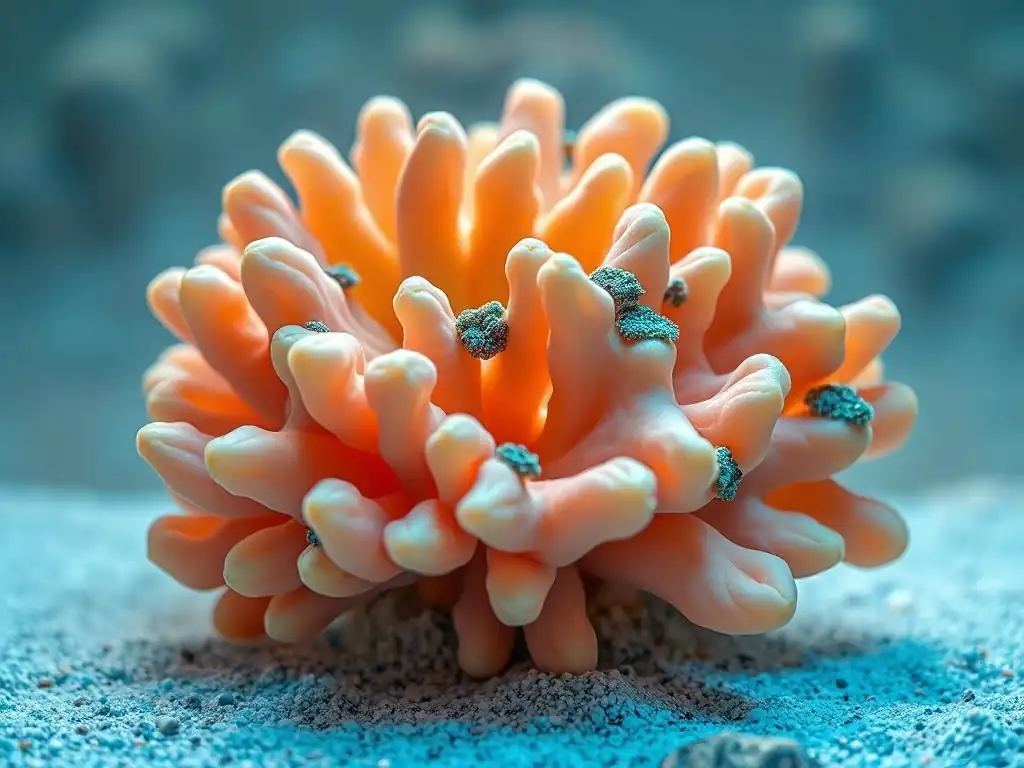
Light is the primary energy source for photosynthetic corals, including the vast majority of LPS species, through their symbiotic zooxanthellae. The intensity of light that corals can utilize for photosynthesis is measured in PAR (Photosynthetically Active Radiation) units, specifically the spectral range from 400 to 700 nanometers. For LPS corals, a moderate PAR range is generally ideal. While some robust species like certain Euphyllia can tolerate up to 200 PAR, most LPS thrive in environments with PAR values between 50 and 150 PAR.
Species like Blastomussa and some Acanthastrea prefer even lower light, often performing best in the 30-80 PAR range. Conversely, placing a low-light LPS coral under intense PAR (e.g., 300+ PAR, typical for SPS) can lead to rapid bleaching, where the coral expels its zooxanthellae, losing color and eventually dying if not remedied. Conversely, insufficient PAR can lead to browning as the coral increases its zooxanthellae density to compensate for low light. Understanding and measuring PAR at different depths and locations in your tank is a critical component of this LPS coral care guide.
Recommended Lighting Types for Different LPS Coral Species
The advancement in aquarium lighting technology offers several excellent options for illuminating LPS corals, each with its own advantages. LED (Light Emitting Diode) fixtures are currently the most popular choice, offering customizable spectrums, dimmability, and energy efficiency. Brands like EcoTech Marine Radion, Kessil, and AquaIllumination (AI) Hydra allow precise control over PAR and color temperature (typically 10,000K to 20,000K, favoring the blue spectrum for coral growth and coloration). This adjustability is invaluable for tailoring light to specific LPS coral needs.
T5 fluorescent bulbs provide excellent light spread and consistent output, often used in conjunction with LEDs to supplement coverage and fine-tune spectrums. While less common for dedicated LPS tanks due to heat generation, Metal Halide lights are powerful and can penetrate deep tanks, though their spectrum is less customizable. When selecting lighting, consider the maximum PAR output, spectrum adjustability, and the specific PAR requirements of the LPS species you intend to keep. This tailored approach is vital for a successful LPS coral care guide.
Acclimation and Light Shock: Avoiding Common Mistakes
Introducing new LPS corals to your aquarium or changing your lighting system requires careful acclimation to prevent light shock. Light shock occurs when a coral is suddenly exposed to a significantly higher PAR level than it is accustomed to, leading to stress, polyp retraction, bleaching, or even tissue necrosis. To avoid this, always start new corals in lower light areas of your tank, such as on the sand bed or in shaded spots.
Over a period of one to two weeks, gradually move the coral to its desired, higher-light location. If using dimmable LED lights, utilize their ramp-up and ramp-down features, or manually reduce intensity for several days, slowly increasing it back to desired levels. For non-dimmable lights, consider using multiple layers of screen mesh over the tank to gradually reduce light intensity. Observing your corals for signs of stress, such as prolonged polyp retraction or paling coloration, will indicate if the light is too intense, guiding your adjustments and reinforcing a key principle of this LPS coral care guide.
Feeding Your LPS Corals: Nutritional Needs and Strategies
Understanding the Nutritional Requirements of LPS Corals
While the symbiotic zooxanthellae within LPS coral tissues provide the majority of their energy through photosynthesis, direct feeding plays a crucial role in their overall health, growth, and vibrant coloration. LPS corals are heterotrophic, meaning they actively capture and consume food particles from the water column. Their large, often sticky polyps and well-developed feeding tentacles are highly adapted for this purpose, allowing them to capture a range of prey from microscopic plankton to small crustaceans.
Supplemental feeding provides essential amino acids, fatty acids, and other nutrients that zooxanthellae alone cannot supply in sufficient quantities, especially for faster growth or recovery from stress. Studies suggest that direct feeding can significantly boost growth rates by up to 30-50% in some LPS species. Without adequate direct nutrition, LPS corals may become pale, retract their polyps more frequently, or exhibit slower growth. Therefore, incorporating a consistent feeding strategy is an indispensable part of any comprehensive LPS coral care guide.
Best Foods for LPS Corals: A Detailed Guide
A varied diet is key to meeting the diverse nutritional needs of LPS corals. Some of the most effective foods include:
- Frozen Meaty Foods: Mysis shrimp are a staple, readily accepted by most LPS due to their size and nutritional content. Brine shrimp (often enriched) and finely chopped silversides or krill are also excellent options. Ensure these foods are thawed and rinsed before feeding to avoid introducing excess phosphates.
- Pellet and Powdered Coral Foods: Products like Reef-Roids, Polyp-Lab Reef-Raft, and Fauna Marin LPS Grow and Color are specifically formulated with a blend of marine proteins, lipids, and carbohydrates tailored for coral consumption. These can be broadcast fed or target fed.
- Liquid Coral Foods and Amino Acids: These provide dissolved nutrients and amino acids that can be absorbed directly by the coral tissue. While not a primary food source, they can enhance coloration and overall vigor, particularly for corals that may not readily accept larger particulate foods.
The frequency of feeding depends on the species and tank nutrient levels, but generally, target feeding 2-3 times per week is sufficient for most LPS corals. Some very hungry species, like Acanthastrea, may benefit from daily feeding. This varied approach to nutrition is a cornerstone of a successful LPS coral care guide.
Target Feeding Techniques for Optimal Growth and Coloration
Target feeding is the most effective method for ensuring your LPS corals receive adequate nutrition, minimizing waste that could impact water quality. To target feed, first, turn off circulation pumps for 10-15 minutes to prevent food from being immediately swept away. This allows the food to settle directly onto the coral polyps.
Use a coral feeder, baster, or pipette to gently squirt small amounts of prepared food directly onto the extended polyps of each coral. Observe how quickly the coral consumes the food; if it's not being consumed within a few minutes, you may be feeding too much or the coral is not receptive. Many LPS corals extend their feeding tentacles more prominently at night, making evening feeding a highly effective strategy.
Overfeeding should be avoided as it can contribute to nutrient buildup and nuisance algae. Consistent and mindful target feeding, as detailed in this LPS coral care guide, will significantly contribute to the vibrant colors and robust growth of your LPS collection.
Common LPS Coral Species: Care Profiles and Considerations
Euphyllia Coral Care: Torches, Hammers, and Frogspawn
Euphyllia corals, encompassing the popular Torch (Euphyllia glabrescens), Hammer (Euphyllia ancora), and Frogspawn (Euphyllia divisa) species, are among the most iconic and sought-after LPS corals in the hobby. They are admired for their vibrant colors, dynamic polyp movement, and elegant structures. Euphyllia can grow as branching colonies or wall colonies, with branching forms being easier to frag. They are generally considered moderately difficult to care for, making them suitable for intermediate aquarists who have mastered basic water chemistry.
A key consideration for Euphyllia is their aggressive nature. They possess long, potent sweeper tentacles that can extend several inches, particularly at night, to sting and digest neighboring corals. It is crucial to provide ample space, typically at least 6-8 inches (15-20 cm) from other corals, to prevent chemical warfare and tissue damage. This spacing is a critical aspect of Euphyllia care within any comprehensive LPS coral care guide.
Euphyllia Lighting and Flow Requirements
Euphyllia corals thrive under moderate lighting conditions. A PAR (Photosynthetically Active Radiation) range of 80-150 PAR is generally ideal for most species, though some can tolerate up to 200 PAR if properly acclimated. Too much light can cause bleaching, leading to a loss of coloration and potentially tissue recession, while insufficient light can cause the polyps to appear stretched or brown. It is crucial to acclimate new Euphyllia slowly to your tank's lighting, starting them lower in the tank and gradually moving them up over a week or two.
Regarding water flow, Euphyllia prefer moderate, indirect, and turbulent flow. The polyps should sway gently and naturally, but should not be blasted by direct, strong laminar flow, which can cause tissue damage, prevent polyp extension, and lead to stress or even RTN (Rapid Tissue Necrosis). Random flow generators or multiple powerheads creating chaotic flow patterns are excellent for providing the ideal environment, ensuring nutrients are delivered and detritus is prevented from settling on the coral.
Euphyllia Feeding Strategies
Euphyllia corals are highly capable feeders and greatly benefit from regular target feeding. While their zooxanthellae provide a significant portion of their energy, supplemental feeding promotes faster growth, enhanced coloration, and overall vitality. They readily accept a variety of meaty foods.
Recommended foods include thawed Mysis shrimp, enriched brine shrimp, finely chopped silversides, and specialized coral pellets or powdered foods like Reef-Roids. Target feed individual polyps 2-3 times per week, preferably after the main lights have dimmed or turned off, as this is when their feeding tentacles are typically most extended. Turn off powerheads during feeding to allow the food to settle on the polyps, ensuring consumption and minimizing waste in the water column.
Common Euphyllia Diseases and Treatments
Euphyllia corals can be susceptible to a few common ailments. Brown Jelly Disease (BJD) is a rapid and highly destructive condition characterized by a brown, slimy, stringy substance covering parts of the coral. It is often caused by a bacterial or protozoan infection and can spread quickly. Immediate action is required: isolate the affected coral, siphon off the brown jelly, and perform a freshwater dip (30-60 seconds in temperature and pH-matched RO/DI water) or an iodine dip (e.g., Seachem Reef Dip for 10-15 minutes). In severe cases, cutting away affected tissue with sterilized tools may be necessary.
Tissue Recession (tissue pulling away from the skeleton) can be caused by various factors, including poor water parameters (e.g., low alkalinity, high nitrates), excessive flow, aggression from other corals, or physical damage. Bleaching (loss of color, turning pale or white) is typically a sign of too much light, but can also be caused by temperature swings or severe water quality issues. Addressing the underlying cause is crucial for recovery, making observation and prompt action vital elements of Euphyllia care in this LPS coral care guide.
Favia and Favites Coral Care: Moon Corals and War Corals
Favia and Favites corals, often referred to as Moon corals and War corals respectively, are popular LPS choices known for their encrusting or massive growth forms and vibrant, often contrasting, colors. While similar in appearance, Favia corals have distinct, separate corallites, whereas Favites corals share connecting walls between their corallites, giving them a more "maze-like" or "brain-like" appearance. Both are generally hardy and can be a good choice for intermediate aquarists looking for a robust LPS species.
These corals grow by adding new corallites around their periphery, slowly expanding their colony. They are less aggressive than Euphyllia species but can still deploy mesenterial filaments at night to digest nearby competitors. It is advisable to provide at least 2-4 inches (5-10 cm) of space around them to prevent potential issues. Their encrusting nature means they can eventually grow over rockwork, creating impressive, colorful mounds.
Favia/Favites Placement and Aggression
Favia and Favites corals are versatile in terms of placement and can thrive in various locations within the tank, though they generally prefer the mid to lower sections where lighting is moderate. Their encrusting growth habit means they often do well on stable rockwork or the sand bed. When placing them, consider their potential for aggression. While they lack the long sweeper tentacles of Euphyllia, they can deploy digestive mesenterial filaments from their polyps at night if another coral is too close.
To prevent competition and potential tissue damage, ensure a buffer zone of at least 2-4 inches (5-10 cm) between Favia/Favites and other corals. Observing their nighttime behavior can help confirm adequate spacing. Their relatively slower growth compared to some soft corals makes them easier to manage in terms of footprint, but long-term planning for their expansion is still a good practice for any comprehensive LPS coral care guide.
Maintaining Water Quality for Favia/Favites
Like most stony corals, Favia and Favites require stable water parameters to thrive. They prefer alkalinity in the range of 8-10 dKH, calcium between 400-450 ppm, and magnesium around 1250-1350 ppm. While they are known to be slightly more tolerant of fluctuating water quality compared to delicate SPS corals, consistency is still paramount. Sudden swings in pH, salinity, or temperature can induce stress.
Favia and Favites can also tolerate slightly higher nitrate levels than some other corals, with successful tanks often having nitrates in the 5-20 ppm range. However, phosphates should still be kept very low, ideally below 0.05 ppm, to prevent algae growth and calcification inhibition. Regular water changes (e.g., 10% every two weeks) are beneficial for replenishing trace elements and maintaining overall water quality, which is vital for this segment of the LPS coral care guide.
Identifying and Treating Favia/Favites Problems
Common problems with Favia and Favites often manifest as tissue loss or changes in coloration. Tissue loss can appear as white patches where the tissue has receded from the skeleton. This can be caused by physical damage (e.g., bumping, fish nipping), aggression from nearby corals, or poor water parameters (e.g., critically low alkalinity or high nitrates). Inspect the coral closely and check all relevant water parameters.
Pale coloration or dullness often indicates insufficient light or a lack of essential nutrients. Increasing target feeding frequency or slightly adjusting lighting can help. Conversely, browning can suggest too little light or excessive nutrient levels. Brown Jelly Disease, while less common than in Euphyllia, can also affect Favia/Favites and requires immediate isolation and treatment with freshwater or iodine dips. Prompt identification of symptoms and correction of underlying issues are key to successful Favia/Favites care.
Acan Coral Care: Acanthastrea Lordhowensis and Echinata
Acanthastrea corals, commonly known as Acans, particularly Acanthastrea lordhowensis and Acanthastrea echinata, are highly prized LPS corals due to their mesmerizing array of vibrant colors, intricate patterns, and relatively compact, encrusting growth forms. They feature small, fleshy polyps that can inflate significantly, often displaying striking combinations of reds, greens, blues, oranges, and purples. Acans are generally considered hardy and forgiving, making them an excellent choice for beginner to intermediate reef aquarists.
Acans grow by adding new polyps around their periphery, slowly forming a colorful mat over rockwork. While not highly aggressive with sweeper tentacles, they can sting nearby corals if in direct contact, so adequate spacing (1-2 inches or 2.5-5 cm) is still recommended. Their captivating beauty and relatively straightforward care, especially concerning their unique feeding requirements, make them a highlight in any comprehensive LPS coral care guide.
Acan Lighting and Flow Preferences
Acanthastrea corals prefer low to moderate lighting conditions. A PAR range of 50-100 PAR is typically ideal for most species. They are particularly susceptible to bleaching under intense light, which can cause their vibrant colors to fade rapidly and lead to tissue recession. It is advisable to place Acans in the lower sections of the tank or in shaded areas where they receive diffused light. Observing their coloration is a good indicator: if they start to look pale or bleached, the light is likely too strong; if they appear dull or brownish, it might be too little light.
Regarding water flow, Acans thrive in low to moderate, indirect flow. Strong, direct laminar flow can prevent their polyps from fully extending, inhibit feeding, and potentially cause tissue irritation or damage. The polyps should gently sway with the current, allowing detritus to be cleared without being violently agitated. Positioning them behind rockwork or in areas with turbulent, chaotic flow from powerheads can provide the ideal environment.
Feeding Acans for Vibrant Colors
Feeding is arguably the most critical aspect of Acan coral care for promoting vibrant colors and robust growth. Acans are voracious eaters and possess well-developed feeding responses. While they do host zooxanthellae, direct feeding provides crucial nutrients that significantly enhance their coloration, polyp inflation, and overall health.
It is highly recommended to target feed Acans 3-4 times per week. They readily accept a variety of meaty foods, including thawed Mysis shrimp, enriched brine shrimp, finely chopped silversides, and specialized coral foods like Reef-Roids or other small particulate coral pellets. Turn off pumps during feeding to ensure the food settles directly onto the polyps. Observe their feeding response; their polyps will typically extend and engulf the food within minutes. Consistent and generous feeding is a cornerstone of an effective LPS coral care guide for Acans.
Preventing and Treating Acan Melt
"Acan Melt" is a term commonly used to describe rapid tissue necrosis in Acanthastrea corals, where the tissue rapidly recedes from the skeleton, often appearing as a white, exposed skeleton. This can be caused by a variety of stressors, including sudden changes in water parameters, physical damage, high temperatures, or bacterial/fungal infections. It can spread quickly and be devastating to a colony if not addressed promptly.
Prevention is key: maintain stable water parameters, provide appropriate lighting and flow, and handle corals gently. If Acan melt occurs, immediate action is necessary. Isolate the affected coral in a quarantine tank. A freshwater dip (30-60 seconds in temperature and pH-matched RO/DI water) can sometimes dislodge irritants or surface pathogens.
An iodine dip (e.g., Seachem Reef Dip for 10-15 minutes) can also be beneficial for its antiseptic properties. In severe cases, some hobbyists resort to antibiotic dips (e.g., with Ciprofloxacin, but consult experienced aquarists before using medication in a reef tank). Physically removing affected tissue with a sterilized blade can also help stop the spread.
Other Popular LPS Corals: Blastomussa Wellsii Care
Blastomussa corals, particularly Blastomussa wellsi and Blastomussa merleti, are small, highly attractive LPS corals known for their distinctive bubble-like polyps and intense coloration, often displaying vibrant reds, purples, and greens. They are generally considered relatively easy to care for, making them suitable for beginners venturing into LPS corals. Blastomussa wellsi has larger, more individual polyps, while Blastomussa merleti forms smaller, more numerous polyps in an encrusting or branching fashion.
Blastomussa corals are unique in their preference for very low light and gentle flow, setting them apart from many other LPS. They also have a lower density of zooxanthellae compared to some other photosynthetic corals, which means direct feeding is even more crucial for their health and coloration. Their non-aggressive nature allows them to be placed closer to other non-aggressive corals, though always ensure no direct contact.
Lighting and Flow: Blastomussa wellsi thrives in very low PAR, typically in the range of 30-70 PAR. Placing them in shaded areas, at the bottom of the tank, or under overhangs is ideal. Higher light can quickly lead to bleaching. They also require very low, gentle, indirect water flow. Strong flow can prevent polyp extension and cause tissue damage. The polyps should remain inflated and gently sway.
Feeding: Given their lower reliance on photosynthesis, Blastomussa corals benefit significantly from regular target feeding. Feed small meaty foods such as enriched brine shrimp, rotifers, cyclop-eeze, or finely crushed coral pellets 2-3 times per week. Target feeding ensures they receive the necessary nutrients for their vibrant colors and overall vitality.
Placement: Due to their low light and flow requirements, Blastomussa should be placed in the calmest, shadiest parts of the aquarium. They are generally non-aggressive, so they can be placed relatively close to other non-aggressive corals, provided there is no direct contact. Maintaining stable water parameters (Alkalinity 8-10 dKH, Calcium 400-450 ppm, Magnesium 1250-1350 ppm) is still important for their long-term health.
Proper Water Flow and Placement for LPS Corals
The Importance of Water Movement for LPS Health
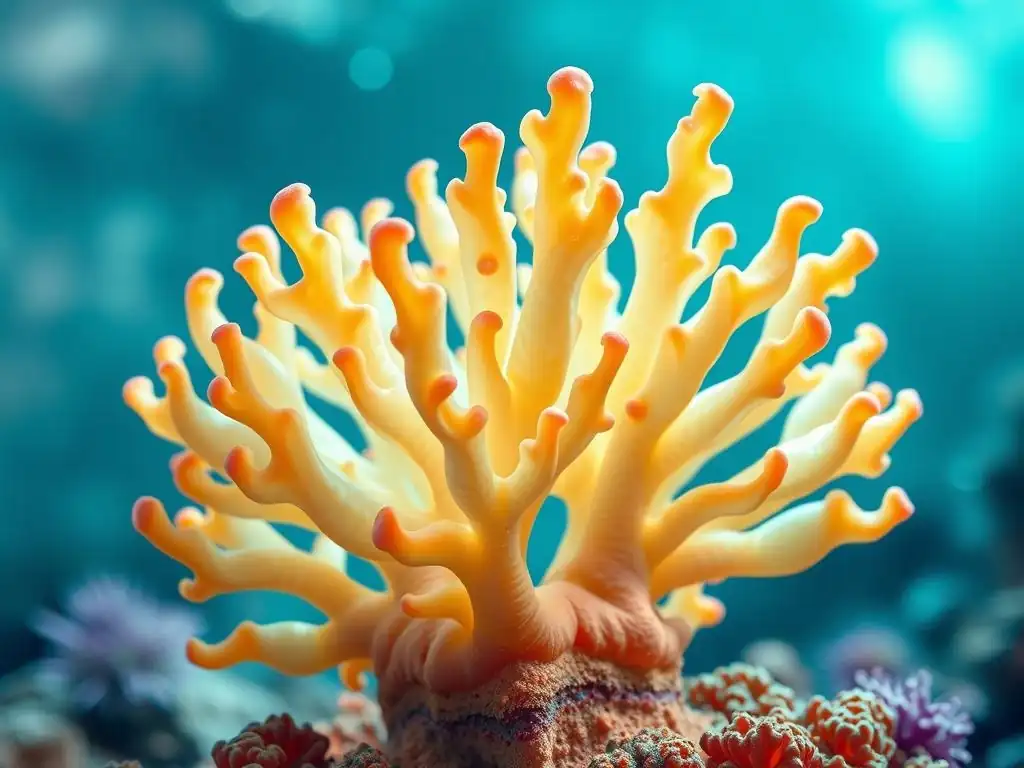
Water movement, or flow, is a critical environmental factor for the health and vitality of LPS corals, playing multiple indispensable roles. Firstly, adequate flow ensures the efficient delivery of essential nutrients, including dissolved organic matter, trace elements, and particulate food, directly to the coral polyps, enabling them to feed and grow. Secondly, water flow is crucial for the effective removal of metabolic waste products, such as mucus and detritus, from the coral's surface. Stagnant areas can lead to the accumulation of waste, which can suffocate polyps, promote bacterial growth, and contribute to tissue necrosis.
Thirdly, proper flow facilitates gas exchange, ensuring corals receive sufficient oxygen and can efficiently expel carbon dioxide. Lastly, gentle, turbulent flow helps to keep the coral's tissue clean and free from nuisance algae or sediment buildup, which can irritate and stress the coral. Without appropriate water movement, LPS corals can experience stunted growth, reduced polyp extension, tissue recession, and increased susceptibility to disease, highlighting its importance in any LPS coral care guide.
Ideal Flow Rates for Different LPS Coral Species
The ideal water flow rate varies significantly among different LPS coral species, largely dependent on their polyp structure and natural habitat. Observing the coral's polyp extension and how it sways in the current is the best indicator of appropriate flow.
- Euphyllia (Torches, Hammers, Frogspawns): These corals prefer moderate, indirect, and turbulent flow. Their large, fleshy polyps should gently sway, indicating sufficient water movement without being blasted. Direct, strong laminar flow can cause tissue damage, prevent full polyp extension, and lead to RTN (Rapid Tissue Necrosis). Aim for flow that creates a gentle, chaotic movement of the polyps.
- Favia and Favites (Moon Corals, War Corals): These encrusting corals also thrive in moderate, turbulent flow. They are generally less sensitive to direct flow than Euphyllia, but still prefer indirect movement. The flow should be strong enough to keep their surface clean of detritus without causing their polyps to retract excessively.
- Acanthastrea (Acans): Acans prefer low to moderate, indirect flow. Too much flow will prevent their polyps from fully extending and can cause tissue irritation. Their polyps should inflate fully and gently undulate. Place them in areas where water movement is gentle but consistent.
- Blastomussa: These corals require very low, gentle flow. They are easily stressed by strong currents, which can prevent polyp extension and lead to tissue damage. Position them in the calmest areas of the tank, often shielded by rockwork.
Placement Strategies to Avoid Aggression and Competition
Careful placement of LPS corals within your reef aquarium is crucial to prevent aggression and competition for space and light. Many LPS corals possess potent defensive mechanisms, primarily sweeper tentacles or mesenterial filaments, which they deploy to ward off or digest encroaching neighbors.
- Sweeper Tentacles: Euphyllia species are notorious for their long, stinging sweeper tentacles, which can extend 4-6 inches (10-15 cm) or more, especially at night. It is imperative to provide ample clearance, often 6-8 inches (15-20 cm) or more, between Euphyllia and other corals to avoid chemical warfare and tissue burns.
- Mesenterial Filaments: Favia and Favites corals, while not having long sweepers, can extend mesenterial filaments from their polyps to digest neighboring corals if in direct contact. Allow at least 2-4 inches (5-10 cm) of space between them and other corals.
- Encrusting Growth: Corals like Acanthastrea, Favia, and Favites grow by encrusting over rockwork. While they don't have long-range aggression, they can eventually grow over and smother slower-growing corals if placed too close.
- Light and Flow Zones: Consider the specific light and flow requirements of each species. Place low-light, low-flow corals like Blastomussa in shaded, calm areas, and moderate-light, moderate-flow corals like Euphyllia in mid-tank positions. Always research the specific aggression levels of new corals and observe interactions closely to ensure a harmonious and thriving LPS coral display, a key aspect of this LPS coral care guide.
Identifying and Treating Common LPS Coral Diseases and Pests
Recognizing Signs of Stress in LPS Corals
Early detection of stress is paramount in LPS coral care, as prompt intervention can often prevent irreversible damage. Recognizing subtle signs of distress can make a significant difference in a coral's recovery. Common indicators of stress in LPS corals include:
- Polyp Retraction: While occasional retraction is normal (e.g., during feeding, after handling, or at night), prolonged or consistent polyp retraction, especially during the day when they should be extended, is a strong sign of stress.
- Tissue Recession: This is characterized by the coral tissue pulling away from its skeleton, exposing the white skeletal structure. It can start from the base or edges and progress rapidly.
- Bleaching: The coral appears pale, white, or translucent due to the expulsion of zooxanthellae. This often indicates excessive light, high temperatures, or severe water quality issues.
- Browning: Conversely, a coral turning dark brown or green can indicate insufficient light, causing zooxanthellae to proliferate excessively, or very high nutrient levels.
- Excess Mucus Production: Corals produce mucus as a defense mechanism when irritated by physical contact, poor water quality, or pests.
- Brown Jelly: A rapid, localized tissue necrosis accompanied by a brown, slimy, stringy substance, often indicative of a bacterial or protozoan infection. This is highly contagious and lethal if not treated immediately.
Regular observation of your corals' appearance and behavior is the first line of defense in maintaining a healthy LPS coral display, as detailed in this LPS coral care guide.
Common LPS Coral Diseases: Brown Jelly Disease, Bleaching, and More
LPS corals, despite their hardiness, can fall victim to various diseases, often triggered by environmental stress.
- Brown Jelly Disease (BJD): This is perhaps the most feared and rapidly destructive disease in LPS corals. It manifests as a brown, gelatinous mass covering the coral tissue, which quickly necroses. BJD is typically caused by opportunistic protozoa or bacteria. It is highly contagious and can wipe out entire colonies or spread to other corals within hours.
- Bleaching: As mentioned, bleaching is the loss of zooxanthellae, causing the coral to lose its color and appear white. It's a stress response to adverse conditions such as excessively high or low lighting, sudden temperature fluctuations (even a 2-3°F swing), prolonged poor water quality, or high oxidative stress. While corals can recover from mild bleaching if the stressor is removed, severe bleaching can lead to starvation and death.
- Tissue Necrosis/Recession (STN/RTN): These terms refer to the general process of coral tissue dying and receding from the skeleton. STN (Slow Tissue Necrosis) progresses gradually, while RTN (Rapid Tissue Necrosis) can consume a coral within hours. These are often bacterial in nature but can be exacerbated by poor water parameters, physical damage, or aggression from other corals.
- Fungal Infections: Less common, but some fungal infections can cause tissue loss, often appearing as fuzzy white patches.
Understanding these diseases and their potential causes is essential for any comprehensive LPS coral care guide, enabling prompt and effective intervention.
Effective Treatments for LPS Coral Ailments
Treating LPS coral ailments requires swift and appropriate action. The first step for any sick coral is isolation into a separate quarantine tank if possible, to prevent the spread of disease and allow focused treatment.
- For Brown Jelly Disease:
- Immediately siphon off all visible brown jelly from the affected area.
- Perform a freshwater dip (30-60 seconds in temperature and pH-matched RO/DI water). This can dislodge protozoa and irritate surface pathogens.
- Follow with an iodine dip (e.g., Seachem Reef Dip or Lugol's solution, following manufacturer instructions, typically 10-15 minutes). Iodine acts as an antiseptic.
- If the infection is localized, consider fragging the healthy part of the coral, cutting well away from the diseased tissue with sterilized bone cutters or a Dremel.
- In severe cases, some experienced hobbyists use targeted antibiotic dips (e.g., Ciprofloxacin, Furan-2) but this should be done with caution and research, as antibiotics can negatively impact beneficial bacteria.
- For Bleaching: Identify and correct the underlying stressor. If it's light, move the coral to a lower-light area or dim your lights gradually. If it's temperature, ensure stable temperature control. Stabilize all water parameters. Increase target feeding to provide additional energy.
- For Tissue Recession/Necrosis: Address the root cause. Check all water parameters, ensure proper flow, identify and remove physical irritants or aggressive neighbors. Dips (freshwater, iodine) can also be beneficial, and in cases of suspected bacterial infection, specific antibiotic dips may be considered.
Always handle sick corals gently, wear gloves, and sterilize all tools used. Prevention through stable parameters and a healthy environment remains the best strategy for LPS coral care.
Dealing with Pests: Flatworms, Nudibranchs, and Other Invertebrates
Pests can be a persistent threat to LPS corals, often introduced on new coral frags or live rock. Vigilance and proper quarantine procedures are essential.
- Red Planaria (Flatworms): Small, reddish-brown flatworms (e.g., Convolutriloba retrogemma) can proliferate rapidly, coating corals and blocking light. While generally not directly consuming coral tissue, they can smother corals.
- Treatment: Siphon them out during water changes. Chemical treatments like Flatworm Exit (by Salifert) are highly effective but require large water changes and carbon filtration afterward, as dead flatworms release toxins. Natural predators like Six-line Wrasses can help, but are not always reliable.
- Acanthastrea Eating Nudibranchs (AEFW): Phestilla spp. nudibranchs specifically prey on Acan corals, blending in perfectly with the coral tissue. They are notoriously difficult to spot.
- Treatment: Manual removal with tweezers or a baster. Regular dips (e.g., iodine dip for 10-15 minutes) can help dislodge them and their eggs. Multiple treatments over several weeks are often necessary to break their life cycle.
- Asterina Starfish: Most Asterina starfish are harmless detritivores, but some species (particularly those with reddish tips or a mottled pattern) can be predatory on coral polyps.
- Treatment: Manual removal. Some natural predators like Harlequin Shrimp can consume them, but they require starfish as a primary diet.
- Bristleworms: While most bristleworms are beneficial detritivores, very large species can sometimes irritate or damage corals, especially if food is scarce.
- Treatment: Generally not necessary. If problematic, use a bristleworm trap or manual removal with tweezers.
The most effective strategy for pest control is a strict quarantine protocol for all new corals, typically 3-4 weeks, combined with prophylactic dips (e.g., iodine or a commercial coral dip) before introducing them to the main display tank. This proactive approach is a cornerstone of a responsible LPS coral care guide.
Fragging LPS Corals: Propagation and Expansion
Introduction to LPS Coral Fragging Techniques
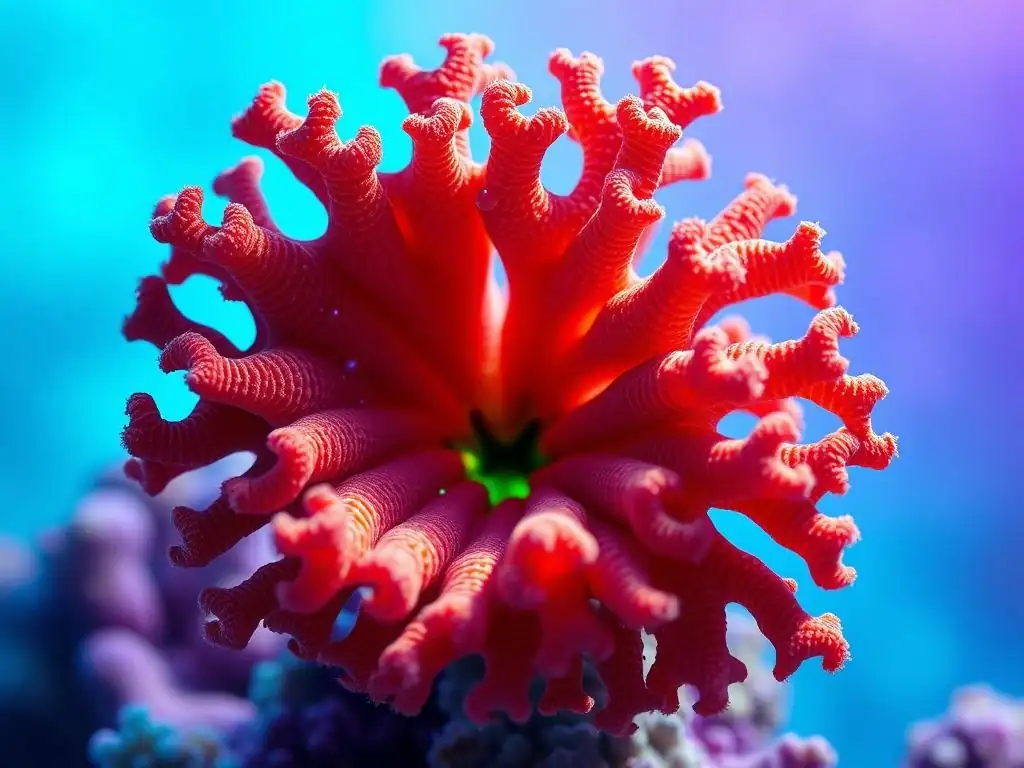
Fragging, or propagation, is the process of breaking a piece off a parent coral colony to create a new, genetically identical colony. This practice is widely popular in the reef hobby for several reasons: it allows aquarists to share or trade corals, manage the growth of rapidly expanding colonies, and salvage healthy pieces from a diseased or dying coral. Fragging LPS corals typically involves cutting their calcium carbonate skeleton, which requires specific tools and careful technique to minimize stress to the coral and ensure successful propagation.
The primary tools for fragging LPS corals include specialized bone cutters (for branching species), a Dremel rotary tool with a diamond cutting wheel (for massive or encrusting species), super glue gel for attachment, and frag plugs or discs. Safety is paramount: always wear eye protection and gloves, and ensure all tools are sterilized before and after use to prevent the spread of diseases or bacteria. Understanding these basic techniques is a valuable addition to any comprehensive LPS coral care guide.
Step-by-Step Guide to Fragging Euphyllia, Favia, and Acans
The specific fragging technique varies slightly depending on the LPS coral species due to their different skeletal structures:
- Fragging Euphyllia (Torches, Hammers, Frogspawns):
- Preparation: Gently remove the coral from the tank and place it in a shallow container of tank water. Allow polyps to retract fully.
- Cutting (Branching Forms): For branching Euphyllia (like most Torches or branching Hammers), use sharp, sterilized bone cutters. Identify a healthy branch with a distinct polyp head. Position the cutters at the base of the branch, ensuring a clean cut through the skeleton. Aim for a piece with at least one healthy polyp.
- Cutting (Wall Forms): For wall Euphyllia (e.g., wall Hammers), a Dremel with a thin diamond cutting wheel is often necessary. Carefully cut through the skeletal wall, ensuring each frag has a viable polyp.
- Post-Cut Dip: Dip the frag and the mother colony in an antiseptic solution (e.g., iodine dip) for 5-10 minutes to help prevent infection.
- Attachment: Apply a generous amount of super glue gel to the base of the frag and attach it firmly to a frag plug or a piece of rubble rock. Hold in place for 30-60 seconds until set.
- Fragging Favia and Favites:
- Preparation: As above, place coral in shallow tank water.
- Cutting: Use a Dremel with a diamond cutting wheel. Carefully cut through the skeletal structure, ensuring each frag has at least one complete corallite (polyp mouth) and some surrounding tissue. These corals are often encrusting, so cutting through the base is common.
- Post-Cut Dip & Attachment: Follow the same dipping and attachment procedures as with Euphyllia.
- Fragging Acans (Acanthastrea):
- Preparation: Place coral in shallow tank water, allowing polyps to retract.
- Cutting: Acans have individual polyps connected by a shared skeleton. Use a Dremel with a diamond cutting wheel or very sharp, small bone cutters. Cut between polyps or through the skeleton, ensuring each frag has at least one healthy polyp (preferably multiple for better survival rates).
- Post-Cut Dip & Attachment: Follow the same dipping and attachment procedures.
After fragging, return the mother colony and new frags to the aquarium, ideally in a lower flow, lower light area initially to aid in healing. This detailed approach is crucial for a successful LPS coral care guide.
Caring for Your New LPS Coral Frags
Proper post-fragging care is essential for the survival and growth of your new LPS coral frags. The first few days to weeks are critical as the frag heals and acclimates to its new form.
- Placement: Initially, place new frags in a lower-light, lower-flow area of your tank. This reduces stress on the healing tissue and prevents them from being dislodged by strong currents. A PAR of 50-80 is often suitable for healing.
- Water Quality: Maintain pristine water parameters. Stable alkalinity, calcium, and magnesium levels are vital for skeletal repair and new growth. Keep nitrates and phosphates at optimal levels (e.g., Nitrates 5-10 ppm, Phosphates <0.05 ppm).
- Feeding: Target feed your frags regularly (e.g., 2-3 times per week) with small, meaty foods like Mysis shrimp or specialized coral pellets. This provides the necessary energy for tissue regeneration and growth.
- Observation: Closely monitor your frags for any signs of stress, tissue recession, or infection (e.g., brown jelly). If issues arise, address them promptly with appropriate dips or parameter adjustments.
- Healing Time: Healing can take anywhere from a few days to several weeks, depending on the coral species and the extent of the cut. Once the frag shows signs of full polyp extension and healthy tissue growth around the cut, it can be slowly moved to its desired, higher-light, and higher-flow location in the main display. This careful post-fragging regimen is a vital part of any effective LPS coral care guide.
Troubleshooting Common LPS Coral Problems
LPS Coral Not Opening: Diagnosing the Cause
An LPS coral that consistently fails to open its polyps is a clear sign of stress and requires immediate investigation. Several factors can contribute to this issue:
- Water Parameters: This is often the first place to check. Swings or critically low/high levels of alkalinity (below 7.0 dKH or above 12.0 dKH), calcium (below 380 ppm), or magnesium (below 1200 ppm) can cause corals to retract. High nitrates (e.g., consistently above 25 ppm) or high phosphates (e.g., above 0.1 ppm) can also be detrimental. Perform comprehensive tests and correct any imbalances gradually.
- Water Flow: Both too much and too little flow can cause retraction. If the polyps are constantly blasted, they will remain retracted. If detritus settles on the coral, indicating insufficient flow, it can irritate the polyps. Adjust powerhead placement or intensity to provide moderate, indirect flow where polyps sway gently.
- Lighting: Too intense or too dim lighting can stress corals. New corals may need a period of acclimation in lower light. If the coral was recently moved, gradually reintroduce it to its desired light level.
- Aggression: Check for sweeper tentacles from nearby aggressive corals (e.g., Euphyllia) or direct contact from other corals. Physical irritation from fish nipping or snails crawling on the coral can also cause retraction.
- Pests or Disease: Inspect the coral closely for signs of brown jelly, flatworms, nudibranchs, or other visible pests.
- New Addition Stress: Newly introduced corals often take a few days to fully acclimate and open. Give them time, provided all other parameters are optimal.
Addressing the specific cause is crucial for the coral's recovery, a fundamental aspect of any comprehensive LPS coral care guide.
LPS Coral Losing Color: Identifying and Correcting the Issue
Losing vibrant coloration is another common problem with LPS corals, signaling a disruption in their symbiotic relationship with zooxanthellae or nutritional deficiencies.
- Bleaching (Turning Pale/White): This is most commonly caused by excessive light intensity. If a coral accustomed to 100 PAR is suddenly moved to 250 PAR, it will likely bleach. Other causes include sudden temperature swings (even a 2-3°F change), prolonged high temperatures (above 82°F), or severe water quality issues (e.g., very low alkalinity, extremely high nitrates).
- Correction: Move the coral to a lower-light area, or gradually dim your aquarium lights. Stabilize temperature and all water parameters.
- Browning (Turning Dark Brown/Green): This often indicates insufficient light. The coral's zooxanthellae population may increase to compensate for inadequate light, leading to a darker appearance. It can also be a sign of very high nutrient levels (nitrates/phosphates) which fuel zooxanthellae growth.
- Correction: Gradually increase light intensity or move the coral to a brighter spot. Improve nutrient export methods (skimming, refugium, GFO) if nutrient levels are excessively high.
- Lack of Vibrant Color (Dullness): This can point to insufficient feeding or a deficiency in trace elements. Corals require external nutrition for robust growth and color pigment production.
- Correction: Increase the frequency and variety of target feeding. Ensure regular water changes with a high-quality salt mix to replenish trace elements. Consider liquid amino acid supplements.
Understanding these color shifts is vital for effective troubleshooting within an LPS coral care guide.
LPS Coral Receding: Identifying and Correcting the Issue
Tissue recession, where the coral tissue pulls away from its skeleton, exposing the white base, is a serious sign of distress that can lead to complete coral loss if not addressed promptly.
- Causes:
- Physical Damage: Accidental bumping, scraping against rockwork, fish nipping (e.g., Angelfish, Butterflyfish, some Damsels), or even errant snail activity can cause localized tissue loss that can spread.
- Aggression from Other Corals: Stings from sweeper tentacles (e.g., Euphyllia) or digestive filaments (e.g., Favia/Favites) are common culprits. Ensure adequate spacing.
- Water Parameters: Chronic instability or out-of-range parameters are a major cause. Critically low alkalinity (<7.0 dKH), high nitrates (>20 ppm), or significant pH swings can induce recession.
- Infection: Bacterial (STN/RTN) or fungal infections can lead to rapid tissue death. Brown Jelly Disease is a specific and aggressive form of necrosis.
- Starvation: While less common as a primary cause of rapid recession, chronic underfeeding can weaken a coral over time, making it more susceptible to other stressors.
- Pests: Some pests, like Acan-eating nudibranchs, can cause localized tissue loss as they consume the coral.
- Correction:
- Identify the Cause: Carefully inspect the coral and tank environment. Check all water parameters thoroughly.
- Isolate: If an infection is suspected, move the coral to a quarantine tank.
- Dips: Consider freshwater or iodine dips as outlined in the "Treatments" section, especially if pests or a surface infection are suspected.
- Fragging: If recession is localized, fragging off the healthy portion of the coral, well away from the affected area, can save part of the colony.
- Optimize Environment: Correct any underlying water parameter issues gradually. Adjust flow and lighting if they are causing stress. Increase target feeding.
Prompt and precise diagnosis, as detailed in this LPS coral care guide, is key to reversing tissue recession and saving your valuable LPS corals.
Conclusion: Mastering LPS Coral Care for a Thriving Reef Aquarium
Mastering LPS coral care is a rewarding journey that culminates in a vibrant, dynamic reef aquarium brimming with life and color. As this comprehensive LPS coral care guide has detailed, success hinges on a few core principles: unwavering stability in water parameters, providing appropriate lighting and water flow tailored to each species' needs, and implementing a consistent and varied feeding regimen. Understanding the nuances of alkalinity, calcium, and magnesium, alongside the delicate balance of nitrates and phosphates, forms the scientific backbone of thriving LPS corals.
Beyond the numbers, diligent observation of your corals' behavior and appearance is paramount. Early detection of stress, whether it manifests as polyp retraction, color loss, or tissue recession, allows for timely intervention and significantly increases the chances of recovery. While common ailments like Brown Jelly Disease or pests such as flatworms can be daunting, effective treatments and, more importantly, a robust quarantine protocol, can mitigate their impact. With patience, continuous learning, and a commitment to providing an optimal environment, any aquarist can cultivate a stunning and flourishing LPS coral display, transforming their reef tank into a captivating underwater masterpiece.
Frequently Asked Questions
What are LPS corals and why are they popular in reef aquariums?
LPS corals, or Large Polyp Stony corals, are popular due to their vibrant colors and unique shapes. They are also often considered more beginner-friendly than SPS corals.
What are the key water parameters to maintain for healthy LPS corals?
Maintaining stable water parameters is crucial. Aim for a temperature of 72-78°F, a salinity of 1.024-1.026 SG, and proper levels of alkalinity, calcium, and magnesium.
How often and what should I feed my LPS corals?
LPS corals benefit from supplemental feeding 2-3 times per week. Offer them small pieces of meaty foods like mysis shrimp or specialized coral foods.
What type of lighting is best for LPS corals?
LPS corals generally prefer moderate lighting. Too much light can cause bleaching, while too little can hinder growth and coloration. LEDs or T5s are common choices.
What are some common problems encountered when caring for LPS corals, and how can I address them?
Common problems include tissue recession, bleaching, and brown jelly disease. Addressing these issues requires identifying the root cause (e.g., poor water quality, pests) and implementing appropriate treatment, such as water changes or dips.
Final Reflection: The Enduring Beauty of LPS Corals
The intricacies of maintaining a thriving reef aquarium, as highlighted throughout this guide, underscore a crucial point: responsible reef keeping is an act of conservation. Understanding the specific needs of LPS corals, from Euphyllia's swaying elegance to Acan's vibrant patterns, allows us to not only appreciate their beauty in our homes but also contribute to the preservation of these delicate ecosystems in the wild. The knowledge shared here empowers aquarists to become stewards of the reef, fostering a deeper connection to the ocean and its inhabitants.
The allure of LPS corals lies not just in their aesthetic appeal, but also in their representation of the complex and fragile beauty of the natural world. My own journey into reef keeping has been a constant learning experience, filled with both triumphs and setbacks, each reinforcing the importance of diligent research and patient observation. In the end, we will conserve only what we love; we will love only what we understand; and we will understand only what we are taught.
- Baba Dioum. This quote perfectly encapsulates the responsibility we bear as aquarists to educate ourselves and others about the wonders and vulnerabilities of coral reefs.
As you embark on or continue your reef keeping journey, remember that the success of your LPS corals is a direct reflection of your commitment to their well-being. Let this guide serve as a foundation for continuous learning and responsible practices. Take the time to observe, adapt, and share your knowledge with others. By embracing the principles of informed care, you can contribute to the long-term health of our planet's coral reefs, ensuring that future generations can marvel at their breathtaking beauty.
Ignite Your Reef: Unleash the Vibrant Potential of Your LPS Corals!
Thank you for diving into the world of LPS corals! We hope this guide has equipped you with the knowledge to help your corals thrive. Now, let's put that knowledge into action.
Here’s what you can do right now:
- Start by immediately assessing your coral's placement. Is it getting too much or too little flow? Experiment to find the sweet spot!
- Share your coral care journey! Post a photo of your LPS coral in the comments below, along with any tips you've learned.
- Explore new coral feeding strategies. Research and try a unique feeding method to enhance your corals' colors and growth.
What specific adjustment will you make to your reef tank this week to better cater to your LPS corals' needs?