
How to Safely Introduce New Cardinalfish to an Existing School or Community


Welcome to Aquarium Mastery!
Ever wondered about the secret to a thriving saltwater aquarium, especially when introducing new members to the community? Our complete guide, " How to Safely Introduce New Cardinalfish to an Existing School or Community," dives deep into the essential steps to ensure a smooth transition. Avoid the common pitfalls and discover the expert techniques that will keep your Cardinalfish happy and healthy. Intrigued? Let's unlock the secrets to successful acclimation and a harmonious tank!
- How to Safely Introduce Banggai Cardinalfish to an Existing Community: A Banggai Cardinalfish Introduction Safety Guide
- Understanding Banggai Cardinalfish Social Dynamics Before Introduction
- Preparing Your Aquarium for New Banggai Cardinalfish: A Step-by-Step Guide
- The Banggai Cardinalfish Introduction Process: Minimizing Stress and Aggression
- Post-Introduction Monitoring: Observing Banggai Cardinalfish Behavior and Health
- Advanced Banggai Cardinalfish Introduction Techniques for Complex Environments
- Troubleshooting Banggai Cardinalfish Introduction Problems: A Quick Reference Guide
- Maintaining a Healthy and Harmonious Banggai Cardinalfish Community Long-Term
-
Frequently Asked Questions
- How crucial is quarantine when introducing new Cardinalfish?
- What water parameters are most important to match during acclimation?
- What size tank is recommended for a Cardinalfish school?
- How long should the lights be off after introducing new Cardinalfish?
- How do I minimize aggression from existing fish during the introduction process?
- Final Reflection: Cultivating Harmony in the Reef
- Ignite Your Reef: Nurture Your Cardinalfish Community!
How to Safely Introduce Banggai Cardinalfish to an Existing Community: A Banggai Cardinalfish Introduction Safety Guide
Banggai Cardinalfish Schooling Behavior: Key Considerations for Successful Integration
Banggai Cardinalfish (Pterapogon kauderni) are renowned for their schooling behavior, typically forming small to medium-sized groups in their natural habitat, often associating with sea urchins for protection. In a home aquarium, while they exhibit schooling, they also establish a distinct pecking order. It is generally recommended to introduce them in odd numbers (e.g., 3, 5, or 7 individuals) to help diffuse aggression, as it prevents dominant pairs from singling out a single weaker individual. This initial understanding of their social structure is paramount for any Banggai Cardinalfish introduction safety guide.
The success of integrating a school heavily depends on tank size. In smaller aquariums, such as those under 40 gallons, a pair or a trio might be more stable than a larger group, as limited space can intensify territorial disputes. Conversely, larger tanks, typically 75 gallons or more, allow for a more expansive schooling dynamic and better diffusion of potential aggression among a larger group (e.g., 7-12 individuals). Ample space reduces competition for resources and hiding spots, fostering a more harmonious environment for the school.
Recognizing Signs of Aggression in Existing Banggai Cardinalfish Groups
Aggression within Banggai Cardinalfish groups can manifest in several ways, ranging from subtle displays to direct physical confrontations. Common signs of aggression include chasing, nipping at fins, head-shaking, or mouth-locking. These behaviors are often more pronounced during feeding times or if the tank's territory is perceived as limited. Dominant individuals may also monopolize prime hiding spots, preventing others from accessing secure areas.
More subtle indicators of stress or aggression in bullied individuals include faded coloration, clamped fins, rapid gilling (breathing), or prolonged hiding. A fish that consistently remains isolated or shows reluctance to feed is likely under stress from its tank mates. Early recognition of these signs is vital for intervention, as chronic stress can weaken a fish's immune system, making it susceptible to disease. Prompt action, as advised in a comprehensive Cardinalfish introduction safety guide, can prevent escalation and maintain group harmony.
Banggai Cardinalfish Compatibility: Choosing Tank Mates for Your Aquarium
When planning a Banggai Cardinalfish introduction safety guide, selecting appropriate tank mates is crucial. Ideal companions are peaceful, slow-moving fish that do not compete aggressively for food or territory. Good examples include various species of gobies (such as Watchman Gobies), blennies, firefish, and other docile cardinalfish species. These fish typically occupy different niches within the aquarium, minimizing direct competition.
It is equally important to avoid species known for fin-nipping or highly active, boisterous behaviors that could stress the relatively calm Banggai Cardinalfish. Aggressive damselfish, large angelfish, or fast-swimming tangs are generally unsuitable. Additionally, any predatory fish large enough to consume a Banggai Cardinalfish should be excluded. Ensuring compatibility helps create a low-stress environment, which is fundamental for the successful integration of new Banggai Cardinalfish.
Preparing Your Aquarium for New Banggai Cardinalfish: A Step-by-Step Guide
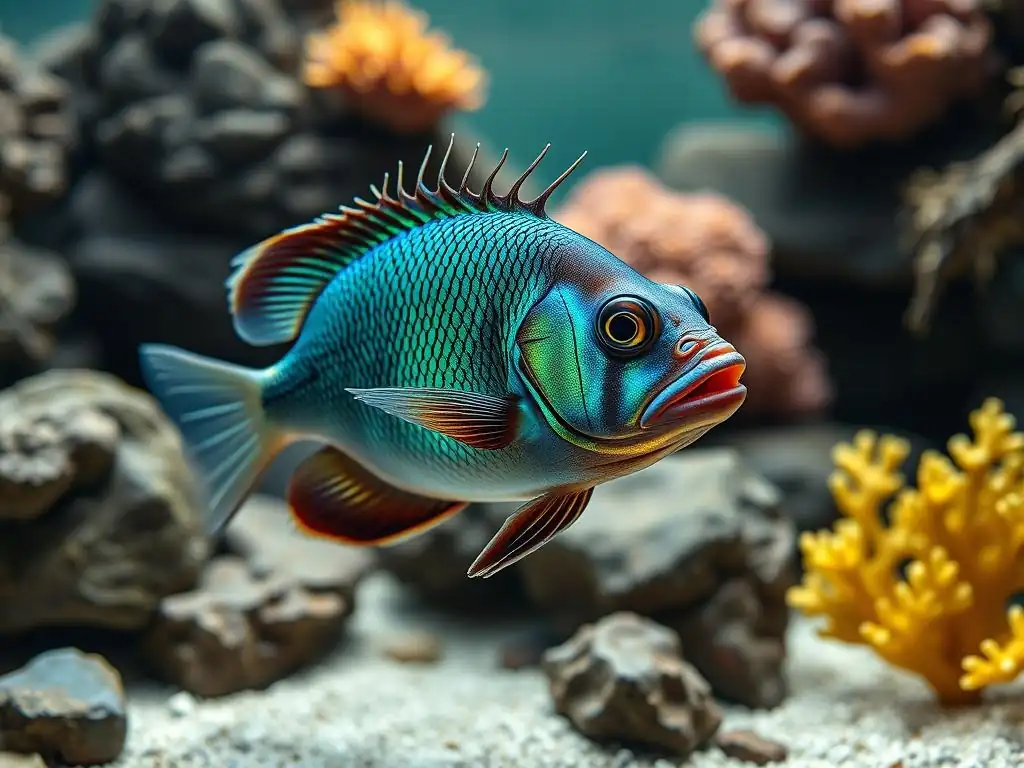
Quarantine Tank Setup: The First Line of Defense for Banggai Cardinalfish Introduction Safety
The establishment of a dedicated quarantine tank (QT) is the single most critical step in any Banggai Cardinalfish introduction safety guide. A minimum 10 to 20-gallon QT is recommended for these fish, equipped with essential components such as a heater to maintain stable temperatures (e.g., 76-78°F or 24-26°C), an air stone for oxygenation, and a mature sponge filter to provide biological filtration.
Simple hiding spots like PVC pipes or small ceramic caves should also be included. This setup acts as a vital barrier, preventing the introduction of common marine diseases like marine ich (Cryptocaryon irritans) or velvet (Amyloodinium ocellatum) into your main display tank.
New Banggai Cardinalfish should spend a minimum of 2 to 4 weeks in the QT. During this period, diligent daily observation is necessary to monitor for any signs of illness, such as white spots, rapid breathing, lethargy, or a loss of appetite. Any identified health issues can then be treated in the QT without risking the established inhabitants or invertebrate life in the main display. This proactive approach significantly reduces the risk of disease outbreaks and is a non-negotiable component of a robust Banggai Cardinalfish introduction safety guide.
Acclimation Process: Gradually Introducing New Banggai Cardinalfish to Tank Water
Drip acclimation is the preferred and safest method for introducing new Banggai Cardinalfish to your aquarium water. Begin by placing the new fish, still in their transport bag or container, into a larger bucket or container. Then, using airline tubing with a knot or valve to control flow, slowly drip water from your display tank into the container holding the fish. The drip rate should be approximately 1-2 drops per second, allowing the fish to gradually adjust to the new water's pH, temperature, and salinity over a period of 30 to 60 minutes.
This slow, controlled acclimation process is far superior to simply floating the bag and releasing the fish, which can lead to rapid and dangerous shifts in water parameters. Sudden changes can induce osmotic shock, severely stress the fish, and compromise their immune system, making them highly susceptible to disease. Proper acclimation is a cornerstone of a successful Banggai Cardinalfish introduction safety guide, ensuring a smoother transition and reducing post-introduction stress.
Monitoring Water Parameters: Ensuring Optimal Conditions for New Arrivals
Before introducing Banggai Cardinalfish, meticulously test and ensure optimal water parameters in both the quarantine and main display tanks. Critical parameters for Banggai Cardinalfish include a salinity of 1.023-1.025 specific gravity, a pH of 8.1-8.4, and a stable temperature between 74-78°F (23-26°C). Ammonia and nitrite levels must be undetectable (0 ppm), and nitrates should be kept below 20 ppm. Consistent water quality is paramount for the health of these sensitive fish.
Even minor fluctuations in water parameters can cause significant stress to new arrivals, weakening their defenses. Regular testing (e.g., daily in the quarantine tank, weekly in the main tank) and prompt, precise adjustments are essential. High water quality not only reduces stress but also strengthens the fish's natural immunity, greatly improving their chances of a successful and healthy integration into their new environment, as emphasized in any effective Cardinalfish introduction safety guide.
The Banggai Cardinalfish Introduction Process: Minimizing Stress and Aggression
Visual Barriers: Reducing Aggression During Initial Introduction
When introducing new Banggai Cardinalfish into an aquarium with existing inhabitants, visual barriers can play a crucial role in minimizing initial aggression. Temporarily rearranging the existing rockwork can disrupt established territories, preventing resident fish from immediately defending familiar spaces. Alternatively, introducing the new fish after the aquarium lights have been turned off for the night allows them to settle into their new surroundings without immediate confrontation, often leading to a calmer morning.
For situations where existing groups are particularly territorial, a temporary opaque divider placed within the main tank can be highly effective. This allows the new and old fish to perceive each other's presence without direct physical interaction for a day or two. This method, while requiring careful implementation, can significantly reduce the intensity of initial territorial disputes, serving as a practical tip in a robust Cardinalfish introduction safety guide.
Gradual Integration: Using Acclimation Boxes or Mesh Dividers
A highly recommended method for gradual integration is the use of an acclimation box or mesh divider. These clear, perforated containers are placed inside the main display tank, allowing the new Banggai Cardinalfish to be housed within for a period of 3 to 7 days. This setup enables the new fish to acclimate fully to the main tank's water parameters and observe the existing inhabitants without any direct physical interaction.
The primary benefit of this approach is that it allows the established fish to become accustomed to the presence of the newcomers, often leading to a significant reduction in aggression upon full release. It also provides a safe, stress-free space for the new fish to explore their new environment and tank mates from a secure position. This gradual integration technique is a cornerstone of a successful Banggai Cardinalfish introduction safety guide, especially when adding to an established school.
Feeding Strategies: Ensuring All Banggai Cardinalfish Get Adequate Nutrition
Effective feeding strategies are vital to ensure all Banggai Cardinalfish, especially the newly introduced ones, receive adequate nutrition and to minimize food-related aggression. Implement a strategy of feeding small amounts frequently, perhaps 2-3 times per day. This approach ensures that even shy or slower-eating newcomers have ample opportunities to consume food without being outcompeted by more dominant or established tank mates. Offer a varied diet of high-quality frozen foods like mysis shrimp, enriched brine shrimp, and small pellets.
Observe feeding behavior closely to confirm that the new fish are actively eating. If they appear timid or are consistently outcompeted, consider target feeding them with a pipette or turning off powerheads briefly during feeding times to allow food to settle and be more accessible. Adequate nutrition is critical for reducing stress, building a strong immune system, and promoting overall vitality, making it an indispensable part of any comprehensive Cardinalfish introduction safety guide.
Post-Introduction Monitoring: Observing Banggai Cardinalfish Behavior and Health
Identifying Signs of Stress in Newly Introduced Banggai Cardinalfish
After introduction, continuous and diligent observation of new Banggai Cardinalfish is paramount. Key indicators of stress include clamped fins, rapid gilling (increased respiration rate), faded or unusually darkened coloration, constant hiding, erratic swimming patterns, or a persistent refusal to eat. These signs typically manifest within the first 24 to 72 hours post-introduction. Pay particular attention during feeding times, as a lack of appetite is a strong indicator of stress or illness.
Should severe or persistent signs of stress be observed, immediate action is warranted. Consider returning the affected fish to the quarantine tank for further observation in a less stressful environment, or to administer specific treatments if illness is suspected. Prolonged stress can severely weaken a fish's immune system, making it highly vulnerable to disease. Early identification and intervention are crucial for the overall success of your Cardinalfish introduction safety guide.
Addressing Bullying and Aggression Within the Banggai Cardinalfish School
Despite careful introduction, bullying or aggression can sometimes emerge within an established Banggai Cardinalfish school. If such behavior is observed, an initial step is to rearrange the aquarium's rockwork. This disrupts established territories and can help diffuse aggression. Adding more hiding spots, such as branching live rock, ceramic caves, or even PVC pipes, provides safe havens for bullied individuals. In some cases, adding one or two more Banggai Cardinalfish (if tank size permits) can surprisingly diffuse aggression by spreading it among a larger group, a strategy known as "safety in numbers."
In extreme situations where aggression persists and poses a serious threat to the health or survival of an individual fish, more drastic measures may be necessary. This might involve temporarily removing the aggressor to the quarantine tank for a few days to disrupt its dominance hierarchy, or in rare cases, rehoming the fish if the situation cannot be resolved. These interventions are critical considerations within a comprehensive Banggai Cardinalfish introduction safety guide to maintain a harmonious community.
Quarantine Protocol: Handling Sick or Injured Banggai Cardinalfish After Introduction
Even with meticulous preparation, a newly introduced Banggai Cardinalfish may occasionally develop signs of illness (e.g., white spots, lesions, fin rot) or injury (e.g., nips, torn fins) after being moved to the main display tank. In such instances, the affected fish should be immediately transferred back to the quarantine tank. This action serves a dual purpose: it prevents the potential spread of disease to the main display tank's inhabitants and allows for targeted treatment in a controlled environment without harming corals or invertebrates.
Once in the quarantine tank, administer appropriate medication following manufacturer guidelines carefully. Common treatments might include copper-based medications for parasitic infections like marine ich, or broad-spectrum antibiotics for bacterial infections. Monitor the fish's progress daily until a full recovery is confirmed before considering reintroduction. This prompt and decisive action is a vital component of a robust Cardinalfish introduction safety guide, safeguarding both the individual fish and the entire aquarium ecosystem.
Advanced Banggai Cardinalfish Introduction Techniques for Complex Environments
Introducing Banggai Cardinalfish to Reef Tanks with Established Inhabitants
Introducing Banggai Cardinalfish into an established reef tank presents unique considerations. Beyond managing cardinalfish-specific dynamics, you must account for the existing bioload and potential competition for food and space from other reef inhabitants. Ensure the reef tank is mature and stable, with consistently excellent water quality. If the tank houses known aggressive or highly active species, it's crucial to provide an abundance of intricate hiding spots, perhaps by adding new pieces of branching live rock or constructing complex ceramic cave structures.
Close observation of the temperament of existing inhabitants is key. Even generally peaceful species, such as certain tangs or angelfish, might display curiosity or mild territoriality towards slow-moving newcomers. In these complex environments, extending the duration of acclimation box usage (up to 7-10 days) can be highly beneficial. This extended period allows all fish to become thoroughly accustomed to each other's presence, reducing stress upon final release, as detailed in an advanced Cardinalfish introduction safety guide.
Managing Competition with Other Peaceful Fish Species
While Banggai Cardinalfish are peaceful, even other peaceful species can inadvertently create competition for resources, particularly food and prime hiding spots. If your aquarium contains other shy or slow-moving fish, it's essential to ensure there are sufficient feeding zones and diverse hiding places to prevent stress. For instance, if you have bottom-dwelling gobies, ensure the cardinalfish have ample mid-water and upper-water hiding spots, such as crevices within live rock structures.
Carefully observe feeding patterns to identify if the Banggai Cardinalfish are being outcompeted. If they are particularly shy feeders, consider implementing strategies like target feeding with a pipette or feeding during off-peak hours when other fish are less active. This ensures that every fish receives adequate nutrition, which is vital for their health and stress reduction. Proactive management of inter-species competition is a nuanced yet critical aspect of a comprehensive Cardinalfish introduction safety guide.
Creating a Stress-Free Environment for Banggai Cardinalfish: Providing Ample Hiding Places
Banggai Cardinalfish are naturally inclined to seek shelter and security within structures. Therefore, providing numerous and varied hiding places is paramount for creating a stress-free environment. This can include intricate branching live rock formations, strategically placed PVC pipes, or purpose-built artificial caves. In their natural habitat, they frequently shelter among the spines of sea urchins, so mimicking this dense, intricate cover with your aquascape can significantly reduce their stress levels.
It is beneficial to distribute these hiding places throughout the tank rather than concentrating them in one area. This allows individual fish within the school to establish small, personal retreats or to temporarily withdraw when feeling threatened or stressed. A well-designed aquascape that prioritizes ample and accessible hiding spots directly contributes to the long-term well-being and harmony of your Banggai Cardinalfish community, making your Banggai Cardinalfish introduction safety guide more effective.
Troubleshooting Banggai Cardinalfish Introduction Problems: A Quick Reference Guide
Banggai Cardinalfish Refusal to Eat: Identifying and Addressing the Issue
A newly introduced Banggai Cardinalfish refusing to eat is a common problem, often indicative of stress or underlying illness. The first step is to meticulously re-check all water parameters—ammonia, nitrite, nitrate, pH, salinity, and temperature—for any deviations from optimal ranges. If water parameters are stable, try offering a variety of small, highly palatable, and nutritious foods, such as frozen mysis shrimp, enriched brine shrimp, or high-quality pellet food specifically designed for marine carnivores.
If the refusal to eat persists for more than 2-3 days, or if it is accompanied by other concerning symptoms like lethargy or abnormal swimming, it is advisable to move the fish back to the quarantine tank. This allows for closer observation in a less stressful environment and facilitates the administration of any necessary treatments without affecting the main display tank. This quick reference is a vital component of any robust Banggai Cardinalfish introduction safety guide.
Banggai Cardinalfish Hiding or Isolation: Understanding Potential Causes
It is normal for new Banggai Cardinalfish to hide initially as they adjust to their new surroundings and tank mates; this behavior typically subsides within a few days. However, if persistent hiding or isolation from the group continues for over a week, it warrants investigation. Such prolonged behavior can be a sign of chronic stress, bullying from tank mates, or the onset of an illness.
Observe the fish closely, especially during feeding times. If the fish consistently fails to emerge to eat, it is a significant concern. Check for any signs of aggression from other inhabitants, and ensure that the aquarium provides a sufficient number of suitable hiding spots. Persistent hiding can lead to starvation or a compromised immune system due to chronic stress, highlighting a key area for troubleshooting within a comprehensive Cardinalfish introduction safety guide.
Banggai Cardinalfish Disease Outbreaks: Prevention and Treatment Strategies
Despite diligent adherence to a Banggai Cardinalfish introduction safety guide, disease outbreaks can occasionally occur. Common ailments include marine ich (characterized by white spots and scratching), velvet (a fine, gold or brown dusting on the body), or bacterial infections (manifesting as fin rot or cloudy eyes). The most effective strategy remains prevention through strict quarantine protocols (a minimum of 2-4 weeks in a dedicated QT) and maintaining pristine, stable water quality in the main display.
If an outbreak is confirmed, rapid identification of the specific disease is crucial. For external parasites like marine ich, affected fish should be immediately transferred to a hospital tank for appropriate treatment, such as copper-based medications or hyposalinity. The main display tank should ideally go fallow (fish-free) for 6-8 weeks to break the parasite's life cycle. For bacterial infections, administer appropriate antibiotics in a separate treatment tank. Always treat in a dedicated hospital tank to avoid harming corals or invertebrates in your main display, a critical element of any effective Banggai Cardinalfish introduction safety guide.
Maintaining a Healthy and Harmonious Banggai Cardinalfish Community Long-Term
Regular Water Changes: Preventing Water Quality Issues
Consistent and high water quality is the cornerstone of long-term health and harmony for your Banggai Cardinalfish community. Regular partial water changes, typically 10-20% weekly or bi-weekly, are essential. This practice effectively removes accumulated nitrates, phosphates, and other metabolic wastes, while simultaneously replenishing vital trace elements that are depleted over time. Using properly mixed and aged saltwater is crucial to minimize stress during changes.
Beyond water changes, diligently monitor key parameters such as salinity, pH, alkalinity, calcium, and magnesium on a regular basis. Stable parameters are critical in reducing stress and preventing disease, ensuring that your Banggai Cardinalfish thrive in their environment. For instance, in a moderately stocked 75-gallon reef tank, a 15% weekly water change is a good starting point for maintaining optimal conditions and preventing the build-up of undesirable compounds.
Providing a Varied Diet: Supporting Banggai Cardinalfish Health and Immunity
Banggai Cardinalfish are primarily carnivorous and require a diverse and nutritious diet to support their long-term health and immunity. Offer a wide range of high-quality frozen foods, including mysis shrimp, enriched brine shrimp, cyclops, and finely chopped seafood like krill or silversides. Supplementing their diet with high-quality marine pellets or flakes specifically formulated for carnivorous marine fish can also provide essential vitamins and minerals.
It is beneficial to feed small amounts multiple times a day (e.g., 2-3 times) rather than a single large meal. This mimics their natural feeding behavior and ensures that all fish, particularly shyer individuals, have ample opportunity to consume food. A varied and consistent feeding regimen not only boosts their immune system but also enhances their vibrant coloration and promotes overall vitality, contributing significantly to their well-being for many years.
Observing Banggai Cardinalfish Behavior: Detecting Early Signs of Problems
Daily observation of your Banggai Cardinalfish is an invaluable practice for detecting early signs of potential problems. Pay close attention to any changes in their swimming patterns, breathing rate, coloration, appetite, or their interactions with other tank mates. Healthy cardinalfish should exhibit active, fluid swimming, possess clear eyes, and display their characteristic vibrant markings.
Any deviation from their normal behavior warrants closer inspection. For instance, a fish constantly hiding, displaying clamped fins, or showing a sudden loss of appetite could indicate stress, illness, or aggression from within the group. Early detection of such issues allows for prompt intervention, which can often prevent minor problems from escalating into serious health crises, ensuring the continued success of your Banggai Cardinalfish introduction safety guide efforts and the enduring harmony of your aquarium.
Frequently Asked Questions
How crucial is quarantine when introducing new Cardinalfish?
Quarantine is absolutely essential for preventing disease outbreaks. A separate quarantine tank allows you to observe new fish for signs of illness before they contaminate your main aquarium. This helps protect your existing Cardinalfish and other inhabitants.
What water parameters are most important to match during acclimation?
Matching temperature and salinity (if saltwater) is vital. Gradual acclimation, such as drip acclimation, reduces stress and helps the new Cardinalfish adjust to the water chemistry of your existing aquarium.
What size tank is recommended for a Cardinalfish school?
While Cardinalfish are small, they need adequate space. A minimum of 30 gallons is generally recommended for a small school (5-7 fish). Larger tanks are always better, allowing for more natural behavior and better water quality.
How long should the lights be off after introducing new Cardinalfish?
Dimming or turning off the lights for a few hours after introduction helps reduce stress and aggression. This allows the new Cardinalfish to acclimate to their surroundings without feeling overwhelmed by the existing inhabitants.
How do I minimize aggression from existing fish during the introduction process?
Rearranging the aquascape (decorations) can disrupt established territories. This forces existing fish to re-establish their dominance, giving the new Cardinalfish a chance to integrate more peacefully into the community.
Final Reflection: Cultivating Harmony in the Reef
The delicate dance of introducing new Cardinalfish to an established community underscores a broader truth: successful integration requires patience, understanding, and a commitment to minimizing stress. Just as we've explored the nuances of acclimation and observation in the aquarium, these principles resonate far beyond the glass walls, reminding us of the importance of thoughtful interaction in any shared environment.
This journey into the underwater world of Cardinalfish serves as a microcosm for the larger challenges of fostering inclusivity and acceptance. The careful consideration we give to these small creatures mirrors the empathy and respect we should extend to all members of our communities. The greatness of a nation and its moral progress can be judged by the way its animals are treated.
- Mahatma Gandhi. This quote, though speaking of animals generally, perfectly encapsulates the spirit of responsible stewardship that guides our actions, whether in a reef tank or in the wider world.
Now, as you consider the steps outlined in this guide, I invite you to reflect on the broader implications of creating harmonious environments. How can you apply the principles of gradual introduction, careful observation, and stress reduction to your own interactions and communities? Let us all strive to cultivate spaces where new members are welcomed with understanding and compassion, fostering a thriving ecosystem for all.
Ignite Your Reef: Nurture Your Cardinalfish Community!
Thank you for diving into the world of cardinalfish and learning how to create a thriving aquatic ecosystem. Now that you're armed with the knowledge, it's time to take action and enrich your reef!
Here are some ways to continue your cardinalfish journey:
- Carefully observe your new cardinalfish in quarantine for at least 4 weeks, looking for any signs of illness before introducing them to your main tank. This is the most critical step for preventing disease spread!
- Explore the fascinating social dynamics of cardinalfish by researching different species and their compatibility within a school.
- Share your experiences and photos of your cardinalfish community on social media using #AquariumMasteryCardinalfish to inspire other reef keepers.
What specific challenges are you anticipating when introducing your new cardinalfish, and how will you prepare to overcome them?