
Anthias Feeding Frenzy: How Often and What to Offer for Optimal Health

Welcome to Aquarium Mastery, your ultimate guide to thriving aquatic ecosystems!
Ever wondered if you're feeding your Anthias enough, or perhaps too much? Dive into our article, "Anthias Feeding Frenzy: How Often and What to Offer for Optimal Health," and unlock the secrets to a vibrant and healthy reef. Learn essential Anthias feeding schedule tips and discover how to keep these stunning saltwater fish flourishing in your aquarium. Get ready to master the art of Anthias care and create a truly breathtaking underwater world!
- Anthias Feeding: Frequency, Diet, and Health in Reef Aquariums
- Understanding Anthias Nutrition for a Thriving Reef
- Creating an Optimal Anthias Feeding Schedule
- Anthias Feeding Tips for Color and Health
- Troubleshooting Common Anthias Feeding Problems
- Maintaining Water Quality: Crucial for Feeding Success
- Choosing Equipment for Anthias Feeding
- Long-Term Anthias Health Through Proper Feeding
- Conclusion: Mastering Anthias Feeding for Reef Success
- Frequently Asked Questions
- Final Reflection: Sustaining the Reef's Jewels
- Unleash the Rainbow: Transform Your Anthias Care Today!
Anthias Feeding: Frequency, Diet, and Health in Reef Aquariums
Understanding Anthias Nutrition for a Thriving Reef
Why Consistent Anthias Feeding is Essential
Anthias, with their naturally high metabolism, require a consistent and reliable food source to thrive in a captive reef environment. Unlike many other reef inhabitants that can go for extended periods without food, Anthias are constant grazers in their natural habitat, consuming microscopic zooplankton throughout the day. Inconsistent feeding leads to significant stress, weakens their immune systems, and makes them highly susceptible to common aquarium diseases like Marine Ich (Cryptocaryon irritans) or Brooklynella hostilis, often resulting in rapid decline.
Proper and consistent nutrition is the cornerstone for maintaining the vibrant coloration, active swimming patterns, and overall longevity that makes Anthias so desirable in reef aquariums. When well-fed, Anthias display their full spectrum of colors, engage in natural schooling behaviors, and exhibit reduced aggression towards tank mates, contributing to a more harmonious reef ecosystem. Their successful acclimation, especially for wild-caught specimens, hinges significantly on a steady and appropriate feeding regimen from the moment they enter the aquarium.
Anthias Dietary Needs: Small, Frequent Meals
Anthias possess relatively small stomachs and an exceptionally high metabolic rate, necessitating a diet of small, frequent meals rather than large, infrequent feedings. In their natural environment, they continuously pick at tiny zooplankton drifting in the water column. Attempting to replicate this with large, infrequent meals in an aquarium can lead to indigestion, nutrient overload in the water, and ultimately, a decline in fish health.
The key to successful Anthias feeding, and a core aspect of effective Anthias feeding schedule tips, is providing tiny, easily digestible food particles. Their mouths are adapted for consuming minute organisms, so larger food items are often ignored or spit out, leading to wasted food and potential water quality issues. Focusing on foods that mimic the size and consistency of natural plankton will ensure optimal digestion and nutrient absorption, supporting their energy demands and vibrant health.
Creating an Optimal Anthias Feeding Schedule
Determining Ideal Feeding Frequency: 2-3 Times Daily
For most Anthias species in a home aquarium, an ideal feeding frequency is 2 to 3 times daily. This schedule effectively balances their high metabolic needs with the practicalities of maintaining excellent water quality. In heavily stocked reef tanks, or for particularly active species, some experienced aquarists may even opt for 4 to 5 smaller feedings per day, though this necessitates an exceptionally robust filtration system to manage the increased bioload. The goal is to provide a steady supply of nutrients without overwhelming the tank's waste processing capabilities.
Establishing a consistent feeding routine at specific times each day is crucial. Anthias quickly learn and anticipate feeding times, which helps reduce stress and encourages them to come out of hiding, even shy individuals. For instance, feeding once in the morning and once in the evening creates a predictable pattern that allows all fish an opportunity to feed, minimizing competition and ensuring adequate nourishment for the entire school. This consistency is a vital component of any successful Anthias feeding schedule tips.
Selecting Appropriate Food Size and Type
Best Live Food Options: Copepods, Brine Shrimp
Live copepods are widely regarded as the gold standard for Anthias feeding, particularly for newly acquired or finicky specimens. They perfectly mimic the natural planktonic diet of Anthias, stimulating a strong feeding response and providing superior nutritional value. Introducing live copepods regularly not only offers excellent nutrition but also helps establish a healthy gut flora in the fish, contributing to their overall resilience.
Live brine shrimp (Artemia nauplii), especially newly hatched ones, are another valuable live food option. Their erratic movement is highly attractive to Anthias, making them excellent for stimulating appetite and encouraging feeding in reluctant fish. While live brine shrimp are less nutritionally dense than copepods, they can be gut-loaded with spirulina or other high-quality enrichments prior to feeding to boost their nutritional profile, making them a useful part of a varied Anthias feeding schedule tips arsenal.
High-Quality Frozen Food Choices: Mysis Shrimp, Cyclops
High-quality frozen Mysis shrimp, such as Hikari BioPure Mysis, are an indispensable staple in the Anthias diet. They offer an excellent balance of protein and lipids, closely resembling the nutritional profile of larger zooplankton. It is crucial to thaw frozen Mysis shrimp thoroughly in a small amount of tank water before feeding to prevent internal chills in the fish and ensure better palatability.
Frozen Cyclops, like Cyclop-eeze, are another superb choice, especially for smaller Anthias species or juveniles, due to their tiny size and rich nutritional content. These minute crustaceans are easily consumed by even the smallest mouths and provide essential fatty acids and pigments that contribute to vibrant coloration. Incorporating both Mysis and Cyclops, along with other varied frozen foods, helps ensure a comprehensive diet.
The Role of Prepared Foods: Small Pellets, Flakes (Supplement)
Prepared foods, such as high-quality marine pellets (e.g., New Life Spectrum Thera-A or TDO Chroma Boost) and flakes, can serve as a beneficial supplement to the Anthias diet, though they should not be the sole food source. When selecting prepared foods, prioritize those specifically formulated for marine fish, with small particle sizes that Anthias can easily ingest. Crushing larger pellets or flakes can make them more accessible.
These types of foods offer convenience and are often fortified with essential vitamins and minerals that might be less abundant in some frozen or live foods. However, the primary reliance for optimal Anthias health and the maintenance of their characteristic vibrant hues should remain on a diverse array of frozen and live planktonic foods, with prepared options used to round out their nutritional intake.
Implementing a Consistent Daily Feeding Routine: Morning and Evening
A consistent daily feeding routine is paramount for the long-term success of keeping Anthias. A common and effective approach involves feeding once in the morning, shortly after the aquarium lights come on, and again in the evening, perhaps an hour or two before the lights go out. This schedule mimics their natural grazing patterns and ensures they receive nourishment throughout their active periods.
Establishing a routine also helps to reduce stress within the school, as fish learn when to expect food and can feed without excessive competition. Observing the fish during these times is crucial to ensure that all individuals, especially the more timid ones, are getting enough to eat. Consistency in these daily feeding times reinforces a sense of security for the Anthias, leading to healthier and more confident fish.
Observing Feeding Behavior and Adjusting
Daily observation of your Anthias' feeding behavior is one of the most important Anthias feeding schedule tips. Look for signs of active feeding, where all fish are eagerly consuming the food provided, exhibiting vibrant colors and full, rounded bellies. Pay close attention to individual fish; are any shy, hiding, or failing to compete for food? These could be early indicators of stress, illness, or insufficient feeding.
Based on these observations, be prepared to adjust your feeding schedule or quantity. If food is consistently left uneaten after 1-2 minutes, reduce the portion size to prevent water quality issues. Conversely, if fish appear thin, lethargic, or overly competitive, consider increasing the frequency of feedings or slightly increasing the amount offered per feeding, ensuring that all members of the school are adequately nourished.
Anthias Feeding Tips for Color and Health
Preventing Overfeeding: Small Portions, Observe Consumption
While frequent feeding is essential for Anthias, preventing overfeeding is equally critical for maintaining a healthy reef environment. Overfeeding introduces an excessive amount of dissolved organic waste into the water column, leading to nutrient pollution, elevated nitrate levels, and increased nuisance algae growth. More importantly, poor water quality directly compromises fish health, causing stress and weakening their immune systems, making them more susceptible to disease.
The best practice is to feed only what your Anthias can consume within 1 to 2 minutes. For active, schooling fish like Anthias, this often means multiple very small portions throughout the day rather than one or two large dumps of food. Carefully observe the fish during feeding to ensure all food is consumed, and remove any uneaten food promptly to mitigate its impact on water quality. This vigilance is a cornerstone of effective Anthias feeding schedule tips.
Target Feeding Techniques: Syringe Feeding, Sinking Foods
For shy Anthias, newly introduced specimens, or those struggling to compete, target feeding techniques can be invaluable. Using a long pipette or turkey baster allows for precise delivery of food directly into the vicinity of the target fish, ensuring they receive nourishment without having to compete with more aggressive tank mates. This method is particularly effective for delivering live or thawed frozen foods.
Incorporating sinking foods can also be beneficial, especially in tanks with strong flow or where dominant surface feeders consume all the food before it reaches lower levels. Small, sinking pellets or frozen foods that disperse throughout the water column ensure that Anthias, which often occupy various strata of the water, have ample opportunity to feed. This strategy helps ensure all individuals in a school receive their share.
Supplementing Diet: Vitamins, Garlic-Enriched Foods
To ensure a comprehensive nutritional profile and boost the immune system of your Anthias, regular supplementation of their diet is highly recommended. Products like Selcon or Vita-Chem, which are rich in essential fatty acids and vitamins, can be soaked into frozen foods for 10-15 minutes prior to feeding. This enhances the nutritional value of their primary diet, contributing to vibrant coloration and increased disease resistance. Aim for supplementation a few times per week.
Garlic-enriched foods, or foods soaked in garlic extracts like Seachem GarlicGuard, can be particularly useful for stimulating the appetite of finicky eaters or new arrivals. Garlic is known to make food more palatable to fish and is sometimes believed to have mild anti-parasitic properties. While not a cure for disease, it can encourage reluctant Anthias to begin feeding, aiding in their acclimation and overall health.
Troubleshooting Common Anthias Feeding Problems
Anthias Not Eating: Stress, Disease, Poor Water Quality
When Anthias refuse to eat, it's a significant red flag requiring immediate investigation. Common reasons include recent introduction to the tank, bullying from more dominant tank mates, the presence of disease (such as marine ich, velvet, or internal parasites), or unsuitable water parameters. A sudden change in behavior or refusal to eat often precedes more overt signs of illness.
Begin by thoroughly testing your water parameters for ammonia, nitrite, and nitrate, as elevated levels can quickly suppress appetite. Then, observe the fish closely for any physical signs of disease, such as spots, clamped fins, or labored breathing. If aggression is suspected, consider rearranging rockwork or adding more hiding spots. For persistent refusal, offering highly palatable live foods, such as enriched copepods, can often stimulate a feeding response.
Dealing with Aggression: Adequate Space, Multiple Feeding Points
Aggression, particularly among male Anthias or between different Anthias species, can lead to some individuals being starved out, even with a seemingly robust Anthias feeding schedule. This is often exacerbated in tanks that are too small or lack sufficient hiding places. For a small group of Anthias, a tank of at least 75-100 gallons is generally recommended to provide adequate space and reduce territorial disputes.
To mitigate feeding aggression, scatter food across multiple points in the aquarium rather than concentrating it in one area. This strategy forces dominant fish to move around, allowing more timid individuals an opportunity to feed without direct confrontation. Providing plenty of live rock with caves and overhangs also offers visual breaks and escape routes, further reducing stress and promoting more equitable feeding.
Preventing Nutritional Deficiencies: Varied Diet, Supplements
Signs of nutritional deficiencies in Anthias can include faded or dull coloration, lethargy, stunted growth, fin erosion, or a pinched-in appearance around the belly. These issues are almost always a result of a monotonous or incomplete diet. Relying on a single type of food, even if it's high-quality, will eventually lead to deficiencies as no single food can provide all the necessary nutrients for long-term health.
The most effective preventative measure is to offer a highly varied diet. Rotate through different types of frozen foods (Mysis, Cyclops, enriched brine shrimp, rotifers), incorporate live foods whenever possible, and supplement with high-quality marine pellets or flakes. Regular use of vitamin and fatty acid supplements, as discussed previously, ensures that any dietary gaps are filled, leading to robust, colorful, and resilient Anthias.
Maintaining Water Quality: Crucial for Feeding Success
Importance of Regular Water Changes: Reduced Waste Buildup
The frequent feeding necessary for Anthias' well-being inevitably increases the bioload within the aquarium. While essential for the fish, this consistent input of nutrients and organic waste can quickly degrade water quality if not properly managed. Regular partial water changes are therefore not just important, but absolutely critical for Anthias-dominated tanks. A weekly 10-15% water change is a common recommendation, effectively diluting accumulated nitrates and other pollutants.
Clean, stable water directly correlates with healthy fish. By reducing waste buildup, water changes minimize stress on the fish, strengthen their immune systems, and make them more receptive to feeding. Conversely, poor water quality can lead to suppressed appetites, increased susceptibility to disease, and a general decline in vibrancy, undoing all the benefits of a well-planned Anthias feeding schedule.
Monitoring Water Parameters: Ammonia, Nitrite, Nitrate
Consistent monitoring of key water parameters is non-negotiable for any reef tank, but especially for one housing frequently-fed Anthias. Ammonia (NH3) and nitrite (NO2) levels must always be at 0 parts per million (ppm), as even trace amounts are highly toxic to marine fish. Nitrate (NO3) levels should ideally be kept below 20 ppm for most Anthias species, with lower levels preferred for more sensitive varieties. Regular testing, at least weekly, provides an early warning system for potential issues.
Elevated levels of these nitrogenous compounds are direct indicators of poor water quality, often stemming from overfeeding or inadequate filtration. Such conditions place immense stress on Anthias, suppressing their appetite, causing respiratory distress, and making them highly vulnerable to infections. Maintaining pristine water parameters is fundamental to the success of any Anthias feeding schedule tips and the overall health of your fish.
Choosing Equipment for Anthias Feeding
Automatic Feeders: Potential for Overfeeding; Use Cautiously
Automatic feeders can be a tempting convenience for busy aquarists, offering the benefit of consistent, frequent feedings for Anthias. They can be particularly useful for maintaining a feeding schedule while away or for providing mid-day meals. However, their use comes with significant caveats. Many automatic feeders are prone to dispensing too much food, leading to rapid nutrient pollution and the dangers of overfeeding discussed earlier. They are also generally only suitable for dry foods, limiting dietary diversity.
If using an automatic feeder, it is crucial to test and calibrate it meticulously for several days while observing your fish. Start with very small portions and gradually increase until you find the right amount that is fully consumed. Even then, automatic feeders should primarily serve as a supplement, with manual feedings of frozen and live foods still being the cornerstone of a comprehensive Anthias feeding schedule.
Protein Skimmer Recommendations for Waste Removal
A robust and appropriately sized protein skimmer is an absolutely vital piece of equipment for any reef aquarium housing Anthias, given their high feeding demands. Protein skimmers effectively remove dissolved organic compounds from the water column before they can break down into nitrates and other undesirable pollutants. This proactive waste removal is paramount for maintaining the pristine water quality that Anthias require to thrive.
When selecting a protein skimmer, it is highly recommended to choose one rated for at least 1.5 to 2 times the actual volume of your aquarium, especially if you plan to keep a large school of Anthias or other high-bioload fish. An oversized skimmer will provide superior performance, ensuring clearer water, more stable parameters, and a healthier environment that can easily handle the increased nutrient input from frequent Anthias feeding.
Long-Term Anthias Health Through Proper Feeding
Recognizing Healthy Anthias: Vibrant Colors, Active Swimming
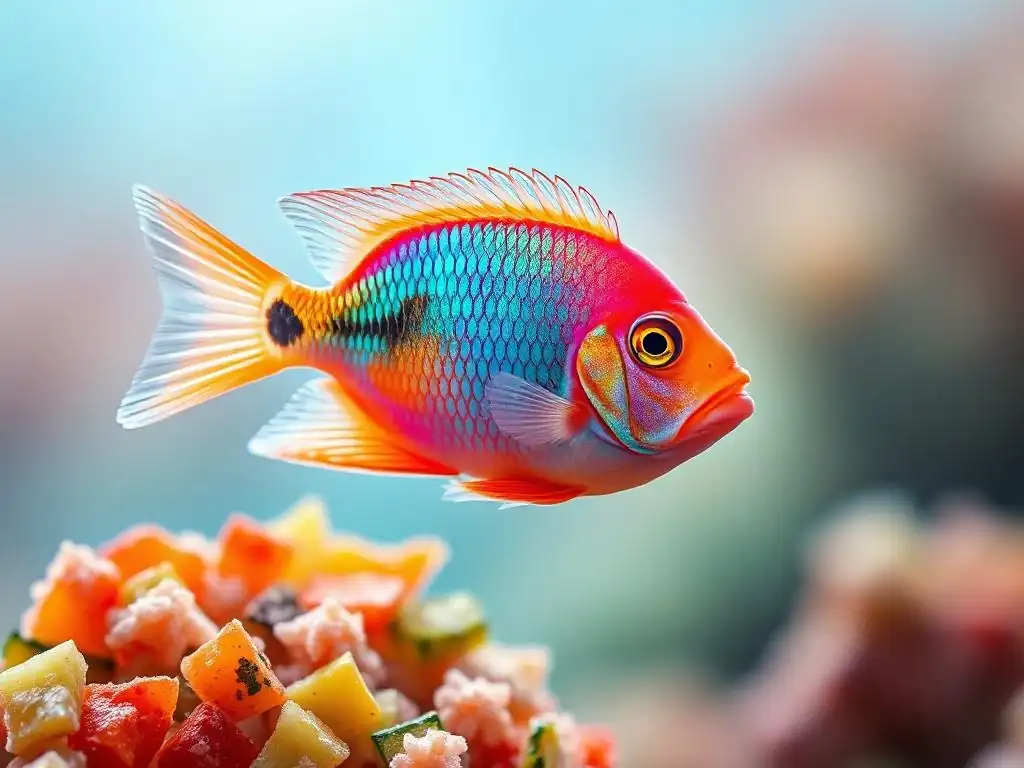
Recognizing the signs of healthy Anthias is key to ensuring your feeding regimen is effective. Well-fed and thriving Anthias will display bright, vibrant, and consistent coloration, true to their species. Their eyes will be clear, their fins intact and extended, and their bodies will appear full and well-rounded, without any sunken or pinched areas around the belly. They will exhibit active, graceful swimming, often schooling together and exploring the tank with confidence.
Conversely, Anthias suffering from malnourishment or poor health will often show faded or dull colors, a pinched or emaciated appearance, lethargy, clamped fins, or erratic swimming. These visual cues serve as immediate indicators that adjustments to the Anthias feeding schedule, diet, or water quality may be necessary. The direct correlation between proper nutrition and the visual vitality of your fish cannot be overstated.
Adjusting Feeding: Monitor Growth and Adjust Quantity
The Anthias feeding schedule tips provided should not be considered static. As your Anthias grow from juveniles to adults, their caloric and nutritional needs will naturally increase. It's essential to periodically assess their growth rate and overall body condition. If fish appear to be growing well and maintaining a healthy weight, your current feeding regimen is likely appropriate. However, if they seem to be growing slowly or appear thin despite consistent feeding, it may be necessary to increase the quantity of food offered per feeding, or even add an additional feeding session.
The dynamic nature of the aquarium environment also plays a role; as your bioload changes with new additions or growth, so too might the optimal feeding strategy. Continuously observing your Anthias, noting their response to food, and making subtle adjustments to their diet and feeding frequency will ensure their long-term health and vibrant presence in your reef aquarium.
Conclusion: Mastering Anthias Feeding for Reef Success
Frequently Asked Questions
How often should I feed Anthias in my aquarium?
Anthias require frequent feeding due to their high metabolism and active nature. Aim to feed them multiple small meals throughout the day, ideally 3-5 times. This helps maintain their energy levels and vibrant colors.
What types of food are best suited for Anthias?
Anthias thrive on a varied diet. Offer a mix of high-quality frozen foods like mysis shrimp, brine shrimp, and copepods, supplemented with small, meaty flake foods. Live foods are also a great option to entice picky eaters.
My Anthias are not eating. What could be the problem?
Several factors can contribute to Anthias refusing food. Stress from tank mates, poor water quality, or the introduction of new fish can all play a role. Ensure proper acclimation and a stable environment.
What size food should I offer my Anthias?
Anthias have relatively small mouths. Offer food that is appropriately sized for them, typically small to medium-sized pieces. Overly large food can be difficult for them to consume and may lead to them not eating.
How important is water quality when feeding Anthias?
Maintaining excellent water quality is crucial for Anthias health, especially when implementing a frequent feeding schedule. Regular water changes and efficient filtration are essential to prevent the buildup of nitrates and other harmful substances.
Final Reflection: Sustaining the Reef's Jewels
The vibrant dance of Anthias in a thriving reef aquarium is a testament to the dedication of aquarists, and understanding their feeding needs is paramount. The principles of consistent and varied feeding, as explored in this article, are not merely guidelines, but the very foundation upon which the health and brilliance of these captivating fish are built. Neglecting these principles risks diminishing the splendor of our underwater ecosystems, both in our homes and in the wild.
The impact of responsible Anthias care extends beyond the confines of our tanks. It fosters a deeper appreciation for the delicate balance of marine life and encourages a more conscientious approach to the hobby as a whole. The knowledge shared here, regarding optimal feeding schedules and dietary diversity, empowers aquarists to become stewards of these magnificent creatures. In the end, we will conserve only what we love; we will love only what we understand; and we will understand only what we are taught.
- Baba Dioum's words resonate deeply, reminding us that education is the key to conservation.
Now, armed with these insights into Anthias feeding, I invite you to reflect on your own practices. Are you providing the consistent, varied diet these fish require to truly flourish? Consider the long-term impact of your choices and strive to create an environment where these jewels of the reef can thrive, bringing joy and wonder to your life and contributing to a greater understanding of the ocean's beauty. Let us all commit to becoming more informed and responsible aquarists, ensuring a vibrant future for Anthias and the reefs they call home.
Unleash the Rainbow: Transform Your Anthias Care Today!
Thank you for diving into the world of Anthias! We hope you've discovered valuable insights to keep these vibrant fish thriving in your aquarium. Now, let’s put that knowledge into action and ensure your Anthias receive the nutrition they need to flourish.
Here are a few ways to make a splash:
- Implement a feeding schedule now! Adjust it based on your observations of your Anthias's behavior. Aim for multiple small feedings throughout the day.
- Explore new food varieties. Introduce a diverse range of high-quality frozen foods, such as enriched brine shrimp, mysis shrimp, and cyclopeeze, to enrich their diet.
- Share your Anthias feeding successes (or challenges!) on aquarium forums. Contributing to the community helps everyone learn and improve!
What specific feeding strategy will you experiment with first to ensure your Anthias get the nutrition they need?