
Ocellaris Clownfish: The Undisputed King of Nano Reefs?

Welcome to Aquarium Mastery!
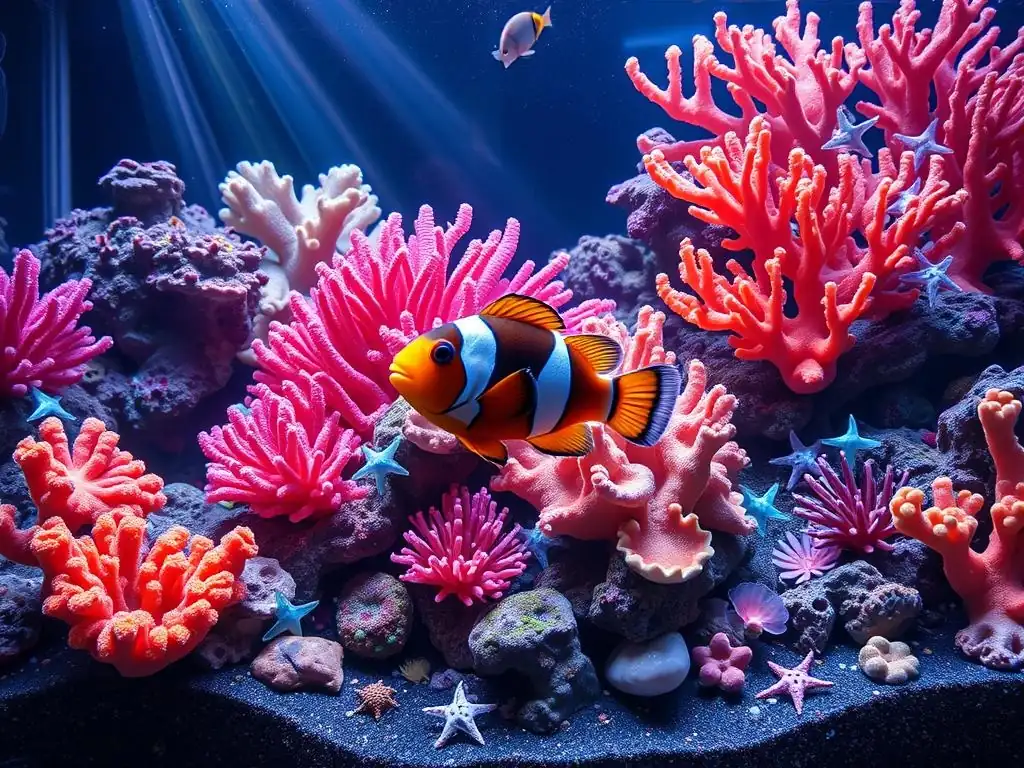
Ever wondered if you have what it takes to keep the iconic Ocellaris clownfish thriving in your saltwater aquarium? Dive into our comprehensive Ocellaris clownfish care guide and unlock the secrets to creating the perfect reef environment for these captivating creatures. Discover everything from ideal tank conditions to feeding habits and potential health issues. Get ready to transform your nano reef and witness the vibrant personality of these undisputed kings firsthand!
- Introduction to the Ocellaris Clownfish: A Nano Reef Favorite
- Understanding Ocellaris Clownfish Care: A Comprehensive Guide
- Ocellaris Clownfish Tank Setup: Creating the Ideal Nano Reef Habitat
- Ocellaris Clownfish Diet and Feeding: Ensuring Optimal Health
- Anemone Symbiosis and Ocellaris Clownfish: A Nano Reef Challenge
- Ocellaris Clownfish Tank Mates: Compatibility in Nano Reefs
- Common Ocellaris Clownfish Diseases and Treatments: A Nano Reef Focus
- Ocellaris Clownfish Breeding in Nano Reefs: A Feasible Goal?
- Troubleshooting Common Ocellaris Clownfish Problems in Nano Reefs
- The Future of Ocellaris Clownfish Keeping in Nano Reef Aquariums
- Conclusion: Mastering Ocellaris Clownfish Care in Your Nano Reef
- Frequently Asked Questions
- Final Reflection: The Enduring Appeal of the Clownfish
- Dive Deeper: Bring the Reef Home!
Introduction to the Ocellaris Clownfish: A Nano Reef Favorite
Why the Ocellaris Clownfish is Perfect for Smaller Saltwater Aquariums
The Ocellaris clownfish ( Amphiprion ocellaris) stands out as an exceptionally popular choice for nano reef aquariums due to several intrinsic qualities. Reaching an average adult size of only 3 to 4 inches (7.5 to 10 cm), their compact stature ensures they do not outgrow smaller tank environments, which are typically under 30 gallons. Their relatively low bioload compared to many other marine species also contributes to maintaining more stable water parameters, a critical factor in the confined volumes of nano tanks. This makes them a forgiving species for those looking for a comprehensive Ocellaris clownfish care guide.
Beyond their suitable size, Ocellaris clownfish are known for their generally peaceful temperament, making them compatible with a wide range of small invertebrates and other docile fish species commonly found in nano setups. They are remarkably hardy and adaptable, especially captive-bred specimens, which account for a significant portion of those available in the hobby. This resilience contributes to their impressive longevity, with many Ocellaris clownfish living 5 to 10 years, and some even exceeding 15 years in well-maintained aquariums, proving their robustness for dedicated aquarists.
Ocellaris Clownfish vs. Percula Clownfish: Key Differences for Nano Reef Keepers
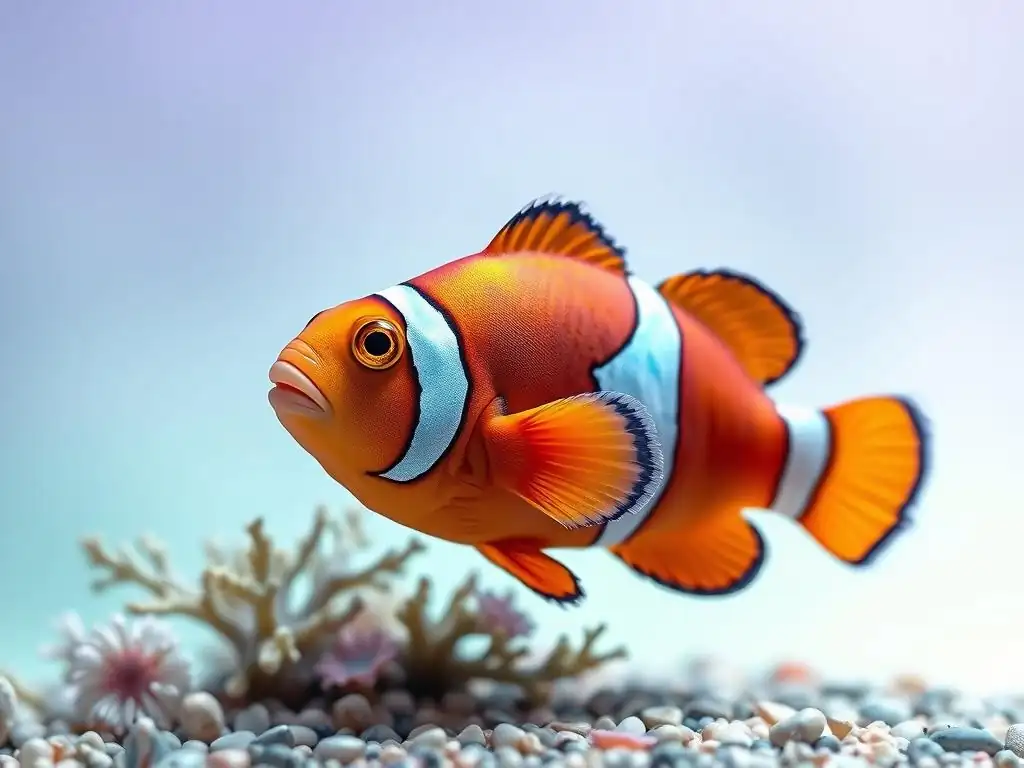
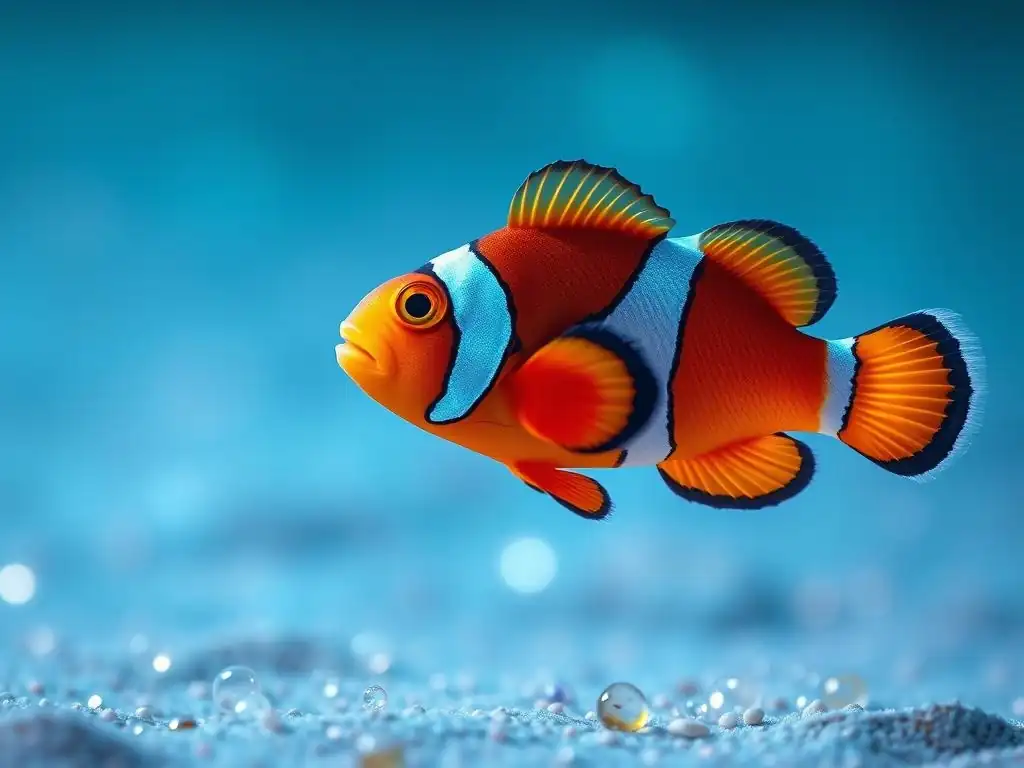
While often mistaken for each other, Ocellaris clownfish ( Amphiprion ocellaris) and Percula clownfish ( Amphiprion percula) possess distinct differences that can influence a nano reef keeper's choice. Visually, Ocellaris typically exhibit thinner black outlines around their white body bands, which can sometimes appear slightly wavy. In contrast, Perculas generally have thicker, bolder black outlines, and their orange coloration might appear marginally more vibrant. Both species attain similar adult sizes, typically not exceeding 4 inches, making them equally suitable from a spatial perspective for a nano Ocellaris clownfish care guide.
From a genetic and behavioral standpoint, Ocellaris clownfish are overwhelmingly bred in captivity, leading to a more consistent temperament and greater adaptability to aquarium life compared to their wild-caught counterparts or even some Percula strains. While both are considered peaceful, Perculas can occasionally exhibit slightly more territorial aggression towards conspecifics or very similar-looking fish. For beginners, the widespread availability and inherent hardiness of captive-bred Ocellaris often make them the preferred choice, reducing potential stress and contributing to higher success rates in a new marine setup.
Understanding Ocellaris Clownfish Care: A Comprehensive Guide
Essential Water Parameters for Ocellaris Clownfish Health in Nano Tanks
Maintaining precise and stable water parameters is paramount for the health and longevity of Ocellaris clownfish in a nano reef environment. The ideal salinity range is 1.023 to 1.026 specific gravity, or 32-35 parts per thousand (ppt). Temperature should be consistently maintained between 76-82°F (24-28°C), with 78°F (25.5°C) often considered an optimal midpoint. pH levels should consistently fall within 8.1 to 8.4, as significant fluctuations can be highly detrimental to marine life. Regular monitoring of these parameters, ideally several times a week for nano tanks, is a cornerstone of effective Ocellaris clownfish care.
Beyond the basics, parameters like alkalinity, calcium, and magnesium are crucial for overall system stability, especially in a reef environment supporting corals. Alkalinity should be maintained between 8-12 dKH, calcium at 400-450 ppm, and magnesium at 1250-1350 ppm. While Ocellaris clownfish do not directly utilize these elements as corals do, their stability contributes to a healthy environment.
Crucially, ammonia and nitrite must always be at 0 ppm, and nitrates should be kept below 20 ppm, ideally under 10 ppm. Elevated nitrates, common in smaller tanks due to waste accumulation, can stress fish and lead to disease, underscoring the importance of diligent testing as part of any Ocellaris clownfish care guide.
Maintaining a Stable Nano Reef Environment for Ocellaris Clownfish
The smaller water volume of nano reef tanks inherently means that any fluctuations in water parameters or accumulation of waste products can have a magnified and rapid impact on inhabitants. Therefore, consistency is the absolute key to maintaining a stable environment for Ocellaris clownfish. This necessitates a rigorous maintenance schedule, including daily visual inspections of the fish and tank, and at least weekly testing of key water parameters such as salinity, temperature, pH, ammonia, nitrite, and nitrate. Even minor changes in behavior or appearance of the Ocellaris clownfish can signal underlying water quality issues that require immediate attention.
To proactively manage water quality and maintain stability, regular small water changes are indispensable. For a typical 10-20 gallon nano tank with an Ocellaris clownfish, a 10-15% water change every week or bi-weekly is often recommended, depending on the bioload and filtration efficiency. This replenishes essential trace elements, removes accumulated nitrates, and helps stabilize pH and alkalinity. Additionally, daily topping off with RODI (Reverse Osmosis Deionized) water is vital to compensate for evaporation, which otherwise increases salinity. Consistent adherence to these practices is fundamental to a successful Ocellaris clownfish care guide, preventing stress and promoting long-term health.
Ocellaris Clownfish Tank Setup: Creating the Ideal Nano Reef Habitat
Choosing the Right Size Nano Tank for Ocellaris Clownfish
While Ocellaris clownfish are often cited as suitable for tanks as small as 10 gallons, a more generous approach to tank sizing significantly benefits their long-term health and the stability of the nano reef system. For a single Ocellaris clownfish, a 15-gallon tank provides ample swimming space and a larger water volume, which helps dilute waste products and buffer against rapid parameter shifts.
If the intention is to house a pair of Ocellaris clownfish, a 20-gallon long or cube tank is generally considered the minimum suitable size. This increased volume allows for better territory establishment and reduces potential aggression between the pair or with other tank mates.
Opting for a slightly larger nano tank, such as a 20 or 30-gallon system, also provides more room for essential equipment, a diverse aquascape, and potential future inhabitants like small corals or a compatible invertebrate cleanup crew. Larger volumes are inherently more stable and forgiving of minor fluctuations or beginner errors, which is a significant advantage for those new to marine aquariums. While an Ocellaris clownfish can survive in a 10-gallon, a 20-gallon tank dramatically enhances its quality of life and provides a much more robust foundation for successful Ocellaris clownfish care.
Essential Equipment for Ocellaris Clownfish Nano Reefs (Filtration, Lighting, etc.)
Effective filtration is the backbone of any healthy nano reef. For Ocellaris clownfish, a robust biological filter, typically provided by live rock, is crucial. Aim for 1 to 1.5 pounds of live rock per gallon to establish a thriving colony of beneficial bacteria that convert harmful ammonia and nitrite into less toxic nitrate.
Mechanical filtration, such as filter floss or sponges within an all-in-one (AIO) system or a hang-on-back (HOB) filter, should be used to remove particulate matter, requiring regular cleaning or replacement (every 3-7 days) to prevent nitrate buildup. Activated carbon, exchanged monthly, helps remove dissolved organic compounds and maintain water clarity. For tanks 20 gallons and larger, a nano protein skimmer (HOB or internal) is highly recommended to export organic waste before it breaks down, significantly improving water quality and reducing the need for frequent large water changes.
Beyond filtration, a reliable heater is indispensable for maintaining the stable temperature range Ocellaris clownfish require. An appropriately sized heater, typically 50-100 watts for a 10-20 gallon tank, should be paired with a thermometer for accurate monitoring. Lighting requirements for Ocellaris clownfish themselves are modest, but if corals are intended, a full-spectrum LED fixture designed for reef tanks is necessary.
Even without corals, adequate lighting (e.g., a simple LED fixture) is vital for viewing and supporting any desirable algae growth or small invertebrates. Finally, gentle water flow, provided by a small powerhead (e.g., 200-400 GPH for a 20-gallon tank), is important to prevent dead spots, deliver food, and oxygenate the water, contributing to a comprehensive Ocellaris clownfish care guide.
Aquascaping Ideas for Ocellaris Clownfish: Creating a Natural Environment
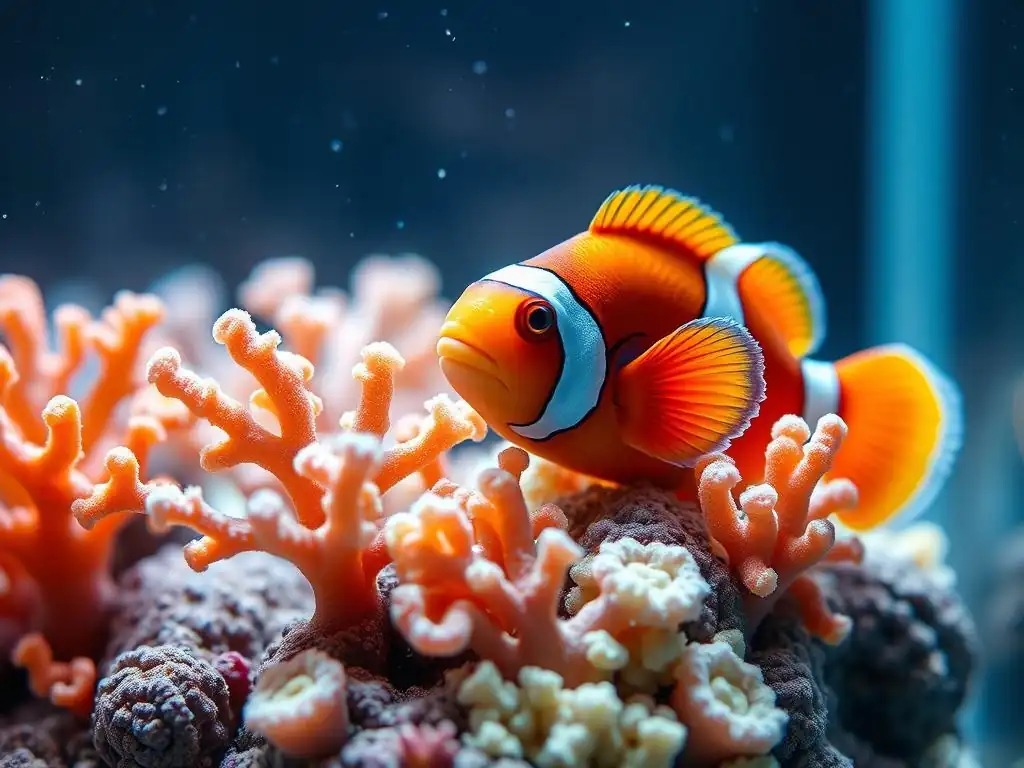
Aquascaping a nano reef for Ocellaris clownfish goes beyond aesthetics; it's about creating a functional, secure, and stimulating environment. The foundation should be live rock, which not only provides critical biological filtration but also offers numerous nooks, crannies, and caves for the clownfish to explore and hide in.
Aim to stack live rock in a way that creates stable structures with open swimming areas, along with secure retreats where the Ocellaris clownfish can feel safe, especially during acclimation or if stressed. Approximately 1 to 1.5 pounds of live rock per gallon is a good starting point to achieve both biological capacity and visual appeal.
A fine aragonite sand bed, 1-2 inches deep, serves multiple purposes. It provides a natural aesthetic, offers a habitat for beneficial microfauna, and can be home to sand-dwelling invertebrates. For Ocellaris clownfish, providing a potential "hosting" object is often desired, even if an anemone is not planned.
Large polyp stony (LPS) corals like Torch Corals ( Euphyllia glabrescens), Hammer Corals ( Euphyllia ancora), or Frogspawn Corals ( Euphyllia divisa) are excellent alternatives to anemones, as Ocellaris clownfish are known to host these without the demanding care requirements of an actual anemone. Placing these corals in a prominent, yet sheltered, location can encourage hosting behavior, enriching the fish's environment and contributing to a more natural Ocellaris clownfish care experience.
Ocellaris Clownfish Diet and Feeding: Ensuring Optimal Health
What Do Ocellaris Clownfish Eat? A Balanced Diet for Nano Reefs
Ocellaris clownfish are omnivores, meaning their diet in the wild consists of a mix of zooplankton, small crustaceans, and algae. In the home aquarium, providing a varied and balanced diet is crucial for their long-term health, vibrant coloration, and strong immune system. High-quality marine flake foods and small pellets should form the staple of their diet. Look for brands specifically formulated for marine omnivores, such as Hikari Marine S, New Life Spectrum Thera+A, or Ocean Nutrition Formula One, which contain a good balance of protein, vitamins, and minerals. Feeding these once or twice daily provides consistent nutrition.
To complement their staple diet and provide essential nutrients often lacking in dry foods, a variety of frozen foods should be offered several times a week. Excellent choices include enriched brine shrimp (e.g., spirulina-fortified), mysis shrimp, finely chopped silversides, or krill. These meaty foods provide vital proteins and fats.
Some Ocellaris clownfish may also graze on algae growth within the tank, and occasionally offering a small piece of marine algae (nori) clipped to a rock can supplement their vegetable intake. A diverse feeding regimen is a cornerstone of a comprehensive Ocellaris clownfish care guide, ensuring all their nutritional needs are met.
Feeding Frequency and Portion Sizes for Ocellaris Clownfish
Proper feeding frequency and portion control are vital for the health of Ocellaris clownfish and the overall water quality in a nano reef. For adult Ocellaris clownfish, feeding once or twice daily is generally sufficient. Juvenile clownfish, still in their growth phase, may benefit from 2-3 smaller feedings per day to support their development. The key is consistency, providing meals at roughly the same time each day to establish a routine.
Regarding portion sizes, a critical rule of thumb for any marine aquarium, especially a nano tank, is to only feed what the Ocellaris clownfish can consume within 1 to 2 minutes. Overfeeding is one of the most common causes of declining water quality in nano reefs, as uneaten food quickly breaks down, leading to spikes in ammonia and nitrates. If any food remains after this short period, it should be promptly siphoned out to prevent water pollution. Adhering to this feeding strategy is a fundamental aspect of responsible Ocellaris clownfish care, preventing nutrient buildup and maintaining pristine conditions.
Supplementing Your Ocellaris Clownfish's Diet in a Nano Aquarium
While a balanced diet of high-quality flakes, pellets, and frozen foods covers most nutritional needs, supplementing your Ocellaris clownfish's diet can provide an extra boost for their immune system, coloration, and overall vitality. One effective method is to soak frozen foods in liquid vitamin supplements specifically designed for marine fish.
Products like Selcon or Vita-Chem, which are rich in fatty acids and vitamins (e.g., Vitamin C), can be used once or twice a week. A few drops added to the frozen food before feeding allows the nutrients to be absorbed, providing a concentrated dose of beneficial compounds directly to the fish.
Beyond vitamin supplements, offering a wider variety of specialized foods can further enrich their diet. For example, some Ocellaris clownfish will readily accept small amounts of marine algae sheets (nori), which can be clipped to a rock or a feeding clip in the tank. This provides additional fiber and vegetable matter, mimicking their natural grazing behavior. While not their primary food source, the occasional inclusion of such supplements and varied foods contributes significantly to the long-term health and vibrancy of your Ocellaris clownfish, making it an advanced consideration within a comprehensive Ocellaris clownfish care guide.
Anemone Symbiosis and Ocellaris Clownfish: A Nano Reef Challenge
Selecting the Right Anemone for Ocellaris Clownfish in a Small Tank
While the iconic image of a clownfish nestled in an anemone is captivating, introducing an anemone into a nano reef with Ocellaris clownfish presents significant challenges. Bubble Tip Anemones (BTAs - Entacmaea quadricolor) are the most common hosts for Ocellaris clownfish, but even small specimens can grow rapidly, easily reaching 6-12 inches (15-30 cm) in diameter.
In a tank under 30 gallons, a BTA can quickly outgrow the available space, dominate the aquascape, and sting nearby corals or other sessile invertebrates as it moves to find its preferred spot. Their powerful sting can be lethal to other tank inhabitants in a confined area.
Due to these challenges, many experienced nano reef keepers advise against keeping host anemones in tanks smaller than 40-50 gallons. The specific Ocellaris clownfish care guide for an anemone involves not only stable water parameters but also very strong lighting (e.g., high-output LED or metal halide equivalents) and pristine water quality, which can be difficult to maintain consistently in small volumes.
Smaller anemone species like Rock Flower Anemones ( Epicystis crucifer) are generally not hosted by Ocellaris clownfish. If the goal is a hosting relationship, consider providing large polyp stony (LPS) corals like Torch, Hammer, or Frogspawn corals, which Ocellaris clownfish frequently host without the extreme demands and risks associated with true anemones.
Introducing Anemones to Your Nano Reef: A Step-by-Step Guide
Introducing an anemone to a nano reef, especially for Ocellaris clownfish, requires meticulous planning and execution due to their sensitivity and potential impact on a small system. Firstly, ensure your tank is mature (at least 6-12 months old) with consistently stable water parameters for several weeks. Any fluctuations can quickly stress or kill an anemone. Begin by drip acclimating the anemone slowly over 1-2 hours to match your tank's salinity and temperature precisely. Avoid exposing it to air during transfer.
Once acclimated, place the anemone in a low-flow area of the tank, ideally on a rock with a crevice or cave where it can anchor its foot. Do not try to force it into a specific spot; an anemone will move until it finds its ideal location with appropriate lighting and flow. Monitor it closely for signs of stress, such as deflating, shrinking, or refusing to open.
Be prepared for it to move, potentially stinging corals or other invertebrates in its path. Remember that anemones are significant bioload contributors, and their waste products can quickly degrade water quality in a nano tank, necessitating even more diligent maintenance as part of a comprehensive Ocellaris clownfish care guide.
What to Do If Your Ocellaris Clownfish Doesn't Host an Anemone
It's a common misconception that Ocellaris clownfish must host an anemone to thrive. In reality, many captive-bred Ocellaris clownfish, which comprise the vast majority of those sold in the aquarium hobby, may never host an anemone, or may take a very long time (weeks to months) to do so.
This behavior is learned and instinctual, but prolonged absence from an anemone in a hatchery can diminish the drive. If your Ocellaris clownfish is not hosting, patience is the first and most important step; do not try to force it into an anemone, as this can stress both the fish and the anemone.
Instead of an anemone, provide alternative hosting structures. Ocellaris clownfish are known to host a variety of large polyp stony (LPS) corals, such as Torch Corals ( Euphyllia glabrescens), Hammer Corals ( Euphyllia ancora), or Frogspawn Corals ( Euphyllia divisa). They may also host soft corals like Mushrooms or Xenia, or even non-living objects like powerhead cords or specific rock formations.
Ensure your tank has plenty of secure hiding spots and varied aquascaping, as feeling safe and having territory is more crucial for their well-being than hosting an anemone. A happy, healthy Ocellaris clownfish does not require an anemone to live a full life in your nano reef, and focusing on excellent Ocellaris clownfish care will be more beneficial than forcing a host relationship.
Ocellaris Clownfish Tank Mates: Compatibility in Nano Reefs
Suitable Tank Mates for Ocellaris Clownfish in a Nano Aquarium
Choosing appropriate tank mates for Ocellaris clownfish in a nano reef requires careful consideration to ensure peace and stability in a confined environment. Generally, small, peaceful invertebrates make excellent companions. A cleanup crew consisting of various snails (e.g., Nassarius, Trochus, Turbo spp.) and hermit crabs (e.g., Blue Leg, Scarlet Hermits) effectively manages algae and detritus, and are typically ignored by Ocellaris clownfish. Cleaner shrimp ( Lysmata amboinensis) or Peppermint Shrimp ( Lysmata wurdemanni) are also great additions, offering both utility and interesting behavior, often forming a symbiotic relationship with the fish.
For fish companions, the options are limited by the nano tank's size and the Ocellaris clownfish's potential territoriality, especially if it's a mated pair. In a 20-gallon or larger system, a single small, peaceful goby (e.g., Yellow Watchman Goby, Diamond Watchman Goby, or a small Pistol Shrimp-Goby pair) can coexist, as they typically occupy the bottom stratum and don't compete for the same space as the mid-water dwelling clownfish.
A single Royal Gramma Basslet ( Gramma loreto) is another popular choice due to its vibrant colors and generally peaceful nature. Always introduce tank mates slowly, monitor for aggression, and ensure ample hiding spots for all inhabitants as part of a responsible Ocellaris clownfish care guide.
Fish to Avoid Housing with Ocellaris Clownfish in a Small Tank
When selecting tank mates for Ocellaris clownfish in a nano reef, it's equally important to know which species to avoid, as aggressive or overly large fish can quickly turn a peaceful environment into a stressful one. Any fish known for aggression, such as most triggerfish, puffers, large wrasses, or other species of damselfish (with the exception of a bonded pair of Ocellaris clownfish themselves), should be entirely avoided. These species can harass, nip at, or even consume Ocellaris clownfish, especially in the confined spaces of a nano tank where escape routes are limited.
Furthermore, avoid housing multiple species of clownfish together in a nano aquarium. While a bonded pair of Ocellaris clownfish can thrive, introducing a different species of clownfish (e.g., a Percula or Maroon clownfish) will almost inevitably lead to severe territorial disputes and aggression, often resulting in injury or death for the weaker fish. Even attempting to introduce a third Ocellaris clownfish to an established pair is highly risky and usually ends poorly.
Overstocking, regardless of species, also leads to increased aggression, poor water quality, and stress. Adhering to these guidelines is crucial for maintaining harmony and ensuring proper Ocellaris clownfish care.
Managing Aggression in a Nano Reef with Ocellaris Clownfish
Even with careful tank mate selection, aggression can sometimes arise in a nano reef, particularly if the Ocellaris clownfish form a breeding pair and become more territorial. Signs of aggression include chasing, nipping fins, constant hiding of the bullied fish, or a dominant fish constantly flaring its fins at others. If a bonded pair of Ocellaris clownfish is present, the larger female may occasionally nip or chase the smaller male; this is usually normal pair-bonding behavior, but if it becomes excessive or causes injury, intervention may be required.
To manage aggression, first ensure the tank is not overstocked and that there are ample hiding spots and visual breaks in the aquascape. Rearranging the live rock can sometimes disrupt established territories and "reset" the dynamics. If aggression persists and causes stress or injury to other tank mates, the most effective solution is often to remove the aggressor or the bullied fish.
In severe cases, separating the fish into a temporary holding tank may be necessary to allow them to recover before reintroduction or finding a new home. Consistent monitoring and proactive management are key to maintaining a peaceful environment, which is a vital component of successful Ocellaris clownfish care.
Common Ocellaris Clownfish Diseases and Treatments: A Nano Reef Focus
Identifying Common Ocellaris Clownfish Diseases in Nano Tanks
Ocellaris clownfish are generally hardy, but like all fish, they can be susceptible to common marine diseases, especially if water quality is poor or new, unquarantined fish are introduced. Marine Ich ( Cryptocaryon irritans) is one of the most prevalent parasitic infections, presenting as small, white spots resembling grains of salt on the body, fins, and gills. Affected fish may exhibit rapid breathing, scratching against rocks (flashing), or lethargy. Another dangerous parasite is Marine Velvet ( Amyloodinium ocellatum), which appears as a fine, dusty, yellowish-brown film on the fish and can cause rapid deterioration and death.
Bacterial infections can manifest as fin rot (frayed or disintegrating fins), cloudy eyes, or red sores. These are often secondary infections stemming from stress or poor water quality. Brooklynella hostilis, commonly known as "Clownfish Disease," is particularly virulent and specific to clownfish. Symptoms include excessive mucus production, skin lesions, rapid breathing, and a general slimy appearance, often leading to rapid fatality within days. Early and accurate identification of these symptoms is critical for prompt treatment and effective Ocellaris clownfish care, especially in the sensitive environment of a nano tank.
Quarantine Procedures for New Ocellaris Clownfish
Implementing a strict quarantine procedure for all new Ocellaris clownfish is arguably the most crucial step in preventing disease outbreaks in your established nano reef. A separate quarantine tank (QT) of 10-20 gallons is ideal, equipped with a heater, a small sponge filter or HOB filter (no carbon, as it removes medications), and PVC pipes or non-porous decorations for hiding spots. This tank should be established and cycled before new fish arrive. New Ocellaris clownfish should reside in the QT for a minimum of 4-6 weeks.
During the quarantine period, closely observe the clownfish for any signs of disease. Many aquarists opt for prophylactic treatments during this time. For example, a low dose of a copper-based medication (like Copper Power or Seachem Cupramine) can be administered to eradicate Ich and Velvet, as these parasites have a complex life cycle that can be interrupted in a fish-only system.
Freshwater dips (pH and temperature matched) can also be used for immediate relief from external parasites. By keeping medications out of your main display tank, you protect sensitive corals and invertebrates. This rigorous quarantine process is an essential, non-negotiable part of any comprehensive Ocellaris clownfish care guide.
Treating Diseases in Ocellaris Clownfish While Protecting Your Nano Reef Inhabitants
Treating diseases in Ocellaris clownfish within a nano reef display tank is generally not recommended due to the presence of corals and invertebrates. Most effective marine medications, such as copper-based treatments for Ich or formalin-based solutions for Brooklynella, are highly toxic to corals, anemones, shrimp, crabs, and snails. Administering these medications directly into your main reef tank would cause irreparable harm or death to your invertebrate inhabitants, effectively destroying your reef.
Therefore, the best course of action for a sick Ocellaris clownfish is to transfer it to a separate hospital tank (HT). This tank can be a simple 10-gallon setup with a heater, sponge filter, and PVC fittings for hiding, much like a quarantine tank. In the hospital tank, you can safely administer the appropriate medications without risking your main display tank's ecosystem.
Maintain pristine water quality in the HT through daily small water changes and careful monitoring of parameters. For minor issues like fin nips or stress-related behavioral changes, sometimes simply improving water quality in the main tank and providing a balanced diet can be sufficient. However, for serious parasitic or bacterial infections, a dedicated treatment regimen in a separate hospital tank is paramount for successful Ocellaris clownfish care.
Ocellaris Clownfish Breeding in Nano Reefs: A Feasible Goal?
Conditions Needed for Ocellaris Clownfish Breeding in a Nano Tank
Breeding Ocellaris clownfish in a nano reef, while challenging, is certainly a feasible goal for dedicated aquarists. The first and most critical condition is the presence of a sexually mature, bonded pair of Ocellaris clownfish. This typically involves a larger, dominant female and a smaller, submissive male. Introducing two juvenile Ocellaris clownfish simultaneously and allowing them to pair naturally is the most common method. The nano tank itself should be mature (at least 6 months old) and stable, ideally 20-30 gallons or larger, to provide sufficient space and water volume to buffer waste products, which will increase during spawning.
Beyond the pair and tank size, pristine and consistent water quality is paramount. All essential parameters (salinity, temperature, pH, ammonia, nitrite, nitrate) must be meticulously maintained within their optimal ranges. A high-quality, varied diet, rich in protein and vitamins, is also crucial for conditioning the breeding pair.
Feeding a mix of marine flakes, pellets, and various frozen foods (e.g., mysis shrimp, spirulina brine shrimp) several times a day will help them build the energy reserves needed for spawning. While not strictly necessary, providing a suitable spawning surface, such as a terracotta pot, a flat piece of slate, or even a large, smooth rock, can encourage them to lay eggs. This dedicated approach to Ocellaris clownfish care can lead to successful breeding.
Setting Up a Breeding Tank for Ocellaris Clownfish
While Ocellaris clownfish may spawn in a display nano reef, raising the fry to maturity in such a tank is almost impossible due to predation from other tank inhabitants and inadequate food availability. Therefore, setting up a dedicated breeding or larval rearing tank is essential. A bare-bottom 10-gallon aquarium is typically sufficient for the fry, equipped with a small sponge filter (to avoid sucking up fry) and a heater to maintain a consistent temperature around 78-80°F (25.5-26.7°C). The sponge filter provides gentle biological filtration without creating strong currents.
For the breeding pair themselves, if they are spawning in the display tank, they will need a clean, flat surface for egg deposition. This can be a terracotta pot placed upside down, a piece of PVC pipe, or a flat, smooth rock. The male Ocellaris clownfish will meticulously clean this surface before spawning.
Once eggs are laid, some breeders choose to move the spawning surface with the eggs to the dedicated larval rearing tank just before hatching (around day 7-8 post-spawn) to protect them from the display tank's inhabitants. This separation ensures the best chance of survival for the delicate fry, a specialized aspect of Ocellaris clownfish care.
Caring for Ocellaris Clownfish Eggs and Fry
Caring for Ocellaris clownfish eggs and fry is the most demanding aspect of their breeding. Once the female lays her eggs (typically 100-500 orange-colored eggs), the male Ocellaris clownfish assumes primary responsibility for their care. He diligently guards the clutch, fans them with his fins to ensure proper oxygenation, and removes any infertile or fungused eggs. The eggs typically hatch after 7-10 days, depending on temperature, usually shortly after the lights go out. During this period, ensure the water quality around the eggs remains pristine and avoid strong currents directly on the clutch.
Upon hatching, Ocellaris clownfish fry are tiny, planktonic larvae, measuring only a few millimeters. They are incredibly delicate and require specific live foods due to their small mouthparts. For the first 3-5 days, the fry must be fed rotifers ( Brachionus plicatilis), which are microscopic zooplankton.
These rotifers often need to be "gut-loaded" with phytoplankton to increase their nutritional value. After a few days, as the fry grow slightly, they can be transitioned to newly hatched brine shrimp nauplii. This specialized feeding regimen, combined with maintaining stable, clean water in the larval rearing tank, is extremely labor-intensive and requires significant dedication, making it the most challenging part of an Ocellaris clownfish care guide for breeding.
Troubleshooting Common Ocellaris Clownfish Problems in Nano Reefs
Addressing Aggression Issues in Ocellaris Clownfish
Aggression in Ocellaris clownfish, while generally mild, can occur, especially in the confined space of a nano reef. If you have a mated pair, the larger female may occasionally assert dominance over the smaller male through chasing or nipping. This is often normal pair-bonding behavior, but if it becomes constant, causes physical injury, or prevents the male from eating, it may indicate excessive aggression. Furthermore, aggression can arise if new fish are introduced, or if the tank is overstocked, leading to territorial disputes.
To address aggression, first ensure the tank size is appropriate for the number of fish; a 20-gallon minimum for a pair is crucial. Provide ample hiding spots and visual breaks within the aquascape using live rock to allow the submissive fish to retreat. Rearranging the rockwork can sometimes disrupt established territories and reduce aggression.
If aggression persists and is severe, temporarily separating the aggressive fish or the bullied fish into a separate holding tank may be necessary. In rare cases, if aggression is relentless and causes harm, rehoming one of the fish may be the only solution. Careful observation and proactive measures are key components of Ocellaris clownfish care to maintain a peaceful environment.
Dealing with Changes in Ocellaris Clownfish Behavior
Sudden or gradual changes in the behavior of your Ocellaris clownfish can often be the first indicator of underlying issues, whether environmental stress, disease, or incompatibility. Common behavioral changes include increased lethargy, spending excessive time hiding, refusing to eat, rapid breathing, or unusual swimming patterns (e.g., erratic movements, rubbing against tank decor). These changes warrant immediate investigation, as early detection significantly improves the chances of successful intervention.
Upon noticing a behavioral change, the first step is to perform a comprehensive test of all water parameters: salinity, temperature, pH, ammonia, nitrite, and nitrate. Even slight deviations from optimal ranges can stress Ocellaris clownfish in a nano tank. Check for any physical signs of disease, such as spots, lesions, fin rot, or cloudy eyes. Observe tank mates for signs of bullying or aggression.
If water parameters are off, perform a small water change. If disease is suspected, prepare a hospital tank for treatment. Sometimes, a simple adjustment to feeding or tank maintenance can resolve minor behavioral shifts, emphasizing the proactive nature of effective Ocellaris clownfish care.
Maintaining Optimal Water Quality for Ocellaris Clownfish Health
Maintaining optimal water quality is the single most critical factor for the long-term health and vitality of Ocellaris clownfish in a nano reef. Due to the smaller water volume, nano tanks are inherently less stable and more susceptible to rapid fluctuations and waste accumulation. Therefore, a rigorous and consistent water quality management routine is paramount.
This includes daily visual checks of your Ocellaris clownfish and the tank, and at least weekly testing of key parameters such as salinity (specific gravity), temperature, pH, ammonia, nitrite, and nitrate. Ammonia and nitrite should always be undetectable (0 ppm), and nitrates should be kept below 10-20 ppm.
Proactive measures are essential to prevent water quality issues from arising. Regular small water changes (e.g., 10-15% weekly or bi-weekly for a 20-gallon tank) are crucial for replenishing trace elements, reducing nitrates, and maintaining overall stability. Always use high-quality RODI (Reverse Osmosis Deionized) water for both top-offs (to compensate for evaporation and prevent salinity creep) and for mixing new saltwater.
Avoid overfeeding, as uneaten food quickly degrades water quality. Ensuring robust filtration (live rock, mechanical, and potentially a protein skimmer) and adequate water flow will also contribute significantly to a pristine environment, forming the bedrock of any successful Ocellaris clownfish care guide.
The Future of Ocellaris Clownfish Keeping in Nano Reef Aquariums
Sustainable Practices for Ocellaris Clownfish
The future of Ocellaris clownfish keeping in nano reef aquariums is increasingly tied to sustainable practices, primarily emphasizing the preference for captive-bred specimens. The vast majority of Ocellaris clownfish available in the hobby today, estimated to be well over 80-90%, are now commercially aquaculture-bred. This is a significant positive trend, as captive-bred fish are generally hardier, more accustomed to aquarium life, and less prone to disease than their wild-caught counterparts. Choosing captive-bred Ocellaris clownfish directly reduces the demand for wild collection, thereby alleviating pressure on natural reef ecosystems and supporting ethical trade.
Beyond purchasing decisions, sustainable Ocellaris clownfish care extends to responsible tank management. This includes minimizing water waste through efficient water changes, proper disposal of old saltwater (avoiding direct discharge into drains), and judicious use of electricity for equipment. Supporting local fish stores that prioritize ethical sourcing and educate their customers on sustainable practices also contributes to the longevity of the hobby. By embracing these principles, aquarists can ensure their enjoyment of Ocellaris clownfish contributes positively to conservation efforts and the health of marine environments worldwide.
The Impact of LED Lighting Advancements on Ocellaris Clownfish Health and Coloration
Advancements in LED lighting technology have profoundly impacted marine aquarium keeping, offering significant benefits for both corals and the health and coloration of fish like the Ocellaris clownfish. Modern LED fixtures allow for unprecedented control over spectrum, intensity, and photoperiod, enabling aquarists to fine-tune lighting to mimic natural reef conditions more accurately. While Ocellaris clownfish do not have the complex lighting requirements of photosynthetic corals, optimal lighting contributes to their overall well-being and can enhance their vibrant natural hues.
Proper spectrum and intensity can reduce stress by simulating a more natural environment, which is crucial for a comprehensive Ocellaris clownfish care guide. Research suggests that certain blue spectrums, common in reef-specific LEDs, can enhance the fluorescence of fish pigments, making the oranges and whites of Ocellaris clownfish appear even more vivid.
Furthermore, the reduced heat output of LEDs compared to traditional lighting sources (like metal halide or fluorescent) helps maintain stable tank temperatures, a critical factor for Ocellaris clownfish health in smaller nano tanks where temperature fluctuations can be more pronounced. This technological evolution makes it easier than ever to provide a visually stunning and biologically sound habitat for these popular fish.
Conclusion: Mastering Ocellaris Clownfish Care in Your Nano Reef
Key Takeaways for Successful Ocellaris Clownfish Keeping
Mastering Ocellaris clownfish care in a nano reef hinges on a few core principles that, when diligently applied, ensure their long-term health and vibrancy. Firstly, prioritize stable water parameters: consistent salinity (1.023-1.026), temperature (76-82°F), and pH (8.1-8.4) are non-negotiable. Regular testing and small, frequent water changes are crucial for maintaining these conditions in the limited volume of a nano tank. Secondly, provide an appropriately sized habitat; while they are small, a minimum of 15-20 gallons for a single Ocellaris or a pair allows for better stability and ample swimming room.
Finally, a balanced and varied diet, coupled with careful tank mate selection, contributes significantly to their well-being. Opt for high-quality flakes, pellets, and a variety of frozen foods, feeding sparingly to avoid overfeeding. Choose peaceful, small invertebrates and fish if adding tank mates, and always quarantine new arrivals. By focusing on these fundamental aspects of Ocellaris clownfish care, aquarists can create a thriving and engaging nano reef environment for these iconic marine fish.
Resources for Further Learning About Ocellaris Clownfish Care
The journey of mastering Ocellaris clownfish care is an ongoing process of learning and adaptation. To deepen your knowledge and refine your techniques, several avenues for further learning are highly recommended. Reputable online forums and communities dedicated to saltwater aquariums offer a wealth of collective experience, where you can ask questions, share insights, and troubleshoot problems with experienced aquarists globally. Websites like Aquarium Mastery provide detailed articles and guides, serving as excellent foundational resources for specific topics like Ocellaris clownfish care.
Additionally, consulting with knowledgeable staff at your local fish store can provide personalized advice tailored to your specific setup and any challenges you might encounter. Attending local aquarium club meetings or online webinars can also offer valuable insights and networking opportunities. Ultimately, combining theoretical knowledge from reliable sources with hands-on experience and diligent observation of your own Ocellaris clownfish will be the most effective way to ensure their health and happiness in your nano reef for years to come.
Frequently Asked Questions
How difficult is it to care for Ocellaris Clownfish?
Ocellaris Clownfish are generally considered easy to care for, making them a great choice for beginner reef aquarists. They are relatively hardy and adapt well to aquarium conditions. However, maintaining proper water parameters is still crucial.
What size aquarium is recommended for Ocellaris Clownfish?
A minimum of 20 gallons is recommended for a single Ocellaris Clownfish or a pair. Providing adequate space is important for their overall well-being and to prevent territorial disputes.
What do Ocellaris Clownfish eat?
Ocellaris Clownfish are omnivores and will readily accept a variety of foods. A balanced diet should include high-quality flake food, frozen foods like mysis shrimp, and small meaty foods.
Are Ocellaris Clownfish compatible with other fish?
Ocellaris Clownfish are generally peaceful and can be kept with other peaceful reef-safe fish. Avoid keeping them with aggressive fish that may bully or harass them.
What water parameters are ideal for Ocellaris Clownfish?
Ideal water parameters include a temperature of 72-78°F (22-26°C), a specific gravity of 1.023-1.025, and a pH of 8.1-8.4. Maintaining stable water chemistry is crucial for their health.
Final Reflection: The Enduring Appeal of the Clownfish
The journey through the world of Ocellaris clownfish, as detailed in this guide, underscores their unwavering popularity in the reefkeeping hobby. From their vibrant colors to their relatively simple care requirements, these fish continue to captivate both novice and experienced aquarists, solidifying their reign as a nano reef staple. This enduring appeal speaks volumes about the accessibility and rewarding nature of keeping these fascinating creatures.
This connection with the Ocellaris clownfish extends beyond mere hobbyism; it taps into a deeper appreciation for the delicate balance of marine ecosystems. Witnessing their symbiotic relationship with anemones firsthand in a home aquarium fosters a sense of responsibility and a desire to protect their natural habitats. As Jacques Cousteau famously said, The sea, once it casts its spell, holds one in its net of wonder forever.
This "net of wonder" encourages us to become better stewards of our planet's oceans.
Now, as you embark on your own journey with Ocellaris clownfish, or simply appreciate their beauty from afar, consider the impact you can have on their future. Let this guide serve as a reminder that responsible reefkeeping and informed choices contribute to the preservation of these magnificent creatures and the delicate ecosystems they inhabit. Embrace the wonder, and let your passion for Ocellaris clownfish inspire you to become an advocate for marine conservation.
Dive Deeper: Bring the Reef Home!
Thanks for exploring the vibrant world of Ocellaris Clownfish with us! Now that you're equipped with the knowledge to appreciate these captivating creatures, it's time to translate that fascination into action.
Here are a few ways to continue your reef journey:
- Plan your own nano reef tank: Imagine the joy of watching your own pair of Ocellaris Clownfish thrive!
- Share this article with fellow aquarium enthusiasts to spread the love for these amazing fish.
- Research sustainable aquaculture practices – ensure your future clownfish come from responsible breeders!
What unique aquascaping idea do you have in mind to make your Ocellaris Clownfish feel truly at home?