
Are My Invertebrates Getting Enough Food? Signs of Starvation and Solutions

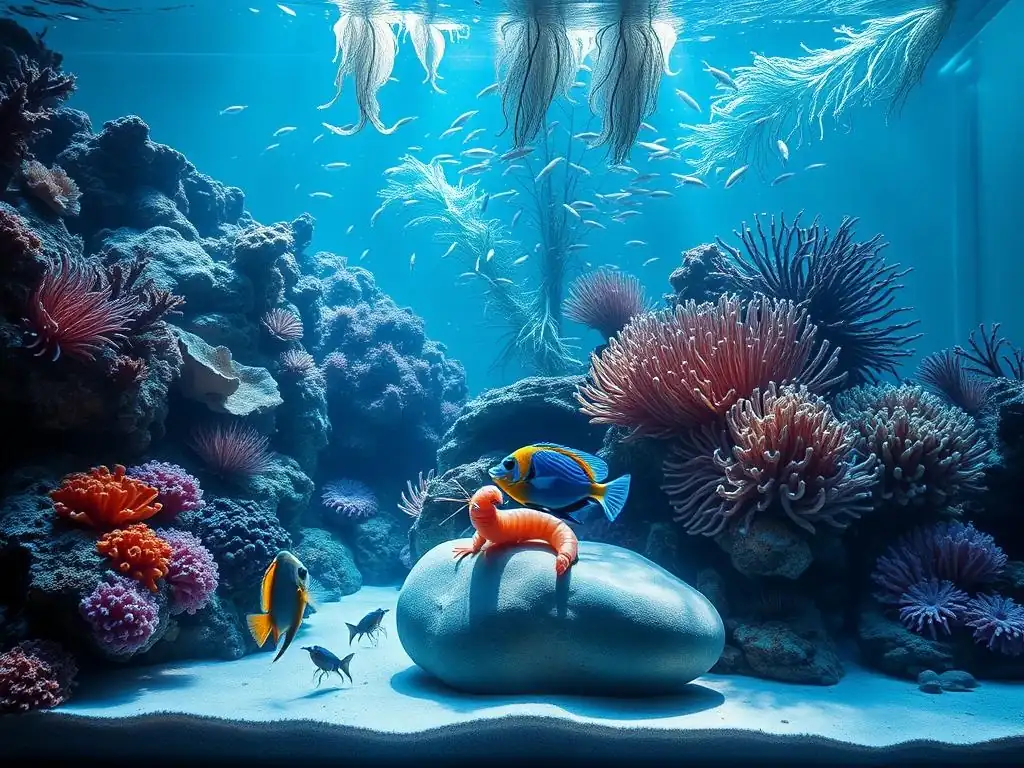
Welcome to Aquarium Mastery, your ultimate guide to thriving aquatic ecosystems!
Ever wondered if your delicate invertebrates are truly getting enough to eat? It's a common concern for aquarists. Dive into our latest article, "Are My Invertebrates Getting Enough Food? Signs of Starvation and Solutions," where we unlock the secrets to recognizing the subtle signs of starvation and offer proven invertebrates not eating solution to keep your underwater world flourishing. Ready to ensure a happy and healthy habitat for your finned and shell-clad friends? Let's explore!
- Introduction: Understanding Invertebrate Nutritional Needs in Saltwater Aquariums
- Identifying Starvation in Your Saltwater Invertebrates: Key Signs to Watch For
- Common Causes of Invertebrate Undernourishment in Saltwater Tanks
- Solutions for Invertebrates Not Eating Enough: A Comprehensive Guide
- Specific Feeding Tips for Common Saltwater Invertebrate Groups
- Preventing Invertebrate Starvation: Proactive Measures for a Healthy Tank
- Addressing Competition for Food: Strategies for a Harmonious Tank
- Conclusion: Ensuring the Long-Term Health and Well-being of Your Saltwater Invertebrates Through Proper Feeding
-
Frequently Asked Questions
- Why are my invertebrates not eating?
- How can I tell if my invertebrates are starving?
- What types of food are best for invertebrates in a freshwater aquarium?
- Can overfeeding the aquarium contribute to invertebrates not eating?
- What can I do if my invertebrates are being outcompeted for food by fish?
- Final Reflection: The Silent Hunger of the Small
- Nurture Your Invertebrates: Unlock Vibrant Life!
Introduction: Understanding Invertebrate Nutritional Needs in Saltwater Aquariums
The Importance of Proper Feeding for Thriving Invertebrates
Proper nutrition is the cornerstone of a healthy and vibrant saltwater aquarium, especially for its diverse invertebrate inhabitants. These organisms, ranging from delicate corals to industrious clean-up crews like snails and crabs, are not merely decorative elements; they are vital contributors to the ecosystem's balance, performing essential functions such as waste removal, algal control, and even nutrient cycling. Ensuring they receive adequate and appropriate food directly impacts their growth, coloration, reproductive success, and overall resilience against diseases.
Conversely, underfeeding can lead to a cascade of negative effects. Invertebrates deprived of sufficient nutrients exhibit stunted growth, weakened immune systems, and increased susceptibility to common aquarium ailments. For instance, a coral that isn't fed adequately may slowly recede from its skeleton, while a starved shrimp might become lethargic and eventually succumb. Recognizing the signs of insufficient food and implementing an "Invertebrates not eating solution" is paramount for maintaining the long-term health and stability of your marine environment.
Why Saltwater Invertebrates Need Specific Diets
Saltwater invertebrates display an astonishing array of feeding mechanisms, reflecting their highly specialized roles in the marine environment. This diversity necessitates a tailored dietary approach, as a one-size-fits-all feeding strategy will invariably lead to nutritional deficiencies for some species. For example, filter feeders like clams and feather duster worms rely on microscopic plankton suspended in the water column, while grazing snails consume various forms of algae and biofilm.
Furthermore, many invertebrates, such as reef-building corals, have symbiotic relationships with zooxanthellae algae, which provide a significant portion of their energy through photosynthesis. However, these corals still require supplemental feeding of particulate matter, amino acids, and specific trace elements for optimal health and growth. Failing to provide these specific dietary components, often overlooked when seeking an "Invertebrates not eating solution," means that even seemingly healthy invertebrates may slowly starve, highlighting the critical need for species-specific nutritional understanding.
Identifying Starvation in Your Saltwater Invertebrates: Key Signs to Watch For
Physical Signs of Invertebrate Starvation
Reduced Activity and Lethargy in Invertebrates
A primary indicator of undernourishment in saltwater invertebrates is a noticeable decrease in their usual activity levels, often manifesting as lethargy. Healthy invertebrates are typically dynamic; Nassarius snails actively burrow through the sand, hermit crabs constantly forage for detritus, and cleaner shrimp are usually seen interacting with fish or cleaning rockwork. A significant reduction in these characteristic behaviors suggests a lack of energy, directly linked to insufficient food intake.
For example, if a normally active Turbo snail remains motionless on the substrate for extended periods, or a Peppermint Shrimp shows little interest in scavenging, it's a strong sign that an "Invertebrates not eating solution" might be needed. This lethargy can also make them more vulnerable to predation or stress from other tank inhabitants, further exacerbating their decline.
Tissue Recession and Loss of Color in Corals and Anemones
For corals and anemones, visible tissue recession and a decline in vibrant coloration are critical warning signs of starvation. Corals, especially large polyp stony (LPS) species like Euphyllia or Favia, will begin to pull their flesh back from their skeleton as they consume their own tissues for energy. This often exposes the white calcium carbonate skeleton beneath, a clear indication of severe distress.
Similarly, a healthy anemone (e.g., Bubble Tip Anemone) should have plump tentacles and vibrant coloration. If its tentacles appear shriveled, translucent, or its color becomes dull and faded (beyond typical light-induced bleaching), it's likely starving. For instance, a once vibrant Green Star Polyp colony turning pale and shrinking suggests it's not receiving adequate planktonic food or light to support its metabolic needs, signaling the urgent need for an "Invertebrates not eating solution".
Empty Shells or Molts Without New Growth in Crustaceans
Crustaceans like shrimp and crabs grow by molting their exoskeletons. A healthy molt should be followed by a slight increase in the animal's size as its new, larger exoskeleton hardens. If you frequently find molts, but the crustacean itself does not appear to be growing, or if the molts are unusually small and flimsy, it indicates inadequate nutrition and a lack of resources for proper development. This is a subtle but important sign.
More alarmingly, finding numerous empty shells of snails, especially species known for their hardiness like Trochus or Nassarius snails, without any obvious cause (such as predation by a predatory crab or fish), can point directly to starvation. If a crab or shrimp dies without clear signs of disease or aggression, and other invertebrates in the tank also appear thin, it's a strong indication that an "Invertebrates not eating solution" focused on overall food availability is required.
Behavioral Signs of Underfeeding Invertebrates
Increased Aggression or Cannibalism Among Invertebrates
Food scarcity can drastically alter the behavior of invertebrates, leading to increased aggression or even cannibalism. Normally docile hermit crabs, for example, might become unusually aggressive towards other snails or smaller crabs, attempting to steal their shells or even consuming the inhabitants. This behavior is a desperate attempt to secure resources when their natural food supply is insufficient.
In severe cases, some species of shrimp or crabs, if consistently underfed, may resort to preying on smaller or weaker tank mates, including juveniles of their own species. This extreme measure highlights a critical lack of available sustenance, making it a clear sign that a comprehensive "Invertebrates not eating solution" addressing food competition and quantity is urgently needed in the aquarium.
Excessive Grazing on Algae Despite Lack of Growth
Many saltwater invertebrates, such as various snail species (e.g., Nerite, Turbo, Trochus) and certain crabs (e.g., Emerald Crabs), are natural grazers, playing a vital role in controlling algae. While some grazing is normal, if these invertebrates are constantly and frantically scraping surfaces that appear relatively clean or where algae growth is minimal, it suggests they are desperately searching for food that isn't there in sufficient quantities.
For instance, a Turbo snail meticulously cleaning a small, visibly bare patch of rock for an extended period, or an Emerald Crab persistently picking at an area devoid of visible algae, indicates that their natural food sources are depleted. Their efforts yield little nutritional gain, leading to a slow decline in health despite their continuous foraging attempts, signaling the need for an "Invertebrates not eating solution" involving supplemental feeding.
Invertebrates Wandering Aimlessly in Search of Food
Healthy, well-fed invertebrates typically exhibit predictable behaviors or remain in specific territories, unless disturbed. If a normally sessile invertebrate, such as a large anemone or a clam, detaches from its anchor point and begins to wander aimlessly across the rockwork or substrate, it is often a desperate search for better feeding conditions or a more favorable environment. While other factors like poor flow or lighting can cause this, starvation is a significant contributor.
Similarly, other mobile invertebrates like certain sea stars or cucumbers, if observed moving erratically or spending an unusual amount of time exploring new areas, might be on a frantic quest for food. This aimless wandering, particularly when combined with other physical signs of decline, is a strong behavioral cue that an "Invertebrates not eating solution" focused on nutrient availability is essential.
Common Causes of Invertebrate Undernourishment in Saltwater Tanks
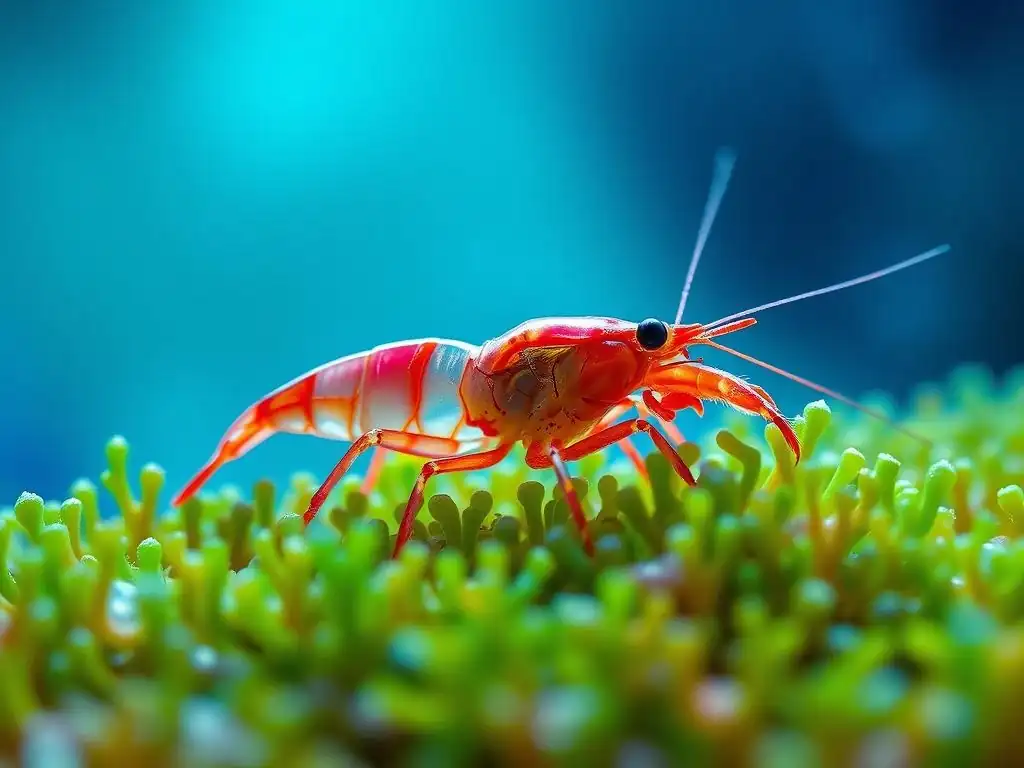
Insufficient Food Supply for Your Invertebrate Population
The most common reason for invertebrate undernourishment is simply an inadequate overall food supply. Many aquarists underestimate the sheer volume of food required to sustain a thriving clean-up crew and coral population, often assuming that leftover fish food or natural algae growth will suffice. However, a tank with a significant biomass of snails, crabs, shrimp, and various corals will rapidly deplete ambient nutrients and detritus.
For example, a 75-gallon reef tank housing 15 Nassarius snails, 10 hermit crabs, 3 cleaner shrimp, and a mix of LPS and SPS corals, will require far more than just flakes fed to fish. These invertebrates need specific types of particulate matter, detritus, and targeted coral foods. Relying solely on the incidental consumption of fish food or limited natural biofilm will inevitably lead to a situation where an "Invertebrates not eating solution" becomes a critical necessity.
Competition for Food Among Tank Inhabitants
Even if food is introduced into the tank, competition from more aggressive or faster-feeding tank inhabitants can prevent slower-moving or more timid invertebrates from getting their share. Fast-swimming fish like Tangs or Damselfish can quickly consume broadcasted foods before they settle to the substrate or are captured by filter feeders. This dynamic often leaves bottom-dwelling invertebrates and sessile corals at a disadvantage.
Furthermore, competition exists even among invertebrates. Larger, more dominant hermit crabs might actively steal food from smaller snails or shrimp. In a densely populated tank, a large, aggressive anemone might monopolize available nutrients, leaving less for nearby corals. This uneven distribution of resources, often overlooked, directly contributes to undernourishment for many individuals, demanding a strategic "Invertebrates not eating solution" that considers feeding hierarchy.
Poor Water Quality Affecting Invertebrate Feeding
Suboptimal water quality can significantly stress invertebrates, leading to reduced metabolic rates, suppressed appetites, and an inability to properly assimilate nutrients, even if food is present. High levels of nitrates (e.g., consistently above 20 ppm) or phosphates (e.g., consistently above 0.1 ppm) are particularly detrimental, inhibiting the calcification process in corals and making other invertebrates more susceptible to disease.
Beyond nutrient levels, incorrect or fluctuating salinity (e.g., dropping below 1.023 specific gravity for extended periods) or unstable pH (e.g., daily swings outside the 8.0-8.4 range) can directly impair an invertebrate's physiological functions, including its ability to filter feed, absorb dissolved organic matter, or even move efficiently to find food. Addressing these water quality issues is a fundamental component of any effective "Invertebrates not eating solution".
Inappropriate Food Size or Type for Specific Invertebrate Species
A common mistake leading to invertebrate undernourishment is offering food that is either too large, too small, or simply not the correct nutritional type for a specific species. For instance, a filter-feeding clam requires microscopic phytoplankton, while a predatory conch needs meaty, sinking bits. Providing large pellets to a clam, or fine liquid food to a conch, will result in starvation despite the presence of "food" in the tank.
Many general "reef foods" are marketed as comprehensive, but they often lack the specific particle sizes or nutritional profiles required by all the diverse invertebrates in a mixed reef. A Goniopora coral, for example, thrives on specific planktonic foods, whereas a large predatory sea star might require pieces of mussels or shrimp. Understanding these precise dietary needs is crucial for an effective "Invertebrates not eating solution," ensuring that what you're feeding is actually consumable and beneficial for each inhabitant.
Solutions for Invertebrates Not Eating Enough: A Comprehensive Guide
Assessing Your Invertebrate Population's Dietary Needs
Researching the Specific Dietary Requirements of Your Invertebrates
Before implementing any "Invertebrates not eating solution," it is absolutely essential to thoroughly research the specific dietary requirements of every invertebrate species in your aquarium. This foundational knowledge will guide all your feeding decisions. For example, a cleaner shrimp (e.g., Lysmata amboinensis) is an opportunistic omnivore that will scavenge, while a SPS coral like Acropora primarily relies on photosynthesis but also benefits from very fine particulate zooplankton and amino acids.
Consult reputable sources such as scientific journals, species-specific care guides from established aquatic websites, or comprehensive marine aquarium encyclopedias. Pay close attention to their natural feeding habits in the wild – are they filter feeders, grazers, scavengers, or predators? Understanding these nuances, such as a Feather Duster Worm needing phytoplankton or a predatory sea cucumber requiring detritus, is the first critical step towards successful feeding.
Estimating Food Quantity Based on Invertebrate Biomass
Once you understand the "what" of feeding, the next step in an effective "Invertebrates not eating solution" is to determine the "how much." This involves estimating the total biomass of your invertebrate population. A small clean-up crew of 5 snails and 2 hermit crabs will require significantly less supplemental food than a tank with 50 snails, 15 crabs, and a dozen hungry LPS corals. Overstocking invertebrates without increasing food can quickly lead to starvation.
A practical approach is to start with conservative amounts and observe. For mobile invertebrates, the goal is to provide enough food that it is consumed within a few hours, leaving minimal excess to foul the water. For corals, begin with small, targeted doses, watching for polyp extension and food capture. A general rule for clean-up crews is to provide enough sinking food so that it's gone within 2-3 hours; if it lingers longer, you are likely overfeeding. Adjust quantities based on observation and the visual condition of your invertebrates.
Implementing Proper Feeding Strategies for Saltwater Invertebrates
Targeted Feeding Techniques for Corals and Anemones
For many corals, especially large polyp stony (LPS) varieties such as Favias, Blastomussas, or Scolymias, and all types of anemones, targeted feeding is the most effective "Invertebrates not eating solution." This method ensures that the food reaches the intended recipient directly, minimizing waste and competition from fish. Use a pipette, turkey baster, or specialized coral feeder to deliver food gently to their polyps or oral disc.
It is often beneficial to perform targeted feeding after the main aquarium lights have dimmed or turned off for the night, as many corals extend their feeding tentacles more readily in the dark. Temporarily turning off return pumps and reducing powerhead flow for 10-15 minutes during feeding allows the invertebrates ample time to capture and ingest the food without it being immediately swept away. Examples include feeding thawed mysis shrimp to a Bubble Coral or a specialized coral pellet to a Torch Coral.
Broadcast Feeding Methods for Filter-Feeding Invertebrates
Filter-feeding invertebrates, including clams, feather duster worms, gorgonians, and many soft corals, thrive on particulate matter suspended in the water column. For these species, broadcast feeding is an effective "Invertebrates not eating solution." This involves dispersing liquid or powdered foods, such as phytoplankton, zooplankton, or amino acid solutions, directly into the aquarium water, allowing the invertebrates to filter out the particles.
To maximize efficiency, ensure adequate water circulation to distribute the food throughout the tank, but avoid excessive flow that could prevent smaller filter feeders from capturing particles. Some aquarists choose to temporarily turn off their protein skimmer and main return pump for 5-10 minutes during broadcast feeding, allowing the food to remain in the water column longer while powerheads maintain gentle circulation. This ensures the food is available for capture before it settles or is removed by filtration.
Providing Supplemental Foods for Crustaceans and Other Invertebrates
Crustaceans like shrimp and crabs, along with scavengers such as snails and sea stars, often benefit from supplemental, solid, sinking foods. While they will scavenge leftover fish food and detritus, these sources may not always provide sufficient nutrition. Therefore, incorporating sinking pellets, algae wafers, frozen mysis shrimp, or small pieces of chopped clam directly onto the substrate is an excellent "Invertebrates not eating solution."
Consider placing these supplemental foods in areas where these invertebrates typically congregate or near their hiding spots. Feeding after the main lights have turned off can also be effective in reducing competition from more active fish, ensuring that even the most timid members of your clean-up crew receive their fair share. This targeted approach prevents undernourishment among these crucial tank inhabitants.
Optimizing Water Quality to Enhance Invertebrate Appetite
Maintaining Proper Salinity and pH Levels
Stable and appropriate water parameters are fundamental to the health and appetite of saltwater invertebrates. For most reef invertebrates, a salinity level between 1.024 and 1.026 specific gravity (approximately 35 parts per thousand) is ideal. Similarly, maintaining a stable pH between 8.0 and 8.4 is crucial, as significant fluctuations can cause severe stress, inhibit metabolic processes, and directly reduce feeding responses.
Regularly monitor these parameters using a high-quality, calibrated refractometer for salinity and a reliable pH probe or test kit. Consistent top-offs with RODI (Reverse Osmosis Deionized) water are essential to prevent salinity creep due to evaporation, and proper buffering or calcium reactor use can help stabilize pH. A stable environment reduces stress, allowing invertebrates to allocate energy towards growth and feeding, making it a passive yet potent "Invertebrates not eating solution."
Reducing Nitrate and Phosphate Levels
Elevated levels of nitrates (NO3) and phosphates (PO4) are detrimental to the long-term health of saltwater invertebrates, especially corals. While some invertebrates can tolerate moderate levels, consistently high concentrations (e.g., nitrates above 10-20 ppm, phosphates above 0.03-0.05 ppm) can inhibit coral calcification, suppress the immune system of many invertebrates, and promote nuisance algae growth that can smother sessile organisms.
To manage these nutrients, implement regular water changes (e.g., 10-20% every two weeks using quality saltwater mix). Employ nutrient export methods such as granular ferric oxide (GFO), biopellets, or refugiums with macroalgae. Maintaining low nutrient levels creates a healthier environment that encourages natural feeding behaviors and optimizes nutrient assimilation, serving as an indirect but vital "Invertebrates not eating solution."
Ensuring Adequate Oxygenation
Adequate dissolved oxygen (DO) is vital for the metabolic processes of all aerobic organisms, including saltwater invertebrates. Insufficient surface agitation, poor water circulation, or overcrowding can lead to critically low oxygen levels in the aquarium, stressing invertebrates and significantly reducing their appetite and overall activity. This often goes unnoticed but can be a major factor in an "Invertebrates not eating solution" scenario.
Ensure proper placement of powerheads to create turbulent flow throughout the tank, promoting gas exchange at the water's surface. A properly sized and maintained protein skimmer is also highly effective at both oxygenating the water and removing organic waste that consumes oxygen. Aim for a shimmering surface and active circulation in all areas of the tank to ensure optimal oxygen saturation for all inhabitants.
Choosing the Right Foods for Your Saltwater Invertebrates
Live Foods vs. Frozen Foods vs. Prepared Foods
When seeking an "Invertebrates not eating solution," understanding the types of food available is key. Live foods, such as rotifers, copepods, or newly hatched brine shrimp, are highly nutritious and can trigger natural feeding instincts, but they often require culturing and can be expensive. Frozen foods, including mysis shrimp, brine shrimp, krill, and various planktonic mixes, are convenient, widely available, and offer excellent nutritional value when properly thawed and rinsed.
Prepared foods encompass a wide range of options, from specialized coral pellets and powdered reef foods to flakes and sinking pellets for crustaceans and scavengers. These are easy to store and use, and many are fortified with essential vitamins and minerals. A diverse and balanced diet for your invertebrates will often incorporate a mix of these food types to ensure all nutritional needs are met.
Nutritional Composition of Different Invertebrate Food Sources
Beyond the type of food, its nutritional composition is paramount. Phytoplankton, for instance, provides essential fatty acids and pigments crucial for many filter feeders and photosynthetic corals. Zooplankton, such as copepods and rotifers, are rich in proteins, lipids, and amino acids, making them vital for the growth and vitality of small-polyp corals and many crustaceans.
Meaty foods like finely chopped mysis shrimp, clams, or krill are excellent protein sources for predatory invertebrates and larger LPS corals. When selecting prepared foods, look for those specifically formulated for marine invertebrates, often fortified with vitamins (e.g., Vitamin C) and essential amino acids to ensure a complete and balanced diet, addressing the core of an "Invertebrates not eating solution" by providing what they truly need.
Avoiding Overfeeding and Food Waste
While the focus is on providing enough food, it is equally important to avoid overfeeding. Excess, uneaten food rapidly decays, leading to a spike in nitrates and phosphates, which can ironically stress invertebrates and promote nuisance algae growth. This negates the positive effects of feeding and can worsen the very conditions you are trying to solve with an "Invertebrates not eating solution."
Instead of large, infrequent feedings, opt for smaller, more frequent portions. Observe how quickly food is consumed; if significant amounts remain after 15-30 minutes, you are likely overfeeding. A healthy clean-up crew can help with minor excesses, but they are not a substitute for proper portion control. Regular siphoning of detritus from the sand bed and prompt removal of any large uneaten food items will also help maintain water quality.
Specific Feeding Tips for Common Saltwater Invertebrate Groups
Feeding Strategies for Reef-Building Corals
Reef-building corals, encompassing both Large Polyp Stony (LPS) and Small Polyp Stony (SPS) varieties, have diverse feeding needs. For LPS corals like Euphyllia, Acanthastrea, or Favia, target feeding meaty foods such as finely chopped mysis shrimp, specialized coral pellets, or even small pieces of clam is highly beneficial. This should be done 2-3 times a week, ideally after the main lights are off, when their polyps are fully extended and ready to capture food. Briefly turning off powerheads helps prevent food from being swept away.
SPS corals, such as Acropora and Montipora, primarily derive energy from their symbiotic zooxanthellae but also greatly benefit from supplemental feeding. They require very fine particulate matter like phytoplankton, zooplankton (e.g., copepods, rotifers), or amino acid solutions. Broadcast feeding these fine foods daily or every other day, especially in Ultra Low Nutrient Systems (ULNS), can significantly enhance their growth and coloration.
Nutritional Requirements for Cleaner Shrimp and Other Crustaceans
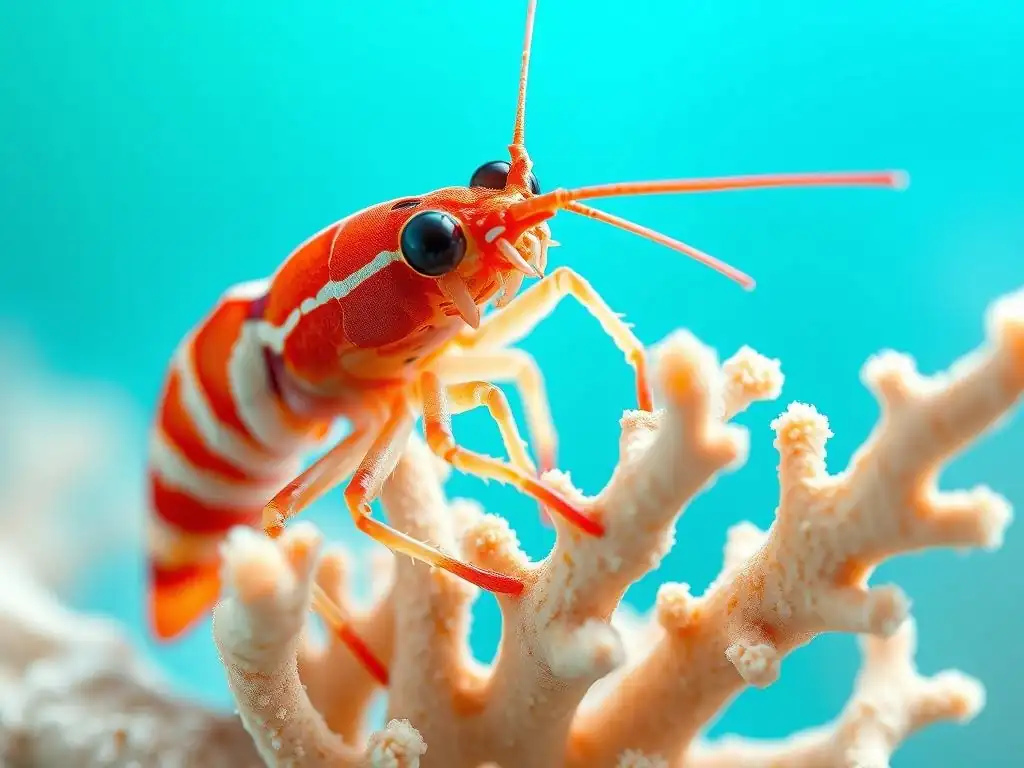
Cleaner shrimp, such as the popular Skunk Cleaner Shrimp ( Lysmata amboinensis) or Peppermint Shrimp ( Lysmata wurdemanni), are opportunistic omnivores. While they scavenge leftover fish food and may pick parasites off fish, their diet should be supplemented. Provide sinking pellets, small pieces of frozen mysis shrimp, or brine shrimp 3-4 times a week to ensure they receive adequate nutrition beyond what they forage naturally. You can place the food directly near their usual perching spots.
Hermit crabs (e.g., Blue Leg, Red Leg, Halloween) are detritivores and scavengers, constantly sifting through the substrate and rockwork. Supplement their diet with sinking algae wafers, small bits of frozen food, and occasional meaty scraps to ensure they are well-fed. It's also crucial to provide a variety of empty shells of appropriate sizes as they grow, as shell competition can be a sign of stress and lead to aggression.
Meeting the Dietary Needs of Sea Stars and Brittle Stars
Most ornamental sea stars, such as the common Red Fromia Sea Star ( Fromia milleporella) or Blue Linkia Sea Star ( Linckia laevigata), are detritivores or micro-predators that graze on biofilm, diatoms, and microorganisms found on live rock and sand. In a mature, well-established reef tank with ample live rock, they often do not require direct feeding, as they find sufficient natural food. However, if they appear thin or inactive, placing small sinking pellets or a tiny piece of frozen mysis shrimp near them occasionally can be beneficial.
Brittle stars and serpent stars are highly efficient scavengers. They will readily consume any leftover fish food, detritus, and small meaty bits that fall to the substrate. While they are excellent members of the clean-up crew, in tanks with aggressive fish competition, it's wise to target feed them occasionally with small pieces of frozen shrimp or clam. This ensures they thrive and continue their valuable work in maintaining tank cleanliness, preventing an "Invertebrates not eating solution" for these crucial scavengers.
Feeding Detritivores and Scavengers: Ensuring a Balanced Ecosystem
Detritivores and scavengers, primarily snails (e.g., Nassarius, Turbo, Trochus, Cerith) and certain cucumbers, are indispensable for maintaining a clean and balanced saltwater ecosystem. Nassarius snails are excellent sand sifters, consuming detritus and leftover food buried in the sand bed. Turbo and Trochus snails are prolific algae grazers, keeping rockwork and glass surfaces clean. Ensuring these species are well-fed is vital for their health and their function within the tank.
For systems with high grazing demands or limited natural algae growth, it's essential to supplement their diet. Provide algae wafers, spirulina flakes, or blanched vegetables like zucchini or nori (seaweed sheets) for the grazing snails. For detritivores, ensuring enough detritus accumulates (without fouling the water) or providing small sinking pellets can be effective. A well-fed clean-up crew is a proactive "Invertebrates not eating solution" that directly contributes to overall tank health and prevents nuisance issues.
Preventing Invertebrate Starvation: Proactive Measures for a Healthy Tank
Regular Observation and Monitoring of Invertebrate Health
The most effective proactive measure against invertebrate starvation is consistent, detailed observation of your aquarium inhabitants. Dedicate time daily to watch your invertebrates. Are your corals fully extended? Are your shrimp actively cleaning or foraging? Are your snails moving around and grazing? Noticing subtle changes in behavior or appearance early on can be the key to preventing severe issues and implementing a timely "Invertebrates not eating solution."
Keep a mental or physical log of your invertebrates' typical activity patterns and feeding responses. If an invertebrate consistently refuses food, appears lethargic, or shows any signs of tissue recession or color loss, consider it an early warning signal. Early detection allows for immediate corrective action, such as adjusting feeding amounts or investigating water parameters, before the situation becomes critical.
Implementing a Consistent Feeding Schedule
Establishing and adhering to a consistent feeding schedule is highly beneficial for all aquarium inhabitants, including invertebrates. Just like fish, invertebrates benefit from routine; knowing when to expect food can reduce stress and optimize their metabolic processes for efficient nutrient absorption. This doesn't necessarily mean feeding the exact same amount every time, but rather having designated times for specific types of food or targeted feedings.
For example, you might broadcast phytoplankton daily in the morning, target feed LPS corals every other evening after lights out, and drop sinking pellets for your clean-up crew a few times a week. Consistency helps invertebrates acclimate to your feeding regimen and ensures they have regular access to necessary nutrients, significantly reducing the likelihood of an "Invertebrates not eating solution" being required.
Maintaining a Balanced and Diverse Invertebrate Population
Avoid the temptation to overstock your clean-up crew, as this can quickly deplete natural food sources and lead to starvation for a large portion of your invertebrate population. While a general guideline might be 1-2 snails per gallon, the optimal number varies greatly depending on tank size, bioload, and the amount of natural algae and detritus present. An overcrowded clean-up crew will inevitably face food scarcity.
Instead, aim for a balanced and diverse invertebrate population that occupies different ecological niches. For instance, combine sand-sifting Nassarius snails with rock-grazing Turbo snails and detritus-eating hermit crabs. This diversity ensures that various food sources within the tank are utilized efficiently, minimizing direct competition for the same food items and promoting a healthier, more sustainable clean-up crew, proactively preventing an "Invertebrates not eating solution."
Quarantine New Invertebrates to Observe Feeding Habits
Quarantining new invertebrates for a few weeks before introducing them to your main display tank is a crucial proactive measure. This practice, often overlooked, allows you to observe their feeding habits in a controlled, stress-free environment, free from competition with established tank mates. You can confirm that the invertebrate is actively eating and adapting to your feeding regimen.
The quarantine period also provides an opportunity to acclimate the new addition slowly to your tank's specific water parameters and to identify any potential diseases or parasites it might be carrying, preventing their introduction into your main system. This diligent approach significantly reduces the risk of adding an already stressed or underfed invertebrate to your main tank, thereby preventing a potential "Invertebrates not eating solution" situation from ever arising.
Addressing Competition for Food: Strategies for a Harmonious Tank
Providing Ample Hiding Places and Territories
In a mixed-reef aquarium, competition for food can be fierce, especially between fish and invertebrates, or among invertebrates themselves. Providing ample hiding places and well-defined territories is a key "Invertebrates not eating solution" strategy. A structurally complex aquascape with plenty of live rock, caves, and crevices offers refuge for more timid invertebrates. This security allows them to feel safe enough to emerge and feed, particularly during or after feeding times when food is most available.
For instance, a small Pistol Shrimp needs a secure burrow, and a smaller hermit crab needs numerous empty shells and small rock crevices to retreat into when larger, more aggressive tank mates are present. When invertebrates feel secure, they are less stressed and more likely to exhibit natural foraging behaviors, ensuring they get their share of the food.
Separating Aggressive or Dominant Invertebrates
If, after observation, you identify specific invertebrates (e.g., certain larger crabs, aggressive shrimp, or dominant sea stars) that are consistently monopolizing food or harassing other tank inhabitants during feeding times, consider their long-term suitability for your tank's community. In some cases, the best "Invertebrates not eating solution" for the overall harmony and health of your aquarium may involve removing and rehoming the overly aggressive individual to a more appropriate setup.
Alternatively, you can implement highly targeted feeding strategies for the more timid or outcompeted species. This might involve placing food directly into their hiding spots, using a pipette to deliver food to their exact location, or feeding them after the main lights have turned off when more aggressive fish are less active. This ensures that even the most vulnerable invertebrates receive adequate nutrition without confrontation.
Diversifying Food Sources to Reduce Competition
Relying on a single type of food for all tank inhabitants can exacerbate competition, as everyone vies for the same limited resource. A highly effective "Invertebrates not eating solution" is to diversify the food sources you offer. Instead of just broadcasting fish flakes, simultaneously introduce various food types that cater to different feeding niches within your tank.
For example, during a single feeding session, you could broadcast phytoplankton for filter feeders, drop sinking pellets or algae wafers for your scavengers and grazers, and simultaneously target feed your corals with meaty foods using a pipette. This multi-faceted approach ensures that different feeding needs are addressed, reducing direct competition for any single food item and allowing all invertebrates to access the specific nutrients they require for optimal health and growth.
Conclusion: Ensuring the Long-Term Health and Well-being of Your Saltwater Invertebrates Through Proper Feeding
Recap of Key Signs of Starvation and Effective Solutions
The vitality of a saltwater aquarium is inextricably linked to the health and well-being of its invertebrate inhabitants. Recognizing the subtle and overt signs of starvation is paramount for timely intervention. From physical indicators like reduced activity, tissue recession in corals, and flimsy molts in crustaceans, to behavioral cues such as increased aggression, frantic grazing on bare surfaces, or aimless wandering, these signs serve as critical warnings that an "Invertebrates not eating solution" is needed. Early detection is not just beneficial; it is often the difference between recovery and irreversible decline.
Effective solutions hinge on a multi-pronged approach: meticulously researching the specific dietary needs of each invertebrate species, implementing targeted and appropriate feeding strategies, maintaining pristine and stable water quality, and carefully selecting nutritionally complete food sources. By addressing these core areas, aquarists can proactively prevent starvation and foster a thriving, balanced marine ecosystem where every invertebrate flourishes.
The Importance of Ongoing Research and Adaptation to Invertebrate Needs
Aquarium husbandry is a dynamic and evolving practice, and the needs of your saltwater invertebrates are not static. As your aquarium matures, and its inhabitants grow and establish themselves, their nutritional requirements may change. Therefore, the journey to ensuring the long-term health and well-being of your invertebrates is one of continuous observation, ongoing research, and a willingness to adapt your feeding strategies. What worked perfectly for a juvenile clean-up crew may be insufficient for a mature, bustling reef.
Embrace the role of a diligent aquarist, constantly learning about the fascinating creatures under your care. View your invertebrates not merely as functional components of your tank but as complex living beings with intricate dietary needs. This proactive, informed, and adaptive approach to feeding is the ultimate "Invertebrates not eating solution," ensuring that your saltwater invertebrates not only survive but truly thrive, contributing to the enduring beauty and ecological balance of your aquatic masterpiece.
Frequently Asked Questions
Why are my invertebrates not eating?
Several factors could be at play, including poor water quality, inadequate food selection, or competition from other tank inhabitants. Addressing these issues is crucial for their survival.
How can I tell if my invertebrates are starving?
Signs include decreased activity levels, a shrunken appearance, and lack of interest in food. Observe your invertebrates closely for these indications.
What types of food are best for invertebrates in a freshwater aquarium?
Many invertebrates thrive on algae wafers, detritus, and specially formulated invertebrate foods. Research the specific dietary needs of your species.
Can overfeeding the aquarium contribute to invertebrates not eating?
Yes, excess food can pollute the water, making it unsuitable for invertebrates and causing them to lose their appetite. Maintain a clean tank and feed appropriately.
What can I do if my invertebrates are being outcompeted for food by fish?
Consider supplemental feeding at night when fish are less active, or using a feeding tube to target food directly to the invertebrates. This reduces competition for resources.
Final Reflection: The Silent Hunger of the Small
The insights shared in this article, focusing on the often-overlooked nutritional needs of our invertebrate companions, are particularly poignant in today's world where responsible pet ownership extends beyond the familiar faces of cats and dogs. Recognizing the subtle signs of starvation in invertebrates and proactively implementing solutions is not just about maintaining a healthy ecosystem within a terrarium or aquarium; it's about acknowledging the intrinsic value of every living creature, regardless of size.
This exploration into the dietary requirements of invertebrates has profoundly shaped my understanding of the interconnectedness of life. It's a reminder that even the smallest creatures play a vital role in the delicate balance of our planet, and their well-being is intrinsically linked to our own. The greatness of a nation and its moral progress can be judged by the way its animals are treated.
- Mahatma Gandhi. This quote, though often applied to larger animals, resonates deeply when considering the care we provide to invertebrates, highlighting the ethical responsibility we bear towards all living beings.
Now, consider the lessons learned here. Are you truly observing your invertebrate companions, noticing the subtle cues they offer? Are you providing them with the diverse and nutritious diet they require to thrive? Let this article be a catalyst for deeper engagement and more conscientious care. Take the time to reassess your practices, implement the solutions discussed, and ensure that the silent hunger of the small is no longer ignored. Your invertebrates, and the world around you, will thank you for it.
Nurture Your Invertebrates: Unlock Vibrant Life!
Thank you for diving into the world of invertebrate care! Now that you're equipped with the knowledge to spot the signs of starvation, let's transform that awareness into action for a thriving aquarium.
Here’s how you can ensure your invertebrates flourish:
- Prioritize observation: Actively watch for the subtle clues we discussed. Regular, focused observation is your first line of defense against invertebrate starvation.
- Experiment with feeding routines:Try offering a varied diet, incorporating different types of food to meet their diverse nutritional needs. Document the results and adjust accordingly.
- Share Your Wisdom: Post a picture of your thriving invertebrate setup on social media using #AquariumMastery and tag us!
What innovative feeding technique have you discovered that keeps your invertebrates happy and healthy?