
Pistol Shrimp & Goby Pairs: Unlocking a Fascinating Underwater Partnership

Welcome to Aquarium Mastery!
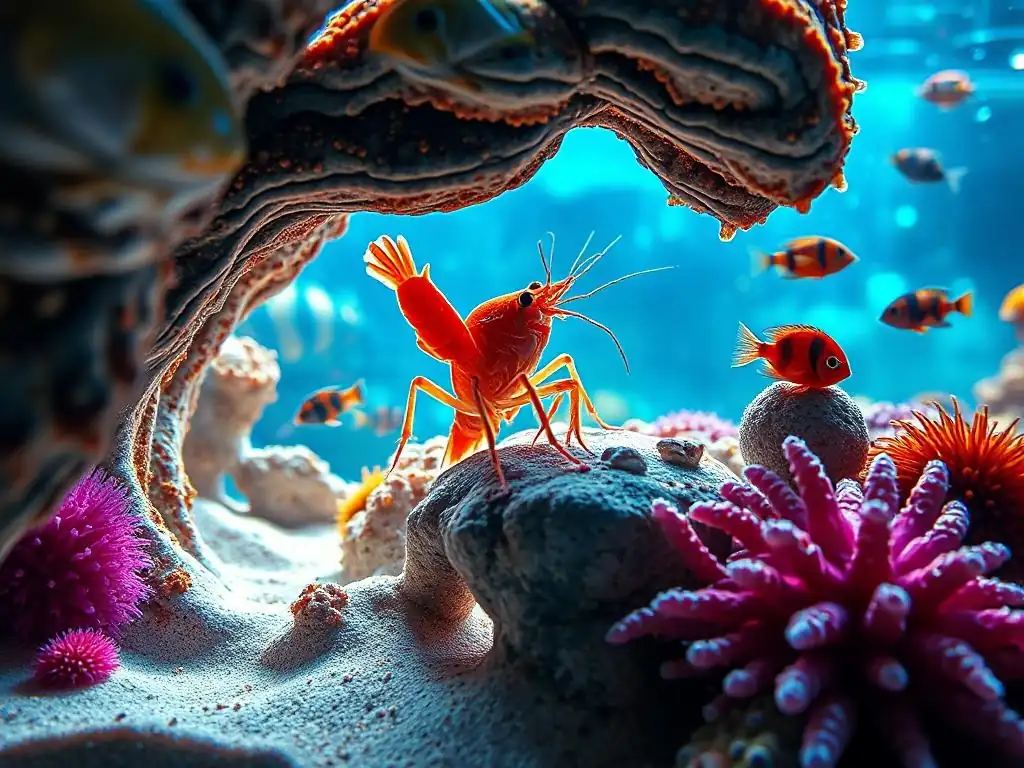
Ever wondered about the secret lives hidden beneath the waves, where unlikely partnerships thrive? Dive into a fascinating world of symbiotic relationships as we explore the captivating connection between pistol shrimp and gobies. This article unlocks the mysteries of Pistol Shrimp & Goby Compatibility, revealing how these fascinating creatures create a unique underwater partnership. Ready to discover how to replicate this natural wonder in your own aquarium? Let's get started!
- Clownfish and Anemone: A Classic Symbiotic Relationship for Reef Aquariums
- Understanding the Symbiotic Relationship Between Clownfish and Anemones
- Why Keep a Clownfish and Anemone Pair in Your Saltwater Aquarium?
- Choosing Compatible Clownfish and Anemone Species
- Setting Up the Ideal Habitat for Your Clownfish and Anemone Pair
- Caring for Your Clownfish and Anemone Partnership
- Troubleshooting Common Issues with Clownfish and Anemone Pairs
- Breeding Clownfish: A Rewarding Endeavor
- Clownfish Anemone Compatibility: Advanced Tips and Considerations
-
Frequently Asked Questions
- How does the symbiotic relationship between pistol shrimp and gobies work?
- What are the benefits of keeping a pistol shrimp and goby pair in my aquarium?
- Are all pistol shrimp and goby species compatible?
- What size tank is recommended for a pistol shrimp and goby pair?
- What should I feed a pistol shrimp and goby pair?
- Final Reflection: The Symphony of Symbiosis
- Dive Deeper: Cultivate Your Own Symbiotic Reef!
Clownfish and Anemone: A Classic Symbiotic Relationship for Reef Aquariums
Understanding the Symbiotic Relationship Between Clownfish and Anemones
What is Symbiosis in the Marine Aquarium?
Symbiosis, in the context of a marine aquarium, refers to a close and often long-term interaction between two different biological species. These relationships can take various forms, including mutualism, commensalism, and parasitism. In mutualistic relationships, both species benefit from the interaction, leading to enhanced survival and thriving in their shared environment. This intricate web of interactions is fundamental to the health and stability of reef ecosystems, replicating natural processes within the confines of an aquarium.
Understanding symbiosis is crucial for successful reef tank husbandry, as it allows aquarists to create a more natural and stable environment for their inhabitants. For instance, the symbiotic relationship between zooxanthellae algae and corals is vital for coral health, with the algae providing nutrients through photosynthesis and the coral offering protection and compounds for photosynthesis. Similarly, the partnership between cleaner shrimp and fish, where shrimp remove parasites from fish, exemplifies another beneficial symbiotic interaction frequently observed in captive marine environments.
The Clownfish and Anemone Partnership: A Mutualistic Relationship Explained
The partnership between clownfish (family Pomacentridae, subfamily Amphiprioninae) and sea anemones (order Actiniaria) is a quintessential example of mutualism in the marine world, particularly renowned for its visible dynamics in reef aquariums. Clownfish possess a unique mucous coat that renders them immune to the stinging nematocysts of the anemone, allowing them to shelter safely within its tentacles. This protection is invaluable for the clownfish, safeguarding them from predators such as larger fish, while also providing a secure nesting site for their eggs.
In return for shelter, the clownfish actively benefits the anemone in several ways. They defend the anemone from its predators, such as butterflyfish, which are known to nip at anemone tentacles. Furthermore, clownfish can help clean the anemone by removing parasites and detritus, and their waste products contribute nutrients, particularly nitrogen, that the anemone can absorb. This reciprocal benefit highlights the strong Clownfish Anemone Compatibility, making it a highly sought-after and natural pairing for reef tank enthusiasts aiming to replicate a piece of the ocean's intricate balance.
Why Keep a Clownfish and Anemone Pair in Your Saltwater Aquarium?
Natural Behavior and Visual Appeal
Keeping a clownfish and anemone pair offers an unparalleled opportunity to observe natural marine behaviors within your home aquarium. The dynamic interaction, with the clownfish darting in and out of the anemone's stinging tentacles, is a captivating spectacle that draws the eye and educates viewers about oceanic symbiosis. This daily display of natural instinct and interaction provides a living, breathing diorama, far more engaging than a static display of corals and fish.
Beyond the sheer visual appeal, observing the intricate dance between these two species fosters a deeper appreciation for marine biology. Aquarists can witness the clownfish's host-seeking behavior, the anemone's response to its resident, and the subtle cues that define their relationship. This naturalistic setup not only enhances the aesthetic beauty of the aquarium but also transforms it into a dynamic educational tool, showcasing the wonders of Clownfish Anemone Compatibility in a captive environment.
Anemone Protection: The Clownfish's Role in Defense
While the anemone provides a safe haven for the clownfish, the clownfish reciprocates by actively defending its host. This protective role is particularly evident when other tank inhabitants, or even the aquarist's hand, approach the anemone too closely. Clownfish, despite their relatively small size, are fiercely territorial and will bravely chase away potential threats, including larger fish species that might otherwise prey on the anemone or its tentacles.
This defensive behavior is critical for the anemone's long-term health and survival in a community tank. Anemones, while possessing stinging cells, are vulnerable to predatory fish like certain angelfish or butterflyfish that may attempt to feed on their tissues. The constant vigilance of the clownfish ensures that the anemone remains undisturbed, allowing it to extend its tentacles fully and efficiently capture food, thereby solidifying the practical benefits of strong Clownfish Anemone Compatibility.
Enhanced Aquarium Aesthetics: Observing Natural Behaviors
The presence of a thriving clownfish and anemone pair significantly elevates the aesthetic appeal of a saltwater aquarium, transforming it into a vibrant, dynamic ecosystem. The anemone, with its flowing tentacles and often vivid coloration, serves as a natural centerpiece, drawing attention with its graceful movements. When a clownfish is actively hosting, its bright colors contrasting with the anemone's form creates a mesmerizing focal point that captivates observers.
This naturalistic display moves beyond mere decoration, offering a window into the complex interdependencies of a coral reef. The constant interaction between the clownfish and its host provides continuous entertainment and a sense of realism that static setups often lack. Observing their feeding habits, their retreat into the anemone, and their defensive postures offers a profound connection to the marine world, making the demonstration of Clownfish Anemone Compatibility a highlight for any reef tank.
Choosing Compatible Clownfish and Anemone Species
Popular Clownfish Species for Reef Tanks
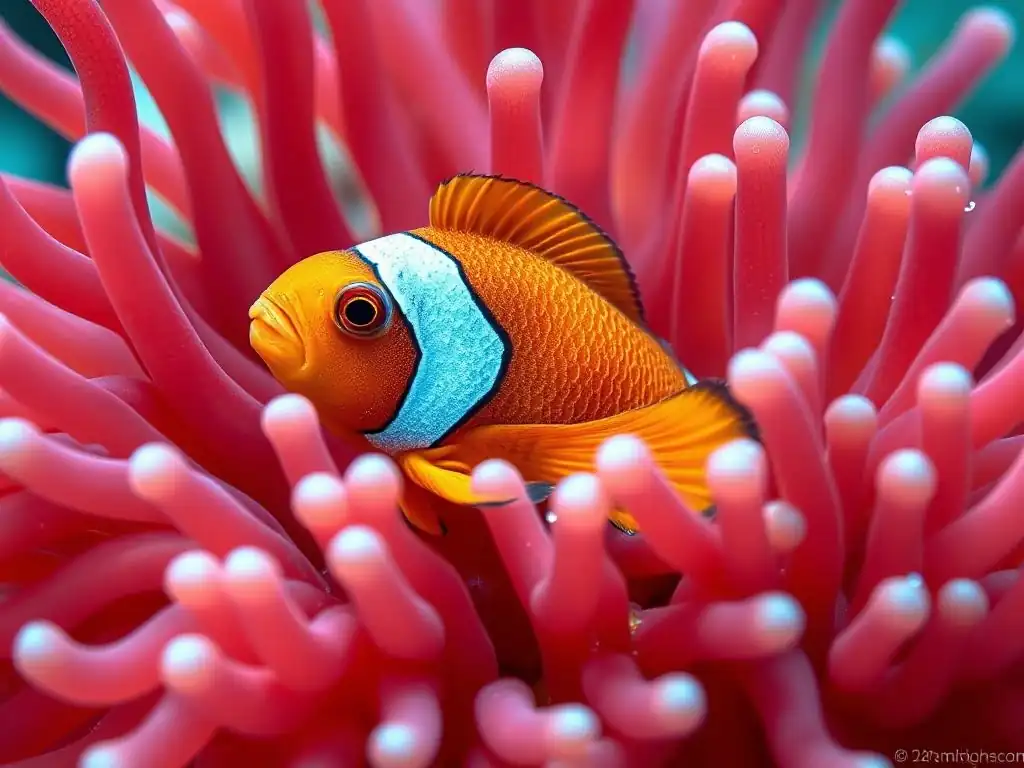
Selecting the right clownfish species is crucial for ensuring a successful and harmonious pair. While many species exist, some are more commonly kept in home aquariums due to their availability, temperament, and adaptability. The Ocellaris Clownfish is arguably the most popular, known for its relatively small size and peaceful nature, making it an excellent choice for a variety of tank sizes and community setups.
Another popular choice is the Percula Clownfish, which is often confused with the Ocellaris due to similar appearance and behavior. Both are generally good candidates for beginners. For aquarists seeking a larger, more assertive clownfish, the Maroon Clownfish offers striking coloration but requires careful consideration of tank mates due to its territorial tendencies. Understanding these characteristics is key to achieving optimal Clownfish Anemone Compatibility.
Ocellaris Clownfish (Amphiprion ocellaris)
The Ocellaris Clownfish, often simply called the "False Percula Clownfish," is celebrated for its manageable size, typically reaching about 3 inches (7.5 cm), and its relatively docile temperament. These attributes make it an ideal inhabitant for a wide range of reef aquariums, from smaller nano tanks (minimum 20 gallons for a pair) to larger community setups. Their iconic orange bodies with three white bands edged in black are instantly recognizable.
Regarding Clownfish Anemone Compatibility, Ocellaris clownfish are known to readily host in a variety of anemone species, including the Bubble Tip Anemone (Entacmaea quadricolor), Sebae Anemone (Heteractis crispa), and Magnificent Anemone (Heteractis magnifica). While not all individuals will host immediately, providing a healthy, established anemone significantly increases the likelihood. Their peaceful nature also makes them suitable for tanks with diverse inhabitants.
Maroon Clownfish (Premnas biaculeatus)
The Maroon Clownfish stands out with its striking deep red-brown body and a single, often jagged, white or yellow stripe behind the eye. Unlike their Ocellaris cousins, Maroons are considerably larger, reaching up to 6 inches (15 cm) in length, and possess a far more aggressive and territorial disposition, especially as they mature. This assertiveness means careful planning of tank mates is essential to avoid conflict.
When considering Clownfish Anemone Compatibility for Maroon Clownfish, their preferred host in the wild is the Bubble Tip Anemone (Entacmaea quadricolor), and they typically form a very strong bond with it in captivity. Due to their size and territorial nature, Maroon Clownfish pairs are best suited for larger aquariums, generally 50 gallons or more, to provide ample space and reduce stress on other inhabitants. Their bold personality and vibrant color make them a commanding presence in any suitable reef tank.
Best Anemone Species to Pair with Clownfish
Choosing the right anemone is equally as important as selecting the clownfish, as some anemone species are more suitable for home aquariums and specific clownfish pairings than others. The Bubble Tip Anemone (BTA) is widely considered the most popular and generally easiest to care for, making it a favorite among aquarists. Its adaptability and willingness to host various clownfish species contribute to its popularity.
Other suitable anemone species include the Sebae Anemone and the Magnificent Anemone, though these often require more stable and mature tank conditions due to their specific lighting and water parameter needs. Understanding the care requirements and natural hosting preferences of each anemone species is paramount for ensuring successful and long-term Clownfish Anemone Compatibility in a captive environment.
Bubble Tip Anemone (Entacmaea quadricolor)
The Bubble Tip Anemone (BTA) is arguably the most common and recommended host anemone for a wide range of clownfish species, including Ocellaris, Percula, and Maroon clownfish. Known for its distinctive bulbous tips on its tentacles (though these can vary based on light and flow), BTAs are relatively hardy for an anemone, making them a good choice for aquarists with some experience. They typically grow to a diameter of 6-12 inches (15-30 cm).
For optimal Clownfish Anemone Compatibility, BTAs require strong lighting (moderate to high LED or T5HO) and moderate water flow. They also appreciate stable water parameters, particularly specific gravity around 1.025, alkalinity between 8-12 dKH, and calcium levels of 400-450 ppm. Providing a suitable rock structure for them to attach their foot is crucial, as they will often move until they find a preferred spot, which can sometimes be inconvenient if they sting corals.
Sebae Anemone (Heteractis crispa)
The Sebae Anemone, also known as the Leather Anemone, is another popular host for various clownfish species, including Ocellaris, Percula, and often the Clarkii clownfish. This anemone is characterized by its long, often sticky tentacles that can be white, tan, or even purple at the tips. Sebae anemones can grow quite large, sometimes exceeding 12-20 inches (30-50 cm) in diameter, requiring a spacious aquarium.
While beautiful, Sebae Anemones are generally considered more challenging to keep than BTAs, demanding very stable and pristine water conditions, strong lighting, and moderate to strong water flow. They are particularly sensitive to fluctuations in water chemistry. Successful long-term Clownfish Anemone Compatibility with a Sebae Anemone relies heavily on a mature, well-established tank that can consistently meet its demanding environmental needs.
Avoiding Incompatible Species Combinations
Not all clownfish and anemone pairings are successful or advisable. While Ocellaris and Percula clownfish are generally adaptable, some larger or more aggressive clownfish species, like the Tomato or Cinnamon clownfish, may not host in the more common anemone species or might stress smaller, more delicate anemones. Conversely, certain anemone species, such as the Magnificent Anemone (Heteractis magnifica), are highly specialized in their hosting preferences and often only accept specific clownfish species like the Clarkii or Skunk clownfish.
Furthermore, some anemones are simply too difficult or dangerous for the average home aquarium. For example, the Carpet Anemone (Stichodactyla gigantea or S. mertensii), while hosting many clownfish species in the wild, can be extremely potent in its sting and is notorious for "eating" fish that accidentally brush against it, making it a high-risk choice for a community reef tank. Researching specific Clownfish Anemone Compatibility charts and understanding the individual needs and temperaments of both species is vital to prevent stress, injury, or even death of your prized inhabitants.
Setting Up the Ideal Habitat for Your Clownfish and Anemone Pair
Tank Size Requirements for Clownfish and Anemone Symbiosis
The appropriate tank size is a critical factor for the long-term health and success of a clownfish and anemone pair. For a single Ocellaris or Percula clownfish and a Bubble Tip Anemone, a minimum tank size of 20-30 gallons (approximately 75-115 liters) is often recommended. This allows for sufficient swimming space for the fish and adequate room for the anemone to attach and potentially move without stinging other corals.
However, for larger clownfish species like the Maroon Clownfish or for larger anemones such as the Sebae Anemone, a tank of 50 gallons (190 liters) or more is strongly advised. Larger tanks provide greater water volume, which helps maintain stable water parameters, dilutes waste products more effectively, and offers more diverse rockwork for the anemone to settle. Proper scaling of tank size to the chosen species is fundamental for successful Clownfish Anemone Compatibility.
Lighting Requirements: Providing Suitable Illumination for the Anemone
Lighting is arguably the most crucial environmental factor for the health of a symbiotic anemone, as they rely heavily on their zooxanthellae algae for sustenance through photosynthesis. While clownfish are not directly dependent on light intensity, the anemone's survival is. High-quality lighting, such as T5HO fluorescent or LED fixtures, providing a spectrum that supports coral growth (typically 10,000K to 20,000K with actinic blue supplementation), is essential.
The intensity and duration of lighting should mimic natural daylight cycles, typically 10-12 hours per day. Insufficient lighting can lead to anemone bleaching, where the anemone expels its zooxanthellae, resulting in a loss of color and eventual starvation. Conversely, excessively strong light introduced too quickly can also stress an anemone. Gradual acclimation to new lighting is often necessary to ensure the anemone thrives and supports robust Clownfish Anemone Compatibility.
Water Flow: Creating Optimal Conditions
Appropriate water flow is vital for both the clownfish and its host anemone. For the anemone, moderate, turbulent flow is generally preferred over direct, laminar flow. This type of flow helps deliver food particles to its tentacles, removes waste products from its surface, and prevents detritus from settling on its oral disc. Too little flow can lead to poor health and accumulation of waste, while too much direct flow can prevent the anemone from extending fully or even dislodge it.
For clownfish, moderate flow provides areas for swimming and exercise, mimicking their natural environment where they navigate currents. Powerheads or wavemakers strategically placed can create the desired turbulent flow without directly blasting the anemone. Achieving the right balance of water movement contributes significantly to the overall well-being of the pair and enhances the long-term success of Clownfish Anemone Compatibility within the aquarium.
Caring for Your Clownfish and Anemone Partnership
Water Parameters: Maintaining Optimal Conditions for Fish and Invertebrate Health
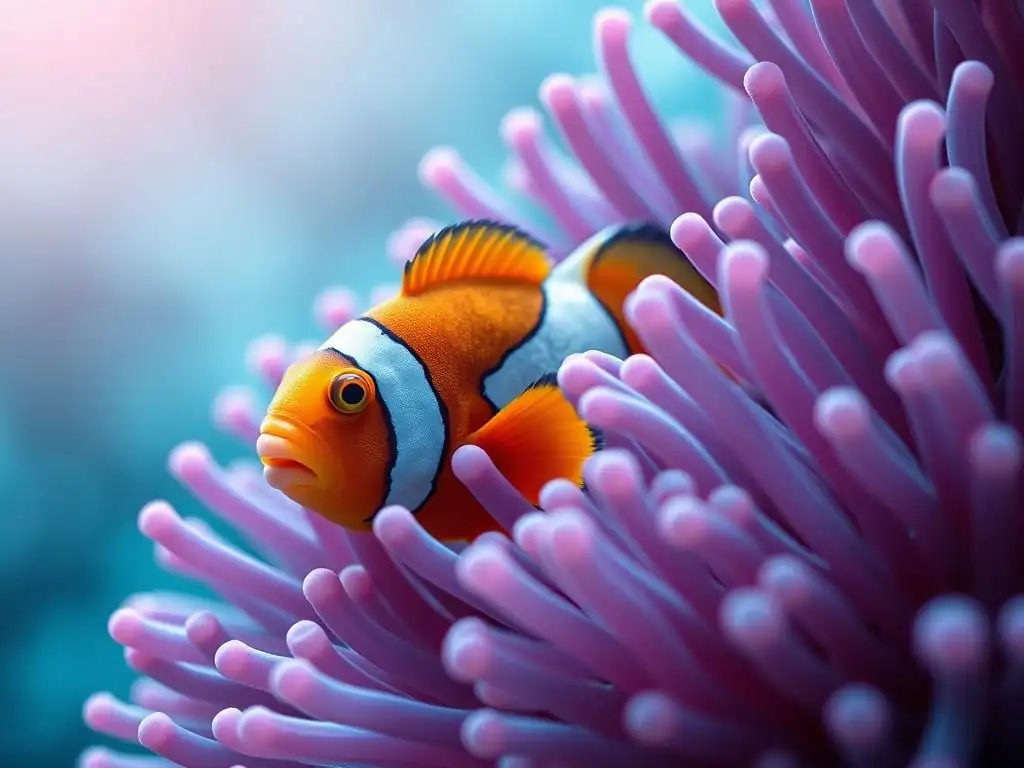
Maintaining stable and optimal water parameters is paramount for the health and longevity of both clownfish and their host anemones. Key parameters to monitor include specific gravity (salinity) at 1.024-1.026, temperature at 75-80°F (24-27°C), and pH levels between 8.1 and 8.4. Regular testing with reliable kits is essential to detect any fluctuations early.
Beyond these basic parameters, attention to alkalinity (8-12 dKH), calcium (400-450 ppm), and magnesium (1250-1350 ppm) is crucial for anemone health, as these elements are vital for calcification and cellular processes. Nitrates should be kept below 10-20 ppm, and phosphates as close to zero as possible (<0.03 ppm), as high levels can stress anemones and promote nuisance algae growth. Consistent water changes, typically 10-20% bi-weekly, using high-quality RO/DI water and a reputable salt mix, are fundamental for ensuring robust Clownfish Anemone Compatibility.
Feeding Requirements: Ensuring Proper Nutrition for Both Species
Proper nutrition is vital for the vitality of your clownfish and anemone. Clownfish are omnivores and should be fed a varied diet consisting of high-quality flakes, pellets, frozen mysis shrimp, brine shrimp, and spirulina-enriched foods 1-2 times daily. Feeding small amounts frequently is better than large, infrequent feedings to minimize waste.
Anemones, while relying heavily on photosynthesis, also benefit from supplemental feeding, especially larger species or those hosting clownfish. Offer meaty foods such as small pieces of silverside fish, frozen mysis shrimp, or chopped scallops 2-3 times per week, directly to their oral disc using tongs. Observing the anemone's feeding response is key. Overfeeding can lead to water quality issues, so a balanced approach is best for sustaining vibrant Clownfish Anemone Compatibility.
Observing Behavior: Recognizing Signs of Stress or Illness
Vigilant observation of your clownfish and anemone's behavior is critical for early detection of stress or illness. For clownfish, signs of distress include clamped fins, rapid breathing, loss of appetite, abnormal swimming patterns, or visible lesions. These could indicate parasitic infections (e.g., Ich, Velvet), bacterial infections, or simply poor water quality.
For anemones, signs of stress include deflated appearance, mouth gaping, inability to stick to surfaces, discoloration (especially bleaching), or tentacles retracting for extended periods. These often point to issues with water parameters, lighting, or insufficient feeding. Promptly addressing these signs through water testing, parameter adjustments, or treatment can often prevent severe health declines and ensure the continued success of your Clownfish Anemone Compatibility.
Troubleshooting Common Issues with Clownfish and Anemone Pairs
Clownfish Not Hosting: Possible Causes and Solutions
It is a common scenario for a clownfish, especially a captive-bred one, to initially ignore a perfectly suitable host anemone. Several factors can contribute to this behavior. One primary reason is that the clownfish may have been raised in an aquarium without an anemone, thus lacking the innate understanding or experience of hosting. Another factor could be the anemone species itself; some clownfish have stronger preferences for certain hosts. For example, Ocellaris clownfish are more likely to host in Bubble Tip Anemones than in some other species.
Solutions often involve patience and sometimes subtle encouragement. Ensure the anemone is healthy and well-established, as a stressed anemone is less appealing. Some aquarists report success by placing a small, clean mirror near the anemone for a short period, as the clownfish might perceive its reflection as a rival and seek refuge in the anemone. Providing a natural environment with appropriate rockwork and flow can also encourage natural behaviors, eventually leading to successful Clownfish Anemone Compatibility.
Anemone Movement: Understanding and Managing Wandering Anemones
Anemones are motile creatures and will move around the tank until they find a spot that meets their ideal conditions for light, flow, and attachment. While this natural behavior, it can become problematic if the anemone wanders into powerheads, overflows, or stings other corals and sessile invertebrates. A healthy, well-fed anemone in optimal conditions is less likely to wander excessively.
To manage wandering, first, ensure all environmental parameters (lighting, flow, water quality) are perfectly met for the specific anemone species. Provide ample, stable rockwork for attachment. If the anemone is persistently moving and causing issues, consider barriers like plastic mesh around sensitive areas or relocating it to a dedicated "anemone island" away from other corals. Never force an anemone to move by pulling it; instead, try gently fanning it or offering food on the opposite side to encourage it to relocate voluntarily, preserving the delicate Clownfish Anemone Compatibility.
Anemone Bleaching: Preventing and Addressing Coral Bleaching
Anemone bleaching is a serious condition where the anemone expels its symbiotic zooxanthellae algae, leading to a loss of color and a diminished ability to photosynthesize. This is primarily caused by environmental stress, most commonly rapid changes in temperature (either too high or too low), excessive or insufficient lighting, or poor water quality (high nitrates/phosphates, sudden pH swings). A bleached anemone appears pale or white and is highly vulnerable to starvation and disease.
Prevention is key: maintain stable water parameters, introduce lighting changes gradually, and ensure proper tank temperature. If an anemone begins to bleach, immediately check and correct all water parameters. Reduce light intensity if it's too high, or increase it if too low. Increase feeding frequency with nutritious foods like mysis shrimp. While recovery is possible, it requires consistent effort and stable conditions. Prompt action is crucial for salvaging the anemone and maintaining successful Clownfish Anemone Compatibility.
Breeding Clownfish: A Rewarding Endeavor
Creating the Right Conditions for Breeding
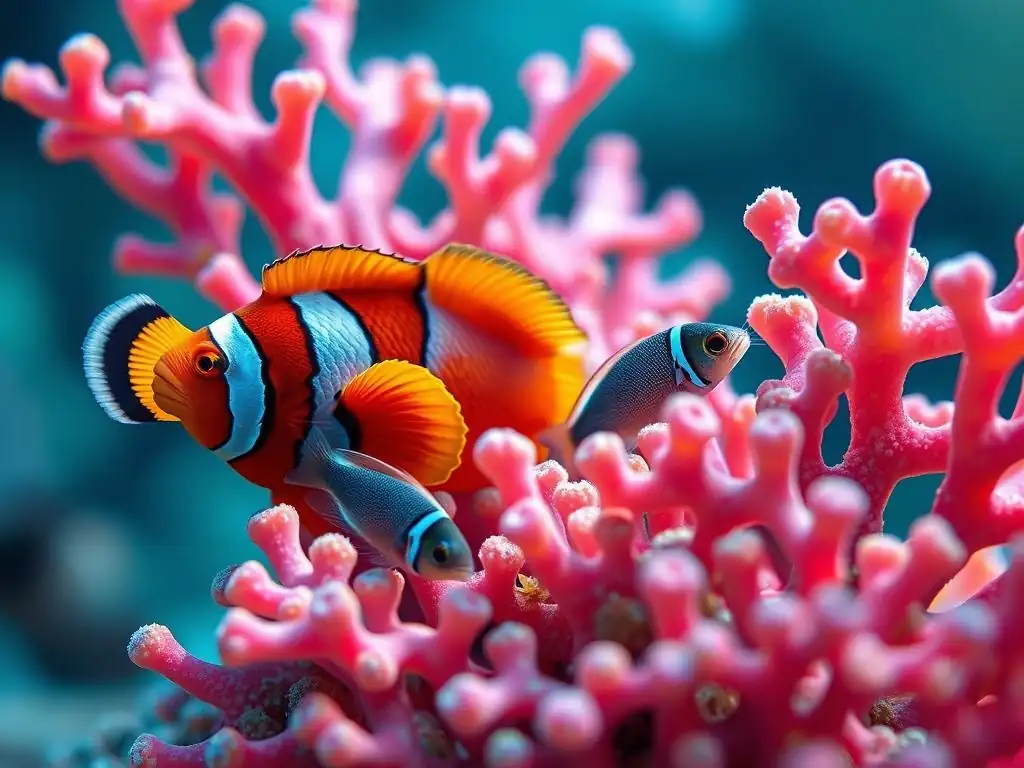
Breeding clownfish in a home aquarium can be a highly rewarding experience, showcasing the full lifecycle of these fascinating fish. The first step is to establish a bonded pair, which typically involves introducing two juvenile clownfish to each other; the larger, more dominant fish will become the female, and the smaller will become the male. A mature, healthy host anemone is not strictly necessary for breeding but can provide a natural spawning site and contribute to the pair's comfort and security, enhancing Clownfish Anemone Compatibility.
Optimal breeding conditions include stable water parameters, a high-quality and varied diet rich in proteins and vitamins, and a flat spawning surface such as a terracotta pot or a smooth piece of rock near the anemone's foot. Maintaining a slightly elevated temperature (around 78-80°F or 25.5-26.5°C) can also encourage spawning activity. Consistent water changes and excellent filtration are vital to support the increased bioload of a breeding pair and their eventual offspring.
Identifying and Protecting Eggs and Fry
Once a clownfish pair begins to breed, the female will lay a clutch of orange-colored eggs, typically numbering from a few hundred to over a thousand, on a cleaned surface. The male clownfish will then diligently guard and fan the eggs, keeping them clean and oxygenated until they hatch, usually within 7-10 days depending on water temperature. The eggs will darken as they develop, and you might even see the eyes of the developing fry just before hatching.
Protecting the eggs and newly hatched fry is crucial for success. In a community tank, it is highly likely that other fish will consume the fry immediately after they hatch, usually at night. For serious breeding efforts, a separate rearing tank is essential. As soon as the eggs hatch, the tiny, translucent fry, known as larvae, should be siphoned into a dedicated fry tank with green water (microalgae) or rotifers as their initial food source. Providing these micro-foods is critical for the survival of the delicate fry, ensuring the continuation of your successful Clownfish Anemone Compatibility project.
Clownfish Anemone Compatibility: Advanced Tips and Considerations
Introducing the Pair: Best Practices for a Smooth Transition
Introducing a clownfish and an anemone, or a pre-existing pair, requires careful planning to ensure a smooth transition and minimize stress. When adding an anemone, allow it several days to fully acclimate and settle into its chosen spot before introducing the clownfish. This reduces the risk of the clownfish stressing the anemone while it's still establishing itself. For the clownfish, standard acclimation procedures (drip acclimation) are essential.
When introducing a clownfish to an already established anemone, or a new clownfish to an existing one, observe interactions closely. Some clownfish might immediately host, while others may take days or even weeks. Patience is key. Ensure the tank environment is stable and peaceful to encourage natural behavior. Avoid adding aggressive tank mates during this critical period. Success in this phase is a cornerstone of long-term Clownfish Anemone Compatibility.
Managing Tank Mates: Ensuring a Peaceful Community
While the clownfish-anemone pair is a focal point, the overall health and peace of the aquarium community significantly impact their well-being. When selecting tank mates, prioritize peaceful, reef-safe fish and invertebrates that will not harass the clownfish or the anemone. Avoid aggressive species that might nip at the anemone's tentacles or constantly stress the clownfish.
Certain fish, such as some angelfish or butterflyfish, are known to nip at anemones and corals, making them unsuitable companions for a symbiotic pair. Even seemingly docile fish can become problematic if they compete for food or space. Researching the temperament and compatibility of all potential tank inhabitants is crucial to prevent conflicts and ensure a harmonious environment where the Clownfish Anemone Compatibility can flourish undisturbed.
The Long-Term Benefits of a Thriving Clownfish and Anemone Symbiosis
A well-maintained clownfish and anemone symbiosis offers profound long-term benefits beyond mere aesthetics. It creates a more natural and resilient ecosystem within your aquarium, where the species mutually support each other. The anemone benefits from the clownfish's cleaning and defense, leading to better health and growth, while the clownfish enjoys unparalleled protection and a secure home. This stability often translates to healthier, more vibrant fish and anemones that exhibit their full range of natural behaviors.
Furthermore, a thriving symbiotic relationship contributes to the overall biological diversity and stability of your reef tank. It serves as an educational centerpiece, demonstrating complex ecological interactions to anyone observing the aquarium. The satisfaction of nurturing such a unique partnership, witnessing their daily interactions, and knowing you've provided an optimal environment for their long-term well-being is one of the most rewarding aspects of reef keeping, truly embodying the essence of successful Clownfish Anemone Compatibility.
Frequently Asked Questions
How does the symbiotic relationship between pistol shrimp and gobies work?
The pistol shrimp digs and maintains a burrow that serves as a home for both. The goby acts as a watchman, alerting the shrimp to danger with tail flicks. This partnership provides shelter and security for both species.
What are the benefits of keeping a pistol shrimp and goby pair in my aquarium?
Beyond their fascinating behavior, they contribute to a healthier tank ecosystem. The shrimp's burrowing helps aerate the substrate, while the goby helps control algae growth. This natural interaction can reduce maintenance needs.
Are all pistol shrimp and goby species compatible?
No, compatibility varies depending on the species. Researching specific pairings is crucial before introducing them to your tank. Some species are more likely to form bonds than others.
What size tank is recommended for a pistol shrimp and goby pair?
A minimum of 20 gallons is usually recommended, but larger tanks are preferable. This provides ample space for the shrimp to burrow and the goby to establish its territory. Sufficient space reduces stress and aggression.
What should I feed a pistol shrimp and goby pair?
Offer a varied diet including sinking pellets, frozen foods, and small meaty items. Ensure food reaches both the goby and the shrimp near their burrow. Overfeeding can lead to water quality issues.
Final Reflection: The Symphony of Symbiosis
The intricate dance of the pistol shrimp and goby, as explored in this article, isn't just a biological curiosity; it's a powerful reminder of the interconnectedness of life and the profound benefits of cooperation. In a world often characterized by competition, observing this mutually beneficial relationship underscores the potential for harmony and shared success, even in the most unexpected corners of our planet.
This symbiotic partnership, where the pistol shrimp provides shelter and the goby offers vigilance, resonates deeply because it mirrors the very essence of community and support. Witnessing this underwater collaboration inspires us to consider the value of our own relationships and the strength we derive from mutual assistance. In nature, nothing exists alone.
- Rachel Carson. This quote perfectly encapsulates the profound truth illustrated by the pistol shrimp and goby, highlighting the inherent interdependence that shapes our world.
As you reflect on the fascinating world of pistol shrimp and goby compatibility, consider the lessons it offers for your own life. How can you foster symbiotic relationships, offering your unique skills and talents to create a more supportive and thriving environment for yourself and those around you? Embrace the spirit of collaboration, and discover the remarkable potential that lies within the power of partnership.
Dive Deeper: Cultivate Your Own Symbiotic Reef!
Thanks for exploring the captivating world of pistol shrimp and goby partnerships with us. We hope you found this exploration enlightening and that you're ready to bring some of this symbiotic magic into your own aquarium!
Ready to take the plunge? Here are a few actionable steps:
- Carefully research and select a compatible pistol shrimp and goby pair suitable for your specific tank size and reef ecosystem. This is the most crucial step for ensuring their long-term well-being.
- Delve into the world of substrate and aquascaping! Provide your goby and pistol shrimp with an environment they'll love. Experiment with different sand types and rock placements to see what sparks their interest.
- Share this newfound knowledge! Educate fellow reef enthusiasts about the amazing benefits of these symbiotic relationships.
What unique aquascaping ideas will you implement to encourage a thriving symbiotic partnership in your reef tank?