
Setting Up the Perfect Dwarf Gourami Tank: Size, Decor & Water Params

Welcome to Aquarium Mastery!
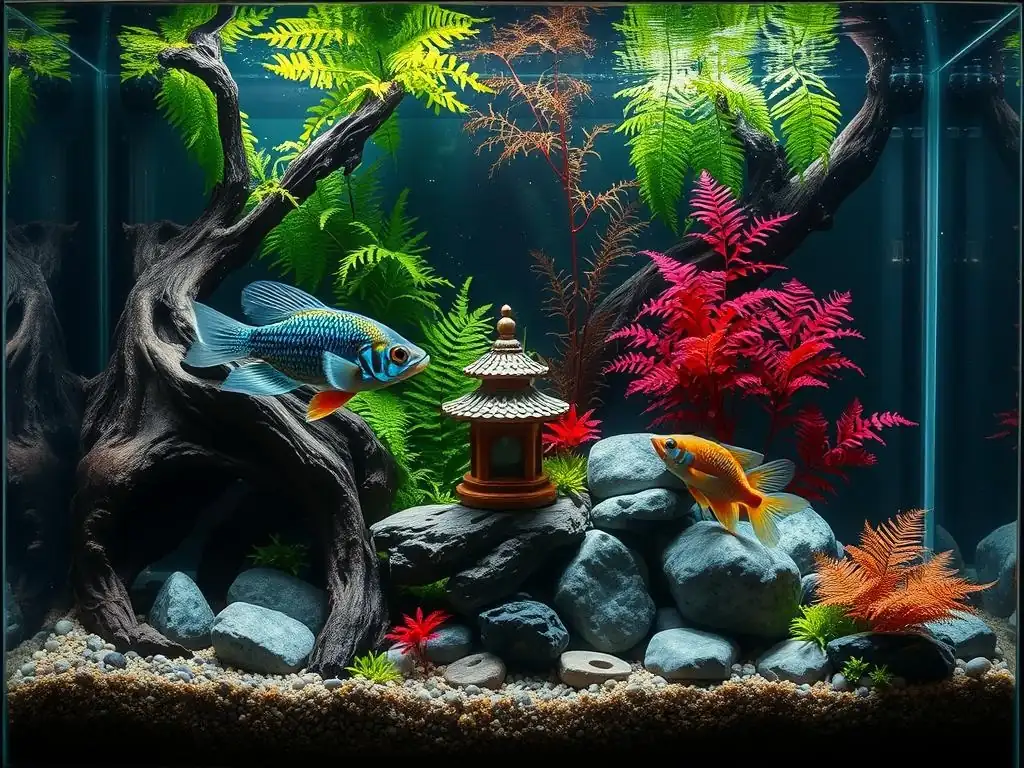
Ever wondered how to create a thriving underwater paradise specifically tailored for the captivating Dwarf Gourami? You've come to the right place. Dive in as we unravel the secrets to the perfect Dwarf Gourami tank setup, covering everything from optimal tank size and enchanting decor to crucial water parameters. Get ready to transform your aquarium into a vibrant haven for these beautiful fish – let's get started!
- Introduction to Dwarf Gourami Tank Setup
- Choosing the Right Tank Size for Dwarf Gouramis
- Essential Equipment for Your Dwarf Gourami Aquarium
- Substrate Selection for a Dwarf Gourami Aquarium
- Decorating Your Dwarf Gourami Tank: Creating a Natural Habitat
- Water Parameters for a Thriving Dwarf Gourami Tank
- Choosing Tank Mates for Dwarf Gouramis
- Feeding Your Dwarf Gouramis: Diet and Nutrition
- Maintaining Your Dwarf Gourami Tank: A Regular Schedule
- Cycling Your Dwarf Gourami Tank: Establishing a Healthy Ecosystem
- Common Mistakes to Avoid in Dwarf Gourami Tank Setup
- Troubleshooting Common Problems in Dwarf Gourami Tanks
- Conclusion: Creating a Happy and Healthy Home for Your Dwarf Gouramis
- Frequently Asked Questions
- Final Reflection: Cultivating a Thriving Ecosystem
- Transform Your Tank: Welcome Your Gourami Home!
Introduction to Dwarf Gourami Tank Setup
-
Why Dwarf Gouramis Make Great Aquarium Inhabitants
Dwarf Gouramis (Colisa lalia) are a popular choice for freshwater aquarists due to their vibrant colors, relatively small size, and generally peaceful temperament. Males, in particular, display stunning shades of blue, red, and orange, often with iridescent patterns, making them a captivating focal point in any aquarium. Their unique labyrinth organ, which allows them to breathe atmospheric air, adds an interesting dimension to their behavior.
Beyond their aesthetic appeal, Dwarf Gouramis are known for their inquisitive nature and can become quite interactive with their owners over time. They are a good option for hobbyists looking for a colorful yet manageable fish, provided their specific environmental needs are met. A well-planned Dwarf gourami tank setup can provide a thriving habitat for these beautiful fish.
-
Understanding Dwarf Gourami Needs for a Thriving Aquarium
To ensure Dwarf Gouramis thrive, it's crucial to understand their natural habitat and replicate it as closely as possible within the aquarium. These fish originate from densely vegetated, slow-moving waters in South Asia, where they seek shelter among plants and roots. This means a successful Dwarf gourami tank setup requires attention to tank size, water parameters, filtration, and especially decor that offers ample hiding spots and visual barriers.
Key considerations include stable water temperatures, slightly acidic to neutral pH, soft to moderately hard water, and pristine water quality maintained through regular water changes and efficient filtration. Providing a natural, calm environment minimizes stress and allows these fish to display their full coloration and natural behaviors.
Choosing the Right Tank Size for Dwarf Gouramis
Minimum Tank Size for a Single Dwarf Gourami
For a single Dwarf Gourami, a minimum tank size of 10 gallons (approximately 38 liters) is generally recommended. While seemingly small, this volume provides enough swimming space for an individual fish and allows for a stable environment without rapid fluctuations in water parameters. It's important that the tank's footprint offers adequate horizontal swimming space, as Dwarf Gouramis prefer to explore across the tank rather than vertically.
When considering a 10-gallon Dwarf gourami tank setup, prioritize a "long" style tank over a "tall" one. For instance, a standard 20-inch long, 10-inch wide, and 12-inch high 10-gallon tank offers more suitable dimensions than a cube-shaped alternative. This ensures the Gourami has sufficient area to establish territory and easily access the water surface for gulping air, which is vital due to their labyrinth organ.
Tank Size Considerations for Multiple Dwarf Gouramis
Keeping multiple Dwarf Gouramis, particularly more than one male, is generally not advised in smaller tanks due to potential aggression. Male Dwarf Gouramis can be territorial, especially towards other males, leading to stress and injury. If the goal is to keep a male and female pair, a minimum of 20 gallons (around 76 liters) is recommended to provide ample space for both fish and reduce territorial disputes.
For a male and two or three females (a small harem), a 29-gallon (approximately 110 liters) or larger tank is often necessary. The increased volume in such a Dwarf gourami tank setup dilutes waste products more effectively, contributing to greater water stability. Furthermore, larger tanks allow for more intricate aquascaping, providing additional hiding spots and visual barriers essential for diffusing potential aggression among multiple Gouramis.
The Impact of Tank Size on Dwarf Gourami Behavior
Tank size profoundly impacts the behavior and overall health of Dwarf Gouramis. In tanks that are too small, these fish can become stressed, leading to suppressed immune systems and increased susceptibility to diseases like Dwarf Gourami Iridovirus (DGIV). Stress can also manifest as aggression towards tank mates, fin nipping, or becoming withdrawn and losing their vibrant coloration.
Conversely, a spacious Dwarf gourami tank setup encourages more natural and desirable behaviors. In a 20-gallon or 29-gallon aquarium, a single Gourami or a well-matched pair will display more active exploration, build bubble nests (if a male), and exhibit their full range of colors. The ample space reduces perceived threats and competition, fostering a calmer and healthier environment for these labyrinth fish.
Essential Equipment for Your Dwarf Gourami Aquarium
Filtration Systems for a Healthy Dwarf Gourami Tank
A robust filtration system is paramount for maintaining pristine water quality in a Dwarf Gourami tank. For smaller tanks (10-20 gallons), a sponge filter offers gentle flow, which Gouramis prefer, while providing excellent biological filtration. For larger setups (20+ gallons), a hang-on-back (HOB) filter or a canister filter can be used, ensuring the outflow is diffused to prevent strong currents that can stress these placid fish.
Regardless of the type, the filter should provide mechanical, chemical (optional), and crucially, biological filtration. Mechanical media (sponges, filter floss) remove particulate matter, while biological media (ceramic rings, bio-balls) host beneficial bacteria essential for processing ammonia and nitrite through the nitrogen cycle. A properly sized filter for your Dwarf gourami tank setup is key to preventing water quality issues.
Heaters and Temperature Control for Gouramis
Dwarf Gouramis are tropical fish, requiring stable water temperatures to thrive. A submersible heater with an adjustable thermostat is indispensable for any Dwarf gourami tank setup. For a 10-gallon tank, a 50-watt heater is typically sufficient, while a 20-gallon tank might require a 100-watt unit to maintain the ideal temperature range of 77-82°F (25-28°C).
Consistency in temperature is more critical than hitting an exact number, as sudden fluctuations can induce significant stress and weaken the fish's immune system. Always use a reliable aquarium thermometer to monitor the water temperature regularly. Placing the heater in an area with good water flow ensures even heat distribution throughout the tank.
Lighting Considerations for Planted Dwarf Gourami Tanks
Lighting in a Dwarf Gourami tank serves a dual purpose: supporting plant growth and enhancing the visual appeal of the fish. If your Dwarf gourami tank setup includes live plants, a full-spectrum LED light with a timer is highly recommended. For low-light plants like Anubias or Java Fern, a light intensity of 10-20 PAR (Photosynthetically Active Radiation) is often adequate. More demanding plants may require 30-50+ PAR.
Dwarf Gouramis naturally inhabit densely vegetated areas and prefer subdued lighting. Excessively bright illumination can cause stress and lead to faded colors. Therefore, choose a light that allows for plant growth without overwhelming the fish. A photoperiod of 10-12 hours per day is typical for planted aquariums, balancing plant needs with the fish's comfort.
Substrate Selection for a Dwarf Gourami Aquarium
Best Substrates for Planted Tanks with Dwarf Gouramis
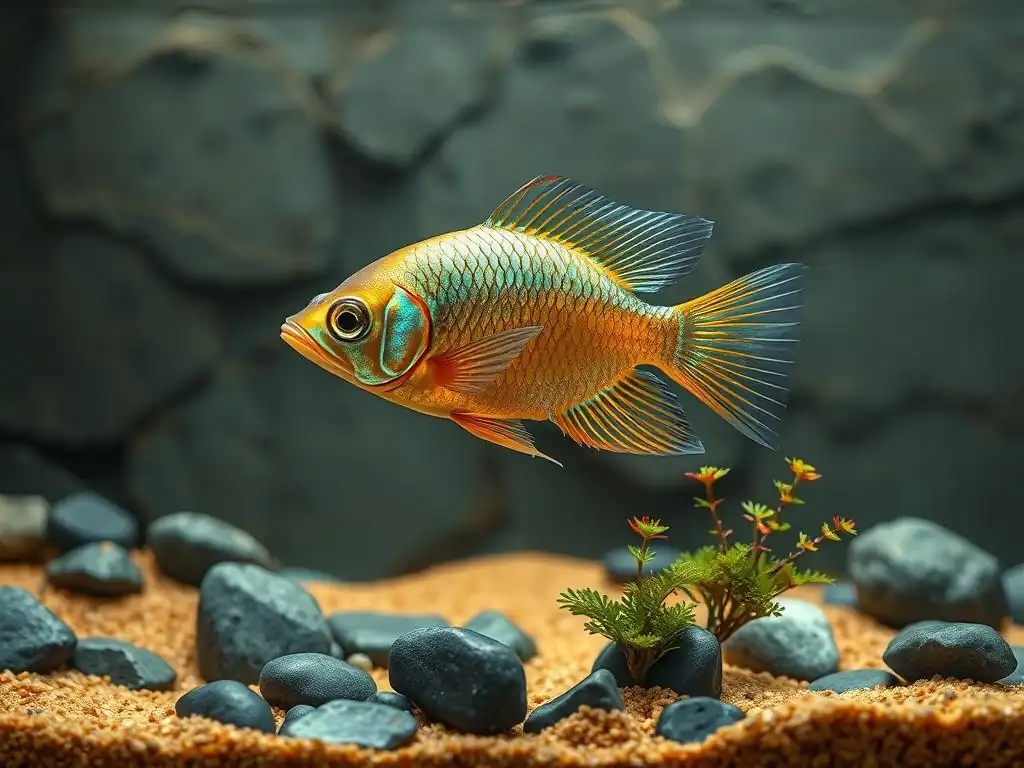
When designing a Dwarf gourami tank setup, the substrate plays a crucial role, especially if live plants are included. Fine-grained gravel or specialized planted tank substrates like CaribSea Eco-Complete or Seachem Flourite are excellent choices. These substrates provide a rich, porous medium that allows plant roots to anchor easily and facilitates the colonization of beneficial bacteria, which are vital for the nitrogen cycle.
Beyond supporting plant growth, a fine substrate is gentle on the delicate barbels of Dwarf Gouramis. These fish often use their barbels to explore the tank bottom, and sharp or coarse gravel can cause injury. Darker substrates are also beneficial as they absorb light, reducing reflections and helping to bring out the vibrant colors of the Gouramis, making them feel more secure.
Substrate Depth and Maintenance Tips
For a planted Dwarf gourami tank setup, a substrate depth of 2-3 inches (5-7.5 cm) is generally ideal for most rooted plants. This depth allows for robust root development and helps create anaerobic zones that can contribute to denitrification, a process that converts nitrates into harmless nitrogen gas. However, excessively deep substrates without proper circulation can form toxic gas pockets, so regular maintenance is important.
Routine gravel vacuuming (or gentle stirring if using sand) is essential to prevent the buildup of detritus, uneaten food, and fish waste. This organic matter can decompose, leading to elevated nutrient levels and algae growth. When vacuuming a planted tank, be mindful not to disturb the plant roots too much. For sand substrates, a light stir of the top layer during water changes helps prevent compaction and gas buildup.
Avoiding Substrates That Can Harm Your Gouramis
When selecting a substrate for your Dwarf Gourami aquarium, it's crucial to avoid materials that could harm your fish. Sharp, jagged gravel or crushed glass should be strictly avoided, as these can easily injure the delicate barbels and fins of Dwarf Gouramis as they explore the tank bottom. Very coarse gravel can also be problematic, as it tends to trap food and waste, leading to poor water quality and potential anaerobic spots.
Additionally, some decorative substrates can chemically alter water parameters, which may be detrimental to Gourami health. For example, crushed coral or aragonite sand can significantly raise pH and water hardness, moving parameters outside the preferred slightly acidic to neutral and soft to moderately hard range for Dwarf Gouramis. Always research the chemical impact of any substrate before introducing it into your Dwarf gourami tank setup.
Decorating Your Dwarf Gourami Tank: Creating a Natural Habitat
Ideal Plants for a Dwarf Gourami Aquarium
Live plants are indispensable for a thriving Dwarf gourami tank setup, mimicking their naturally densely vegetated habitats. They provide essential hiding spots, reduce stress, and contribute to superior water quality by absorbing nitrates and oxygenating the water. Excellent choices include Java Fern (Microsorum pteropus), Anubias (Anubias barteri), Amazon Sword (Echinodorus amazonicus), and various Cryptocoryne species.
Floating plants like Frogbit (Limnobium laevigatum) or Dwarf Water Lettuce (Pistia stratiotes) are also highly beneficial. They diffuse overhead light, creating shaded areas that Dwarf Gouramis appreciate, and offer additional surface cover. The presence of dense planting around the tank's perimeter and in the background helps these often shy fish feel secure and encourages them to display their full, vibrant colors.
Driftwood and Rock Placement for Shelter and Security
Hardscape elements such as driftwood and smooth, non-porous rocks are vital for creating a natural and secure environment in your Dwarf Gourami tank. Driftwood, like Malaysian or Manzanita, offers intricate structures for fish to explore and hide within. Smooth river stones or lava rock can be arranged to form caves and crevices, providing crucial retreat spots for Gouramis feeling stressed or establishing territories.
When placing these elements, ensure they are stable and won't shift or fall. Arrange them to break up lines of sight, which is particularly important if housing multiple Gouramis to minimize aggression. A well-designed Dwarf gourami tank setup balances open swimming areas with dense pockets of hardscape and plants, offering both exploration opportunities and secure havens. Boiling driftwood prior to placement helps remove tannins and aids in sinking.
Safe and Suitable Decorations for Gourami Tanks
All decorations introduced into a Dwarf Gourami tank must be aquarium-safe and non-toxic. Opt for items specifically designed for aquatic environments, such as ceramic ornaments, resin structures, or high-quality plastic plants if live plants are not feasible. Avoid any decor with sharp edges or abrasive surfaces that could injure the delicate fins and barbels of your Gouramis.
Beyond aesthetics, consider the functional aspect of decorations. A ceramic log can serve as an excellent hiding spot, while smooth, flat rocks can provide surfaces for a male Gourami to build a bubble nest. Ensure any chosen decoration contributes positively to the Dwarf gourami tank setup by offering shelter, visual interest, or a sense of security, rather than simply filling space.
Creating a Calm Environment: Minimizing Reflections and Open Spaces
Dwarf Gouramis can be sensitive to their surroundings, and excessive reflections or large, open spaces can cause them stress. To create a calm environment, consider placing your Dwarf gourami tank setup in a low-traffic area of your home, away from sudden movements or loud noises. Using a dark background on the outside of the tank's rear glass can significantly reduce reflections from behind, making the fish feel more secure.
While some open swimming space is necessary, overly bare or sparsely decorated areas can make Dwarf Gouramis feel exposed and vulnerable. A well-designed aquascape incorporates a balance, with plenty of dense planting and hardscape elements around the perimeter and in the background, leaving a moderately open area in the middle for the fish to swim freely. This balance mimics their natural habitat and promotes confident behavior.
Water Parameters for a Thriving Dwarf Gourami Tank
Ideal Temperature Range for Dwarf Gouramis
Maintaining a consistent and appropriate water temperature is critical for the health of Dwarf Gouramis. These tropical fish thrive in a warm environment, with an ideal temperature range generally falling between 77°F and 82°F (25°C to 28°C). Stability within this range is paramount, as sudden fluctuations can cause significant stress, weakening their immune systems and making them more susceptible to diseases.
To achieve this, a reliable submersible heater equipped with an adjustable thermostat is essential for any Dwarf gourami tank setup. It is equally important to use an accurate thermometer to regularly monitor the water temperature, ensuring it remains within the optimal limits. Consistent temperature control helps support their metabolic functions and overall well-being.
pH Levels and Water Hardness for Gourami Health
Dwarf Gouramis prefer slightly acidic to neutral water conditions. An ideal pH range for their long-term health is typically between 6.0 and 7.5, with many aquarists aiming for 6.5 to 7.0 as optimal. Regarding water hardness, they prefer soft to moderately hard water, with a General Hardness (GH) of 5-15 dGH (80-250 ppm) and Carbonate Hardness (KH) of 3-8 dKH (50-140 ppm).
Deviations from these preferred parameters can lead to stress and potential health issues. For instance, excessively hard water or high pH can cause mineral buildup on gills, while very soft or low pH water can result in osmotic stress. Regular testing of pH, GH, and KH with a reliable liquid test kit is crucial for managing these parameters in your Dwarf gourami tank setup and ensuring a suitable environment.
Ammonia, Nitrite, and Nitrate Management in a Dwarf Gourami Tank
The proper management of nitrogenous waste compounds—ammonia, nitrite, and nitrate—is fundamental to a healthy Dwarf Gourami tank. Ammonia (NH3) and nitrite (NO2) are highly toxic to fish and must always be kept at 0 ppm. Nitrates (NO3), while less toxic, should be maintained below 20 ppm, ideally under 10 ppm, to prevent long-term health issues and excessive algae growth.
These compounds are byproducts of fish waste, uneaten food, and decaying organic matter, processed by beneficial bacteria through the nitrogen cycle. Regular water testing (at least weekly) is vital to monitor these parameters. An established biological filter, consistent partial water changes, and live plants (which absorb nitrates) are the primary methods for effective management in a Dwarf gourami tank setup.
Regular Water Changes: Maintaining Optimal Water Quality
Regular partial water changes are the most effective and essential maintenance task for preserving optimal water quality in a Dwarf Gourami tank. They dilute and remove accumulated nitrates, phosphates, and other dissolved organic compounds that filtration alone cannot eliminate. For an established Dwarf gourami tank setup, a weekly water change of 25-30% of the tank volume is generally recommended.
When performing water changes, always use dechlorinated water that is temperature-matched to the aquarium water to prevent shocking the fish. Siphon water from the bottom of the tank to remove detritus and uneaten food, which contribute to waste buildup. Consistency in this routine is paramount for preventing the accumulation of harmful substances and significantly contributes to the long-term health and vibrancy of your Dwarf Gouramis.
Choosing Tank Mates for Dwarf Gouramis
Compatible Fish Species for a Community Tank
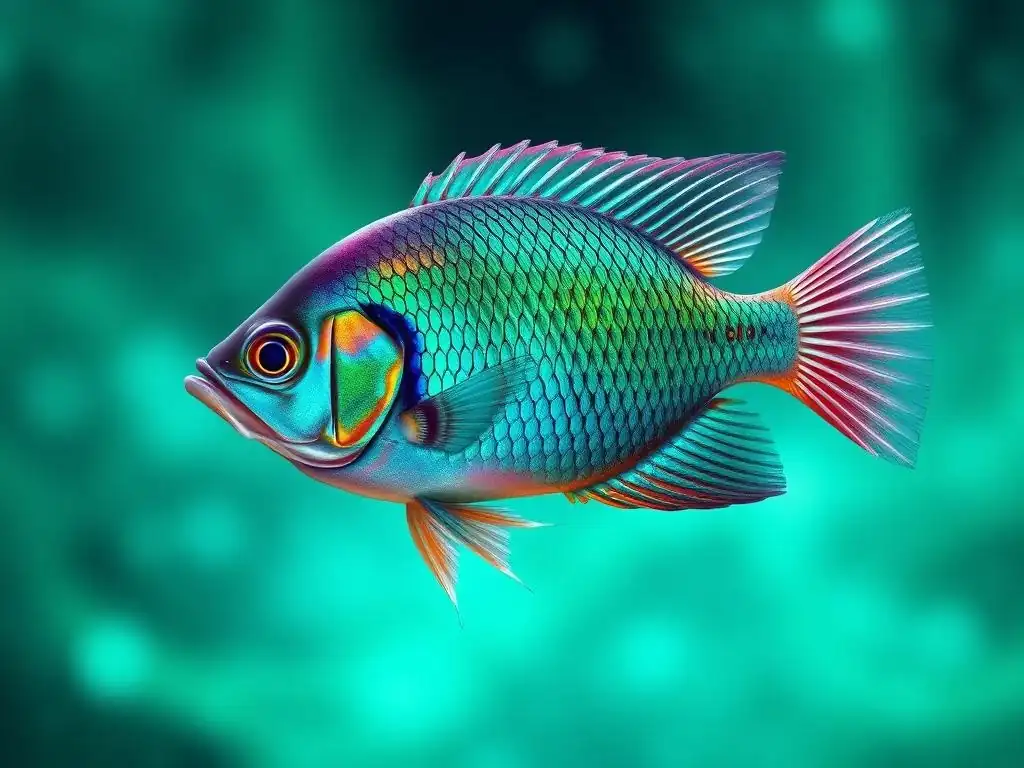
Dwarf Gouramis are generally peaceful, but can be timid or occasionally territorial, particularly males. Selecting compatible tank mates is crucial for a harmonious community Dwarf gourami tank setup. Good choices include small, peaceful schooling fish that occupy different levels of the water column, such as Neon Tetras, Cardinal Tetras, Harlequin Rasboras, and various species of peaceful Corydoras catfish.
These species typically have similar water parameter requirements and do not pose a threat to the Gouramis. It's advisable to avoid other male Gourami species or multiple male Dwarf Gouramis in tanks smaller than 29 gallons, as this can lead to aggression. Always ensure that any potential tank mate is not known for fin-nipping, as Gouramis have delicate, flowing fins that could be targeted.
Invertebrates That Can Coexist with Dwarf Gouramis
Many invertebrates can safely coexist with Dwarf Gouramis, contributing to the tank's ecosystem by cleaning up algae and detritus. Snails, such as Nerite snails, Mystery snails, and Ramshorn snails, are excellent scavengers and are generally ignored by Dwarf Gouramis. They help control algae growth on surfaces and consume leftover food, improving overall tank cleanliness.
Small, peaceful shrimp species, like Red Cherry Shrimp (Neocaridina davidi), can also be kept in a Dwarf gourami tank setup, particularly in heavily planted tanks that offer plenty of hiding spots. While there's always a slight risk of predation on very young or small shrimp by a larger, more opportunistic Gourami, many aquarists successfully keep them together. Ensure the shrimp have ample cover to thrive.
Fish to Avoid When Keeping Dwarf Gouramis
When planning your Dwarf gourami tank setup, it's crucial to avoid fish species that are aggressive, known fin-nippers, or grow significantly larger than Dwarf Gouramis. This includes most cichlid species (with the exception of some very peaceful dwarf cichlids), certain barb species like Tiger Barbs, and larger, more boisterous Gourami species that might bully the smaller Dwarf Gouramis.
Additionally, avoid fish that require vastly different water parameters (e.g., highly alkaline or very cold water) or those with extremely fast swimming patterns that might stress the more placid Dwarf Gouramis. Researching the temperament, adult size, and specific needs of each potential tank mate is essential to prevent conflict and ensure a peaceful, thriving community.
Feeding Your Dwarf Gouramis: Diet and Nutrition
Best Foods for Dwarf Gouramis: A Balanced Diet
Dwarf Gouramis are omnivores and thrive on a varied and balanced diet that mimics their natural food sources. High-quality flake or small pellet foods specifically formulated for tropical fish should serve as the staple of their diet. To provide essential proteins, vitamins, and enhance their vibrant coloration, supplement their diet with frozen foods such as brine shrimp, bloodworms, and daphnia.
For additional nutritional benefits, incorporate vegetable matter into their diet occasionally. Blanched spinach, spirulina flakes, or specialized veggie wafers can be offered. Providing a diverse diet is crucial for bolstering their immune system, promoting healthy growth, and preventing nutritional deficiencies in your Dwarf gourami tank setup.
Feeding Frequency and Portion Control
Dwarf Gouramis should be fed 1-2 times per day. It is vital to offer small portions that they can consume entirely within 2-3 minutes. Overfeeding is a common mistake among aquarists and is a significant contributor to poor water quality, leading to elevated nitrate levels, algae blooms, and potential digestive issues in the fish.
It is always better to slightly underfeed than to overfeed. Leftover food quickly decomposes, releasing ammonia and nitrite into the water, which are highly toxic to fish. Observe your Gouramis during feeding; if food remains after a few minutes, reduce the portion size for subsequent feedings. This diligent portion control is essential for maintaining a healthy and stable Dwarf gourami tank setup.
Preventing Overfeeding and Maintaining Water Quality
Overfeeding is a primary cause of declining water quality in aquariums. Excess food not only decomposes, leading to spikes in ammonia and nitrites, but also contributes to high nitrate levels, fosters nuisance algae blooms, and can cause cloudiness in the water. Furthermore, consistent overfeeding can lead to obesity and swim bladder issues in Dwarf Gouramis, compromising their health.
To prevent these issues, adhere strictly to a feeding schedule and measure out portions to ensure no food is left uneaten. Consider implementing a "fasting day" once a week, which allows the fish's digestive systems to rest and minimizes waste production. These practices, combined with regular water changes and efficient filtration, are fundamental to maintaining pristine water conditions in your Dwarf gourami tank setup.
Maintaining Your Dwarf Gourami Tank: A Regular Schedule
Weekly Maintenance Tasks for a Healthy Aquarium
Consistent weekly maintenance is crucial for the long-term health of your Dwarf Gouramis. This routine should include performing a 25-30% partial water change, which effectively dilutes nitrates and replenishes essential minerals. Concurrently, use a gravel vacuum (or gently stir sand) to remove accumulated detritus and uneaten food from the substrate.
Additionally, wipe down the inside of the aquarium glass to remove any algae buildup, ensuring clear viewing and preventing excessive algae growth. Visually inspect all fish for any signs of disease, stress, or unusual behavior. Finally, test the water parameters weekly, specifically monitoring ammonia, nitrite, and nitrate levels, along with pH and temperature. Keeping a log of these readings helps track trends and identify potential issues early in your Dwarf gourami tank setup.
Monthly Maintenance Procedures
In addition to weekly tasks, certain procedures should be performed monthly to ensure the optimal functioning of your Dwarf Gourami tank. This includes a more thorough cleaning of filter media; always rinse mechanical media (e.g., sponges, filter floss) in old tank water to preserve beneficial bacteria, never tap water, which contains chlorine. Replace chemical filtration media like activated carbon if used, as it becomes saturated over time.
Beyond filter maintenance, trim any overgrown live plants and remove any dying or decaying leaves to prevent them from breaking down and polluting the water. Inspect and clean heater elements and filter intakes to ensure unrestricted flow and proper function. These monthly tasks complement the weekly routine, contributing significantly to the stability and overall health of your Dwarf gourami tank setup.
Recognizing and Addressing Common Dwarf Gourami Health Issues
Dwarf Gouramis, like all fish, can be susceptible to various health issues. Common ailments include Ich (white spot disease), fin rot, and bacterial infections. Symptoms to watch for include lethargy, clamped fins, white spots resembling salt grains, frayed or discolored fins, abnormal swimming patterns, or loss of appetite. A particular concern for this species is Dwarf Gourami Iridovirus (DGIV), which often manifests as darkening of color, lesions, and rapid decline.
Prompt identification and intervention are critical for successful treatment. If possible, isolate affected fish in a quarantine tank to prevent the spread of disease. Maintaining excellent water quality is the best preventative measure and often aids in recovery. For specific treatments, consult reliable aquatic veterinary resources or experienced aquarists. While some diseases are treatable, prevention through a well-maintained Dwarf gourami tank setup is always the best approach.
Cycling Your Dwarf Gourami Tank: Establishing a Healthy Ecosystem
The Nitrogen Cycle Explained
The nitrogen cycle is the cornerstone of a healthy aquarium ecosystem and is fundamental to any Dwarf gourami tank setup. It is a natural biological process where toxic ammonia (NH3), produced from fish waste, uneaten food, and decaying organic matter, is converted by beneficial bacteria into less toxic nitrite (NO2). A different type of beneficial bacteria then converts nitrite into relatively harmless nitrate (NO3).
These beneficial bacteria colonies primarily reside in the aquarium filter media, but also on the substrate and other tank surfaces. Understanding and successfully establishing this cycle is paramount before introducing any fish. Without a fully cycled tank, ammonia and nitrite will quickly build to lethal concentrations, leading to severe stress and ultimately, fish death.
Cycling a New Tank Before Adding Gouramis
Before adding Dwarf Gouramis, it is absolutely crucial to complete the nitrogen cycle in a new tank. The most recommended method is "fishless cycling," which involves introducing an ammonia source (like pure ammonia solution or a small amount of fish food) to kickstart bacterial growth without endangering fish. This process typically takes 4-6 weeks to fully establish the bacterial colonies.
"Fish-in cycling," where fish are added to an uncycled tank, is highly stressful and risky for the fish due to exposure to toxic ammonia and nitrite spikes, and is generally not recommended. Patience during the cycling process ensures that your Dwarf gourami tank setup has a robust biological filter capable of handling the fish's bioload, providing a safe and stable environment from day one.
Monitoring Water Parameters During the Cycling Process
Throughout the cycling process, diligent monitoring of water parameters is essential. Daily or every-other-day testing of ammonia, nitrite, and nitrate levels using a reliable liquid test kit will allow you to track the progress of the nitrogen cycle. You will typically observe an initial spike in ammonia, followed by a spike in nitrite as the first type of bacteria converts ammonia.
Finally, both ammonia and nitrite levels should consistently drop to zero, while nitrate levels will begin to rise, indicating that the beneficial bacteria colonies are fully established and effectively processing waste. Only when both ammonia and nitrite consistently read 0 ppm, and nitrates are present, is your Dwarf gourami tank setup truly ready to safely house your Dwarf Gouramis.
Common Mistakes to Avoid in Dwarf Gourami Tank Setup
Overstocking the Tank
Overstocking is one of the most common and detrimental mistakes made in aquarium keeping, particularly for a Dwarf gourami tank setup. Introducing too many fish, or fish that are too large for the tank volume, leads to an excessive bioload that overwhelms the biological filter. This results in dangerous spikes in toxic ammonia and nitrite, severely compromising water quality.
Beyond water quality issues, overstocking significantly increases stress levels among fish due to competition for space, food, and resources. This stress can suppress their immune systems, making them highly susceptible to diseases. It also exacerbates aggression, as fish cannot establish adequate territories. While a rough "one inch of fish per gallon" rule exists, it's often insufficient; prioritize ample space for each fish, especially for Dwarf Gouramis.
Neglecting Water Changes
Neglecting regular water changes is a critical error that severely impacts the health of a Dwarf Gourami tank. Over time, nitrates, phosphates, and other dissolved organic compounds accumulate in the water, even with efficient filtration. If these pollutants are not removed through water changes, they reach harmful concentrations, leading to chronic stress, weakened immune systems, and persistent issues like algae blooms.
Consistent, partial water changes (e.g., 25-30% weekly) are non-negotiable for maintaining optimal water quality and fish health. They effectively dilute pollutants, replenish essential trace minerals, and ensure a stable environment that filtration alone cannot provide. Failing to perform this routine maintenance will inevitably lead to a decline in the well-being and longevity of your Dwarf Gouramis in their Dwarf gourami tank setup.
Using Incompatible Decorations or Substrates
The choice of decorations and substrate can significantly impact the safety and health of your Dwarf Gouramis. Using decorations with sharp edges, abrasive surfaces, or small openings can cause physical injury to their delicate fins and barbels, or even trap them. For instance, rough ceramic ornaments or pointed rocks should be avoided in a Dwarf gourami tank setup.
Similarly, certain substrates can be detrimental. Sharp or very coarse gravel can injure foraging Gouramis, while some decorative substrates (e.g., crushed coral) can chemically alter water parameters, raising pH and hardness beyond the preferred range for Dwarf Gouramis. Always ensure all materials are aquarium-safe, inert, and physically suitable to prevent harm and maintain stable water conditions.
Troubleshooting Common Problems in Dwarf Gourami Tanks
Identifying and Treating Common Dwarf Gourami Diseases
Dwarf Gouramis are susceptible to various diseases, and prompt identification and treatment are key. Common ailments include Ich (white spots resembling salt grains), fin rot (frayed or discolored fins), and bacterial infections (lethargy, body lesions). A particularly concerning disease for this species is Dwarf Gourami Iridovirus (DGIV), which often presents as darkening of colors, skin lesions, and rapid deterioration, and unfortunately has no known cure.
Upon noticing symptoms, the first step is often to perform a significant water change (e.g., 50%) to improve water quality, as poor conditions often exacerbate illnesses. If possible, isolate the affected fish in a quarantine tank to prevent disease spread. Use appropriate aquarium medications as directed, often available at local fish stores. For DGIV, euthanasia may be the most humane option to prevent further suffering and protect other tank inhabitants. Prevention through a meticulously maintained Dwarf gourami tank setup is paramount.
Addressing Algae Blooms in Your Aquarium
Algae blooms are a common nuisance in aquariums and typically signal an imbalance in the Dwarf gourami tank setup. The most frequent causes are excess nutrients (high nitrates and phosphates) and/or too much light (prolonged photoperiod or excessive intensity). Common types include green spot algae on glass, hair algae on plants and decor, and brown diatom algae in new tanks.
To address algae, first reduce the lighting duration to 8-10 hours per day. Increase the frequency or volume of water changes to lower nitrate and phosphate levels. Ensure proper plant growth, as healthy plants outcompete algae for nutrients. Introducing algae-eating snails (e.g., Nerite snails) or compatible oto catfish can also help. Manual removal during weekly maintenance is effective for immediate control. Identifying and correcting the underlying imbalance is crucial for long-term success.
Resolving Water Quality Issues
Water quality issues, such as cloudy water, foul odors, or elevated levels of ammonia, nitrite, or nitrate, are serious problems that can quickly endanger Dwarf Gouramis. These issues are most commonly caused by overfeeding, overstocking, insufficient filtration, or neglecting regular water changes. Ammonia and nitrite are highly toxic, while persistent high nitrates cause chronic stress.
Immediate action is required to resolve water quality problems. Perform a large emergency water change (50% or more) to rapidly dilute toxins. Reduce feeding significantly, or even fast the fish for a day or two. Check and clean filter media to ensure optimal function. If ammonia or nitrite are present, consider adding a beneficial bacteria supplement to boost the biological filter. Identifying and addressing the root cause, such as overfeeding or infrequent maintenance, is essential to prevent recurrence and maintain a healthy Dwarf gourami tank setup.
Conclusion: Creating a Happy and Healthy Home for Your Dwarf Gouramis
Frequently Asked Questions
What is the ideal tank size for a Dwarf Gourami?
The ideal tank size for a Dwarf Gourami is at least 10 gallons. This provides ample space for swimming and establishing territory. Larger tanks are always better.
What type of decorations are best for a Dwarf Gourami tank?
Dwarf Gouramis prefer tanks with plenty of hiding places and live plants. Driftwood, rocks, and caves also help them feel secure and reduce stress.
What are the ideal water parameters for a Dwarf Gourami tank?
Dwarf Gouramis thrive in water temperatures between 72-82°F (22-28°C), with a pH between 6.0-7.5. Regular water changes are crucial for maintaining water quality.
Can Dwarf Gouramis be kept with other fish?
Yes, Dwarf Gouramis can be kept with other peaceful community fish. Avoid aggressive or fin-nipping species that might stress them.
What are some common issues to watch out for in a Dwarf Gourami tank?
Be vigilant for signs of Dwarf Gourami Iridovirus (DGIV), which is a common and often fatal disease. Maintaining excellent water quality and avoiding stress can help prevent issues.
Final Reflection: Cultivating a Thriving Ecosystem
The journey of setting up a Dwarf Gourami tank, as we've explored, is more than just assembling equipment; it's about creating a miniature ecosystem where these vibrant fish can truly flourish. Understanding their specific needs and replicating their natural environment is crucial for their health and well-being, and ultimately, for the joy we derive from observing them. This commitment to responsible fishkeeping reflects a broader appreciation for the delicate balance of nature and our role in preserving it.
This meticulous approach to tank setup extends beyond mere aesthetics; it's about fostering a healthy and stimulating environment that allows the Dwarf Gourami to express its natural behaviors. The dedication required to maintain optimal water parameters and provide appropriate decor highlights the deep connection we can forge with our aquatic companions. In their behavior, all things are expressions of their nature.
- Carl Jung. This quote resonates deeply when we consider the importance of providing an environment where a Dwarf Gourami can truly be itself, free from stress and thriving in its own little world.
Now, as you embark on or continue your Dwarf Gourami keeping journey, I encourage you to reflect on the principles we've discussed. Consider how you can further refine your tank setup to better meet the needs of your fish. Let's not just be keepers, but custodians, ensuring that these beautiful creatures live long, healthy, and fulfilling lives in our care. The reward, I assure you, will be a vibrant and captivating underwater world that brings joy and wonder to your life for years to come.
Transform Your Tank: Welcome Your Gourami Home!
Thank you for diving into the world of Dwarf Gouramis with us! We hope this guide has given you the knowledge and inspiration you need to create the perfect underwater haven for these vibrant fish. Ready to take the plunge?
Here are a few next steps to ensure your Gourami thrives:
- Finalize your tank setup: Double-check your water parameters (temperature, pH, hardness) and ensure they match the ideal range for Dwarf Gouramis.
- Consider adding floating plants like water lettuce or hornwort. These provide shade and security, mimicking their natural environment.
- Share this article with other aquarium enthusiasts! Let’s spread the joy of keeping these amazing fish.
What's the first thing you're most excited to add to your Dwarf Gourami's new home?