
Identifying Male vs. Female Anthias: Key Visual Differences and Social Cues


Welcome to Aquarium Mastery!
Ever wondered how to tell a male from a female Anthias? Unlocking the secrets to their visual differences can be surprisingly fascinating, and crucial for a thriving reef environment. Dive in to our guide on Anthias sex visual differences and discover the subtle cues that will transform you from a novice observer to a seasoned Anthias expert! Ready to learn more?
- Introduction: Understanding Anthias Gender Identification
- Visual Cues for Determining Anthias Sex: A Detailed Guide
- Anthias Social Behavior: Using Courtship Displays to Identify Sex
- Species-Specific Anthias Sexing: Examples and Considerations
- Practical Tips for Anthias Sex Identification in Your Aquarium
- Avoiding Common Mistakes in Anthias Gender Identification
- Conclusion: Mastering Anthias Sex Identification for a Healthy Reef Aquarium
-
Frequently Asked Questions
- What are the primary visual differences between male and female Anthias?
- How reliable is coloration alone in determining Anthias sex?
- Besides color, what other physical characteristics can help distinguish male from female Anthias?
- Do Anthias exhibit any social behaviors that indicate their sex?
- Why is it important to know the sex of Anthias when keeping them in an aquarium?
- Final Reflection: Unveiling the Secrets of Anthias Sex
- Unveil the Secrets of Anthias Courtship!
Introduction: Understanding Anthias Gender Identification
Why Correctly Identifying Anthias Sex Matters for Your Reef Tank
Correctly identifying the sex of your Anthias is paramount for the health, stability, and long-term success of your reef aquarium. Anthias are unique in that they are protogynous hermaphrodites, meaning all individuals are born female and the dominant female in a group can change sex to become male if the existing male is removed or dies.
Understanding this dynamic, and subsequently the Anthias sex visual differences, is critical for preventing aggression, ensuring proper social structure, and potentially facilitating breeding. For instance, introducing multiple males into a smaller tank (under 120 gallons) can lead to severe territorial disputes, often resulting in stress, fin nipping, and even death for the subordinate males.
Furthermore, accurate sex identification helps in maintaining a balanced harem, which is the natural social structure for most Anthias species. A typical setup involves one male and several females. If you mistakenly acquire multiple males, or if a dominant female undergoes a sex change unexpectedly, it can disrupt the delicate social balance.
For example, a lone male Pseudanthias squamipinnis (Lyretail Anthias) in a 75-gallon tank with five females will likely thrive, but two males in the same tank size will almost certainly lead to conflict. Knowing the Anthias sex visual differences allows aquarists to make informed stocking decisions, preventing undue stress on the fish and maintaining a harmonious environment.
Common Challenges in Differentiating Male and Female Anthias
Despite distinct Anthias sex visual differences in mature specimens, identifying the sex of these fish can present several challenges for aquarists. One significant hurdle is the impact of environmental factors such as stress, tank conditions, and diet on a fish's coloration and overall appearance. A male Anthias under stress might display subdued colors, temporarily mimicking a female, which can lead to misidentification. Similarly, poor water quality or an inadequate diet can diminish the vibrancy typically associated with males, making it harder to discern the subtle Anthias sex visual differences.
Another complexity arises from the fact that juvenile Anthias often exhibit coloration and body shapes that closely resemble adult females, regardless of their eventual sex. This means that an aquarist purchasing young Anthias might unintentionally acquire multiple fish that will later transition into males, leading to future conflicts. The protogynous hermaphroditism itself adds to the challenge; a dominant female undergoing sex change will gradually develop male characteristics, and during this transition phase, their appearance may not clearly fit either male or female descriptors, making precise Anthias sex visual differences hard to pinpoint.
Visual Cues for Determining Anthias Sex: A Detailed Guide
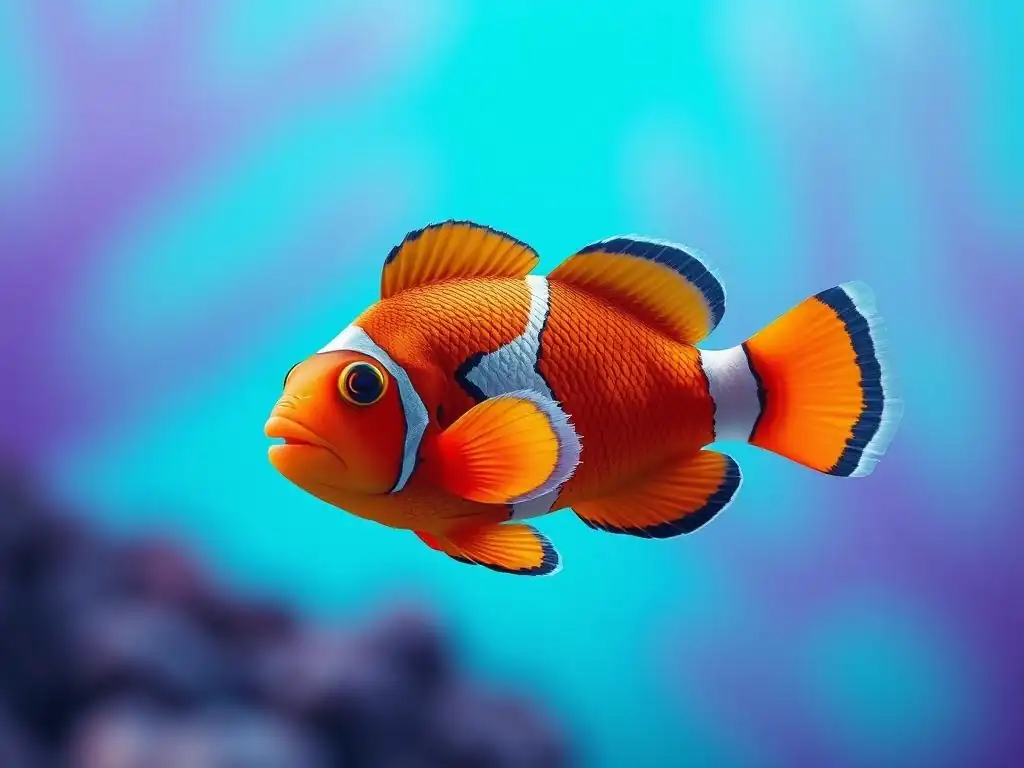
Anthias Coloration: Sex-Specific Color Patterns
Male Anthias: Brighter and More Vibrant Colors
Male Anthias are renowned for their striking and often significantly more vibrant coloration compared to their female counterparts, making this one of the primary Anthias sex visual differences. This heightened intensity serves as a key indicator of their sex and plays a crucial role in courtship and asserting dominance within their social hierarchy.
For instance, the male Lyretail Anthias ( Pseudanthias squamipinnis) typically displays a brilliant orange-red body, often with a distinct red or purple patch on its pectoral fin base, and a significantly more intense overall hue than the female. This coloration is not static; it can become even more pronounced during breeding displays or when asserting dominance over other males.
Beyond the general body color, specific areas like the fins, face, and lateral lines often exhibit unique patterns or intensified shades in males. The dorsal and caudal fins, in particular, may feature elongated rays, streamers, or distinct markings that are absent in females. For example, some male Anthias species might develop intricate patterns of spots or lines on their heads or bodies that are entirely absent in females. These vivid colors are a clear signal of the fish's sexual maturity and readiness to breed, making the observation of these Anthias sex visual differences a fundamental step in gender identification.
Female Anthias: Subtler and Often Uniform Coloration
In contrast to the males, female Anthias generally exhibit a subtler, more uniform, and less flamboyant coloration. While still beautiful, their hues tend to be less intense and lack the elaborate patterns or strong contrasts seen in males. This more subdued palette can serve as a form of camouflage within the complex reef environment, allowing them to blend in more effectively. For example, the female Lyretail Anthias ( Pseudanthias squamipinnis) is typically a uniform orange or yellow, lacking the deep red, elongated fin rays, and specific markings characteristic of the male.
The absence of the vibrant highlights and distinct patterns found on males is a consistent Anthias sex visual difference across many species. Their overall body color tends to be consistent, without the dramatic shifts or specialized markings on fins or facial areas. While some females may display attractive shades of pink, yellow, or orange, they rarely possess the iridescent qualities or the concentrated bursts of color that define a mature male Anthias. This difference in coloration is a reliable indicator, especially when comparing multiple individuals of the same species within a group.
Body Shape and Fin Morphology: Distinguishing Male and Female Anthias
Male Anthias: Elongated Fins and Body Shape
Beyond coloration, the body shape and fin morphology present crucial Anthias sex visual differences, particularly in mature males. Males often develop elongated and more elaborate fins, which are used prominently during courtship displays and territorial assertions.
A prime example is the Lyretail Anthias ( Pseudanthias squamipinnis), where the male develops a distinctive, greatly elongated third dorsal spine that extends far beyond the rest of the fin, along with streamers on its caudal (tail) fin. These fin extensions are not merely aesthetic; they are actively flared and presented during social interactions, serving as a visual signal of their sex and dominance.
Furthermore, the overall body shape of male Anthias can sometimes appear more robust or streamlined compared to females, especially in larger species. While not as universally pronounced as fin differences, some males might exhibit a slightly more elongated or less rounded body profile. The development of these exaggerated fin structures and subtle body shape variations are clear Anthias sex visual differences that become more apparent as the fish matures and assumes its male role within the harem. Observing these specific fin characteristics is often more reliable than relying solely on color, which can fluctuate with stress or environment.
Female Anthias: Rounder Body and Shorter Fins
Conversely, female Anthias typically possess a more compact or rounded body shape and generally shorter, less elaborate fins compared to their male counterparts. Their fins usually lack the dramatic elongations, streamers, or pronounced spikes seen in males, presenting a more uniformly proportioned appearance. For instance, a female Lyretail Anthias will have a dorsal fin without the extended third spine and a caudal fin that is typically rounded or slightly lunate, lacking the distinct streamers of the male. This absence of exaggerated fin features is a consistent Anthias sex visual difference.
The more rounded body shape in females is often associated with their reproductive role, as it accommodates the development of eggs. While still graceful swimmers, their fin structures are more functional and less adapted for elaborate display. These subtle but consistent differences in fin morphology and overall body contour provide valuable clues for identifying Anthias sex visual differences, especially when observed in conjunction with coloration and behavior. Aquarists should pay close attention to the details of the dorsal, caudal, and even pelvic fins, as these often hold the most telling clues.
Size Differences: Do Male Anthias Grow Larger?
In many Anthias species, a noticeable size difference serves as another key Anthias sex visual difference, with males typically growing larger than females. This disparity in size is a common characteristic among sexually dimorphic fish species, where the dominant male often attains a greater overall length and body mass. For example, a mature male Lyretail Anthias ( Pseudanthias squamipinnis) can reach lengths of 5-6 inches (13-15 cm), while females generally remain in the 3-4 inch (7.5-10 cm) range. This size advantage often correlates with their dominant role in the harem and their ability to successfully compete for mates.
However, it is crucial to note that size alone is not an infallible indicator of sex, especially when dealing with juvenile fish or individuals that have recently undergone sex change. A dominant female that has just begun its transition to male might still be smaller than an established, larger female.
Additionally, tank conditions, diet, and the age of the fish can influence growth rates, meaning a well-fed female in a mature tank might grow larger than a stressed male in a less ideal environment. Therefore, while larger size is often indicative of a male, it should always be considered in conjunction with other Anthias sex visual differences like coloration and fin morphology for accurate identification.
Male Anthias Courtship Rituals: A Key Indicator
Observing the social behavior of Anthias, particularly their courtship rituals, provides invaluable insights into their sex, complementing the Anthias sex visual differences. Male Anthias engage in elaborate and distinctive courtship displays to attract females and assert their dominance. These rituals often involve rapid, undulating swimming patterns, often referred to as "dancing," where the male will dart up and down in the water column or swim in figure-eight patterns. During these displays, males will intensely flare their fins, especially their elongated dorsal and caudal fins, showcasing their vibrant coloration to the fullest extent.
For instance, a male Lyretail Anthias will often perform a dramatic "head-standing" display, pointing its head downwards while rapidly fluttering its fins, making its extended dorsal spine particularly prominent. These behaviors are a direct and undeniable indicator of a fish being male. The intensity and frequency of these displays tend to increase during spawning periods or when new females are introduced to the tank. Watching for these specific behavioral cues, in tandem with the Anthias sex visual differences, significantly enhances the accuracy of gender identification.
Female Anthias Response to Male Displays
The response of female Anthias to male courtship displays is another critical behavioral indicator for identifying their sex. Unlike males who initiate the display, females will typically react in one of several ways: showing receptiveness, avoidance, or indifference. A receptive female might position herself near the male, slowly follow his movements, or even mimic some of his less energetic fin flaring. This interaction confirms her female role within the pair or harem. Her body language will be less aggressive and more yielding compared to a male.
Conversely, an unreceptive female might simply ignore the male's advances, swim away, or even exhibit subtle signs of avoidance. In a healthy harem, females generally tolerate the male's displays without engaging in aggressive counter-displays. Observing these interactions over time allows aquarists to distinguish between individuals based on their roles in the courtship dance, providing behavioral confirmation to the Anthias sex visual differences observed. The lack of aggressive posturing or territorial displays, combined with a receptive or neutral demeanor towards displaying males, strongly indicates a female.
Observing Anthias Hierarchies: Dominance and Sex Identification
Understanding the social hierarchy of Anthias is fundamental to sex identification, especially given their protogynous hermaphroditism. Anthias typically form harems, which consist of a single dominant male and multiple females. The male is almost always the largest, most vibrant, and most assertive fish in the group, displaying the most pronounced Anthias sex visual differences. He will actively patrol his territory, often engaging in mild chasing or fin flaring towards other females to maintain his dominance and keep the group cohesive.
A fascinating aspect of this hierarchy is the process of sex change. If the dominant male is removed from the tank or dies, the largest and most dominant female in the harem will often begin to transition into a male. This process can take several weeks to a few months, during which she will gradually develop male coloration, elongated fins, and male-typical behaviors.
Observing this transition provides a clear demonstration of Anthias sex visual differences evolving. By carefully monitoring which fish assumes the dominant role and how others react to it, aquarists can confidently identify the male and anticipate potential sex changes within their group.
Species-Specific Anthias Sexing: Examples and Considerations
Identifying Sex in Lyretail Anthias (Pseudanthias squamipinnis)
The Lyretail Anthias, Pseudanthias squamipinnis, is one of the most popular Anthias species, and its Anthias sex visual differences are quite pronounced. Males are easily identifiable by their vibrant orange-red body coloration, which is significantly more intense than the females'. A definitive male characteristic is the greatly elongated third dorsal spine, which forms a prominent streamer, often extending well beyond the rest of the fin.
Additionally, males typically develop elongated lobes or streamers on their caudal (tail) fin and may display a distinct reddish or purplish patch at the base of their pectoral fins. Males also grow larger, often reaching 5-6 inches (13-15 cm).
In contrast, female Lyretail Anthias are generally a uniform orange or yellow color, lacking the intense reds and purples of the males. Their fins are shorter and lack the elaborate elongations seen in males; the dorsal fin does not have the extended third spine, and the caudal fin is typically rounded or slightly lunate without streamers. Females are also smaller, usually maturing at 3-4 inches (7.5-10 cm). These clear Anthias sex visual differences make Pseudanthias squamipinnis one of the easier Anthias species to sex visually once mature.
Identifying Sex in Dispar Anthias (Pseudanthias dispar)
Dispar Anthias, Pseudanthias dispar, also known as Peach Anthias, exhibit distinct Anthias sex visual differences, though they are often more subtle than those of Lyretail Anthias. Male Dispar Anthias typically display a more intense reddish-orange coloration along the top of their dorsal fin and sometimes a more pointed or slightly elongated caudal fin. Their overall body color tends to be a vibrant orange with a distinct reddish-pink stripe running horizontally along the upper flank, often becoming more prominent during courtship. Males can reach up to 3.5-4 inches (9-10 cm) in length.
Female Dispar Anthias, on the other hand, are more uniformly orange or peachy in color, lacking the distinct reddish streak on the dorsal fin. Their caudal fin is typically more rounded or slightly forked, without the male's subtle pointing. Females are generally slightly smaller than males, maturing around 2.5-3 inches (6-7.5 cm). While the Anthias sex visual differences in Pseudanthias dispar are less dramatic than in Lyretails, careful observation of the dorsal fin coloration and caudal fin shape can reliably distinguish between sexes.
Identifying Sex in Bartlett's Anthias (Pseudanthias bartlettorum)
Bartlett's Anthias, Pseudanthias bartlettorum, are prized for their beautiful coloration, and their Anthias sex visual differences are quite striking. Male Bartlett's Anthias feature a more pronounced purple or magenta coloration on the anterior half of their body, particularly around the head and front fins, which then transitions sharply to a vibrant yellow on the posterior half. This bicolor pattern is generally more distinct and intense in males. Additionally, males may develop slightly elongated pelvic fins and a more pronounced overall body size, often reaching 3.5-4 inches (9-10 cm).
Female Bartlett's Anthias are typically more uniformly yellow across their body, though they may still have a hint of purple or pink on their anterior section. The transition from purple to yellow is usually less sharp and the purple hue itself is less intense than in males. Their fins are generally shorter and lack any significant elongations. Females are also typically smaller, maturing around 2.5-3 inches (6-7.5 cm). The distinct bicolor contrast and the intensity of the purple hue are key Anthias sex visual differences to look for when identifying sex in Pseudanthias bartlettorum.
Practical Tips for Anthias Sex Identification in Your Aquarium
Observing Anthias in a Group Setting
Observing Anthias within a group setting is arguably the most effective method for identifying their sex, leveraging the natural social dynamics and Anthias sex visual differences that become apparent in a harem. In a group of multiple Anthias, a clear hierarchy will establish itself, with the most dominant individual typically assuming the male role. This male will usually be the largest, most vibrantly colored, and most active in displaying courtship behaviors or asserting dominance. The remaining fish, if they are females, will generally be smaller, less colorful, and exhibit submissive behaviors or receptive responses to the male's displays.
It is advisable to observe the group for at least several days, or even a week, to allow for the establishment of a clear hierarchy and consistent behaviors. During this period, pay close attention to which fish consistently displays the most pronounced Anthias sex visual differences in coloration and fin morphology, and which fish initiates courtship rituals.
For instance, if you have five Anthias, the one that consistently chases others (gently), flares its fins most dramatically, and shows the most intense colors is likely the male, while the others are females or juveniles. This prolonged observation helps to differentiate temporary stress-induced color changes from true sexual dimorphism.
Using High-Quality Photos and Videos for Comparison
When attempting to identify subtle Anthias sex visual differences, using high-quality photos and videos can be an invaluable tool. It allows for detailed scrutiny of a fish's characteristics without the constant movement inherent in live observation. Take several clear, well-lit photographs or short video clips of the Anthias from different angles. Focus on capturing their coloration, fin shapes (dorsal, caudal, pelvic), and overall body contours. These visual records can then be compared side-by-side with reliable online resources, species profiles, or field guides that clearly illustrate male and female Anthias of the same species.
The advantage of video, in particular, is the ability to pause and rewind, enabling you to closely examine specific features like fin elongations or subtle color patterns that might be missed during a quick glance. For example, you can freeze a frame to count dorsal fin rays or confirm the presence of a specific streamer. This method is especially useful for species where Anthias sex visual differences are less pronounced or for distinguishing between a juvenile and an adult female. By meticulously comparing your fish to established visual references, you can significantly increase the accuracy of your sex identification.
Considering Age and Maturity When Identifying Sex
A critical factor to consider when identifying Anthias sex visual differences is the age and maturity of the fish. Juvenile Anthias, regardless of their eventual sex, often display coloration and fin structures that closely resemble adult females. This can lead to misidentification, as a young male might be mistaken for a female, only to transition later in your aquarium. For example, a juvenile Lyretail Anthias of 1.5 inches might be entirely orange, without any male characteristics, but will develop the elongated dorsal spine and vibrant red coloration as it matures.
Anthias typically begin to exhibit their distinct sexual dimorphism, including the full range of Anthias sex visual differences, once they reach a certain size and age, usually around 2.5-3 inches (6-7.5 cm) or larger, depending on the species. Furthermore, remember their protogynous hermaphroditism: if a female is destined to become a male, this transition will not happen overnight.
It is a gradual process that can take several weeks to a few months, during which the fish will slowly develop male coloration, fin elongations, and behavior. Patience and continued observation as the fish grows and matures are therefore essential for accurate gender identification.
Avoiding Common Mistakes in Anthias Gender Identification

Misinterpreting Submissive Behavior as Female Characteristics
One common mistake in identifying Anthias sex visual differences is misinterpreting submissive behavior or subdued coloration as definitive female characteristics. A male Anthias, especially if newly introduced to a tank, stressed by its environment, or subordinate to a more dominant male, may display less vibrant colors and exhibit submissive postures, such as clamped fins or retreating from other fish. This can lead an aquarist to mistakenly believe the fish is a female, when in fact it is a male under duress or in a lower social standing.
It is crucial to observe the fish over a period of time and consider the broader social dynamics of the tank. A stressed male might temporarily lose some of its vibrant hue, but its underlying fin morphology (e.g., elongated dorsal spines or caudal streamers) will remain. For instance, a male Lyretail Anthias might appear dull if bullied, but its characteristic elongated third dorsal spine will still be present. Relying solely on color without considering behavior, fin structure, and the fish's comfort level within the tank can lead to inaccurate Anthias sex visual differences assessment and potentially problematic stocking decisions.
Confusing Juvenile Anthias with Females
Another frequent error in Anthias gender identification is confusing juvenile Anthias with adult females. As previously mentioned, young Anthias of many species do not exhibit full sexual dimorphism and often resemble mature females in both coloration and fin structure. For example, a juvenile Dispar Anthias, regardless of its eventual sex, will typically be a uniform orange, lacking the distinct reddish streak on the dorsal fin that characterizes a mature male. This can lead aquarists to purchase what they believe are multiple females, only to find some transition into males as they mature, potentially causing aggression issues in the tank.
To avoid this mistake, it is essential to consider the size of the Anthias. If a fish is particularly small (e.g., under 2 inches for most species), its sexual characteristics may not yet be fully developed, making reliable Anthias sex visual differences difficult to ascertain. It is often best to acquire Anthias that are already of a larger, more mature size if precise sexing is critical for your tank's stocking plan. Patience and continued observation as the fish grows are key to accurately identifying their sex, as the male characteristics will gradually emerge with maturity.
Relying Solely on Coloration: Other Factors to Consider
While coloration is often the most striking and immediate Anthias sex visual difference, relying solely on it for gender identification is a common pitfall that can lead to inaccuracies. The intensity and exact shade of a fish's color can be influenced by numerous factors beyond its sex, including stress levels, diet, tank lighting, water parameters, and even the fish's mood. A male Anthias experiencing poor water quality or a lack of proper nutrition might display duller colors, making it harder to distinguish from a female. Similarly, a female under ideal conditions might exhibit surprisingly vibrant hues.
Therefore, for accurate Anthias sex visual differences identification, it is imperative to consider a combination of factors. Always observe the fish's overall body shape, paying close attention to fin morphology (e.g., elongated dorsal spines, caudal streamers, pelvic fin length). Supplement visual cues with behavioral observations, such as courtship displays, dominance interactions, and responses to other fish. By integrating all these elements—color, fin structure, body shape, size, and social behavior—aquarists can achieve a much higher degree of certainty in identifying the sex of their Anthias, ensuring a healthier and more harmonious reef aquarium.
Conclusion: Mastering Anthias Sex Identification for a Healthy Reef Aquarium
The Importance of Understanding Anthias Sexual Dimorphism for Successful Reef Keeping
Mastering the identification of male and female Anthias is an indispensable skill for any dedicated reef aquarist. Understanding the intricate Anthias sex visual differences, coupled with their unique protogynous hermaphroditism and complex social structures, is fundamental to creating a thriving and harmonious reef environment.
Accurate sex identification allows aquarists to make informed decisions regarding stocking ratios, preventing aggressive encounters between multiple males and ensuring a stable harem dynamic. For instance, knowing that you have one male and five females of Pseudanthias squamipinnis ensures a peaceful group, whereas two males in a standard 100-gallon tank would likely lead to chronic stress and potential fatalities.
Beyond preventing conflict, a precise understanding of Anthias sexual dimorphism is crucial for those hoping to breed these beautiful fish or simply maintain a healthy, long-lived population. Recognizing the subtle shifts in coloration, the distinctive fin elongations, and the characteristic behaviors associated with each sex empowers aquarists to monitor their fish more effectively, identify potential sex changes early, and provide an optimal environment for their well-being. Ultimately, the ability to confidently identify Anthias sex visual differences translates directly into a more successful, stable, and visually appealing reef aquarium, showcasing these captivating fish at their best.
Frequently Asked Questions
What are the primary visual differences between male and female Anthias?
Male Anthias often display more vibrant colors and possess elongated fin extensions, while females tend to be smaller and less intensely colored. These features can vary somewhat between Anthias species.
How reliable is coloration alone in determining Anthias sex?
Coloration can be a good indicator, but it's not foolproof. While males generally have brighter and more distinct colors, some females, particularly in dominant positions, can develop similar, though less intense, coloration.
Besides color, what other physical characteristics can help distinguish male from female Anthias?
Look for differences in fin shape and size. Males often have elongated dorsal or anal fins. Some species also exhibit differences in body shape or the presence of specialized scales.
Yes, Anthias are typically protogynous hermaphrodites, meaning they start as females. Watch for the largest, most aggressive fish in a group, as they are usually males who have transitioned from female.
Why is it important to know the sex of Anthias when keeping them in an aquarium?
Understanding the sex ratio is crucial for social dynamics and overall tank health. Keeping a single male with multiple females is usually recommended to avoid aggression among males and encourage natural shoaling behavior.
Final Reflection: Unveiling the Secrets of Anthias Sex
The intricate world of Anthias, once shrouded in mystery regarding identifying male and female distinctions, is now more accessible than ever thanks to a deeper understanding of their visual cues and social dynamics. This knowledge isn't just for aquarium enthusiasts; it's a testament to the power of observation and the beauty of biodiversity, reminding us that even within seemingly homogenous groups, subtle yet significant differences exist.
This exploration into Anthias sex visual differences has not only refined our understanding of these vibrant reef inhabitants but also underscores the importance of detailed observation in appreciating the nuances of the natural world. It encourages us to look beyond the surface and recognize the subtle signals that govern complex social structures. The devil is in the details,
as they say, and in the case of Anthias, these details unlock a deeper appreciation for their intricate lives.
Now, armed with this newfound knowledge, consider the broader implications. How can a heightened awareness of subtle differences, like those between male and female Anthias, enrich your own understanding of the world around you? Let this exploration inspire you to look closer, to question assumptions, and to appreciate the hidden complexities that make our planet so extraordinary.
Unveil the Secrets of Anthias Courtship!
Thank you for diving into the fascinating world of Anthias! We hope you've gained valuable insights into identifying the subtle differences between male and female members of these vibrant reef inhabitants. Now, it's time to put your knowledge into action.
- Carefully observe your Anthias school: Spend time watching their interactions, paying close attention to color variations and fin extensions, especially during feeding times.
- Share your newfound knowledge! Help fellow aquarists by sharing this article on your favorite aquarium forums and social media groups.
- Consider documenting your Anthias' behavior: Keeping a journal of their social interactions and color changes can provide invaluable data for future reef keeping practices.
What subtle behavior changes will you look for to determine the sex ratios of Anthias in your tank this week?