
Breeding Mandarin Dragonets: The Pinnacle of Nano Aquarist Achievement?

Welcome to Aquarium Mastery!
Ever dreamed of witnessing the impossible? Breeding Mandarin dragonets is considered the holy grail for many nano aquarists, a testament to skill and dedication. But is it truly unattainable? Dive into our comprehensive guide and discover the Mandarin dragonet breeding success tips that could make your aquarium the envy of every hobbyist. Prepare to unlock the secrets and embark on a journey to achieve the pinnacle of saltwater aquarium mastery!
- Breeding Mandarin Dragonets: A Rewarding Challenge
- Understanding the Mandarin Dragonet
- Challenges of Breeding in Captivity
- Essential Requirements for Success
- Nutrition: Feeding Larvae for Survival
- Breeding Success: A Step-by-Step Guide
- Advanced Breeding Techniques
- Common Pitfalls and Solutions
- Documenting Your Journey
- Is Breeding Right for You?
- Responsible Ownership
-
Frequently Asked Questions
- How difficult is it to breed Mandarin Dragonets in a home aquarium?
- What is the most critical factor for Mandarin Dragonet fry survival?
- What specific water parameters are essential for successful Mandarin Dragonet breeding?
- What size aquarium is recommended for attempting to breed Mandarin Dragonets?
- What are some common reasons for failure when attempting to breed Mandarin Dragonets?
- Final Reflection: The Enduring Allure of the Mandarin Dragonet
- Ignite Your Nano Reef Journey!
Breeding Mandarin Dragonets: A Rewarding Challenge
Understanding the Mandarin Dragonet
The Appeal of Synchiropus splendidus
The Mandarin dragonet, scientifically known as Synchiropus splendidus, stands out as one of the most visually stunning and sought-after fish in the marine aquarium hobby. Its kaleidoscopic patterns of electric blue, orange, and green, combined with its unique, almost ethereal swimming style, make it a focal point in any nano reef tank. Despite their relatively small size, typically reaching about 3 to 4 inches (7.5-10 cm) in length, their vibrant coloration and peaceful demeanor contribute to their immense popularity among aquarists.
Beyond their aesthetic appeal, Mandarin dragonets captivate hobbyists with their slow, deliberate movements and intriguing behavior, often seen meticulously picking at live rock for microscopic prey. This specialized feeding habit, however, is precisely what makes them challenging to keep and even more difficult to breed in captivity. Their desirability, coupled with the complexities of their care, elevates successful breeding to a significant milestone for dedicated aquarists.
Natural Habitat and Behavior
In their natural environment, Mandarin dragonets inhabit the shallow, protected lagoons and coastal reefs across the Indo-Pacific region, from the Ryukyu Islands to Australia. They are typically found in depths ranging from 1 to 18 meters (3 to 60 feet), preferring areas rich in rubble, live rock, and detritus, which provide both shelter and a continuous food source. Their demersal lifestyle means they spend most of their time on or near the substrate, rarely venturing into the open water column.
Their unique feeding strategy involves constantly grazing on a microfauna-rich diet, primarily copepods and other small benthic invertebrates. This continuous foraging is essential for their survival, as they lack a true stomach and must consume small amounts of food throughout the day to meet their metabolic needs. Observing their methodical hunt for prey in a well-established reef tank offers a glimpse into their natural foraging behavior, underscoring the critical importance of a robust copepod population for their long-term health and, subsequently, for Mandarin dragonet breeding success tips.
Challenges of Breeding in Captivity
Difficulties in Captive Breeding
Breeding Mandarin dragonets in captivity is widely considered one of the most formidable challenges in marine aquaculture, primarily due to the minute size of their eggs and larvae, coupled with their highly specific feeding requirements. The pelagic eggs are incredibly small, typically measuring only 0.7 to 0.8 millimeters in diameter, making them difficult to collect and handle without damage. Upon hatching, the larvae are even tinier, averaging just 1.5 to 2 millimeters in length, and are extremely delicate.
The most significant hurdle lies in providing appropriate nutrition for these microscopic larvae. They require a continuous supply of live food that is not only of the correct size but also highly nutritious. Traditional larval foods like newly hatched brine shrimp are far too large for newly hatched Mandarin dragonet larvae, leading to widespread starvation. Furthermore, maintaining pristine water quality in the small volumes required for larval rearing, while simultaneously providing high densities of live food, presents a delicate balancing act that often results in high mortality rates during the critical early stages.
Overcoming the Larval Stage
The larval stage represents the primary bottleneck in achieving consistent Mandarin dragonet breeding success tips. This period, which can last anywhere from 3 to 4 weeks depending on temperature and feeding, is characterized by rapid growth and metamorphosis, demanding a precise and constant supply of appropriately sized prey. The larvae are particularly vulnerable during their first few days post-hatch, as their mouths are incredibly small, limiting the size of food particles they can ingest.
Successful navigation of the larval stage hinges on meticulous control of water parameters, especially ammonia and nitrite, which can quickly become lethal in the confined, nutrient-rich environment of a larval rearing tank. The high feeding rates necessary to sustain the larvae inevitably contribute to organic waste, necessitating frequent, small water changes and gentle aeration without causing undue stress to the fragile fry. The transition from yolk-sac absorption to active feeding is a make-or-break moment, requiring the immediate availability of cultured live feeds like enriched rotifers and copepod nauplii.
Essential Requirements for Success
Setting Up a Dedicated Breeding Tank
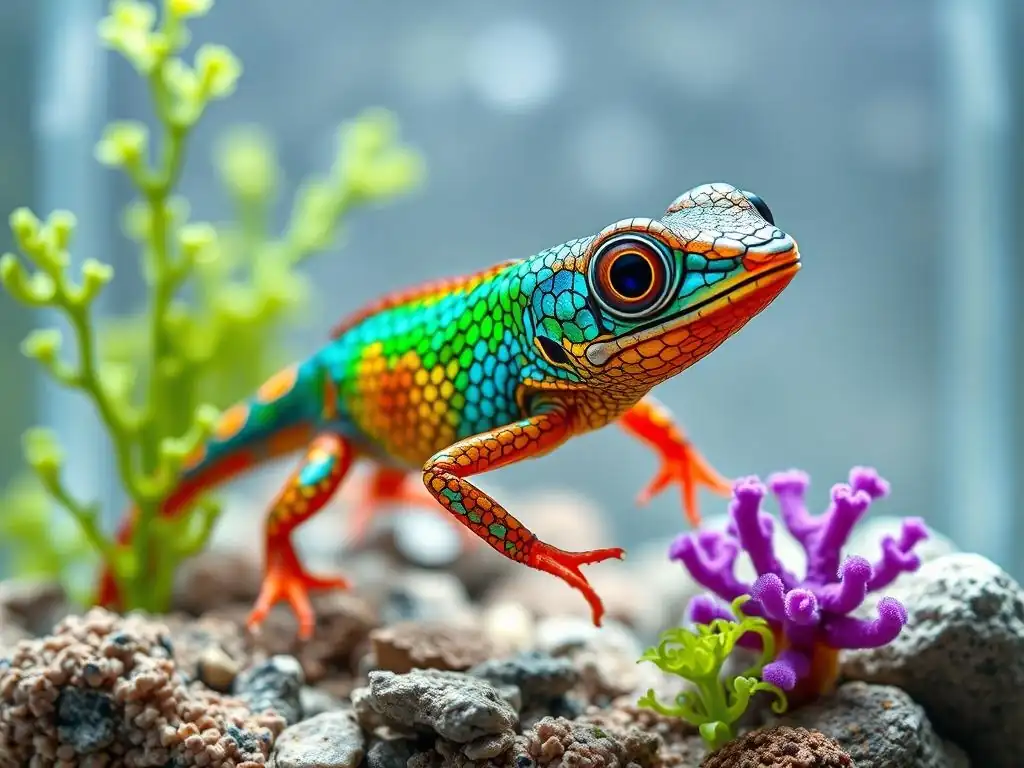
Achieving Mandarin dragonet breeding success tips necessitates the establishment of a dedicated breeding tank, separate from the main display aquarium. A tank size of 20 to 40 gallons (approximately 75-150 liters) is often recommended, providing ample space for the breeding pair while allowing for controlled environmental conditions. Essential equipment includes gentle filtration, such as a mature sponge filter or a small air-driven box filter, to provide biological filtration without creating strong currents that could harm eggs or larvae. A reliable heater to maintain stable temperatures and an air stone for oxygenation are also crucial.
The breeding tank should have minimal decor, ideally just a few pieces of live rock for the adults to feel secure, but it is often kept bare-bottom. A bare-bottom setup simplifies cleaning, prevents food and waste accumulation, and significantly aids in the identification and collection of the pelagic eggs. Ensuring the tank is fully cycled and biologically mature before introducing the breeding pair is paramount to maintaining stable water parameters and a healthy environment conducive to spawning.
Replicating Natural Conditions
Replicating the natural conditions of the Mandarin dragonet's habitat is fundamental for inducing spawning and promoting larval survival. Key water parameters include a stable salinity of 1.023-1.025, a temperature range of 76-80°F (24-27°C), and a pH level between 8.1 and 8.4. Consistency in these parameters is far more important than hitting exact numbers, as fluctuations can stress the fish and inhibit breeding. Gentle water flow, mimicking the calm lagoons they inhabit, is also beneficial.
A natural lighting cycle, typically 12-14 hours of light followed by 10-12 hours of darkness, should be established to simulate their natural day-night rhythm, which influences their spawning behavior. While Mandarin dragonets typically spawn in the open water column during their characteristic "spawning ascent," providing a secure, calm environment free from disturbances will encourage more frequent and successful spawning events. Some breeders also find that a mature system with a healthy copepod population can further encourage spawning, as it mimics their natural food abundance.
Nutrition: Feeding Larvae for Survival
Culturing Live Food
The cornerstone of Mandarin dragonet breeding success tips lies in the continuous and reliable culture of appropriate live foods. Newly hatched Mandarin dragonet larvae require microscopic prey, making traditional foods like newly hatched brine shrimp nauplii too large. Instead, specialized live foods such as Brachionus plicatilis (L-type rotifers) and various species of copepods, particularly Tisbe or Apocyclops species, are indispensable. These cultures must be maintained proactively and on an ongoing basis to ensure a constant supply, often requiring multiple culture vessels to prevent crashes.
Furthermore, it is critical to enrich these live foods with highly unsaturated fatty acids (HUFA) and essential vitamins before feeding them to the larvae. This process, known as "gut loading," involves feeding the rotifers and copepods a concentrated enrichment product, often an algal-based supplement, for several hours before they are introduced into the larval tank. This ensures that the larvae receive the complete nutritional profile necessary for their rapid growth, organ development, and overall survival, directly impacting their health and vigor.
Optimal Larval Density and Feeding
Once the larvae hatch, managing their density and feeding frequency is crucial for their survival. An initial larval density of approximately 5-10 larvae per liter is often recommended to minimize competition for food and space, which can significantly improve survival rates.
To ensure constant food availability, the "greenwater" technique is frequently employed, where a dilute culture of phytoplankton (e.g., Nannochloropsis oculata) is added to the larval rearing tank. This phytoplankton serves as a food source for the rotifers, keeping them alive and suspended in the water column for longer periods, and may also provide some direct nutritional benefit to the larvae.
Feeding should be near-constant for the first 1-2 weeks, typically requiring the maintenance of a rotifer density of 10-15 rotifers per milliliter in the larval tank at all times. This often translates to feeding every 2-4 hours, or even continuous drip feeding, especially during the initial critical period.
As the larvae grow, usually around 7-10 days post-hatch, they can begin to consume larger prey like copepod nauplii. Visual confirmation of gut fullness—a visible dark line in the larvae's abdomen—is a key indicator that they are actively feeding and receiving sufficient nutrition, a vital aspect of Mandarin dragonet breeding success tips.
Breeding Success: A Step-by-Step Guide
Step 1: Selecting Healthy Breeding Pairs
The foundation of any successful breeding program, including Mandarin dragonet breeding success tips, begins with the careful selection of healthy, robust breeding stock. When choosing Mandarin dragonets, look for individuals that are active, alert, and exhibit vibrant coloration. Their bodies should be full, with no signs of emaciation or sunken bellies, indicating they are well-fed and thriving. Identifying sexes is relatively straightforward: male Mandarin dragonets typically possess a noticeably longer, pointed first dorsal fin spine, which is often extended during courtship displays, while females have a shorter, more rounded spine.
It is often beneficial to acquire a small group of juvenile Mandarin dragonets and allow them to pair off naturally, as this can lead to a more compatible and productive breeding pair. Alternatively, purchasing an already established, proven pair from a reputable source can save time and increase the likelihood of immediate spawning. Regardless of the acquisition method, a strict quarantine period is essential to ensure the fish are free from parasites or diseases before introducing them to the dedicated breeding system, preventing potential health issues for both adults and future larvae.
Step 2: Conditioning for Spawning
Once a healthy and compatible pair has been established in the breeding tank, the next crucial step is to condition them for spawning. This involves providing an exceptionally rich and varied diet, far beyond what might be offered in a typical display tank. Live foods are paramount: a continuous supply of live copepods (e.g., Tisbe, Apocyclops, or Tigriopus) is vital, supplemented with high-quality enriched frozen foods such as Mysis shrimp, enriched brine shrimp, and finely chopped seafood. Some pairs may also accept high-quality prepared pellets designed for marine fish, though live food remains superior for conditioning.
Feeding should occur multiple times a day, ideally 3-5 times, to ensure the fish are receiving ample nutrition to develop eggs and sperm. Maintaining pristine water quality and stable parameters within the breeding tank is also critical, as environmental stress can inhibit spawning. Spawning typically occurs at dusk, often following a characteristic "spawning ascent" where the male and female rise together in the water column, releasing their gametes at the peak of their ascent. Consistent environmental conditions and a nutrient-rich diet will encourage more frequent and successful spawning events.
Step 3: Identifying and Collecting Eggs
Mandarin dragonet eggs are pelagic, meaning they float freely in the water column, and are typically released in small batches during the pair's nightly spawning ascent. These eggs are clear, spherical, and incredibly tiny, measuring approximately 0.7 to 0.8 millimeters in diameter. While hundreds of eggs may be released in a single spawn, their minute size makes them challenging to identify with the naked eye without careful observation under specific lighting. Spawning usually occurs shortly after the lights dim, making evening observation crucial.
To collect the eggs, a gentle overflow system is often employed. This setup involves a standpipe or overflow box connected to a fine mesh screen (e.g., 50-micron sieve) that collects the floating eggs into a separate container as water gently flows out of the breeding tank. Alternatively, for tanks without an overflow, a flashlight can be used to locate the eggs near the surface shortly after spawning, and they can then be carefully siphoned into a collection vessel with minimal disturbance. Extreme care must be taken to avoid damaging the delicate eggs during collection.
Step 4: Hatching Eggs
Once collected, the Mandarin dragonet eggs should be transferred to a dedicated hatching container, typically a small, clean vessel (e.g., a 1-gallon glass jar or a small plastic container) with gentle aeration provided by an air stone. The water in the hatching container should match the parameters of the breeding tank precisely. At a temperature of approximately 78-80°F (25-27°C), Mandarin dragonet eggs typically hatch within 18 to 24 hours. The duration can vary slightly based on temperature, with warmer temperatures accelerating development.
Newly hatched larvae are incredibly small, measuring around 1.5 to 2 millimeters in length. They are largely unpigmented and possess a small yolk sac, which provides them with initial sustenance for the first 24 to 48 hours post-hatch. During this period, they are relatively immobile, often drifting passively. It is crucial to monitor them closely, as the absorption of the yolk sac signals the critical window for their first external feeding, which must be addressed promptly to prevent starvation.
Step 5: First Feeding
The period of first feeding is arguably the most critical juncture in achieving Mandarin dragonet breeding success tips. Newly hatched larvae, once their yolk sac is absorbed (typically 24-48 hours post-hatch), require immediate access to extremely small, highly nutritious live food. The primary food source for this initial stage is enriched Brachionus plicatilis (L-type rotifers). These rotifers, measuring around 100-250 microns, are perfectly sized for the larvae's tiny mouths.
To ensure successful first feeding, a high density of rotifers must be maintained in the larval rearing tank, typically 10-15 rotifers per milliliter, around the clock. The "greenwater" technique, involving the addition of live phytoplankton (e.g., Nannochloropsis or Chlorella) to the larval tank, is highly beneficial. The phytoplankton serves as food for the rotifers, keeping them alive and suspended, and also helps to absorb ammonia and provide a visual cue for the larvae, encouraging feeding. Continuous monitoring of rotifer density and larval gut fullness is essential to prevent starvation.
Step 6: Weaning to Larger Food Sources
As Mandarin dragonet larvae grow, their dietary needs evolve, requiring a gradual transition to larger food sources. This transition typically begins around 1-2 weeks post-hatch, depending on growth rate and environmental conditions. At this stage, the larvae are ready to accept larger prey items such as copepod nauplii ( Tisbe or Apocyclops species are excellent choices) or even larger varieties of rotifers. Copepods offer a more complete nutritional profile and are often preferred as the larvae mature.
The weaning process should be gradual. Begin by introducing the new, larger food source alongside the existing rotifers for a few days, allowing the larvae to adapt and accept the new prey. Once it is evident that the larvae are actively feeding on the larger items, the concentration of the smaller food source can be slowly reduced. Continuous enrichment of all live foods with HUFA and vitamins remains vital throughout this growth phase to support healthy development and prepare the juveniles for eventually accepting non-live foods.
Step 7: Monitoring Water Quality
Maintaining pristine water quality is paramount for the survival and health of delicate Mandarin dragonet larvae. Due to the high feeding rates necessary to sustain the larvae and their small tank volumes, ammonia and nitrite can quickly accumulate to toxic levels. Therefore, daily small water changes, typically 10-20% of the tank volume, are often necessary to dilute waste products and replenish essential elements. The replacement water must be pre-mixed, aged saltwater with parameters identical to the larval tank to avoid shocking the fry.
Regular and frequent testing for ammonia, nitrite, and nitrate is non-negotiable. Ammonia and nitrite levels should always be undetectable. A gentle air stone is essential to provide adequate circulation and oxygenation without creating turbulent currents that could harm the larvae. While some biological filtration may occur on tank surfaces, relying solely on it for such high bioloads is risky. Proactive water quality management is a critical Mandarin dragonet breeding success tip that directly impacts larval survival rates.
Step 8: Preventing Diseases
Preventing diseases in Mandarin dragonet larvae is primarily achieved through stringent hygiene and optimal environmental conditions, as larvae are highly susceptible to bacterial infections and parasitic infestations. Begin by ensuring all adult breeding fish are healthy and have undergone a thorough quarantine process to prevent the introduction of pathogens into the breeding system. All equipment used for egg collection, larval rearing, and food culturing must be meticulously cleaned and sterilized before use to minimize bacterial loads.
Maintaining pristine water quality, as detailed in the previous step, is the best defense against opportunistic bacterial outbreaks. Optimal nutrition, through continuously enriched live foods, strengthens the larvae's immune systems, making them more resilient. Prophylactic treatments with medications are generally not recommended for delicate larval stages, as they can be highly toxic. Instead, focus on creating a stable, clean, and nutrient-rich environment that supports robust larval development and minimizes stress, which can predispose them to illness.
Advanced Breeding Techniques
Implementing a Greenwater Culture
The "greenwater" culture technique is an advanced strategy frequently employed in Mandarin dragonet breeding success tips to significantly improve larval survival rates. This method involves intentionally adding a controlled amount of live phytoplankton, such as Nannochloropsis oculata or Chlorella, directly to the larval rearing tank. The primary purpose of the phytoplankton is to serve as a continuous food source for the rotifers or copepods that are being fed to the larvae, thereby keeping the live prey alive and suspended in the water column for longer periods.
Beyond sustaining the live food, greenwater cultures offer several direct and indirect benefits. The phytoplankton helps to stabilize pH, absorb ammonia and other nitrogenous waste products, and provide a more natural, visually stimulating environment for the larvae, potentially encouraging feeding. Some research also suggests that larvae may directly consume small amounts of phytoplankton, adding to their nutritional intake. However, maintaining a stable greenwater culture requires consistent effort, including monitoring phytoplankton density and ensuring it doesn't become too dense, which can reduce oxygen levels.
Using Ozone and UV Sterilization
For experienced breeders aiming for the highest possible survival rates, the strategic use of ozone and UV sterilization can be valuable advanced Mandarin dragonet breeding success tips. These technologies are employed to reduce bacterial loads and eliminate harmful pathogens in the water used for larval rearing, rather than being applied directly within the larval tank itself. UV sterilizers expose the water to germicidal ultraviolet light, effectively killing bacteria, viruses, and free-floating algae as water passes through the unit.
Ozone generators, on the other hand, produce ozone (O3), a powerful oxidant that breaks down organic compounds and pathogens. Ozone is typically introduced into a protein skimmer or a reaction chamber, and then the treated water is carefully degassed before being introduced into the larval system. Both methods significantly improve water quality by reducing the overall pathogen load, thereby minimizing the risk of disease outbreaks in the highly vulnerable larval stages. However, their use requires careful monitoring and understanding, as improper application can be detrimental to delicate marine life.
Utilizing a Kreisel Tank for Larval Rearing
A Kreisel tank is a specialized larval rearing vessel designed specifically to optimize conditions for delicate, pelagic marine larvae, making it an advanced tool for Mandarin dragonet breeding success tips. Characterized by its circular or oval shape and unique water flow patterns, a Kreisel tank creates a gentle, laminar current that keeps larvae suspended in the water column without impinging them on tank walls, air stones, or filtration media. This prevents physical damage, reduces stress, and ensures that larvae have continuous access to food particles.
The design of a Kreisel tank typically incorporates a central standpipe or a series of gentle jets that create a rotational flow, maintaining uniform distribution of larvae and their food. This constant suspension is critical for species like Mandarin dragonets, whose larvae are often poor swimmers in their early stages. By minimizing physical stress and maximizing feeding opportunities, Kreisel tanks can significantly improve survival rates compared to conventional rectangular tanks, allowing for more efficient larval development and metamorphosis.
Common Pitfalls and Solutions
Preventing Starvation
Starvation is by far the leading cause of mortality in newly hatched Mandarin dragonet larvae, making its prevention a paramount Mandarin dragonet breeding success tip. The primary pitfall is underestimating the sheer volume and continuous supply of appropriately sized live food required. Larvae have incredibly high metabolic rates and tiny mouths, necessitating a constant presence of food particles. A common mistake is to feed only a few times a day, which is insufficient for their needs.
The solution is to implement a near-constant feeding regimen for the first 1-2 weeks post-hatch. This means maintaining a high density of enriched rotifers (10-15 rotifers/mL) at all times, often achieved through continuous drip feeding or very frequent manual additions every 2-4 hours. Visual inspection of the larvae's guts (a visible dark line indicating food) is essential; if guts appear empty, increase food density immediately. Utilizing the greenwater technique also helps keep food suspended and available to larvae, significantly reducing instances of starvation.
Maintaining Stable Water Parameters
Fluctuations in water parameters, even slight ones, can be devastating for delicate Mandarin dragonet larvae, leading to high mortality rates. Common pitfalls include inconsistent salinity, temperature swings, and pH shifts. Larvae are far more sensitive to environmental changes than adult fish, and even small deviations from optimal conditions can cause significant stress or death. Using unaged or improperly mixed saltwater for water changes is another frequent error.
The solution is meticulous and consistent monitoring of all key water parameters: salinity (1.023-1.025), temperature (78-80°F), and pH (8.1-8.4). Invest in accurate testing equipment, such as a refractometer for salinity and a reliable thermometer. Perform small, frequent water changes (e.g., 10-20% daily) using pre-mixed and aged saltwater that precisely matches the larval tank's parameters. A stable heater and consistent top-off with RO/DI water to compensate for evaporation are also crucial to prevent parameter drift.
Addressing Ammonia Spikes in Larval Tanks
Ammonia spikes are a critical pitfall in larval rearing, directly stemming from the high bioload associated with intensive feeding and the larvae's waste products in small volumes of water. Unlike established reef tanks with robust biological filtration, larval tanks often lack sufficient biofiltration to handle the rapid accumulation of ammonia, which is highly toxic to fry even at low concentrations. Uneaten food decomposing further exacerbates the problem.
The primary solution involves daily, small water changes to dilute and remove accumulated waste and ammonia. Performing 10-20% water changes with fresh, matching saltwater helps to keep ammonia levels undetectable. Avoiding overfeeding, while ensuring sufficient food, is a delicate balance; only feed what the larvae can consume within a few hours. Gentle aeration promotes oxygenation and helps circulate water, but strong currents should be avoided. Some breeders also use ammonia-absorbing media in a small, gentle external filter (if compatible with larval safety) or rely on the ammonia-uptake capabilities of greenwater cultures to mitigate spikes.
Documenting Your Journey
Keeping Detailed Records
Meticulous record-keeping is an often-overlooked yet incredibly valuable Mandarin dragonet breeding success tip. Documenting every aspect of your breeding journey provides invaluable data for analysis, troubleshooting, and future improvements. Key information to record includes: daily water parameters (temperature, salinity, pH, ammonia, nitrite, nitrate), details of feeding (type of food, quantity, frequency, enrichment used), larval growth observations (size, development stages, behavior), and daily mortality rates.
Beyond these quantitative measures, noting any observed behaviors of the breeding pair (e.g., spawning times, courtship rituals) or unusual observations in the larval tank can provide critical insights. These detailed records allow breeders to identify patterns, pinpoint successful strategies, and understand why certain attempts may have failed. Over time, this comprehensive data forms a powerful knowledge base, enabling continuous refinement of breeding protocols and significantly increasing the likelihood of consistent success.
Engaging with the broader aquarist community and sharing your breeding experiences, both successes and failures, is a vital component of responsible aquaculture and contributes significantly to Mandarin dragonet breeding success tips. Participating in online forums, local aquarium clubs, or even scientific aquaculture communities provides opportunities to learn from others, receive constructive feedback, and contribute to the collective knowledge base. Many breakthroughs in captive breeding have stemmed from shared observations and collaborative problem-solving.
Sharing your journey not only helps you refine your techniques but also inspires and educates other aspiring breeders. Documenting your process and making it accessible can demystify the challenges of breeding complex species like Mandarin dragonets, encouraging more hobbyists to attempt it. This collective effort is crucial for advancing marine aquaculture, promoting sustainable practices, and ultimately reducing the reliance on wild-caught specimens, benefiting both the hobby and the marine environment.
Is Breeding Right for You?
Assessing Resources and Commitment
Embarking on the journey of breeding Mandarin dragonets is not a casual undertaking; it demands a significant investment of time, financial resources, and dedicated space. Before committing, it is crucial to honestly assess your available resources. This includes having a dedicated area for the breeding tank, larval rearing tanks, and multiple live food cultures, which can occupy a considerable footprint. Financially, the cost of specialized equipment (Kreisel tanks, advanced filtration, high-quality testing kits), continuous live food cultures, and high-quality feeds can be substantial.
More importantly, the time commitment is immense. Breeding Mandarin dragonets requires daily, often hourly, attention, especially during the critical larval stages. This includes constant monitoring of water parameters, frequent feeding, and meticulous cleaning. There is no room for neglect. It demands a willingness to learn from setbacks, adapt strategies, and persist through challenges. Understanding and accepting this level of commitment is the first step in assessing whether Mandarin dragonet breeding success tips are truly within your reach.
Rewards and Responsibilities
Despite the formidable challenges, the rewards of successfully breeding Mandarin dragonets are immense and deeply satisfying. Raising these exquisite creatures from microscopic eggs to vibrant juvenile fish is a testament to an aquarist's dedication, skill, and patience. The personal gratification of contributing to the reduction of wild-caught specimens and seeing the fruits of your labor thrive is unparalleled. Each successful batch represents a small victory for sustainable aquaculture and marine conservation.
However, this achievement comes with significant responsibilities. As a breeder, you are responsible for the welfare of the offspring. This includes ensuring they are healthy, well-fed, and properly conditioned before being rehomed. It also entails the responsibility of finding suitable, educated owners who understand the specific care requirements of Mandarin dragonets, including their specialized diet and need for a mature, copepod-rich environment. Educating potential buyers about responsible ownership is as crucial as the breeding process itself.
Responsible Ownership
Supporting Sustainable Practices
A core tenet of Mandarin dragonet breeding success tips is the fundamental support for sustainable practices within the marine aquarium hobby. By successfully breeding Mandarin dragonets, aquarists directly contribute to reducing the demand for wild-caught specimens, thereby alleviating pressure on natural reef ecosystems. This shift towards captive-bred fish helps to protect wild populations, which are often impacted by over-collection and destructive harvesting methods.
Choosing to breed, or to purchase captive-bred fish when available, sends a clear message to the industry and consumers alike: sustainability matters. It encourages investment in aquaculture research and development, fostering a more ethical and environmentally conscious hobby. Supporting sustainable practices means not just breeding your own fish, but also advocating for responsible sourcing and educating others about the importance of reducing the ecological footprint of the marine aquarium trade.
Educating Others
Beyond personal breeding achievements, a significant responsibility of experienced aquarists, particularly those who have mastered Mandarin dragonet breeding success tips, is to educate others. Sharing knowledge, techniques, and lessons learned—both successes and failures—is crucial for elevating the overall standard of the hobby and promoting responsible pet ownership. This can take many forms: mentoring aspiring breeders, participating in online forums, giving presentations at local aquarium clubs, or simply sharing your experiences with fellow hobbyists.
By openly discussing the complexities and requirements of breeding and caring for delicate species like Mandarin dragonets, you help to prevent impulse purchases by unprepared individuals. Education ensures that these specialized fish receive the precise care they need to thrive, rather than merely survive. It fosters a community of informed, responsible aquarists who prioritize the welfare of their animals and the health of the marine environment, ultimately benefiting the entire hobby.
Frequently Asked Questions
How difficult is it to breed Mandarin Dragonets in a home aquarium?
Breeding Mandarin Dragonets is considered extremely difficult, often seen as the pinnacle of nano aquarist achievement. Success requires a very stable and mature reef system with a large, thriving copepod population for the fry to feed on.
What is the most critical factor for Mandarin Dragonet fry survival?
The availability of a constant and abundant food source, specifically copepods and other tiny zooplankton, is crucial. Mandarin Dragonet fry are incredibly small and require live food almost constantly.
What specific water parameters are essential for successful Mandarin Dragonet breeding?
Maintaining pristine water quality is paramount. This includes stable salinity, pH, and temperature, as well as very low levels of nitrates and phosphates, crucial for fragile larvae development.
What size aquarium is recommended for attempting to breed Mandarin Dragonets?
While Mandarin Dragonets can be kept in nano tanks, a larger, more established reef system (75 gallons or more) is generally recommended for breeding. This helps ensure a stable environment and a larger copepod population to sustain both adults and fry.
What are some common reasons for failure when attempting to breed Mandarin Dragonets?
Common failures include starvation of the fry due to insufficient food, poor water quality leading to disease, and predation by other tank inhabitants. Understanding the specific needs of the larvae is vital.
Final Reflection: The Enduring Allure of the Mandarin Dragonet
The journey to achieving Mandarin Dragonet breeding success is more than just a technical challenge; it's a testament to the dedication and passion that fuels the nano aquarist community. While this article has explored practical tips and strategies, it's crucial to recognize that the pursuit of breeding these elusive fish represents a deeper commitment to understanding and replicating the delicate balance of a thriving marine ecosystem within the confines of a small tank.
This captivating pursuit has profoundly shaped the landscape of nano aquariums, pushing the boundaries of what's considered possible and fostering a culture of shared knowledge and innovation. The dedication required to successfully breed Mandarin Dragonets underscores the profound connection aquarists feel with their underwater worlds, a connection that extends beyond mere hobbyism. In the end, we will conserve only what we love; we will love only what we understand; and we will understand only what we are taught.
- Baba Dioum. This quote perfectly encapsulates the spirit of responsible aquarists who strive to understand and protect the delicate marine life they cherish.
As you embark on, or continue, your own journey towards Mandarin Dragonet breeding success, remember that the true reward lies not just in the accomplishment itself, but in the knowledge gained and the appreciation fostered for the intricate beauty of the ocean. Let the lessons learned here inspire you to not only refine your techniques, but also to share your experiences and contribute to the collective understanding of these magnificent creatures. The future of Mandarin Dragonets, and indeed the health of our oceans, depends on our collective dedication and informed action.
Ignite Your Nano Reef Journey!
Thanks for exploring the challenging yet rewarding world of Mandarin Dragonet breeding! We hope this article has sparked your passion for pushing the boundaries of nano aquascaping. Now, let's translate that knowledge into action.
- Embark on your journey:Start researching copepod culturing techniques – the lifeline of Mandarin Dragonets.
- Share your aquascaping vision! Post photos of your current nano tank setup on social media and tag us @AquariumMastery – let’s inspire each other.
- Dare to dream: Consider setting up a separate, dedicated copepod-breeding tank – your future dragonets will thank you!
What innovative copepod culturing method are you most excited to try first?