
Snowflake & Phantom Clownfish: Are These Designer Morphs & Their Anemones for You?

Welcome to Aquarium Mastery!
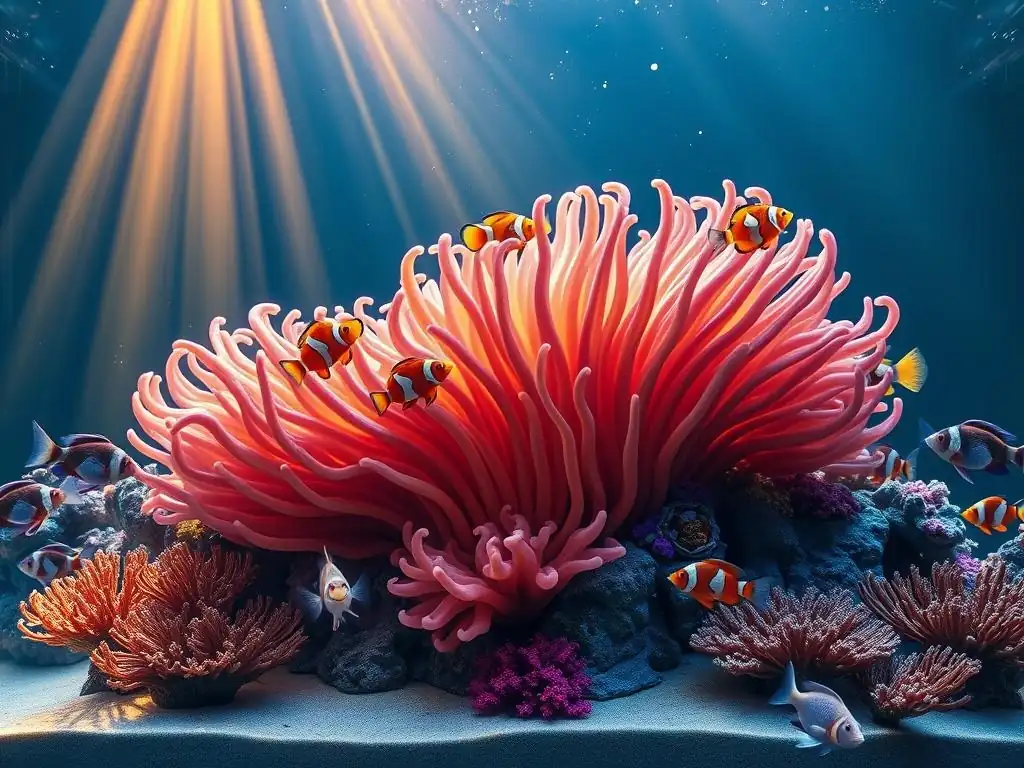
Intrigued by the vibrant dance between clownfish and anemones? Delve into our world of saltwater wonder, starting with a fascinating look at Snowflake and Phantom Clownfish morphs! Are these designer beauties the right fit for your reef tank? Discover everything you need to know about creating the perfect symbiotic haven in our comprehensive Clownfish Anemone Care Guide below. Get ready to unlock the secrets to a thriving underwater ecosystem!
- Understanding Designer Clownfish Morphs: Snowflake and Phantom Varieties
- Anemone Symbiosis: A Crucial Aspect of Clownfish Care
- Clownfish Anemone Care Guide: Essential Tips for a Thriving Ecosystem
- Tank Setup for Snowflake and Phantom Clownfish with Anemones
- Feeding Snowflake and Phantom Clownfish: Ensuring a Balanced Diet
- Potential Challenges and Considerations for Clownfish Anemone Care
- Maintaining a Healthy Clownfish-Anemone Ecosystem
- Are Snowflake and Phantom Clownfish with Anemones Right for You?
- Alternatives to Anemones for Clownfish: Providing Shelter and Security
- Conclusion: Thriving with Snowflake and Phantom Clownfish and Their Anemones
-
Frequently Asked Questions
- How do Snowflake and Phantom Clownfish differ from regular Clownfish?
- What type of anemone is best suited for Snowflake or Phantom Clownfish?
- Is the care for anemones hosting Snowflake or Phantom Clownfish different from other anemones?
- What water parameters are crucial for both Snowflake/Phantom Clownfish and their anemones?
- What are common challenges when keeping Clownfish with anemones, and how can I address them?
- Final Reflection: The Living Art of Reef Keeping
- Unveil Your Reef's Potential!
Understanding Designer Clownfish Morphs: Snowflake and Phantom Varieties
What are Snowflake Clownfish? A Detailed Look
Snowflake clownfish are a popular designer morph derived from the Ocellaris clownfish ( Amphiprion ocellaris). Their distinctive appearance comes from an expanded and irregular white banding pattern, often resembling snowflakes or intricate lace, which can cover a significant portion of their orange or black body. This unique coloration is a result of selective breeding within the aquarium hobby, making them highly sought after for their aesthetic appeal.
Genetically, the Snowflake trait is considered a co-dominant gene, meaning various expressions exist, from "standard" Snowflakes with distinct, broken bands to "Extreme Snowflakes" where the white covers almost the entire body, leaving only small patches of orange or black. Like their wild Ocellaris counterparts, they typically grow to about 3 to 4 inches (7-10 cm) in length and can live for 10 to 15 years or more in a well-maintained aquarium, making them a long-term commitment for those following a clownfish anemone care guide.
Exploring the Enigmatic Phantom Clownfish: Characteristics and Appearance
Phantom clownfish represent another captivating designer morph, often originating from Ocellaris or Percula clownfish lines. Their defining characteristic is a striking, almost entirely black body with significantly reduced or muted white bands, giving them a sleek, enigmatic appearance. Unlike the stark contrast of traditional clownfish, the Phantom morph aims for a more uniform dark coloration, with the white bands often appearing as subtle, ghost-like outlines or disappearing entirely with age.
These fish are usually born with more typical clownfish coloration and gradually develop their phantom appearance as they mature, sometimes taking several months to achieve their full dark pigmentation. Their size and general temperament are consistent with the base species, typically reaching 3 to 4 inches (7-10 cm). Despite their unique look, their fundamental care requirements, including the specifics outlined in a comprehensive clownfish anemone care guide, remain consistent with other clownfish varieties.
The Appeal of Designer Morphs: Aesthetics and Aquarium Trends
The allure of designer clownfish morphs like Snowflake and Phantom varieties lies primarily in their unique aesthetics and their ability to add a distinct visual flair to a reef aquarium. Hobbyists are increasingly drawn to these selectively bred fish that offer variations beyond the standard wild-type patterns, allowing for more personalized and visually striking aquatic displays. Their rarity and often higher price point also contribute to their desirability among dedicated aquarists.
These morphs tap into broader aquarium trends where selective breeding for unique traits, such as coloration, finnage, and pattern variations, is highly valued. A stunning pair of Snowflake or Phantom clownfish can become the undeniable centerpiece of a tank, drawing attention and admiration. For aquarists looking to create a truly unique and aesthetically pleasing setup, understanding the specific needs of these fish, as detailed in a thorough clownfish anemone care guide, becomes paramount.
Anemone Symbiosis: A Crucial Aspect of Clownfish Care
The Clownfish-Anemone Relationship: A Symbiotic Bond Explained
The relationship between clownfish and sea anemones is one of the most iconic examples of mutualistic symbiosis in the marine world. In this partnership, the clownfish gains protection from predators by hiding among the anemone's stinging tentacles, to which it is immune due to a special mucus layer on its skin. The clownfish also benefits from food scraps left by the anemone and may even use the anemone as a nesting site.
In return, the anemone is thought to benefit from the clownfish's presence through various means. The clownfish may clean the anemone, remove parasites, improve water circulation around its tentacles, and potentially deter predators like butterflyfish. While captive-bred clownfish do not require an anemone for survival, providing one allows them to exhibit their most natural behaviors and enhances the overall enrichment of their environment, making a detailed clownfish anemone care guide indispensable for this setup.
Choosing the Right Anemone for Snowflake and Phantom Clownfish
Selecting a healthy and compatible anemone species is a critical step for any aquarist planning to keep Snowflake or Phantom clownfish with a host. Not all anemones are suitable hosts for clownfish, and some species are significantly more challenging to care for than others. Researching the specific needs of potential anemone species before purchase is essential to ensure a successful and thriving symbiotic relationship.
Factors such as the anemone's adult size, its specific lighting and water flow requirements, and its compatibility with the chosen clownfish species must be carefully considered. A healthy anemone is vibrant in color, fully expanded, and firmly attached to the rockwork. Its long-term health is paramount, as a declining anemone can pose risks to the clownfish and the overall tank environment, underscoring the importance of a comprehensive clownfish anemone care guide.
Popular Anemone Species for Clownfish: Carpet, Bubble-Tip, and Sebae Anemones
Among the many anemone species, a few are particularly popular and well-suited for hosting clownfish, each with distinct care requirements. The Bubble-Tip Anemone ( Entacmaea quadricolor) is perhaps the most common and relatively hardy choice, recognizable by its bulbous tentacle tips (though these may not always be present). It can grow up to 12 inches (30 cm) in diameter and is a favored host for Ocellaris and Percula clownfish, including their designer morphs.
Carpet Anemones ( Stichodactyla species, such as S. haddoni or S. gigantea) are much larger and highly adhesive, capable of growing over 2 feet (60 cm) across. They host a wide variety of clownfish but require very large tanks and advanced care due to their aggressive feeding habits and sensitivity. Sebae Anemones ( Heteractis crispa) are beautiful with often purple tips, reaching up to 20 inches (50 cm), but are generally less hardy than bubble-tips and more prone to bleaching if water conditions are unstable, making a detailed clownfish anemone care guide crucial for these species.
Clownfish Anemone Care Guide: Essential Tips for a Thriving Ecosystem
Water Parameters for Optimal Anemone Health: Temperature, Salinity, and pH
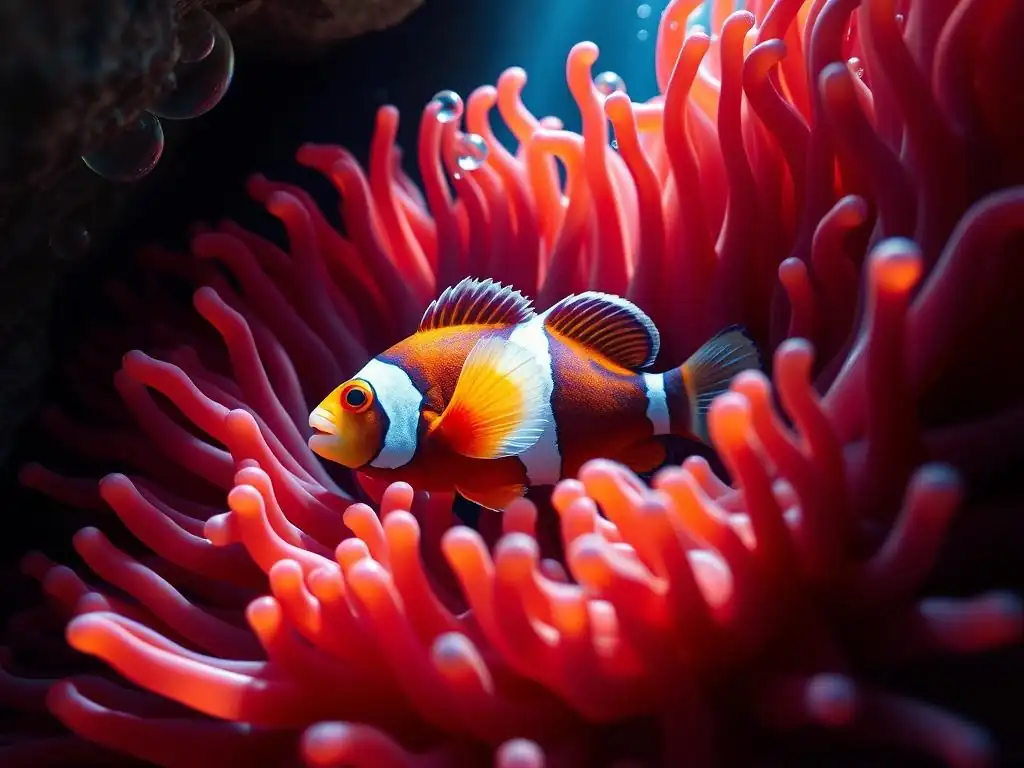
Maintaining stable and appropriate water parameters is the cornerstone of a successful clownfish anemone care guide. Anemones are highly sensitive to fluctuations, making consistency key. Ideal temperature ranges from 75-80°F (24-27°C). Salinity should be kept stable between 1.024 and 1.026 specific gravity, or 33-35 parts per thousand (ppt). The pH level should consistently remain within the range of 8.1 to 8.4.
Beyond these basic parameters, the stability of alkalinity, calcium, and magnesium is crucial for anemone skeletal health and overall vitality. Target alkalinity levels should be 8-12 dKH, calcium between 400-450 ppm, and magnesium between 1200-1350 ppm. Regular testing and supplementation, if necessary, are vital to prevent stress and ensure the long-term health of these delicate invertebrates, directly impacting the success of a clownfish anemone care guide.
Lighting Requirements for Anemones: Providing Adequate Illumination
Anemones, like corals, rely heavily on zooxanthellae (symbiotic algae) within their tissues for nutrition through photosynthesis. Therefore, providing adequate and appropriate lighting is a non-negotiable aspect of any clownfish anemone care guide. High-output T5 fluorescent lights, metal halides, or powerful LED fixtures are typically required to meet their photosynthetic needs, often necessitating PAR (Photosynthetically Active Radiation) values ranging from 200 to 400+ micromoles per square meter per second, depending on the species and its placement in the tank.
The light spectrum is also important, with a strong emphasis on blue and white light, mimicking natural reef conditions. A photoperiod of 10-12 hours per day is generally recommended. When introducing a new anemone or upgrading lighting, a gradual acclimation period is essential to prevent light shock, which can cause the anemone to bleach or retract. Proper lighting ensures the anemone can thrive, providing a healthy host for your Snowflake and Phantom clownfish.
Feeding Anemones: A Guide to Proper Nutrition and Diet
While anemones derive a significant portion of their energy from photosynthesis, supplemental feeding is often necessary, particularly for larger species or those that appear to be declining. Providing meaty foods directly to the anemone's oral disc helps meet its nutritional requirements and promotes vigorous growth. Suitable foods include small pieces of mysis shrimp, finely chopped silversides, krill, or high-quality marine pellets designed for invertebrates.
Feeding frequency typically ranges from once or twice a week for smaller anemones to more frequently for larger, more active feeders. The portion size should be small enough for the anemone to consume entirely within a few minutes, preventing uneaten food from decaying and negatively impacting water quality. Target feeding using a long pipette or tongs ensures the food reaches the anemone and minimizes waste, making this a crucial step in a comprehensive clownfish anemone care guide.
Tank Setup for Snowflake and Phantom Clownfish with Anemones
Tank Size Considerations: Providing Ample Space for Clownfish and Anemones
The size of the aquarium is a critical factor when setting up a tank for Snowflake or Phantom clownfish with an anemone. While a pair of Ocellaris-type clownfish can technically live in a 20-gallon tank, adding an anemone significantly increases the minimum recommended size. For a pair of designer clownfish with a Bubble-Tip Anemone, a minimum tank size of 30-40 gallons (approximately 113-151 liters) is often suggested, but a 50-gallon (189-liter) or larger tank is ideal for greater stability and long-term success.
Larger tanks offer several advantages: they provide a more stable environment less susceptible to rapid parameter swings, dilute waste products more effectively, and offer more swimming space for the clownfish. Crucially, they also accommodate the potential growth and movement of the anemone, which can sometimes relocate to find optimal conditions. Providing ample space is a fundamental aspect of a successful clownfish anemone care guide.
Substrate and Aquascaping: Creating a Natural and Functional Environment
The choice of substrate and the arrangement of rockwork (aquascaping) are vital for a thriving clownfish-anemone ecosystem. A live sand bed, typically 2-4 inches (5-10 cm) deep, provides beneficial biological filtration and a natural aesthetic. The aquascaping should incorporate plenty of stable live rock, creating caves, overhangs, and crevices that offer hiding spots and a sense of security for the clownfish.
When placing live rock, ensure there are ample secure locations for the anemone to attach its foot, as they prefer to anchor themselves firmly. It is also important to leave open areas on the sand bed and rockwork where the anemone can move if it chooses to find its preferred spot for lighting and flow. A well-designed aquascape enhances the visual appeal of the tank and contributes to the overall well-being and natural behavior of both the clownfish and the anemone.
Filtration and Water Quality: Maintaining a Pristine Aquarium
Maintaining pristine water quality is paramount for the health of both clownfish and anemones, making robust filtration a key component of any clownfish anemone care guide. A multi-faceted filtration system typically includes strong biological filtration, often provided by a substantial amount of live rock and a deep sand bed. Mechanical filtration, such as filter socks or sponges, should be used to remove particulate matter, though these require frequent cleaning or replacement to prevent nitrate buildup.
Chemical filtration, utilizing activated carbon to remove dissolved organics and GFO (granular ferric oxide) to control phosphates, is highly recommended. A high-quality protein skimmer, ideally oversized for the tank, is perhaps the most crucial piece of equipment for removing organic waste before it breaks down. Additionally, ensuring strong, yet not direct, water flow throughout the tank helps prevent detritus accumulation and delivers nutrients to the anemone, supporting a healthy ecosystem.
Feeding Snowflake and Phantom Clownfish: Ensuring a Balanced Diet
Nutritional Needs of Clownfish: Variety and Supplementation
Snowflake and Phantom clownfish, like other clownfish species, are omnivores that thrive on a varied and balanced diet. Their nutritional needs encompass both meaty and plant-based foods to ensure they receive all essential vitamins, minerals, and proteins. A diverse diet not only promotes vibrant coloration and active behavior but also significantly strengthens their immune system, making them more resilient to diseases.
Beyond basic foods, regular supplementation with vitamin-enriched formulas or fatty acid supplements is highly beneficial, especially for breeding pairs or fish that may appear stressed. These supplements can be soaked into frozen or dry foods before feeding. A comprehensive feeding strategy, as part of a detailed clownfish anemone care guide, contributes directly to the long-term health and vitality of your designer clownfish.
Recommended Clownfish Foods: Flakes, Pellets, and Frozen Options
A well-rounded diet for Snowflake and Phantom clownfish should include a mix of high-quality dry and frozen foods. Premium marine flakes and pellets, particularly those formulated for omnivorous marine fish and containing spirulina or marine algae, should form the staple of their diet. Look for brands with high protein content and natural ingredients.
For variety and to stimulate feeding responses, incorporate a range of frozen foods. Excellent choices include mysis shrimp, finely chopped krill, and various marine blends that often contain a mix of different seafoods and algae. Brine shrimp can be offered, though they are less nutritionally dense and are better used as an appetite stimulant or occasional treat. Offering these diverse options ensures your clownfish receive a broad spectrum of nutrients.
Feeding Frequency and Portion Control: Preventing Overfeeding
Establishing the correct feeding frequency and practicing portion control are crucial for maintaining optimal water quality and the health of both your clownfish and anemone. It is generally recommended to feed Snowflake and Phantom clownfish small amounts 2-3 times per day. This approach ensures they receive consistent nutrition without overwhelming the filtration system.
Overfeeding is a common pitfall in aquarium keeping, leading to excess nutrients in the water, which can fuel nuisance algae growth, contribute to high nitrate levels, and stress both fish and invertebrates. A good rule of thumb is to feed only what your clownfish can consume entirely within 1-2 minutes. Any uneaten food should be promptly removed from the tank to prevent decay, a simple yet critical step in effective clownfish anemone care.
Potential Challenges and Considerations for Clownfish Anemone Care
Anemone Acclimation: A Gradual Introduction to the Aquarium
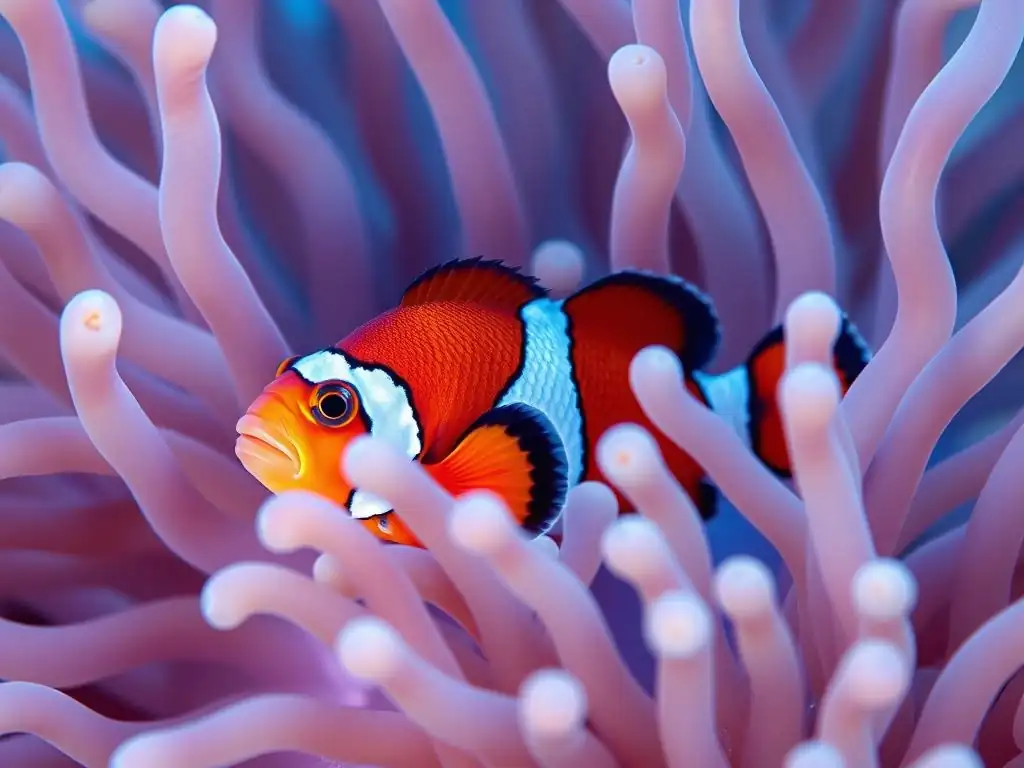
Acclimating a new anemone to your aquarium is a delicate process that requires patience and a gradual approach. Anemones are highly sensitive to sudden changes in water parameters, including temperature, salinity, and pH. Rapid acclimation can cause severe stress, leading to retraction, bleaching, or even death. Therefore, a slow drip acclimation method, typically over 1 to 2 hours, is strongly recommended to allow the anemone to slowly adjust to its new environment.
Once acclimated, gently place the anemone in a low-flow, moderate-light area of the tank, ideally on a rock or in a crevice where it can attach its foot firmly. Avoid touching the anemone's oral disc or tearing its foot, as this can cause significant damage. Allow the anemone to move and find its preferred spot for optimal light and flow; attempting to force its placement can be detrimental. This careful introduction is a critical component of successful clownfish anemone care.
Clownfish Hosting Behavior: Patience and Observation
One common expectation among aquarists is that their clownfish will immediately host in an introduced anemone. However, this is not always the case, especially with captive-bred Snowflake and Phantom clownfish, many of which have never encountered an anemone before. Some clownfish may host within minutes, others may take days, weeks, or even months, and a small percentage may never host at all.
Patience is key when observing clownfish hosting behavior. Avoid trying to force the clownfish into the anemone, as this can stress both animals. Techniques to encourage hosting include placing the clownfish near the anemone, placing a small mirror near the tank (which can trigger territorial behavior and prompt the clownfish to seek shelter), or simply providing a healthy, stable environment. The clownfish will host when it feels comfortable and ready, a natural process that requires understanding in any clownfish anemone care guide.
Common Anemone Diseases and Treatments: Recognizing and Addressing Issues
Anemones, while robust when thriving, can suffer from various issues often linked to environmental stress. Common signs of ill health include prolonged shrinking or retraction, loss of vibrant color (bleaching, indicating expulsion of zooxanthellae), refusal to open or extend tentacles, and a deflated or "melting" appearance. These symptoms often point to underlying problems with water quality, inadequate lighting, insufficient feeding, or rapid changes in parameters.
Treating anemone diseases directly can be challenging due to their sensitivity to many medications. The primary course of action should always be to identify and correct the underlying environmental issue. This involves thoroughly checking all water parameters (temperature, salinity, pH, alkalinity, calcium, magnesium, nitrates, phosphates), ensuring proper lighting and water flow, and offering appropriate food. Prevention through meticulous clownfish anemone care is by far the most effective strategy.
Maintaining a Healthy Clownfish-Anemone Ecosystem
Regular Water Changes: Diluting Nitrates and Replenishing Trace Elements
Regular water changes are fundamental to maintaining a healthy clownfish-anemone ecosystem and are a non-negotiable part of any clownfish anemone care guide. Performing weekly or bi-weekly water changes of 10-20% of the tank's volume using high-quality RO/DI (Reverse Osmosis/Deionized) water mixed with a reputable marine salt mix is highly recommended. This practice effectively removes accumulated nitrates, phosphates, and other pollutants that can be harmful to sensitive invertebrates like anemones.
Beyond pollutant removal, water changes are crucial for replenishing essential trace elements that are naturally consumed by corals, anemones, and other invertebrates. Elements such as iodine, strontium, molybdenum, and various vitamins are vital for their growth, coloration, and overall metabolic functions. Consistent water changes ensure a stable chemical environment, promoting long-term health for both your Snowflake/Phantom clownfish and their anemone host.
Monitoring Water Parameters: Ensuring Stability and Preventing Imbalances
Consistent monitoring of water parameters is paramount for the stability and success of a clownfish-anemone setup. Regular testing for ammonia, nitrite, nitrate, pH, salinity, alkalinity, calcium, and magnesium is essential. While ammonia and nitrite should always read zero in an established tank, nitrate levels should be kept as low as possible, ideally below 10 ppm for anemones.
The emphasis should be on maintaining stability rather than chasing exact numbers, as rapid fluctuations in parameters can be more detrimental to anemones than slightly off but consistent readings. Weekly testing of core parameters (salinity, pH, alkalinity) and bi-weekly or monthly testing for calcium, magnesium, and nitrates in established tanks provides a good routine. Any significant deviations should be addressed promptly and gradually, reinforcing the principles of a diligent clownfish anemone care guide.
Observing Clownfish and Anemone Behavior: Early Detection of Problems
Daily observation of your Snowflake and Phantom clownfish, as well as their anemone, is a simple yet incredibly effective practice for early detection of potential problems. Pay close attention to their behavior, feeding response, coloration, and physical appearance. For clownfish, look for active swimming, clear eyes, intact fins, and a strong appetite. For the anemone, observe its expansion, color vibrancy, tentacle extension, and a firm attachment to the rockwork.
Any changes from normal behavior, such as prolonged hiding, labored breathing, refusal to eat for clownfish, or a shrunken, bleached, or deflated appearance for the anemone, should prompt immediate investigation. Early detection allows for prompt intervention, whether it's a water parameter adjustment, a minor equipment fix, or a dietary change, preventing minor issues from escalating into major crises and ensuring the continued success of your clownfish anemone care guide.
Are Snowflake and Phantom Clownfish with Anemones Right for You?
Assessing Your Experience Level: Is This a Beginner or Advanced Setup?
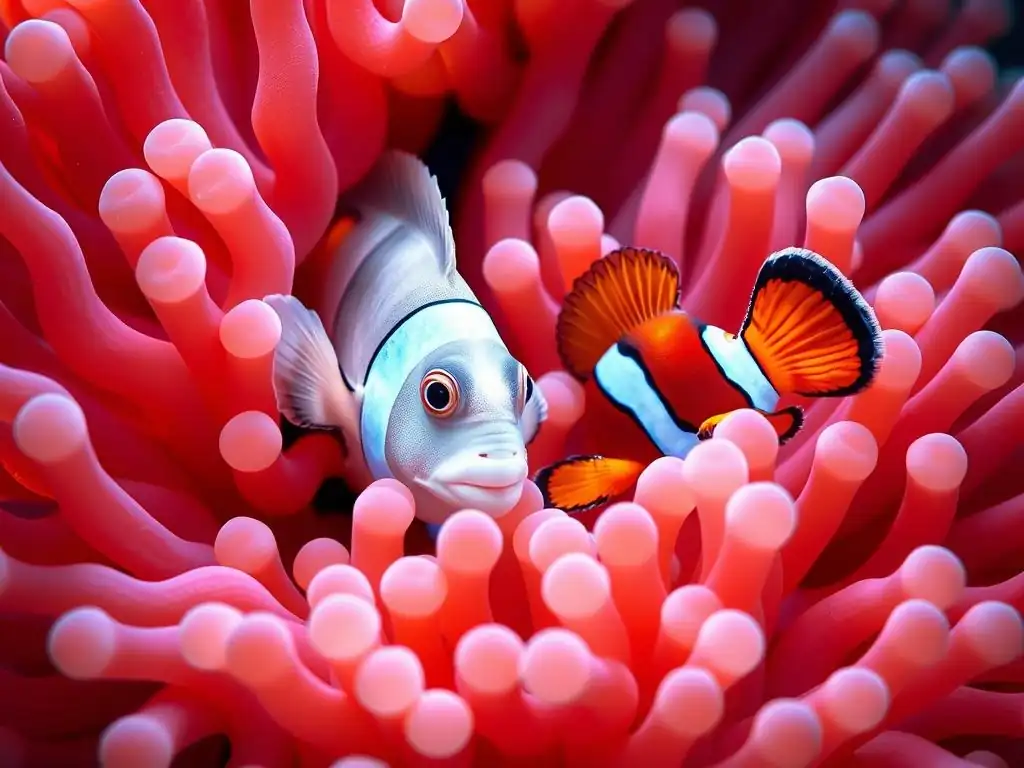
While clownfish are often recommended for beginner marine aquarists due to their hardiness, pairing them with a live anemone elevates the setup to an intermediate or even advanced level. Anemones are sensitive invertebrates with specific and demanding requirements for water quality, lighting, and feeding. They are not forgiving of neglect or unstable tank conditions.
Beginners are generally advised to gain solid experience with a fish-only or soft coral tank first, mastering water chemistry, filtration, and general marine husbandry before introducing a delicate and long-lived anemone. A successful clownfish-anemone setup requires a deeper understanding of reef tank dynamics, a commitment to consistent maintenance, and the ability to troubleshoot issues promptly, all integral to a comprehensive clownfish anemone care guide.
Budget Considerations: The Costs Associated with Clownfish and Anemone Care
Establishing and maintaining a clownfish-anemone aquarium involves a significant financial investment. The initial setup costs can range from $500 to $2000 or more for a quality tank, filtration system (protein skimmer, sumps), high-output lighting, heaters, and other essential equipment. Snowflake and Phantom clownfish themselves can range from $40 to $150+ per fish, depending on their morph expression and size.
The anemone itself represents another substantial cost, with popular species like Bubble-Tip Anemones typically ranging from $50 to $150, while larger or rarer species can command prices upwards of $300. Beyond initial purchases, ongoing costs include premium marine salt mix, RO/DI water, test kits, specialized foods for both fish and anemone, and electricity for running equipment. Understanding these financial commitments is a crucial part of preparing for a successful clownfish anemone care guide.
Dedication and Commitment: The Time and Effort Required for Success
A thriving clownfish-anemone ecosystem is not a "set it and forget it" endeavor; it requires significant dedication and consistent effort. Daily tasks include observing the fish and anemone for any signs of stress or illness, and feeding them. Weekly commitments involve testing water parameters and performing water changes to maintain pristine conditions. Bi-weekly or monthly tasks include cleaning equipment like protein skimmers and filter socks.
Patience is also a virtue, especially when waiting for a clownfish to host in its anemone or when dealing with the slow recovery of a stressed anemone. The success of this type of setup is a direct reflection of the aquarist's commitment to regular maintenance, diligent monitoring, and a willingness to learn and adapt. Embracing this level of dedication is essential for anyone embarking on a detailed clownfish anemone care guide.
Alternatives to Anemones for Clownfish: Providing Shelter and Security
Soft Corals as Hosts: A Suitable Alternative for Some Clownfish
For aquarists who desire to observe hosting behavior but are hesitant about the demanding care of a live anemone, certain soft corals can sometimes serve as surrogate hosts for clownfish. Species such as Duncan corals ( Duncanopsammia axifuga), Torch corals ( Euphyllia glabrescens), Hammer corals ( Euphyllia ancora), Frogspawn corals ( Euphyllia divisa), and even Xenia ( Xenia spp.) have been observed to host clownfish.
It's important to note that this is not a true symbiotic relationship like that with an anemone, and the coral may become irritated, retract, or even be damaged by the clownfish's constant rubbing. While some clownfish will readily "host" in these corals, others may ignore them. This option can be a compromise for those who want to see hosting behavior without the intense commitment of a traditional anemone, though it still requires careful monitoring of the coral's health.
Artificial Anemones and Caves: Providing Shelter Without the Demands of Live Anemones
Another viable alternative for providing shelter and security for Snowflake and Phantom clownfish, particularly for those who cannot commit to the complex requirements of a live anemone, is the use of artificial anemones or various rock caves and structures. High-quality artificial anemones are designed to mimic the appearance and texture of live anemones, offering a visual substitute.
Beyond artificial hosts, simply providing ample rockwork with numerous caves, overhangs, and crevices within the aquascape can offer sufficient hiding spots. Clownfish naturally seek secure places to retreat and rest, reducing their stress levels. While these alternatives do not replicate the true symbiotic experience, they effectively fulfill the clownfish's need for a secure territory and a safe haven, allowing them to thrive even without a traditional host.
The Importance of Providing a Secure Environment for Clownfish
Regardless of whether a live anemone, a surrogate coral, or an artificial alternative is chosen, the fundamental importance of providing a secure and defined territory for clownfish cannot be overstated. Clownfish are inherently territorial and thrive when they have a specific spot to call their own, where they can retreat from perceived threats or rest.
A well-aquascaped tank with plenty of hiding spots reduces stress, minimizes potential aggression from tank mates, and allows the clownfish to exhibit more natural behaviors. This sense of security contributes significantly to their overall health, vitality, and longevity in the home aquarium. Ensuring a safe environment is a crucial, often overlooked, aspect of any clownfish anemone care guide, even if an actual anemone isn't present.
Conclusion: Thriving with Snowflake and Phantom Clownfish and Their Anemones
Snowflake and Phantom clownfish, with their captivating designer morphs, offer a unique visual appeal for marine aquarists. When paired with a live anemone, they create one of the most iconic and rewarding symbiotic displays in the hobby. However, achieving and maintaining a thriving clownfish-anemone ecosystem requires a deep understanding of marine husbandry, meticulous attention to detail, and a significant commitment of time and resources.
From precisely controlling water parameters and providing strong, appropriate lighting to ensuring a balanced diet for both the fish and their host, every aspect of a detailed clownfish anemone care guide is crucial. While challenges such as anemone acclimation and encouraging hosting behavior may arise, the dedication invested culminates in a vibrant, natural, and incredibly engaging slice of the marine world right in your home. For the prepared and passionate aquarist, the journey of caring for Snowflake and Phantom clownfish and their anemones is an immensely gratifying experience.
Frequently Asked Questions
How do Snowflake and Phantom Clownfish differ from regular Clownfish?
Snowflake and Phantom Clownfish are designer morphs bred for unique patterns. They exhibit different colorations and markings compared to standard Clownfish, often fetching a higher price due to their rarity and aesthetic appeal.
What type of anemone is best suited for Snowflake or Phantom Clownfish?
While not all Clownfish require anemones, if you want them to host, consider host anemones such as Entacmaea quadricolor (Bubble Tip Anemone). Ensure the anemone is healthy and well-established before introducing the clownfish.
Is the care for anemones hosting Snowflake or Phantom Clownfish different from other anemones?
No, the care requirements for the anemone itself remain the same, regardless of which Clownfish species is hosting it. Focus on providing proper lighting, water parameters, and feeding for the anemone's well-being.
What water parameters are crucial for both Snowflake/Phantom Clownfish and their anemones?
Maintaining stable water parameters is critical. Keep salinity, temperature, pH, ammonia, nitrite, and nitrate levels within the recommended ranges for both clownfish and their anemone species. Regular testing is essential.
What are common challenges when keeping Clownfish with anemones, and how can I address them?
Clownfish may not immediately host an anemone, or the anemone might move around the tank. Ensure the tank is appropriately sized, with good water flow, and offer the anemone in a suitable location. Patience is key!
Okay, here's a final reflection designed to close your article "Snowflake & Phantom Clownfish: Are These Designer Morphs & Their Anemones for You? ", optimized for the keyword "Clownfish anemone care guide" and following the structure you provided:
Final Reflection: The Living Art of Reef Keeping
The journey into the world of designer clownfish and their anemone hosts, as we've explored, is more than just a hobby; it's an immersion into a vibrant, living ecosystem. Understanding the intricacies of clownfish anemone care is paramount, not just for the survival of these fascinating creatures, but for the ethical responsibility we bear as stewards of these miniature reefs. The beauty of a Snowflake Clownfish nestled in its host anemone is undeniable, but that beauty demands knowledge, dedication, and a commitment to providing the optimal environment.
The allure of these designer morphs and their symbiotic relationships continues to captivate aquarists, driving innovation and pushing the boundaries of what's possible in home reef aquariums. However, this fascination must be tempered with a deep respect for the delicate balance of nature and a willingness to prioritize the well-being of these animals. In the end, we will conserve only what we love; we will love only what we understand; and we will understand only what we are taught.
- Baba Dioum. This quote underscores the importance of education and responsible practices in ensuring the future of these captivating creatures.
Now, as you contemplate the possibility of adding a Snowflake or Phantom Clownfish and its anemone to your own aquarium, I urge you to reflect on the commitment required. Are you prepared to dedicate the time, resources, and ongoing learning necessary to provide the best possible care? The reward is a breathtaking glimpse into the wonders of the ocean, but the responsibility is significant.
Embrace the challenge, educate yourself thoroughly, and become a champion for these incredible animals. Your dedication will not only enrich your own life but will also contribute to the long-term health and sustainability of the reef ecosystem.
Unveil Your Reef's Potential!
Thank you for diving deep into the world of Snowflake and Phantom Clownfish! We hope you’ve gained valuable insights into these captivating morphs and their anemone companions. Now, it’s time to bring that knowledge to life!
Here's how you can take the next step:
- Start Planning Your Dream Reef Tank: Begin by researching compatible tank mates and ideal tank conditions to create the perfect habitat for your future clownfish and anemones.
- Explore local aquarium clubs and forums to connect with experienced reef keepers and share your plans. Getting feedback and advice from the community is invaluable!
- Consider an unexpected experiment: Try designing a custom aquascape based on the natural habitats of these clownfish and anemones, using unique rock formations and coral placements.
What intriguing combinations of clownfish and anemones are you considering for your own reef adventure? Share your thoughts in the comments below!