
Aquarium Plants for Tiger Barbs: Beautifying Your Tank Without Tempting Nibblers

Welcome to Aquarium Mastery!
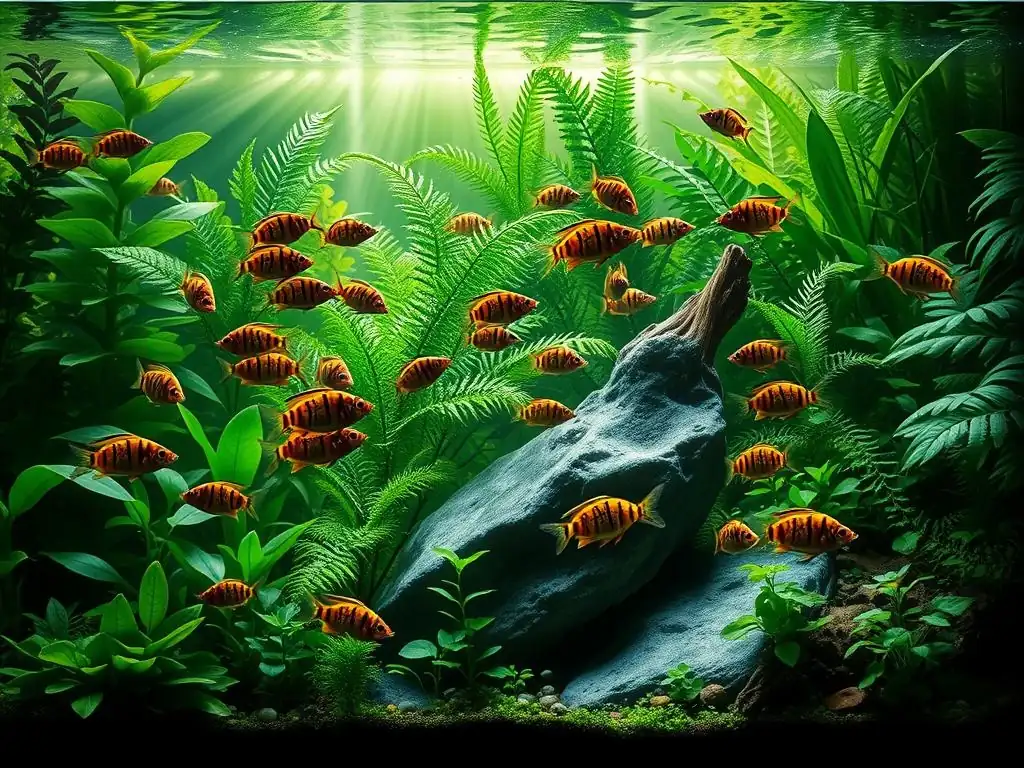
Ever wondered if you could really have a thriving planted aquarium with those famously fin-nipping tiger barbs? It's a challenge, but certainly not impossible! Dive into our latest article, " Aquarium Plants for Tiger Barbs: Beautifying Your Tank Without Tempting Nibblers," to discover the secrets to creating a stunning, lush environment that even these playful fish won't destroy. Ready to unlock the secrets of successful tiger barbs aquarium plant care? Let's get started!
- Aquarium Plants for Tiger Barbs: Beautifying Your Tank
- Understanding Tiger Barb Behavior and Plant Selection
-
Top Aquarium Plant Choices for Tiger Barb Tanks: A Detailed Look
- Anubias Species: Hardy and Unappetizing to Tiger Barbs
- Java Fern: A Resilient Plant That Tiger Barbs Generally Ignore
- Vallisneria: A Fast-Growing Option for a Natural Look
- Amazon Sword: A Larger Plant That Can Withstand Some Grazing
- Cryptocoryne: A Versatile and Relatively Unattractive Plant for Tiger Barbs
- Plants to Avoid with Tiger Barbs: Protecting Your Investment
- Setting Up Your Tiger Barb Planted Tank: A Step-by-Step Guide
- Tips for Maintaining a Beautiful Planted Tank with Tiger Barbs
- Troubleshooting Common Plant Problems in Tiger Barb Tanks
- Creating a Harmonious Planted Aquarium with Tiger Barbs: Conclusion
-
Frequently Asked Questions
- How do I choose aquarium plants that can withstand Tiger Barbs?
- What kind of lighting is best for aquarium plants in a Tiger Barb tank?
- How should I anchor plants to prevent Tiger Barbs from uprooting them?
- Are there any specific aquarium plants I should avoid when keeping Tiger Barbs?
- What water parameters are most important for plant health in a Tiger Barb aquarium?
- Final Reflection: Cultivating Harmony in the Aquatic Realm
- Unleash Your Inner Aquascaper!
Aquarium Plants for Tiger Barbs: Beautifying Your Tank
Understanding Tiger Barb Behavior and Plant Selection
Why Choosing the Right Aquarium Plants for Tiger Barbs Matters
Selecting appropriate aquarium plants for a tank housing Tiger Barbs is paramount for both aesthetic appeal and the long-term health of your aquatic ecosystem. Tiger Barbs ( Puntigrus tetrazona) are renowned for their energetic, fin-nipping behavior, which, while primarily directed at other fish, can extend to delicate plant foliage. Introducing unsuitable plant species can lead to shredded leaves, uprooted specimens, and a perpetually messy tank, undermining the visual harmony you aim to achieve and potentially wasting significant investment in flora.
Furthermore, damaged plants can decompose, contributing to poor water quality by releasing organic waste, which can spike ammonia and nitrite levels. This not only stresses the Tiger Barbs but also creates an environment conducive to algae blooms and bacterial issues. Therefore, mastering Tiger barbs aquarium plant care begins with a proactive approach to plant selection, focusing on species that can withstand their boisterous nature while still providing the ecological benefits of live plants, such as oxygenation and nitrate absorption.
Tiger Barbs' Natural Tendencies: What to Expect with Plants
Tiger Barbs are active, schooling cyprinids originating from Southeast Asian waters, often found in clear, slow-moving streams and tributaries with dense vegetation. While they are omnivores, their diet in the wild consists largely of small invertebrates and detritus. In an aquarium, their tendency to "nip" is more a characteristic of their exploratory and sometimes territorial nature rather than a primary dietary need for plant matter. However, bored or underfed Tiger Barbs might occasionally sample plant leaves out of curiosity or a desire for roughage.
Their constant activity means that plants with weak root systems or very fragile leaves are particularly vulnerable. A school of six to ten Tiger Barbs, for instance, can quickly decimate soft-leaved stem plants within a few days, turning a lush aquascape into a barren landscape. Understanding this inherent behavior is crucial for effective Tiger barbs aquarium plant care, guiding aquarists towards robust plant species that can either deter their interest or recover quickly from minor interactions.
Key Considerations for Plant Selection in a Tiger Barb Tank
When curating plants for a Tiger Barb aquarium, several key factors should influence your choices to ensure both plant survival and tank aesthetics. Firstly, hardiness and leaf texture are critical; plants with tough, leathery, or fibrous leaves are generally less appealing and more resilient to nipping. Soft, fleshy leaves are often the first target, as they are easier for the fish to tear.
Secondly, consider the growth rate and propagation method of the plant. Fast-growing plants can often outpace minor damage, while plants that propagate via runners or rhizomes are less likely to be completely uprooted. Lastly, ensure the plant's water parameter requirements align with those preferred by Tiger Barbs (typically pH 6.0-7.5, temperature 74-80°F or 23-27°C) and the lighting conditions you can provide. Opting for low-to-moderate light plants often simplifies overall Tiger barbs aquarium plant care.
Top Aquarium Plant Choices for Tiger Barb Tanks: A Detailed Look
Anubias Species: Hardy and Unappetizing to Tiger Barbs
Anubias species are arguably the most recommended plants for tanks housing active or semi-aggressive fish like Tiger Barbs, primarily due to their exceptionally tough, leathery leaves. These leaves are not only difficult for fish to damage but also possess a bitter taste that generally deters grazing. Their slow growth rate means they don't require frequent pruning, making them a low-maintenance option for aquarists seeking durable flora.
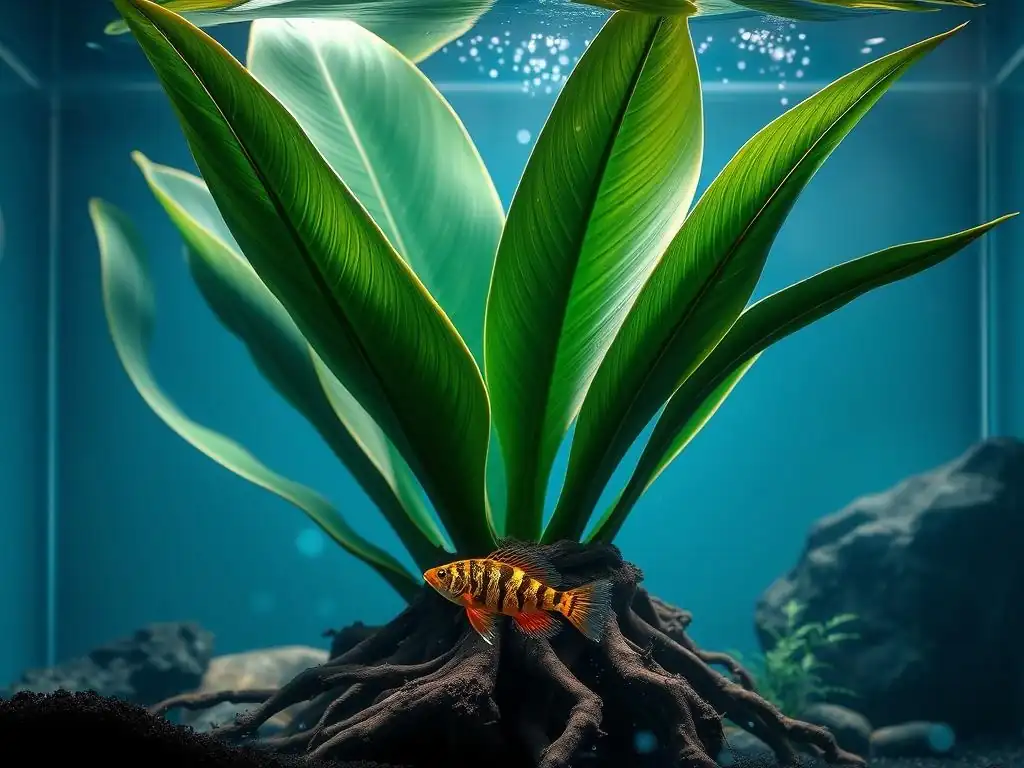
A key characteristic of Anubias is its rhizome, a thick horizontal stem from which roots and leaves sprout. This plant is an epiphyte, meaning it thrives when attached to hardscape elements like driftwood or rocks, rather than being buried in the substrate. This attachment method prevents the plant from being easily uprooted by energetic fish, further solidifying its reputation as a cornerstone of successful Tiger barbs aquarium plant care.
Anubias Varieties Ideal for Tiger Barb Tanks
- Anubias barteri var. nana: This is perhaps the most popular and widely available Anubias. It's compact, reaching only about 2-4 inches (5-10 cm) in height, making it excellent for foreground or midground placement. Its small, dark green leaves are incredibly tough.
- Anubias coffeefolia: Distinguished by its unique, textured leaves that resemble coffee beans, this variety offers a different visual appeal. It grows slightly larger than Anubias nana, typically 4-6 inches (10-15 cm) tall, and its robustness is equally impressive.
- Anubias hastifolia: A larger variety, A. hastifolia can reach heights of 12-20 inches (30-50 cm), making it suitable for background or centerpiece placement in larger tanks. Its arrow-shaped leaves are very sturdy and withstand challenging conditions.
Planting and Caring for Anubias in a Tiger Barb Aquarium
When planting Anubias, it is crucial not to bury the rhizome in the substrate, as this will cause it to rot and the plant to die. Instead, gently attach the plant to a piece of driftwood or rock using fishing line, cotton thread, or even a small dab of cyanoacrylate (super glue) gel. The roots will eventually anchor themselves to the surface.
Anubias thrives in low to moderate lighting conditions, with too much light potentially leading to algae growth on its slow-growing leaves. While it can draw some nutrients from the water column, it benefits from occasional liquid fertilizers, particularly those rich in iron. Stable water parameters are preferred, and regular water changes help maintain a healthy environment for its slow but steady growth, contributing positively to overall Tiger barbs aquarium plant care.
Java Fern: A Resilient Plant That Tiger Barbs Generally Ignore
Java Fern ( Microsorum pteropus) is another highly recommended plant for Tiger Barb aquariums, celebrated for its resilience and unique texture that typically discourages fish from prolonged nipping. Its stiff, somewhat coarse leaves are not palatable, making it an excellent choice for active community tanks. This plant is also an epiphyte, attaching itself to hardscape, which prevents it from being dislodged by curious fish.
One of Java Fern's most appealing characteristics is its adaptability to a wide range of water parameters and lighting conditions, from low to moderate. It's a relatively slow-to-moderate grower but can propagate readily by forming new plantlets on its mature leaves or rhizome, allowing it to gradually spread and create a natural, lush appearance in the tank. Its robust nature makes it a cornerstone for efficient Tiger barbs aquarium plant care.
Different Types of Java Fern and Their Suitability
- Standard Java Fern: The most common form, featuring broad, dark green leaves that can grow up to 8-12 inches (20-30 cm) long. Provides excellent cover and a naturalistic feel.
- Narrow Leaf Java Fern: As its name suggests, this variety has thinner, more elongated leaves than the standard type, offering a finer texture. It's equally hardy and suitable for the midground.
- Windelov (Lace) Java Fern: This distinctive variety features finely branched, "lacy" tips on its leaves, adding intricate detail to the aquascape. It typically stays smaller, around 4-6 inches (10-15 cm), ideal for foreground or midground.
- Trident Java Fern: Characterized by its three-pronged leaf tips, giving it a unique, somewhat spiky appearance. It's very hardy and provides a different textural element.
Java Fern Care Tips for a Thriving Aquarium
Similar to Anubias, Java Fern should not have its rhizome buried in the substrate. Instead, attach it to driftwood, rocks, or even decor using fishing line, cotton thread, or aquarium-safe glue. It will eventually anchor itself firmly. The plant thrives in low to moderate lighting, and excessive light can sometimes lead to black spot algae on its leaves.
Java Fern primarily absorbs nutrients from the water column, so it benefits from a good quality liquid fertilizer, particularly one rich in potassium and micronutrients. Consistent water changes are also beneficial for nutrient replenishment. Maintaining stable water parameters (pH 6.0-7.5, temperature 68-82°F or 20-28°C) will ensure healthy growth and contribute significantly to effective Tiger barbs aquarium plant care.
Vallisneria: A Fast-Growing Option for a Natural Look
Vallisneria, commonly known as "Val," is an excellent choice for the background of a Tiger Barb tank, offering height, natural beauty, and effective nitrate absorption. Its long, ribbon-like leaves, while not as tough as Anubias or Java Fern, are generally too thin and numerous to be a primary target for significant nipping. Furthermore, Vallisneria's rapid growth rate allows it to quickly recover from any minor damage, ensuring your tank maintains its lush appearance.
This plant propagates vigorously through runners, quickly forming dense stands that provide excellent hiding spots and a sense of security for your Tiger Barbs. Its ability to create a "forest" effect makes it ideal for mimicking the natural habitat of many fish species, enhancing the overall well-being of the inhabitants. Its ease of propagation contributes to simple Tiger barbs aquarium plant care.
Vallisneria Varieties for Tiger Barb Aquariums
- Jungle Vallisneria (Vallisneria americana): The largest and most common variety, with leaves that can reach 20-24 inches (50-60 cm) or more, making it perfect for tall tanks and background planting. Its broad leaves create a strong vertical accent.
- Corkscrew Vallisneria (Vallisneria spiralis): Features distinctively twisted or "corkscrew" leaves, adding a unique texture to the aquascape. It typically grows to a more manageable height of 8-16 inches (20-40 cm), suitable for midground or smaller tanks.
- Dwarf Sagittaria (Sagittaria subulata): While not technically a Vallisneria, Dwarf Sagittaria is often used in a similar fashion for foreground or midground planting due to its grass-like appearance and runner propagation. It reaches only 2-6 inches (5-15 cm) and is generally ignored by Tiger Barbs.
Managing Vallisneria Growth in a Tiger Barb Tank
Vallisneria species are rooted plants that thrive in a nutrient-rich substrate, benefiting greatly from root tabs placed near their base. They prefer moderate lighting, though they can tolerate lower light levels, albeit with slower growth. When planting, ensure the crown (where leaves meet roots) is at or just above the substrate level.
Due to their vigorous growth and runner production, Vallisneria can quickly take over a tank if not managed. Regular pruning of older, yellowing leaves at the base is recommended to maintain tidiness and encourage new growth. Runners can be left to establish new plants or trimmed if you wish to control their spread, making it a dynamic aspect of Tiger barbs aquarium plant care.
Amazon Sword: A Larger Plant That Can Withstand Some Grazing
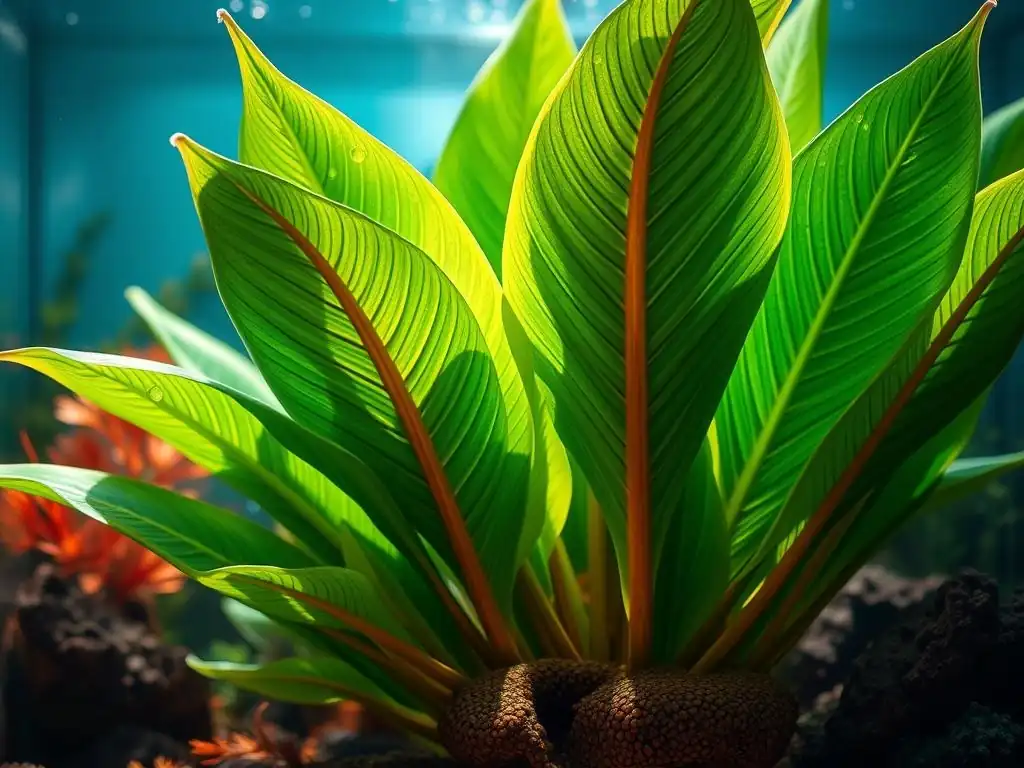
The Amazon Sword ( Echinodorus amazonicus or Echinodorus bleheri) is a classic and robust aquarium plant that can serve as an impressive centerpiece or a dense background element in larger Tiger Barb tanks. Its broad, sturdy leaves are generally tough enough to withstand casual exploratory nips from Tiger Barbs, especially once the plant is well-established. While not completely immune, significant damage is rare compared to more delicate species.
These plants are heavy root feeders, developing an extensive root system that firmly anchors them in the substrate, making them resistant to uprooting by active fish. Their large size also contributes to their resilience, as a few nips on a large leaf are less impactful than on a small, fragile one.
Choosing the Right Amazon Sword Size for Your Tank
Amazon Swords vary significantly in size, making selection dependent on your tank dimensions. For tanks between 20-40 gallons (75-150 liters), smaller varieties like Echinodorus parviflorus (Black Amazon Sword) or young E. amazonicus specimens are suitable, typically reaching 8-12 inches (20-30 cm) in height. For larger tanks, 50 gallons (190 liters) and above, the standard Amazon Sword can grow to an impressive 12-20 inches (30-50 cm) tall and wide, providing substantial cover and a dramatic focal point.
It's important to research the mature size of the specific Amazon Sword variety before purchase to ensure it won't outgrow your aquarium, which is a key aspect of long-term Tiger barbs aquarium plant care.
Amazon Sword Care and Maintenance in a Tiger Barb Setup
Amazon Swords are heavy feeders and absolutely thrive when provided with a nutrient-rich substrate or regular root tabs. Without adequate substrate nutrition, their leaves can become yellow or develop holes, indicating iron or potassium deficiencies. They prefer moderate to high lighting to maintain vigorous growth and vibrant green coloration.
Regular fertilization, particularly with iron supplements, is beneficial. While generally hardy, occasional pruning of older, yellowing, or damaged leaves at the base will encourage new growth. Ensuring stable water parameters (pH 6.5-7.5, temperature 72-82°F or 22-28°C) and consistent water changes will further support a thriving Amazon Sword, contributing to a robust environment for your Tiger Barbs.
Cryptocoryne: A Versatile and Relatively Unattractive Plant for Tiger Barbs
Cryptocoryne species, often simply called "Crypts," are a diverse group of rooted plants that are generally excellent choices for Tiger Barb tanks. Many Crypts have relatively tough, leathery leaves and a somewhat bitter taste that makes them unappealing to most fish, including the curious Tiger Barb. Their varying sizes and leaf shapes allow for versatile placement in the foreground, midground, or even background of an aquascape.
While Crypts are known for a phenomenon called "Crypt melt" – where they may lose all their leaves when introduced to a new environment or subjected to drastic parameter changes – they typically recover with strong root systems. This initial melt is a temporary setback, and once established, they are incredibly stable and low-maintenance, making them a wise long-term investment for Tiger barbs aquarium plant care.
Cryptocoryne Species Suited for Tiger Barb Environments
- Cryptocoryne wendtii: This is one of the most popular and adaptable Crypts, available in various color forms like 'Green', 'Red', 'Brown', and 'Bronze'. It typically grows 4-8 inches (10-20 cm) tall, making it ideal for midground planting. Its leaves are robust and rarely bothered by fish.
- Cryptocoryne undulata: Features wavy, often reddish-brown leaves, offering a unique texture. It grows to a similar size as C. wendtii and shares its hardiness, making it a visually interesting and resilient option.
- Cryptocoryne beckettii: Similar in size and shape to C. wendtii, often with slightly narrower leaves that can range from green to a reddish-brown. It's equally hardy and adaptable.
- Cryptocoryne parva: A very small Crypt, growing only 1-2 inches (2-5 cm) tall. It makes an excellent foreground carpet if provided with strong lighting, though its small size might make it slightly more vulnerable to very persistent nippers, it's generally ignored due to its tough texture.
Planting and Maintaining Cryptocoryne in a Community Tank with Tiger Barbs
Cryptocoryne plants are heavy root feeders and require a nutrient-rich substrate or the regular addition of root tabs to thrive. When planting, gently bury the roots and the base of the plant into the substrate, ensuring the crown is not too deep. They prefer stable water conditions and moderate lighting.
Once established, Crypts are relatively slow growers and do not require frequent pruning. They absorb nutrients primarily from the substrate, so liquid fertilizers are less critical but can be supplementary. The most important aspect of Tiger barbs aquarium plant care for Crypts is to avoid sudden changes in water parameters, as this can trigger the aforementioned "Crypt melt." Consistent water changes and stable temperatures (72-80°F or 22-27°C) will help them flourish.
Plants to Avoid with Tiger Barbs: Protecting Your Investment
Plants That Are Easily Eaten or Damaged by Tiger Barbs
When planning your Tiger Barb aquarium, it's equally important to know which plants to avoid, as many popular and beautiful aquatic species are simply too delicate for these active fish. Soft-leaved stem plants are particularly vulnerable. Examples include:
- Cabomba spp.: These plants have very fine, feathery leaves that are easily shredded and can quickly disintegrate into tank debris.
- Rotala spp. (e.g., Rotala rotundifolia, Rotala macrandra): While beautiful, their tender leaves and stems are prime targets for nipping, leading to stunted or damaged growth.
- Moneywort (Bacopa monnieri): Its relatively soft leaves can be easily bruised or torn.
- Hornwort (Ceratophyllum demersum): Though fast-growing, its needles are brittle and can break off easily, creating a mess and potentially clogging filters.
- Some Ludwigia species: Many Ludwigia varieties have tender leaves that are prone to damage.
- Floating plants like Duckweed or Frogbit: While some aquarists attempt these, Tiger Barbs are known to shred them, leading to filter clogs and a messy surface. Larger floaters might fare slightly better but are still at risk.
These plants, while appealing, often lead to frustration and wasted effort in a Tiger Barb tank. Their rapid destruction undermines the goal of a lush, stable planted environment, making careful selection a cornerstone of successful Tiger barbs aquarium plant care.
Strategies for Introducing More Delicate Plants (If Necessary)
While generally advisable to avoid delicate plants, there might be specific aesthetic goals that tempt an aquarist to try. If you absolutely must introduce more fragile species, certain strategies can increase their chances of survival:
- High-Density Planting: Planting a very dense bush of delicate plants can sometimes overwhelm the Tiger Barbs' nipping efforts, as there are simply too many leaves to damage effectively. This provides a "safety in numbers" effect.
- Provide Alternative Food Sources: Ensure your Tiger Barbs are consistently well-fed with a varied diet, including high-quality flakes or pellets, frozen foods (like bloodworms or brine shrimp), and some blanched vegetables (e.g., zucchini, spirulina flakes). A well-fed fish is less likely to graze out of hunger or boredom.
- Larger Tank Size: In very large aquariums (e.g., 75 gallons or more), the sheer volume and space might diffuse the Tiger Barbs' attention, allowing delicate plants in certain areas to thrive with less direct interaction.
- Strategic Placement and Hardscape Barriers: Position delicate plants behind robust hardscape elements like large rocks or driftwood, creating physical barriers that make it harder for Tiger Barbs to access them directly. This can offer a degree of protection.
- Observe and Adapt: Closely monitor your Tiger Barbs' behavior towards any new, delicate plants. If significant damage occurs within the first few days, it's often best to remove the plant to prevent further stress to the tank environment and to protect your investment.
Setting Up Your Tiger Barb Planted Tank: A Step-by-Step Guide
Substrate and Lighting Considerations for Plant Growth
The foundation of a thriving planted tank for Tiger Barbs begins with the right substrate and appropriate lighting. For rooted plants like Amazon Swords, Cryptocorynes, and Vallisneria, a nutrient-rich substrate is highly recommended. This can be a specialized planted tank substrate, or a layer of inert gravel topped with a nutrient-rich soil layer (capped with more gravel).
A minimum substrate depth of 2-3 inches (5-7.5 cm) is ideal to allow for robust root development and the successful propagation of runner plants. For epiphytic plants like Anubias and Java Fern, inert gravel is perfectly fine, as they draw nutrients from the water column and primarily attach to hardscape.
Regarding lighting, moderate intensity is generally sufficient for the hardy plants recommended for Tiger Barb tanks. An LED lighting system with adjustable intensity and spectrum is ideal, allowing you to fine-tune the light to your plants' needs without promoting excessive algae growth. A photoperiod of 8-10 hours per day is typical. Too much light can lead to rampant algae, while too little will stunt plant growth, impacting overall Tiger barbs aquarium plant care.
Proper Planting Techniques to Protect Roots
Correct planting techniques are crucial for plant survival and long-term health, especially in an active tank. For epiphytic plants (Anubias, Java Fern), never bury the rhizome in the substrate, as this will lead to rot. Instead, gently attach them to driftwood or rocks using cotton thread or aquarium-safe super glue gel. The roots will eventually adhere to the surface.
For rooted plants (Amazon Sword, Cryptocoryne, Vallisneria), create a small hole in the substrate, gently spread the roots, and then carefully cover them, ensuring the crown (where the leaves meet the roots) is at or just above the substrate line. Avoid burying the crown too deeply. For stem plants (if you choose to attempt them), trim the bottom few leaves, and plant the stem firmly into the substrate in small bunches of 2-3 stems. Precision in planting helps prevent uprooting by curious Tiger Barbs and ensures optimal growth, vital for successful Tiger barbs aquarium plant care.
Fertilization and Water Parameter Management for a Healthy Planted Tank
To ensure your plants flourish, a balanced approach to fertilization and water parameter management is essential. Fertilization strategies depend on the plant type:
- Root feeders (Amazon Sword, Cryptocoryne, Vallisneria) benefit immensely from root tabs inserted into the substrate near their root zones, providing essential nutrients like iron, potassium, and trace elements.
- Water column feeders (Anubias, Java Fern) primarily absorb nutrients directly from the water, so a good quality liquid fertilizer containing macro (nitrogen, phosphorus, potassium) and micro (iron, manganese, boron, zinc) nutrients should be dosed regularly according to the product's instructions.
Maintaining stable water parameters is equally important for both plants and Tiger Barbs. Aim for a pH between 6.0-7.5 and a temperature range of 74-80°F (23-27°C). Regular weekly water changes of 25-30% are crucial, as they replenish essential trace elements used by plants and remove accumulated nitrates, which, while absorbed by plants, can become excessive. Consistent water quality is paramount for effective Tiger barbs aquarium plant care.
Tips for Maintaining a Beautiful Planted Tank with Tiger Barbs
Regular Pruning and Cleaning
Maintaining a beautiful planted tank with active Tiger Barbs requires consistent attention to pruning and cleaning. Regular pruning is essential to control plant growth, especially for fast-growing species like Vallisneria, which can quickly overgrow the tank and block light from other plants. Remove any yellowing, decaying, or excessively damaged leaves at their base to prevent them from breaking down and polluting the water. For plants like Java Fern, you can trim off older fronds that are covered in algae or appear unhealthy. Pruning also encourages bushier growth in many plant species, leading to a denser, more attractive aquascape.
Cleaning involves carefully siphoning the substrate to remove fish waste and detritus, taking care not to disturb plant roots excessively. Wipe down the aquarium glass regularly to remove any algae buildup. A clean environment not only looks better but also contributes to healthier water parameters, which benefits both your plants and your Tiger Barbs, forming a critical part of Tiger barbs aquarium plant care.
Controlling Algae Growth in a Tiger Barb Aquarium
Algae growth is a common challenge in planted aquariums, and while a small amount is natural, excessive blooms can be unsightly and indicate an imbalance. The primary causes are often too much light, too many nutrients (from overfeeding or insufficient water changes), or a lack of proper nutrient balance for plants.
To control algae, first review your lighting schedule and intensity. Aim for 8-10 hours of moderate light daily. Consider reducing the photoperiod if algae persists. Ensure consistent water changes (25-30% weekly) to remove excess nutrients.
Avoid overfeeding your Tiger Barbs, as uneaten food breaks down into plant nutrients that can fuel algae. If you have a severe outbreak, manual removal of algae from leaves and decor is necessary. Introducing compatible algae-eating inhabitants, such as Nerite snails (which are generally ignored by Tiger Barbs) or Otocinclus catfish (ensure they are not too small to be bothered), can also help as part of a comprehensive Tiger barbs aquarium plant care strategy.
Observing Your Tiger Barbs' Behavior Towards Plants
Diligent observation of your Tiger Barbs' behavior is a continuous and crucial aspect of maintaining a successful planted tank. Regularly inspect your plants for any signs of damage, such as torn leaves, holes, or uprooted specimens. Note which specific plants, if any, are consistently targeted. While the recommended plants are generally resilient, individual Tiger Barbs can sometimes develop a particular fondness for nipping certain types of foliage.
If you notice persistent damage to even the hardy plants, consider adjusting your feeding regimen to ensure your Tiger Barbs are well-fed and less prone to boredom-induced nipping. Sometimes, increasing the size of the Tiger Barb school (to at least 8-10 individuals) can help, as their nipping behavior tends to be directed more towards each other within a larger group, rather than tank mates or plants. This constant vigilance allows for timely intervention and adaptation, refining your Tiger barbs aquarium plant care approach.
Troubleshooting Common Plant Problems in Tiger Barb Tanks
Identifying Nutrient Deficiencies
Even with the hardiest plants, nutrient deficiencies can occur if the balance of essential elements is off. Recognizing the symptoms is key to effective Tiger barbs aquarium plant care.
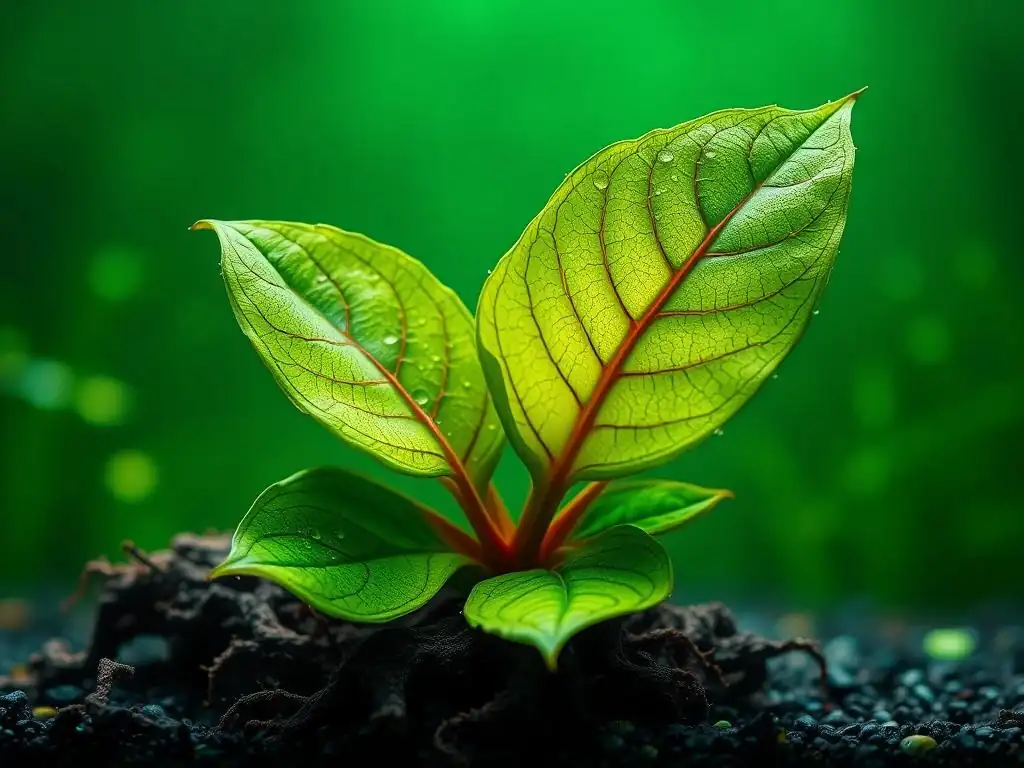
- Yellowing leaves (chlorosis): Often indicates a lack of nitrogen or iron. Older leaves yellowing first points to nitrogen, while new growth yellowing suggests iron deficiency.
- Stunted growth or small leaves: Can be a general sign of insufficient nutrients (macro or micro), inadequate lighting, or lack of CO2 (though less common for low-tech plants).
- Holes in leaves or melting tissue: Typically points to a potassium deficiency.
- Browning or rotting leaves: Can be caused by nutrient deficiencies, poor water quality, or, in the case of Cryptocoryne, "Crypt melt" from sudden environmental changes.
Solutions involve testing your water parameters, ensuring consistent water changes, and adjusting your fertilization regimen with appropriate liquid fertilizers or root tabs to address the specific deficiency.
Dealing with Plant Damage from Tiger Barbs
Despite careful plant selection, occasional damage from Tiger Barbs can still occur. If you notice persistent or significant nipping:
- Re-evaluate Plant Choices: If a particular plant is consistently being destroyed, it might simply be too tempting for your barbs. Consider replacing it with an even tougher, less palatable species.
- Increase Feeding Frequency/Variety: Ensure your Tiger Barbs are getting enough food and a varied diet. Offering blanched vegetables (like zucchini or spinach) or spirulina flakes can provide beneficial roughage and divert their attention from your plants.
- Provide More Hiding Spots/Distractions: A tank with plenty of driftwood, rocks, and dense plant groupings offers Tiger Barbs more areas to explore and hide, potentially reducing boredom-induced nipping. Breaking up line of sight can also reduce territorial aggression.
- Monitor School Size: If you have only a few Tiger Barbs, their aggression might be directed outwards. A larger school (8-10+) often means they focus their nipping behavior on each other, leaving other tank inhabitants and plants relatively undisturbed.
Patience and observation are crucial for refining your Tiger barbs aquarium plant care strategy when dealing with damage.
Addressing Algae Blooms
Algae blooms are a common frustration and often indicate an imbalance in the tank. While some algae is natural, excessive growth needs addressing.
- Review Lighting: The most common culprit. Reduce your photoperiod to 8-10 hours per day. Consider lowering the light intensity if your current setup is very powerful.
- Nutrient Control: Overfeeding fish or insufficient water changes lead to excess nitrates and phosphates, which fuel algae. Reduce feeding, ensure all food is consumed, and increase the frequency or volume of water changes (e.g., 30-50% twice weekly for a short period).
- Manual Removal: Physically remove as much algae as possible from glass, decor, and plant leaves during water changes. For plants, gently rub the leaves to dislodge algae, or prune heavily affected leaves.
- Introduce Algae Eaters: Compatible algae eaters like Nerite snails or Otocinclus catfish can help control certain types of algae without being bothered by Tiger Barbs. Avoid larger, more aggressive algae eaters that might conflict with your barbs.
- Nutrient Balance: Ensure your plants are thriving by providing adequate fertilizers. Healthy, fast-growing plants compete with algae for available nutrients, naturally suppressing algae growth. This holistic approach is central to effective Tiger barbs aquarium plant care.
Creating a Harmonious Planted Aquarium with Tiger Barbs: Conclusion
Combining Plant Selection, Care, and Observation for Success
Creating a harmonious planted aquarium with active fish like Tiger Barbs is an achievable and rewarding endeavor, provided you approach it with careful planning and consistent attention. The cornerstone of success lies in the meticulous selection of hardy, unpalatable plant species such as Anubias, Java Fern, Vallisneria, Amazon Sword, and Cryptocoryne, which can withstand the energetic nature of these fish. Beyond initial selection, diligent Tiger barbs aquarium plant care involves establishing appropriate substrate and lighting, employing proper planting techniques, and maintaining a balanced fertilization regimen tailored to your plants' needs.
Crucially, continuous observation of your Tiger Barbs' behavior towards the plants, coupled with regular pruning, cleaning, and proactive troubleshooting of common issues like nutrient deficiencies or algae blooms, will ensure the long-term vitality of your aquascape. By combining these elements, aquarists can cultivate a lush, vibrant environment that not only thrives but also enhances the well-being of its inhabitants.
The Benefits of a Well-Planted Tank for Tiger Barb Health and Well-being
A thoughtfully planted aquarium offers numerous tangible benefits that significantly contribute to the health and well-being of your Tiger Barbs. The dense foliage provides abundant hiding spots and visual barriers, which are essential for reducing stress in active, schooling fish. This mimics their natural habitat, allowing them to exhibit more natural behaviors, feel more secure, and potentially reduce their tendency to nip at tank mates or even plants. Studies suggest that environments closely resembling natural habitats lead to lower stress hormone levels in fish.
Furthermore, live plants play a vital role in improving water quality by absorbing nitrates, a byproduct of the nitrogen cycle, which helps keep the water cleaner and healthier. They also contribute to oxygenation during the day, creating a more stable and oxygen-rich environment for your fish. Beyond the ecological advantages, a well-planted tank provides immense aesthetic appeal, transforming a simple glass box into a dynamic, living piece of art that showcases the vibrant colors and active movements of your Tiger Barbs, truly elevating the hobby of Tiger barbs aquarium plant care.
Frequently Asked Questions
How do I choose aquarium plants that can withstand Tiger Barbs?
Tiger Barbs are known to be nippy, so select hardy plants with thick leaves that are less appealing to them. Consider plants like Java Fern, Anubias, and Amazon Swords.
What kind of lighting is best for aquarium plants in a Tiger Barb tank?
The ideal lighting depends on the plant species you choose. However, most hardy plants suitable for Tiger Barbs thrive under moderate lighting. Avoid overly intense lighting to prevent algae growth.
How should I anchor plants to prevent Tiger Barbs from uprooting them?
Use plant weights or tie plants to rocks or driftwood to secure them. Burying the roots deeply in the substrate can also help, but ensure the substrate is suitable for root growth.
Are there any specific aquarium plants I should avoid when keeping Tiger Barbs?
Avoid plants with soft, delicate leaves like Cabomba or Elodea, as Tiger Barbs are likely to nibble on them excessively. These plants will struggle to survive in a Tiger Barb tank.
What water parameters are most important for plant health in a Tiger Barb aquarium?
Maintaining stable water parameters is crucial. Test regularly for ammonia, nitrite, and nitrate. Ensure proper pH levels and provide adequate CO2 levels for optimal plant growth.
Final Reflection: Cultivating Harmony in the Aquatic Realm
The journey of selecting aquarium plants for tiger barbs, as explored in this article, transcends mere aesthetics; it's about creating a balanced and thriving ecosystem within the confines of a glass tank. Understanding the specific needs and tendencies of these vibrant fish, and tailoring the plant selection accordingly, is a testament to responsible fishkeeping and a commitment to their well-being. This mindful approach is particularly relevant today, as awareness grows regarding the ethical considerations of keeping aquatic life.
The delicate dance between plant life and tiger barb activity has profoundly influenced the way aquarists approach tank design. It's a constant learning process, a reminder that nature's beauty often requires careful planning and adaptation. The challenge of finding plants that can withstand the playful, sometimes destructive, nature of tiger barbs has led to innovative solutions and a deeper appreciation for the resilience of certain species. The best aquarium is not just a display case, but a miniature ecosystem where every element contributes to the health and happiness of its inhabitants.
This quote encapsulates the essence of responsible aquarium keeping, urging us to see beyond the visual appeal and focus on the holistic well-being of our aquatic companions.
Now, as you consider the information presented in this article, I invite you to reflect on your own approach to aquarium keeping. How can you apply these principles to create a more harmonious and enriching environment for your tiger barbs, or indeed, any aquatic creatures under your care? Let the knowledge gained here inspire you to cultivate not just a beautiful tank, but a thriving ecosystem that reflects your commitment to responsible and compassionate fishkeeping.
Unleash Your Inner Aquascaper!
Thank you for exploring the world of tiger barb-friendly aquarium plants! We hope you've gained valuable insights into creating a stunning and harmonious underwater environment. Ready to put that knowledge into action?
Here are some ways you can take your aquarium to the next level:
- Carefully select and introduce at least three new plants from the list provided in the article into your tiger barb's aquarium to observe how they interact and enhance the tank's aesthetics. Document the progress and any changes using photos!
- Share your newfound plant knowledge by telling another aquarist about it and what you've learned.
- Explore the Aquarium Mastery forums and share your own experiences with tiger barbs and plants, offering tips and seeking advice from fellow enthusiasts.
What creative aquascaping idea, inspired by this article, are you most eager to try out in your tank this weekend?