
Unlocking the Secrets to a Long and Healthy Clownfish Life with Proper Anemone Care

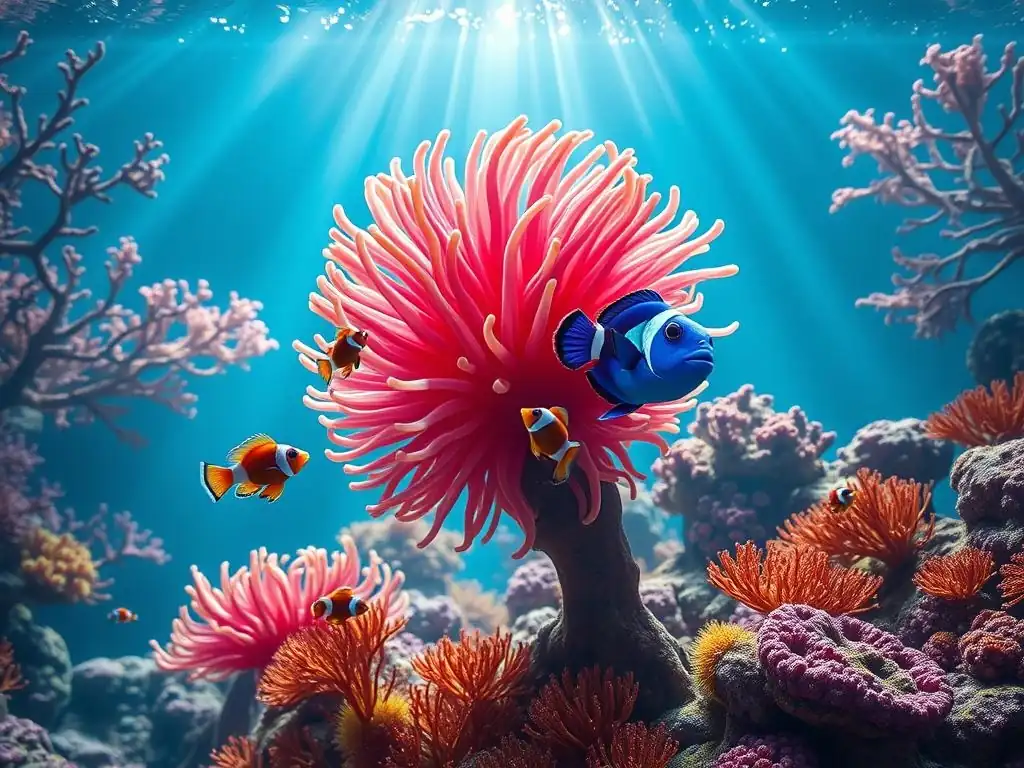
Welcome to Aquarium Mastery, your ultimate guide to creating thriving aquatic ecosystems!
Ever wondered how to ensure your clownfish enjoys a long and healthy life nestled within its anemone? Dive into our comprehensive Clownfish Anemone Care Guide to unlock the secrets to this iconic symbiotic relationship. Discover the perfect anemone match, learn essential care tips, and watch your clownfish flourish. Ready to create a vibrant and balanced saltwater haven? Let's get started!
- Clownfish Anemone Care: A Comprehensive Guide to Symbiotic Bliss
- Understanding the Clownfish-Anemone Symbiosis
- Essential Anemone Care for Happy Clownfish
- Introducing Clownfish to Anemones: A Step-by-Step Guide
- Maintaining a Healthy Clownfish-Anemone Ecosystem
- Advanced Clownfish and Anemone Care Techniques
- Troubleshooting Common Clownfish Anemone Care Problems
- Conclusion: Mastering Clownfish and Anemone Care for a Thriving Aquarium
-
Frequently Asked Questions
- How crucial is an anemone for a clownfish's well-being in a home aquarium?
- What type of anemone is generally recommended for beginner clownfish keepers?
- What are the key signs of a healthy anemone in a clownfish tank?
- What are some common mistakes people make when introducing an anemone to a clownfish tank?
- How do I ensure the anemone receives adequate nutrition in a clownfish tank?
- Final Reflection: The Symbiotic Dance of Life
- Ignite Your Reef Tank: Give Your Clownfish the Anemone Home They Deserve!
Clownfish Anemone Care: A Comprehensive Guide to Symbiotic Bliss
Clownfish, with their vibrant colors and distinctive swimming patterns, are among the most beloved inhabitants of saltwater aquariums. Their iconic relationship with sea anemones is not just captivating to observe but also crucial for their well-being in the wild. Replicating this natural symbiosis in a home aquarium requires a deep understanding of both species' needs, making a comprehensive Clownfish anemone care guide essential for any aspiring aquarist. This article delves into the intricacies of this unique partnership, providing detailed insights into creating and maintaining a thriving environment for your clownfish and their host anemone.
Mastering proper Clownfish anemone care is paramount for the long-term health and vitality of your aquatic pets. Without adequate attention to water parameters, lighting, feeding, and compatibility, both the clownfish and the anemone can suffer from stress, disease, or even premature death. This guide aims to equip you with the knowledge and practical steps necessary to foster a successful and enduring symbiotic relationship, ensuring your aquarium remains a vibrant and healthy ecosystem.
Understanding the Clownfish-Anemone Symbiosis
The Mutualistic Relationship Between Clownfish and Anemones
The bond between clownfish and sea anemones is a classic example of mutualism, where both organisms benefit from the interaction. Clownfish, possessing a unique mucus coating that prevents them from being stung by the anemone's nematocysts, gain crucial protection from predators like butterflyfish and moray eels. In return, the clownfish actively cleans the anemone, removing parasites and detritus, and may also provide nutrients through their waste or leftover food. This symbiotic cleaning behavior is vital for the anemone's health, ensuring its tentacles remain clear and functional for capturing food and performing photosynthesis.
Beyond protection and cleaning, clownfish also enhance water circulation around the anemone through their constant movement, delivering oxygen and removing waste products. Some research even suggests that clownfish may defend their host anemone from specific predators, such as angelfish that might try to nibble on the anemone's tentacles. This intricate dance of mutual benefit highlights why understanding and maintaining this relationship is at the core of any effective Clownfish anemone care guide.
Different Anemone Species Suitable for Clownfish
While clownfish are often associated with anemones, not all anemone species will host them, and some are far more challenging to keep in captivity than others. The most common and recommended host anemone for beginners and popular clownfish species like the Ocellaris (Amphiprion ocellaris) and Percula (Amphiprion percula) is the Bubble Tip Anemone (Entacmaea quadricolor), often referred to as BTA. These are relatively hardy and readily available.
Other suitable host anemones, though often requiring more advanced Clownfish anemone care, include the Sebae Anemone (Heteractis crispa), Magnificent Anemone (Heteractis magnifica), Long Tentacle Anemone (Macrodactyla doreensis), and various Carpet Anemones (Stichodactyla spp.). Each species has specific lighting, flow, and feeding requirements. For instance, Magnificent Anemones demand very intense lighting and stable water parameters, making them unsuitable for novice aquarists. Choosing the right anemone is the first critical step in a successful Clownfish anemone care guide.
Why Anemone Selection Matters for Clownfish Health
The health and longevity of your clownfish are directly tied to the health and stability of their host anemone. Anemones are sensitive invertebrates, and an unhealthy or declining anemone can stress a clownfish, potentially leading to a weakened immune system and susceptibility to diseases like Marine Ich (Cryptocaryon irritans). Furthermore, if an anemone is not thriving, it may move around the tank in search of better conditions, posing a risk to other corals it might sting or even getting drawn into powerheads, which can be fatal for both the anemone and potentially the clownfish if it remains too close.
Selecting a healthy anemone from the outset is crucial. Look for an anemone that is fully inflated, vibrant in color, and firmly attached to a rock or the substrate. Avoid any anemones that are deflated, pale, have a gaping mouth, or are detached and floating. A healthy anemone provides a stable, safe haven for your clownfish, reducing stress and promoting natural behaviors, which is a cornerstone of responsible Clownfish anemone care guide practices.
Essential Anemone Care for Happy Clownfish
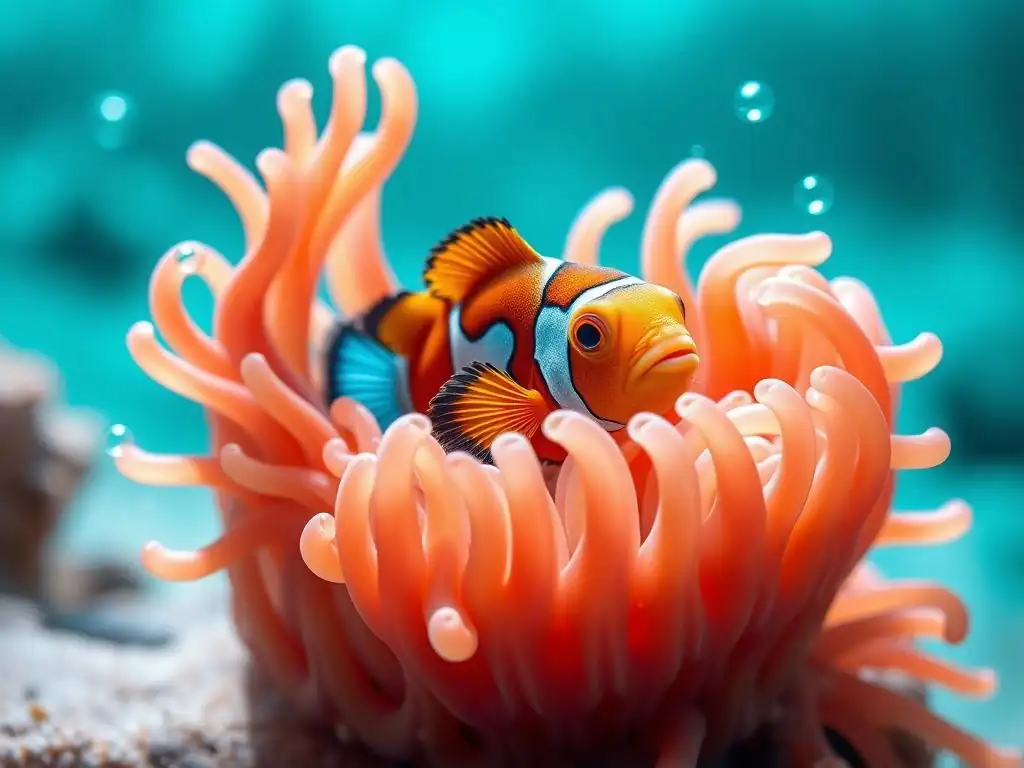
Water Quality Parameters for Optimal Anemone Health
Maintaining pristine and stable water quality is the single most important factor for anemone health, directly impacting the well-being of their clownfish hosts. Anemones are highly sensitive to fluctuations and pollutants. Key parameters to monitor rigorously include: salinity (1.023-1.026 specific gravity), temperature (75-80°F or 24-27°C), pH (8.1-8.4), alkalinity (8-12 dKH), calcium (400-450 ppm), and magnesium (1200-1350 ppm). Nitrates should ideally be below 10 ppm, and phosphates below 0.03 ppm.
Regular testing, at least weekly for basic parameters and bi-weekly for alkalinity, calcium, and magnesium, is non-negotiable. Consistent water changes, typically 10-20% bi-weekly, help replenish essential trace elements and reduce nutrient buildup. For example, maintaining stable alkalinity and calcium levels is vital for the anemone's calcification process, contributing to its structural integrity and overall vitality, which directly supports the long-term success of your Clownfish anemone care guide.
Lighting Requirements for Anemones Hosting Clownfish
Anemones, like corals, rely heavily on zooxanthellae, symbiotic algae living within their tissues, for a significant portion of their nutritional needs through photosynthesis. Therefore, providing adequate high-intensity lighting is crucial for their survival and health. The specific light intensity (measured in PAR – Photosynthetically Active Radiation) varies by species, but most host anemones, such as the Bubble Tip Anemone, thrive with PAR levels between 150-300.
Common lighting options include T5 HO fluorescent lamps, metal halide lamps, and LED fixtures. LEDs offer excellent control over spectrum and intensity, allowing for gradual acclimation. A photoperiod of 10-12 hours per day is generally recommended. Insufficient lighting will cause an anemone to bleach (expel its zooxanthellae), lose color, shrink, and eventually perish, directly impacting the clownfish that relies on it. Proper lighting is a fundamental pillar of effective Clownfish anemone care guide practices.
Feeding Your Anemone: A Guide to Nutritional Needs
While photosynthesis provides a large portion of an anemone's energy, supplemental feeding is essential for optimal growth, health, and resilience, especially for larger specimens or those with less intense lighting. Anemones are carnivorous and will readily accept appropriately sized meaty foods. Suitable options include mysis shrimp, chopped silversides, krill, and small pieces of marine fish or shrimp.
Feeding should be done 1-3 times per week, depending on the anemone's size, species, and light intensity. Target feeding with a long-handled tong or turkey baster ensures the food reaches the anemone's mouth and is not lost to tank inhabitants or the filtration system. Overfeeding can lead to water quality issues if uneaten food decays. A well-fed anemone is more robust and capable of supporting its clownfish host, making feeding a vital component of any comprehensive Clownfish anemone care guide.
Anemone Placement and Tank Setup Considerations
Proper placement of an anemone in the aquarium is critical for its health and to prevent it from harming other tank inhabitants. Anemones need a stable structure, usually live rock, to firmly attach their foot. They will often move until they find a spot with optimal light, flow, and a secure attachment. Therefore, ensure there is ample open space around the chosen location, as a wandering anemone can sting and kill corals or other sessile invertebrates in its path.
Good water flow is also important for anemones, providing them with oxygen and carrying away waste, but it should not be so strong that it constantly buffets or dislodges them. Moderate, turbulent flow is generally preferred. Tank size is another consideration; a minimum of 30 gallons is often recommended for a single Bubble Tip Anemone, with larger tanks (50+ gallons) preferred for most other host species to ensure stability and space. Thoughtful placement minimizes stress on the anemone and ensures a harmonious environment, which is a key aspect of effective Clownfish anemone care guide implementation.
Introducing Clownfish to Anemones: A Step-by-Step Guide
Acclimation Process for New Anemones
The acclimation of a new anemone to your aquarium is a delicate process that requires patience and precision to minimize stress and ensure its survival. Drip acclimation is the preferred method, slowly introducing your tank water to the bag water over a period of 1 to 2 hours. This gradual change in salinity, temperature, and pH significantly reduces osmotic shock, which can be fatal to sensitive invertebrates like anemones.
Once acclimated, gently place the anemone on a stable rock in a location with appropriate lighting and flow. Avoid touching its mouth or foot, as this can cause damage. Allow the anemone several days, or even up to a week, to fully settle and attach its foot before attempting to introduce a clownfish. A well-acclimated and settled anemone is much more likely to thrive and accept a clownfish, forming the foundation of successful Clownfish anemone care guide practices.
Safely Introducing Clownfish to their Host Anemone
After the anemone has firmly attached and appears healthy and fully inflated, you can introduce your clownfish. Simply release the clownfish into the aquarium. While some clownfish, especially tank-bred specimens, may immediately recognize and host in the anemone, others might take hours, days, or even weeks to approach it. It is crucial to allow the process to unfold naturally without forcing the interaction.
During this period, ensure the clownfish has alternative hiding spots, such as rockwork or even an artificial host like a large toadstool leather coral, to reduce stress. Avoid constantly hovering over the tank or trying to push the clownfish towards the anemone. Patience is a virtue in this stage of Clownfish anemone care guide. Providing a calm and stable environment increases the likelihood of a successful pairing.
Troubleshooting: When Clownfish Don't Host Anemones
It's not uncommon for clownfish, particularly those that are tank-bred and have never encountered an anemone, to initially ignore their potential host. Several factors can contribute to a clownfish's reluctance to host. Sometimes, the anemone itself may be stressed or unhealthy, making it less appealing. Other times, the clownfish may simply need more time to adjust to its new surroundings and build up the courage to approach the stinging tentacles.
If your clownfish isn't hosting, first ensure the anemone is healthy and thriving by checking all water parameters, lighting, and feeding. You might try temporarily dimming the lights for a few hours, as this can sometimes encourage the clownfish to explore. Providing other visual cues, such as a small mirror near the tank for a few minutes a day, can sometimes stimulate their natural hosting instincts. In rare cases, a clownfish may never host, but with proper Clownfish anemone care guide techniques and patience, most will eventually find their symbiotic home.
Maintaining a Healthy Clownfish-Anemone Ecosystem
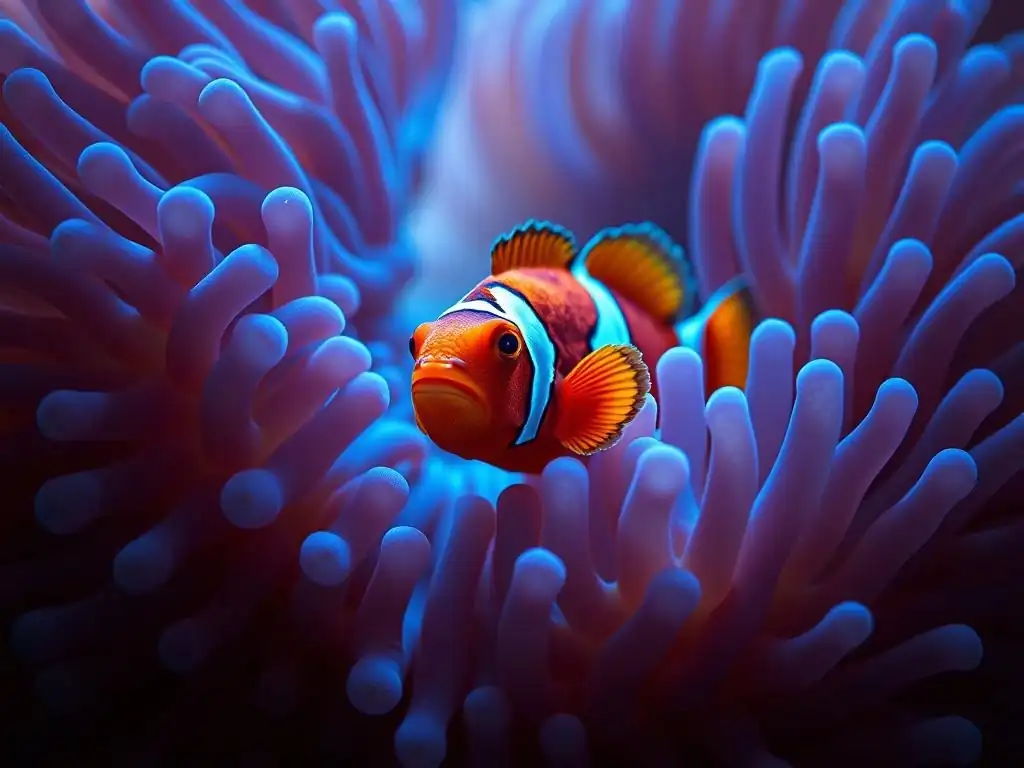
Regular Water Testing and Maintenance Schedules
Consistent and diligent water testing is the cornerstone of maintaining a healthy clownfish-anemone ecosystem. Weekly tests for salinity, temperature, pH, nitrates, and phosphates are essential to catch any deviations early. More in-depth tests for alkalinity, calcium, and magnesium should be performed bi-weekly or monthly, as these are critical for the anemone's skeletal structure and overall well-being. Keeping a log of your readings helps identify trends and potential issues before they become critical.
Coupled with testing, regular maintenance schedules are vital. Weekly or bi-weekly water changes, typically 10-20% of the tank volume, replenish essential trace elements that are consumed by the anemone and other invertebrates, while also reducing accumulated pollutants. Cleaning the substrate and rockwork of detritus buildup, along with regular protein skimmer maintenance, contributes significantly to maintaining the pristine water quality that both clownfish and anemones require to thrive. These consistent efforts are paramount for successful Clownfish anemone care guide implementation.
Identifying and Treating Common Anemone Diseases
Anemones do not typically suffer from "diseases" in the same way fish do, but rather exhibit symptoms of stress or decline due to environmental factors. Common signs of an unhealthy anemone include retraction or deflated appearance for extended periods, loss of color (bleaching), a gaping mouth, or detaching its foot and floating around the tank. Bleaching, for instance, is often caused by elevated temperatures (e.g., above 82°F / 28°C), sudden changes in lighting, or poor water quality.
Treatment for these issues primarily involves identifying and correcting the underlying environmental stressor. For a bleached anemone, gradually reducing light intensity, lowering water temperature if it's too high, and ensuring pristine water parameters are crucial. Supplemental feeding can also aid in recovery. If an anemone detaches, it is often a sign of severe stress, and immediate water quality checks are necessary. Prompt action based on these observations is a critical part of a proactive Clownfish anemone care guide.
Preventing Aggression Between Clownfish and Other Tank Inhabitants
While clownfish are generally peaceful, they can become territorial, especially when protecting their host anemone. This aggression is typically directed towards other clownfish or fish that venture too close to their anemone. To prevent aggression, careful selection of tank mates is essential. Avoid highly aggressive species like triggers or large angelfish that might harass the clownfish or even pick at the anemone. Similarly, avoid very docile fish that might be easily bullied.
Providing ample space and plenty of hiding spots for all tank inhabitants can help diffuse potential conflicts. For instance, in a 50-gallon tank, a single pair of clownfish with their anemone might be fine with a few small, peaceful gobies or blennies, but adding another clownfish pair without sufficient space or another anemone can lead to intense fighting. Monitoring interactions closely and being prepared to separate or re-home problematic fish are important considerations for a harmonious aquarium, complementing your Clownfish anemone care guide.
Advanced Clownfish and Anemone Care Techniques
Propagating Anemones (For Experienced Aquarists)
Propagating anemones, particularly the Bubble Tip Anemone (BTA), can be a rewarding endeavor for experienced aquarists. BTAs are known to naturally divide under optimal conditions, often when they reach a certain size (e.g., 8-10 inches in diameter) or when experiencing slight environmental stress, leading to a new clone. Induced division, where an anemone is carefully cut, is also possible but carries significant risks and should only be attempted by those with considerable experience.
Induced division requires a sterile environment, a very sharp scalpel, and precise knowledge of the anemone's anatomy to ensure a clean cut through the oral disc and foot. The success rate for BTA division, when performed correctly on a healthy specimen, can be as high as 70-80% survival for the new fragments. However, incorrect technique can lead to infection, stress, or death for the parent anemone and its fragments. This advanced technique underscores the dedication involved in comprehensive Clownfish anemone care guide practices.
Breeding Clownfish in Captivity with Anemones
Breeding clownfish in captivity is a fascinating aspect of the hobby, and the presence of a host anemone can significantly enhance the likelihood of successful spawning. A stable, established pair of clownfish will often choose the base of their anemone as a spawning site, laying their eggs directly on a flat surface protected by the anemone's tentacles. Providing a suitable spawning surface, such as a terracotta pot shard or a smooth rock placed near the anemone's foot, can encourage this behavior.
Optimal breeding conditions include consistent feeding of high-quality, varied foods (e.g., spirulina flakes, enriched brine shrimp, mysis shrimp) to ensure the pair is well-conditioned. Stable water parameters, as outlined in the Clownfish anemone care guide sections, are also crucial. Clownfish typically lay clutches of 100-1000 eggs every 10-14 days once they begin spawning, with the male diligently fanning and guarding the eggs until they hatch.
Choosing the Right Clownfish and Anemone Pairing: Species Compatibility Chart
Selecting the correct clownfish and anemone pairing is crucial for the long-term success of the symbiosis. While tank-bred clownfish are often less picky and may host in a wider variety of anemones (or even corals), natural pairings tend to be the most robust.
Here's a guide to common and successful pairings:
- Ocellaris Clownfish (Amphiprion ocellaris) & Percula Clownfish (Amphiprion percula):
- Bubble Tip Anemone (Entacmaea quadricolor) - Most common and recommended host.
- Magnificent Anemone (Heteractis magnifica) - Less common, more challenging to keep.
- Sebae Anemone (Heteractis crispa) - Less common, more challenging to keep.
- Maroon Clownfish (Premnas biaculeatus):
- Bubble Tip Anemone (Entacmaea quadricolor) - Strong preference.
- Sebae Anemone (Heteractis crispa) - Also a suitable host.
- Pink Skunk Clownfish (Amphiprion perideraion):
- Magnificent Anemone (Heteractis magnifica) - Natural host.
- Sebae Anemone (Heteractis crispa) - Also a natural host.
- Long Tentacle Anemone (Macrodactyla doreensis) - Natural host.
- Saddleback Clownfish (Amphiprion polymnus):
- Sebae Anemone (Heteractis crispa) - Common host.
- Long Tentacle Anemone (Macrodactyla doreensis) - Common host.
- Haddon's Carpet Anemone (Stichodactyla haddoni) - Natural host.
Understanding these specific compatibilities greatly improves the chances of a thriving symbiotic relationship, making this a critical reference in any detailed Clownfish anemone care guide.
Troubleshooting Common Clownfish Anemone Care Problems
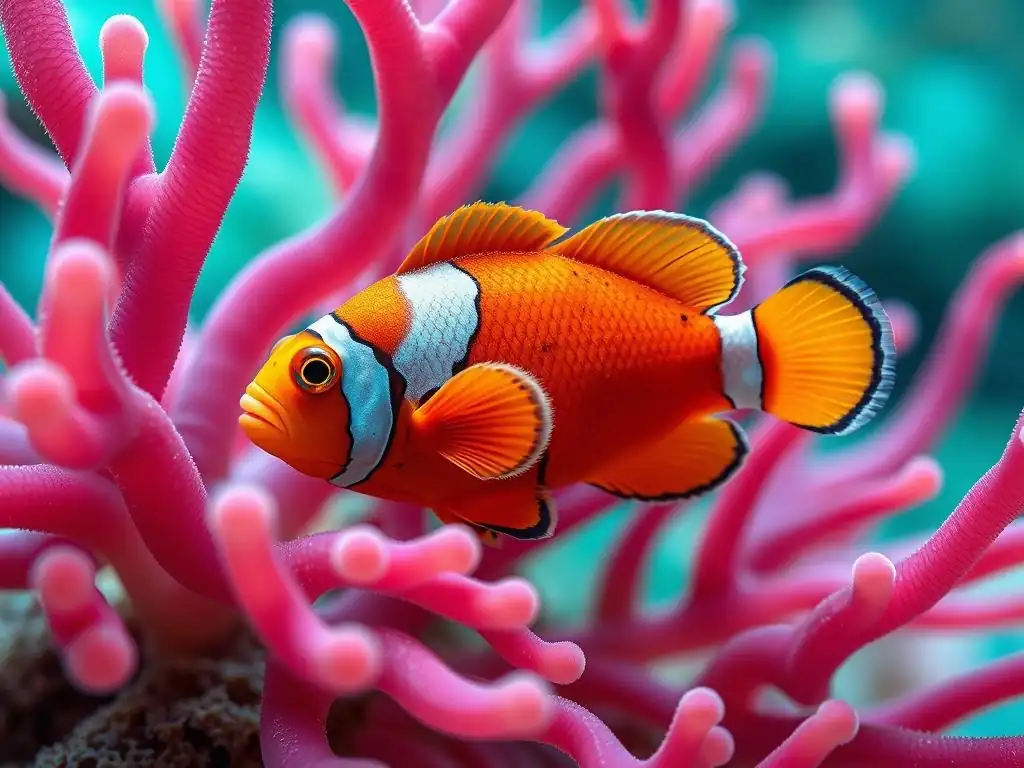
Anemone Moving or Wandering: Causes and Solutions
Anemones are sessile invertebrates, meaning they typically attach their foot to a stable surface and remain there. If an anemone begins to move or "wander" around the tank, it is a strong indicator of stress or dissatisfaction with its current conditions. Common causes include inadequate lighting (too little or too much), unsuitable water flow, poor water quality (e.g., high nitrates, low alkalinity), discomfort from nearby aggressive corals, or searching for a better feeding spot. A wandering anemone poses a significant risk to itself and other tank inhabitants, as it can sting corals or get sucked into powerheads.
To address a wandering anemone, first meticulously check all water parameters to ensure they are within optimal ranges. Next, evaluate your lighting intensity and photoperiod, making adjustments if necessary. Observe water flow around the anemone's previous and current locations to determine if it's too strong or too weak. If the anemone is stinging other corals, carefully try to guide it to a more isolated spot where it can attach without conflict. Patience and systematic troubleshooting are key aspects of effective Clownfish anemone care guide problem-solving.
Anemone Bleaching: Understanding and Reversing the Process
Anemone bleaching is a severe stress response where the anemone expels its zooxanthellae, the symbiotic algae that give it color and provide a significant portion of its nutrition. This results in the anemone turning pale white or translucent. The most common causes of bleaching are sudden and significant changes in temperature (especially sustained high temperatures above 82°F / 28°C), extreme changes in light intensity, poor water quality, or prolonged starvation.
Reversing bleaching requires prompt and careful intervention. Gradually lower the water temperature if it's too high, typically by no more than 1-2 degrees Fahrenheit per day. If lighting is suspected, reduce its intensity gradually over several days. Ensure all water parameters are pristine, with nitrates and phosphates at near-zero levels. Supplemental feeding with high-quality meaty foods, 2-3 times per week, can help provide essential nutrients while the anemone attempts to regain its zooxanthellae. Recovery can take weeks to months, and success is not guaranteed, highlighting the importance of preventative Clownfish anemone care guide practices.
Clownfish Aggression Towards Anemone: Prevention and Management
While rare, a clownfish occasionally exhibits aggression towards its host anemone. This can manifest as nipping at the anemone's tentacles, preventing it from fully opening, or in extreme cases, causing physical damage. This behavior is typically a sign of stress in the clownfish, an unhealthy anemone, or a mismatch in size (e.g., a very large clownfish attempting to host a very small or young anemone).
Prevention involves selecting an appropriately sized and healthy anemone for your clownfish species and ensuring the anemone is thriving before introducing the clownfish. If aggression occurs, first verify the anemone's health by checking all water parameters and observing its overall condition. If the anemone appears stressed, address those issues. If the clownfish is significantly larger than the anemone, consider providing a larger anemone or, if necessary, separating the clownfish temporarily. Consistent observation and addressing underlying stressors are key to managing this unusual issue within your Clownfish anemone care guide.
Conclusion: Mastering Clownfish and Anemone Care for a Thriving Aquarium
Mastering the art of Clownfish anemone care is a journey that requires dedication, continuous learning, and a keen eye for observation. The symbiotic relationship between clownfish and their host anemones is one of nature's most captivating partnerships, and replicating it successfully in a home aquarium brings immense satisfaction. By diligently maintaining pristine water quality, providing appropriate lighting and nutrition, and ensuring a stable environment, you can foster a long-lasting and thriving ecosystem for these iconic marine inhabitants.
Remember that each anemone and clownfish pair is unique, and patience is paramount. From the initial acclimation to troubleshooting potential issues like wandering or bleaching, adhering to the principles outlined in this Clownfish anemone care guide will equip you with the knowledge needed to overcome challenges and enjoy the beauty of this remarkable marine symbiosis for years to come. Your commitment to meticulous care will undoubtedly lead to a vibrant and healthy aquarium.
Frequently Asked Questions
How crucial is an anemone for a clownfish's well-being in a home aquarium?
While not absolutely essential, providing an anemone significantly enhances a clownfish's quality of life. It offers a safe haven and stimulates natural behaviors.
What type of anemone is generally recommended for beginner clownfish keepers?
The Bubble Tip Anemone (BTA) is often recommended due to its relative hardiness and compatibility with many clownfish species. Proper lighting and water parameters are still crucial.
What are the key signs of a healthy anemone in a clownfish tank?
A healthy anemone will have a vibrant color, be firm to the touch, and display good tentacle extension. It should also readily accept food.
What are some common mistakes people make when introducing an anemone to a clownfish tank?
Introducing the anemone too early, before the tank is fully cycled, is a common error. Also, neglecting proper acclimation can severely stress the anemone.
How do I ensure the anemone receives adequate nutrition in a clownfish tank?
Supplementing the anemone's diet with small pieces of meaty food like chopped shrimp or mysis shrimp is vital. Target feeding ensures it gets enough nutrients.
Final Reflection: The Symbiotic Dance of Life
The journey into understanding the intricate relationship between clownfish and anemones, as explored in this guide, highlights a profound truth: interdependence is the cornerstone of a thriving ecosystem, both in the ocean and in our own lives. What began as a practical guide to clownfish anemone care reveals a deeper lesson about the delicate balance required for any living thing to flourish.
This symbiotic dance, so beautifully illustrated in the reef, mirrors the connections we forge in our own communities. The dedication required to provide proper anemone care reflects a broader commitment to nurturing the relationships that sustain us. In the end, we will conserve only what we love; we will love only what we understand; and we will understand only what we are taught.
- Baba Dioum. This quote resonates deeply, reminding us that understanding and appreciation are the first steps towards responsible stewardship.
Now, as you consider the lessons learned from this "Clownfish Anemone Care Guide," I invite you to reflect on the symbiotic relationships in your own life. How can you better nurture the connections that sustain you and those around you? Just as the clownfish depends on the anemone, and the anemone benefits from the clownfish, so too do we thrive when we embrace the power of mutual support and understanding. Let us all strive to be better custodians of our own ecosystems, fostering environments where all can flourish.
Ignite Your Reef Tank: Give Your Clownfish the Anemone Home They Deserve!
Thank you for diving deep into the world of clownfish and anemone symbiosis. You've now gained valuable insights into creating a thriving environment for these captivating creatures. Ready to put your knowledge into action?
Here's how you can ensure your clownfish and anemone thrive:
- Immediately assess your current anemone's health. Check for vibrant color, appropriate inflation, and a healthy appetite. Early detection of problems is key to successful treatment!
- Research and consider adding a complementary invertebrate to your reef tank, such as a cleaner shrimp or starfish, to contribute to a balanced ecosystem. You might be surprised at the symbiotic relationships that can flourish!
- Share this article with fellow reef tank enthusiasts! Help spread the word about the importance of anemone care for happy, healthy clownfish.
What's one small adjustment you'll make to your anemone care routine this week to ensure optimal health for your clownfish? Share your commitment in the comments below!