
The Impact of Alkalinity Swings on Mushroom Coral Health

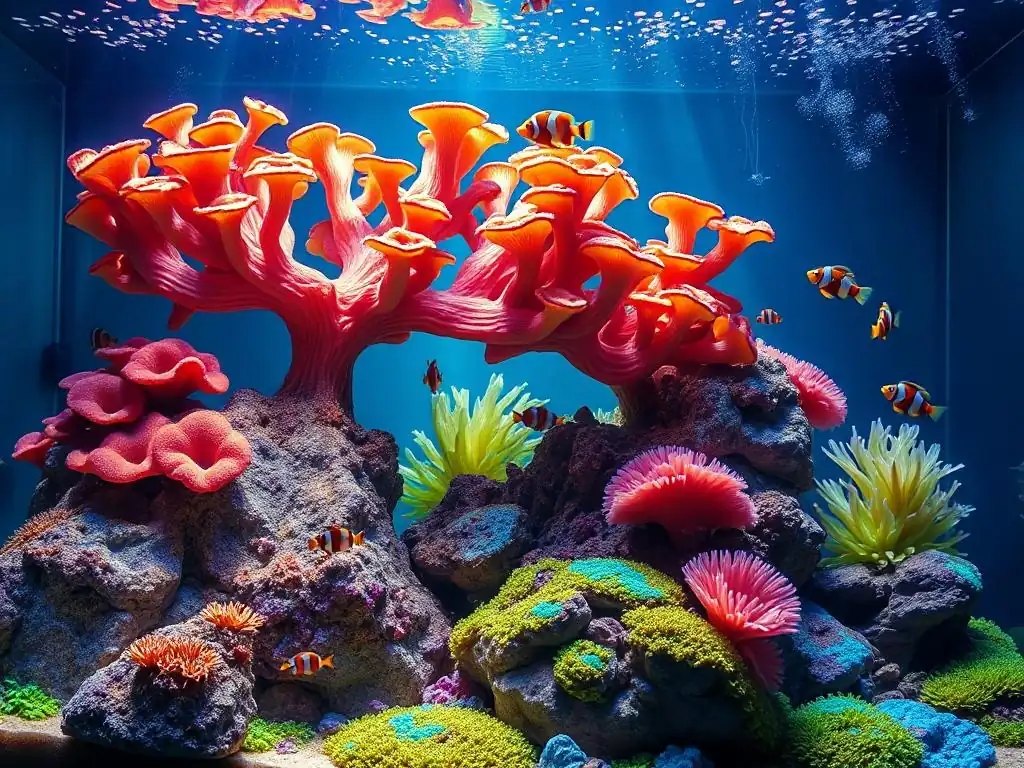
Welcome to Aquarium Mastery!
Ever wondered how those captivating mushroom corals really thrive? Uncover the hidden key to their vibrant health in our deep dive into mushroom coral alkalinity fluctuations. Discover how even slight swings can impact their well-being, and learn how to keep your reef flourishing. Ready to master the art of reef keeping? Let's dive in!
- Understanding Mushroom Corals and Their Sensitivity
- The Role of Alkalinity in Coral Growth and Health
- The Dangers of Alkalinity Swings for Mushroom Corals
- Diagnosing Alkalinity-Related Issues in Mushroom Corals
- Mitigating and Preventing Alkalinity Swings
- Long-Term Management of Alkalinity for Thriving Mushroom Corals
- Case Studies: Alkalinity Challenges and Mushroom Coral Recovery
- Advanced Techniques for Alkalinity Control
- Conclusion: Ensuring Healthy Mushroom Corals Through Alkalinity Stability
-
Frequently Asked Questions
- How do alkalinity fluctuations specifically impact Mushroom Coral health?
- What is the ideal alkalinity range for keeping Mushroom Corals healthy in a saltwater aquarium?
- What are some common causes of alkalinity fluctuations in a saltwater aquarium?
- How often should I test my aquarium's alkalinity level to prevent issues with my Mushroom Corals?
- What steps can I take to stabilize alkalinity in my aquarium if I notice significant Mushroom Coral distress?
- Final Reflection: Navigating the Delicate Balance of Reef Life
- Unlock Vibrant Mushroom Corals!
Understanding Mushroom Corals and Their Sensitivity
Introduction to Mushroom Corals (Discosoma, Rhodactis, and Others)
Mushroom corals, primarily belonging to genera such as Discosoma, Rhodactis, and Ricordea, are popular inhabitants of many reef aquariums due to their diverse colors, patterns, and relatively hardy nature. Unlike stony corals, these soft corals do not build large, rigid calcium carbonate skeletons, instead relying on a fleshy, disc-like body that can expand significantly. This makes them less demanding in terms of calcium and alkalinity consumption compared to their SPS or LPS counterparts, but it does not make them immune to the critical importance of stable water parameters.
While generally considered robust, mushroom corals are still living organisms with specific environmental needs. Their vibrant coloration, unique textures, and ability to reproduce through budding or fission are all indicators of a healthy environment. Understanding their fundamental requirements is the first step in preventing issues related to mushroom coral alkalinity fluctuations and ensuring their long-term vitality within a captive reef system.
Why Alkalinity Matters for Mushroom Coral Health
Alkalinity, often measured in dKH (degrees of carbonate hardness), is a crucial water parameter that represents the buffering capacity of the water, primarily the concentration of bicarbonate, carbonate, and borate ions. For all marine organisms, including mushroom corals, stable alkalinity is vital for maintaining a consistent pH level within the aquarium. Significant mushroom coral alkalinity fluctuations can lead to rapid pH shifts, which are highly detrimental to cellular processes and overall physiological function.
Even though mushroom corals are soft corals and do not heavily calcify, they still require carbonate ions for various metabolic processes, including the formation of their spicules and the maintenance of their internal structure. More importantly, stable alkalinity ensures that the water's pH remains within a narrow, acceptable range, typically between 8.0 and 8.4 for most reef tanks. When alkalinity levels swing, corals experience osmotic stress, leading to decreased energy reserves, impaired nutrient uptake, and a weakened immune response, making them susceptible to disease and tissue degradation.
Identifying Healthy Mushroom Corals in Your Reef Tank
Observing the physical characteristics and behavior of your mushroom corals is essential for early detection of potential problems, including those stemming from mushroom coral alkalinity fluctuations. Healthy mushroom corals typically appear plump, fully expanded, and firmly attached to their substrate. Their colors will be vibrant and consistent with their species, whether it's the deep blues of a Discosoma or the intricate patterns of a Ricordea florida. They should exhibit good turgor, meaning they feel firm and full, not deflated or shriveled.
Conversely, signs of distress often include shrinking, shriveling, loss of color vibrancy (paling), or a general "deflated" appearance. In severe cases of mushroom coral alkalinity fluctuations, they may detach from their substrate, become slimy, or show signs of tissue necrosis, particularly around the edges. Early identification of these symptoms allows aquarists to test their water parameters and intervene before significant damage occurs, potentially saving the coral and preventing widespread issues in the reef tank.
The Role of Alkalinity in Coral Growth and Health
What is Alkalinity and How Does it Affect Coral Calcification?
Alkalinity in a reef aquarium refers to the concentration of negatively charged ions that contribute to the water's buffering capacity, primarily bicarbonate (HCO3-), carbonate (CO3^2-), and borate (BO3^3-) ions. This buffering capacity is critical because it resists changes in pH, keeping it stable despite the metabolic activities of the tank's inhabitants (e.g., respiration producing CO2, which lowers pH). While stony corals use carbonate ions directly for calcification (building their calcium carbonate skeletons), soft corals like mushrooms, despite not forming large skeletons, still rely on stable alkalinity.
For soft corals, alkalinity plays a vital role in maintaining the optimal pH for enzymatic reactions and nutrient transport within their tissues. Although their calcification demand is lower, they still form microscopic calcium carbonate spicules that give them some structural support. More importantly, stable alkalinity ensures that the symbiotic zooxanthellae living within the coral's tissues can photosynthesize efficiently, providing the coral with essential nutrients. Any significant mushroom coral alkalinity fluctuations can disrupt these fundamental biological processes, leading to stress and reduced vitality.
Ideal Alkalinity Levels for Mushroom Coral Species
While mushroom corals are more tolerant of a wider range of alkalinity compared to some SPS corals, stability within an appropriate range is paramount. The generally accepted ideal alkalinity range for most reef aquariums, and thus for mushroom corals, is between 7 and 11 dKH (degrees of carbonate hardness), or approximately 2.5 to 4 meq/L (milliequivalents per liter). Many successful reef keepers aim for a narrower target, such as 8 to 9 dKH, to ensure consistency.
It is crucial to understand that maintaining a perfectly stable level, for instance, consistently at 8.5 dKH, is far more beneficial than having readings fluctuate wildly between, say, 7 dKH and 11 dKH, even if both points are within the "acceptable" range. Rapid mushroom coral alkalinity fluctuations, even within the recommended spectrum, can induce shock and stress. Daily swings exceeding 0.5-1 dKH are often considered problematic and should be addressed promptly to prevent adverse effects on mushroom coral health.
The Interplay Between Alkalinity, Calcium, and Magnesium in Reef Aquariums
Alkalinity, calcium, and magnesium are intricately linked parameters in saltwater chemistry, and maintaining their balance is essential for the overall health of a reef aquarium, including the stability of mushroom coral alkalinity fluctuations. Calcium (Ca) is the primary building block for coral skeletons, while alkalinity provides the carbonate ions necessary for this process. As corals calcify, they consume both calcium and alkalinity.
Magnesium (Mg) acts as a crucial cofactor, preventing calcium carbonate from precipitating out of solution prematurely. Without sufficient magnesium, calcium and alkalinity can bind together too readily, leading to low levels of both, despite adequate dosing. For a balanced reef system, typical levels are around 400-450 ppm for calcium, 1250-1350 ppm for magnesium, and 7-11 dKH for alkalinity. While mushroom corals have lower calcium demands, ensuring these three parameters are in harmony provides a stable ionic environment that supports all biological processes, indirectly preventing adverse mushroom coral alkalinity fluctuations and promoting robust health.
The Dangers of Alkalinity Swings for Mushroom Corals
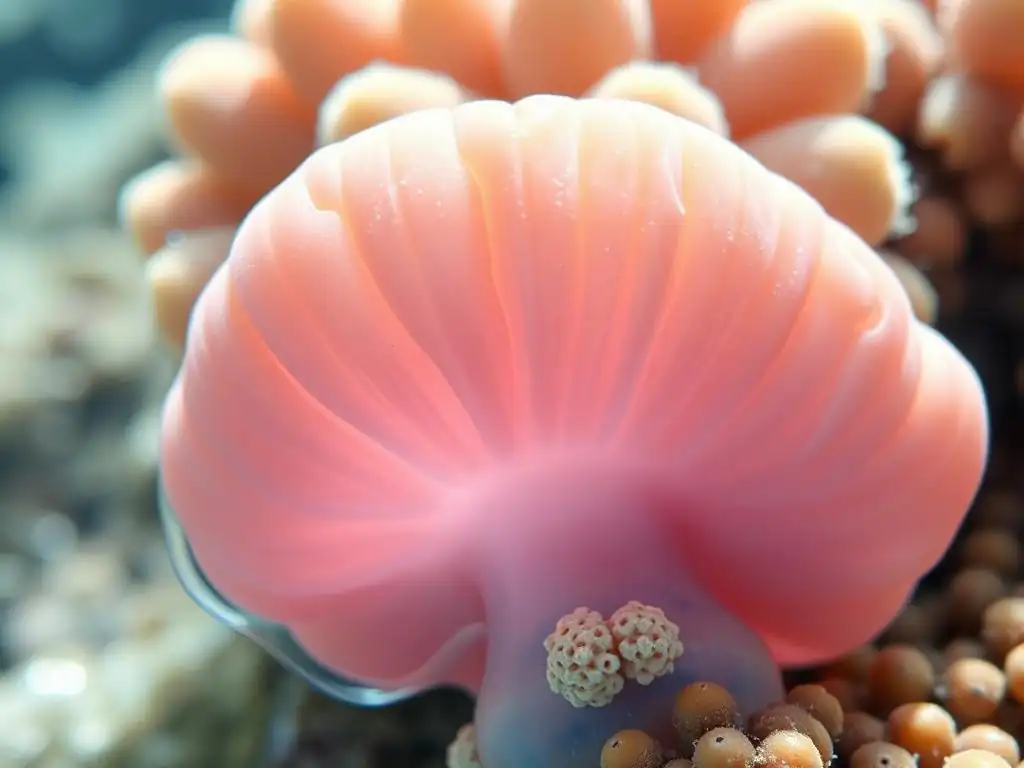
What Causes Alkalinity Fluctuations in Reef Tanks?
Alkalinity fluctuations in a reef tank can stem from various sources, often related to inconsistent maintenance practices or changes in the tank's biological load. One common cause is irregular or insufficient dosing of alkalinity supplements. If corals are consuming alkalinity and it's not replenished consistently, levels will drop. Conversely, over-dosing can cause levels to spike. Large, infrequent water changes using saltwater mixed to different parameters than the tank's current state can also introduce significant mushroom coral alkalinity fluctuations.
Other contributing factors include changes in the tank's bioload, such as adding a large number of new corals which suddenly increase alkalinity demand. Fluctuations in carbon dioxide (CO2) levels, often due to poor ventilation or the use of CO2-producing equipment (like calcium reactors not properly dialed in), can also impact alkalinity by altering the water's pH. Lastly, evaporation, if not offset by auto top-off (ATO) systems using pure RO/DI water, can concentrate salts and minerals, leading to an increase in alkalinity over time, especially if top-off water contains dissolved solids.
Recognizing the Signs of Alkalinity Imbalance in Mushroom Corals: Color Fading, Tissue Recession
Mushroom corals, despite their perceived hardiness, display clear indicators when stressed by mushroom coral alkalinity fluctuations. One of the most common signs is a noticeable fading or dulling of their vibrant colors. A healthy blue Discosoma might turn pale or brownish, while a red Rhodactis could lose its intensity. This color loss is often a result of stress on the symbiotic zooxanthellae, which are sensitive to unstable water chemistry.
Another critical symptom is tissue recession or shrinking. Healthy mushroom corals are plump and expanded; when alkalinity is unstable, they may appear shriveled, deflated, or significantly smaller than usual. In severe cases of prolonged mushroom coral alkalinity fluctuations, tissue can begin to recede from the edges of the disc, exposing the underlying base. They might also detach from the rockwork, floating freely in the tank, a clear sign of extreme distress. Observing these changes early is crucial for intervention.
Short-Term vs. Long-Term Effects of Unstable Alkalinity on Mushroom Coral Health
The impact of mushroom coral alkalinity fluctuations can manifest differently depending on the severity and duration of the imbalance. In the short term, a sudden drop or spike in alkalinity can induce acute stress. Corals may immediately retract, shrivel, or expel some of their zooxanthellae, leading to temporary paling. They might appear "unhappy" for a few hours or days, but if the parameter is quickly corrected and stabilized, they often recover without lasting damage. This immediate response is a warning sign that the buffering capacity of the water is compromised.
However, prolonged exposure to unstable alkalinity, even if the swings are minor but consistent, leads to chronic stress. Long-term mushroom coral alkalinity fluctuations deplete the coral's energy reserves, compromise its immune system, and inhibit its ability to grow or reproduce. Over weeks or months, this chronic stress can result in permanent tissue damage, severe color loss (bleaching), increased susceptibility to diseases (like bacterial infections), and ultimately, complete tissue necrosis and death. Preventing these long-term issues requires consistent monitoring and proactive maintenance.
Testing Your Reef Tank's Alkalinity: Salifert, Hanna Instruments
Accurate and consistent testing is the cornerstone of managing mushroom coral alkalinity fluctuations. Several reliable test kits are available to hobbyists, with Salifert and Hanna Instruments being among the most popular and trusted. Salifert offers a titration-based test kit that provides precise readings and is widely used for its accuracy and cost-effectiveness. It involves adding reagents drop by drop until a color change indicates the endpoint, allowing for a calculation of dKH.
For those seeking even greater precision and ease of use, Hanna Instruments offers digital colorimeters, such as the Hanna Alkalinity Checker (HI755 or HI772). These devices use a chemical reaction to produce a color change, which the meter then reads digitally, providing a direct dKH value. While a higher initial investment, they eliminate subjective color interpretation and are ideal for daily monitoring to catch even minor mushroom coral alkalinity fluctuations. Regardless of the method chosen, it's crucial to follow the manufacturer's instructions meticulously and test at a consistent time each day or week to track trends accurately.
Interpreting Alkalinity Test Results and Identifying Potential Problems
Once you have your alkalinity test results, interpreting them correctly is key to identifying potential problems related to mushroom coral alkalinity fluctuations. As mentioned, the ideal range for most reef tanks is 7-11 dKH. A reading consistently below 7 dKH indicates insufficient buffering capacity, making the tank susceptible to pH crashes and stressing corals. A reading consistently above 11 dKH, while less common for new tanks, can also be problematic, potentially leading to precipitation of calcium carbonate and general ionic imbalance.
More critical than a single reading is the trend over time. If your dKH drops by more than 0.5-1 dKH in a 24-hour period, or if you observe a steady decline over several days, it signals a significant consumption or dilution issue, directly contributing to mushroom coral alkalinity fluctuations. Conversely, a consistent rise could indicate over-dosing or insufficient consumption. Correlating these trends with observed coral symptoms (e.g., shrinking mushrooms coinciding with a dKH drop) provides strong evidence that alkalinity is the root cause.
Differentiating Alkalinity Issues from Other Coral Ailments (e.g., Lighting, Nutrients)
Symptoms of coral stress, such as color fading, shrinking, or tissue recession, are not exclusive to mushroom coral alkalinity fluctuations and can be caused by a variety of factors, including inappropriate lighting, nutrient imbalances, temperature swings, or even pests. Therefore, a systematic diagnostic approach is essential. If you observe distressed mushroom corals, start by testing alkalinity, calcium, and magnesium, as these are foundational parameters.
If alkalinity is within the ideal range and stable, move on to other potential culprits. Evaluate your lighting: Is the PAR too high or too low for mushroom corals? Are they getting adequate light but not direct, intense light? Check nutrient levels (nitrate and phosphate): High levels can cause tissue necrosis and algae growth, while ultra-low levels can lead to starvation. Ensure salinity and temperature are stable and within recommended ranges. By methodically ruling out other common issues, you can confidently pinpoint whether mushroom coral alkalinity fluctuations are indeed the primary stressor for your mushroom corals.
Mitigating and Preventing Alkalinity Swings
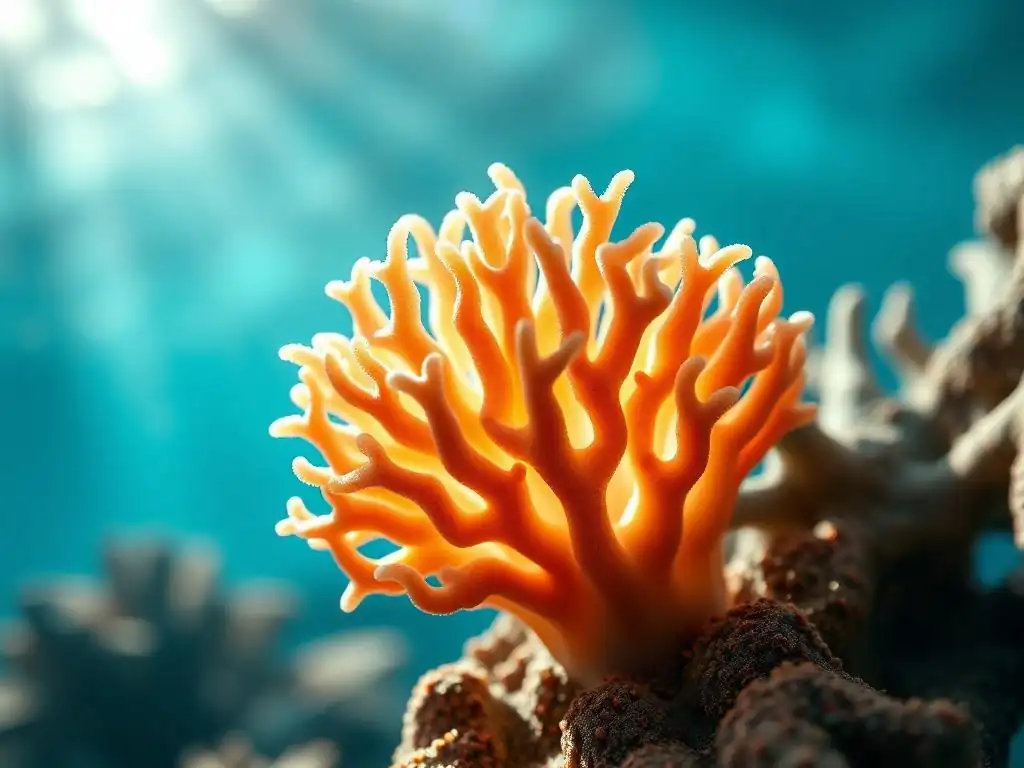
Gradual Alkalinity Adjustments: The Key to Coral Health
When addressing mushroom coral alkalinity fluctuations, the most critical rule is to make adjustments gradually. Rapid changes in alkalinity, even if moving towards the ideal range, can shock corals and cause more harm than the initial imbalance. It is generally recommended not to raise or lower alkalinity by more than 0.5 to 1 dKH per 24-hour period. For instance, if your alkalinity is at 6 dKH and you aim for 9 dKH, spread the adjustment over three to six days.
This slow adjustment allows corals, particularly sensitive ones like some Ricordea species, to physiologically adapt to the new water chemistry. Sudden shifts can lead to osmotic shock, where water moves rapidly in or out of coral cells, causing cellular damage and stress. By slowly bringing the parameter into line, you minimize the risk of further stress and promote a smoother recovery for your mushroom corals, ensuring that the correction of mushroom coral alkalinity fluctuations doesn't become another source of stress.
Buffering Alkalinity: Sodium Bicarbonate, Sodium Carbonate
To buffer alkalinity and maintain stable levels, hobbyists commonly use two primary chemical compounds: sodium bicarbonate (baking soda) and sodium carbonate (soda ash). Sodium bicarbonate provides a slower, more sustained increase in alkalinity with less immediate impact on pH, making it suitable for daily dosing to maintain levels. Sodium carbonate, conversely, has a higher pH and will raise alkalinity more rapidly, making it useful for larger, quicker adjustments (but still within the gradual adjustment rule). Many commercial alkalinity supplements are blends of these two or similar compounds.
For best results, these compounds are typically dissolved in RO/DI water to create a stock solution, which is then added to the sump or a high-flow area of the display tank. Using a two-part dosing system that includes a calcium component alongside the alkalinity component is often recommended, as calcium and alkalinity are consumed proportionally. This balanced approach helps prevent ionic imbalances that could otherwise lead to further mushroom coral alkalinity fluctuations or precipitation issues.
Automated Dosing Systems for Stable Alkalinity: Pros and Cons
Automated dosing systems, typically consisting of one or more peristaltic pumps, offer an excellent solution for maintaining stable alkalinity and preventing mushroom coral alkalinity fluctuations. These systems deliver precise, small amounts of alkalinity (and calcium, magnesium) supplements throughout the day, mimicking the natural consumption patterns in a reef tank. This continuous micro-dosing eliminates the daily manual effort and, more importantly, prevents the peaks and troughs that can occur with once-daily or less frequent manual additions.
The primary advantage is unparalleled parameter stability, which is crucial for the long-term health and vibrant coloration of mushroom corals. However, automated dosing systems come with an initial cost, and require careful calibration and regular maintenance (e.g., checking tubing for clogs, calibrating pump heads, refilling stock solutions). A potential con is the risk of equipment malfunction; a pump failure or programming error could lead to a significant overdose or under-dose, causing severe mushroom coral alkalinity fluctuations. Despite this, for many advanced aquarists, the benefits of automation far outweigh the risks, especially when coupled with diligent monitoring.
Regular Water Changes and Their Impact on Alkalinity Stability
Regular water changes are a fundamental maintenance practice in reef keeping that significantly contributes to alkalinity stability and overall water quality. While targeted dosing addresses specific element consumption, water changes serve to replenish consumed elements (including alkalinity, calcium, and magnesium) and dilute accumulated undesirable substances like nitrates and phosphates. For mushroom corals, consistent water changes help maintain a pristine environment, reducing stress from various pollutants and supporting their health.
Small, frequent water changes (e.g., 10% weekly or 20% bi-weekly) are generally more effective at maintaining stable parameters than large, infrequent changes. When performing a water change, it is paramount to ensure that the newly mixed saltwater closely matches the tank's current parameters, especially salinity, temperature, and alkalinity. Introducing water with significantly different alkalinity can itself cause mushroom coral alkalinity fluctuations. By using a high-quality salt mix and allowing it to mix fully with RO/DI water, you can ensure the new water provides a stable baseline for your reef system.
Long-Term Management of Alkalinity for Thriving Mushroom Corals
Monitoring Alkalinity Trends and Adjusting Your Maintenance Routine
Long-term success in keeping thriving mushroom corals hinges on proactive alkalinity management, which involves more than just hitting a target number occasionally. It requires consistent monitoring of alkalinity trends over time. Keeping a log of your daily or weekly test results allows you to identify patterns of consumption or accumulation. For example, if you consistently see your alkalinity dropping by 0.5 dKH per day, it indicates a steady consumption rate that needs to be offset by consistent dosing.
Based on these trends, you can adjust your maintenance routine. If alkalinity is consistently low, you might need to increase your dosing frequency or volume. If it's creeping up, you might reduce dosing or increase water change frequency. This iterative process of testing, observing trends, and adjusting ensures that mushroom coral alkalinity fluctuations are minimized, providing a stable environment that promotes optimal health, expansion, and vibrant coloration.
The Importance of a Stable Reef Environment for Mushroom Coral Coloration and Growth
For mushroom corals, as with most reef inhabitants, stability across all water parameters is far more critical than hitting a precise "ideal" number. While alkalinity is a key parameter, its stability is intertwined with consistent temperature, salinity, pH, calcium, magnesium, and nutrient levels. A reef environment where all these factors remain constant, day in and day out, significantly reduces stress on the corals.
When mushroom corals are in a truly stable environment, their zooxanthellae can photosynthesize optimally, leading to robust health and intense coloration. They will expand fully, exhibit healthy tissue, and be more inclined to reproduce, either by budding or fission. Conversely, even minor but frequent mushroom coral alkalinity fluctuations, combined with other unstable parameters, will lead to chronic stress, dull colors, reduced growth, and a compromised immune system, preventing them from reaching their full potential.
Preventing Future Alkalinity Problems: Consistent Dosing, Regular Testing
Preventing mushroom coral alkalinity fluctuations is always preferable to reacting to them. The cornerstone of prevention lies in consistency. If you choose to manually dose, do so at the same time each day with the same measured amount. Even better, consider investing in an automated dosing system, which provides unparalleled consistency in delivering alkalinity supplements.
Regular testing, ideally daily or every other day initially to understand your tank's consumption rate, and then weekly once stable, is non-negotiable. This vigilance allows you to catch any downward or upward trends before they become significant swings. Furthermore, consistent water changes with perfectly mixed saltwater, and routine maintenance of all equipment (e.g., calibrating probes, cleaning dosing lines), contribute significantly to preventing future mushroom coral alkalinity fluctuations and ensuring a thriving reef.
Case Studies: Alkalinity Challenges and Mushroom Coral Recovery
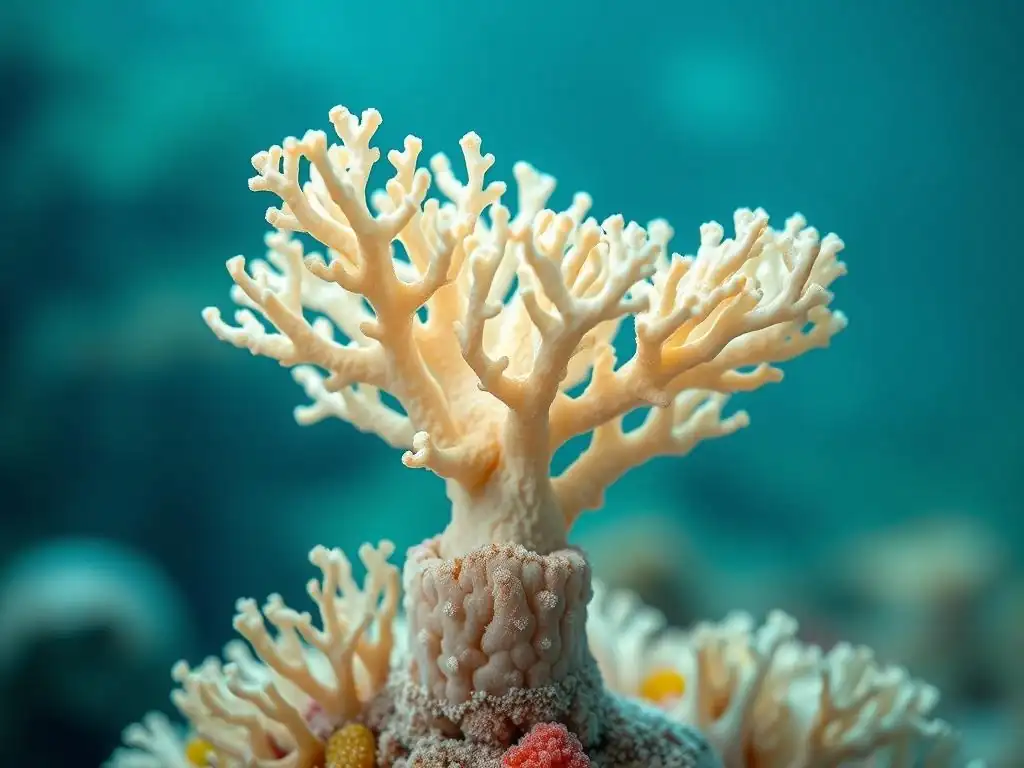
Stabilizing Alkalinity in a SPS Dominant Reef Tank
Consider a 120-gallon mixed reef tank, predominantly housing SPS corals like Acropora and Montipora, but also featuring a vibrant collection of Ricordea florida and Rhodactis mushrooms in lower flow, lower light areas. The aquarist noticed the mushroom corals, usually plump and colorful, were starting to shrink and lose their vibrant green and orange hues. Upon testing, alkalinity was consistently found to be around 6.5 dKH, significantly below the target of 8.5 dKH, likely due to the high calcification demands of the SPS corals. The mushroom coral alkalinity fluctuations from the ideal range were clearly visible.
To address this, the aquarist gradually increased the daily dose of a two-part alkalinity supplement from 20 mL to 35 mL over a period of five days, monitoring dKH daily. Alkalinity slowly climbed from 6.5 dKH to 8.5 dKH. Within two weeks of stable alkalinity, the Ricordea began to regain their turgor and intense coloration, fully expanding during the day. The Rhodactis showed similar signs of recovery, demonstrating that even in a high-demand tank, precise alkalinity management can benefit all coral types.
Rehabilitating Mushroom Corals After a Major Alkalinity Swing Due to Equipment Malfunction
In a 75-gallon reef tank, an automated dosing pump malfunctioned, continuously dosing alkalinity solution for several hours overnight. The next morning, the aquarist found the alkalinity had spiked from a stable 8.0 dKH to an alarming 14.0 dKH. The mushroom corals, including several large Discosoma species, were severely shriveled, discolored, and appeared to be melting. This extreme mushroom coral alkalinity fluctuation was a critical emergency.
Immediate action was taken. The aquarist performed a 25% water change with perfectly matched saltwater, followed by another 10% water change six hours later. Over the next 48 hours, two more 10% water changes were conducted.
Alkalinity was brought down gradually to 9.5 dKH within 24 hours, and then slowly to 8.5 dKH over the next two days. The mushroom corals initially looked worse, but over the next month, with stable parameters and careful observation, they slowly began to recover. Most regained their size and color, though a few heavily impacted Discosoma did not survive, highlighting the severity of rapid mushroom coral alkalinity fluctuations.
Lessons Learned: Gradual Adjustments, Regular Monitoring, and Equipment Maintenance
These case studies underscore critical lessons for managing mushroom coral alkalinity fluctuations. Firstly, any adjustments to alkalinity, whether correcting a deficiency or an excess, must be made gradually. Rapid changes, even towards the "ideal," can cause more immediate stress than the initial imbalance. A change of no more than 0.5-1 dKH per 24 hours is a safe guideline.
Secondly, consistent and regular monitoring is paramount. Daily or bi-daily testing, especially when making changes or after adding new livestock, allows for early detection of mushroom coral alkalinity fluctuations before they become detrimental. Finally, routine maintenance and calibration of all equipment, particularly automated dosing systems, are essential. Regular checks of dosing lines, pump calibration, and controller settings can prevent catastrophic malfunctions and ensure the continuous stability that mushroom corals, and indeed all reef inhabitants, require to thrive.
Advanced Techniques for Alkalinity Control
The Balling Method and Its Application for Alkalinity Management
The Balling Method is an advanced dosing technique widely used by experienced aquarists to maintain stable calcium, alkalinity, and magnesium levels, effectively preventing mushroom coral alkalinity fluctuations in high-demand reef tanks. It involves dosing three separate solutions: calcium chloride dihydrate, sodium bicarbonate/carbonate (for alkalinity), and a salt-free magnesium/trace element mix. Unlike two-part systems that can sometimes lead to minor ionic imbalances over time, the Balling Method aims to replenish all major ions consumed by corals, maintaining a more balanced ionic profile.
For mushroom corals, while their specific demand for calcium and magnesium is lower than stony corals, the Balling Method ensures the overall water chemistry remains exceptionally stable. This method is particularly beneficial in mixed reef systems where alkalinity consumption can be significant and variable. By providing a comprehensive and balanced replenishment of elements, the Balling Method creates a highly stable environment that minimizes mushroom coral alkalinity fluctuations, promoting their vibrant coloration and robust growth.
Calcium Reactors and Their Role in Alkalinity Stabilization
Calcium reactors are sophisticated pieces of equipment that offer an automated and highly effective way to maintain consistent alkalinity and calcium levels, especially in large or densely stocked reef tanks with high demand. A calcium reactor works by dissolving a calcium carbonate-based media (like crushed coral or aragonite) using carbon dioxide (CO2) gas, which lowers the pH within the reactor chamber. The effluent, rich in calcium and alkalinity, is then dripped back into the main display tank.
For mushroom corals, a properly tuned calcium reactor provides a continuous and stable supply of alkalinity, eliminating the daily manual dosing of liquids. This consistent input significantly reduces mushroom coral alkalinity fluctuations and contributes to overall tank stability. While calcium reactors require a higher initial investment and careful setup (including CO2 regulation and effluent drip rate adjustment), their ability to provide highly stable parameters makes them an invaluable tool for advanced reef keepers aiming for long-term success with all types of corals.
Monitoring and Adjusting Alkalinity in Ultra-Low Nutrient Systems (ULNS)
Ultra-Low Nutrient Systems (ULNS) are reef tanks maintained with extremely low levels of nitrate and phosphate, often achieved through methods like carbon dosing, refugiums, or advanced filtration. While beneficial for promoting vibrant SPS coloration, managing alkalinity in ULNS can present unique challenges that impact mushroom coral alkalinity fluctuations. In these systems, coral growth can sometimes be slower, and the overall biological activity might be different, subtly altering alkalinity consumption rates.
Due to the pristine nature of ULNS, the buffering capacity can sometimes be less robust than in more nutrient-rich systems, making them potentially more susceptible to rapid mushroom coral alkalinity fluctuations if not managed precisely. Aquarists running ULNS must be exceptionally vigilant with alkalinity testing, often daily, and adjust their dosing or calcium reactor output with extreme precision. Over-dosing, even slightly, can quickly lead to precipitation issues, while under-dosing can lead to a rapid crash, both of which are detrimental to mushroom corals. Precise, consistent monitoring and micro-adjustments are key to maintaining stability in these delicate environments.
Conclusion: Ensuring Healthy Mushroom Corals Through Alkalinity Stability
Key Takeaways for Maintaining Optimal Alkalinity for Mushroom Corals
Maintaining optimal alkalinity is paramount for the long-term health and vibrancy of mushroom corals. The most critical takeaway is that stability within the recommended range (typically 7-11 dKH) far outweighs hitting a precise number. Rapid mushroom coral alkalinity fluctuations, even within acceptable limits, induce significant stress. Aquarists should aim for daily or weekly swings of no more than 0.5-1 dKH. Gradual adjustments, never exceeding this rate, are essential when correcting an imbalance.
Regular and accurate testing, using reliable kits like Salifert or Hanna Checkers, is the foundation of effective alkalinity management. Understanding your tank's consumption rate through consistent monitoring allows for proactive adjustments to dosing routines, whether manual or automated. Finally, a holistic approach that ensures stability across all water parameters—temperature, salinity, calcium, and magnesium—will create the ideal environment for mushroom corals to thrive, display their full coloration, and propagate naturally.
Further Resources for Reef Tank Alkalinity Management
To deepen your understanding of alkalinity management and its profound impact on reef aquarium health, including the nuances of mushroom coral alkalinity fluctuations, consider exploring various educational avenues. Dive into scientific literature on coral physiology and marine chemistry to grasp the fundamental biological processes at play. Consult comprehensive reef chemistry guides published by reputable authors or institutions, which often provide detailed explanations of buffering systems and their interactions.
Engage with experienced hobbyists and participate in dedicated online forums or local aquarium clubs. These communities often share practical experiences, troubleshooting tips, and insights gained from years of hands-on reef keeping. By combining scientific knowledge with practical application, aquarists can develop a robust understanding of alkalinity's role and master the techniques required to maintain a stable and thriving environment for their mushroom corals and the entire reef ecosystem.
The Future of Reef Keeping: Advancements in Alkalinity Monitoring and Control
The field of reef keeping is continuously evolving, with exciting advancements on the horizon that promise to further simplify and enhance alkalinity management, minimizing mushroom coral alkalinity fluctuations. Continuous alkalinity monitors, which provide real-time dKH readings, are becoming more accessible, allowing aquarists to observe immediate impacts of dosing or consumption and react proactively. These devices often integrate with aquarium controllers, offering sophisticated data logging and alerting capabilities.
Beyond simple monitoring, the future likely holds more integrated and intelligent dosing systems. Imagine systems that not only dose based on a pre-set schedule but also automatically adjust dosing volumes based on real-time alkalinity feedback from sensors, creating a truly closed-loop system for ultimate stability. Artificial intelligence and machine learning could play a role in predicting alkalinity demand based on coral growth rates, feeding schedules, and other environmental factors. These innovations will empower hobbyists to maintain even more stable and pristine reef environments, ensuring the long-term success and beauty of mushroom corals and all reef inhabitants.
Frequently Asked Questions
How do alkalinity fluctuations specifically impact Mushroom Coral health?
Alkalinity swings cause stress in Mushroom Corals, leading to tissue recession and bleaching. These fluctuations disrupt their ability to absorb essential nutrients and maintain healthy growth.
What is the ideal alkalinity range for keeping Mushroom Corals healthy in a saltwater aquarium?
The recommended alkalinity range is typically between 8-11 dKH (degrees of carbonate hardness). Maintaining this stable range is crucial for preventing coral stress and promoting growth.
What are some common causes of alkalinity fluctuations in a saltwater aquarium?
Common causes include infrequent water changes, over-dosing of alkalinity supplements, and an imbalance in the biological filtration system. Regular testing is key.
How often should I test my aquarium's alkalinity level to prevent issues with my Mushroom Corals?
It's recommended to test your aquarium's alkalinity levels at least twice a week. This frequency allows for early detection of potential swings and timely adjustments.
What steps can I take to stabilize alkalinity in my aquarium if I notice significant Mushroom Coral distress?
First, perform a partial water change with water of known and stable alkalinity. Slowly adjust alkalinity levels using appropriate supplements, monitoring closely for any further signs of stress.
The data presented throughout this article underscores the critical importance of maintaining stable alkalinity levels for the health and survival of mushroom corals. Understanding and mitigating the impact of alkalinity fluctuations is no longer just a scientific pursuit, but a vital necessity for the preservation of these fascinating reef inhabitants. The delicate balance of their environment is easily disrupted, and our actions, whether intentional or not, directly influence their well-being.
This exploration into mushroom coral alkalinity fluctuations highlights the interconnectedness of all life within a reef ecosystem. The subtle shifts in water chemistry, often imperceptible to the naked eye, can trigger cascading effects that ultimately determine the fate of these vibrant organisms. In nature, nothing exists alone.
- Rachel Carson. This quote resonates deeply when considering the intricate web of life within a coral reef, reminding us that the health of mushroom corals is inextricably linked to the overall health of the ocean.
As we conclude this exploration, I invite you to reflect on your own role in preserving these fragile ecosystems. Consider the choices you make, from the products you use to the actions you take, and how they might impact the delicate balance of the reef. Let us all strive to become more informed stewards of our planet, ensuring that future generations can marvel at the beauty and wonder of mushroom corals thriving in a healthy and vibrant ocean.
Unlock Vibrant Mushroom Corals!
Thank you for exploring the crucial role of alkalinity in maintaining healthy mushroom corals. We hope this article provided valuable insights into preventing and managing alkalinity swings. Now, let's put that knowledge into action!
Here are a few steps you can take today:
- Immediately test your aquarium's alkalinity and compare it to the ideal range for mushroom corals (7-11 dKH).
- Start a journal to track your alkalinity, pH, and calcium levels weekly, noting any changes or interventions.
- Share this article with fellow reef keepers to spread awareness and foster a community of informed hobbyists.
What specific methods will you implement to ensure stable alkalinity in your reef tank this week?