
*Neolamprologus brevis*: The PairBonding Shell Dweller You Need to Know

Welcome to Aquarium Mastery!
Intrigued by the fascinating world of shell dwellers? Dive in and discover the secrets to successful Neolamprologus brevis pair bonding! These tiny cichlids have BIG personalities, and understanding their unique social dynamics is key to a thriving aquarium. Ready to unlock the mysteries of their behavior and create the perfect habitat? Let's explore!
- Introduction to Neolamprologus brevis: A Unique Tanganyikan Cichlid
- Understanding Neolamprologus brevis Pair Bonding Behavior
- Setting Up the Ideal Neolamprologus brevis Tank Environment
- Choosing the Right Shells for Your Neolamprologus brevis
- Neolamprologus brevis Care and Maintenance: A Comprehensive Guide
- Breeding Neolamprologus brevis: A Rewarding Experience
- Neolamprologus brevis Tank Mates: Compatibility and Considerations
- Troubleshooting Common Neolamprologus brevis Issues
- The Allure of Shell Dwellers: Why Keep Neolamprologus brevis?
- Conclusion: Mastering Neolamprologus brevis Keeping
-
Frequently Asked Questions
- What makes Neolamprologus brevis interesting for aquarium keepers?
- What size tank is recommended for a Neolamprologus brevis pair?
- What are the key considerations for water chemistry when keeping Neolamprologus brevis?
- What kind of substrate and decorations are ideal for a Neolamprologus brevis tank?
- How can I encourage pair bonding in Neolamprologus brevis in my aquarium?
- Final Reflection: The Enduring Power of Partnership
- Embark on Your Shell Dweller Journey!
Introduction to Neolamprologus brevis: A Unique Tanganyikan Cichlid
Discovering the Charm of the Neolamprologus brevis
The Neolamprologus brevis, often simply called N. brevis or the Brevis cichlid, is a captivating freshwater fish originating from the rocky, shell-strewn shores of Lake Tanganyika in East Africa. This small yet charismatic cichlid is renowned for its unique lifestyle: it's a "shell dweller," meaning it lives and breeds within empty snail shells found on the lakebed. Its compact size, typically reaching only 2 to 2.5 inches (5-6 cm) for males and slightly smaller for females, makes it an ideal inhabitant for smaller, specialized aquarium setups, offering a fascinating glimpse into the complex social dynamics of Tanganyikan cichlids.
What truly sets Neolamprologus brevis apart is its distinct social structure, particularly its propensity for strong Neolamprologus brevis pair bonding. Unlike some other shell dwellers that form colonies or are more solitary, N. brevis are known to form monogamous, long-lasting pair bonds, making them a rewarding species to observe in the home aquarium. Their relatively peaceful demeanor, combined with their intricate behaviors around their chosen shells, contributes significantly to their appeal among aquarists seeking a unique and interactive display.
Why Neolamprologus brevis Stands Out in the Aquarium Hobby
Neolamprologus brevis distinguishes itself in the aquarium hobby primarily through its fascinating social interactions and manageable size. While many cichlids are known for their aggression and large tank requirements, the N. brevis offers a more understated yet equally engaging experience. Their compact stature allows them to thrive in tanks as small as 10 gallons for a single pair, opening up opportunities for aquarists with limited space to delve into the world of Tanganyikan cichlids.
The most compelling aspect of Neolamprologus brevis is undoubtedly its strong Neolamprologus brevis pair bonding. This behavior is relatively rare among cichlids, and observing a pair of N. brevis cooperatively defending their shell, raising their fry, and interacting with each other is a truly unique spectacle. Their territoriality is typically directed at other N. brevis or perceived threats to their shell, rather than outright aggression towards tank mates, making them a more harmonious addition to certain community setups compared to their more boisterous relatives.
Understanding Neolamprologus brevis Pair Bonding Behavior
The Significance of Pair Bonds in Neolamprologus brevis
The formation of a strong Neolamprologus brevis pair bond is central to the species' survival and reproductive success in the wild, and it remains a defining characteristic in captivity. Unlike species such as Lamprologus multifasciatus which form large colonies, Neolamprologus brevis prefers a monogamous relationship, where the male and female share the responsibilities of defending their territory and raising their offspring. This cooperative strategy allows them to efficiently protect their chosen shell, which serves as a sanctuary for the female, a spawning site, and a nursery for the fry.
This pair bonding is not merely for reproduction; it significantly enhances the pair's ability to forage safely and ward off potential predators or competitors. The male typically guards the immediate vicinity of the shell, while the female remains largely within or very close to it, especially when brooding. This division of labor, underpinned by their strong Neolamprologus brevis pair bond, is a cornerstone of their behavioral ecology and a primary reason why observing them is so captivating for aquarists.
How Neolamprologus brevis Develops and Maintains Pair Bonds
Neolamprologus brevis typically forms its pair bond naturally when a group of juveniles is introduced into a suitable environment. As they mature, individuals will assess potential partners through a series of subtle interactions, including fin flaring, circling, and mutual exploration of shells. Once a male and female select each other, their bond solidifies through shared territorial defense and, most notably, through the act of breeding. Successful spawning and cooperative fry-rearing strengthen the Neolamprologus brevis pair bond significantly.
Maintenance of the Neolamprologus brevis pair bond is an ongoing process. They continuously reinforce their connection through synchronized movements, shared vigilance, and mutual defense against intruders. It's common to see the male and female of a pair swimming in close proximity, often with the female darting in and out of her preferred shell while the male patrols the entrance. This constant interaction and shared responsibility ensure the longevity and effectiveness of their partnership, making their Neolamprologus brevis pair bonding a truly remarkable display of fish behavior.
Observing Pair-Bonding Displays in Your Aquarium
Observing the intricate Neolamprologus brevis pair bonding displays in your home aquarium is one of the most rewarding aspects of keeping this species. A well-established pair will exhibit several distinct behaviors that signify their strong connection. One of the most common sights is the female occupying a specific shell, while the male diligently guards the entrance, often positioned just outside or slightly above it. They will cooperatively excavate sand around their chosen shell, creating a small depression that further secures their home.
During feeding times, the Neolamprologus brevis pair will often emerge together, though the female may remain closer to the shell. When another fish or even your hand approaches their territory, both the male and female will typically respond with defensive posturing, such as fin flaring or quick dashes, demonstrating their unified front. You might also observe them performing subtle "dances" or "wiggles" around each other, especially leading up to a spawning event, which are further affirmations of their robust Neolamprologus brevis pair bonding.
Setting Up the Ideal Neolamprologus brevis Tank Environment
Tank Size Recommendations for Neolamprologus brevis Pairs
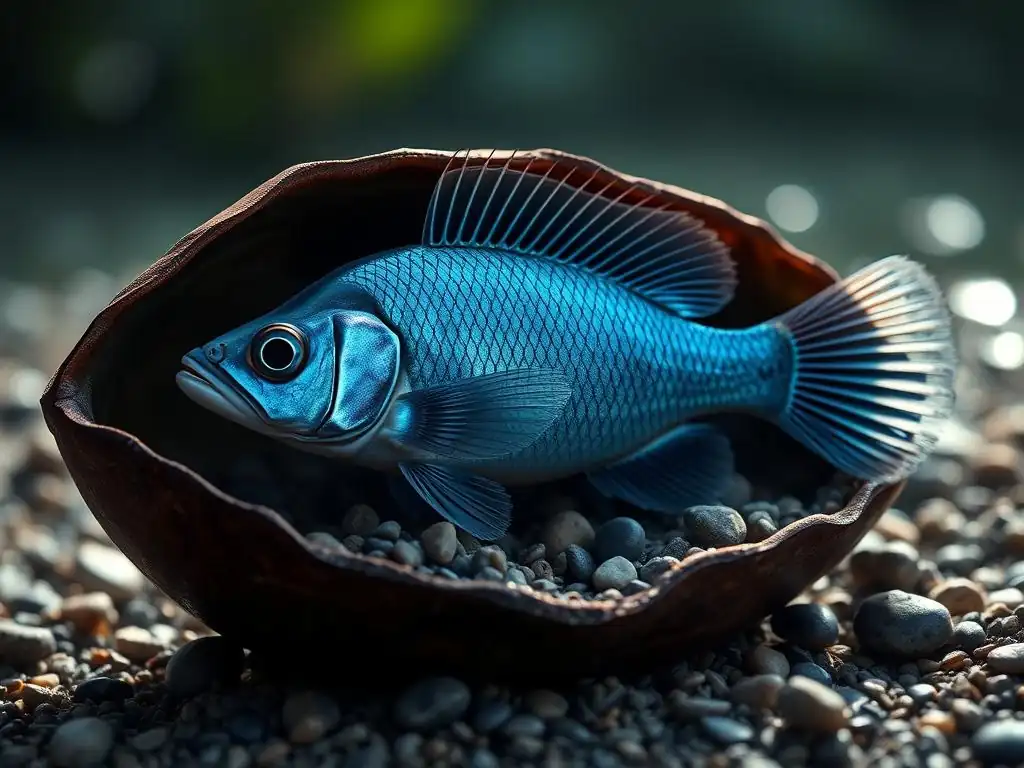
For a single, established Neolamprologus brevis pair bond, a minimum tank size of 10 gallons (approximately 38 liters) is generally recommended. This size provides sufficient floor space for their territorial needs and allows for adequate water volume to maintain stable parameters. While they are small fish, their territorial nature around their shells means that horizontal tank space is more crucial than vertical depth. A standard 10-gallon tank (20x10x12 inches or 51x25x30 cm) offers a good footprint for a pair to thrive.
If you plan to keep multiple Neolamprologus brevis pairs or integrate them into a small community setup, a larger tank of 20 gallons (approximately 76 liters) or more is advisable. For each additional Neolamprologus brevis pair, consider adding at least 5-10 gallons to the tank volume to minimize aggression and ensure each pair can establish its own distinct territory and maintain its Neolamprologus brevis pair bonding without undue stress from neighbors. Ample shells and visual breaks are essential in multi-pair setups.
Substrate and Decoration: Creating a Natural Habitat
The substrate is a critical component for a Neolamprologus brevis tank, as these fish are avid diggers. A fine sand substrate, such as aragonite sand or silica sand, is ideal, laid at a depth of at least 1 to 2 inches (2.5-5 cm). This allows the Neolamprologus brevis pair to excavate around their chosen shells, a natural behavior that reinforces their territorial claims and strengthens their Neolamprologus brevis pair bonding. Coarse gravel can injure their delicate mouths and fins, and it does not allow for their natural digging instincts.
The most important decoration for Neolamprologus brevis are empty snail shells. Escargot shells, readily available from gourmet food stores, are an excellent and commonly used substitute for the native Neothauma tanganyicense shells. Provide a generous number of shells, at least 2-3 per fish, even for a pair, to allow for choice and to reduce potential conflict.
Arranging some shells on their side, others partially buried, mimics their natural habitat and encourages the Neolamprologus brevis pair to select their preferred home. Smooth rocks or small pieces of driftwood can be added to provide additional visual barriers and hiding spots, but shells should always be the focal point.
Essential Water Parameters for Thriving Neolamprologus brevis
Maintaining precise and stable water parameters is paramount for the health and longevity of your Neolamprologus brevis pair bond. Originating from Lake Tanganyika, these cichlids require hard, alkaline water conditions that mimic their natural environment. The ideal temperature range for N. brevis is typically between 76-80°F (24-27°C). Consistency in temperature is more important than hitting an exact number within this range.
The pH level should be maintained within an alkaline range of 7.8-9.0, with a target of around 8.2-8.6 being optimal. Water hardness, measured in dGH (degrees of General Hardness), should be between 10-20 dGH. Regular testing of these parameters using a reliable freshwater test kit is crucial. Fluctuations in pH or hardness can cause significant stress, weakening the fish and potentially disrupting the Neolamprologus brevis pair bond, leading to health issues or even death. Using a buffering substrate like aragonite sand can help maintain the necessary alkalinity and hardness.
Choosing the Right Shells for Your Neolamprologus brevis
Shell Selection: Size, Shape, and Material Considerations
Choosing the appropriate shells is perhaps the single most important factor for the successful keeping and breeding of Neolamprologus brevis. The ideal shell should have an opening just large enough for the fish to comfortably enter and exit, providing a snug, secure retreat. While the natural Neothauma tanganyicense shells from Lake Tanganyika are perfect, they are rare and expensive outside of Africa.
A widely available and excellent substitute is the common escargot shell, which closely mimics the size and shape preferred by Neolamprologus brevis. Other options include large apple snail shells or even ceramic snail shell replicas, provided they are non-toxic and have smooth edges.
The material of the shell is also important; natural shells provide a slightly rougher internal texture which Neolamprologus brevis seem to prefer for gripping during spawning. Ensure any shells collected or purchased are thoroughly cleaned and sterilized (e.g., by boiling for 10-15 minutes) to remove any contaminants or organic matter before introduction into the aquarium. The correct shell facilitates the security and privacy crucial for the formation and maintenance of a strong Neolamprologus brevis pair bond and successful breeding.
Arranging Shells to Encourage Natural Behavior
The arrangement of shells in the aquarium significantly influences the behavior of your Neolamprologus brevis pair. For a single Neolamprologus brevis pair bond, it's best to provide a cluster of 3-5 shells in one area of the tank. This allows the pair to choose their preferred shell and gives them options for future spawns or if one shell becomes unsuitable. Some shells can be placed upright, others on their side, and some partially buried in the sand, mimicking the varied orientations found in their natural habitat. This variety encourages natural exploratory and digging behaviors.
If housing multiple Neolamprologus brevis pairs or other shell dwellers, it's crucial to provide distinct territories. This can be achieved by creating multiple shell clusters separated by open sand areas or visual barriers like rocks. A general guideline is to provide at least 2-3 shells per fish, even if they are pair-bonded, to ensure ample choices and to diffuse potential aggression. Proper shell arrangement helps to reduce stress, reinforces the Neolamprologus brevis pair bond, and promotes a more natural and fascinating display of their social dynamics.
Alternative Shell Dweller Options (If N. brevis doesn't fit your setup)
While Neolamprologus brevis are exceptional shell dwellers, they might not be the perfect fit for every aquarist's setup or preference, particularly if the strong Neolamprologus brevis pair bonding isn't the primary interest. Fortunately, Lake Tanganyika offers a diverse array of other fascinating shell-dwelling cichlids, each with its unique characteristics. For instance, Lamprologus multifasciatus (Multies) are renowned for forming large, bustling colonies rather than pair bonds. They are smaller than N. brevis and can thrive in even more compact tanks, creating a mesmerizing spectacle of hundreds of tiny cichlids interacting with their shells.
Another popular option is Lamprologus ocellatus (Ocellatus), which are often more solitary and fiercely territorial over their individual shell. They come in various color morphs and are known for their bold personalities despite their small size. Lamprologus similis is another colony-forming shell dweller, similar to Multies but often displaying more pronounced barring patterns. While these alternatives offer different social dynamics and may not exhibit the same strong Neolamprologus brevis pair bonding, they provide equally engaging opportunities to observe the unique adaptations of Tanganyikan shell dwellers.
Neolamprologus brevis Care and Maintenance: A Comprehensive Guide
Feeding Your Neolamprologus brevis: Diet and Nutrition
Neolamprologus brevis are primarily micro-predators in their natural habitat, feeding on small invertebrates and zooplankton. In the aquarium, a varied and high-quality diet is crucial for their health, vibrant coloration, and successful Neolamprologus brevis pair bonding. A good staple diet consists of high-quality cichlid pellets or flakes formulated for small carnivorous fish. These should be offered in small amounts that can be consumed within a few minutes.
Supplementing their diet with frozen or freeze-dried foods such as brine shrimp, daphnia, and small bloodworms is highly beneficial. These protein-rich foods mimic their natural prey and provide essential nutrients. Feeding small amounts 2-3 times a day is generally recommended over a single large feeding, as this helps prevent overfeeding and keeps the water cleaner, which is vital for maintaining optimal water quality for your Neolamprologus brevis pair bond. Avoid feeding large, difficult-to-digest foods that can lead to digestive issues.
Water Changes and Tank Maintenance for Optimal Health
Consistent and diligent water changes are perhaps the most critical aspect of maintaining a healthy Neolamprologus brevis aquarium. Due to their preference for pristine water conditions, a weekly water change of 20-30% of the tank volume is highly recommended. This helps to keep nitrate levels low and replenishes essential minerals. Always use a dechlorinator when adding tap water, and ensure the new water matches the tank's temperature and pH as closely as possible to prevent shocking the fish.
During water changes, use a gravel vacuum to gently clean the surface of the sand substrate. Be cautious around the shells occupied by your Neolamprologus brevis pair bond, as disturbing their home can cause stress. Regularly check your filtration system to ensure it's functioning efficiently, and clean or replace filter media as recommended by the manufacturer. Maintaining excellent water quality is fundamental to preventing disease and ensuring the long-term well-being and breeding success of your Neolamprologus brevis pair.
Recognizing and Treating Common Neolamprologus brevis Diseases
Like all aquarium fish, Neolamprologus brevis can be susceptible to common freshwater diseases, particularly if water quality is poor or they are stressed. Recognizing early symptoms is key to successful treatment. Common ailments include Ich (Ichthyophthirius multifiliis), characterized by small white spots resembling salt grains on the body and fins; Velvet disease, which presents as a dusty, yellowish film; and various bacterial infections, often indicated by clamped fins, lethargy, loss of appetite, or fin rot.
If you observe any of these symptoms in your Neolamprologus brevis pair, prompt action is necessary. First, verify your water parameters (ammonia, nitrite, nitrate, pH, temperature) to ensure they are within the optimal range, as poor water quality is a primary stressor. Isolate affected fish in a quarantine tank if possible to prevent spread and facilitate treatment. Use appropriate aquarium-safe medications following the manufacturer's instructions. Maintaining a stable environment and providing a nutritious diet are the best preventative measures to keep your Neolamprologus brevis pair bond healthy and resilient.
Breeding Neolamprologus brevis: A Rewarding Experience
Creating Breeding Conditions for Neolamprologus brevis
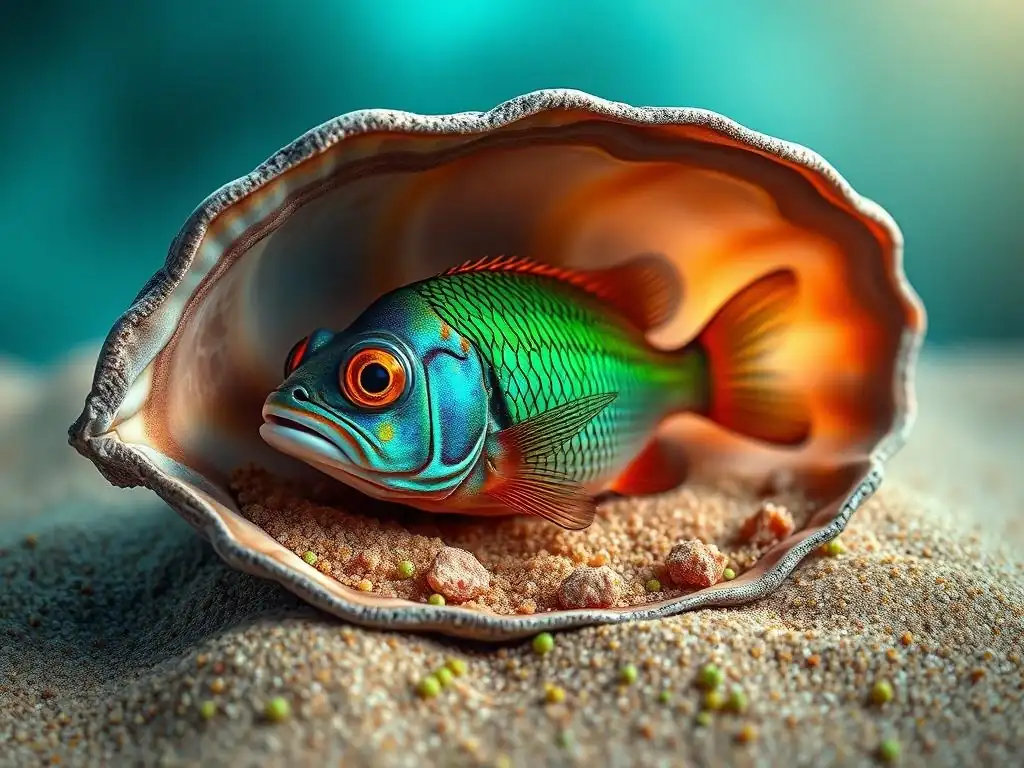
Breeding Neolamprologus brevis is a highly rewarding experience, largely due to their fascinating Neolamprologus brevis pair bonding and parental care. The primary prerequisite for successful breeding is a well-established, compatible pair. Providing optimal tank conditions is crucial: ensure stable water parameters within their preferred range (pH 8.0-8.5, temperature 78-80°F or 25.5-27°C), a fine sand substrate, and a selection of suitable shells. A diet rich in protein, including live or frozen foods, will help condition the pair for spawning.
Spawning often occurs naturally once the Neolamprologus brevis pair bond has settled into its environment and feels secure. Some aquarists report that a slight increase in temperature or a small, cool water change can trigger spawning behavior. The pair will typically choose a specific shell, and the female will spend an increasing amount of time inside it, while the male guards the entrance. This intense focus on their chosen shell signals that spawning is imminent.
Observing Spawning and Fry Care in Shell Dwellers
Once the breeding conditions are met, observing the spawning process of the Neolamprologus brevis pair is a subtle yet captivating event. The female will enter the chosen shell to lay her eggs, typically adhering them to the inner surface of the shell. A male will then enter to fertilize them. This process may occur over several hours. The eggs are tiny, opaque, and usually number between 10 and 30, though larger, well-conditioned females can produce up to 50 eggs.
After spawning, the strength of the Neolamprologus brevis pair bond becomes even more evident through their cooperative parental care. The female remains inside the shell, fanning the eggs to ensure good oxygenation and cleaning them. The male diligently guards the shell's entrance, chasing away any perceived threats. The eggs typically hatch in about 2-3 days, and the fry become free-swimming within 7-10 days after hatching. The parents will continue to protect their brood, often ushering the fry back into the shell if danger approaches.
Raising Neolamprologus brevis Fry: From Hatching to Independence
Raising Neolamprologus brevis fry is a relatively straightforward process once they become free-swimming. Due to their small size, the fry initially require very fine foods. Newly hatched brine shrimp nauplii are an excellent first food, providing essential nutrients for rapid growth. Micro-worms or finely crushed high-quality flake food can also be offered. Feed the fry multiple times a day in small quantities to ensure they receive adequate nutrition and to prevent water fouling.
Maintaining pristine water quality is crucial for fry development; perform small, daily water changes (e.g., 10%) using a siphon that won't suck up the tiny fry. The Neolamprologus brevis pair bond will continue to guard their offspring for several weeks, demonstrating remarkable dedication. As the fry grow, they will begin to explore outside the shell more independently. Once they reach about 0.5 inches (1.2 cm) in size, they can be removed from the main tank to prevent overpopulation or potential aggression from the parents during future spawning cycles.
Neolamprologus brevis Tank Mates: Compatibility and Considerations
Suitable Tank Mates for Neolamprologus brevis: A Peaceful Community
While Neolamprologus brevis are territorial, their aggression is usually confined to their immediate shell area and is often directed more towards conspecifics or other shell-dwelling cichlids. For a peaceful community tank, suitable tank mates are typically other small, non-aggressive Tanganyikan cichlids that occupy different levels of the water column, thereby minimizing competition for space. Ideal companions include:
- Small Julidochromis species: Such as Julidochromis transcriptus or Julidochromis dickfeldi, which are rock dwellers and generally stay higher up in the tank.
- Small Cyprichromis species: Like Cyprichromis leptosoma, which are open-water schooling cichlids and will rarely interact with the bottom-dwelling Neolamprologus brevis pair bond.
- Dwarf Synodontis catfish: Specifically Synodontis petricola or Synodontis lucipinnis, which are small, peaceful bottom dwellers that do not compete for shells.
The key is to select fish that will not harass the Neolamprologus brevis pair bond or compete directly for their shell territories, allowing all inhabitants to coexist harmoniously.
Fish to Avoid Housing with Neolamprologus brevis
When selecting tank mates for your Neolamprologus brevis pair, it's crucial to avoid species that are overly aggressive, too large, or directly compete for the same limited resources. Housing Neolamprologus brevis with unsuitable tank mates can lead to chronic stress, injury, or even death, and can severely disrupt the Neolamprologus brevis pair bonding. Fish to avoid include:
- Large or highly aggressive cichlids: Such as Mbuna cichlids from Lake Malawi, or larger, more boisterous Tanganyikan cichlids like Neolamprologus brichardi (Fairy Cichlids) or Altolamprologus compressiceps. These fish can easily intimidate and outcompete N. brevis.
- Other shell dwellers (unless in very large tanks): Housing multiple species of shell dwellers in a tank that is too small can lead to intense territorial disputes, as they all vie for the same valuable shells. If attempting multiple shell dweller species, ensure ample space and a vast number of shells, strategically placed to create distinct territories.
- Large, predatory fish: Any fish large enough to view Neolamprologus brevis as prey should be avoided.
Careful consideration of temperament, size, and habitat preferences is essential to prevent conflict and protect your Neolamprologus brevis pair.
Minimizing Aggression and Competition in a Community Tank
Even with carefully selected tank mates, strategies to minimize aggression and competition are vital for a thriving Neolamprologus brevis community tank. The primary method is to provide ample hiding spots and visual barriers. In addition to a generous supply of shells for the Neolamprologus brevis pair, arrange rocks, driftwood, or even artificial decorations to break up sightlines and create distinct territories for all inhabitants. This allows weaker or submissive fish to escape aggressive encounters and reduces overall stress.
Overstocking slightly, a technique sometimes used with certain cichlids to diffuse aggression, is generally not recommended for Neolamprologus brevis as their territoriality is very shell-centric. Instead, focus on providing enough space for each Neolamprologus brevis pair bond to establish its exclusive zone. Regular observation of fish behavior is crucial; if persistent aggression is noted, be prepared to remove the instigating fish or re-evaluate your tank setup. Maintaining excellent water quality also contributes to overall fish health and reduces stress, thereby minimizing aggressive tendencies.
Troubleshooting Common Neolamprologus brevis Issues
Addressing Aggression and Territoriality in Neolamprologus brevis
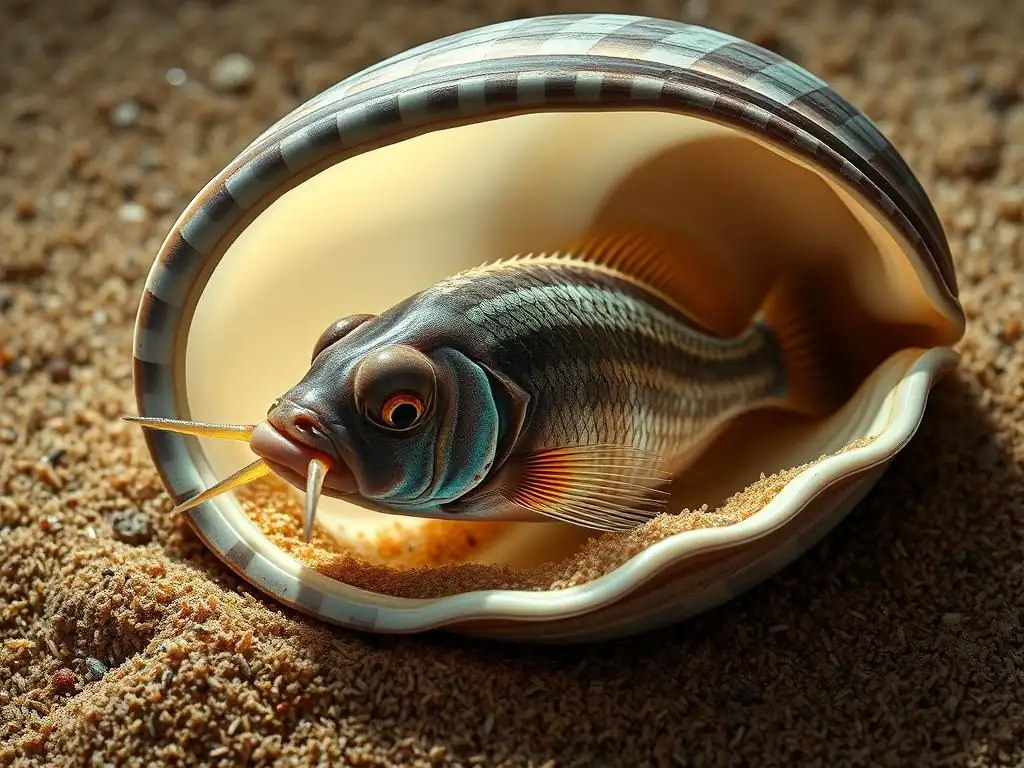
While Neolamprologus brevis are generally peaceful for cichlids, aggression can sometimes arise, particularly between a pair if the Neolamprologus brevis pair bond is not strong or if space is insufficient. If you observe one fish constantly harassing the other within a pair, it might indicate an incompatible match. In such cases, increasing the number of shells available, rearranging the tank layout, or even temporarily separating the fish before reintroducing them can sometimes resolve the issue. In rare cases, if aggression persists, it may be necessary to find a new home for one of the individuals.
Aggression towards tank mates is usually a sign of insufficient space or inappropriate tank mate selection. Ensure the tank is large enough for all inhabitants and that there are plenty of visual barriers and hiding spots. Re-evaluating the compatibility of tank mates is also crucial; remove any fish that are consistently harassing or being harassed by your Neolamprologus brevis pair. Remember that while the Neolamprologus brevis pair bond is strong, they will defend their immediate territory, especially during breeding.
Dealing with Shell Abandonment: Causes and Solutions
Shell abandonment by a Neolamprologus brevis pair can be a perplexing issue for aquarists, as these fish are so intrinsically linked to their shells. If your Neolamprologus brevis pair suddenly abandons their chosen shell, it's usually an indicator of stress or an unsuitable environment. Common causes include:
- Unsuitable shell: The shell might be too small, too large, or have sharp edges. Offer a variety of shell sizes and types.
- Water quality issues: Fluctuations in pH, temperature, or elevated ammonia/nitrite/nitrate levels can make the fish uncomfortable. Perform water tests and correct parameters immediately.
- Harassment from tank mates: Aggressive or overly curious tank mates might be stressing the Neolamprologus brevis pair, making them feel unsafe in their shell. Reassess tank mate compatibility.
- Disease: A sick fish may abandon its shell due to discomfort. Observe for other symptoms of illness.
Addressing the underlying cause is key. Once the stressor is removed, the Neolamprologus brevis pair will typically return to their shell or select a new one, re-establishing their comfort and security.
Maintaining Water Quality for Healthy Neolamprologus brevis
Consistent and high-quality water parameters are the foundation for the health and well-being of your Neolamprologus brevis pair bond. Fluctuations or poor water conditions are the leading causes of stress, disease, and behavioral issues in these sensitive cichlids. Regular weekly water changes of 20-30% are essential to dilute nitrates and replenish minerals. Always use a reliable water conditioner to neutralize chlorine and chloramines from tap water.
Beyond water changes, effective filtration is crucial. A good quality hang-on-back (HOB) filter or canister filter with adequate mechanical, biological, and chemical media will help maintain clear water and process harmful waste products. Avoid overfeeding, as uneaten food quickly decays and contributes to ammonia and nitrite spikes. Regularly test your water for ammonia, nitrite, nitrate, pH, and temperature to proactively identify and address any deviations. Maintaining stable, pristine water quality is the single most important factor in ensuring the long-term health, vitality, and successful Neolamprologus brevis pair bonding in your aquarium.
The Allure of Shell Dwellers: Why Keep Neolamprologus brevis?
The Unique Behaviors of Neolamprologus brevis that Captivate Aquarists
The decision to keep Neolamprologus brevis in an aquarium is often driven by their truly unique and captivating behaviors. Unlike many other aquarium fish, N. brevis offers a window into a complex social world centered around their shells. Observing the meticulous excavation of sand around their chosen home, the synchronized movements of a Neolamprologus brevis pair bond as they patrol their territory, and the fierce, coordinated defense against perceived threats are all behaviors that endlessly fascinate aquarists.
Beyond their territorial antics, their parental care is a highlight. Witnessing the female meticulously tend to her eggs within the shell, while the male stands guard outside, and then seeing tiny fry emerge and be carefully supervised by both parents, is a profound and rewarding experience. Their inquisitive nature, as they dart in and out of shells or investigate new additions to the tank, adds to their charm. These intricate behaviors, particularly the strong Neolamprologus brevis pair bonding, make them an endlessly engaging species for any dedicated aquarist.
Contributing to the Conservation of Tanganyikan Cichlids
Keeping and successfully breeding Neolamprologus brevis in home aquariums contributes indirectly but significantly to the broader conservation efforts of Tanganyikan cichlids. By maintaining healthy, self-sustaining captive populations, aquarists help to reduce the demand for wild-caught specimens, thereby alleviating pressure on natural fish stocks in Lake Tanganyika. This is particularly important for species that may face threats from habitat degradation or overfishing in their native environments.
Furthermore, responsible aquarists contribute to the collective knowledge base regarding the husbandry and breeding of these unique fish. Documenting breeding successes, sharing care tips, and participating in species-specific forums helps to ensure that accurate information is disseminated, promoting better care practices across the hobby. This collective effort by the aquarium community plays a vital role in preserving the genetic diversity and ensuring the long-term survival of Neolamprologus brevis and other extraordinary Tanganyikan cichlids for future generations.
Where to Buy Neolamprologus brevis and Ensuring Healthy Stock
When deciding to acquire Neolamprologus brevis for your aquarium, it's essential to source them from reputable suppliers to ensure you receive healthy, vibrant fish. Local fish stores specializing in cichlids or African cichlid breeders are often excellent choices, as they typically have more experience with these specific requirements. Online retailers that ship live fish are also an option, but it's crucial to research their reputation for ethical practices and safe shipping.
Before purchasing, carefully inspect the fish for signs of good health. Look for active swimmers, clear eyes, intact fins, and a robust body shape. Avoid fish that appear lethargic, have clamped fins, visible spots, or any signs of injury or disease.
Upon bringing new Neolamprologus brevis home, it is highly recommended to quarantine them in a separate tank for at least two to four weeks. This allows you to observe them for any signs of illness and treat them if necessary, preventing the potential introduction of diseases to your main display tank and safeguarding your existing Neolamprologus brevis pair bond.
Conclusion: Mastering Neolamprologus brevis Keeping
Recap of Key Neolamprologus brevis Care Tips
Mastering the art of keeping Neolamprologus brevis is a rewarding journey that hinges on understanding and diligently providing for their specific needs. The core tenets of their care include:
- Appropriate Tank Size: A minimum of 10 gallons for a single Neolamprologus brevis pair, with more horizontal space for multiple pairs.
- Specialized Habitat: A fine sand substrate and an abundance of suitable empty snail shells (like escargot shells) are non-negotiable for their well-being and natural behaviors.
- Stable Water Parameters: Maintaining hard, alkaline water (pH 7.8-9.0, GH 10-20 dGH) at a consistent temperature (76-80°F or 24-27°C) is crucial for their health.
- Quality Diet: A varied diet of high-quality flakes/pellets supplemented with frozen foods ensures optimal nutrition.
- Diligent Maintenance: Regular 20-30% weekly water changes and effective filtration are essential for pristine water quality.
- Understanding Neolamprologus brevis Pair Bonding: Recognizing and supporting their monogamous social structure is key to their success and your enjoyment of their unique interactions.
By adhering to these guidelines, aquarists can create a thriving environment where the Neolamprologus brevis pair bond can flourish, exhibiting all of its captivating natural behaviors.
Further Resources for Learning About Neolamprologus brevis and Other Tanganyikan Cichlids
The world of Tanganyikan cichlids is vast and endlessly fascinating, and Neolamprologus brevis is just one shining example of its diversity. For aquarists eager to deepen their knowledge, numerous resources are available. Specialized books dedicated to Lake Tanganyika cichlids provide in-depth information on species profiles, natural habitats, and breeding behaviors. Online forums and dedicated cichlid communities offer platforms to connect with experienced hobbyists, ask questions, and share insights, often providing real-world advice on challenges and successes with Neolamprologus brevis pair bonding.
Joining a local aquarium club or a cichlid-specific association can also be incredibly beneficial, offering opportunities for learning, trading fish, and experiencing presentations from experts. These resources not only enhance your understanding of Neolamprologus brevis but also open doors to exploring other intriguing shell dwellers, rock dwellers, and open-water species from Lake Tanganyika. Continued learning will enrich your aquarium keeping experience, allowing you to truly master the art of caring for these remarkable aquatic inhabitants.
Frequently Asked Questions
What makes Neolamprologus brevis interesting for aquarium keepers?
They are fascinating due to their pair bonding behavior within the aquarium. They're also relatively small and ideal for smaller, dedicated tanks. Their shell-dwelling nature adds another layer of interest.
What size tank is recommended for a Neolamprologus brevis pair?
A tank as small as 10 gallons can work, but a 20-gallon tank is generally recommended for a stable environment and to provide more space. This allows for a more natural territory defense.
What are the key considerations for water chemistry when keeping Neolamprologus brevis?
Maintaining a stable alkaline pH (around 7.8-9.0) and moderate hardness are crucial. Regular water changes are also important to prevent nitrate build-up, which they are sensitive to.
What kind of substrate and decorations are ideal for a Neolamprologus brevis tank?
A sandy substrate is best, along with plenty of empty snail shells for them to inhabit and breed in. Rockwork can also be added to provide territorial boundaries.
How can I encourage pair bonding in Neolamprologus brevis in my aquarium?
Provide a stable and stress-free environment with suitable water parameters. Offering multiple shells per fish allows them to choose their preferred home and establish their bond.
Final Reflection: The Enduring Power of Partnership
This exploration of Neolamprologus brevis and their fascinating pair bonding behavior reveals more than just the intricacies of a small fish in Lake Tanganyika. It highlights the fundamental importance of cooperation and commitment in achieving stability and success, principles that resonate far beyond the confines of an aquarium. The dedication these shell dwellers exhibit serves as a powerful reminder of the strength found in unity, a lesson particularly relevant in our increasingly fragmented world.
The enduring appeal of Neolamprologus brevis lies not just in their captivating behavior, but in the mirror they hold up to our own social structures. Witnessing their unwavering commitment to their partner and their shared territory underscores the profound impact of strong relationships on individual and collective well-being. As the renowned ethologist Jane Goodall once said: You cannot get through a single day without having an impact on the world around you. What you do makes a difference, and you have to decide what kind of difference you want to make.
This sentiment echoes the brevis' dedication to their shared home, a testament to the power of individual actions contributing to a larger, thriving ecosystem.
Now, consider the lessons learned from these tiny architects of partnership. How can you apply the principles of cooperation, commitment, and shared responsibility, so beautifully demonstrated by Neolamprologus brevis, to your own relationships and endeavors? Let their unwavering bond inspire you to cultivate deeper connections, build stronger foundations, and create a more harmonious environment, both within your own life and in the world around you. Embrace the power of partnership, and watch as your own "shell" becomes a haven of stability and growth.
Embark on Your Shell Dweller Journey!
Thanks for diving into the fascinating world of Neolamprologus brevis! We hope you now feel inspired to create a thriving shell dweller biotope. Ready to take the plunge and bring these incredible fish into your home?
- Set up your first shell dweller aquarium. Start small, focus on water quality, and prepare to be amazed by their unique behavior.
- Explore other Tanganyikan cichlid species and learn how they interact to broaden your knowledge.
- Share your newfound brevis enthusiasm with fellow aquarists by posting your setups or experiences in online forums.
What unique shell arrangement will you create for your Neolamprologus brevis, and how do you think it will influence their pair bonding?