
Scarlet Reef Hermit Crab (Paguristes cadenati): A Colorful & Effective Algae Eater

Welcome to Aquarium Mastery!
Dive into the vibrant world of reefkeeping! Ever wondered how to keep your saltwater aquarium pristine and beautiful? Our comprehensive guide to Scarlet Hermit Crab Care unlocks the secrets to these tiny, tireless algae eaters. Discover everything you need to know about their unique needs, ideal tank mates, and how they can bring a splash of color to your reef. Intrigued? Let's explore the fascinating life of Paguristes cadenati and learn how they can become invaluable members of your aquatic ecosystem!
- Scarlet Reef Hermit Crab (Paguristes cadenati): A Colorful & Effective Algae Eater for Your Reef Tank
- Introduction to Scarlet Hermit Crabs: A Reef Aquarium Essential
- Understanding Scarlet Hermit Crab Care: Essential Guidelines
- Scarlet Hermit Crab Diet and Feeding Habits: What Do They Eat?
- Scarlet Hermit Crab Tank Mates: Compatibility and Considerations
- Identifying and Addressing Common Scarlet Hermit Crab Health Issues
- The Role of Scarlet Hermit Crabs in Reef Tank Algae Control
- Providing Suitable Shells for Your Scarlet Hermit Crab: A Necessity for Growth
- Scarlet Hermit Crab Behavior: Understanding Their Actions in the Aquarium
- Purchasing Scarlet Hermit Crabs: Selecting Healthy Specimens
- Breeding Scarlet Hermit Crabs: Unlikely in Home Aquariums
- Conclusion: Mastering Scarlet Hermit Crab Care for a Thriving Reef Tank
-
Frequently Asked Questions
- What are the ideal tank conditions for a Scarlet Reef Hermit Crab?
- What do Scarlet Reef Hermit Crabs eat, besides algae?
- How many Scarlet Reef Hermit Crabs can I keep in my aquarium?
- Are Scarlet Reef Hermit Crabs compatible with all fish and invertebrates?
- How do I ensure my Scarlet Reef Hermit Crabs have enough shells to choose from?
- Final Reflection: Embracing the Tiny Ecosystem
- Unleash the Power of Natural Algae Control!
Scarlet Reef Hermit Crab (Paguristes cadenati): A Colorful & Effective Algae Eater for Your Reef Tank
Introduction to Scarlet Hermit Crabs: A Reef Aquarium Essential
Why Choose Scarlet Reef Hermit Crabs for Algae Control?
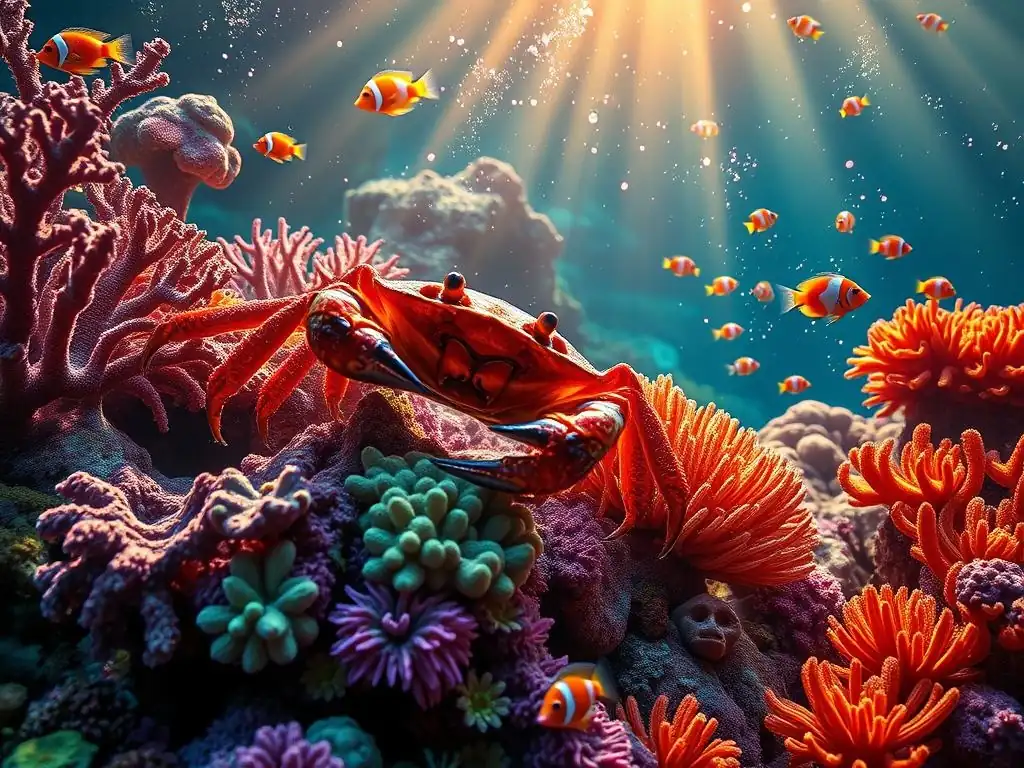
Scarlet Reef Hermit Crabs ( Paguristes cadenati) are highly valued inhabitants of marine aquariums, primarily for their exceptional efficiency in algae control. These vibrant crustaceans are diligent scavengers, constantly foraging for undesirable algae such as diatoms (brown film algae), cyanobacteria (red slime algae), and various forms of green film algae that can quickly overrun a reef tank. Their continuous grazing helps maintain pristine surfaces on live rock, substrate, and even tank glass, significantly reducing the need for manual cleaning and contributing to a healthier, more stable ecosystem.
Beyond their practical benefits, Scarlet Hermit Crabs are celebrated for their striking coloration and active demeanor. Their brilliant red-orange bodies provide a captivating splash of color against the backdrop of corals and rockwork, making them an attractive addition to any reef display. Unlike some larger, more aggressive clean-up crew members, Paguristes cadenati are generally peaceful and pose minimal threat to corals, anemones, or other sessile invertebrates, solidifying their reputation as a truly reef-safe and indispensable component of the clean-up crew.
Overview of Paguristes cadenati Characteristics and Behavior
The Scarlet Reef Hermit Crab is instantly recognizable by its vivid red or orange body and legs, often accented with yellow or white antennae. These small invertebrates typically grow to a size of about 1 to 1.5 inches, with some specimens reaching up to 2 inches in body length, excluding their chosen shell. They inhabit discarded snail shells, which they carry as their mobile homes, and will frequently switch to larger shells as they grow, making shell availability a crucial aspect of their long-term Scarlet hermit crab care.
Behaviorally, Paguristes cadenati are industrious and active scavengers. They spend most of their time meticulously exploring the aquarium, picking at detritus, uneaten food, and various forms of nuisance algae. Their constant movement helps aerate the substrate and prevents detritus from accumulating in dead spots. While generally peaceful, they may occasionally engage in minor squabbles over preferred shells, especially if suitable options are scarce, highlighting the importance of providing ample empty shells to ensure their well-being and reduce competition.
Understanding Scarlet Hermit Crab Care: Essential Guidelines
Optimal Water Parameters for Scarlet Hermit Crab Health
Maintaining stable and appropriate water parameters is paramount for successful Scarlet hermit crab care and overall health. These marine invertebrates thrive in conditions mirroring natural reef environments. Ideal water temperature should range between 72-78°F (22-26°C), while salinity should be kept within a specific gravity of 1.023-1.026. The pH level should be stable between 8.1 and 8.4, and alkalinity maintained at 8-12 dKH (degrees of carbonate hardness). Fluctuations in these parameters can cause significant stress, leading to lethargy, refusal to eat, or even death.
Beyond the basic parameters, it is crucial to ensure that calcium and magnesium levels are adequate, as these minerals are vital for the formation and hardening of their exoskeleton, particularly during the molting process. Calcium levels should ideally be maintained between 400-450 ppm, and magnesium between 1200-1350 ppm. Ammonia and nitrite should always be undetectable (0 ppm), and nitrates kept as low as possible, ideally below 10-20 ppm, as hermit crabs are highly sensitive to poor water quality and accumulated toxins.
Acclimation Process: Safely Introducing Your Hermit Crab to Its New Home
The acclimation process is a critical step in Scarlet hermit crab care that directly impacts their survival and long-term health in a new environment. Due to their sensitivity to changes in salinity, pH, and temperature, a slow and gradual drip acclimation method is highly recommended over a simple float-and-dump approach. This method minimizes osmotic shock, which can be fatal. Begin by floating the sealed bag in the sump or a separate container for 15-20 minutes to equalize temperature, then open the bag and secure it to prevent the crab from escaping.
Following temperature equalization, begin dripping water from the display tank into the bag using airline tubing at a slow rate, approximately 1-2 drops per second. The goal is to slowly replace the original water in the bag with tank water over an extended period, typically 45 minutes to 1.5 hours, or until the volume of water in the bag has quadrupled. Once acclimated, gently net the hermit crab and transfer it to the main display tank, being careful not to introduce any of the shipping water, which may contain pollutants or undesirable organisms.
Scarlet Hermit Crab Diet and Feeding Habits: What Do They Eat?
Natural Diet of Paguristes cadenati in the Reef Environment
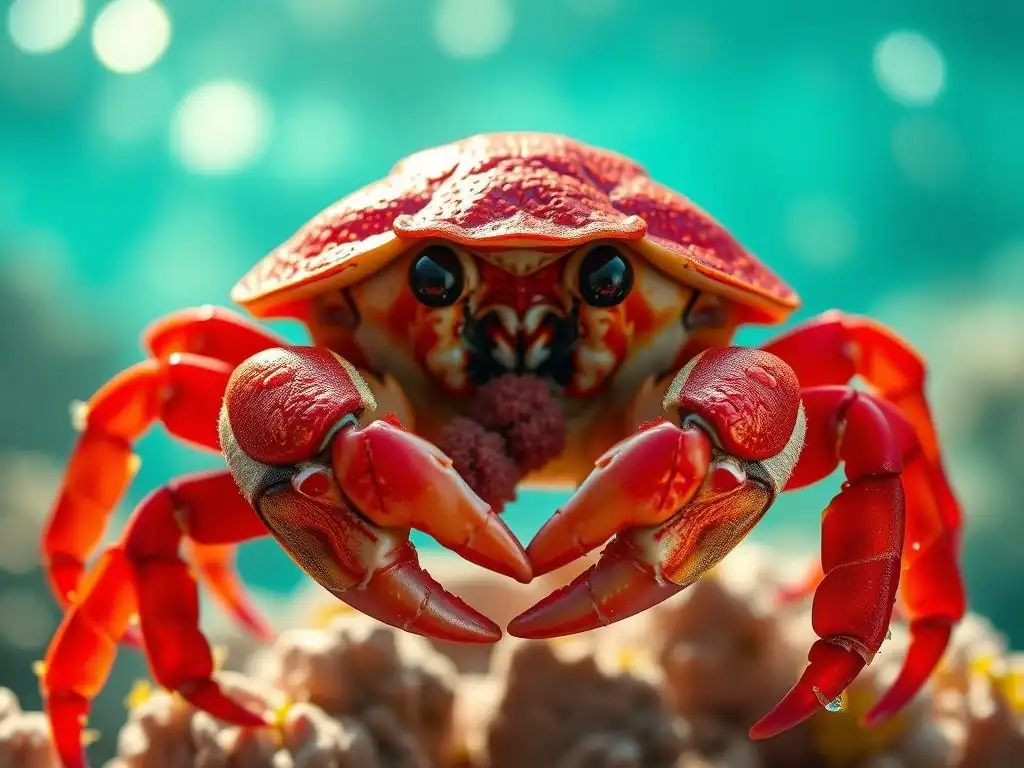
In their natural reef habitats, Scarlet Reef Hermit Crabs are opportunistic omnivores and highly effective scavengers. Their diet primarily consists of detritus, which includes decaying organic matter, uneaten food particles, and various forms of algae, particularly diatoms and cyanobacteria that form films on rocks and substrate. They constantly comb the seafloor and live rock surfaces, using their specialized mouthparts to scrape off and consume these microscopic food sources. This continuous foraging behavior makes them invaluable members of the reef clean-up crew, as they actively recycle nutrients and prevent the buildup of undesirable organic waste.
Their natural feeding habits extend to consuming small amounts of leftover fish food, decaying plant matter, and even microscopic invertebrates they encounter during their scavenging expeditions. This diverse diet ensures they receive a broad spectrum of nutrients necessary for their growth and molting cycles. Their diligent work in the wild helps maintain the ecological balance of the reef by keeping surfaces clean and converting waste into a more manageable form within the food web.
Supplementing Their Diet: Ensuring Proper Nutrition in Captivity
While Scarlet Hermit Crabs are excellent at finding food within an established reef tank, especially if algae and detritus are present, supplemental feeding is often beneficial, particularly in cleaner tanks or those with a large clean-up crew. Providing a varied diet ensures they receive all necessary nutrients for optimal Scarlet hermit crab care and health. High-quality sinking pellets or flakes designed for marine invertebrates, such as spirulina flakes or marine algae sheets, are excellent choices. Small pieces of dried seaweed, like nori, can also be offered, clipped to a rock or placed on the substrate.
Furthermore, ensuring they receive adequate calcium is crucial for their exoskeleton health and successful molting. Many commercial invertebrate foods are fortified with calcium, but you can also provide small, calcium-rich items. Some aquarists report success with small pieces of marine-based frozen foods, such as mysis shrimp or brine shrimp, offered sparingly. Always ensure that any supplemental food is small enough for them to handle and does not contain copper, which is highly toxic to invertebrates.
Avoiding Overfeeding: Maintaining a Healthy Balance
Overfeeding is a common pitfall in aquarium husbandry that can lead to numerous problems, even when caring for diligent scavengers like Scarlet Hermit Crabs. While these crabs are efficient at consuming excess food, consistently providing too much can lead to an accumulation of nutrients in the water column. This nutrient overload can trigger outbreaks of nuisance algae, such as hair algae or dinoflagellates, which may become unmanageable even for a dedicated clean-up crew. Furthermore, uneaten food can decompose, leading to elevated ammonia, nitrite, and nitrate levels, which are detrimental to all aquarium inhabitants, including the hermit crabs themselves.
To maintain a healthy balance, observe your hermit crabs' natural foraging behavior. In a well-established reef tank with live rock and sand, they often find sufficient food from naturally occurring algae and detritus.
If you choose to supplement their diet, do so sparingly, perhaps 2-3 times a week, offering only a tiny amount that can be consumed within a few hours. A good practice for Scarlet hermit crab care is to feed only what your fish and other invertebrates can consume quickly, allowing the hermit crabs to clean up any minute leftovers, rather than relying on them to consume large quantities of uneaten food.
Scarlet Hermit Crab Tank Mates: Compatibility and Considerations
Best Tank Mates for Scarlet Hermit Crabs in a Reef Aquarium
Scarlet Reef Hermit Crabs are generally considered peaceful and highly compatible with a wide array of reef-safe fish and invertebrates, making them an ideal addition to most mixed reef aquariums. Excellent tank mates include small, docile reef fish such as clownfish (e.g., Ocellaris Clownfish), gobies (e.g., Yellow Watchman Goby, Diamond Watchman Goby), blennies (e.g., Lawnmower Blenny), and small wrasses. These fish typically ignore the hermit crabs, allowing them to perform their essential clean-up duties unimpeded.
In terms of invertebrates, Scarlet Hermit Crabs coexist well with various types of snails, including Trochus, Turbo, Nassarius, and Cerith snails, which also contribute to the clean-up crew. Other peaceful invertebrates like Peppermint Shrimp, Skunk Cleaner Shrimp, and even other small, non-aggressive hermit crab species (provided ample empty shells are available) are generally suitable. Their reef-safe nature extends to corals, anemones, and other sessile invertebrates, as they typically do not disturb or nip at these delicate organisms, making them a safe choice for even the most pristine coral displays.
Fish and Invertebrates to Avoid: Preventing Predation and Competition
While generally peaceful, careful consideration of tank mates is crucial for effective Scarlet hermit crab care. Certain fish and invertebrates can pose a significant threat due to their predatory nature or aggressive tendencies. Large, carnivorous fish such as Triggerfish (e.g., Picasso Triggerfish, Clown Triggerfish), Puffers, and some larger Wrasses (e.g., some Hogfish or Lionfish) are notorious for preying on crustaceans and will view hermit crabs as a food source. Even some larger Angelfish species might occasionally pick at them.
Aggressive or territorial invertebrates should also be avoided. Large, predatory crabs like certain Emerald Crabs (if they are very large and shells are scarce), or Mantis Shrimp, will readily attack and consume hermit crabs. Additionally, certain larger shrimp species might be opportunistic predators. It's also wise to avoid housing them with very large, boisterous fish that, while not predatory, could accidentally injure or stress the smaller hermit crabs through their vigorous movements.
Creating a Peaceful Reef Environment
Establishing a peaceful and harmonious reef environment is key to the long-term success of Scarlet hermit crab care and the well-being of all tank inhabitants. Adequate space is fundamental; overcrowding can lead to increased aggression, competition for resources, and overall stress. For a small clean-up crew including a few scarlet hermit crabs, a minimum tank size of 10-20 gallons is generally recommended, but larger tanks (e.g., 50+ gallons) provide more stability and space for a diverse community.
Providing ample hiding spots and plenty of live rock with crevices allows hermit crabs to retreat when molting or feeling threatened. Crucially, always ensure there is a generous supply of empty shells of various sizes (at least 2-3 shells per hermit crab) available throughout the tank. This minimizes competition among hermit crabs for suitable homes and prevents them from attacking snails or other crabs for their shells. A balanced clean-up crew that avoids overly aggressive species further contributes to a calm and thriving reef ecosystem.
Identifying and Addressing Common Scarlet Hermit Crab Health Issues
Recognizing Signs of Stress or Illness in Scarlet Hermit Crabs
Recognizing the early signs of stress or illness is vital for prompt intervention and effective Scarlet hermit crab care. A healthy hermit crab is typically active, constantly foraging, and fully retracted into its shell when at rest or disturbed. Signs of stress include prolonged inactivity, excessive hiding, or a noticeable lack of movement. If a hermit crab remains outside its shell for an extended period without moving, it is often a grave sign, indicating severe stress or imminent death, unless it is actively molting (which should be brief and followed by immediate re-entry).
Other indicators of distress can include unusual discoloration, such as a dulling of their vibrant red or orange hues, or a strong, persistent attempt to climb out of the water. Erratic movements, twitching, or a refusal to eat supplemental foods (if offered) can also signal underlying issues. Observing these changes promptly allows aquarists to investigate potential causes, such as poor water quality, lack of suitable shells, or aggression from tank mates.
Common Diseases and Ailments Affecting Hermit Crabs
Unlike fish, hermit crabs are not typically susceptible to bacterial or parasitic diseases in the same way. Most "ailments" in Scarlet Hermit Crabs are directly linked to environmental stressors rather than specific pathogens. The most common issues arise from poor water quality, particularly elevated levels of ammonia, nitrite, or nitrate, or the presence of copper, which is highly toxic to all invertebrates. Exposure to copper-based medications, even in trace amounts, can be lethal.
Stress induced by a lack of appropriate shells is another frequent cause of health decline. Without adequately sized shells to move into as they grow, hermit crabs can become severely stressed, cease growing, and eventually succumb to their predicament. While rare, shell rot can occur in severe cases of prolonged poor water quality or injury, though it is more common in terrestrial species. True parasitic infestations are uncommon but can be introduced if wild-caught specimens are not properly quarantined.
Treatment Options and Preventative Measures
The most effective "treatment" for common Scarlet Hermit Crab health issues is preventative Scarlet hermit crab care and immediate correction of environmental problems. If a hermit crab shows signs of stress, the first step should be to meticulously test all water parameters: temperature, salinity, pH, ammonia, nitrite, and nitrate. Perform a partial water change (e.g., 10-20%) if any parameters are out of optimal range or if nitrate levels are high. Ensure there is no copper in the water, which can leach from certain rock types or medications.
Providing a generous supply of clean, appropriately sized empty shells is crucial. If a crab is struggling to find a shell, gently place a selection of appealing shells near it. If aggression from tank mates is suspected, consider isolating the stressed crab in a separate, established quarantine tank for recovery. Prevention is always superior: consistent water parameter monitoring, regular water changes, proper acclimation of new specimens, and providing an abundance of suitable shells will significantly reduce the likelihood of health problems and ensure a thriving population of Scarlet Hermit Crabs.
The Role of Scarlet Hermit Crabs in Reef Tank Algae Control
Effective Algae Types Consumed by Scarlet Hermit Crabs
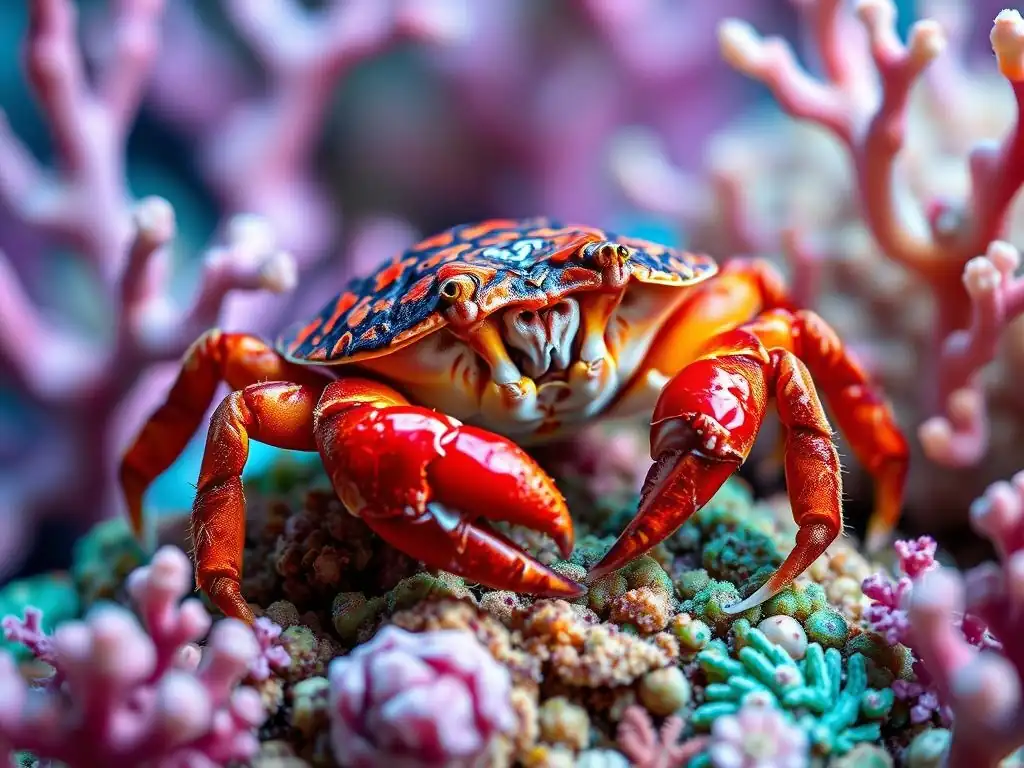
Scarlet Reef Hermit Crabs are highly effective and dedicated consumers of several common types of nuisance algae in a reef aquarium. Their primary targets include diatoms, often appearing as a brown film on glass, rocks, and substrate, especially in newer tanks. They are also excellent at grazing on green film algae, which forms a thin, green layer on surfaces, and are particularly adept at consuming cyanobacteria, commonly known as red slime algae. Their small size allows them to navigate intricate live rock structures, reaching areas that larger algae eaters might miss.
Beyond these common film algae, Paguristes cadenati also consume detritus, uneaten food particles, and decaying organic matter, contributing significantly to the overall cleanliness and nutrient export of the aquarium. They are constantly foraging, meticulously cleaning surfaces with their specialized mouthparts. While they are invaluable for general maintenance, it's important to note that they are generally less effective against tougher, more resilient forms of algae like Bryopsis (hair algae) or Bubble Algae, which often require a multi-pronged approach or specific chemical treatments.
Maintaining Algae Levels for Optimal Hermit Crab Health
While the primary reason for adding Scarlet Hermit Crabs is algae control, it's crucial to maintain a delicate balance regarding algae levels for optimal Scarlet hermit crab care. In a very clean, nutrient-poor tank, or one with an excessively large clean-up crew, the natural algae and detritus may become scarce. If their primary food source diminishes, hermit crabs can become undernourished, leading to lethargy, stunted growth, and a compromised immune system.
Therefore, observe the condition of your hermit crabs and the availability of natural food sources. If the tank appears spotless and the crabs are constantly scavenging with no visible algae, it may be necessary to supplement their diet with high-quality marine pellets, spirulina flakes, or small pieces of dried seaweed a few times a week. This ensures they receive adequate nutrition even when their natural food supply is low, preventing starvation and maintaining their vitality.
Combining Algae Eaters: A Balanced Approach
For comprehensive and efficient algae control in a reef aquarium, a balanced approach involving a diverse clean-up crew is often more effective than relying on a single species. Scarlet Hermit Crabs excel at consuming film algae and detritus on surfaces, but combining them with other specialized algae eaters can provide broader coverage and target different types of algae.
For instance, various types of snails, such as Trochus, Turbo, Nassarius, and Cerith snails, complement the hermit crabs' efforts. Turbo snails are excellent grazers of tougher green algae, while Nassarius snails burrow into the sand, consuming detritus and aerating the substrate. Cerith snails clean glass and rockwork. By combining species that target different algae types and occupy different niches within the tank, you create a robust and efficient clean-up crew that contributes to a healthier, more aesthetically pleasing reef environment, minimizing nuisance algae and reducing the need for manual intervention.
Providing Suitable Shells for Your Scarlet Hermit Crab: A Necessity for Growth
The Importance of Providing Empty Shells
One of the most critical aspects of Scarlet hermit crab care is the consistent provision of empty, appropriately sized shells. Unlike true crabs, hermit crabs have soft, vulnerable abdomens that they protect by inhabiting discarded snail shells. As they grow, they must shed their exoskeleton (molt) and find a larger shell to accommodate their increased size. Without a readily available supply of suitable shells, a hermit crab will become stressed, cease to grow, and may even die, as it cannot properly protect itself.
A lack of appropriate shells can also lead to aggressive behavior. Hermit crabs may fight over the few available shells, sometimes resulting in injury or even death, as one crab forcibly evicts another from its shell. This competition can also extend to snails, where a desperate hermit crab might attack and kill a snail to claim its shell, despite their generally peaceful nature. Therefore, providing a varied selection of empty shells is not just beneficial, but absolutely essential for the survival and well-being of your Scarlet Hermit Crabs.
Selecting Appropriate Shell Sizes and Types
When selecting empty shells for your Scarlet Hermit Crabs, variety in both size and shape is key. Provide shells with openings slightly larger than their current shell's opening. For a typical 1 to 1.5-inch Scarlet Hermit Crab, shells with openings ranging from 0.5 to 0.75 inches are often suitable, but it's best to offer a range around this size. It's always better to have too many options than too few; a good rule of thumb is to provide at least 2-3 empty shells per hermit crab in your tank.
As for types, hermit crabs generally prefer shells with round, smooth openings, as these are easier to enter and provide a better fit for their soft bodies. Common choices include discarded Turbo snail shells, Nassarius snail shells, or other similarly shaped marine snail shells. Avoid shells with jagged edges, narrow openings, or those that are excessively heavy or oddly shaped, as these may not be comfortable or practical for the hermit crab to inhabit. Ensure all shells are thoroughly cleaned and free of any chemical residues before introducing them to the aquarium.
How to Encourage Shell Switching
While hermit crabs will instinctively switch shells as they grow or if they find a more desirable option, there are a few ways to encourage this vital behavior. The most important factor is simply providing a generous and varied selection of empty shells, as discussed. Place these shells in accessible areas of the tank, particularly on the substrate or among the live rock where the crabs frequently forage. They are more likely to encounter and investigate shells that are easily found during their daily activities.
Ensure the shells are clean and free of any algae or debris that might deter a crab from exploring them. Sometimes, a hermit crab may take some time to decide on a new shell, even after molting. Patience is key.
If a crab has recently molted, it will be in a vulnerable state and will seek a suitable shell quickly. Providing a slightly darkened environment during this period can reduce stress. In rare cases, if a crab seems hesitant or unable to find a suitable shell, gently placing a preferred shell near it might prompt the switch, but avoid forcing the issue.
Scarlet Hermit Crab Behavior: Understanding Their Actions in the Aquarium
Normal and Abnormal Behaviors to Observe
Understanding the typical behaviors of Scarlet Hermit Crabs is crucial for proper Scarlet hermit crab care and for quickly identifying any signs of distress or illness. Normal behavior includes constant foraging across live rock, sand, and tank glass, meticulously picking at algae and detritus. They are generally active during the day, though some nocturnal activity is also common. You will observe them climbing, exploring crevices, and occasionally burying themselves partially or fully in the sand, especially when resting or preparing to molt. Periodic shell switching is also a normal, healthy behavior as they grow.
Abnormal behaviors, on the other hand, warrant immediate attention. Prolonged inactivity, where a crab remains stationary for extended periods, is a red flag.
If a hermit crab spends an unusual amount of time out of its shell and is not actively molting, or attempts to climb out of the water, it is a strong indicator of severe stress, likely due to poor water quality or a lack of suitable shells. Frequent, frantic shell-switching without successfully finding a new home, or aggression towards tank mates (especially other clean-up crew members), can also signal underlying issues like insufficient shell availability or overcrowding.
Molting Process: What to Expect and How to Support It
Molting is a natural and essential process for Scarlet Hermit Crabs, allowing them to grow. As their exoskeleton does not expand, they must periodically shed their old, restrictive outer layer to grow a new, larger one. Before molting, a hermit crab may become less active, appear lethargic, or even bury itself in the sand or hide in a secluded spot. This period of vulnerability can last from a few hours to several days. During the actual molt, they will extract themselves from their old exoskeleton, which often looks like a transparent, empty version of the crab itself.
It is crucial not to disturb a molting hermit crab or remove its old exoskeleton. The crab is extremely vulnerable during this time, with its new exoskeleton being soft and pliable. The old exoskeleton contains valuable calcium and other minerals that the crab will often consume to help harden its new shell.
To support a molting crab, ensure stable water parameters, provide plenty of hiding spots, and maintain adequate calcium and alkalinity levels in the water, as these minerals are vital for the new exoskeleton's formation. Patience is key; the crab will emerge with a new, larger, and often more vibrant shell once it has hardened.
Understanding Aggression and Competition
While Scarlet Hermit Crabs are generally peaceful and valued for their reef-safe nature, instances of aggression or competition can occur, primarily driven by resource scarcity. The most common cause of aggression among hermit crabs, or even towards snails, is a lack of suitable empty shells. When desirable shells are scarce, hermit crabs may fight each other, or even attack and evict snails from their shells, to acquire a new home. This is why providing an abundance of appropriately sized empty shells (at least 2-3 per crab) is paramount for effective Scarlet hermit crab care.
Competition can also arise over food, particularly in tanks with a large clean-up crew or limited natural food sources. While rare with Scarlet Hermit Crabs due to their constant scavenging, if supplemental feeding is inconsistent or insufficient, they may become more assertive during feeding times. To mitigate aggression and competition, ensure ample space for all tank inhabitants, provide sufficient food (supplementing if natural algae/detritus is low), and, most importantly, always keep a ready supply of empty shells available in various sizes to prevent conflicts over housing.
Purchasing Scarlet Hermit Crabs: Selecting Healthy Specimens
Where to Buy Scarlet Hermit Crabs: Reputable Sources
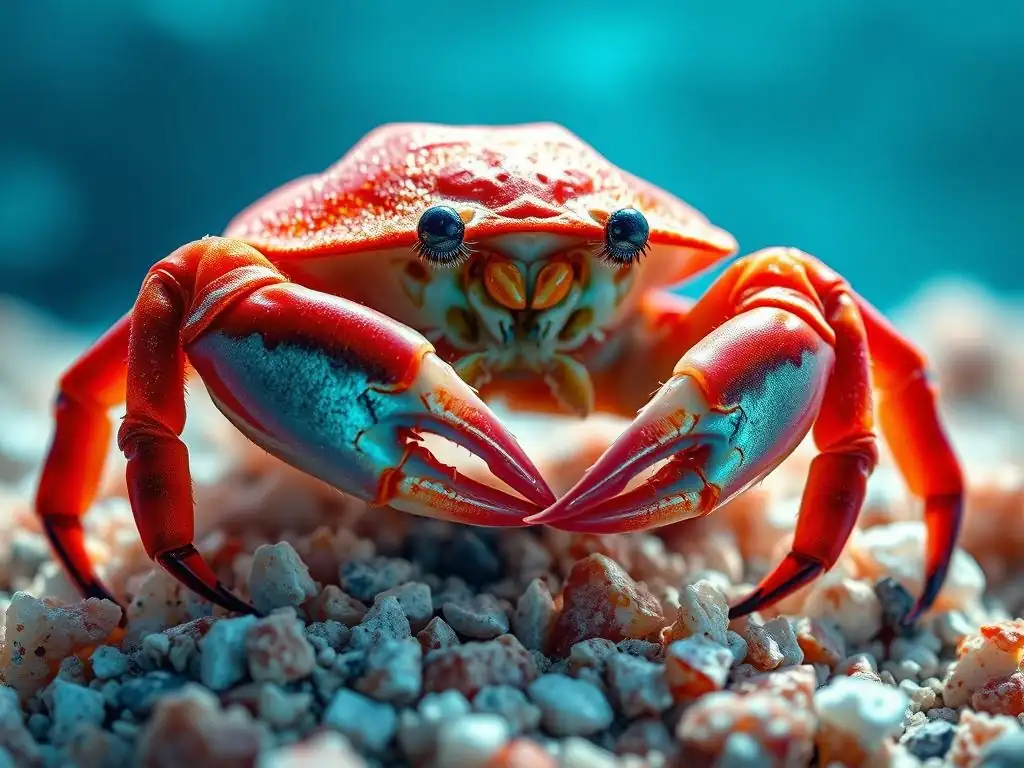
When adding Scarlet Hermit Crabs to your reef aquarium, selecting healthy specimens from reputable sources is paramount for their successful integration and long-term Scarlet hermit crab care. It is highly recommended to purchase these invertebrates from established local fish stores that specialize in marine aquariums or from reputable online retailers with a strong track record of shipping healthy livestock. These sources typically maintain their holding tanks with proper water parameters and have knowledgeable staff who can provide accurate information about the animals' origins and care requirements.
Avoid purchasing from sources with dirty tanks, visibly unhealthy livestock, or those that cannot provide information on their husbandry practices. Inquire about how long the crabs have been at the facility and their acclimation procedures. While most Scarlet Hermit Crabs are wild-caught, a reputable dealer will ensure they are properly acclimated and healthy before offering them for sale, reducing the risk of introducing diseases or stressed individuals into your home aquarium.
Identifying Healthy Hermit Crabs Before Purchase
Identifying healthy Scarlet Hermit Crabs before purchase can significantly improve your chances of success. A healthy hermit crab should be active and alert, constantly moving and foraging within its shell. When gently disturbed, it should quickly retract fully into its shell. Look for crabs with vibrant, intense red or orange coloration; dull or faded colors can indicate stress or poor health. All legs and antennae should be intact and moving fluidly.
Conversely, avoid purchasing hermit crabs that appear lethargic, are motionless, or are spending prolonged periods outside their shells without apparent reason (such as actively molting). Crabs with missing limbs, damaged shells (unless it's a minor imperfection), or those exhibiting unusual twitching or erratic movements should also be avoided, as these are signs of severe stress, illness, or potential exposure to toxins. Observing their behavior in the store's tank for a few minutes can provide valuable insight into their overall health.
Quarantine Procedures for New Additions
Implementing a quarantine procedure for all new Scarlet Hermit Crab additions is a crucial, though often overlooked, step in responsible Scarlet hermit crab care. A dedicated quarantine tank, established with appropriate water parameters and some live rock or PVC pipes for hiding, allows you to observe new crabs for signs of disease, parasites, or stress before introducing them to your main display tank. This period also allows the crabs to recover from the stress of shipping and acclimation in a controlled environment.
Quarantine should ideally last for at least 2-4 weeks. During this time, monitor the crabs closely for any abnormal behavior, signs of illness, or presence of unwanted hitchhikers like nuisance algae or pests. You can also use this period to ensure they are actively feeding and adapting well to your water parameters. This preventative measure significantly reduces the risk of introducing pathogens or aggressive individuals that could jeopardize the health and stability of your established reef ecosystem.
Breeding Scarlet Hermit Crabs: Unlikely in Home Aquariums
Breeding Paguristes cadenati: Larval Stage Challenges
Breeding Scarlet Reef Hermit Crabs ( Paguristes cadenati) in a home aquarium setting is extremely challenging and rarely successful for the average hobbyist. While females can carry eggs, the subsequent larval stages are complex and require highly specialized conditions. After hatching, the larvae go through multiple pelagic (free-swimming) stages, known as zoea and megalopa, which are microscopic and float in the water column. These larval stages have very specific and often difficult-to-replicate dietary and environmental requirements.
The zoea larvae typically feed on specific types of phytoplankton, which must be cultured and maintained in precise concentrations. They are also incredibly delicate and sensitive to water flow, filtration, and water quality. The megalopa stage, which follows, is a transitional phase where the larvae begin to resemble miniature hermit crabs and seek a first tiny shell. Providing appropriate food and maintaining the exact parameters necessary for the survival and metamorphosis of these tiny larvae is beyond the capabilities of most home aquariums, leading to almost zero survival rates for offspring.
Considerations for Captive Breeding
Due to the immense difficulties associated with their complex larval development, virtually all Scarlet Hermit Crabs available in the aquarium trade are wild-caught. Successful captive breeding of Paguristes cadenati is primarily limited to highly specialized aquaculture facilities or research institutions that possess the advanced equipment and expertise required to manage the microscopic larval stages. These facilities often utilize dedicated larval rearing tanks, precise water flow systems, and extensive phytoplankton culturing capabilities to provide the exact conditions necessary for the larvae to develop into juvenile crabs.
For the home aquarist, focusing on optimal Scarlet hermit crab care for adult specimens is the realistic goal, rather than attempting breeding. The challenges of providing the specific food sources, preventing predation by filtration systems or other tank inhabitants, and maintaining the delicate water parameters for the larval stages make it an unfeasible endeavor. Therefore, while adult crabs may occasionally produce eggs in a home aquarium, the chances of any larvae surviving to adulthood are negligible.
Conclusion: Mastering Scarlet Hermit Crab Care for a Thriving Reef Tank
Recap of Essential Care Tips for Paguristes cadenati
Mastering Scarlet hermit crab care is fundamental to ensuring these vibrant and industrious invertebrates thrive in your reef aquarium. The cornerstone of their well-being lies in maintaining stable and pristine water parameters, including a consistent temperature of 72-78°F, salinity between 1.023-1.026 specific gravity, and a pH of 8.1-8.4, with undetectable ammonia and nitrite. Proper acclimation upon introduction, using a slow drip method, is crucial to minimize stress and prevent osmotic shock. Their diet primarily consists of nuisance algae and detritus, but supplemental feeding with marine pellets or dried seaweed may be necessary in very clean tanks.
Beyond water quality and diet, providing an abundance of empty, appropriately sized shells is non-negotiable for their growth and to prevent aggression. Offer at least 2-3 shells per crab, varying in size and with smooth, round openings. Selecting compatible, peaceful tank mates and avoiding predatory fish or aggressive invertebrates is equally important. Finally, observing their behavior for signs of stress or illness, and utilizing a quarantine tank for new additions, will significantly contribute to their long-term health and the overall stability of your reef ecosystem.
The Benefits of Including Scarlet Hermit Crabs in Your Reef Ecosystem
Incorporating Scarlet Reef Hermit Crabs into your reef aquarium offers a multitude of benefits that extend beyond their striking coloration. As diligent and efficient members of the clean-up crew, they play a vital role in maintaining the ecological balance of the tank. Their constant foraging helps control nuisance algae, such as diatoms and cyanobacteria, and consumes detritus, preventing the buildup of organic waste that can lead to nutrient spikes and poor water quality. This natural waste management contributes to a healthier, more stable environment for all inhabitants, reducing the need for manual cleaning and chemical interventions.
Moreover, their active and engaging behavior adds dynamic interest to the aquarium, as they constantly explore and interact with their surroundings. Their generally peaceful nature and reef-safe disposition make them an ideal choice for mixed reef tanks, where the safety of corals and other delicate invertebrates is a top priority. By mastering Scarlet hermit crab care, you not only ensure the well-being of these fascinating crustaceans but also enhance the beauty, cleanliness, and overall vitality of your thriving marine ecosystem.
Frequently Asked Questions
What are the ideal tank conditions for a Scarlet Reef Hermit Crab?
Scarlet Reef Hermit Crabs thrive in a stable saltwater aquarium with a temperature between 72-78°F and a specific gravity of 1.023-1.025. They require a well-established reef environment with plenty of hiding places and algae to graze on.
What do Scarlet Reef Hermit Crabs eat, besides algae?
While they are primarily algae eaters, Scarlet Reef Hermit Crabs also consume detritus, leftover food, and sometimes even cyanobacteria. Supplement their diet with small portions of supplemental food, such as algae wafers or flake food, to ensure they get enough nutrients.
How many Scarlet Reef Hermit Crabs can I keep in my aquarium?
The number of Scarlet Reef Hermit Crabs depends on the size of your tank. A general rule is one crab per 5-10 gallons of water. Overcrowding can lead to competition for food and aggression.
Are Scarlet Reef Hermit Crabs compatible with all fish and invertebrates?
Generally, Scarlet Reef Hermit Crabs are peaceful, but they can sometimes nip at slow-moving invertebrates or corals if they are not properly fed. Avoid housing them with aggressive or large predatory fish that might eat them.
How do I ensure my Scarlet Reef Hermit Crabs have enough shells to choose from?
Scarlet Reef Hermit Crabs need to molt and will require larger shells as they grow. Provide a selection of empty shells that are slightly larger than their current ones to ensure they can find a suitable new home.
Final Reflection: Embracing the Tiny Ecosystem
The journey through understanding Scarlet Hermit Crab Care reveals more than just the specifics of keeping a small crustacean alive; it unveils the intricate beauty and delicate balance of reef ecosystems in miniature. The knowledge gained translates directly into responsible aquarium keeping, highlighting the importance of informed decisions in maintaining a thriving aquatic environment. This isn't just about a pet; it's about stewardship.
The vibrant flash of scarlet against the backdrop of a reef tank is more than just aesthetically pleasing; it's a testament to the power of biodiversity and the vital role even the smallest creatures play in maintaining ecological harmony. The ongoing popularity of reef keeping underscores our inherent fascination with the natural world, and with that fascination comes a responsibility. In nature, nothing exists alone.
- Rachel Carson. This quote reminds us that even a seemingly simple act like caring for a scarlet hermit crab is interconnected with a larger web of life.
Now, consider the lessons learned about the scarlet hermit crab and its needs. Reflect on how these principles of observation, research, and responsible care can be applied to other aspects of your life. Embrace the opportunity to be a conscious and informed participant in the world around you. Just as you strive to create a thriving environment for your scarlet hermit crab, strive to cultivate a thriving environment for yourself, your community, and the planet.
Unleash the Power of Natural Algae Control!
Thank you for diving deep into the world of the Scarlet Reef Hermit Crab! Now that you understand its vibrant beauty and algae-eating prowess, let's put that knowledge into action. Here's how you can transform your aquarium:
- Prioritize a Healthy Environment: Ensure your tank has stable water parameters and ample hiding spots before introducing your new crab. This creates a stress-free habitat.
- Consider Adopting a Scarlet Reef Hermit Crab: If your aquarium needs natural algae control and can provide a suitable habitat, seriously consider adding one or two of these colorful critters.
- Share Your Experience:** If you already have a Scarlet Reef Hermit Crab, share a photo or a story in the comments! What unique behaviors have you observed?
Ready to take the plunge and create a thriving, algae-free ecosystem?