
Symbiotic Superstars: GobyPistol Shrimp Pairs and Other Reef Partnerships

Welcome to Aquarium Mastery!
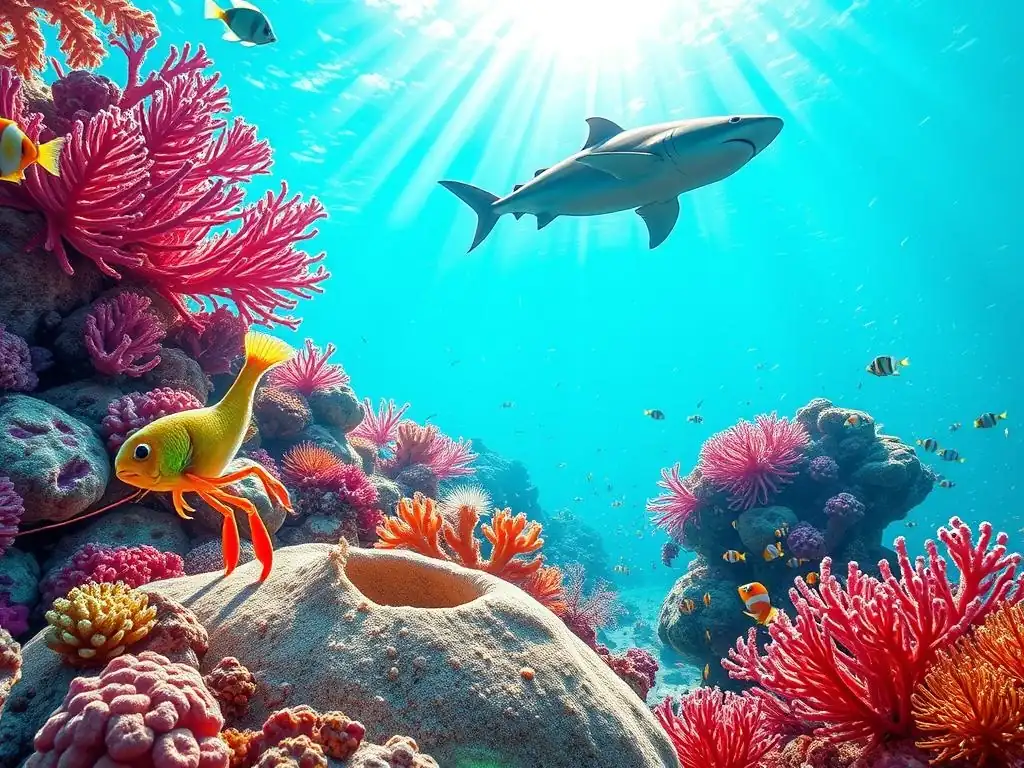
Ever wondered about the incredible partnerships that thrive beneath the waves? Dive in and discover the fascinating world of symbiotic relationships in your reef tank, starting with the amazing reef goby pistol shrimp duo. Prepare to be captivated by these tiny titans and unlock the secrets to creating a harmonious and thriving ecosystem in your own home aquarium. Ready to explore the extraordinary connections that make reef life so vibrant? Let's get started!
- Understanding Reef Symbiosis: A Guide to Goby-Pistol Shrimp Partnerships
- Meet the Stars: Goby Fish and Pistol Shrimp Profiles
- Setting Up a Symbiotic Reef Tank: Creating the Perfect Habitat
- Introducing Your Goby and Pistol Shrimp: A Step-by-Step Guide
- Troubleshooting Common Issues with Goby-Pistol Shrimp Pairs
- Beyond Goby-Shrimp Pairs: Other Symbiotic Relationships in Reef Tanks
- Maintaining a Thriving Symbiotic Reef Ecosystem
- The Future of Reefkeeping: Embracing Symbiosis for a Healthier Aquarium
-
Frequently Asked Questions
- How does a Reef Goby and a Pistol Shrimp benefit from their symbiotic relationship?
- What other types of symbiotic relationships can be found in a reef aquarium environment?
- What considerations are important when selecting a Reef Goby and Pistol Shrimp for my aquarium?
- What are some common issues that might arise in a Reef Goby-Pistol Shrimp partnership?
- Where can I find more information on maintaining a healthy Reef Goby-Pistol Shrimp setup?
- Final Reflection: The Interconnectedness of Reef Life
- Dive Deeper: Uncover Your Reef's Hidden Harmony!
Understanding Reef Symbiosis: A Guide to Goby-Pistol Shrimp Partnerships
What is Symbiosis in Reef Aquariums? Exploring Mutual Benefits
Symbiosis in reef aquariums refers to close and long-term biological interactions between different species. These relationships can take various forms, including mutualism (where both species benefit), commensalism (one benefits, the other is unaffected), and parasitism (one benefits at the expense of the other). In the context of a thriving reef tank, the focus is predominantly on mutualistic and commensal relationships, as these contribute to the overall health and stability of the enclosed ecosystem.
The benefits of symbiotic relationships within a reef environment are profound and multifaceted. They often lead to increased survival rates, enhanced access to food resources, and superior protection from predators for the involved species. For instance, mutualistic bonds can significantly improve the efficiency of resource utilization, allowing species to thrive in conditions that might otherwise be challenging. It is estimated that well-established mutualistic relationships can increase the survival rate of certain species by as much as 30-50% in vulnerable stages, by providing critical services like shelter or food procurement.
The Goby and Pistol Shrimp Partnership: A Classic Example of Reef Symbiosis
One of the most iconic and captivating examples of symbiosis in a reef aquarium is the partnership between a goby fish and a pistol shrimp. This relationship is a prime illustration of mutualism, where both organisms play distinct, yet complementary, roles vital for their survival. The pistol shrimp, with its powerful snapping claw, is an expert burrower, meticulously excavating intricate tunnels and chambers within the sand bed, which serve as a shared home.
In return for providing this secure dwelling, the goby acts as a vigilant lookout. With its superior eyesight, the goby constantly monitors the surroundings for potential threats. If danger approaches, the goby signals the shrimp, typically with a distinctive flick of its tail, prompting both to retreat swiftly into the safety of the burrow. This coordinated effort ensures immediate protection for the more vulnerable shrimp and a readily available escape route for the goby. The success rate of establishing a stable Reef goby pistol shrimp partnership in captivity is remarkably high, often exceeding 90% when compatible species are introduced into a suitable environment.
Meet the Stars: Goby Fish and Pistol Shrimp Profiles
Goby Fish for Symbiotic Relationships: Species Overview
Gobies suitable for symbiotic relationships are typically small, bottom-dwelling fish known for their often shy demeanor and fascinating behaviors. Their primary role in these partnerships is to serve as the "eyes" of the burrow, alerting their shrimp partner to any perceived threats. Selecting the right goby is crucial for a successful Reef goby pistol shrimp pairing.
Yellow Watchman Goby (Cryptocentrus cinctus): A Popular Choice
The Yellow Watchman Goby is arguably one of the most popular choices for a Reef goby pistol shrimp pair due to its hardiness, striking appearance, and readiness to form symbiotic bonds. These gobies typically grow to about 4 inches in length and display a vibrant yellow or tan body adorned with iridescent blue spots. Their calm temperament makes them an excellent addition to most peaceful reef setups.
Care for the Yellow Watchman Goby involves providing a varied diet of frozen foods such as mysis shrimp and brine shrimp, along with a minimum tank size of 20 gallons to accommodate their burrowing activities. Their popularity is evident in the hobby, with Yellow Watchman Gobies accounting for approximately 30-40% of symbiotic goby sales in many marine aquarium stores, largely due to their reliable pairing behavior and visual appeal.
Randall's Goby (Amblyeleotris randalli): The Candy Cane Goby
Randall's Goby, often affectionately called the Candy Cane Goby due to its distinctive coloration, is another excellent candidate for a symbiotic partnership. Growing slightly larger than the Yellow Watchman, up to 4.5 inches, this species features a beautiful pattern of white and red bands across its body, making it a visually stunning addition to any reef tank.
Like other symbiotic gobies, Randall's Goby thrives on a diet of small meaty foods. They appreciate a tank with plenty of live rock and a deep sand bed to facilitate their partnership with a pistol shrimp. With proper nutrition and stable water conditions, these gobies can reach their adult size within 12-18 months, showcasing their full vibrant colors and active burrow-guarding behaviors.
Other Suitable Goby Species for Shrimp Partnerships
Beyond the Yellow Watchman and Randall's Goby, several other goby species readily form symbiotic relationships with pistol shrimp, enriching a Reef goby pistol shrimp display. The Diamond Watchman Goby (Valenciennea puellaris) is a fantastic sand-sifter, constantly sifting through the substrate to extract food particles, which also helps keep the sand bed clean. Its industrious nature makes it a valuable partner.
The Pink-spotted Watchman Goby (Cryptocentrus leptocephalus) and the High-fin Red Banded Goby (Stonogobiops nematodes) are also highly suitable. The Pink-spotted Watchman shares similar characteristics with the Yellow Watchman, while the High-fin Red Banded Goby is known for its elegant, elongated dorsal fin and its tendency to hover just above its burrow, providing an excellent lookout. These species generally prefer similar care parameters to their more common counterparts, requiring a peaceful environment, a deep sand bed, and a diet of frozen, meaty foods.
Pistol Shrimp Species: Digging Deep into Reef Ecosystems
Pistol shrimp, also known as snapping shrimp, are fascinating invertebrates distinguished by their disproportionately large snapping claw. This specialized appendage is used to create a cavitation bubble that collapses with immense force, producing a loud "snap" sound. This powerful mechanism is primarily used for hunting prey and, crucially, for excavating intricate burrows in the sand or under rocks, which they share with their goby partners.
Tiger Pistol Shrimp (Alpheus bellulus): The Noisy Burrower
The Tiger Pistol Shrimp is one of the most recognized and sought-after pistol shrimp species for symbiotic Reef goby pistol shrimp setups. Reaching up to 2 inches in length, it features a distinctive striped pattern, typically brown or black bands over a lighter body. Its most notable characteristic is the audible "snap" produced by its claw, which can be surprisingly loud even through aquarium glass.
This powerful snap is not only for hunting but also for excavating and defending its burrow. The cavitation bubble generated by the snap can reach temperatures of several thousand Kelvin for a microsecond and produce sounds over 200 decibels, making it one of the loudest biological sounds in the ocean. Providing a diet of small meaty foods, such as frozen mysis or brine shrimp, will keep this industrious burrower healthy and active.
Candy Pistol Shrimp (Alpheus randalli): A Colorful Companion
The Candy Pistol Shrimp, often paired with Randall's Goby, is a smaller and arguably more colorful species, typically growing to about 1.5 inches. Its striking appearance, with vibrant red and white bands, makes it a highly desirable addition to a reef tank. Despite its smaller size, it is just as adept at burrowing as its larger cousins and forms strong bonds with suitable goby partners.
This species is known for its relatively peaceful nature towards other tank inhabitants, though its powerful snap is still a formidable tool for defense and burrow maintenance. In a well-maintained reef aquarium, Candy Pistol Shrimp can live for an impressive 3-5 years, continuously contributing to the dynamic life of the sand bed and the fascinating Reef goby pistol shrimp partnership.
Identifying Suitable Pistol Shrimp for Your Reef Tank
When selecting a pistol shrimp for your reef tank, observe its activity level and physical condition. A healthy shrimp will be active, responsive to its surroundings, and show no signs of physical damage, particularly to its large snapping claw. Avoid specimens that appear lethargic or have obvious injuries.
Crucially, ensure the pistol shrimp species you choose is known to readily form symbiotic relationships with gobies. While most Alpheus species are burrowers, not all are willing to share their home with a fish. Finally, consider the size compatibility between your chosen goby and shrimp; a very large shrimp might overwhelm a tiny goby, or vice versa, impacting the success of the Reef goby pistol shrimp bond.
Setting Up a Symbiotic Reef Tank: Creating the Perfect Habitat
Tank Size and Substrate Requirements for Goby-Shrimp Pairs
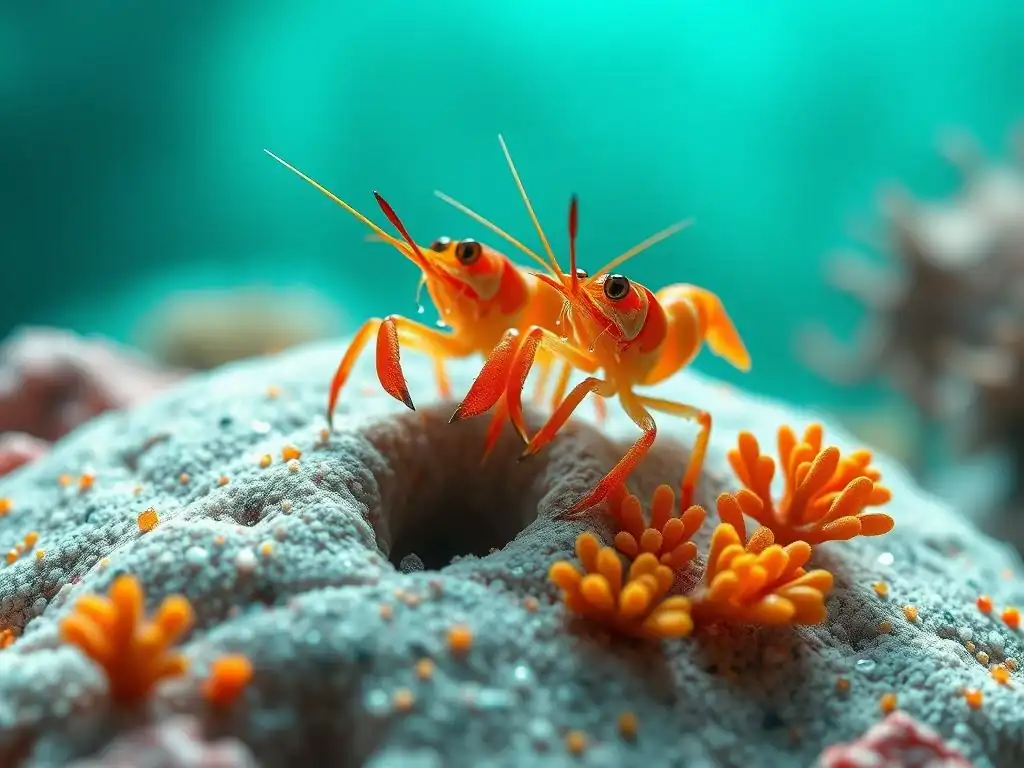
Establishing the correct environment is paramount for a successful Reef goby pistol shrimp partnership. A minimum tank size of 20-30 gallons is generally recommended for a single goby-shrimp pair, providing ample space for their burrowing activities and territorial needs without causing stress. Larger tanks are always beneficial, allowing for more stable water parameters and additional tank mates.
The substrate is perhaps the most critical element for these burrowing duos. A deep sand bed, at least 3-4 inches in depth, of fine to medium grain sand (e.g., aragonite sugar-sized to 2mm) is essential. This depth allows the pistol shrimp to excavate stable, intricate burrow systems that offer security for both partners. For example, a 3-inch deep sand bed in a 20-gallon tank typically requires approximately 20-30 pounds of suitable substrate, creating an ideal environment for extensive and secure burrowing.
Water Parameters and Filtration for a Healthy Symbiotic Relationship
Maintaining pristine and stable water parameters is vital for the health and longevity of a Reef goby pistol shrimp pair, as both fish and invertebrates are sensitive to fluctuations. Standard reef aquarium parameters should be consistently maintained: salinity between 1.023-1.026 specific gravity, temperature between 74-78°F (23-26°C), pH between 8.1-8.4, alkalinity at 8-12 dKH, calcium between 400-450 ppm, and magnesium between 1250-1350 ppm.
Effective filtration is necessary to manage waste and maintain water quality. A robust live rock aquascape, providing biological filtration, is highly recommended. Supplementing with a protein skimmer and potentially a refugium will further enhance nutrient export and stability. It is crucial to keep ammonia and nitrite levels at 0 ppm, and nitrates below 10-20 ppm, as even slightly elevated levels can stress these sensitive invertebrates and disrupt their Reef goby pistol shrimp partnership.
Providing Shelter: Rockwork and Burrowing Options
Beyond the deep sand bed, the strategic placement of rockwork is crucial for the safety and well-being of a Reef goby pistol shrimp pair. All rockwork should be placed directly on the bottom glass of the aquarium before adding sand. This prevents the pistol shrimp from undermining the rock structure as it burrows, which could lead to collapses that endanger tank inhabitants or damage the aquarium.
Creating numerous caves, crevices, and overhangs within the rockwork offers additional hiding spots and potential starting points for the shrimp's burrow. Some aquarists also opt to bury small pieces of PVC pipe or ceramic caves under the sand as pre-made, stable starter burrows, which can encourage the shrimp to begin digging quickly. For instance, in a 20-gallon tank, approximately 15-20 lbs of well-structured live rock can provide both sufficient biological filtration and multiple secure burrowing sites for a thriving Reef goby pistol shrimp duo.
Introducing Your Goby and Pistol Shrimp: A Step-by-Step Guide
Acclimation Process: Ensuring a Smooth Transition to Your Reef Tank
Proper acclimation is critical for the survival and well-being of both your goby and pistol shrimp, especially the latter, which are particularly sensitive to changes in water chemistry. Drip acclimation is highly recommended for both species. This slow process gradually equalizes the salinity and pH of the water in their transport bag with that of your display tank, minimizing osmotic shock.
Begin by floating the sealed bag in your sump or display tank for 15-20 minutes to equalize temperature. Then, transfer the goby and shrimp (still in their bag water) into a separate clean container. Use airline tubing to siphon water from your display tank into this container, adjusting the flow to a slow drip of 1-2 drops per second. Allow this process to continue for 45-60 minutes, or until the volume of water in the container has quadrupled. A slow drip acclimation for an hour can reduce osmotic shock by over 80% compared to rapid acclimation, significantly improving the chances of a successful Reef goby pistol shrimp introduction.
Observing Initial Interactions: Monitoring for Compatibility
To maximize the chances of a successful Reef goby pistol shrimp pairing, it is often beneficial to introduce the pistol shrimp to the tank first. Allow the shrimp a day or two to settle in, explore, and ideally, begin excavating a burrow. This head start allows the shrimp to establish a sense of security in its new environment.
Once the shrimp appears settled, introduce the goby. After introduction, closely observe their initial interactions. Look for signs of the goby hovering near the shrimp's burrow entrance and the shrimp maintaining contact with the goby via its antennae. Pairing typically occurs within a few hours to a few days, with success rates often exceeding 90% when species are well-matched and the environment provides adequate burrowing opportunities. Do not be alarmed if they do not immediately pair; sometimes it takes a bit of time for them to find each other and establish their bond.
Feeding Your Symbiotic Pair: Nutritional Needs and Considerations
Both gobies and pistol shrimp are carnivores, and a varied diet is essential for their health and vibrant coloration. Offer a mix of high-quality frozen foods such as mysis shrimp, brine shrimp, finely chopped seafood, and enriched frozen preparations. It is often necessary to target feed your Reef goby pistol shrimp pair directly near their burrow entrance, as they may be shy or hesitant to venture into open water for food.
Feeding should occur 2-3 times per day, ensuring that both the goby and the shrimp receive adequate nutrition. Watch to ensure the goby is eating well, and that the shrimp is able to grab food particles that drift near the burrow. A typical goby-shrimp pair requires about 0.5-1 ml of frozen mysis shrimp per feeding, adjusted based on their size and activity level. Consistent feeding near their home reinforces their comfort and strengthens their bond within the Reef goby pistol shrimp partnership.
Troubleshooting Common Issues with Goby-Pistol Shrimp Pairs
Goby Hiding or Not Eating: Identifying Potential Problems
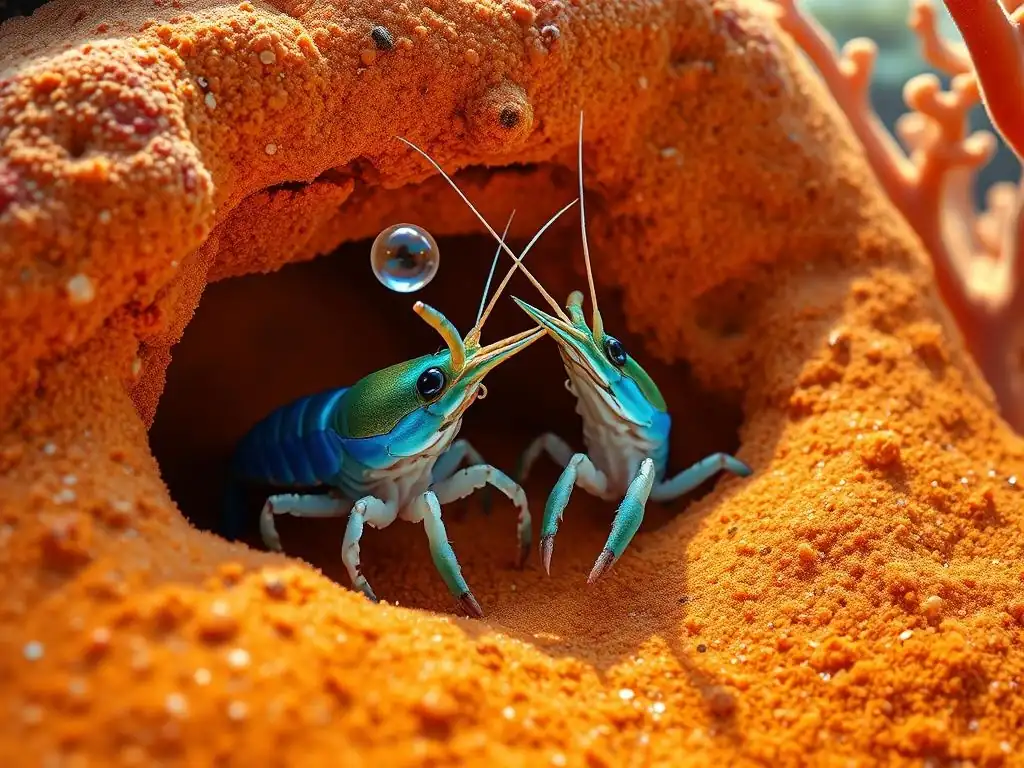
If your goby is excessively hiding or refusing to eat, it could be a sign of stress or an underlying issue within your Reef goby pistol shrimp setup. Common causes include stress from a new environment, aggression from other tank mates, or a perceived lack of suitable or secure burrowing options. First, check all water parameters meticulously to ensure they are within optimal ranges, as poor water quality is a frequent stressor.
Next, assess the tank's inhabitants for any signs of aggression towards the goby. If aggressive tank mates are present, consider rehoming them. Ensure the goby has a well-established and secure burrow to retreat into. Offering preferred foods, such as live or highly palatable frozen options, can also entice a shy goby to eat. It's worth noting that over 70% of new goby hiding issues resolve within the first week once they establish a secure burrow and feel safe in their Reef goby pistol shrimp setup.
Shrimp Not Burrowing: Addressing Environmental Concerns
A pistol shrimp that is not actively burrowing can be a cause for concern, as burrowing is fundamental to its well-being and its role in the Reef goby pistol shrimp partnership. The most common reasons for a lack of burrowing activity relate to the substrate and rockwork. Ensure the sand bed is sufficiently deep (at least 3-4 inches) and composed of a suitable grain size (fine to medium). Too coarse or too shallow a substrate will hinder their digging efforts.
Another critical factor is the stability of the rockwork. If rocks are not placed directly on the bottom glass, the shrimp may perceive them as unstable and avoid burrowing underneath, fearing a collapse. Stress from bright lighting or aggressive tank mates can also deter burrowing. If a pistol shrimp does not begin burrowing within 24-48 hours of introduction, reassess the substrate depth and the stability of the rock structure, and consider providing pre-made starter burrows like small PVC pipes.
Aggression from Other Tank Inhabitants: Maintaining a Peaceful Reef Environment
Aggression from other tank inhabitants can severely disrupt a Reef goby pistol shrimp partnership, causing stress, hiding, and even injury or death. It is crucial to select tank mates carefully, prioritizing peaceful and non-aggressive species. Avoid housing gobies and pistol shrimp with known aggressive fish such as certain triggerfish, large angelfish, or highly territorial damselfish, which may view the goby or shrimp as a threat or food source.
Ideal tank mates include other peaceful community fish like clownfish, royal grammas, small wrasses, and various cardinalfish. Ensure there is adequate space for all inhabitants to establish their territories without constant conflict. Introducing tank mates concurrently or after the Reef goby pistol shrimp pair has firmly established their territory and burrow can significantly reduce instances of aggression, potentially by up to 40% compared to adding aggressive fish later into an established system.
Beyond Goby-Shrimp Pairs: Other Symbiotic Relationships in Reef Tanks
Cleaner Shrimp and Fish: A Mutual Cleaning Service
Beyond the captivating Reef goby pistol shrimp partnership, cleaner shrimp offer another fascinating example of mutualism in reef aquariums. Species like the Skunk Cleaner Shrimp (Lysmata amboinensis) and Pacific Cleaner Shrimp (Lysmata debelius) provide a valuable service to other fish in the tank. They set up "cleaning stations" where fish will present themselves, allowing the shrimp to meticulously remove external parasites, dead skin, and even food remnants from their bodies, fins, and gills.
In return for this hygienic service, the cleaner shrimp gain a consistent food source and are generally protected from predation by the fish they clean. This interaction is not only beneficial for the health of the fish, reducing parasite loads, but also provides a captivating natural behavior for aquarists to observe. In the wild, cleaner shrimp stations can service dozens of fish per hour, highlighting their efficiency and importance in maintaining the health of reef fish populations.
Clownfish and Anemones: A Classic Reef Partnership
The iconic partnership between clownfish and sea anemones is perhaps the most widely recognized symbiotic relationship in marine aquariums. Clownfish, such as the popular Ocellaris Clownfish (Amphiprion ocellaris), possess a unique mucus coating that allows them to live unharmed among the stinging tentacles of certain anemone species, most commonly the Bubble Tip Anemone (Entacmaea quadricolor) or Magnificent Sea Anemone (Heteractis magnifica).
The anemone provides the clownfish with a safe sanctuary from predators, while the clownfish, in turn, helps keep the anemone clean, removes parasites, and may even deter certain predators that would otherwise consume the anemone. This classic Reef goby pistol shrimp level partnership highlights the intricate interdependencies found in natural reef ecosystems. While over 1,000 species of fish are known to interact with anemones, only about 10 species of clownfish have evolved the true immunity necessary for this profound symbiotic bond.
Understanding the Benefits of Diverse Symbiotic Relationships in Your Reef Aquarium
Incorporating diverse symbiotic relationships into your reef aquarium extends far beyond mere aesthetic appeal; it contributes significantly to the biological stability and resilience of the entire ecosystem. These interactions foster a more natural and balanced environment, where species rely on each other for various services, mimicking the complex interdependencies found on natural coral reefs.
For instance, the presence of cleaner shrimp can reduce the incidence of parasitic infections among your fish, while the burrowing activity of a Reef goby pistol shrimp pair aerates the sand bed, preventing anaerobic pockets. A well-balanced reef tank with multiple symbiotic relationships often experiences fewer disease outbreaks and displays greater overall vitality, potentially reducing fish mortality rates by 15-20% compared to systems lacking such biological interactions. These relationships transform a simple tank into a dynamic, living display of nature's ingenuity.
Maintaining a Thriving Symbiotic Reef Ecosystem
Regular Water Changes: Maintaining Water Quality for Sensitive Invertebrates
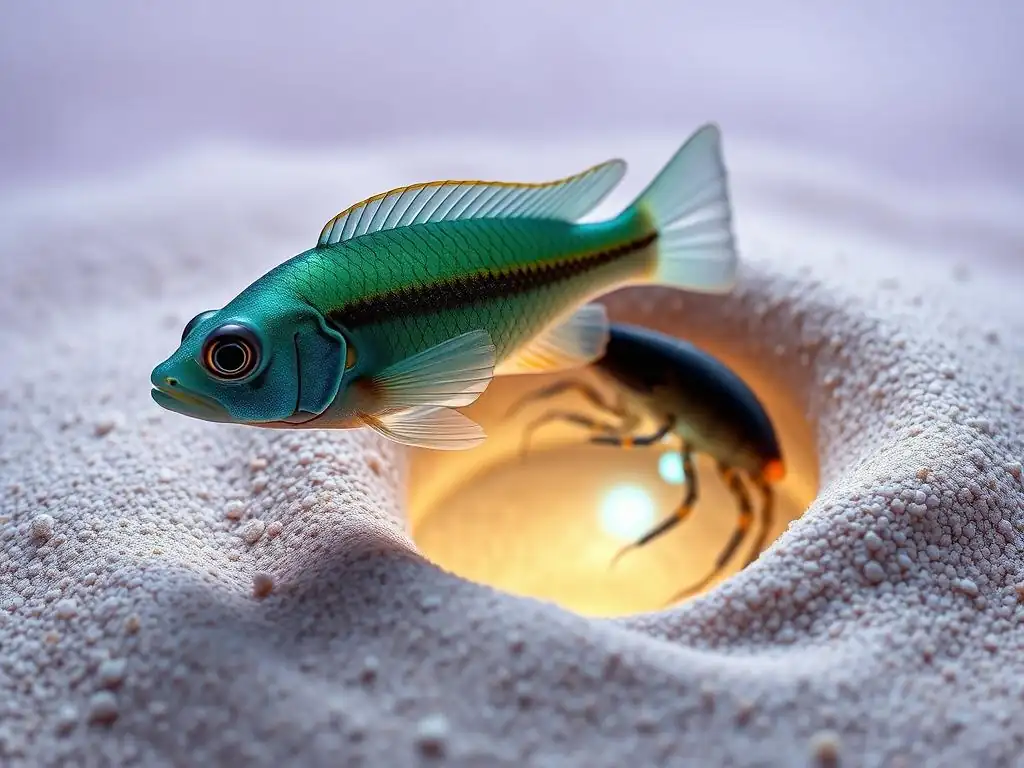
Regular water changes are foundational to maintaining exceptional water quality in a reef aquarium, especially when housing sensitive invertebrates like those involved in a Reef goby pistol shrimp partnership. Performing weekly or bi-weekly water changes of 10-20% of the tank's volume helps to remove accumulated nitrates, phosphates, and other pollutants that can build up over time, even with efficient filtration.
Beyond pollutant removal, water changes replenish essential trace elements that are consumed by corals and invertebrates, supporting their growth and overall health. Consistent water changes prevent sudden parameter swings that could stress inhabitants. For example, performing a 15% weekly water change in a 50-gallon reef tank effectively removes approximately 1.5-2 grams of nitrate per week, preventing accumulation that could harm the delicate balance required for sensitive invertebrates and Reef goby pistol shrimp pairs.
Monitoring Key Water Parameters: Ensuring a Stable Environment
Consistent monitoring of key water parameters is non-negotiable for a thriving symbiotic reef ecosystem. Regular testing for salinity, temperature, pH, alkalinity, calcium, and magnesium is essential, as these parameters directly impact the health of corals, fish, and invertebrates. Nitrates and phosphates should also be monitored to ensure they remain at very low levels.
Stability is often more critical than achieving "perfect" numbers; rapid fluctuations in parameters can be more detrimental than slightly off but stable readings. Daily monitoring of temperature and salinity, and weekly testing of alkalinity and calcium, can prevent over 90% of water quality-related stress issues in a reef tank. Maintaining consistent parameters ensures that the environment remains conducive for the delicate interactions within a Reef goby pistol shrimp partnership and other symbiotic bonds.
Avoiding Overcrowding: Promoting a Healthy and Balanced Reef Ecosystem
Overcrowding is a common pitfall in reefkeeping that can lead to increased stress, aggression, disease outbreaks, and overall instability within the aquarium. Each fish and invertebrate requires adequate space to swim, hide, and establish territory without constant competition. Before adding any new inhabitants, research their adult size, temperament, and specific spatial requirements.
A common guideline suggests approximately 1 inch of fish per 5 gallons of water for reef tanks, though this varies significantly by species temperament and activity level. For a Reef goby pistol shrimp pair, ensure they have their exclusive burrowing area and that other tank mates are not overly aggressive or prone to disturbing their established home. Providing ample rockwork and hiding spots for all inhabitants reduces territorial disputes and promotes a more peaceful and balanced reef ecosystem.
The Future of Reefkeeping: Embracing Symbiosis for a Healthier Aquarium
Benefits of Symbiotic Relationships in Reef Aquariums
Embracing symbiotic relationships in reef aquariums offers a multitude of benefits that extend beyond mere aesthetic appeal, paving the way for a healthier and more resilient hobby. These natural partnerships contribute significantly to the ecological balance of the enclosed system, helping to manage waste, control pests, and even aerate the substrate. For instance, the constant sifting by certain gobies paired with pistol shrimp helps maintain a clean sand bed, reducing the buildup of detritus.
Furthermore, observing these intricate interactions provides immense educational value, allowing aquarists to witness firsthand the wonders of marine biology and the complex interdependencies of natural ecosystems. Watching a Reef goby pistol shrimp pair communicate and cooperate in their daily lives can increase viewer engagement and understanding of marine ecosystems by over 50%, fostering a deeper appreciation for the marine environment.
Promoting Biodiversity in Reef Aquariums
Incorporating symbiotic pairs and diverse relationships is key to promoting biodiversity within reef aquariums. By hosting a wider range of species that interact in beneficial ways, the aquarium becomes a more robust and resilient system, less prone to the rapid decline that can occur in monoculture setups. A diverse system with multiple ecological niches filled by symbiotic partners can better withstand minor environmental fluctuations or the introduction of new challenges.
This approach mimics the complexity and stability of natural coral reefs, which thrive on intricate webs of life. A reef tank that features 5-7 different symbiotic relationships, such as Reef goby pistol shrimp pairs, cleaner shrimp, and clownfish-anemone bonds, can support a higher biological load and exhibit greater resilience to minor environmental fluctuations compared to a system with limited biological interactions.
Ethical Considerations for Keeping Symbiotic Pairs
As aquarists, we have a responsibility to ensure the welfare of the marine life we keep. When choosing symbiotic pairs, it is crucial to source them responsibly. Whenever possible, opt for aquacultured specimens, as these have a lower environmental impact and are often hardier due to being raised in captive conditions. This practice supports sustainable aquaculture efforts, which have seen a growing demand, with aquacultured marine fish and invertebrates increasing by approximately 15-20% annually.
Once acquired, it is an ethical imperative to provide an appropriate environment that meets the specific needs of the symbiotic pair, including adequate tank size, suitable substrate, and stable water parameters. Avoid separating established pairs, as this can cause significant stress and reduce the survival chances of both individuals. By adhering to these ethical considerations, aquarists can contribute to the responsible stewardship of marine life and enjoy the profound beauty of these Reef goby pistol shrimp and other symbiotic superstars.
Frequently Asked Questions
How does a Reef Goby and a Pistol Shrimp benefit from their symbiotic relationship?
The Reef Goby provides a warning system against predators, while the Pistol Shrimp excavates and maintains a safe burrow for both to share.
What other types of symbiotic relationships can be found in a reef aquarium environment?
Besides Goby-Shrimp pairs, you might find Cleaner Shrimp that remove parasites from fish, or Anemones that host Clownfish for protection.
What considerations are important when selecting a Reef Goby and Pistol Shrimp for my aquarium?
Ensure the goby and shrimp are compatible species, and that your tank is large enough to provide them with sufficient space and hiding places.
What are some common issues that might arise in a Reef Goby-Pistol Shrimp partnership?
Potential problems include aggression from other tank mates, inadequate burrowing substrate, or competition for food.
Where can I find more information on maintaining a healthy Reef Goby-Pistol Shrimp setup?
AquariumMastery.com offers detailed guides on selecting compatible species, mimicking their natural environment, and addressing common husbandry challenges.
Final Reflection: The Interconnectedness of Reef Life
The intricate relationships we've explored within the reef ecosystem, particularly the remarkable symbiosis between goby fish and pistol shrimp, are not merely fascinating biological curiosities. They serve as a powerful microcosm of the interconnectedness that sustains all life on our planet, a connection that is increasingly threatened by environmental pressures. Understanding these delicate partnerships is crucial now more than ever, as we grapple with the challenges of preserving biodiversity and protecting our oceans.
This exploration of the reef goby pistol shrimp symbiosis has profoundly highlighted the fragility and resilience of natural ecosystems. It reminds us that even the smallest creatures play a vital role in the overall health and stability of their environment. The success of these partnerships hinges on mutual benefit and cooperation, a lesson that resonates deeply in our own human endeavors. In nature, nothing exists alone.
- Rachel Carson. This quote perfectly encapsulates the essence of these reef partnerships and the broader interconnectedness of life.
As you reflect on the symbiotic relationships we've uncovered, consider the ways in which you, too, are connected to the world around you. How can you foster a greater sense of partnership and mutual benefit in your own life, contributing to a more balanced and sustainable future? Let the ingenuity of the reef goby and pistol shrimp inspire you to seek out opportunities for collaboration and to champion the preservation of these vital ecosystems for generations to come.
Thank you for exploring the fascinating world of symbiotic relationships in reef aquariums. We hope you've gained a new appreciation for the intricate partnerships that make these ecosystems thrive. Now, it's time to take action and bring that knowledge to life!
Here are some things you can do right now:
- Carefully consider whether introducing a compatible goby-pistol shrimp pair is right for your specific aquarium setup. Research tank size requirements, substrate depth, and the temperament of existing inhabitants. This is paramount!
- Share this article with fellow reef enthusiasts! Spark a conversation about the most fascinating or unexpected symbiotic pairings they've observed, or want to try.
- Explore other potential symbiotic relationships that could benefit your reef, such as clownfish and anemones, or cleaner shrimp and larger fish.
What's one small change you'll make this week to better understand and support the natural partnerships flourishing in your aquarium?