
Designing a Dream Cherry Barb Tank: Plants, Decor, and Serene Setups

Welcome to Aquarium Mastery!
Ever dreamt of a vibrant, thriving aquarium teeming with the dazzling red hues of cherry barbs? Dive in and discover the secrets to crafting the ultimate cherry barb tank design. We'll explore the perfect blend of plants, decor, and tank mates to create a serene and captivating underwater world. Ready to unlock the potential of your aquarium? Let's get started!
- Designing a Thriving Cherry Barb Tank: Plants, Decor, and Ecosystem
- Introduction to Cherry Barb Tank Design: Creating a Natural Habitat
- Selecting the Right Plants for Your Cherry Barb Aquarium
- Decorating Your Cherry Barb Tank: Achieving Aesthetics and Functionality
- Water Parameters and Chemistry for a Healthy Cherry Barb Tank
- Lighting Considerations for a Planted Cherry Barb Aquarium
- Choosing Tank Mates for Cherry Barbs: Compatibility and Harmony
- Setting Up Your Cherry Barb Tank: A Step-by-Step Guide
- Maintaining Your Cherry Barb Tank: Routine Care and Troubleshooting
- Advanced Cherry Barb Tank Design: Creating a Biotope Aquarium
- Conclusion: Enjoying Your Beautiful and Thriving Cherry Barb Tank
-
Frequently Asked Questions
- What are the ideal tank dimensions for a group of Cherry Barbs?
- What type of substrate is best for a Cherry Barb tank, considering their needs and planted tank aesthetics?
- Which plant species are most suitable for a Cherry Barb tank, considering their peaceful nature and the need for hiding spots?
- How important is water flow in a Cherry Barb tank, and what type of filtration is recommended?
- What tankmates are compatible with Cherry Barbs, and what should be avoided to ensure a peaceful environment?
- Final Reflection: Cultivating Aquatic Harmony
- Transform Your Tank: Unleash a Cherry Barb Paradise!
Designing a Thriving Cherry Barb Tank: Plants, Decor, and Ecosystem
Introduction to Cherry Barb Tank Design: Creating a Natural Habitat
Understanding Cherry Barb Needs: Key Considerations for Tank Setup
Cherry barbs (Puntius titteya) are beautiful, peaceful, and active freshwater fish originating from the slow-moving, heavily vegetated streams of Sri Lanka. To ensure their well-being and vibrant coloration in a home aquarium, understanding their natural habitat and replicating its key features is paramount. They thrive in water temperatures ranging from approximately 72-79°F (22-26°C), preferring slightly acidic to neutral water with a pH between 6.0 and 7.5, and soft to moderately hard water. Their peaceful demeanor makes them excellent candidates for a well-planned community Cherry barb tank design.
These specific environmental preferences directly influence the optimal Cherry barb tank design. A successful setup will incorporate dense planting, which provides essential cover and security, alongside open swimming spaces for their active schooling behavior. Subdued lighting, often achieved through floating plants or dense canopy, mimics the shaded conditions of their native streams, reducing stress and encouraging natural behaviors. Despite their small size, typically reaching up to 2 inches (5 cm), their energetic nature demands thoughtful consideration for their living space.
The Importance of Proper Tank Size and Shoal Size for Cherry Barbs
While a 10-gallon (approximately 38 liters) aquarium might be considered an absolute minimum for a very small group of cherry barbs, a 20-gallon long (approximately 75 liters) or larger tank is significantly more suitable for a healthy and thriving shoal. Larger tanks offer increased water volume, which contributes to greater water parameter stability, reducing the frequency of drastic fluctuations that can stress fish. Furthermore, the increased footprint of a 20-gallon long provides ample horizontal swimming space, crucial for these active, schooling fish to display their natural behaviors.
Cherry barbs are highly social fish and absolutely thrive in groups. A minimum shoal size of 6-8 individuals is recommended, but a group of 10 or more will allow them to exhibit their most natural schooling dynamics and reduce any potential shyness or nipping behavior sometimes observed in smaller groups.
Inadequate shoal size can lead to increased stress, reclusiveness, or even aggression towards other tank inhabitants. A larger shoal not only makes for a visually stunning display but is a fundamental aspect of responsible Cherry barb tank design, ensuring the fish feel secure and express their full range of natural interactions.
Selecting the Right Plants for Your Cherry Barb Aquarium
Best Plant Species for Cherry Barb Tanks: A Comprehensive Guide
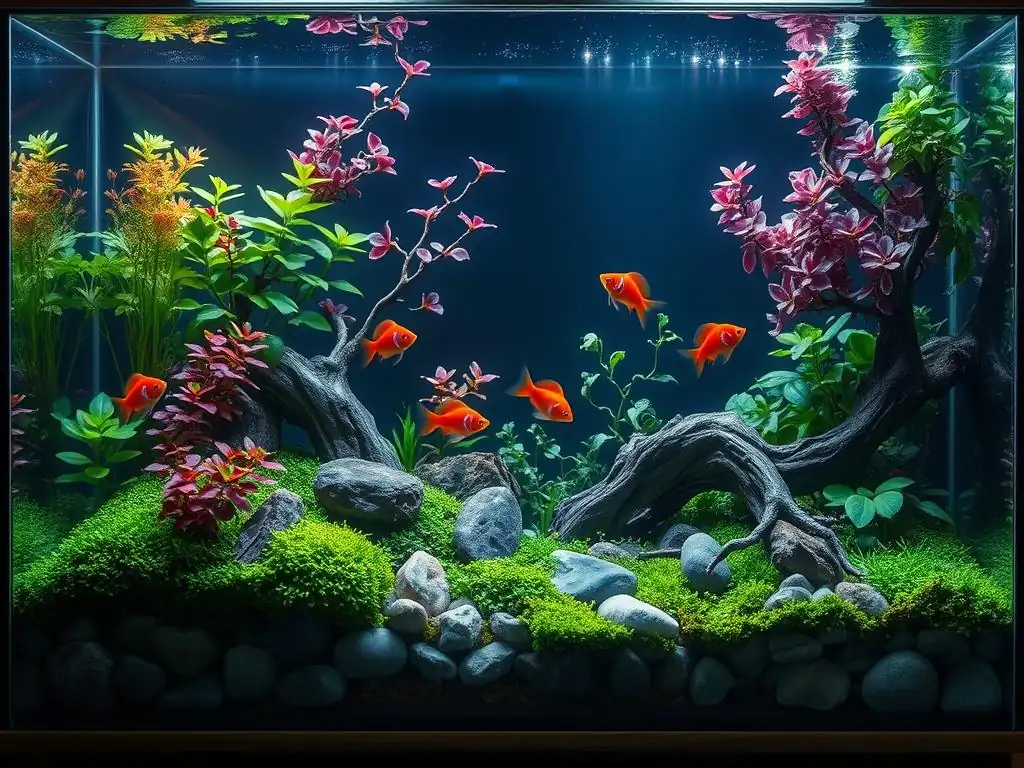
Incorporating live plants is a cornerstone of effective Cherry barb tank design, offering both aesthetic beauty and vital ecological benefits. A diverse selection of plant species can create a natural, enriching environment. Excellent choices include hardy, broad-leafed plants such as Java Fern (Microsorum pteropus) and various Anubias species (e.g., Anubias barteri, Anubias nana), which can be attached to driftwood or rocks, providing excellent resting spots and cover. Cryptocoryne species (like Cryptocoryne wendtii or Cryptocoryne undulata) are also ideal, thriving in similar water conditions and forming dense mid-ground thickets.
For background planting or creating dense hiding spots, stem plants like Rotala rotundifolia, Ludwigia repens, or Vallisneria spiralis are highly effective. Amazon Swords (Echinodorus amazonicus) can serve as majestic focal points. These plants contribute significantly to the water quality by absorbing nitrates, releasing oxygen, and providing natural grazing surfaces for biofilm. A well-chosen array of plants ensures that your Cherry barb tank mimics their natural, heavily vegetated stream habitats, promoting their health and vibrant colors.
Low-Maintenance Plants for a Balanced Ecosystem
For aquarists seeking a beautiful yet manageable Cherry barb tank design, several low-maintenance plant species can create a lush, balanced ecosystem without requiring intensive care. Java Fern and Anubias species remain top recommendations due to their minimal light and nutrient requirements; they derive most of their nutrients from the water column and do not need to be planted in the substrate.
This makes them incredibly versatile for attaching to decor. Floating plants such as Frogbit (Limnobium laevigatum) or Dwarf Water Lettuce (Pistia stratiotes) are also excellent low-maintenance options, providing surface cover that diffuses light, which cherry barbs appreciate, and further aiding in nitrate absorption.
These low-maintenance plants are crucial for contributing to a stable and balanced ecosystem within your Cherry barb tank. They actively absorb excess nutrients, such as nitrates and phosphates, which helps to inhibit algae growth and maintain clearer water. For instance, a 20-gallon Cherry barb tank with a good density of Java Ferns and Anubias can see nitrate levels remain below 10 ppm for longer periods between water changes compared to an unplanted tank, reducing the overall maintenance burden and creating a healthier environment for your fish.
Creating a Planted Tank Ecosystem for Cherry Barbs
The creation of a heavily planted tank ecosystem is not merely for aesthetic appeal but is fundamental to a successful Cherry barb tank design, directly addressing their natural instincts and needs. Strategic placement of plants is key: taller species like Amazon Swords or Vallisneria should occupy the background, creating a lush green wall. Mid-ground plants such as Cryptocorynes or compact stem plants can form dense thickets, while foreground plants like Dwarf Sagittaria can carpet the substrate. This layered approach provides depth and varied environments.
A dense planted ecosystem offers numerous benefits for cherry barbs. It provides ample hiding spots, which are essential for reducing stress and allowing fish to retreat when they feel threatened or during spawning behaviors. The plants also offer natural grazing surfaces for micro-organisms and algae, supplementing their diet. Furthermore, a well-planted Cherry barb tank helps to stabilize water temperature fluctuations and provides a more consistent chemical environment, leading to more vibrant fish and a more resilient aquarium system.
Decorating Your Cherry Barb Tank: Achieving Aesthetics and Functionality
Choosing Safe and Suitable Substrates for Cherry Barb Tanks
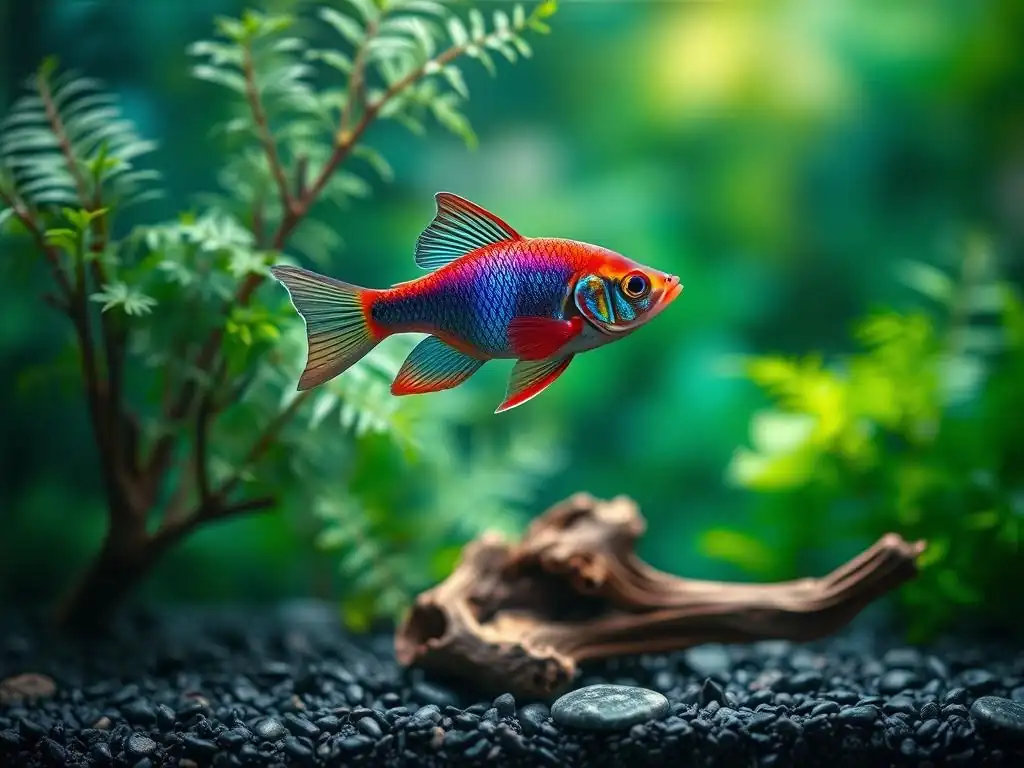
The choice of substrate is a critical element in Cherry barb tank design, influencing both aesthetics and the well-being of your fish and plants. Fine gravel or sand, particularly dark shades like black or dark brown, is highly recommended. A grain size of 1-3mm is ideal, as it is soft on the cherry barbs' delicate barbels if they forage along the bottom.
Darker substrates also have the added benefit of making the fish's vibrant red coloration appear even more striking, enhancing the visual appeal of your Cherry barb tank. Avoid sharp or overly large gravel that could injure the fish or accumulate excessive detritus.
Functionally, the substrate plays a significant role in a planted Cherry barb tank. For optimal plant growth, a nutrient-rich substrate designed for aquariums (often capped with a layer of inert sand or fine gravel) can provide essential nutrients directly to plant roots. Aim for a substrate depth of 2-3 inches (5-7.5 cm) to allow for robust root development and to provide sufficient surface area for beneficial bacteria to colonize, which are vital for the nitrogen cycle and overall water quality.
Incorporating Natural Decor: Driftwood, Rocks, and Leaf Litter
Natural decor elements are indispensable for creating an authentic and enriching Cherry barb tank design. Driftwood, such as Malaysian or Manzanita wood, is an excellent choice. It slowly releases tannins, which can slightly lower the pH and impart a subtle, natural tea-colored tint to the water, mimicking the blackwater conditions found in some of their native habitats. Rocks, like Seiryu Stone or Dragon Stone, can be strategically placed to create interesting formations and anchor points for epiphytic plants like Anubias or Java Fern. Always ensure any rocks used are inert and will not significantly alter water parameters.
Adding leaf litter, such as Indian Almond leaves (Terminalia catappa) or Guava leaves, further enhances the natural feel of a Cherry barb tank. As these leaves slowly decompose, they release beneficial humic substances and provide a natural food source for micro-organisms, which in turn can be grazed upon by the cherry barbs. They also offer additional hiding spots and a natural substrate for biofilm growth. Before introducing any natural decor, ensure it is thoroughly cleaned and prepared (e.g., boiled) to remove any contaminants or excess tannins.
Creating Hiding Places and Territories for Cherry Barbs
Even though cherry barbs are generally peaceful schooling fish, providing ample hiding places is a crucial aspect of responsible Cherry barb tank design. These retreats allow individual fish to escape from perceived threats, reduce stress, and provide secure spots for resting or during spawning activities. Dense thickets of plants, particularly stem plants or large-leafed plants like Cryptocorynes, are excellent natural hiding spots. Caves formed by strategically placed driftwood or rocks also serve this purpose effectively.
While cherry barbs do not establish strict territories like some cichlid species, the presence of varied structures and dense planting can create distinct zones within the aquarium. This allows individual fish within the shoal to find their preferred spots and can help diffuse any minor squabbles that might arise, especially among males displaying to females. A well-designed Cherry barb tank strikes a balance between open swimming areas and secluded, secure retreats, fostering a sense of security and overall well-being for the entire shoal.
Water Parameters and Chemistry for a Healthy Cherry Barb Tank
Maintaining Optimal Water Quality for Cherry Barbs: A Step-by-Step Guide
Maintaining consistently optimal water quality is the single most important factor for the long-term health and vibrancy of cherry barbs in any Cherry barb tank design. This requires regular monitoring of key water parameters, including ammonia, nitrite, nitrate, pH, general hardness (GH), and carbonate hardness (KH). Ammonia and nitrite should always be undetectable (0 ppm), as even trace amounts are highly toxic. Nitrate levels should be kept below 20 ppm, with ideally less than 10 ppm for a pristine environment.
Routine maintenance is essential for achieving and sustaining these optimal conditions. Weekly or bi-weekly water changes of 20-30% are generally recommended for a moderately stocked Cherry barb tank. This process removes accumulated nitrates and other dissolved organic compounds while replenishing essential trace minerals. Always use a high-quality water conditioner to neutralize chlorine and chloramines present in tap water before adding it to the aquarium, safeguarding the delicate gills and beneficial bacteria within the filter.
Understanding pH, GH, and KH Levels in Cherry Barb Tanks
The precise balance of pH, GH, and KH is vital for mimicking the natural environment of cherry barbs and ensuring their physiological comfort. Cherry barbs originate from waters that are typically slightly acidic to neutral, with a preferred pH range of 6.0 to 7.5. While consistency is often more important than hitting an exact number, avoiding drastic pH swings is crucial, as these can severely stress the fish.
General Hardness (GH) indicates the concentration of dissolved calcium and magnesium ions, which contribute to the overall hardness of the water. Cherry barbs thrive in soft to moderately hard water, ideally within the range of 5-12 dGH (approximately 80-200 ppm). Carbonate Hardness (KH), also known as alkalinity, acts as a buffer, preventing sudden pH fluctuations. A KH level between 3-8 dKH (approximately 50-140 ppm) is generally suitable for a Cherry barb tank, providing sufficient buffering capacity to maintain a stable pH. Regular testing with a reliable aquarium test kit is indispensable for monitoring these parameters.
Water Changes and Filtration for Cherry Barb Health
Regular water changes are the most effective method for diluting pollutants and maintaining pristine water quality in a Cherry barb tank. For a typical 20-gallon Cherry barb tank with a balanced bioload, a 25% weekly water change is a good starting point. This consistent routine helps to prevent the buildup of nitrates, replenishes essential trace elements, and ensures the water remains fresh and oxygenated, directly contributing to the fish's long-term health and vibrant coloration.
Effective filtration is equally paramount. A robust filtration system, whether it's a hang-on-back (HOB) filter, canister filter, or sponge filter, provides mechanical, chemical, and biological filtration. Mechanical filtration removes particulate matter, keeping the water clear. Chemical filtration (e.g., activated carbon) removes dissolved impurities, though it's less critical in a well-planted tank. Most importantly, biological filtration, facilitated by beneficial bacteria colonizing filter media, converts toxic ammonia and nitrite into less harmful nitrates. Ensure the filter provides gentle water flow, as cherry barbs prefer calmer conditions over strong currents, which is a key consideration in Cherry barb tank design.
Lighting Considerations for a Planted Cherry Barb Aquarium
Selecting the Right Lighting for Plant Growth and Cherry Barb Wellbeing
Lighting in a planted Cherry barb tank serves a dual purpose: supporting the photosynthesis of aquatic plants and providing an appropriate environment for the fish. Cherry barbs naturally inhabit shaded, heavily vegetated streams, so they generally prefer subdued lighting. Modern LED lighting systems are highly versatile, allowing for adjustable intensity and spectrum, making them an excellent choice for a balanced Cherry barb tank design.
When selecting lighting, consider the needs of your plants. Moderate lighting, typically ranging from 20-30 PAR (Photosynthetically Active Radiation) at the substrate level, is usually sufficient for most common aquarium plants suitable for a low-tech setup. A full-spectrum light with a color temperature between 6500K and 7000K closely mimics natural daylight, promoting healthy plant growth and enhancing the natural coloration of your cherry barbs. Avoid excessively bright lights, as they can stress the fish and aggressively promote unwanted algae growth.
Lighting Schedules and Their Impact on Plant Growth and Algae Control
Establishing a consistent lighting schedule is crucial for both plant health and effective algae control in your Cherry barb tank. A photoperiod of 8-10 hours per day is generally recommended for planted aquariums. Using an automatic timer is highly beneficial, as it ensures a consistent on/off cycle, which is important for the metabolic processes of plants and helps maintain a stable environment for your fish.
Finding the correct balance in your lighting schedule is key. Too much light, especially in tanks without CO2 injection or a robust plant mass, can lead to aggressive outbreaks of nuisance algae, such as green spot algae or hair algae. Conversely, too little light will hinder plant growth, causing them to wither and fail to thrive. Carefully observing your plants and the presence of algae will help you fine-tune the lighting duration, ensuring a healthy and aesthetically pleasing Cherry barb tank design.
Choosing Tank Mates for Cherry Barbs: Compatibility and Harmony
Ideal Tank Mates for Cherry Barbs in a Community Aquarium
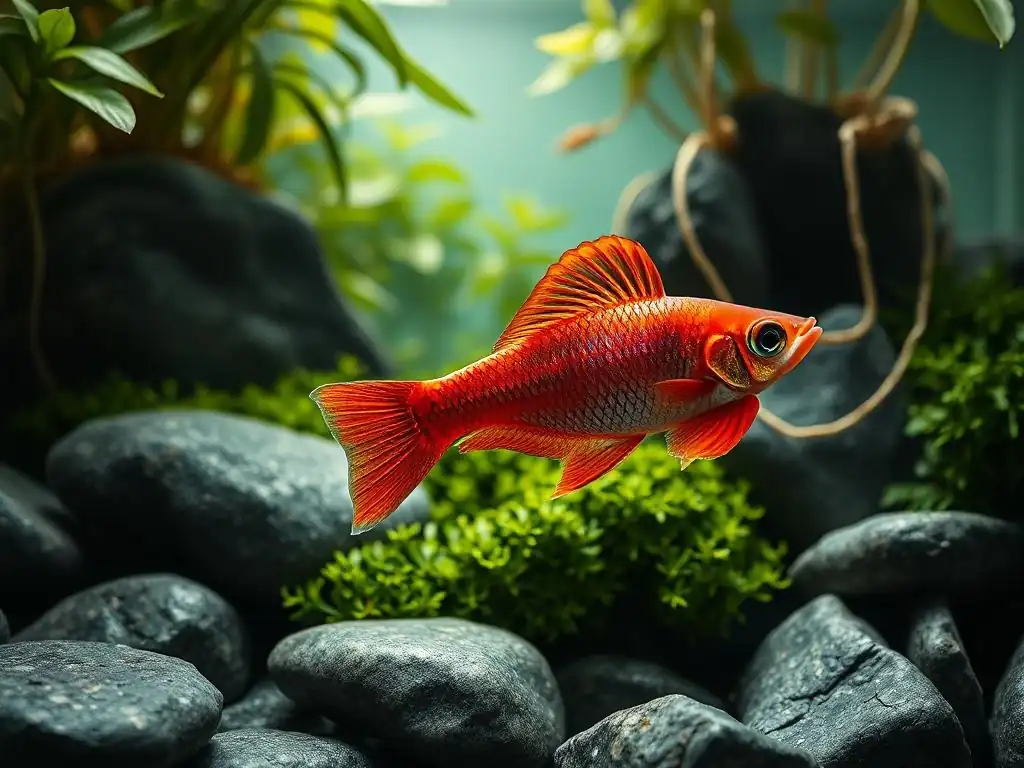
Cherry barbs are renowned for their peaceful temperament, making them excellent candidates for a community aquarium. When choosing tank mates for your Cherry barb tank, prioritize similarly sized, non-aggressive fish that thrive in comparable water parameters. Excellent companions include other small, peaceful schooling fish such as Neon Tetras, Ember Tetras, Harlequin Rasboras, and Chili Rasboras. Bottom-dwelling species like Corydoras catfish and Otocinclus catfish also make superb additions, as they occupy a different water column and do not compete for resources.
These ideal tank mates contribute to a harmonious community by not exhibiting fin-nipping tendencies or aggressive behaviors towards the cherry barbs. They generally occupy different levels of the aquarium, reducing competition for space and allowing each species to display its natural behaviors without undue stress. A thoughtfully chosen community ensures that your Cherry barb tank remains a peaceful and thriving ecosystem for all its inhabitants.
Fish to Avoid Keeping with Cherry Barbs
To maintain the peaceful environment essential for a successful Cherry barb tank design, certain fish species should be avoided. Any large, aggressive, or predatory fish are unsuitable, as they may view the relatively small cherry barbs as a food source or constantly harass them. Examples include larger cichlids like Oscars or Jack Dempseys, and some of the more aggressive gourami species.
Furthermore, while other barb species might seem like natural fits, some can be problematic. For instance, Tiger Barbs are known fin-nippers and can stress or injure cherry barbs, especially if the Tiger Barb shoal is too small or the tank is undersized. Even if the fish aren't overtly aggressive, species that are significantly faster or more boisterous can outcompete cherry barbs for food, leading to malnutrition and stress. Maintaining a calm and secure environment is paramount for the long-term health and vibrant coloration of your cherry barbs.
Setting Up Your Cherry Barb Tank: A Step-by-Step Guide
Preparing Your Aquarium: Cleaning and Setting Up
The initial preparation of your Cherry barb tank is crucial for establishing a healthy and lasting aquatic environment. Begin by thoroughly rinsing the aquarium glass, substrate, and all decor elements (driftwood, rocks) with clean, dechlorinated water. Never use soap or household detergents, as their residues are highly toxic to fish. Once rinsed, carefully place the substrate evenly across the bottom, aiming for a depth of 2-3 inches (5-7.5 cm) to support plant roots and beneficial bacteria.
Next, arrange your hardscape elements, such as driftwood and rocks, to create the foundational structure and visual appeal of your Cherry barb tank design. Consider how these elements will provide hiding spots and anchor points for plants. Install your filtration system and heater, ensuring they are properly secured and accessible for maintenance. Slowly fill the tank with dechlorinated water, taking care not to disturb the substrate. Once filled, begin the nitrogen cycling process; this crucial step, which typically takes 4-6 weeks, establishes the beneficial bacteria needed to process fish waste, making the tank safe for your cherry barbs.
Planting Your Aquarium: Techniques for Success
Once your Cherry barb tank is filled and the cycling process has begun, it's time to introduce your chosen aquatic plants. For rooted plants like Cryptocorynes and stem plants, gently separate them into individual stems or smaller clumps. Use aquarium tweezers to carefully plant them into the substrate, ensuring their roots are spread out and covered, but avoid burying the crown of Cryptocorynes. Plant taller species towards the back and sides, reserving the mid-ground and foreground for shorter varieties.
Epiphytic plants, such as Anubias and Java Fern, should not be buried in the substrate. Instead, attach them to driftwood or rocks using fishing line, cotton thread, or aquarium safe glue. Over time, their rhizomes will naturally attach to the surface. Thoughtful plant placement not only enhances the aesthetic appeal of your Cherry barb tank design but also creates varied habitats and ample hiding spots, contributing significantly to the well-being of your future cherry barbs.
Introducing Cherry Barbs to Their New Home: Acclimation Process
After your Cherry barb tank has successfully completed its nitrogen cycle and water parameters are stable (ammonia and nitrite at 0 ppm, nitrates below 20 ppm), you can introduce your cherry barbs. The acclimation process is vital to minimize stress and shock from changes in water temperature and chemistry. Begin by floating the sealed bag containing the fish in your aquarium for 15-20 minutes. This allows the water temperature in the bag to gradually equalize with the tank water.
Next, open the bag and, using a small cup, slowly add about half a cup of your tank water to the bag every 5-10 minutes over a period of 30-60 minutes. This gradual introduction helps the fish adjust to your tank's specific pH, GH, and KH levels. Once the acclimation is complete, gently net the cherry barbs from the bag and release them into their new Cherry barb tank, discarding the bag water. Avoid pouring the bag water directly into your aquarium, as it may contain undesirable pathogens or chemicals from the fish store.
Maintaining Your Cherry Barb Tank: Routine Care and Troubleshooting
Feeding Cherry Barbs: Diet and Nutritional Needs
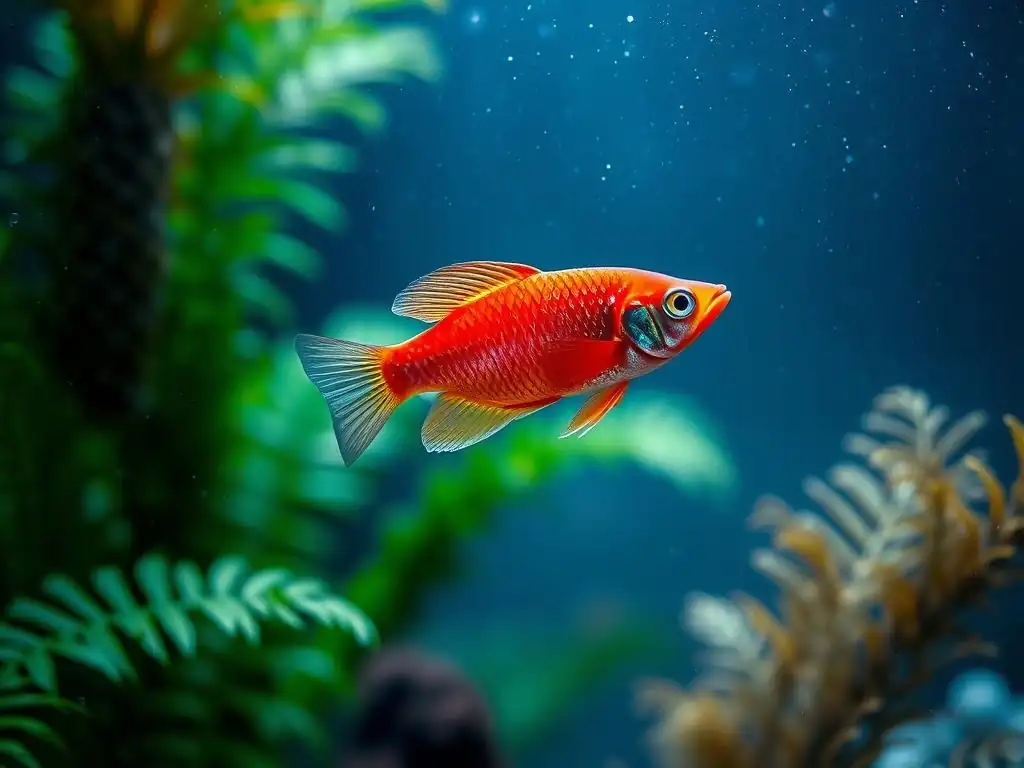
A balanced and varied diet is fundamental to the health, vibrant coloration, and activity levels of your cherry barbs in their specially designed tank. As omnivores, they readily accept a range of foods. A high-quality flake food or micro-pellet should form the staple of their diet. Look for brands that list fish meal or spirulina as primary ingredients.
To ensure optimal nutrition and enhance their natural colors, supplement their staple diet with frozen or live foods 2-3 times per week. Excellent options include bloodworms, brine shrimp, and daphnia. These protein-rich treats provide essential nutrients and encourage natural hunting behaviors. Feed small amounts 1-2 times a day, only what the fish can consume entirely within 2-3 minutes. Overfeeding is a common mistake that can lead to poor water quality, increased algae growth, and potential health issues in your Cherry barb tank.
Common Cherry Barb Health Issues and Prevention
Despite their hardiness, cherry barbs, like all fish, can be susceptible to common aquarium diseases, often triggered by poor water quality, stress, or inadequate diet. Common ailments include Ich (white spot disease), fin rot, and various fungal infections. Ich, identifiable by small white spots resembling salt grains on the fish's body and fins, is typically caused by temperature fluctuations or high stress. Fin rot manifests as frayed or disintegrating fins, often due to bacterial infections in poor water conditions.
Prevention is always the best approach for a healthy Cherry barb tank. This involves consistently maintaining stable and pristine water parameters through regular water changes and proper filtration. Providing a balanced, nutritious diet, ensuring a low-stress environment with ample hiding spots, and avoiding overcrowding are also crucial. Additionally, quarantining any new fish in a separate tank for 2-4 weeks before introducing them to your main Cherry barb tank can prevent the spread of diseases to your existing fish.
Troubleshooting Common Tank Problems: Algae, Cloudy Water, and More
Even in a well-maintained Cherry barb tank, common issues like excessive algae growth or cloudy water can occasionally arise. Algae blooms, typically green or brown, often indicate an imbalance in the tank, most commonly too much light or an excess of nutrients (high nitrates or phosphates). To combat this, reduce your lighting duration (e.g., to 8 hours), perform more frequent water changes to lower nutrient levels, and consider adding algae-eating snails (like Nerite snails) or Otocinclus catfish.
Cloudy water can stem from various causes, including bacterial blooms (common in newly set up tanks undergoing the nitrogen cycle), overfeeding, or insufficient filtration. For bacterial blooms, patience and consistent water changes are key. For overfeeding, reduce food portions. Ensure your filter is adequately sized for your Cherry barb tank and that filter media is cleaned or replaced regularly. A healthy, well-planted Cherry barb tank design with balanced parameters helps naturally mitigate many of these common problems, fostering a more stable and resilient environment.
Advanced Cherry Barb Tank Design: Creating a Biotope Aquarium
Understanding the Natural Habitat of Cherry Barbs
For aquarists seeking to create the most authentic and enriching environment for their fish, an advanced Cherry barb tank design can involve replicating their natural biotope. Cherry barbs (Puntius titteya) are native to the forested, clear, and slow-moving streams and rivers of Sri Lanka, particularly in the Kelani and Nilwala river basins. These habitats are characterized by dense riparian vegetation that overhangs the water, creating shaded conditions.
The substrate in these natural environments typically consists of fine sand or gravel, often covered with a layer of leaf litter from surrounding trees. Submerged roots, branches, and aquatic plants provide abundant cover and foraging grounds. The water itself is generally soft, slightly acidic, and maintains a comfortable temperature range, reflecting the stable conditions of the tropical rainforest environment. Understanding these specific characteristics is the first step in crafting a truly immersive Cherry barb tank biotope.
Replicating the Sri Lankan Stream Environment
To faithfully replicate a Sri Lankan stream environment for an advanced Cherry barb tank design, attention to detail is paramount. The substrate should be fine, dark sand or very fine gravel, mimicking the riverbed. Abundant driftwood, arranged to simulate submerged roots and branches, is essential, providing both structure and tannins that can gently tint the water. Generous amounts of leaf litter, such as Indian almond leaves or oak leaves, should be scattered across the substrate to further simulate the natural environment and release beneficial humic substances.
Plant choices are critical; focus on aquatic plants native to Sri Lanka or those that closely resemble them and thrive in similar conditions. Cryptocoryne species, particularly Cryptocoryne wendtii and Cryptocoryne undulata, are excellent choices as they are indeed native to the region and form dense ground cover. Water parameters should be maintained to closely match their natural habitat: pH 6.0-7.0, GH 4-8 dGH, and temperatures around 74-78°F (23-26°C). Gentle water flow, perhaps from a well-placed filter outlet or powerhead with a diffuser, will simulate the calm currents of their native streams, completing the biotope Cherry barb tank experience.
Sourcing Biotope-Specific Plants and Decor
Sourcing the right elements for a biotope Cherry barb tank design can be a rewarding challenge. While it might be difficult to acquire every single plant species directly native to Sri Lanka, many commonly available aquarium plants can serve as excellent substitutes or are indeed indigenous. Cryptocoryne wendtii and Cryptocoryne undulata are widely available and perfect examples of Sri Lankan native plants that will thrive. Other suitable choices might include certain Aponogeton species, though specific Sri Lankan varieties can be harder to find.
For natural decor, seek out reputable aquarium suppliers for chemical-free driftwood (e.g., Malaysian, Manzanita) and inert rocks. Indian almond leaves and other safe leaf litter can be purchased from aquatic specialty stores or online, ensuring they are free from pesticides or contaminants. The goal is to create a visually authentic and ecologically functional environment that allows your cherry barbs to exhibit their most natural behaviors and colors, making your advanced Cherry barb tank a living piece of their native world.
Conclusion: Enjoying Your Beautiful and Thriving Cherry Barb Tank
Frequently Asked Questions
What are the ideal tank dimensions for a group of Cherry Barbs?
Cherry Barbs thrive in groups, so a minimum of 20 gallons is recommended. Larger tanks, like 30 gallons or more, allow for more natural behaviors and better water stability.
What type of substrate is best for a Cherry Barb tank, considering their needs and planted tank aesthetics?
Darker substrates, such as aquarium soil or dark gravel, enhance the Cherry Barb's colors and are generally preferred. They also support rooting plants and create a more natural environment.
Which plant species are most suitable for a Cherry Barb tank, considering their peaceful nature and the need for hiding spots?
Fine-leaved plants like Java Moss, Hornwort, and Anubias are excellent choices. They provide cover for the fish, help maintain water quality, and are relatively easy to care for.
How important is water flow in a Cherry Barb tank, and what type of filtration is recommended?
Cherry Barbs prefer moderate water flow. A sponge filter or a hang-on-back (HOB) filter are good options, as they provide filtration without creating too strong of a current.
What tankmates are compatible with Cherry Barbs, and what should be avoided to ensure a peaceful environment?
Peaceful community fish like tetras, rasboras, and Corydoras catfish make excellent tankmates. Avoid aggressive or fin-nipping species, as they can stress the Cherry Barbs.
Final Reflection: Cultivating Aquatic Harmony
The journey of crafting a perfect Cherry Barb tank, as we've explored, is more than just assembling plants and decor; it's about creating a miniature ecosystem that thrives on balance and beauty. The principles of thoughtful design, species-appropriate selection, and diligent maintenance are not just applicable to aquariums, but resonate with broader themes of responsible stewardship and mindful creation in all aspects of our lives.
This pursuit of aquatic harmony extends beyond the glass walls of a tank, influencing our appreciation for the natural world and the interconnectedness of life. The act of nurturing a thriving aquarium fosters patience, observation, and a deeper understanding of ecological principles. In nature, nothing is perfect and everything is perfect. Trees can be contorted, bent in weird ways, and they're still beautiful.
- Alice Walker. This quote reminds us that even within the controlled environment of an aquarium, embracing the natural variations and imperfections leads to a more authentic and rewarding experience.
Now, as you contemplate the potential of your own Cherry Barb tank design, I invite you to consider the broader implications of creating a balanced and beautiful environment. Let the principles of thoughtful planning, careful execution, and ongoing maintenance guide you not only in your aquascaping endeavors, but also in cultivating harmony and well-being in all aspects of your life. Embrace the challenge, observe the subtle nuances, and find joy in the process of nurturing a thriving ecosystem, both within and beyond the glass.
Transform Your Tank: Unleash a Cherry Barb Paradise!
Thanks for diving into the art of creating a stunning Cherry Barb aquarium! We hope you’ve gleaned some inspiration to craft a vibrant and harmonious underwater world. Now it's time to turn that knowledge into action.
Here’s how you can start:
- Plan Your Perfect Layout: Sketch out your ideal tank design, noting plant placement, hardscape features, and open swimming spaces for your Cherry Barbs.
- Expand Your Plant Palette: Research and select 1-2 uncommon aquatic plants that complement your current selection and offer unique textures or colors.
- Share the Inspiration: Post your tank design ideas or progress photos on social media using #AquariumMastery to connect with fellow aquascapers.
What single element – a specific plant, piece of driftwood, or type of substrate – will you add to your tank this week to elevate its design?