
The Evolution of AnemoneClownfish Symbiosis: A Fascinating Deep Dive

Welcome to Aquarium Mastery!
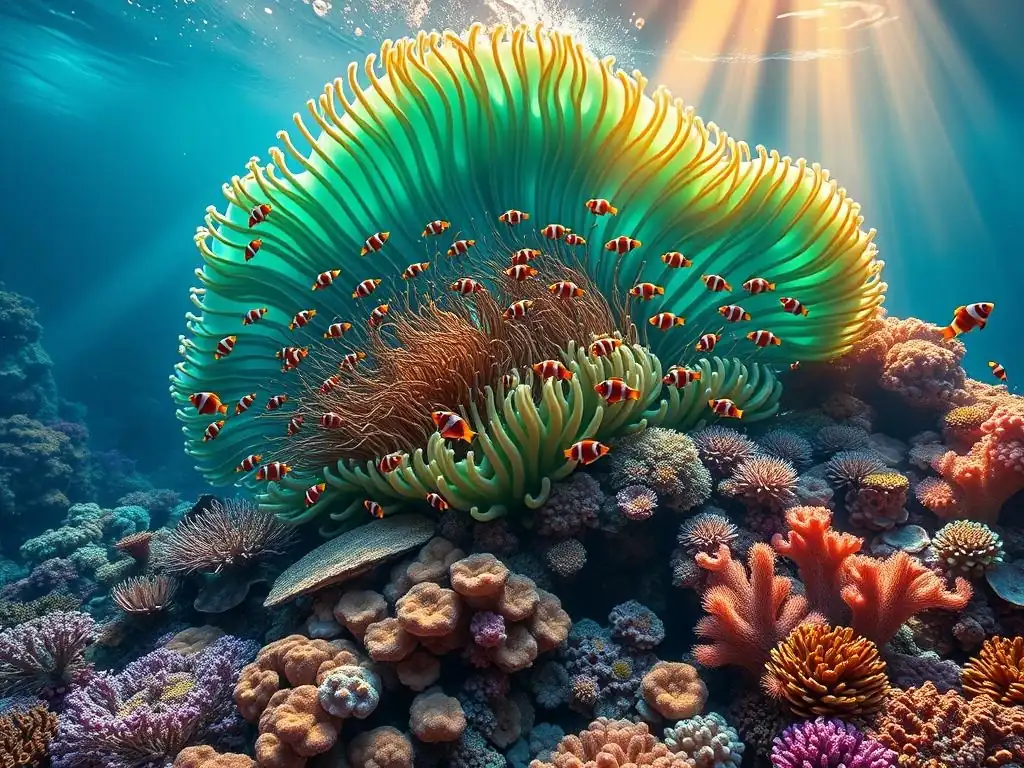
Ever wondered how the vibrant clownfish found its perfect partner in the swaying anemone? Dive into the fascinating world of anemoneclownfish symbiotic relationships evolution in our latest article. Uncover the secrets behind this iconic partnership and explore the evolutionary journey that shaped this underwater marvel. Ready to learn more? Let's get started!
- Understanding AnemoneClownfish Symbiotic Relationships
- Tracing the Origins: Evolutionary History of AnemoneClownfish Symbiosis
- The Development of Immunity: How Clownfish Tolerate Anemone Stings
- Anemone Specialization: Evolutionary Adaptation in Anemone Species
- Environmental Factors Influencing AnemoneClownfish Symbiosis
- Behavioral Adaptations: Clownfish Behavior Within the Anemone
- The Evolutionary Advantages of AnemoneClownfish Symbiosis
- AnemoneClownfish Symbiosis in Aquarium Environments
- Challenges to AnemoneClownfish Symbiosis in Captivity
- The Future of AnemoneClownfish Symbiosis Research
- Conclusion: Appreciating the Intricacies of AnemoneClownfish Symbiotic Relationships Evolution
-
Frequently Asked Questions
- How did the symbiotic relationship between anemones and clownfish likely begin?
- What advantages do clownfish gain from living within anemones?
- What benefits, if any, do anemones receive from their symbiotic relationship with clownfish?
- Has the anemone-clownfish symbiosis always existed, or is it a relatively recent evolutionary development?
- Are all anemone and clownfish pairings compatible, or are there specific species that form these symbiotic relationships?
- Final Reflection: Unraveling the Threads of Coexistence
- Dive Deeper: Unlock the Secrets of Anemonefish Harmony!
Understanding AnemoneClownfish Symbiotic Relationships
What is AnemoneClownfish Symbiosis? A Detailed Explanation
Anemone-clownfish symbiosis represents a quintessential example of mutualism in marine ecosystems, where two distinct species engage in a relationship beneficial to both. At its core, this intricate interaction involves clownfish (belonging to the subfamily Amphiprioninae) finding refuge and sustenance within the stinging tentacles of sea anemones.
Unlike other fish that would be paralyzed and consumed by the anemone's nematocysts (stinging cells), clownfish possess a unique adaptation that renders them immune to these toxins, allowing them to live safely among the deadly tentacles. This remarkable immunity is central to the survival strategy of over 30 known species of clownfish, each typically associating with one or more of the 10 recognized host anemone species.
The initial phase of this symbiotic bond often involves a delicate acclimation period, particularly for juvenile clownfish. When a young clownfish first encounters an anemone, it may cautiously "dance" around the tentacles, gradually touching them until its specialized mucus coat provides full protection.
This process, which can take from a few minutes to several hours, allows the clownfish to become fully integrated into its host anemone. The precise mechanisms of this immunity, particularly the composition and function of the clownfish's mucus, have been a subject of extensive scientific inquiry, highlighting the complexity and fine-tuned nature of this long-standing Anemoneclownfish symbiotic relationships evolution.
The Mutualistic Benefits of Anemone and Clownfish Partnership
The partnership between anemones and clownfish is a classic example of mutualism, where both participants derive significant advantages. For the clownfish, the primary benefit is unparalleled protection from predators. Most marine predators, such as triggerfish, moray eels, and snapper, are deterred by the anemone's potent sting, effectively turning the anemone into a living fortress. Studies suggest that clownfish living symbiotically have significantly higher survival rates compared to those without a host. Beyond defense, the anemone provides a safe breeding ground, a constant food source from undigested scraps and parasites removed from the anemone, and a secure territory.
Conversely, the anemone also gains valuable services from its resident clownfish. While historically debated, current research indicates that clownfish actively defend their host anemone from anemone-eating fish, such as butterflyfish, which are known predators of these invertebrates. The clownfish's constant movement within the tentacles also helps to aerate the water, improving oxygen flow and removing waste, which is crucial for the anemone's health and metabolic processes.
Furthermore, the clownfish's presence is thought to attract prey to the anemone by acting as a 'lure,' or by drawing attention to the general area, thereby indirectly increasing the anemone's feeding opportunities. This reciprocal exchange of benefits underscores the deeply intertwined nature of the Anemoneclownfish symbiotic relationships evolution.
Tracing the Origins: Evolutionary History of AnemoneClownfish Symbiosis
Early Ancestors: Investigating the Evolutionary Roots
The evolutionary journey of Anemoneclownfish symbiotic relationships is believed to span millions of years, originating from a common ancestor that likely did not possess the specialized immunity seen today. Molecular phylogenetic studies suggest that the diversification of clownfish species began approximately 20-30 million years ago, coinciding with significant changes in coral reef ecosystems in the Indo-Pacific region.
Early clownfish ancestors may have initially exhibited a more generalized tolerance to various cnidarian stings or simply sought refuge in complex reef structures before developing specific adaptations for anemone association. The gradual co-evolutionary process likely involved incremental genetic changes that allowed for greater tolerance to anemone toxins, coupled with behavioral adaptations to seek out and inhabit these hosts.
Fossil records of early anemones are scarce, making direct paleontological evidence of the earliest symbiotic pairs challenging to obtain. However, the widespread distribution of both clownfish and their host anemones across the Indo-Pacific suggests a long history of interaction within these ancient and stable marine environments.
It is hypothesized that the selective pressures driving this co-evolution included intense predation on open-water fish, leading to an adaptive advantage for those individuals that could utilize the protective qualities of anemones. This long-term selective pressure gradually refined the mechanisms of immunity and host recognition, culminating in the highly specialized Anemoneclownfish symbiotic relationships observed today.
Genetic Evidence Supporting the AnemoneClownfish Symbiosis Evolution
Advances in genomic sequencing have provided crucial insights into the genetic underpinnings of Anemoneclownfish symbiotic relationships evolution. Studies comparing the genomes of clownfish species, both host-dependent and non-host-dependent, have identified specific gene families potentially involved in mucus production and toxin resistance.
For instance, research has focused on genes related to mucin production, which contributes to the protective mucus layer, and those involved in immune responses and detoxification pathways. The presence of certain genes expressed at higher levels in clownfish compared to non-symbiotic fish, particularly those associated with cellular repair and stress response, supports the idea of a genetic basis for their resilience to anemone stings.
Furthermore, genetic analyses have helped to map the phylogenetic tree of clownfish, revealing that host specificity has evolved independently multiple times within the Amphiprioninae subfamily. This suggests that while the fundamental mechanism of immunity might be shared, the precise adaptations for specific anemone hosts have diverged over evolutionary time.
For example, some clownfish species, like the Ocellaris Clownfish ( Amphiprion ocellaris), are generalists and can host in several anemone species, whereas others, like the Saddleback Clownfish ( Amphiprion polymnus), are highly specialized. The genetic blueprint for these varying degrees of host specificity provides strong evidence for the ongoing and dynamic evolution of anemone-clownfish symbiosis, continually shaping these fascinating interactions.
The Development of Immunity: How Clownfish Tolerate Anemone Stings
Mucus Coat Adaptation: The Key to Clownfish Protection
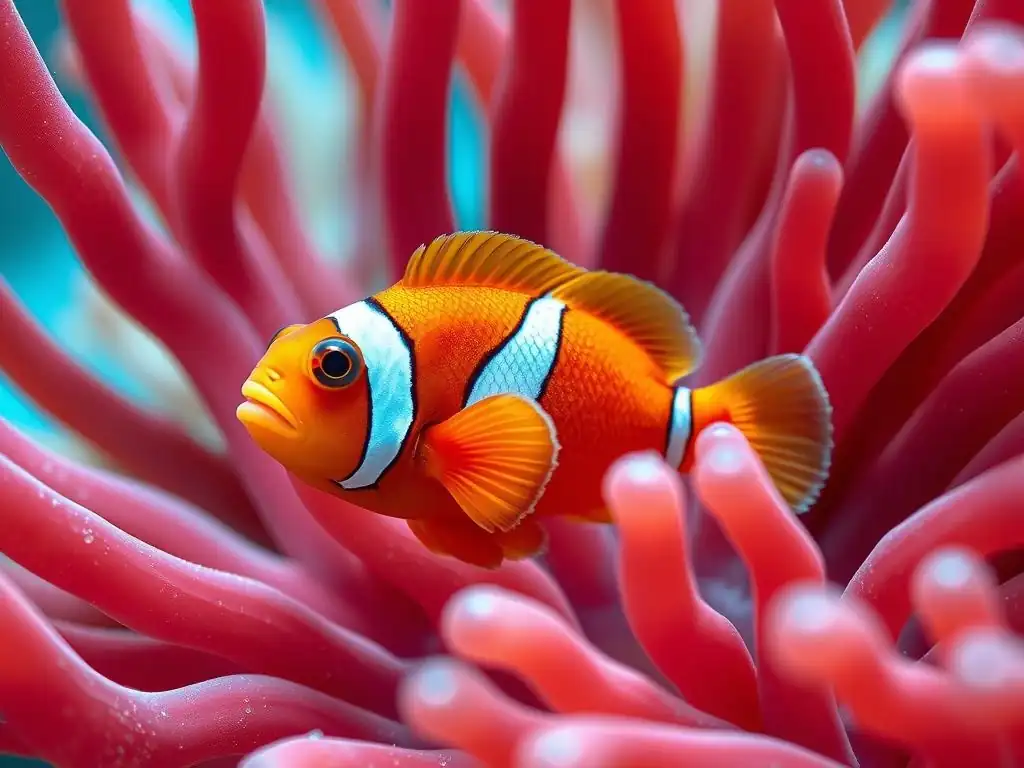
The primary mechanism enabling clownfish to live unharmed among stinging anemone tentacles is their unique mucus coat. This specialized epidermal secretion differs significantly in composition from the typical mucus found on other marine fish. While normal fish mucus triggers the discharge of anemone nematocysts, the clownfish's mucus is believed to either chemically mimic the anemone's own outer layer or contain specific compounds that inhibit nematocyst firing.
Early theories suggested that the clownfish gradually acquired chemicals from the anemone itself to create this mimicry, a process known as "anemone self-recognition." However, more recent research indicates that the clownfish produces its own protective mucus, which lacks the specific proteins or sugars that typically provoke a stinging response.
This protective mucus layer acts as a physical and chemical barrier, preventing the anemone's stinging cells from recognizing the clownfish as potential prey or threat. It has been observed that if a clownfish's mucus layer is damaged, for instance, by excessive handling or disease, it temporarily loses its immunity and can be stung by its host anemone.
This highlights the critical role of the intact mucus coat in maintaining the symbiotic relationship. The continuous production and regeneration of this specialized mucus are vital for the clownfish's survival within its host, underscoring a key adaptation in the Anemoneclownfish symbiotic relationships evolution.
Cellular Mechanisms Involved in Sting Resistance
Beyond the external mucus layer, the internal cellular mechanisms within clownfish also contribute to their remarkable sting resistance. While the exact biochemical pathways are still under investigation, it is understood that clownfish possess physiological adaptations that allow them to tolerate any residual toxins that might penetrate their mucus barrier. This includes specialized cellular receptors that do not bind to anemone neurotoxins or efficient detoxification enzymes that rapidly neutralize absorbed toxins. Some studies suggest that clownfish may have evolved modified ion channels or nerve cells that are less susceptible to the effects of anemone venom, which typically targets neurological functions.
Furthermore, there is evidence of an acclimation process, particularly in juvenile clownfish, where repeated, controlled exposure to anemone tentacles might induce or enhance the production of the protective mucus or activate internal detoxification pathways. This "dance" of initial contact allows the clownfish's immune system and epidermal cells to adjust to the anemone's specific chemical signature.
This active cellular and biochemical adaptation, working in conjunction with the specialized mucus coat, provides a comprehensive defense system, making the clownfish one of the few organisms capable of thriving in such close proximity to these potent cnidarians. This complex interplay of external and internal defenses is a testament to the sophisticated Anemoneclownfish symbiotic relationships evolution.
Anemone Specialization: Evolutionary Adaptation in Anemone Species
Specific Anemone Species Preferred by Clownfish: A Comparative Analysis
The Anemoneclownfish symbiotic relationships are highly specific, with only 10 out of over 1,000 known sea anemone species serving as hosts for clownfish. Among these, the Bubble Tip Anemone ( Entacmaea quadricolor), Magnificent Sea Anemone ( Heteractis magnifica), and Giant Carpet Anemone ( Stichodactyla gigantea) are among the most common and widely recognized hosts. Each clownfish species typically has a preferred host or a small range of compatible hosts.
For example, the popular Ocellaris Clownfish ( Amphiprion ocellaris) primarily associates with Heteractis magnifica, Stichodactyla gigantea, and Entacmaea quadricolor, demonstrating a degree of flexibility. In contrast, species like the Clark's Anemonefish ( Amphiprion clarkii) are considered generalists, capable of hosting in all 10 known host anemone species.
This specificity is not arbitrary; it has evolved over millennia, driven by factors such as the anemone's toxicity, size, and habitat. Anemones that are too potent might overwhelm even the clownfish's defenses, while those that are too small might not offer adequate protection. The co-evolutionary arms race has led to an intricate dance where certain anemone species have evolved specific chemical cues or physical structures that are more attractive or compatible with particular clownfish species, reinforcing the bond. This selective pressure has shaped the distribution and abundance of both clownfish and their host anemones across various reef environments.
Chemical Signals and Recognition: Anemone Selection Evolution
The process by which clownfish select and recognize their host anemone is primarily driven by chemical signals. Clownfish possess highly developed olfactory senses that allow them to detect specific chemical compounds, or "signature smells," released by compatible anemone species. These chemical cues act as a beacon, guiding the clownfish, particularly juveniles, to suitable hosts.
This evolutionary adaptation ensures that clownfish do not waste energy attempting to host in non-compatible or non-host anemones, which could be dangerous or even fatal. The ability to distinguish between host and non-host anemones is critical for the survival of young clownfish dispersing from their natal reefs.
Research indicates that the chemical signature of an anemone is a complex blend of proteins, lipids, and carbohydrates. The clownfish's chemoreceptors are finely tuned to identify these specific combinations. Over evolutionary time, this chemical recognition system has become highly refined, contributing to the distinct host preferences observed among different clownfish species. This intricate chemical communication highlights the depth of the Anemoneclownfish symbiotic relationships evolution, demonstrating how both partners have adapted not only to tolerate but also to actively seek out and identify each other for mutual benefit.
Environmental Factors Influencing AnemoneClownfish Symbiosis
Habitat and Geographic Distribution: Impact on Co-evolution
The Anemoneclownfish symbiotic relationships are intrinsically linked to the specific environmental conditions of their natural habitats. Clownfish and their host anemones are predominantly found in the warm, shallow waters of the Indo-Pacific region, spanning from the Red Sea to the central Pacific Ocean, and from Japan in the north to Australia in the south. This vast geographic range encompasses diverse coral reef ecosystems, which provide the ideal substrate and conditions for both partners.
The presence of healthy coral reefs is crucial, as many host anemones anchor themselves to reef structures or live in close proximity to them. The availability of suitable host anemones within a specific geographic area directly influences the distribution and abundance of clownfish species.
The co-evolution of clownfish and anemones has been heavily influenced by these shared habitats. Over millions of years, as reef environments changed due to geological and climatic shifts, the symbiotic pairs adapted in tandem. For instance, the specific anemone species found in a particular region can dictate which clownfish species thrive there, and vice versa. This spatial overlap and interdependence underscore how environmental factors have shaped the unique evolutionary trajectories of different Anemoneclownfish symbiotic relationships, leading to regional variations in host specificity and clownfish diversity.
Climate Change and its Potential Effects on the Symbiotic Relationship
Climate change poses significant threats to the delicate balance of Anemoneclownfish symbiotic relationships. Rising ocean temperatures, primarily due to global warming, lead to increased instances of coral bleaching, which also affects sea anemones. Anemones, like corals, host symbiotic algae (zooxanthellae) that provide them with energy through photosynthesis. Elevated temperatures stress these algae, causing them to be expelled, leading to anemone bleaching and often death. A study in the Great Barrier Reef, for example, observed significant anemone bleaching events following marine heatwaves, directly impacting resident clownfish populations.
Ocean acidification, another consequence of increased atmospheric CO2, further exacerbates the problem. As oceans absorb more CO2, their pH decreases, making it harder for calcifying organisms like anemones to build and maintain their calcium carbonate structures. Declining anemone populations directly threaten clownfish, as they depend entirely on their hosts for protection and survival. Loss of host anemones can lead to increased clownfish mortality due to predation, reduced reproductive success, and potential displacement. These environmental stressors highlight the vulnerability of this evolved symbiosis to anthropogenic impacts, emphasizing the urgent need for conservation efforts to protect these vital marine habitats.
Behavioral Adaptations: Clownfish Behavior Within the Anemone
Territoriality and Defense: Clownfish Role in Anemone Protection
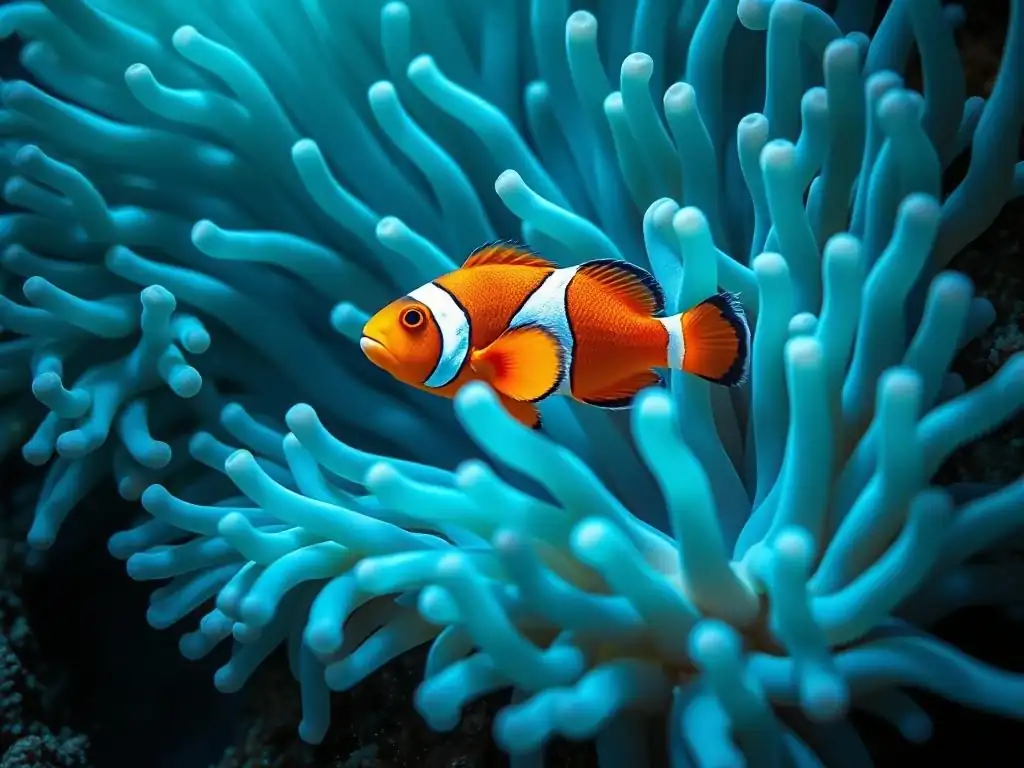
Within the safe confines of their host anemone, clownfish exhibit distinct behavioral adaptations, prominently displaying territoriality and defensive behaviors. While the anemone provides passive protection through its stinging cells, the clownfish actively contributes to the defense of its living home. They are known to aggressively ward off potential predators of the anemone, such as butterflyfish, which are known to nip at anemone tentacles.
A clownfish will typically charge at an approaching threat, nipping and chasing it away, despite its relatively small size. This proactive defense mechanism ensures the integrity of their shared habitat, reinforcing the mutualistic benefits of the Anemoneclownfish symbiotic relationships.
This defensive behavior extends beyond just protecting the anemone; it also secures the clownfish's own territory and breeding site. A pair of clownfish will vigorously defend their anemone from other clownfish, particularly conspecifics, to maintain their access to this crucial resource. The dominant female, often the largest individual in a clownfish group, plays a significant role in this territorial defense. This active protection by the clownfish contributes to the long-term health and stability of the anemone, highlighting a key aspect of their co-evolved behaviors.
Feeding Strategies: How Clownfish Benefit from Anemone Presence
The anemone not only provides protection but also significantly influences the feeding strategies of its resident clownfish. Clownfish are omnivores, and their diet within the anemone's vicinity is diverse. They opportunistically feed on detritus, small invertebrates, and algae found around or within the anemone's tentacles.
A significant portion of their diet comes from food scraps caught by the anemone, which the clownfish skillfully retrieve from the tentacles without being stung. This access to the anemone's captured prey provides a consistent and readily available food source, reducing the need for the clownfish to venture into open water where they would be vulnerable to predators.
Furthermore, clownfish have been observed to "clean" their host anemone, consuming parasites, dead tissue, and uneaten food particles that might otherwise accumulate on the anemone's surface. This cleaning behavior is beneficial for the anemone's health and contributes to its overall well-being. The symbiotic relationship thus extends to a shared economy of food resources and maintenance, where the clownfish's presence directly contributes to the anemone's cleanliness and access to nutrients. This integration of feeding strategies showcases another layer of complexity in the evolution of anemone-clownfish symbiosis, where survival and sustenance are deeply intertwined.
The Evolutionary Advantages of AnemoneClownfish Symbiosis
Increased Survival Rates for Clownfish and Anemones
The Anemoneclownfish symbiotic relationships offer profound evolutionary advantages, primarily manifested in significantly increased survival rates for both species. For clownfish, the protective embrace of the anemone's stinging tentacles provides an almost impenetrable fortress against a vast array of marine predators. Studies have estimated that clownfish living in association with anemones experience dramatically lower predation rates, potentially increasing their lifespan by several years compared to non-symbiotic fish of similar size. This enhanced safety allows clownfish to dedicate more energy to growth and reproduction rather than constant vigilance against threats.
For the host anemone, the presence of clownfish also confers survival benefits. Clownfish actively defend their anemone from specific predators, such as butterflyfish, which are known to feed on anemone tentacles. While anemones possess their own formidable defenses, the additional active defense from their resident clownfish can significantly reduce damage from predation, allowing the anemone to grow larger and healthier. Moreover, the clownfish's cleaning behavior, removing parasites and debris, further contributes to the anemone's longevity and vitality. This reciprocal enhancement of survival probabilities is a powerful driver behind the sustained evolution of anemone-clownfish symbiosis over geological timescales.
Enhanced Reproductive Success due to Symbiotic Living
Beyond mere survival, the Anemoneclownfish symbiotic relationships also provide a crucial advantage in terms of reproductive success. Clownfish are protandrous hermaphrodites, meaning they are born male and can later change to female. They live in hierarchical groups within a single anemone, typically consisting of a dominant breeding pair (the largest female and the second largest male) and several smaller, non-breeding males.
The anemone provides a secure and stable environment for egg laying and larval development. Clownfish lay their eggs at the base of the anemone, often on a flat rock or structure, where they are protected from predators by the anemone's tentacles and actively guarded by the male clownfish.
The constant protection offered by the anemone allows the breeding pair to focus on courtship, spawning, and parental care without the constant threat of predation. This secure breeding site leads to higher rates of successful fertilization and larval hatching. A typical clutch can contain hundreds to thousands of eggs, which are diligently fanned and cleaned by the male clownfish for 6-10 days until hatching.
The enhanced safety and resource availability directly translate into more frequent and successful spawning events, contributing significantly to the population dynamics and long-term viability of clownfish species. This direct link between symbiotic living and reproductive output highlights a major evolutionary benefit of this fascinating partnership.
AnemoneClownfish Symbiosis in Aquarium Environments
Replicating Natural Symbiosis in Saltwater Aquariums
Replicating the natural Anemoneclownfish symbiotic relationships in a home saltwater aquarium is a rewarding experience for aquarists, though it requires careful planning and maintenance. The first step is providing a tank of adequate size; a minimum of 30 gallons is often recommended for a single clownfish and its host, with larger tanks (50+ gallons) preferred for multiple fish or larger anemone species.
Crucial environmental parameters must be met for the anemone's health, including stable water temperature (typically 75-82°F or 24-28°C), salinity (1.023-1.026 specific gravity), and pH (8.1-8.4). High-quality lighting, often metal halide, T5, or LED, is essential for the anemone's photosynthetic zooxanthellae.
Beyond the initial setup, consistent water quality is paramount. This involves regular water changes (e.g., 10-20% bi-weekly), effective filtration (mechanical, chemical, and biological), and careful monitoring of parameters like alkalinity, calcium, and magnesium, which are vital for anemone health. Introducing the clownfish to the anemone should be done cautiously, allowing the fish to acclimate naturally. While not all clownfish will host an anemone in captivity, providing the right conditions and a compatible host significantly increases the chances of witnessing this natural behavior, enriching the aquarium experience and showcasing the beauty of the Anemoneclownfish symbiotic relationships evolution.
Choosing Compatible Anemone and Clownfish Species for Your Aquarium
Selecting compatible anemone and clownfish species is crucial for successfully fostering Anemoneclownfish symbiotic relationships in an aquarium. Not all clownfish species will host in all anemone species, and some pairings are more common or successful than others. For beginner aquarists, the Ocellaris Clownfish ( Amphiprion ocellaris) or Percula Clownfish ( Amphiprion percula) are often recommended due to their hardiness and willingness to host. Compatible anemones for these species include the Bubble Tip Anemone ( Entacmaea quadricolor), which is relatively common in the hobby, and sometimes the Sebae Anemone ( Heteractis crispa) or Magnificent Sea Anemone ( Heteractis magnifica).
When choosing an anemone, consider its size, care requirements, and potential for movement within the tank. Bubble Tip Anemones, for instance, are known to move around significantly before settling, which can be problematic if they sting corals or other tank inhabitants. Researching the specific needs of both your chosen clownfish and anemone species is vital.
Ensure the anemone is healthy upon purchase, with vibrant color, sticky tentacles, and a firmly attached foot. Pairing healthy specimens in a well-established tank increases the likelihood of a successful and lasting symbiotic bond, allowing aquarists to observe a living example of the Anemoneclownfish symbiotic relationships evolution firsthand.
Challenges to AnemoneClownfish Symbiosis in Captivity
Maintaining Optimal Water Parameters for Anemones and Clownfish
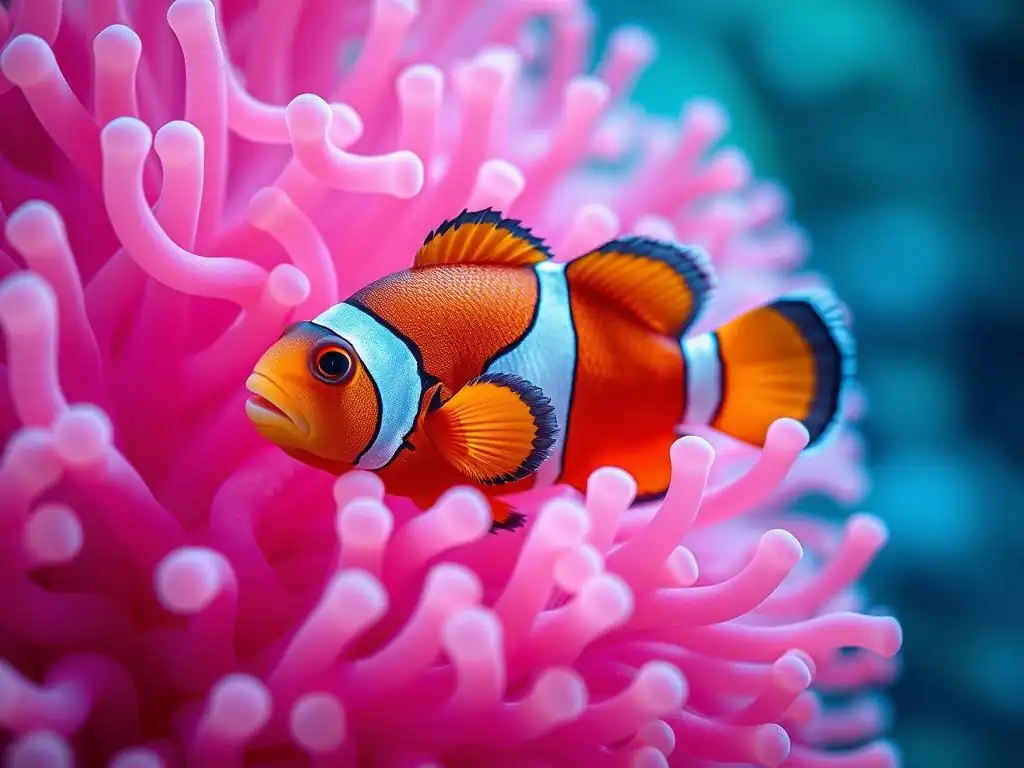
Maintaining optimal water parameters is the single most critical challenge to the successful and long-term Anemoneclownfish symbiotic relationships in a captive environment. Anemones, in particular, are highly sensitive invertebrates that require pristine and stable water conditions to thrive. Fluctuations in temperature, salinity, pH, or nutrient levels can quickly lead to stress, bleaching, and ultimately, the death of the anemone.
Ideal parameters include a stable temperature between 75-82°F (24-28°C), a specific gravity of 1.023-1.026, and a pH range of 8.1-8.4. Furthermore, trace elements such as calcium (400-450 ppm), alkalinity (8-12 dKH), and magnesium (1250-1350 ppm) must be consistently monitored and supplemented.
Failure to maintain these parameters can lead to the anemone retracting, losing color, or even detaching from its substrate. When an anemone is stressed or dying, it can no longer provide adequate protection or a suitable habitat for the clownfish, breaking the symbiotic bond. This often results in the clownfish becoming stressed, more susceptible to disease, and potentially aggressive towards other tank mates if it attempts to host in an unsuitable alternative. Regular testing (at least weekly) using reliable test kits and prompt adjustments are essential to prevent these issues and ensure the health of both symbiotic partners.
Preventing and Treating Common Diseases Affecting Symbiotic Pairs
Despite the protective nature of their symbiosis, clownfish and anemones in captivity are still susceptible to various diseases, and preventing and treating these conditions is a significant challenge. Clownfish, like other marine fish, can suffer from common ailments such as Marine Ich ( Cryptocaryon irritans), Marine Velvet ( Amyloodinium ocellatum), and bacterial infections. Stress, often induced by poor water quality, incompatible tank mates, or an unhealthy anemone, can weaken a clownfish's immune system, making it more vulnerable to these pathogens. Symptoms might include white spots, rapid breathing, fin rot, or lethargy.
Anemones, on the other hand, are prone to issues like tissue necrosis, oral disc recession, or bleaching, usually caused by poor water parameters, inadequate lighting, or physical damage. Treating diseases in a symbiotic tank is complex because many fish medications, particularly copper-based treatments, are highly toxic to invertebrates like anemones.
This necessitates careful planning, often requiring the removal of the affected clownfish to a separate quarantine or hospital tank for treatment, or relying on non-medication-based solutions for the main display. Proactive measures, such as strict quarantine protocols for all new arrivals (both fish and invertebrates) and maintaining pristine water conditions, are the best defense against disease, preserving the integrity of the Anemoneclownfish symbiotic relationships.
The Future of AnemoneClownfish Symbiosis Research
Ongoing Studies on the Genetic Basis of Symbiosis
The future of Anemoneclownfish symbiotic relationships research holds immense promise, particularly in unraveling the intricate genetic basis of this unique partnership. Scientists are actively employing advanced genomic techniques, such as whole-genome sequencing and transcriptomics, to identify the specific genes and molecular pathways involved in clownfish immunity to anemone stings and host recognition.
For instance, studies are looking into genes related to mucin production, which forms the protective mucus layer, and those involved in detoxification pathways that might neutralize any toxins that penetrate. Researchers are also investigating the genetic mechanisms that allow clownfish to differentiate between compatible and non-compatible anemone species, likely involving specific olfactory receptor genes.
Furthermore, comparative genomics among different clownfish species, ranging from generalists to highly specialized ones, can shed light on the evolutionary trajectory of host specificity. Understanding the genetic underpinnings could have implications beyond basic biology, potentially informing aquaculture practices to breed more resilient clownfish or even inspiring novel biotechnological applications. The application of CRISPR-Cas9 gene-editing technology is also being explored to precisely manipulate genes thought to be involved in the symbiosis, providing unprecedented opportunities to directly test hypotheses about the evolution of anemone-clownfish symbiosis at a molecular level.
Conservation Efforts to Protect Anemone and Clownfish Habitats
Conservation efforts are increasingly critical for safeguarding the future of Anemoneclownfish symbiotic relationships, particularly in the face of escalating environmental threats. Coral reefs, the natural habitat for both clownfish and their host anemones, are severely impacted by climate change (ocean warming and acidification), overfishing, and pollution. Organizations worldwide are focusing on establishing and expanding Marine Protected Areas (MPAs) to provide safe havens where these ecosystems can recover and thrive, protecting both anemone populations and their resident clownfish.
Beyond habitat protection, sustainable aquaculture practices are gaining traction. Breeding clownfish in captivity significantly reduces the reliance on wild-caught specimens, alleviating pressure on natural populations. Initiatives like the Marine Aquarium Council (MAC) promote responsible collection and trade practices for marine ornamental fish, aiming to ensure the long-term sustainability of the industry.
Educating the public about the delicate nature of these symbiotic relationships and the threats they face is also a key component of conservation. By combining scientific research, habitat preservation, and sustainable practices, the aim is to ensure that the captivating Anemoneclownfish symbiotic relationships continue to thrive for generations to come.
Conclusion: Appreciating the Intricacies of AnemoneClownfish Symbiotic Relationships Evolution
The journey through the Anemoneclownfish symbiotic relationships evolution reveals a story of remarkable co-adaptation, resilience, and interdependence. From the initial genetic mutations that allowed clownfish to tolerate potent anemone stings to the intricate behavioral and chemical signals that define their interactions, this partnership stands as a testament to the power of natural selection. Each aspect, from the specialized mucus coat and cellular defenses of the clownfish to the host specificity and chemical cues of the anemones, showcases millions of years of fine-tuned evolutionary processes.
This deep dive into their shared history highlights not only the mutual benefits—enhanced survival, protection from predators, and increased reproductive success for both partners—but also the profound vulnerability of this symbiosis to environmental pressures. Understanding the complexities of these relationships, particularly in the context of ongoing climate change and habitat degradation, underscores the critical need for continued research and robust conservation efforts. The Anemoneclownfish symbiotic relationships evolution serves as a powerful reminder of the intricate beauty and delicate balance of marine ecosystems, inspiring awe and a commitment to protect these fascinating underwater worlds for future generations.
Frequently Asked Questions
How did the symbiotic relationship between anemones and clownfish likely begin?
The initial interaction likely started with clownfish seeking refuge in anemones, gradually developing resistance to the anemone's sting. Over time, this evolved into a mutualistic relationship where both species benefit.
What advantages do clownfish gain from living within anemones?
Clownfish gain protection from predators who are deterred by the anemone's stinging tentacles. They also have a safe place to lay their eggs.
What benefits, if any, do anemones receive from their symbiotic relationship with clownfish?
Anemones benefit from clownfish through cleaning and aeration around the anemone. Clownfish also defend the anemone from some of its predators.
Has the anemone-clownfish symbiosis always existed, or is it a relatively recent evolutionary development?
Evidence suggests that the symbiosis evolved gradually over time. This is supported by the fact that not all clownfish species associate with anemones, and the degree of specialization varies.
Are all anemone and clownfish pairings compatible, or are there specific species that form these symbiotic relationships?
No, not all species pairs are compatible. Specific species of clownfish are known to associate with particular species of anemones, suggesting a degree of co-evolution and species-specific recognition.
Final Reflection: Unraveling the Threads of Coexistence
The intricate dance between anemones and clownfish, as explored throughout this article, isn't just a biological curiosity; it's a powerful metaphor for the interconnectedness of life and the constant evolution of relationships. Understanding the evolutionary pressures that shaped this symbiosis provides invaluable insights into the broader dynamics of ecosystems and the delicate balance that sustains them, a balance increasingly threatened in our rapidly changing world.
This exploration of anemoneclownfish symbiosis has profoundly impacted my understanding of the natural world, highlighting the remarkable adaptability and resilience inherent in even the smallest creatures. It underscores the importance of preserving biodiversity, not just for its intrinsic value, but also for the lessons it holds about cooperation and survival. In the end, we will conserve only what we love; we will love only what we understand; and we will understand only what we are taught.
- Baba Dioum. This quote perfectly encapsulates the need for continued research and education to protect these fragile ecosystems.
Now, consider the lessons learned from this fascinating symbiosis. How can we, as individuals and as a society, foster more mutually beneficial relationships in our own lives and communities? Let us strive to understand the delicate balance that sustains our world and actively work towards creating a future where cooperation and mutual respect prevail, mirroring the enduring partnership of the anemone and the clownfish.
Dive Deeper: Unlock the Secrets of Anemonefish Harmony!
Thank you for exploring the captivating world of anemonefish symbiosis with us! We hope you've gained a newfound appreciation for this amazing relationship. Now, it's time to turn that knowledge into action and further your understanding.
Here are a few ways you can continue your exploration:
- Start your own symbiotic sanctuary! Research compatible anemone and clownfish species and carefully consider creating a balanced ecosystem within your own aquarium.
- Delve even deeper: Visit your local aquarium and spend at least an hour observing an anemonefish exhibit, noting their behavior and interactions. Compare your observations with what you learned in the article.
- Share the wonder: Spread the word by discussing this fascinating symbiosis with fellow aquarium enthusiasts or even creating a short educational video to share online.
What's one surprising thing you learned about anemonefish symbiosis that you'll be sharing with others today?