
Which Clownfish Species is Right for Your Anemone & Aquarium?

Welcome to Aquarium Mastery!
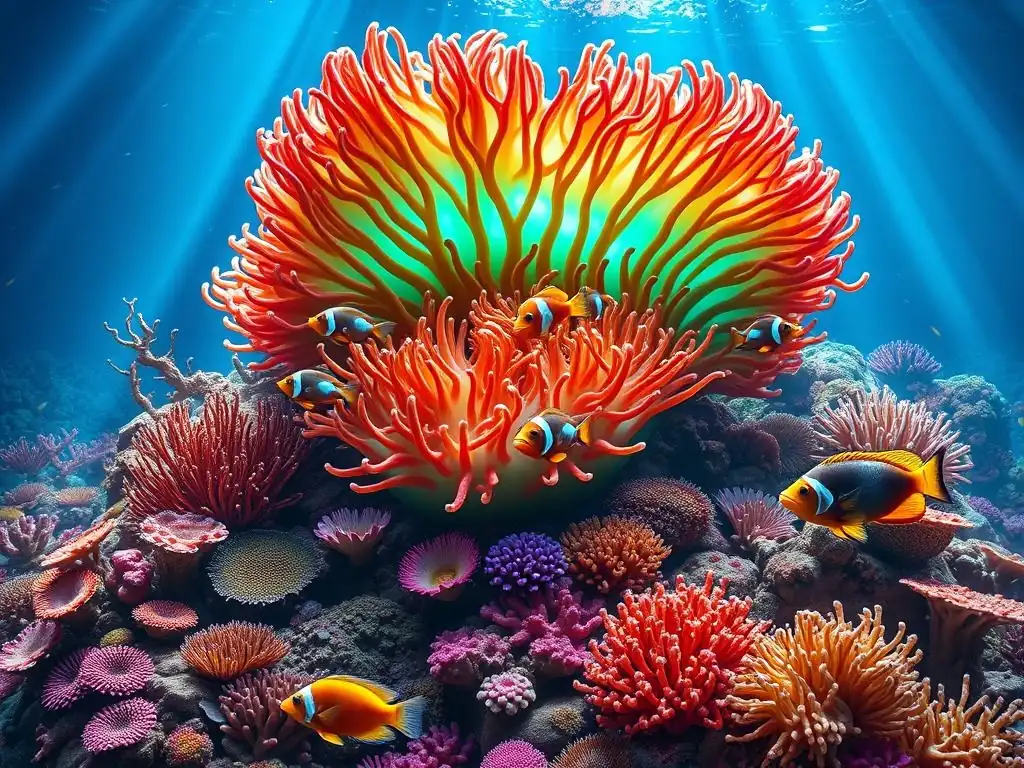
Ever wondered if that adorable clownfish you've been eyeing will actually get along with your prized anemone? Dive deep into the fascinating world of symbiosis! Our latest article explores the crucial topic of Clownfish species anemone compatibility, unraveling the secrets to creating a thriving and harmonious saltwater ecosystem. Discover which clownfish are best suited for your anemone and avoid common pitfalls that can lead to heartache. Curious to learn more? Let's get started!
- Understanding Clownfish and Anemone Symbiosis for Aquarium Success
- Choosing the Right Clownfish Species for Your Saltwater Tank
- Clownfish Species Anemone Compatibility Chart: A Detailed Guide
-
Exploring Specific Clownfish Species and Their Anemone Preferences
- Ocellaris Clownfish (Amphiprion ocellaris): The Classic Choice
- Percula Clownfish (Amphiprion percula): A Similar, Yet Unique Option
- Maroon Clownfish (Premnas biaculeatus): A More Aggressive Option
- Tomato Clownfish (Amphiprion frenatus): A Hardy and Popular Choice
- Other Clownfish Species and Their Anemone Preferences: A Quick Reference
- Setting Up Your Aquarium for Clownfish and Anemone Success
- Maintaining a Healthy Symbiotic Relationship: Tips and Tricks
- Understanding Anemone Care: A Crucial Factor in Clownfish Well-being
- Conclusion: Creating a Thriving Clownfish and Anemone Ecosystem
-
Frequently Asked Questions
- What is the most important factor to consider when choosing a clownfish species for my anemone?
- How do I determine which anemone species is compatible with my desired clownfish species?
- What are the potential risks of introducing an incompatible clownfish and anemone?
- Are there any clownfish species that are known to be more adaptable to different anemone types?
- What should I do if my clownfish isn't showing interest in its host anemone?
- Final Reflection: A Symbiotic Future for Clownfish and Anemones
- Dive Deeper: Unlock the Vibrant World of Clownfish!
Understanding Clownfish and Anemone Symbiosis for Aquarium Success
The Fascinating Relationship Between Clownfish and Anemones
The intricate bond between clownfish and sea anemones is a prime example of mutualism in the marine world, where both organisms benefit from the association. Clownfish possess a unique mucus coating that renders them immune to the stinging nematocysts of their host anemone. This remarkable adaptation allows the clownfish to safely reside within the anemone's tentacles, using it as a sanctuary from predators like larger fish and even other invertebrates.
In return for shelter, the clownfish contributes to the anemone's well-being. They often clean the anemone's tentacles, removing detritus and parasites. Some research suggests clownfish may also provide aeration by fanning their fins, and their presence can deter potential anemone predators, such as butterflyfish. This symbiotic dance has evolved over millions of years, leading to the highly specific clownfish species anemone compatibility observed in nature.
Why Anemone Compatibility Matters for Clownfish Health and Well-being
Selecting the correct anemone host is not merely an aesthetic choice; it is fundamental to the long-term health and psychological well-being of your clownfish. An incompatible pairing can lead to chronic stress for the clownfish, manifesting as reluctance to host, clamped fins, faded coloration, or increased susceptibility to disease. For instance, an Ocellaris clownfish forced into an unsuitable anemone, or one that is not thriving, may fail to host or even succumb to stress-related ailments.
Furthermore, a successful clownfish species anemone compatibility fosters natural behaviors, including territoriality, courtship rituals, and even breeding. When a clownfish is comfortably hosted, it exhibits more vibrant colors, greater activity, and a stronger immune response. Conversely, an unhappy pairing can also negatively impact the anemone, as a stressed clownfish might irritate or even damage the anemone's delicate tissues, potentially leading to its decline.
Choosing the Right Clownfish Species for Your Saltwater Tank
Considerations Before Selecting a Clownfish Species
Before introducing any clownfish or anemone to your saltwater aquarium, several critical factors must be evaluated to ensure a harmonious environment. Tank size is paramount; while a pair of Ocellaris clownfish might comfortably inhabit a 20-gallon tank, a single Maroon clownfish typically requires a minimum of 30 gallons, and a pair needs 50 gallons or more due to their larger size and aggressive tendencies. Consider the clownfish's adult size, which can range from 2.5 inches for a Percula to over 6 inches for a Maroon.
Additionally, assess the temperament of the chosen clownfish species and its potential impact on other tank inhabitants. Some clownfish, like the Maroon, are highly territorial and can be aggressive towards tank mates, whereas Ocellaris and Percula clownfish are generally more peaceful. The lifespan of clownfish, often ranging from 6 to 10 years, and sometimes up to 20 years in optimal conditions, means this is a long-term commitment. Finally, research the specific care requirements of the anemone you intend to host, as their needs for lighting, flow, and water parameters can be more demanding than those of the clownfish itself.
Popular Clownfish Species for Home Aquariums: A Comparative Overview
Among the myriad of clownfish species, a few stand out as perennial favorites for home aquarists due to their availability, hardiness, and engaging personalities. The Ocellaris Clownfish ( Amphiprion ocellaris) and Percula Clownfish ( Amphiprion percula) are arguably the most popular, renowned for their relatively peaceful demeanor and iconic orange-and-white banding. Both species typically grow to about 3 inches, making them suitable for smaller to medium-sized reef tanks (20 gallons minimum).
Another common choice is the Maroon Clownfish ( Premnas biaculeatus), easily identifiable by its deep maroon body and single white or yellow stripe. While striking, Maroons are significantly larger, reaching up to 6 inches, and are known for their aggressive and territorial nature, requiring careful tank mate selection and larger aquariums. Other popular, hardy options include the Tomato Clownfish ( Amphiprion frenatus), Clarkii Clownfish ( Amphiprion clarkii), and Pink Skunk Clownfish ( Amphiprion perideraion), each offering unique coloration and temperament profiles that influence clownfish species anemone compatibility.
Clownfish Species Anemone Compatibility Chart: A Detailed Guide
Highly Compatible Clownfish and Anemone Pairings
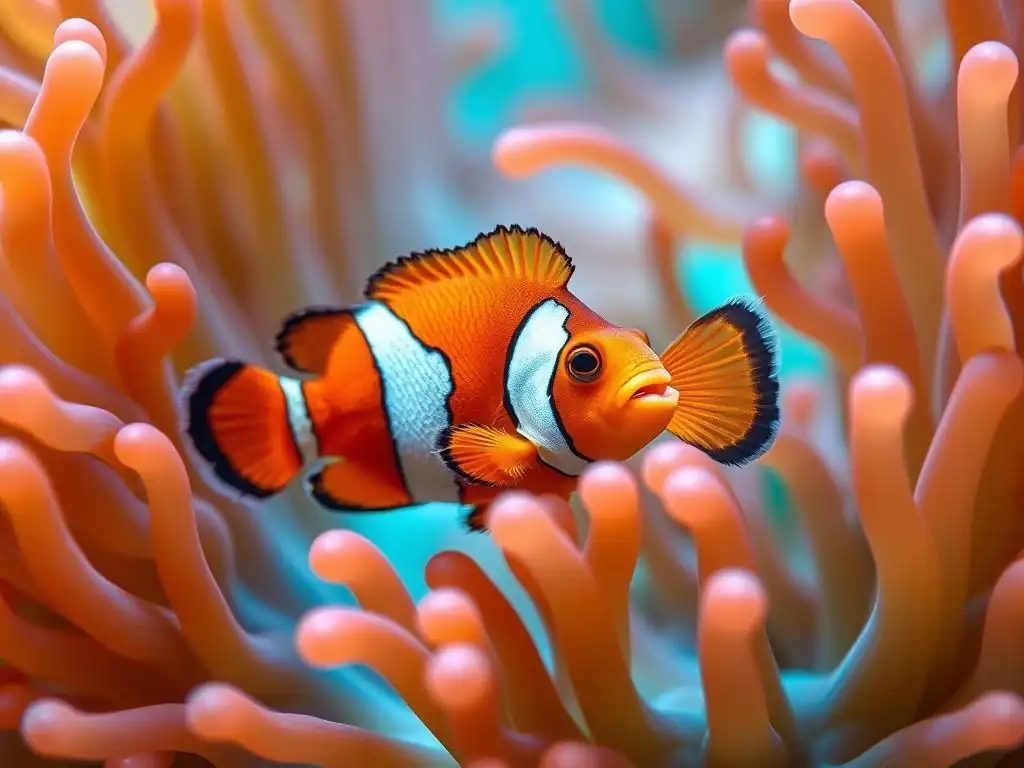
Highly compatible pairings refer to clownfish species that readily host specific anemones and thrive in their presence, mimicking their natural symbiotic relationships. The most iconic and successful pairing in captivity involves the Ocellaris Clownfish ( Amphiprion ocellaris) or Percula Clownfish ( Amphiprion percula) with the Bubble Tip Anemone (BTA, Entacmaea quadricolor). Approximately 80-90% of Ocellaris clownfish, especially those captive-bred, will readily host a BTA within days or weeks of introduction, provided the anemone is healthy and settled.
Other highly successful pairings include the Maroon Clownfish ( Premnas biaculeatus) with the Bubble Tip Anemone. Despite their aggressive nature, Maroons form very strong bonds with their chosen anemone. The Clarkii Clownfish ( Amphiprion clarkii) is also highly adaptable and known to host the widest range of anemones, including the Bubble Tip, Sebae ( Heteractis crispa), and Magnificent Anemone ( Heteractis magnifica). These pairings typically result in minimal stress for both organisms and encourage natural behaviors, showcasing ideal clownfish species anemone compatibility.
Moderately Compatible Clownfish and Anemone Pairings: Things to Consider
Moderately compatible pairings are those that can work in an aquarium setting but may require more patience, specific conditions, or present a slightly higher risk of the clownfish not hosting. For instance, while Ocellaris and Percula clownfish are known to host Sebae Anemones ( Heteractis crispa) in the wild, this pairing can be more challenging in captivity. Sebae Anemones are generally more delicate and demanding than BTAs, requiring very stable water parameters and intense lighting, which might deter a clownfish if the anemone is not perfectly healthy.
Another example involves the Tomato Clownfish ( Amphiprion frenatus) with the Long Tentacle Anemone ( Macrodactyla doreensis). While possible, the Long Tentacle Anemone requires a deep sand bed to burrow into, and its specific environmental needs must be met precisely for the pairing to succeed.
Aquarists attempting these pairings should ensure their tank is mature (at least 6-12 months old) and that all water parameters are impeccably stable. Patience is key, as the clownfish may take several weeks or even months to accept a moderately compatible host, and there's always a chance they may never host at all, which is a consideration for clownfish species anemone compatibility.
Clownfish and Anemone Pairings to Avoid: Preventing Stress and Injury
Certain clownfish and anemone pairings should be strictly avoided in a home aquarium to prevent undue stress, injury, or even death to either organism. Primarily, avoid attempting to pair clownfish with non-hosting anemones such as Rock Anemones ( Epicystis crucifer), Tube Anemones ( Cerianthus sp.), or Caribbean Anemones (e.g., Condylactis gigantea). These anemones either lack the necessary symbiotic relationship or possess stings that are too potent for the clownfish's mucus coating, leading to severe burns, tissue damage, or eventual demise for the clownfish.
Furthermore, avoid pairing small, delicate anemones with large, aggressive clownfish species. For example, a very small BTA or a fragile Sebae Anemone might be overwhelmed or damaged by the rougher hosting behavior of a large Maroon or Clarkii clownfish. Similarly, don't attempt to force a clownfish into an anemone that is clearly unhealthy, stressed, or showing signs of decline, as this will only exacerbate the problem for both. Understanding these incompatible pairings is as crucial as knowing the compatible ones for successful clownfish species anemone compatibility.
Exploring Specific Clownfish Species and Their Anemone Preferences
Ocellaris Clownfish (Amphiprion ocellaris): The Classic Choice
The Ocellaris Clownfish, often affectionately known as the "False Percula" or "Nemo" clownfish, is one of the most recognizable and widely kept marine aquarium fish. These captivating fish typically grow to an adult size of about 3 inches (7-8 cm) and are characterized by their vibrant orange bodies adorned with three distinct white bands edged in black. They are known for their relatively peaceful temperament, making them excellent candidates for a wide range of community reef tanks.
Ocellaris clownfish are remarkably hardy and adaptable, especially the captive-bred varieties, which account for a significant portion of those available in the hobby today. Their natural lifespan in a well-maintained aquarium can range from 6 to 10 years, with some individuals living even longer. In the wild, their natural hosts include the Magnificent Anemone ( Heteractis magnifica), Giant Carpet Anemone ( Stichodactyla gigantea), and Mertens' Carpet Anemone ( Stichodactyla mertensii), although their clownfish species anemone compatibility extends to other species in captivity.
Anemones Suitable for Ocellaris Clownfish: A Closer Look
The most popular and successful host anemone for Ocellaris Clownfish in home aquariums is undoubtedly the Bubble Tip Anemone (BTA, Entacmaea quadricolor). BTAs are relatively hardy, come in a variety of attractive colors (rose, green, rainbow), and can grow quite large, often reaching 8-12 inches (20-30 cm) in diameter. They require moderate to high lighting (e.g., 50-100 PAR for typical varieties) and moderate water flow, along with stable water parameters, making them a more manageable option for many hobbyists.
Other suitable, though often more demanding, anemones for Ocellaris clownfish include the Sebae Anemone ( Heteractis crispa) and the Long Tentacle Anemone ( Macrodactyla doreensis). Sebae Anemones, typically white or tan with purple tips, are beautiful but require very pristine water quality and intense lighting. Long Tentacle Anemones prefer to bury their foot in a deep sand bed and are also sensitive to water quality. While Ocellaris clownfish may host these, the overall success rate and ease of care for both the anemone and the clownfish species anemone compatibility make the BTA the preferred choice for most aquarists.
Percula Clownfish (Amphiprion percula): A Similar, Yet Unique Option
The Percula Clownfish, often confused with the Ocellaris, is another iconic and highly sought-after species in the marine aquarium trade. While strikingly similar in appearance to the Ocellaris, Perculas are generally slightly smaller, reaching an adult size of about 2.5-3 inches (6-7.5 cm). They typically exhibit a brighter orange coloration and have a subtle but distinct difference in their dorsal fin, usually possessing 10 spines compared to the Ocellaris's 11. Their white body bands are also often thicker and more distinctly outlined in black.
Like their Ocellaris counterparts, Percula clownfish are known for their relatively peaceful nature and are well-suited for community reef tanks. They are hardy and readily available, with a significant number of captive-bred specimens in the market. In the wild, Percula clownfish share similar natural hosts with Ocellaris clownfish, primarily associating with the Magnificent Anemone ( Heteractis magnifica), Giant Carpet Anemone ( Stichodactyla gigantea), and Mertens' Carpet Anemone ( Stichodactyla mertensii). In captivity, their clownfish species anemone compatibility parallels that of the Ocellaris, making certain anemones ideal for pairing.
Optimal Anemones for Percula Clownfish: Ensuring a Happy Pairing
For Percula Clownfish in a home aquarium, the Bubble Tip Anemone (BTA, Entacmaea quadricolor) remains the most recommended and widely successful host. The BTA's adaptability to various lighting and flow conditions, coupled with its relative hardiness compared to other anemone species, makes it an excellent choice for ensuring a happy and thriving symbiotic relationship with a Percula clownfish. The vast majority of captive-bred Perculas will readily host a BTA within a short period, often within a few days to a week.
While BTAs are optimal, Percula clownfish can also host other species, albeit with more demanding care requirements for the anemone. The Sebae Anemone (Heteractis crispa) and Magnificent Anemone (Heteractis magnifica) are natural hosts and can be successfully paired if the aquarist can provide the stringent environmental conditions these anemones demand, including very stable water parameters and intense lighting. However, for consistent success and ease of care, the BTA stands out as the primary recommendation for optimal clownfish species anemone compatibility with Percula clownfish.
Maroon Clownfish (Premnas biaculeatus): A More Aggressive Option
The Maroon Clownfish, Premnas biaculeatus, is a striking and robust species, but one that comes with a reputation for aggression. Growing up to 6 inches (15 cm) in length, they are among the largest of the commonly available clownfish. Their body is a deep, rich maroon color, typically adorned with a single, prominent white stripe behind the eye, which can sometimes be yellow depending on the geographic variant. A distinguishing feature is the sharp spine located just under each eye, which gives them their scientific name "biaculeatus" (two-spined).
Due to their territorial and aggressive nature, particularly the females, Maroon clownfish require careful consideration for tank size and tank mates. A single Maroon clownfish needs a minimum of a 30-gallon aquarium, while a bonded pair should ideally be housed in a 50-gallon tank or larger to mitigate aggression towards other fish. Despite their temperament, Maroons form incredibly strong and long-lasting bonds with their chosen host anemone, often defending it fiercely from any perceived threats. Their robust nature also contributes to their longevity, with individuals living well over a decade in captivity.
Anemones That Can Withstand Maroon Clownfish: Choosing Carefully
Given the Maroon Clownfish's larger size and more assertive hosting behavior, selecting a robust and resilient anemone is crucial for successful clownfish species anemone compatibility. The Bubble Tip Anemone (BTA, Entacmaea quadricolor) is, again, a highly suitable and popular choice. BTAs are generally hardy and can withstand the more vigorous movements and occasional pushing that a Maroon clownfish might exhibit while settling into its host. They are also relatively forgiving regarding water quality compared to some other anemone species.
Another viable option for Maroon clownfish, particularly for experienced aquarists, is Haddon's Carpet Anemone (Stichodactyla haddoni). However, Carpet Anemones are significantly more demanding, requiring very high lighting, pristine water conditions, and a large footprint in the tank, often growing over 2 feet in diameter. It's important to note that if a suitable anemone is not provided, Maroon clownfish may attempt to host in large polyp stony (LPS) corals, such as Duncan corals or Torch corals, which can be detrimental to the coral and potentially stress the clownfish.
Tomato Clownfish (Amphiprion frenatus): A Hardy and Popular Choice
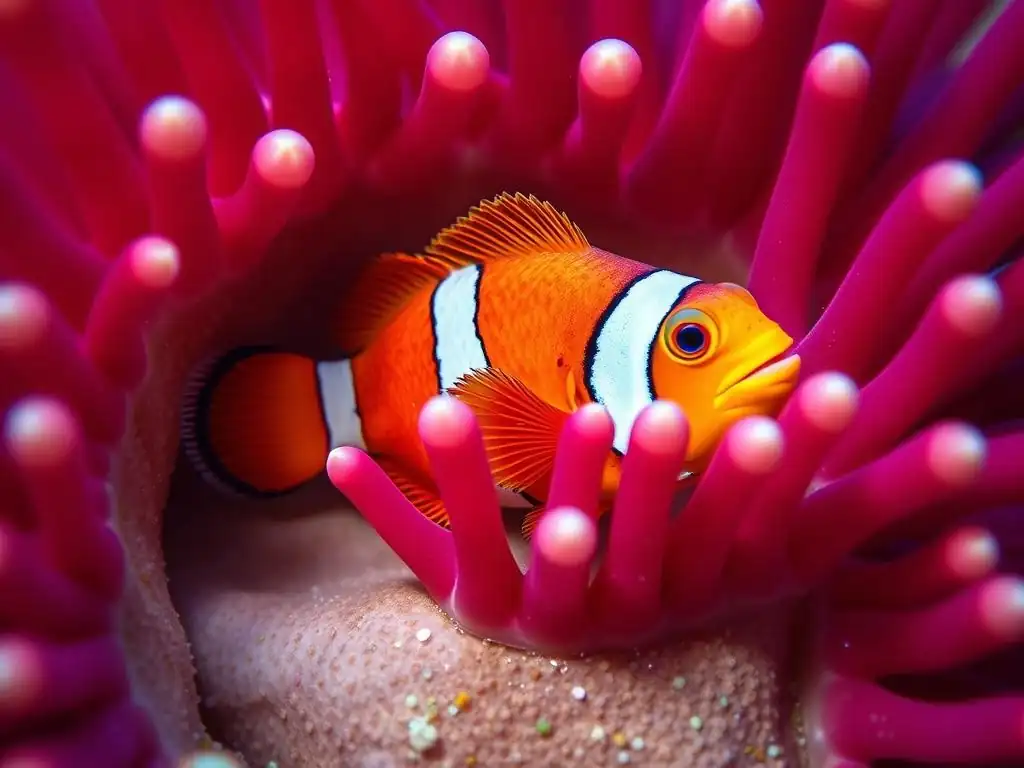
The Tomato Clownfish, Amphiprion frenatus, is a vibrant and relatively hardy species that makes a popular addition to many saltwater aquariums. These fish are characterized by their striking orange-red coloration, often deepening to a rich reddish-brown as they mature. Juveniles and younger adults typically display a single prominent white stripe directly behind their eye, which tends to fade or disappear entirely as the fish ages and grows, particularly in females. Tomato clownfish can reach an adult size of approximately 4-5 inches (10-12.5 cm).
While generally more active and somewhat more assertive than Ocellaris or Percula clownfish, Tomato clownfish are typically less aggressive than Maroons. Their robust nature and adaptability make them a good choice for aquarists seeking a clownfish with a bit more personality without the extreme territoriality of the larger species. Many Tomato clownfish available in the hobby are captive-bred, contributing to their hardiness and ease of acclimation to aquarium life, showcasing a good level of clownfish species anemone compatibility.
Suitable Anemones for Tomato Clownfish: Considerations for Tank Size
For Tomato Clownfish, the Bubble Tip Anemone (BTA, Entacmaea quadricolor) stands out as a highly suitable and frequently chosen host in home aquariums. Their hardiness and adaptability make them a good match for the Tomato clownfish's robust nature. The BTA's ability to thrive in various lighting and flow conditions, alongside its relatively forgiving nature regarding water quality fluctuations compared to other anemones, contributes to a high success rate for this pairing.
In their natural habitat, Tomato clownfish are known to host in several anemone species, including the Sebae Anemone (Heteractis crispa) and the Long Tentacle Anemone (Macrodactyla doreensis). While these can be viable options, they typically demand more precise environmental conditions, such as very stable water parameters and specific lighting or sand bed requirements. When considering tank size for a Tomato clownfish and its host anemone, a minimum of a 30-gallon aquarium is often sufficient for a single fish and a BTA, providing ample space for both to thrive and establish their territory.
Other Clownfish Species and Their Anemone Preferences: A Quick Reference
Beyond the most common species, several other clownfish offer unique characteristics and specific clownfish species anemone compatibility preferences. The Clarkii Clownfish (Amphiprion clarkii) is arguably the most adaptable clownfish, known to host in the widest range of anemone species in the wild, including Bubble Tip, Sebae, Magnificent, and Carpet Anemones. They are relatively hardy, grow up to 4-5 inches (10-12.5 cm), and can be moderately aggressive, requiring a tank of at least 30-40 gallons.
The Pink Skunk Clownfish (Amphiprion perideraion) is a more delicate and peaceful species, reaching about 3 inches (7.5 cm), characterized by its pinkish-orange body and a single white stripe running from its nose along its dorsal fin. In captivity, they primarily host the Magnificent Anemone ( Heteractis magnifica) and Sebae Anemone ( Heteractis crispa), both of which are very demanding anemones requiring pristine water and intense lighting.
Another interesting species is the Saddleback Clownfish (Amphiprion polymnus), which grows up to 4 inches (10 cm) and typically hosts the Saddleback Anemone ( Heteractis aurora) and Sebae Anemone. Understanding these specific preferences is crucial for successful long-term clownfish species anemone compatibility.
Setting Up Your Aquarium for Clownfish and Anemone Success
Tank Size and Water Parameters for Optimal Clownfish and Anemone Health
Establishing the right foundation for your aquarium is paramount for the health and longevity of both clownfish and anemones. For a single Ocellaris or Percula clownfish paired with a Bubble Tip Anemone, a minimum tank size of 20-30 gallons is generally recommended. However, for larger or more aggressive clownfish species like Maroons or Clarkiis, and their corresponding larger anemones, a tank of 50 gallons or more is essential to provide adequate space and maintain stable conditions. Larger tanks inherently offer more stability in water parameters, which is critical for sensitive invertebrates like anemones.
Maintaining precise and stable water parameters is non-negotiable. Salinity should be kept consistently between 1.024 and 1.026 specific gravity, mimicking natural seawater conditions. Temperature should range from 76-80°F (24-27°C), and pH levels should be maintained between 8.1 and 8.4. Crucially, ammonia and nitrite levels must always be at 0 ppm, and nitrates should be kept below 10 ppm. For photosynthetic anemones, sufficient levels of calcium (400-450 ppm), alkalinity (8-12 dKH), and magnesium (1250-1350 ppm) are also vital for their calcification and overall health, directly impacting clownfish species anemone compatibility.
Providing the Right Lighting and Filtration for Anemones
Lighting is a critical component for the health of most host anemones, as they rely heavily on photosynthesis performed by their symbiotic zooxanthellae. While a Bubble Tip Anemone (BTA) often thrives under moderate to high LED lighting (e.g., 50-100 PAR), more demanding species like Magnificent Anemones or Carpet Anemones require significantly higher PAR levels (150-300+ PAR) to truly flourish. It's essential to research the specific lighting requirements for your chosen anemone and provide appropriate light intensity and spectrum.
Robust filtration is equally important to maintain the pristine water quality that both clownfish and anemones demand. A comprehensive filtration system typically includes effective biological filtration (live rock, bio-media) to process ammonia and nitrite, mechanical filtration (filter socks, sponges) to remove particulate matter, and chemical filtration (activated carbon, GFO) to absorb pollutants. A high-quality protein skimmer is highly recommended for saltwater tanks, as it efficiently removes organic waste before it breaks down into harmful nitrates. Additionally, ensuring moderate water flow throughout the tank helps deliver nutrients to the anemone and remove waste, contributing to successful clownfish species anemone compatibility.
Introducing Clownfish and Anemones to Your Aquarium: A Step-by-Step Guide
The introduction process for both clownfish and anemones must be handled with care to minimize stress and maximize the chances of successful acclimation. For both organisms, drip acclimation over at least 30-60 minutes is highly recommended to slowly equalize water parameters, particularly salinity and pH, between the bag water and your aquarium water. This gradual adjustment significantly reduces shock.
It is generally advised to introduce the anemone to your display tank first, allowing it several days to a few weeks to settle into a preferred location before adding the clownfish. Anemones can be quite particular about their spot and may move around initially until they find ideal lighting and flow conditions. Once the anemone has firmly attached its foot and appears healthy and expanded, you can introduce the clownfish.
While some clownfish may host immediately, others might take days, weeks, or even months to accept their new host. Do not attempt to force the clownfish into the anemone, as this can cause undue stress to both. Providing plenty of hiding spots for the clownfish can help it feel secure during the initial period, fostering eventual clownfish species anemone compatibility.
Maintaining a Healthy Symbiotic Relationship: Tips and Tricks
Feeding Your Clownfish and Anemone: Ensuring Proper Nutrition
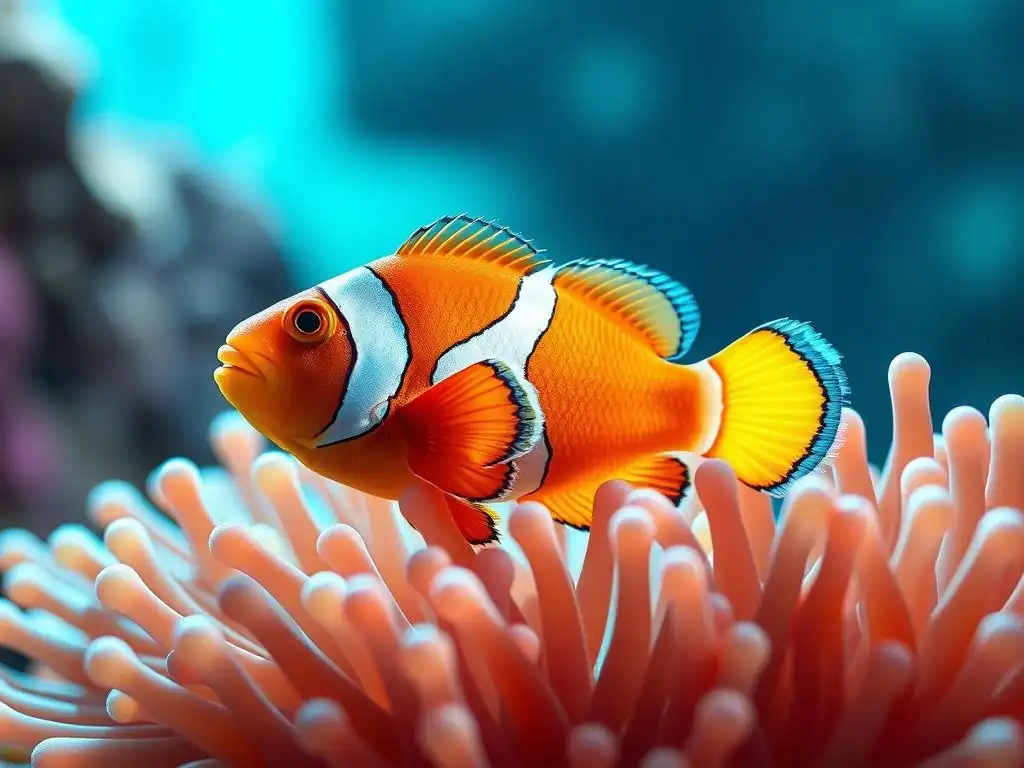
Proper nutrition is vital for the long-term health of both your clownfish and their host anemone. Clownfish are omnivores and should be fed a varied diet of high-quality marine flake food, pellets, and various frozen foods such as mysis shrimp, brine shrimp, and spirulina-enriched formulas. Feeding 1-2 times daily is typically sufficient, providing small portions that can be consumed within a few minutes to avoid overfeeding and water pollution.
Anemones, especially larger photosynthetic species, also benefit from supplemental spot feeding, typically 2-3 times per week. Offer meaty foods like finely chopped shrimp, silversides, or mysis shrimp directly to the anemone's mouth when it is open and receptive. Ensure the food item is small enough for the anemone to engulf without struggle. Overfeeding the anemone can lead to excessive waste production, potentially impacting water quality, so observe how much your anemone can consume efficiently. A well-fed anemone will appear plump and vibrant, which in turn supports a thriving clownfish species anemone compatibility.
Monitoring Water Quality and Performing Regular Maintenance
Consistent monitoring of water quality and adherence to a regular maintenance schedule are paramount for the success of any saltwater aquarium, especially one housing sensitive inhabitants like anemones. Routine testing of key parameters such as salinity, temperature, pH, ammonia, nitrite, nitrate, calcium, alkalinity, and magnesium should be performed weekly or bi-weekly. Maintaining these parameters within their optimal ranges prevents stress and promotes robust health for both clownfish and anemones.
Regular water changes are essential to replenish trace elements consumed by corals and anemones and to dilute accumulated nitrates and other pollutants. A 10-20% water change every one to two weeks is a common recommendation, using high-quality reverse osmosis/deionized (RO/DI) water mixed with a reputable marine salt mix. Additionally, daily or every-other-day cleaning of the protein skimmer cup, along with routine cleaning of the sand bed and rockwork to prevent detritus buildup, contributes significantly to stable water quality. Diligent maintenance is the cornerstone of successful and enduring clownfish species anemone compatibility.
Recognizing and Addressing Potential Problems: Disease, Aggression, and More
Vigilance is key to quickly identifying and addressing potential problems in your clownfish and anemone aquarium. For clownfish, watch for signs of stress or disease such as clamped fins, labored breathing, white spots (ich), velvet, fin rot, or a sudden loss of appetite and lethargy. Quarantining new fish in a separate tank for several weeks before introduction to the main display is highly recommended to prevent the spread of pathogens.
For anemones, signs of distress include shrinking in size, bleaching (loss of color), deflated appearance, loss of stickiness in their tentacles, or excessive movement around the tank (indicating dissatisfaction with their current location). If an anemone starts moving, it can sting other corals or even fall into powerheads, causing severe damage.
Address these issues promptly by re-checking all water parameters, adjusting lighting or flow, ensuring adequate feeding, and, if necessary, carefully relocating the anemone to a more suitable spot. Monitoring for aggression between clownfish, especially if keeping a pair or multiple species, or between clownfish and other tank mates, is also crucial for maintaining a peaceful and thriving environment, essential for clownfish species anemone compatibility.
Understanding Anemone Care: A Crucial Factor in Clownfish Well-being
Different Types of Anemones Suitable for Clownfish: A Detailed Guide
Choosing the right anemone is as critical as selecting the right clownfish for a successful symbiotic relationship. The Bubble Tip Anemone (BTA, Entacmaea quadricolor) is by far the most popular and recommended host due to its relative hardiness, wide availability, and adaptability to various aquarium conditions. BTAs come in a spectrum of colors, from rose to green to rainbow, and typically grow to 8-12 inches, making them suitable for most home tanks.
Other suitable types include the Sebae Anemone (Heteractis crispa), which is beautiful but more delicate, typically white or tan with purple tips, and requires intense lighting and pristine water. The Magnificent Anemone (Heteractis magnifica) is another stunning, large species that demands very high lighting and strong, turbulent water flow, making it suitable only for advanced aquarists with mature, large tanks. For those with deep sand beds, the Long Tentacle Anemone (Macrodactyla doreensis) can be an option, as it burrows its foot into the substrate.
Lastly, Carpet Anemones (Stichodactyla haddoni, S. gigantea, S. mertensii) are massive, highly sticky, and very demanding, often growing over 2 feet in diameter, requiring very large, specialized setups. Each type has specific needs that dictate clownfish species anemone compatibility.
Providing the Right Environment for Anemones to Thrive
Anemones are sensitive invertebrates that require a stable and mature aquarium environment to thrive. A tank should be at least six months old, if not older, before an anemone is introduced, ensuring the nitrogen cycle is fully established and water parameters are consistently stable. They demand specific lighting conditions; photosynthetic anemones rely on intense light from high-quality LED or T5HO fixtures. The required PAR (Photosynthetically Active Radiation) levels vary significantly by species, with BTAs generally needing moderate-high PAR (50-100), while Magnificent and Carpet Anemones require very high PAR (150-300+).
Water flow is another critical factor. Most anemones prefer moderate, indirect flow that helps deliver food and remove waste, but avoids directly blasting them. Providing adequate rockwork for the anemone to attach its foot securely is essential, or a deep sand bed (4+ inches) for burrowing species like the Long Tentacle Anemone.
A healthy anemone will typically stay in one spot, expand fully, and exhibit vibrant coloration. An unhappy anemone may move frequently around the tank, which can be dangerous as it may sting other corals or get sucked into powerheads, highlighting the importance of proper environmental conditions for clownfish species anemone compatibility.
Common Anemone Diseases and How to Treat Them
While anemones don't typically contract "diseases" in the same way fish do, they are highly susceptible to stress and decline caused by poor environmental conditions. Common signs of an unhealthy anemone include shrinking persistently, bleaching (losing color due to expulsion of zooxanthellae), deflated appearance, loss of stickiness in their tentacles, or tissue necrosis (tissue decay). These symptoms are almost always indicative of underlying issues with water quality, inadequate lighting, insufficient feeding, or physical damage.
Treatment for an ailing anemone involves identifying and rectifying the root cause of the stress. This typically means meticulously checking all water parameters (salinity, temperature, pH, ammonia, nitrite, nitrate, calcium, alkalinity, magnesium) and performing immediate water changes if necessary to improve water quality. Adjusting lighting intensity or duration, ensuring appropriate water flow, and providing targeted supplemental feeding can also aid recovery.
In severe cases, some aquarists attempt to place the anemone in a "hospital tank" with perfectly optimized conditions. However, prevention through diligent care and maintaining a stable, pristine environment is the most effective "treatment" for ensuring a healthy anemone and successful clownfish species anemone compatibility.
Conclusion: Creating a Thriving Clownfish and Anemone Ecosystem
Creating a thriving clownfish and anemone ecosystem in your home aquarium is a deeply rewarding experience, offering a captivating glimpse into one of nature's most iconic symbiotic relationships. The cornerstone of this success lies in understanding and meticulously adhering to the principles of clownfish species anemone compatibility. It's not merely about pairing any clownfish with any anemone; it's about selecting species that naturally align in their environmental requirements, temperament, and hosting preferences.
By carefully considering factors such as tank size, water parameters, lighting, and specific care needs for both your chosen clownfish and its host anemone, you lay the groundwork for a harmonious and enduring partnership. Diligent maintenance, consistent water quality monitoring, and a keen eye for signs of stress or imbalance will ensure the long-term health and vibrancy of your display. With thoughtful planning and dedicated care, aquarists can enjoy the dynamic beauty and fascinating behaviors of a well-matched clownfish and anemone pair for many years, truly bringing a piece of the coral reef into their home.
Frequently Asked Questions
What is the most important factor to consider when choosing a clownfish species for my anemone?
The most important factor is species compatibility. Not all clownfish and anemone species pair well together, and some clownfish may not host anemones at all. Researching natural pairings is crucial for success.
How do I determine which anemone species is compatible with my desired clownfish species?
Refer to compatibility charts and resources that detail the natural host anemones for each clownfish species. AquariumMastery.com offers detailed species profiles to help you determine suitable pairings.
What are the potential risks of introducing an incompatible clownfish and anemone?
Introducing an incompatible pairing can result in the clownfish being stung by the anemone, or the clownfish may ignore the anemone entirely. This can lead to stress and potentially death for both the fish and the anemone.
Are there any clownfish species that are known to be more adaptable to different anemone types?
Ocellaris and Percula clownfish are generally considered to be more adaptable and may accept a wider range of anemones in captivity. However, researching specific needs is still vital.
What should I do if my clownfish isn't showing interest in its host anemone?
Give them time! It can take days or even weeks for a clownfish to accept an anemone as its host. Ensure the water parameters are optimal and the anemone is healthy. If they still don't pair, consider trying a different species pairing known to work.
Final Reflection: A Symbiotic Future for Clownfish and Anemones
The intricate dance between clownfish and anemones, as explored throughout this article, isn't just a fascinating biological phenomenon; it's a powerful reminder of the delicate balance within our ecosystems. Understanding clownfish species anemone compatibility is more crucial than ever, as responsible aquarium keeping and conservation efforts become increasingly intertwined. By making informed choices about which species thrive together, we contribute to the health and longevity of both in captivity and, ultimately, in the wild.
This symbiotic relationship, so beautifully displayed in our aquariums, mirrors the interconnectedness of life itself. My own fascination with this pairing stems from a deep respect for the natural world and a desire to preserve its wonders for future generations. In nature, nothing exists alone.
- Rachel Carson. This quote perfectly encapsulates the essence of the clownfish-anemone bond and serves as a constant reminder of our responsibility to protect these delicate relationships.
Now, armed with this knowledge of clownfish species anemone compatibility, I urge you to reflect on your role in this delicate ecosystem. Consider the choices you make, not just as an aquarist, but as a steward of the natural world. Let the vibrant colors and unique behaviors of these creatures inspire you to learn more, to advocate for responsible practices, and to contribute to a future where clownfish and anemones continue to thrive, both in our homes and in their natural habitats.
Dive Deeper: Unlock the Vibrant World of Clownfish!
Thanks for exploring the captivating world of clownfish with us! We hope you've discovered the perfect species to bring a burst of color and personality to your aquarium. Now, let's put that knowledge into action!
- Take the plunge and research which local breeders or trusted aquarium stores near you offer your chosen clownfish species. Knowing your options will make bringing your new friend home smoother!
- Share this article with fellow aquarium enthusiasts! Spread the clownfish love and help others find their perfect finned companion.
- Reflect on your aquarium's ecosystem. What other symbiotic relationships could you cultivate to create an even more dynamic and thriving environment?