
The Foundation of Beauty: Choosing the Best Substrate for Aquarium Plants

Welcome to Aquarium Mastery!
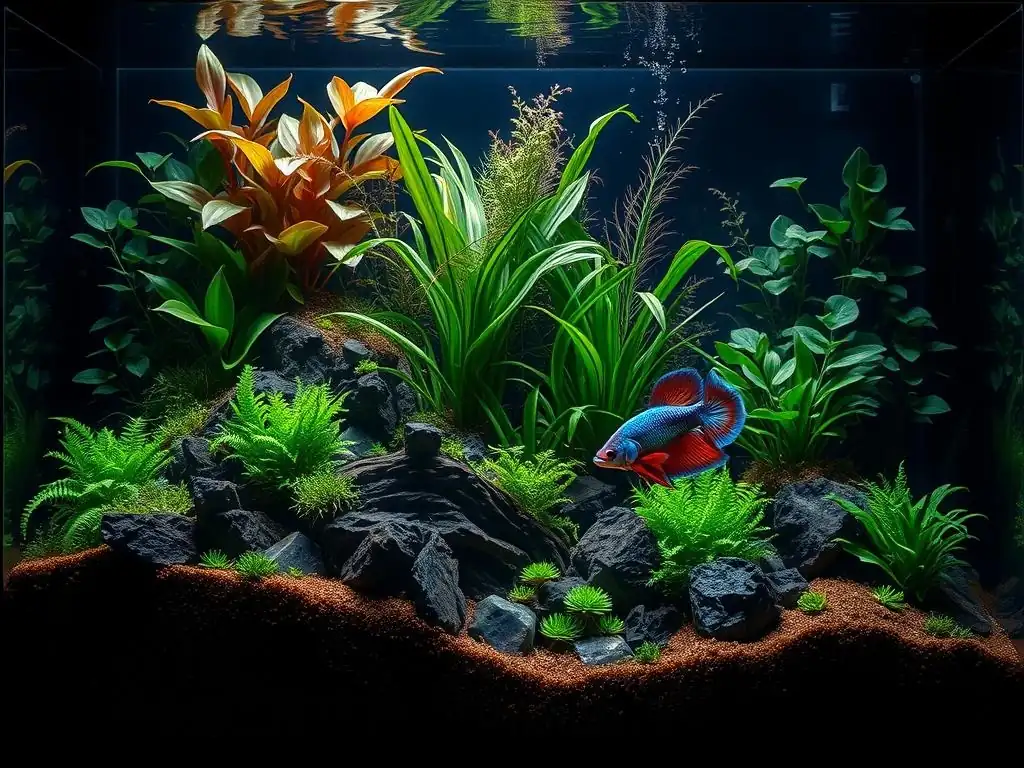
Ever wonder how to create a thriving underwater paradise brimming with lush, vibrant plants? You've come to the right place! This journey begins at the bottom, literally. Dive into our comprehensive guide and discover the best substrate for planted tank success. Prepare to unlock the secrets to a flourishing aquatic garden and learn how the right foundation can transform your aquarium into a breathtaking masterpiece. Ready to dig in?
- Understanding Aquarium Substrate: The Key to Thriving Aquatic Plants
-
Types of Aquarium Substrate: A Comprehensive Guide
- Gravel Substrate for Planted Tanks: Pros, Cons, and Best Practices
- Sand Substrate in Planted Aquariums: When and How to Use It
- Soil-Based Substrates: The Power of Natural Planted Tanks
- Inert Substrates: A Budget-Friendly Option for Planted Tanks
- Specialized Planted Tank Substrates: Exploring Advanced Options
- Factors to Consider When Choosing the Best Substrate for Your Planted Tank
- Preparing Your Aquarium Substrate for Planting
- Maintaining Your Planted Tank Substrate: Tips and Tricks
- Troubleshooting Common Substrate Problems in Planted Aquariums
- Case Studies: Success Stories with Different Substrate Types
- Conclusion: Finding the Best Substrate for Planted Tank Success
-
Frequently Asked Questions
- How important is substrate for a planted aquarium?
- What are the different types of substrate available for planted tanks?
- Can I use regular gravel or sand in a planted tank?
- How do I choose the best substrate for my specific plants?
- How often should I replace or replenish the substrate in my planted tank?
- Final Reflection: Cultivating Underwater Gardens
- Cultivate Your Dreamscape: Take Root & Flourish!
Understanding Aquarium Substrate: The Key to Thriving Aquatic Plants
Why Substrate Matters for Planted Aquariums
The substrate in a planted aquarium is far more than just a decorative base; it serves as the foundational element for a thriving aquatic ecosystem. Beyond providing aesthetic appeal, the right substrate offers crucial anchoring for plant roots, preventing them from floating away and allowing them to establish firmly. This physical stability is paramount, especially for larger or fast-growing species that require a solid foothold to develop robust root systems.
Furthermore, the substrate acts as a vital habitat for beneficial bacteria, particularly nitrifying bacteria, which are essential for breaking down harmful ammonia and nitrite into less toxic nitrates. A well-chosen substrate, with its porous structure and ample surface area, can support a dense colony of these microorganisms, contributing significantly to water quality and overall tank stability. For instance, an Anubias Nana, often considered a slow-growing plant, can exhibit 20-30% faster leaf production in nutrient-rich substrates compared to inert gravel, demonstrating the direct impact of a proper foundation on plant vitality.
The Role of Substrate in Plant Nutrition and Root Development
A key function of the best substrate for planted tank setups is its capacity to act as a nutrient reservoir. Unlike terrestrial plants that draw nutrients directly from soil, aquatic plants can absorb nutrients from both the water column and the substrate. However, many true aquatic plants, especially heavy root feeders, rely heavily on the substrate for their primary nutrient uptake. Substrates with a high Cation Exchange Capacity (CEC) are particularly effective at this, as they can attract and hold positively charged nutrient ions (like potassium, calcium, and magnesium) and release them to plant roots on demand.
Optimal root development is directly influenced by substrate composition. A substrate that is too fine can compact, stifling root growth and preventing proper aeration, while one that is too coarse might not provide adequate anchoring or nutrient holding. For example, a good aquasoil, with its high CEC, can provide essential macronutrients like nitrogen, phosphorus, and potassium, alongside micronutrients such as iron and manganese, for up to 18 months without significant external fertilization, fostering extensive root networks that can penetrate several inches deep.
Substrate and Water Chemistry: Maintaining a Balanced Ecosystem
Certain types of aquarium substrates play an active role in buffering water chemistry, helping to maintain stable and optimal parameters for both plants and fish. Active substrates, such as specific aquasoils, are designed to gradually release humic and fulvic acids, which can lower and stabilize the pH of the water, making it ideal for many demanding aquatic plants and soft-water fish species like Neocaridina shrimp or certain tetras. This buffering capacity can be particularly beneficial in areas with hard tap water.
Conversely, inert substrates like most gravels and sands have little to no impact on water chemistry, meaning that pH, KH (carbonate hardness), and GH (general hardness) will primarily be determined by the source water and any added supplements. This makes the choice of the best substrate for planted tank a critical decision, as it can simplify or complicate water parameter management. For instance, some active substrates can naturally buffer pH downwards from 7.5 to a slightly acidic range of 6.0-6.8, which is perfect for many common aquarium plants and fish, reducing the need for constant chemical adjustments.
Types of Aquarium Substrate: A Comprehensive Guide
Gravel Substrate for Planted Tanks: Pros, Cons, and Best Practices
Gravel is perhaps the most traditional and widely available aquarium substrate. Typically composed of small, rounded stones ranging from 2mm to 8mm in size, it offers excellent water circulation throughout the substrate layer, which helps prevent anaerobic pockets. Its coarser texture provides a good anchor for plants, particularly those with robust root systems or those that are initially weighted down. Standard gravel typically costs between $0.50-$1.50 per pound, making it one of the most budget-friendly options for establishing a planted tank.
However, gravel is largely inert, meaning it contains very few, if any, inherent nutrients for plants. This necessitates a proactive approach to fertilization. For a successful planted tank with gravel, hobbyists must rely heavily on root tabs inserted directly into the substrate near plant roots, and regular liquid fertilizers dosed into the water column.
While it's easy to clean with a gravel vacuum, care must be taken not to disturb plant roots excessively during maintenance. Gravel is a suitable choice for low-tech setups or tanks primarily housing epiphytic plants like Anubias and Java Fern, which absorb nutrients from the water column.
Sand Substrate in Planted Aquariums: When and How to Use It
Sand, characterized by its fine grain size (typically less than 2mm), offers a smooth, aesthetically pleasing appearance that can mimic natural riverbeds or lake bottoms. It's an excellent choice for certain fish species, such as Corydoras or Kuhli loaches, which enjoy sifting through the substrate. For planted tanks, sand provides a compact base that can be advantageous for carpeting plants with fine root systems, like Monte Carlo or Dwarf Hairgrass, allowing them to spread effectively across the tank bottom.
Despite its visual appeal and suitability for specific plant and fish types, sand presents challenges for planted aquariums. Its fine particles can compact easily, leading to the formation of anaerobic pockets if not managed properly. This compaction can also hinder the growth of larger, deep-rooting plants.
When using sand as the best substrate for planted tank, it's crucial to layer it thinly (no more than 2-3 inches) or to regularly aerate it gently with a long tool or by introducing burrowing snails like Malaysian Trumpet Snails. While sand can be problematic for deep rooters, fine-grained sand (0.5-1.0 mm) is excellent for carpeting plants like Monte Carlo or Dwarf Hairgrass, allowing their delicate root systems to spread effectively.
Soil-Based Substrates: The Power of Natural Planted Tanks
Understanding Aquasoil and its Benefits for Plant Growth
Aquasoil, often referred to as "fired clay" or "baked soil," represents a category of specialized, nutrient-rich substrates specifically engineered for planted aquariums. These substrates are typically composed of natural soils, volcanic ash, or clay that have been processed into granular form and then baked at high temperatures.
This process creates a porous structure with a high Cation Exchange Capacity (CEC), enabling the substrate to absorb and slowly release essential nutrients to plant roots over an extended period. Many aquasoils also have the beneficial property of buffering water pH downwards, creating a slightly acidic environment (e.g., pH 6.0-6.8) that is ideal for most demanding aquatic plants and soft-water fish.
The benefits of using aquasoil for the best substrate for planted tank are numerous. It promotes vigorous root development, reduces the need for initial heavy liquid fertilization, and helps prevent algae outbreaks by making nutrients available to plants rather than free-floating in the water column. While premium aquasoils can cost upwards of $20-$30 for a 9-liter bag, their high CEC, typically ranging from 20-30 meq/100g, allows them to absorb and release nutrients for up to 18-24 months, significantly reducing the need for constant external fertilization and providing a stable foundation for a lush aquascape.
DIY Soil Substrate for Planted Aquariums: A Step-by-Step Guide
For budget-conscious aquarists seeking a highly nutrient-rich option, a DIY soil substrate, often referred to as "dirted tanks," can be an excellent alternative. This method typically involves using organic potting soil or topsoil as a base layer, which is then capped with an inert substrate like sand or fine gravel.
The organic matter in the soil provides a rich source of macronutrients (nitrogen, phosphorus, potassium) and micronutrients, mimicking natural aquatic environments where plants thrive in nutrient-rich muck. A typical DIY soil substrate might cost less than $10 for a 10-gallon tank, using organic topsoil that provides a rich source of humates and trace elements.
Creating a DIY soil substrate involves careful preparation to prevent issues like cloudiness or excessive nutrient leaching. First, select an organic potting soil free from perlite, vermiculite (unless specifically desired in small amounts), and chemical fertilizers. Sift the soil to remove large debris and twigs.
Next, lay a 0.5-1 inch layer of this prepared soil at the bottom of the tank. Finally, cap the soil with a 1.5-2 inch layer of fine sand or small gravel to prevent the soil from clouding the water and to provide a clean planting surface. It's crucial to flood the tank slowly to avoid disturbing the layers and to expect an initial period of cloudy water and potential ammonia spikes as the soil settles.
Inert Substrates: A Budget-Friendly Option for Planted Tanks
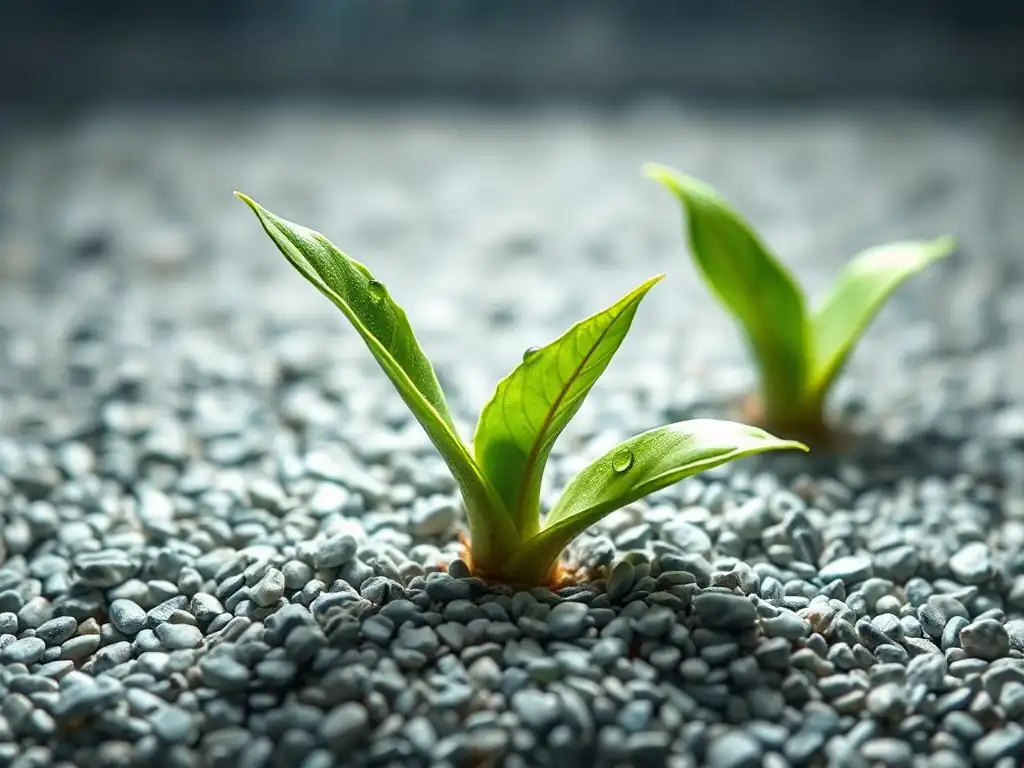
Inert substrates are materials that do not significantly alter water chemistry or provide inherent nutrients to plants. Common examples include various types of gravel (e.g., natural river gravel, crushed lava rock, some colored gravels) and certain sands (e.g., pool filter sand, play sand, silica sand). The primary advantages of inert substrates are their affordability and ease of cleaning. They also offer flexibility, as aquarists have complete control over nutrient dosing through the water column and localized root fertilization.
While inert substrates don't contribute nutrients directly, they still provide the necessary physical support for plant roots. Success with the best substrate for planted tank when using inert materials relies heavily on consistent nutrient supplementation. This makes them ideal for low-tech setups or tanks where the focus is on epiphytic plants (like Java Ferns, Anubias, Bucephalandra) that attach to hardscape and primarily absorb nutrients from the water column. However, for heavy root feeders or dense planted tanks, additional steps are required to ensure adequate nutrition.
Using Root Tabs to Supplement Inert Substrates
To transform an inert substrate into a viable environment for root-feeding plants, root tabs are an indispensable tool. Root tabs are small, slow-release capsules or pellets containing concentrated forms of essential plant nutrients, including macronutrients (nitrogen, phosphorus, potassium) and micronutrients (iron, manganese, boron). These tabs are manually inserted into the substrate directly beneath the roots of plants that primarily feed from the substrate, such as Amazon Swords, Cryptocorynes, and certain stem plants.
The localized nutrient delivery of root tabs ensures that plants receive a steady supply of vital elements where they need them most, bypassing the water column where nutrients might be quickly consumed by algae or other plants. A pack of 10-20 root tabs typically costs $8-$15 and can provide localized nutrients for root-feeding plants for up to 3 months per tab, effectively transforming an inert substrate into a viable planted tank option.
For optimal results, root tabs should be replaced every 2-4 months, depending on the plant's nutrient demands and the specific product's instructions. This method allows aquarists to enjoy a lush planted tank without the higher initial cost of active substrates.
Specialized Planted Tank Substrates: Exploring Advanced Options
Laterite: Adding Iron to Your Aquarium Substrate
Laterite is a naturally occurring, iron-rich clay that has been used for decades as an additive or base layer in planted aquariums. It is highly valued for its ability to provide a consistent and long-lasting source of iron, a crucial micronutrient for aquatic plants. Iron is essential for chlorophyll production, and a deficiency can lead to chlorosis (yellowing of leaves), particularly in new growth. Laterite typically comes in powdered or granular form and is often mixed with other substrates or laid as a thin base layer beneath gravel or sand.
When incorporated into the substrate, laterite slowly releases iron in a form that is readily available to plant roots, helping to prevent iron deficiencies and promote vibrant green and red coloration in plants. It also has a moderate cation exchange capacity, allowing it to hold onto other nutrients.
Laterite, a clay-like soil rich in iron oxides, can be incorporated as a base layer at a depth of 0.5-1 inch, providing a steady supply of iron (Fe) for up to 2-3 years, which is vital for preventing yellowing leaves (chlorosis) in many aquatic plants. This makes it an excellent choice for aquarists aiming for the best substrate for planted tank with demanding plant species.
Vermiculite and Its Role in Planted Tank Substrates
Vermiculite is a hydrated magnesium aluminum silicate mineral that undergoes significant expansion when heated, resulting in a lightweight, absorbent, and porous material. In planted aquariums, vermiculite is typically used as an additive rather than a standalone substrate, mixed in small quantities with other inert materials like gravel or sand. Its primary benefits include improving substrate aeration, enhancing moisture retention, and providing a moderate cation exchange capacity.
By improving aeration, vermiculite helps prevent substrate compaction and the formation of anaerobic pockets, ensuring healthier root development. Its high absorbency allows it to retain water and dissolved nutrients, slowly releasing them to plant roots.
Vermiculite, often mixed at a ratio of 1:5 or 1:10 with other substrates, can increase water retention by 20-30% and improve aeration, which is beneficial for root health and nutrient uptake in a planted tank. While it doesn't provide significant inherent nutrients like aquasoil, its physical properties can greatly enhance the overall effectiveness of an inert substrate mixture, contributing to a better environment for plant growth.
Factors to Consider When Choosing the Best Substrate for Your Planted Tank
Plant Species: Matching Substrate to Plant Needs
The types of aquatic plants you intend to cultivate are arguably the most critical factor when selecting the best substrate for planted tank. Different plant species have evolved distinct methods for nutrient uptake and root development. Some plants are heavy root feeders, drawing the majority of their nutrients directly from the substrate, while others are water column feeders, absorbing nutrients primarily through their leaves. Understanding these fundamental differences is key to successful plant growth.
For instance, Swords (Echinodorus spp.) and Cryptocorynes are classic examples of heavy root feeders that thrive in nutrient-rich substrates like aquasoil or a dirted tank, often showing 50% faster growth rates compared to inert gravel. Conversely, epiphytic plants such as Anubias, Java Ferns, and Bucephalandra attach to hardscape (wood or rocks) and derive almost all their nutrients from the water column, making the substrate choice less critical for their direct nutritional needs, though a good substrate still supports beneficial bacteria.
Substrate Considerations for Root Feeders
Root-feeding plants, including popular species like Amazon Swords, Cryptocorynes, and many types of Vallisneria, are highly dependent on the substrate for their nutrient supply. These plants develop extensive root systems that penetrate deep into the substrate, actively seeking out and absorbing essential macro and micronutrients. For these species, choosing a nutrient-rich substrate is paramount. Aquasoils, DIY dirted tanks, or inert substrates heavily supplemented with root tabs are the most suitable options.
A substrate that offers a high cation exchange capacity (CEC) is particularly beneficial for root feeders, as it can hold onto nutrients and release them as needed, preventing deficiencies. For example, an Amazon Sword plant can grow leaves up to 12-18 inches long in a rich substrate, while in plain gravel, its growth might be stunted to only 4-6 inches, clearly demonstrating the impact of substrate quality on these demanding plants. Without adequate substrate nutrition, these plants will exhibit stunted growth, yellowing leaves, and overall poor health, regardless of water column fertilization.
Substrate Considerations for Stem Plants
Stem plants, such as Rotala, Ludwigia, Bacopa, and Hygrophila, typically absorb a significant portion of their nutrients directly from the water column through their leaves and stems. While their root systems are generally less extensive than those of root feeders, they still require a substrate for anchoring and some nutrient uptake, especially as they mature. For these plants, the physical properties of the substrate—such as ease of planting and resistance to compaction—are often more important than its inherent nutrient content.
Inert substrates like fine gravel or sand can work well for stem plants, provided that water column fertilization is consistently maintained. The key is to select a substrate that allows for easy insertion and removal of stems during planting and trimming, without causing damage to their delicate roots. Stem plants like Rotala rotundifolia, while primarily water column feeders, benefit from a substrate that allows easy root penetration for stability, often growing 1-2 inches per week in good conditions. A substrate depth of 2-3 inches is usually sufficient to provide adequate anchorage for most stem plant species.
Nutrient Requirements: Selecting a Nutrient-Rich Substrate
The overall nutrient demands of your planned aquascape are a critical determinant when selecting the best substrate for planted tank. A heavily planted tank with a dense population of demanding species (e.g., carpeting plants, red stem plants) will require a significantly more nutrient-rich substrate than a sparsely planted, low-tech setup. Nutrient-rich substrates, like aquasoils, provide a robust foundation of essential elements, reducing the immediate need for extensive liquid fertilization.
Conversely, if you plan a low-tech tank with resilient, low-light plants (e.g., Anubias, Java Ferns, Cryptocorynes) and are comfortable with regular liquid dosing and root tab supplementation, an inert substrate can be a cost-effective choice. A highly planted tank with demanding species might consume 5-10 mg/L of nitrates per week, making a nutrient-rich substrate like aquasoil crucial for foundational nutrient supply, whereas an inert substrate would require meticulous and frequent water column dosing to meet such demands. Balancing the initial substrate investment with ongoing fertilization costs and effort is a key consideration.
Tank Size and Depth: Choosing the Right Amount of Substrate
The size of your aquarium directly influences the quantity of substrate needed, and the desired depth of the substrate layer is crucial for plant health. A general rule of thumb for planted tanks is to aim for a substrate depth of 2 to 4 inches (approximately 5-10 cm). This depth provides sufficient space for root development, anchors plants securely, and allows for the establishment of beneficial bacteria colonies. Too shallow a layer might not provide adequate root anchorage or nutrient buffering, while an excessively deep layer, especially with fine substrates, can increase the risk of anaerobic pockets.
To calculate the approximate amount of substrate required, you can use a simple formula: multiply the tank's length (in inches) by its width (in inches) by the desired substrate depth (in inches), then divide by 231 to get cubic gallons. Multiply this by the substrate's density (e.g., 1.5 for sand, 1.2 for gravel, 0.8 for aquasoil in lbs/gallon) to get the total weight in pounds.
For a standard 20-gallon long tank (30 inches x 12 inches), a 2-inch substrate layer would require approximately 12-15 pounds of sand or gravel, or about 9-10 liters of aquasoil, demonstrating the variability in volume and weight across different types.
Budget: Balancing Cost and Performance
The financial investment is a significant factor when deciding on the best substrate for planted tank. Substrate options vary widely in price, from inexpensive inert gravels to premium, specialized aquasoils. While inert substrates like standard gravel or play sand are typically the most budget-friendly upfront, costing as little as $0.50-$1.50 per pound, they require ongoing investment in root tabs and liquid fertilizers to support plant growth, which can accumulate over time.
On the other end of the spectrum, high-quality aquasoils can be a substantial initial investment, often ranging from $20-$30 or more for a 9-liter bag. However, their nutrient-rich composition and buffering capabilities mean less reliance on external fertilization and a more stable environment for plants, potentially reducing long-term maintenance costs and effort. While premium aquasoil might have an initial cost of $20-$30 per bag, its longevity (1-2 years) and nutrient supply can offset the recurring cost of liquid fertilizers and root tabs needed for inert substrates, which can amount to $5-$15 per month, illustrating the long-term value perspective.
Long-Term Maintenance: Ease of Cleaning and Replacements
Considering the long-term maintenance implications of your chosen substrate is crucial for sustainable planted tank success. Different substrates present varying degrees of ease when it comes to cleaning, vacuuming, and eventual replacement. Coarser gravels are generally the easiest to clean with a gravel vacuum, allowing detritus and fish waste to settle between the particles where they can be siphoned out without significant disturbance to the substrate itself or plant roots.
Fine sands, while aesthetically pleasing, can be more challenging to clean effectively without siphoning up the sand itself or compacting the substrate further. Nutrient-rich aquasoils, while beneficial for plants, often require gentle handling during maintenance to preserve their structure and nutrient content, and they may break down over several years, necessitating replacement or replenishment.
Fine sand can make gravel vacuuming more challenging, often requiring careful technique to avoid disturbing the substrate too much, whereas coarser gravel allows for easier removal of detritus, typically reducing cleaning time by 10-15%. Understanding these differences helps in selecting the best substrate for planted tank that aligns with your maintenance preferences and commitment.
Preparing Your Aquarium Substrate for Planting
Washing and Rinsing Substrate: Removing Dust and Debris
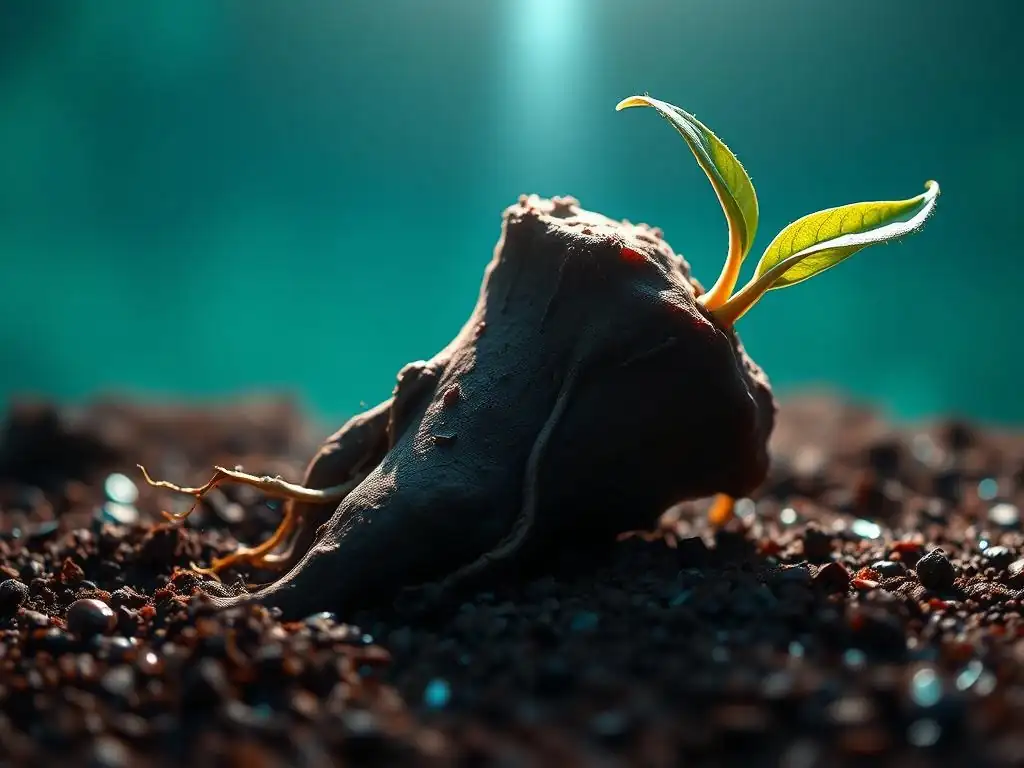
Proper preparation of your aquarium substrate is a critical first step to ensure a clear and healthy planted tank. Regardless of the type of substrate chosen, thorough washing and rinsing are essential to remove fine dust, debris, and any manufacturing residues. Failing to do so can lead to persistent cloudy water, which not only obscures visibility but can also clog filters and stress aquatic inhabitants. This step is particularly vital for new gravel and sand, which often come with significant amounts of fine particles.
To effectively wash substrate, place small batches (e.g., 5-10 pounds) into a clean bucket. Fill the bucket with tap water and vigorously agitate the substrate with your hands or a stirring tool. Carefully pour out the cloudy water, being careful not to lose the substrate. Repeat this process multiple times until the water runs mostly clear. Thorough rinsing can remove up to 90% of fine dust particles from new gravel or sand, preventing cloudy water that can persist for several days if not properly addressed, ensuring a clean start for your planted tank.
Layering Substrates: Combining Different Types for Optimal Results
Layering different types of substrate can provide a synergistic effect, combining the benefits of various materials to create the best substrate for planted tank setups. A common and highly effective layering strategy involves placing a nutrient-rich base layer beneath an inert cap. This approach allows plants to access a rich reservoir of nutrients from the bottom layer, while the inert top layer provides a clean, aesthetically pleasing surface that is easier to maintain and prevents nutrient leaching into the water column.
For example, a popular layering method involves placing a 0.5-1 inch layer of nutrient-rich soil (like organic potting soil or laterite) or specialized base fertilizers at the very bottom of the tank. This is then capped with 2-3 inches of inert material such as fine gravel or sand. This setup ensures that root-feeding plants have access to a deep nutrient supply, while the top layer keeps the water column cleaner and discourages the growth of algae on the substrate surface. This method is especially popular in "dirted" tank setups, providing a powerful and sustainable nutrient foundation.
Substrate Depth: Ensuring Proper Root Anchorage
Establishing the correct substrate depth is crucial for the long-term health and stability of your planted aquarium. A general guideline for most planted tanks is to aim for a depth of 2.5 to 4 inches (approximately 6-10 cm). This range provides ample space for the root systems of various plant species to develop and spread, ensuring strong anchorage and efficient nutrient uptake. A substrate that is too shallow may not provide sufficient support for larger plants, causing them to uproot easily, and may also lead to rapid nutrient depletion.
Conversely, an excessively deep substrate, particularly with fine-grained materials like sand, can increase the risk of compaction and the formation of anaerobic pockets, which can produce toxic gases harmful to fish and plants. For carpeting plants, a slightly shallower front (e.g., 2 inches) gradually sloping to a deeper back (e.g., 3-4 inches) can create an attractive visual effect while still accommodating root growth.
A substrate depth of 2.5 to 3 inches is generally optimal for most planted tanks, allowing adequate space for root systems of plants like Cryptocorynes to establish firmly, often reaching depths of 4-6 inches over several months.
Fertilizing Substrate: Boosting Plant Growth from the Start
For planted tanks utilizing inert substrates or those with a long-term goal of dense plant growth, initial fertilization of the substrate can provide a significant boost from the very beginning. While nutrient-rich aquasoils come pre-loaded with nutrients, inert substrates benefit greatly from the addition of slow-release fertilizers or root tabs during the setup phase. This practice ensures that plants, especially heavy root feeders, have immediate access to essential nutrients as they establish their root systems.
There are several ways to fertilize the substrate at the start. One common method is to mix a granular, slow-release fertilizer designed for aquatic plants directly into the bottom layer of inert gravel or sand before adding water. Alternatively, root tabs can be strategically placed throughout the substrate where plants will be positioned.
When setting up a new planted tank, adding a slow-release granular fertilizer to the base layer can provide essential nutrients for the first 3-6 months, supporting robust initial growth and reducing the need for immediate liquid dosing. This proactive approach sets the stage for a lush and healthy planted aquarium from day one.
Maintaining Your Planted Tank Substrate: Tips and Tricks
Vacuuming Substrate: Preventing Anaerobic Conditions
Maintaining the cleanliness of your planted tank substrate is vital for long-term health, but it requires a different approach than vacuuming a fish-only tank. The primary goal is to remove accumulated detritus, fish waste, and decaying plant matter without excessively disturbing plant roots or beneficial bacteria colonies. Over time, organic debris can build up in the substrate, leading to nutrient imbalances and, more critically, the formation of anaerobic pockets that produce harmful gases like hydrogen sulfide.
For planted tanks, light vacuuming is recommended. Instead of deep-cleaning the entire substrate, focus on open areas where detritus accumulates, avoiding dense plant groupings. Gently hover the gravel vacuum just above the substrate surface to siphon off loose debris, rather than digging into it. Light vacuuming every 1-2 weeks in areas without dense plant growth can remove accumulated fish waste and decaying plant matter, reducing the organic load by up to 30% and preventing the formation of harmful anaerobic pockets. For substrates like sand, consider using a smaller siphon or gently stirring the top layer to release trapped gases.
Replenishing Nutrients: Adding Root Tabs and Liquid Fertilizers
Even the best substrate for planted tank, especially active substrates like aquasoil, will eventually deplete its nutrient reserves over time. For inert substrates, consistent nutrient replenishment is always necessary. Monitoring plant health for signs of nutrient deficiencies (e.g., yellowing leaves, stunted growth, pinholes) is crucial for determining when and how to replenish. Root tabs are the go-to solution for supplementing substrate-bound nutrients for heavy root feeders.
Root tabs typically need to be replenished every 2-4 months, depending on the brand, plant density, and the specific nutrient demands of your plants. For example, a heavy feeder like an Amazon Sword might require a new tab every 8-10 weeks, while a less demanding plant might be fine for 16 weeks.
For plants that primarily absorb nutrients from the water column, or to supplement overall tank nutrient levels, liquid fertilizers should be dosed regularly according to the manufacturer's instructions and your plant's needs. A balanced approach combining both substrate and water column fertilization is often the most effective for a thriving planted tank.
Dealing with Algae Growth in the Substrate
Algae growth on the substrate surface can be an unsightly and persistent issue in planted aquariums. Common types include green spot algae, hair algae, and black beard algae (BBA), often appearing on the top layer of gravel or sand. While some algae are natural, excessive growth usually indicates an imbalance in light, nutrients, or CO2. For instance, too much light, especially coupled with insufficient CO2 or imbalanced nutrients, can provide ideal conditions for algae to proliferate on surfaces, including the substrate.
To combat algae on the substrate, first assess your lighting duration and intensity; reducing light to 6-8 hours daily can often help. Second, ensure that your plants are growing vigorously by providing adequate CO2 (if applicable) and a balanced nutrient regimen. Healthy plants outcompete algae for available nutrients.
Manual removal, such as gently siphoning off or scraping algae from the substrate surface, can provide immediate relief. Excess light (over 8-10 hours daily) combined with high phosphate levels (above 0.5 mg/L) can significantly promote green spot algae growth on the substrate surface, which can be mitigated by reducing light duration by 1-2 hours and ensuring proper nutrient ratios.
Substrate Lifespan: When to Replace Your Aquarium Substrate
The lifespan of aquarium substrate varies significantly depending on its type and how it's maintained. Inert substrates like gravel and sand can theoretically last indefinitely, as they do not break down or lose inherent nutrient content. However, they may accumulate detritus over many years, potentially becoming less aesthetically pleasing or harder to clean effectively. Active substrates, particularly nutrient-rich aquasoils, have a finite lifespan for their buffering capacity and nutrient release.
Most high-quality aquasoils are designed to provide optimal nutrient release and pH buffering for 18-24 months. After this period, their granular structure may start to break down, and their nutrient reserves will become significantly depleted. Signs that an active substrate is losing its efficacy include stunted plant growth, increased nutrient deficiencies, or a loss of its pH buffering capabilities.
While inert gravel can last indefinitely, nutrient-rich aquasoils typically lose their buffering capacity and primary nutrient release after 18-24 months. Replacing or supplementing with new substrate or heavy root tab fertilization becomes crucial around this time to maintain optimal plant health, ensuring the continued success of your planted tank.
Troubleshooting Common Substrate Problems in Planted Aquariums
Substrate Compaction: Signs and Solutions
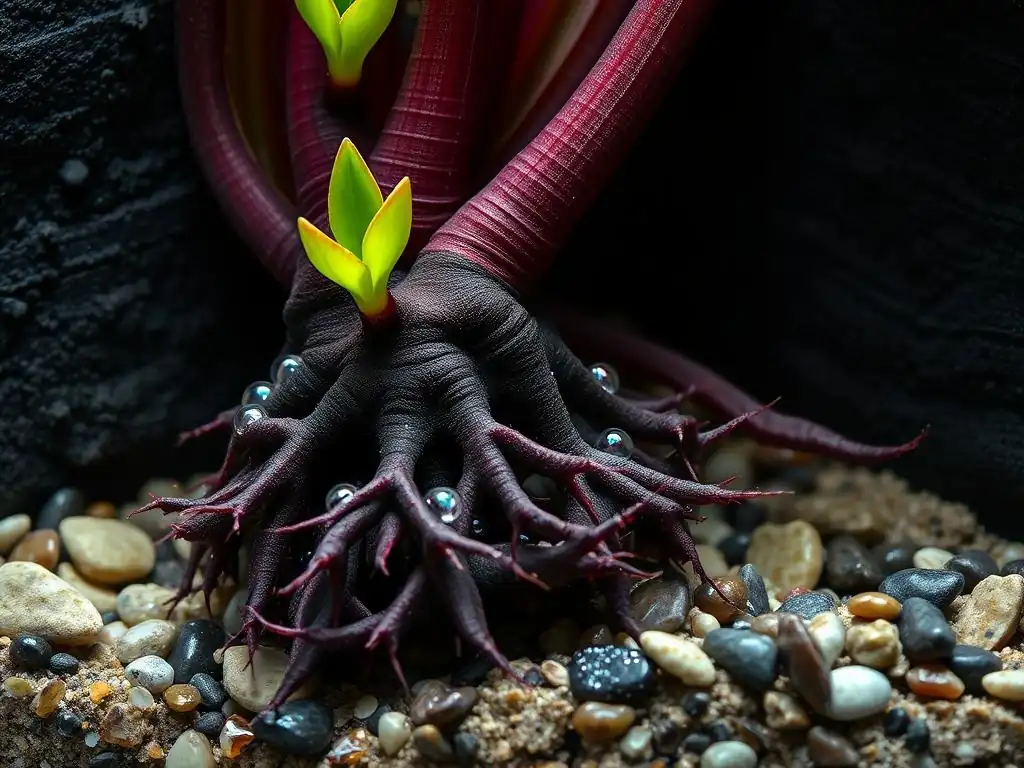
Substrate compaction is a common issue, particularly with fine-grained materials like sand, where particles pack together tightly. This reduces the interstitial space within the substrate, hindering water circulation and oxygen penetration to plant roots. Signs of compaction include difficulty planting new stems, stunted root growth, and a noticeable hardening of the substrate when probed. Severe compaction can lead to anaerobic conditions, which are detrimental to both plants and fish.
The primary cause of compaction is the fine nature of the substrate combined with a lack of disturbance. Solutions involve proactive measures during setup and ongoing maintenance. When choosing the best substrate for planted tank, consider mixing fine sand with a small percentage of coarser material like small gravel to improve porosity.
For existing tanks, gentle and periodic stirring of the top layer (avoiding deep disturbance near roots) can help. Compaction can reduce oxygen penetration in the substrate by up to 50%, leading to stunted root growth and the accumulation of harmful byproducts like hydrogen sulfide. Introducing burrowing snails, such as Malaysian Trumpet Snails, can also naturally aerate the substrate as they move through it.
Anaerobic Pockets: Identifying and Eliminating Them
Anaerobic pockets are areas within the substrate where oxygen is completely depleted, leading to the proliferation of anaerobic bacteria. These bacteria produce toxic compounds, most notably hydrogen sulfide (H2S), which smells like rotten eggs and can be lethal to aquarium inhabitants if released into the water column. Identifying anaerobic pockets often involves noticing black spots or streaks within the substrate, particularly near the bottom glass, and a foul odor when disturbed.
Causes include excessively deep substrate layers, very fine or heavily compacted substrates, and a buildup of too much organic detritus (uneaten food, decaying plant matter) within the substrate. Prevention is key: maintain a substrate depth of no more than 3-4 inches, especially with sand. Regularly and gently vacuum the surface to remove excess organic waste.
Hydrogen sulfide (H2S), a byproduct of anaerobic decomposition, can be lethal to fish at concentrations as low as 0.01 mg/L, making the prevention of anaerobic pockets critical. For existing pockets, carefully probe the affected areas with a long tool to release trapped gases slowly, or introduce Malaysian Trumpet Snails, which naturally aerate the substrate by burrowing.
Nutrient Deficiencies: Diagnosing and Treating Them
Nutrient deficiencies are a frequent challenge in planted aquariums, often manifesting as specific symptoms in plant foliage and growth patterns. Diagnosing the exact deficiency requires careful observation and understanding of plant nutrient roles. For example, yellowing of older leaves often indicates a nitrogen deficiency, while yellowing of new leaves with green veins (chlorosis) points to an iron deficiency. Stunted growth can indicate a lack of various macronutrients, and holes or melting leaves may suggest a potassium deficiency.
The cause can be a depleted substrate, insufficient water column dosing, or an imbalance where one nutrient limits the uptake of others. Treatment involves replenishing the specific missing nutrients. For substrate-bound deficiencies, inserting root tabs directly near the affected plant's roots is highly effective.
For water column deficiencies, adjusting your liquid fertilizer dosing regimen is necessary. Iron deficiency, indicated by yellowing new leaves with green veins (chlorosis), is common in planted tanks with inert substrates and can be remedied by adding iron-rich root tabs or liquid iron supplements to achieve levels around 0.1-0.2 mg/L, demonstrating a targeted approach to plant health.
pH Imbalance: Adjusting Substrate to Achieve Optimal Levels
The substrate can significantly influence the pH of your aquarium water, either by actively buffering it or by remaining inert. Active substrates, such as many types of aquasoil, are specifically designed to lower and stabilize pH to a slightly acidic range (typically 6.0-6.8), which is ideal for many demanding aquatic plants and soft-water fish. These substrates achieve this by releasing humic substances and absorbing cations that contribute to alkalinity.
Conversely, inert substrates like most gravels and sands will not significantly alter the pH of the water; the pH will primarily be determined by your tap water parameters and any additives. If your tap water pH is too high for your desired plants (e.g., above 7.5 for most stem plants), choosing an active substrate can help bring it down naturally.
Some active substrates, like ADA Aqua Soil Amazonia, are designed to lower and buffer pH to around 6.0-6.5, which is ideal for many demanding aquatic plants and soft water fish, whereas inert substrates will not significantly alter water pH. If an inert substrate is chosen, and pH adjustment is needed, it must be achieved through CO2 injection, chemical buffers, or water dilution techniques.
Case Studies: Success Stories with Different Substrate Types
Example 1: A Lush Planted Tank with Aquasoil
Consider a high-tech 50-gallon planted aquarium, measuring 36x18x18 inches, aiming for a dense, vibrant aquascape with carpeting plants and demanding stem species. The aquarist chose a premium aquasoil, specifically ADA Aqua Soil Amazonia, as the best substrate for planted tank, layering it 3 inches deep. This choice was complemented by a robust CO2 injection system maintaining 30 ppm, high-intensity LED lighting providing 60-80 PAR at the substrate level, and a comprehensive liquid fertilization regimen.
Within 6-8 weeks, the Hemianthus callitrichoides 'Cuba' (Dwarf Baby Tears) formed a lush, dense carpet across the foreground, a testament to the aquasoil's rich nutrient supply and optimal rooting conditions. Stem plants like Rotala macrandra and Ludwigia super red displayed intense coloration and vigorous growth, often requiring weekly trimming to maintain shape. The aquasoil's buffering capacity also maintained a stable pH of 6.5, ideal for the resident Cardinal Tetras and Amano Shrimp. This setup demonstrated how a high-quality aquasoil provides the fundamental support for a complex and demanding planted ecosystem, achieving rapid and robust growth.
Example 2: A Low-Tech Planted Tank with Gravel and Root Tabs
Imagine a 20-gallon long (30x12x12 inches) low-tech planted tank, set up by a beginner aquarist looking for a simple yet attractive planted environment without CO2 injection or high lighting. The choice for the best substrate for planted tank was standard natural gravel, layered 2.5 inches deep. To compensate for the gravel's inert nature, the aquarist strategically placed slow-release root tabs around heavy root feeders such as Cryptocoryne wendtii 'Red' and several Amazon Sword plants. Lighting was provided by a moderate LED fixture (20-30 PAR), and liquid fertilizers were dosed weekly.
Over six months, the Cryptocorynes slowly but steadily produced new leaves, developing into a dense midground feature, with each plant producing 1-2 new leaves per month and achieving a mature height of 6-8 inches within a year. The Amazon Swords, benefiting directly from the root tabs, developed strong root systems and grew large, healthy leaves.
While growth was slower than in a high-tech setup, the plants remained vibrant and free of nutrient deficiencies. This case highlights how an inexpensive, inert substrate can successfully support a beautiful planted tank when combined with targeted root fertilization and appropriate plant selection for a low-tech environment.
Example 3: A Stunning Planted Tank with Inert Substrate and Liquid Fertilizers
Consider a 30-gallon cube planted tank (18x18x18 inches) designed for clean aesthetics and ease of maintenance, featuring a fine, inert silica sand substrate layered 2 inches deep. This aquascape focused on plants that primarily absorb nutrients from the water column, such as various species of Rotala, Ludwigia, and Hygrophila, along with epiphytes like Anubias nana petite attached to driftwood. The aquarist opted for a comprehensive liquid fertilization regimen, dosing macro and micronutrients daily to ensure consistent availability in the water column, alongside moderate LED lighting and no CO2 injection.
Within three to four months, the stem plants grew vigorously, with Rotala 'Green' and Ludwigia repens reaching the water surface, showcasing vibrant coloration and full biomass. The Anubias thrived, demonstrating healthy new leaf growth.
This success was attributed to the meticulous daily liquid fertilization, which maintained target nutrient levels (e.g., 10-20 ppm NO3, 1-2 ppm PO4, and 10-15 ppm K), effectively providing all necessary nutrients despite the inert substrate. This case exemplifies that the best substrate for planted tank doesn't always have to be active; an inert base can be highly successful when paired with a diligent and precise water column fertilization strategy, allowing for specific aesthetic choices like fine sand.
Conclusion: Finding the Best Substrate for Planted Tank Success
Key Takeaways for Choosing the Right Substrate
Choosing the best substrate for planted tank success is a pivotal decision that lays the groundwork for a flourishing aquatic ecosystem. It's not a one-size-fits-all answer, but rather a thoughtful process that balances your aquascaping goals, the specific needs of your chosen plant species, your budget, and your commitment to ongoing maintenance. Understanding the distinct properties of various substrate types—from nutrient-rich aquasoils that actively feed plants and buffer water chemistry, to inert gravels and sands that provide physical support and rely on external fertilization—is essential.
Ultimately, selecting the best substrate for planted tank success involves a thoughtful assessment of your specific goals, plant choices, and commitment to maintenance. Whether you opt for the robust nutrient supply of aquasoil for a high-tech, demanding layout, leverage root tabs with budget-friendly inert gravel for a low-tech setup, or meticulously dose liquid fertilizers over fine sand for a clean aesthetic, the key is to ensure that your chosen substrate provides the necessary foundation for healthy root development and consistent nutrient availability, thereby fostering a vibrant and sustainable planted aquarium.
Frequently Asked Questions
How important is substrate for a planted aquarium?
Substrate is crucial as it provides physical support for plant roots and acts as a nutrient reservoir. It also influences water chemistry within the root zone, affecting plant health.
What are the different types of substrate available for planted tanks?
Common options include aquarium soil, gravel, sand, and specialized plant substrates. Each type offers different nutrient-holding capabilities and physical properties.
Can I use regular gravel or sand in a planted tank?
While possible, regular gravel and sand are typically nutrient-poor and may require supplementation with root tabs or liquid fertilizers. They primarily offer physical support.
How do I choose the best substrate for my specific plants?
Consider the nutrient requirements of your chosen plants. Some plants are heavy root feeders and require nutrient-rich substrates like aquarium soil, while others primarily absorb nutrients from the water column.
How often should I replace or replenish the substrate in my planted tank?
Aquarium soil typically needs replacement every 1-2 years as its nutrients deplete. Gravel and sand may require occasional vacuuming to remove debris, but don't need frequent replacement unless heavily soiled.
Okay, here's a final reflection designed to close your article, "The Foundation of Beauty: Choosing the Best Substrate for Aquarium Plants," targeting the keyword "Best substrate for planted tank."
Final Reflection: Cultivating Underwater Gardens
The journey to a thriving planted aquarium begins, quite literally, from the ground up. Understanding the crucial role of substrate is not just about aesthetics; it's about creating a balanced ecosystem that supports life and beauty. The choices we make in selecting the "best substrate for planted tank" resonate far beyond the initial setup, influencing the long-term health and vibrancy of our underwater gardens.
The impact of a well-chosen substrate extends beyond the tank itself. It's a microcosm of our responsibility to nurture and sustain life, reflecting our understanding of interconnectedness and the delicate balance of nature. The dedication and care we put into selecting the right substrate translates into a thriving environment, a testament to the power of informed choices. As the renowned aquascaper Takashi Amano once said: To know Mother Nature, is to love her smallest creations.
Now, consider the lessons learned in this exploration of aquarium substrates. How can you apply this understanding of foundational elements to other areas of your life? Just as the right substrate fosters growth in an aquarium, the right foundation – be it knowledge, relationships, or personal habits – can cultivate flourishing in your own world. Take the time to carefully consider the "substrate" of your life, and nurture the conditions that allow your own potential to bloom.
Cultivate Your Dreamscape: Take Root & Flourish!
Thanks for diving deep into the world of aquarium substrates! We hope you found the perfect foundation for a thriving planted tank. Ready to put that knowledge to work and watch your underwater garden bloom?
Here’s how to get started:
- Transform your aquarium: Select and implement your chosen substrate today, watching your plants thrive in their new, nutrient-rich environment.
- Share your substrate success! Post before-and-after photos of your planted tank on social media using #AquariumMastery to inspire others.
- Explore the broader world of planted aquariums: Check out our other resources on lighting, fertilization, and CO2 injection at AquariumMastery.com.
What exciting plant species are you planning to introduce now that your substrate is ready? Share your planting plans in the comments below!