
Apistogramma Panduro: The BlueCheeked Apisto's Secrets Revealed

Welcome to Aquarium Mastery!
Intrigued by the vibrant world of freshwater aquariums? Dive in and discover the Bluecheeked Apistogramma's secrets! This captivating fish, also known as the Apistogramma panduro, is a true gem for any aquarist. But what does it take to keep them thriving? Uncover essential care tips, understand their unique needs, and unlock the mysteries behind their captivating beauty. Get ready to elevate your aquarium game – the adventure begins now!
- Understanding the Bluecheeked Apistogramma (Apistogramma Panduro)
-
Bluecheeked Apistogramma Care Tips: Creating the Ideal Environment
- Setting Up the Perfect Apistogramma Panduro Tank: 20 Gallons and Sandy Substrate
- Water Parameters for Optimal Bluecheeked Apisto Health: Soft, Acidic Water
- Filtration and Water Changes for Apistogramma Panduro: Gentle Flow and Regular Maintenance
- Essential Tank Decor for Apistogramma Panduro: Plants, Caves, and Leaf Litter
- Feeding Your Bluecheeked Apistogramma: Diet and Nutrition
- Bluecheeked Apistogramma Tank Mates: Compatibility and Community
-
Bluecheeked Apistogramma Breeding: A Comprehensive Guide
- Setting Up a Breeding Tank for Apistogramma Panduro: Separate Tank with Spawning Cave
- Identifying Male and Female Bluecheeked Apistogramma: Color and Fin Differences
- Spawning Behavior and Egg Care in Apistogramma Panduro: Female Guards Eggs
- Raising Apistogramma Panduro Fry: From Hatching to Independence: Infusoria and Baby Brine Shrimp
- Common Apistogramma Panduro Health Issues and Prevention
- Maintaining Vibrant Colors in Your Bluecheeked Apistogramma
- Troubleshooting Common Apistogramma Panduro Problems
- Where to Buy Healthy Apistogramma Panduro
-
Frequently Asked Questions
- What are the basic requirements for keeping Bluecheeked Apistogramma (Apistogramma panduro)?
- What size tank is appropriate for a pair of Bluecheeked Apistogramma?
- What are some suitable tankmates for Bluecheeked Apistogramma?
- What should I feed my Bluecheeked Apistogramma?
- How can I encourage Bluecheeked Apistogramma to breed in my aquarium?
- Final Reflection: Appreciating the Bluecheeked Beauty
- Unleash Your Inner Aquarist: Start Your Panduro Adventure Today!
Understanding the Bluecheeked Apistogramma (Apistogramma Panduro)
Origins and Natural Habitat: The Blackwater Streams of Peru
The Apistogramma Panduro, commonly known as the Bluecheeked Apistogramma, originates from the slow-moving blackwater streams and tributaries of the Rio Tahuamanu basin in Bolivia and Peru, specifically within the Madre de Dios river system. These environments are characterized by an abundance of decaying leaf litter, submerged roots, and branches, which release tannins into the water, giving it a characteristic tea-stained appearance and contributing to its soft, acidic nature. The water flow in these areas is typically gentle, and the light is often subdued by dense riparian vegetation.
In their natural habitat, the water parameters are remarkably stable, with a pH often ranging from 4.5 to 6.5, and very low general hardness (GH) of typically 0-3 dGH. Temperatures generally hover between 75-82°F (24-28°C). The substrate is usually fine sand or silt mixed with plant detritus, providing ample hiding spots and foraging grounds for these fascinating dwarf cichlids. Understanding these origins is a fundamental aspect of effective Bluecheeked Apistogramma care tips.
Distinctive Features and Appearance: Sexual Dimorphism and Color Variations
The Bluecheeked Apistogramma is renowned for its striking coloration and pronounced sexual dimorphism. Males are larger, typically reaching 2.5-3 inches (6-7.5 cm) in length, and display a vibrant array of colors. Their most distinctive feature is the iridescent blue metallic sheen on their operculum (gill cover) and lower jaw, which gives them their common name. The body is often yellow to orange, with variations of red and black markings on the fins, particularly the dorsal and caudal fins, which are often elongated and pointed.
Females are noticeably smaller, growing to about 2 inches (5 cm), and are less colorful than males when not breeding. Their base coloration is usually a muted yellow or brownish-yellow. However, when ready to breed or actively guarding fry, the female's body coloration intensifies to a brilliant golden-yellow, often accompanied by strong black markings on the flanks and fins. This dramatic change in appearance is a clear indicator of their reproductive status and a fascinating aspect of their behavior.
Why Choose Apistogramma Panduro for Your Aquarium? Peaceful Nature and Stunning Colors
Apistogramma Panduro are an excellent choice for a home aquarium due to their relatively peaceful temperament, especially when compared to other cichlid species. Their small size makes them suitable for smaller community tanks, typically 20 gallons (approximately 75 liters) or larger, where they can coexist harmoniously with appropriate tank mates. Their captivating colors, particularly the male's vibrant blue cheeks and the female's brilliant breeding dress, add a dynamic visual appeal to any setup.
Beyond their aesthetic appeal, their engaging behaviors make them a rewarding species to observe. They exhibit intricate social interactions, especially when a pair forms, and their parental care during breeding is a highlight for many aquarists. They are also less destructive to live plants compared to many other cichlids, making them ideal inhabitants for planted aquariums. These attributes make them a top choice for those seeking fascinating dwarf cichlid Bluecheeked Apistogramma care tips.
Bluecheeked Apistogramma Care Tips: Creating the Ideal Environment
Setting Up the Perfect Apistogramma Panduro Tank: 20 Gallons and Sandy Substrate
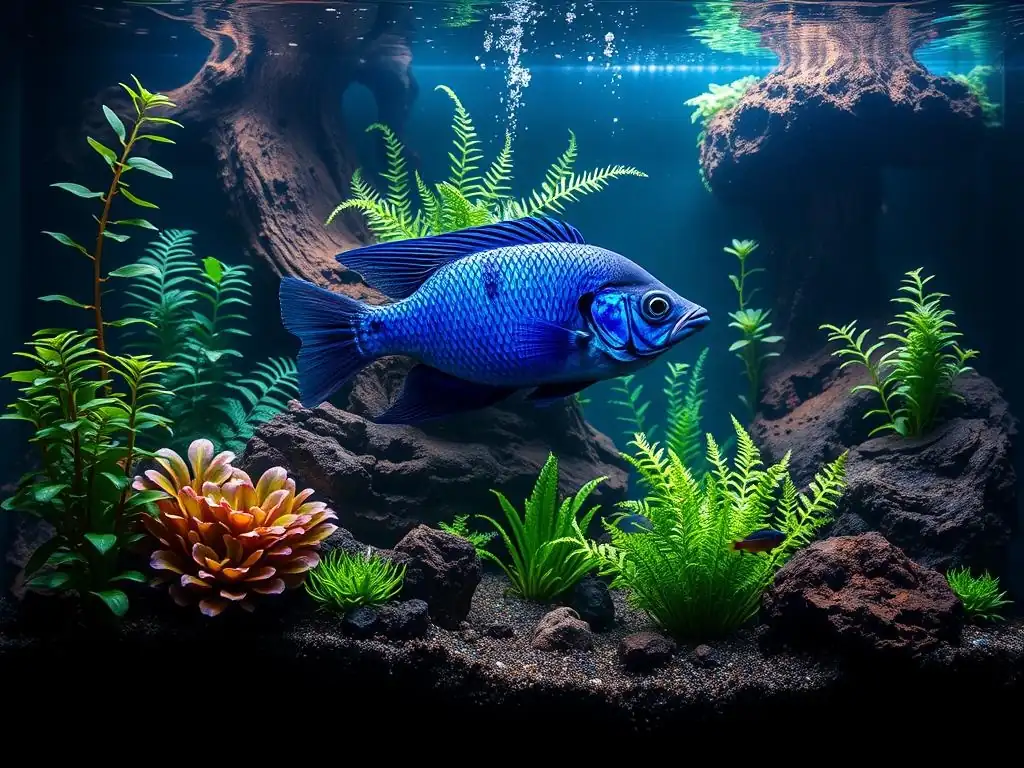
For a single pair of Apistogramma Panduro, a minimum tank size of 20 gallons (approximately 75 liters) is recommended. This size provides sufficient space for territorial establishment and reduces potential aggression, particularly between males or during breeding. The tank should be mature and fully cycled before introducing these sensitive fish. A fine sandy substrate is crucial, as Bluecheeked Apistogramma are bottom-dwellers that enjoy sifting through the sand in search of food particles, mimicking their natural foraging behavior.
Beyond the substrate, the tank setup should prioritize ample hiding places and visual barriers. This can be achieved through dense planting, strategically placed driftwood, and various caves. These elements contribute to the fish's sense of security, reducing stress and encouraging natural behaviors. Proper Bluecheeked Apistogramma care tips always emphasize replicating their natural environment to ensure their well-being.
Water Parameters for Optimal Bluecheeked Apisto Health: Soft, Acidic Water
Maintaining precise and stable water parameters is paramount for the health and vibrant coloration of your Bluecheeked Apistogramma. They thrive in soft, acidic water conditions, with an ideal pH range of 5.0-6.5. The general hardness (GH) should be very low, ideally between 0-5 dGH, and carbonate hardness (KH) should be minimal, 0-3 dKH. The optimal temperature range for these fish is 75-82°F (24-28°C), with consistency being more important than hitting exact numbers.
To achieve these specific parameters, many aquarists use reverse osmosis (RO) water or distilled water, which is then remineralized to the desired levels. The addition of natural tannins from Indian almond leaves (catappa leaves), alder cones, or driftwood can help lower the pH naturally and provide beneficial humic substances, replicating their blackwater habitat. Regular testing of these parameters is a critical part of Bluecheeked Apistogramma care tips.
Filtration and Water Changes for Apistogramma Panduro: Gentle Flow and Regular Maintenance
Given their natural habitat in slow-moving waters, Apistogramma Panduro require gentle filtration in the aquarium. Sponge filters are an excellent choice, providing effective biological filtration with minimal water disturbance. Hang-on-back (HOB) filters can also be used, provided their outflow is baffled or directed to create a gentle current. Strong water currents can stress these fish, leading to clamped fins and lethargy.
Regular water changes are essential for maintaining pristine water quality and stable parameters. It is recommended to perform weekly water changes of 20-30% of the tank volume. This helps to keep nitrate levels low and replenishes essential trace elements. Always use a dechlorinator and ensure the new water matches the tank's temperature to avoid shocking the fish. Consistent water maintenance is a cornerstone of effective Bluecheeked Apistogramma care tips.
Essential Tank Decor for Apistogramma Panduro: Plants, Caves, and Leaf Litter
Appropriate tank decor is vital for the well-being and natural behavior of Apistogramma Panduro. Heavily planted aquariums are highly beneficial, offering ample cover and breaking up lines of sight. Cryptocoryne species, Java Fern, Anubias, and various stem plants are excellent choices. Floating plants can also be used to diffuse light, creating a more subdued environment that mimics their shaded natural habitat.
Beyond plants, a variety of hiding places are indispensable. Ceramic caves, half coconut shells, small clay pots, and intricate driftwood pieces provide essential shelters, especially for females or subordinate males. The inclusion of Indian almond leaves on the substrate not only contributes to the blackwater aesthetic but also releases beneficial tannins and provides natural foraging grounds for the fish. These elements are key Bluecheeked Apistogramma care tips for a thriving environment.
Feeding Your Bluecheeked Apistogramma: Diet and Nutrition
What Do Apistogramma Panduro Eat in the Wild? Invertebrates and Small Insects
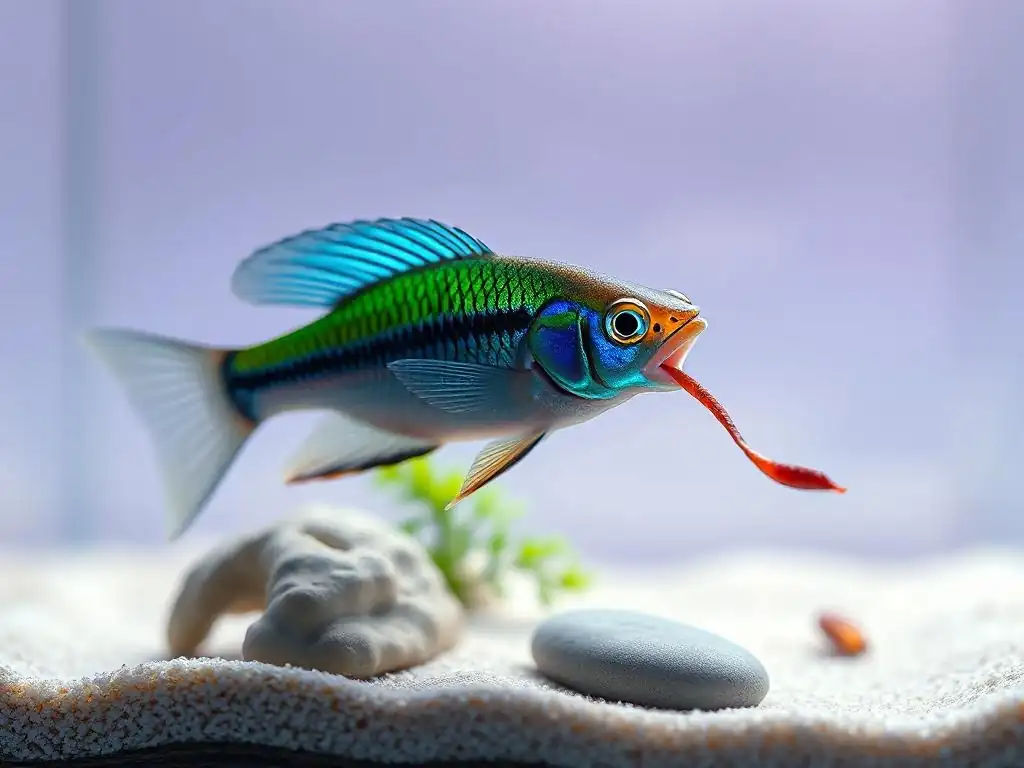
In their natural blackwater streams, Apistogramma Panduro are micro-predators, primarily feeding on a diverse range of small aquatic invertebrates. Their diet consists of insect larvae, tiny crustaceans such as copepods and daphnia, and other minute organisms found among the leaf litter and detritus. They are opportunistic feeders, constantly sifting through the substrate and picking small food items from the water column.
This natural diet is rich in proteins and essential fats, which are crucial for their growth, health, and the development of their vibrant coloration. Their foraging behavior involves meticulous exploration of their environment, using their small, upturned mouths to sift through fine sand and pick off small prey items. Replicating this diverse, protein-rich diet is a vital Bluecheeked Apistogramma care tip for captive specimens.
Recommended Diet for Captive Bluecheeked Apistogramma: High-Quality Flakes and Frozen Foods
For captive Apistogramma Panduro, a varied and high-quality diet is essential to mimic their natural feeding habits and ensure optimal health. A base diet can consist of high-quality flake foods or small pellets specifically formulated for dwarf cichlids or small carnivorous fish. Look for brands with a high protein content and natural color enhancers.
Supplementing their diet with frozen foods is highly recommended and crucial for their well-being. Excellent choices include frozen bloodworms, brine shrimp, Mysis shrimp, and daphnia. Live foods, such as blackworms, grindal worms, or even newly hatched brine shrimp, can be offered periodically to stimulate natural hunting instincts and provide superior nutrition, especially when conditioning them for breeding. This varied diet is a core Bluecheeked Apistogramma care tip.
Feeding Schedule and Portion Control for Apistogramma Panduro: Small Meals Twice Daily
To best replicate their natural foraging behavior and prevent overfeeding, it is advisable to feed Apistogramma Panduro small amounts of food two to three times a day. This approach ensures they receive consistent nutrition without overwhelming their digestive system or contributing to excess waste in the tank. Each feeding session should be brief, allowing them to consume all offered food quickly.
Portion control is critical to maintaining water quality. Only feed what your Bluecheeked Apistogramma can consume within 2-3 minutes. Any uneaten food should be promptly removed from the tank to prevent its decomposition, which can lead to spikes in ammonia and nitrite levels. Overfeeding is a common cause of water quality problems, making proper feeding schedules a key Bluecheeked Apistogramma care tip.
Bluecheeked Apistogramma Tank Mates: Compatibility and Community
Ideal Tank Mates for Apistogramma Panduro: Tetras and Rasboras
Apistogramma Panduro are generally peaceful dwarf cichlids, making them suitable for well-planned community tanks. Ideal tank mates are small, peaceful, and non-aggressive schooling fish that primarily occupy the mid to upper levels of the water column. This avoids direct competition for territory and food with the bottom-dwelling Apistos.
Excellent choices for tank mates include various species of peaceful tetras such as Cardinal Tetras, Neon Tetras, Ember Tetras, and Rummy-nose Tetras. Similarly, small rasboras like Harlequin Rasboras or Lambchop Rasboras are also highly compatible. Small, peaceful catfish, such as Corydoras species (e.g., Corydoras panda or Corydoras pygmaeus), can also be kept, provided the tank is sufficiently large to accommodate multiple bottom-dwelling species without overcrowding. These choices are vital Bluecheeked Apistogramma care tips for a harmonious community.
Fish to Avoid Keeping with Bluecheeked Apistos: Aggressive or Large Species
When selecting tank mates for your Bluecheeked Apistogramma, it is crucial to avoid any fish that are aggressive, overly boisterous, or significantly larger than the Apistos. Larger cichlids, such as Oscars, Jack Dempseys, or even larger South American cichlids, will view Apistogramma Panduro as prey or territorial threats, leading to stress, injury, or even death.
Similarly, avoid notoriously fin-nipping species or overly active barbs (with the exception of some very peaceful ones like Cherry Barbs), as they can stress the Apistos and damage their delicate fins. Other competitive bottom-dwelling dwarf cichlids or very territorial species should also be avoided in smaller tanks, as they will directly compete for prime hiding spots and breeding territories, leading to constant conflict.
Creating a Harmonious Community Tank with Apistogramma Panduro: Providing Ample Space and Hiding Places
To ensure a harmonious community tank with Bluecheeked Apistogramma, providing ample space and numerous hiding places is paramount. While a 20-gallon tank is suitable for a pair, a 30-gallon (113 liters) or larger tank offers more flexibility for a community setup, allowing each species to establish its own territory without constant conflict.
The tank should be heavily aquascaped with live plants, driftwood, and rock formations to create numerous visual barriers and break up lines of sight. This helps to diffuse potential aggression between the Apistos themselves, especially if keeping multiple females with a male, or between the Apistos and other bottom-dwelling tank mates. A well-structured environment is one of the most important Bluecheeked Apistogramma care tips for a thriving community.
Bluecheeked Apistogramma Breeding: A Comprehensive Guide
Setting Up a Breeding Tank for Apistogramma Panduro: Separate Tank with Spawning Cave
For successful breeding of Apistogramma Panduro, a dedicated breeding tank is highly recommended. A 10-20 gallon (38-75 liter) tank is an ideal size for a single breeding pair. The setup should be minimalistic yet provide essential spawning sites. This includes small ceramic caves, half coconut shells, or small clay pots with a single opening, which the female will use as her preferred spawning location.
The water parameters in the breeding tank should be optimized for spawning: very soft, acidic water (pH 5.0-6.0, GH 0-3 dGH) and a slightly elevated temperature of 78-82°F (25.5-28°C). Gentle filtration, such as a sponge filter, is crucial to maintain water quality without disturbing the eggs or fry. This specialized setup significantly increases the chances of successful Bluecheeked Apistogramma breeding.
Identifying Male and Female Bluecheeked Apistogramma: Color and Fin Differences
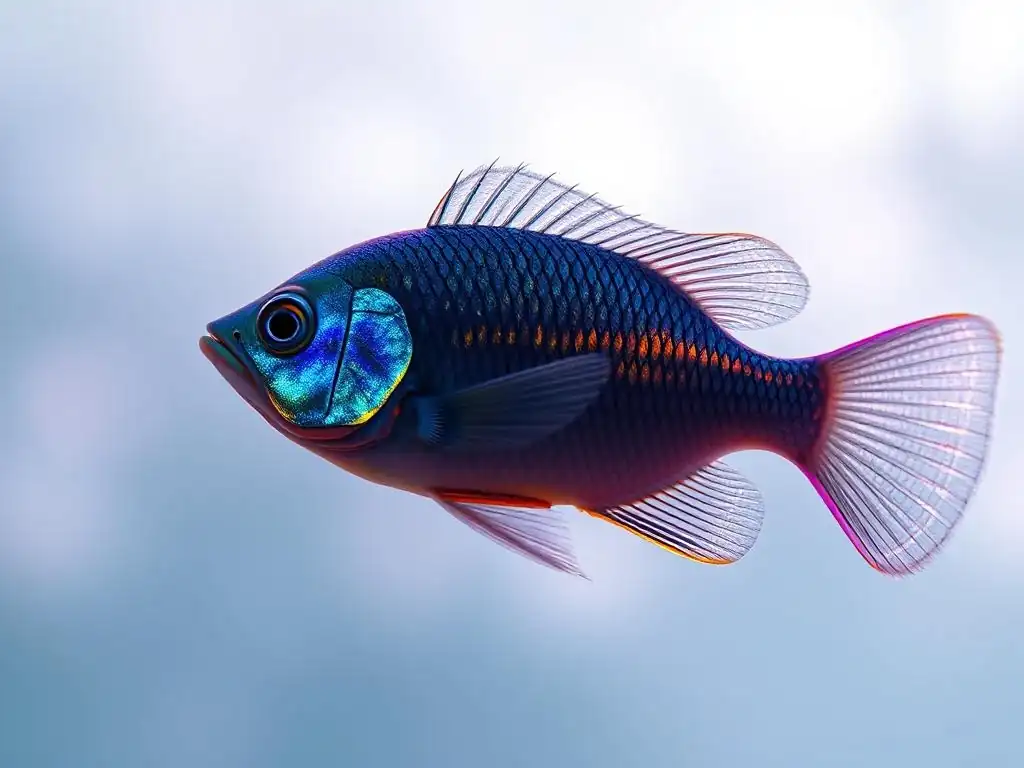
Identifying the sex of Apistogramma Panduro is relatively straightforward due to their distinct sexual dimorphism. Males are generally larger, more robust, and exhibit more intense and vibrant coloration, particularly the prominent blue on their cheeks and operculum. Their dorsal and anal fins are typically more elongated and pointed, sometimes extending with filamentous rays.
Females are smaller and, outside of breeding periods, possess a more subdued, yellowish-brown coloration. However, when ready to spawn or actively guarding fry, their body color transforms into a striking, vivid yellow, often accompanied by distinct black markings on their flanks and fins. Their fins are also typically more rounded compared to the males. These visible differences are key for Bluecheeked Apistogramma breeding success.
Spawning Behavior and Egg Care in Apistogramma Panduro: Female Guards Eggs
Once a pair of Bluecheeked Apistogramma is conditioned and the breeding tank parameters are optimal, courtship will begin. The male will display to the female, flaring his fins and showcasing his vibrant colors. If receptive, the female will lead him to her chosen spawning site, typically a secluded cave. Spawning usually occurs inside the cave, with the female depositing between 50 to 150 adhesive eggs (though 80-100 is a common average) on the ceiling or walls.
After spawning, the female takes primary responsibility for guarding and fanning the eggs. She diligently protects them from perceived threats and ensures proper oxygenation by fanning them with her fins. The eggs typically hatch in approximately 3-4 days at a temperature of 80°F (26.7°C). The male often guards the perimeter of the territory, but the female remains the principal caregiver for the eggs and newly hatched fry, a testament to their strong parental instincts.
Raising Apistogramma Panduro Fry: From Hatching to Independence: Infusoria and Baby Brine Shrimp
After hatching, the Apistogramma Panduro fry remain in their sac-fry stage for another 4-5 days, absorbing nutrients from their yolk sac. During this period, the female continues to diligently guard them within the spawning cave. Once they become free-swimming, which is typically indicated by them leaving the cave, they require extremely small first foods. Infusoria, liquid fry food, or finely powdered spirulina are excellent initial options.
Within a few days of becoming free-swimming, the fry can transition to newly hatched baby brine shrimp (Artemia nauplii), which are highly nutritious and stimulate rapid growth. Feed the fry small amounts multiple times throughout the day. As they grow, which can take 2-3 months to reach juvenile size, they can be gradually introduced to finely crushed flake foods and micro-pellets. Providing varied, high-quality food is a crucial Bluecheeked Apistogramma care tip for fry development.
Common Apistogramma Panduro Health Issues and Prevention
Recognizing Signs of Illness in Bluecheeked Apistogramma: Loss of Appetite and Faded Colors
Recognizing the early signs of illness in your Bluecheeked Apistogramma is crucial for prompt intervention and successful treatment. Common indicators of poor health include a noticeable loss of appetite, where the fish refuses to eat or shows little interest in food. Another key sign is a significant fading or dulling of their typically vibrant colors, which often suggests stress or an underlying health issue.
Beyond appetite and color changes, observe for behavioral shifts such as lethargy, listlessness, or unusual hiding. Physical symptoms might include clamped fins (held close to the body), rapid gilling, scratching against decor, or visible lesions, white spots (Ich), or fuzzy growths (fungus) on their body or fins. Any deviation from their normal active and curious behavior should prompt immediate investigation of water parameters and general tank conditions, a vital aspect of Bluecheeked Apistogramma care.
Common Diseases Affecting Apistogramma Panduro and Treatments: Ich and Parasitic Infections
Like many freshwater fish, Apistogramma Panduro can be susceptible to common aquarium diseases, particularly when stressed or kept in suboptimal conditions. Ich, or White Spot Disease, is one of the most prevalent, characterized by small white spots resembling salt grains on the fish's body and fins. It's often triggered by sudden temperature fluctuations or poor water quality. Treatment typically involves slowly raising the tank temperature (if safe for tank mates) and using an appropriate Ich medication, following product instructions carefully.
Other issues can include bacterial infections, which may manifest as fin rot, ulcers, or dropsy, usually stemming from poor water quality. Internal parasitic infections can lead to emaciation despite regular feeding. While treatments exist, prevention through meticulous water quality management, a balanced diet, and quarantine of new fish is always the best approach, as dwarf cichlids can be sensitive to certain medications.
Preventing Health Problems in Your Bluecheeked Apistogramma: Maintaining Water Quality and Quarantine
Preventing health problems is far more effective than treating them, and the cornerstone of good Bluecheeked Apistogramma care is maintaining pristine and stable water quality. Regular, consistent water changes (e.g., 20-30% weekly) are essential for keeping nitrate levels low and preventing the buildup of toxins. Ensure your filtration system is adequate and provides gentle flow, and regularly test water parameters (pH, GH, KH, ammonia, nitrite, nitrate) to catch issues early.
Another critical preventative measure is quarantining all new fish for at least 2-4 weeks in a separate tank before introducing them to your main display aquarium. This practice prevents the introduction of diseases, parasites, and unwanted pests. Providing a varied, nutritious diet and ensuring a stress-free environment with ample hiding places also significantly boost their immune system and overall resilience to illness.
Maintaining Vibrant Colors in Your Bluecheeked Apistogramma
Factors Influencing Apistogramma Panduro Coloration: Diet and Water Chemistry
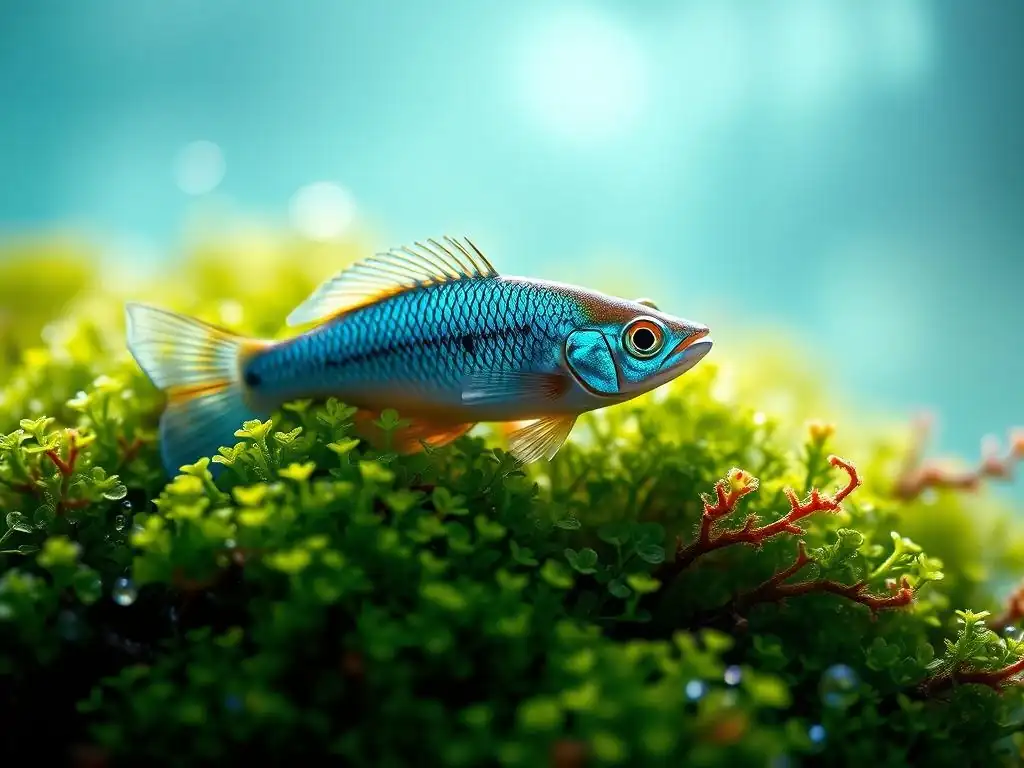
The stunning and vibrant coloration of your Bluecheeked Apistogramma is a direct reflection of several key factors, primarily diet and water chemistry. A diet rich in specific pigments, such as carotenoids, is essential for the development and intensity of their reds, oranges, and yellows. Without these dietary components, their colors will appear dull and muted.
Equally important is the maintenance of optimal water parameters. Soft, acidic water that closely mimics their natural blackwater habitat (pH 5.0-6.5, GH 0-5 dGH) is not just crucial for their overall health but also for allowing their true, brilliant colors to emerge. Stress caused by unsuitable or fluctuating water parameters will invariably lead to faded coloration, regardless of diet. These are fundamental Bluecheeked Apistogramma care tips for aesthetic appeal.
Tips for Enhancing Bluecheeked Apisto Colors: Providing a Varied Diet and Proper Lighting
To enhance the already beautiful colors of your Bluecheeked Apistogramma, focus on providing a varied and pigment-rich diet. Incorporate foods known to contain natural color enhancers, such as frozen bloodworms, Mysis shrimp, and brine shrimp, which are packed with carotenoids. High-quality flake or pellet foods formulated with spirulina or astaxanthin can also significantly boost their red and orange hues.
While not as critical as diet and water parameters, proper lighting can also play a role. Moderate, diffused lighting that simulates their shaded natural environment can make their colors pop more effectively than harsh, bright illumination. A dark substrate also helps to bring out their natural vibrancy by providing a contrasting background and making them feel more secure, encouraging them to display their best colors.
The Role of Diet and Environment in Color Development: Carotenoids and Tannins
Carotenoids are organic pigments found in various foods, and they are directly responsible for the red, orange, and yellow coloration in many fish, including Apistogramma Panduro. By ensuring their diet is consistently supplied with these pigments through foods like bloodworms, krill, and specific color-enhancing flakes, you directly contribute to the vividness of their hues.
Furthermore, the environmental conditions, particularly the presence of tannins, play a significant role. Tannins, released from driftwood and Indian almond leaves, create the characteristic blackwater conditions that Apistogramma Panduro thrive in. This tannic environment not only reduces stress but is also believed to enhance the iridescence and depth of their blues and purples, creating a more natural and visually stunning display. This holistic approach is a comprehensive Bluecheeked Apistogramma care tip for color.
Troubleshooting Common Apistogramma Panduro Problems
Dealing with Aggression in Bluecheeked Apistogramma: Provide More Space and Hiding Places
While Apistogramma Panduro are generally peaceful, aggression can occasionally occur, particularly between males or when a pair is breeding. Insufficient tank space, a lack of visual barriers, or keeping multiple males in a tank that is too small are common triggers. Symptoms include chasing, fin nipping, or one fish constantly hiding.
To mitigate aggression, consider increasing the tank size if possible. For a single male with multiple females, a 30-40 gallon (113-150 liters) tank with abundant hiding spots is ideal. Add more live plants, driftwood, and caves to create numerous territories and break up lines of sight. If aggression persists, especially between males, it may be necessary to separate them or keep only one male per tank. These are essential Bluecheeked Apistogramma care tips for peaceful cohabitation.
Solving Water Quality Issues Affecting Apistogramma Panduro: Regular Water Changes and Filtration
Water quality issues are among the most common problems affecting Apistogramma Panduro and can manifest as lethargy, clamped fins, faded colors, and susceptibility to disease. High levels of ammonia, nitrite, or nitrate, or unstable pH, are primary culprits. Symptoms often include gasping at the surface, rapid breathing, or refusal to eat.
Immediate action involves performing a significant water change (25-50%) using dechlorinated, temperature-matched water. Test your water parameters to identify the specific issue. Moving forward, ensure you perform regular, consistent water changes (e.g., 20-30% weekly) and verify that your filtration system is adequate and properly maintained. Avoid overfeeding, which contributes significantly to water pollution. Maintaining pristine water is the most fundamental Bluecheeked Apistogramma care tip.
Addressing Failure to Thrive: Identifying Underlying Health Issues
When an Apistogramma Panduro appears to be "failing to thrive" – exhibiting chronic emaciation despite regular feeding, persistent listlessness, or a general lack of vigor – it indicates a deeper underlying problem. This can be particularly frustrating for aquarists as the cause isn't always immediately apparent.
Potential causes include internal parasitic infections, chronic stress from an unsuitable environment or aggressive tank mates, or even genetic predispositions. Review your fish's diet for nutritional completeness. Observe for any signs of bullying from other tank inhabitants. If internal parasites are suspected, a broad-spectrum anti-parasitic treatment in a quarantine tank might be considered, but always consult with a knowledgeable aquarist or fish health guide beforehand. Ensuring optimal, stable water parameters and a stress-free, well-decorated environment is paramount for recovery and overall Bluecheeked Apistogramma care.
Where to Buy Healthy Apistogramma Panduro
Choosing a Reputable Source for Your Bluecheeked Apistos: Local Fish Stores and Online Breeders
The health and longevity of your Bluecheeked Apistogramma largely depend on the quality of the fish you acquire and the reputation of their source. Reputable local fish stores are often a good starting point. They typically have knowledgeable staff who can provide information on the fish's origin, current water parameters, and specific Bluecheeked Apistogramma care tips. A good store will have clean tanks and healthy-looking fish.
Online breeders or specialized retailers can also be excellent sources, especially for specific color morphs or wild-caught specimens. When buying online, research their reviews extensively, focusing on feedback regarding fish health, ethical breeding practices, and proper shipping methods. Dedicated Apistogramma breeders often provide higher quality, well-conditioned fish that are less prone to stress and disease upon arrival.
Selecting Healthy Apistogramma Panduro Specimens: Active Fish with Bright Colors
When selecting your Bluecheeked Apistogramma, a thorough visual inspection is crucial. Look for active, alert individuals that are swimming freely and confidently, not hiding excessively or appearing lethargic. Their fins should be fully extended and intact, without any signs of clamping, tears, or fraying.
Observe their coloration: healthy Bluecheeked Apistogramma will display vibrant, clear, and true-to-species colors, especially the males' distinctive blue cheeks. Their body should appear full and well-rounded, not emaciated or bloated. Avoid any fish showing visible signs of disease, such as white spots, fuzzy growths, unusual growths, or labored breathing. A healthy specimen is the first step in successful Bluecheeked Apistogramma care.
Acclimating Your New Apistogramma Panduro to Your Tank: Drip Acclimation Method
Proper acclimation is a critical step that minimizes stress and shock to your new Bluecheeked Apistogramma, significantly improving their chances of survival and thriving in their new environment. The drip acclimation method is highly recommended for sensitive species like Apistogramma due to its gradual and gentle approach.
To perform drip acclimation, place the fish, still in its transport bag, into a clean bucket. Use airline tubing to siphon water from your main aquarium into the bucket, creating a slow drip (e.g., 1-2 drips per second). Allow the water to slowly mix over 1-2 hours until the volume of water in the bucket has quadrupled. Then, gently net the fish and transfer it to your tank, discarding the water from the bucket. This gradual introduction to your tank's water parameters is a fundamental Bluecheeked Apistogramma care tip for new arrivals.
Frequently Asked Questions
What are the basic requirements for keeping Bluecheeked Apistogramma (Apistogramma panduro)?
Bluecheeked Apistogramma require a well-planted aquarium with plenty of hiding places. Maintain a stable water chemistry with a slightly acidic pH and soft water. They also need a varied diet.
What size tank is appropriate for a pair of Bluecheeked Apistogramma?
A minimum of 20 gallons is recommended for a pair. Larger tanks are always preferable, offering more territory and stability. This reduces stress and allows for better water quality.
What are some suitable tankmates for Bluecheeked Apistogramma?
Good tankmates include small, peaceful fish that won't compete for food or territory. Consider species like small tetras, rasboras, or Corydoras catfish. Avoid aggressive or fin-nipping fish.
What should I feed my Bluecheeked Apistogramma?
Offer a varied diet of high-quality flake food, frozen foods (like brine shrimp and bloodworms), and live foods. Supplement with vegetable matter occasionally. Ensure the food is small enough for them to eat.
How can I encourage Bluecheeked Apistogramma to breed in my aquarium?
Provide soft, slightly acidic water and a temperature around 78-82°F (25-28°C). Offer plenty of hiding places, such as caves or upturned flowerpots. Ensure excellent water quality and a varied diet to stimulate spawning.
Okay, here's a final reflection designed to close your article, "Apistogramma Panduro: The BlueCheeked Apisto's Secrets Revealed," while keeping your keyword focus and desired tone in mind:
Final Reflection: Appreciating the Bluecheeked Beauty
The journey into understanding the Apistogramma panduro extends beyond mere aquarium keeping; it's a testament to the delicate balance within our ecosystems. The enduring popularity of the Bluecheeked Apisto highlights a growing appreciation for the intricate beauty and unique challenges of caring for these captivating creatures. This article, we hope, has provided a solid foundation for successfully nurturing these gems.
The allure of the Apistogramma panduro lies not only in its vibrant colors but also in the responsibility it inspires within us to create thriving aquatic environments. Their well-being is a direct reflection of our dedication and understanding. In the end, we will conserve only what we love; we will love only what we understand; and we will understand only what we are taught.
- Baba Dioum. This quote resonates deeply, reminding us that education and informed care are paramount to preserving these species for generations to come.
Now, armed with these insights and Bluecheeked Apistogramma care tips, we encourage you to reflect on your own role in the aquatic world. Consider how your choices, from tank setup to feeding habits, impact these delicate lives. Embrace the challenge, celebrate the successes, and continue to learn. Your dedication will not only enrich your own aquarium but also contribute to a greater understanding and appreciation for the captivating Apistogramma panduro.
Unleash Your Inner Aquarist: Start Your Panduro Adventure Today!
Thank you for diving into the world of Apistogramma panduro! We hope you've found the secrets to keeping these stunning fish thriving in your aquarium. Now, it's time to put that knowledge into action.
Here are a few ways to continue your aquascaping journey:
- Begin planning your ideal Panduro habitat: Research suitable tankmates and create a detailed planting plan to mimic their natural environment.
- Share this article with fellow aquarists to spread the joy of keeping Apistogramma panduro and learn from their experiences.
- Challenge yourself to aquascape a small, dedicated Panduro tank, focusing on creating a biotope-correct environment.
What unique piece of decor will you add to your Panduro's tank to make it feel truly at home?