
Rare Barb Morphs and Varieties: Beyond the Standard Tiger, Cherry, and Denison

Welcome to Aquarium Mastery!
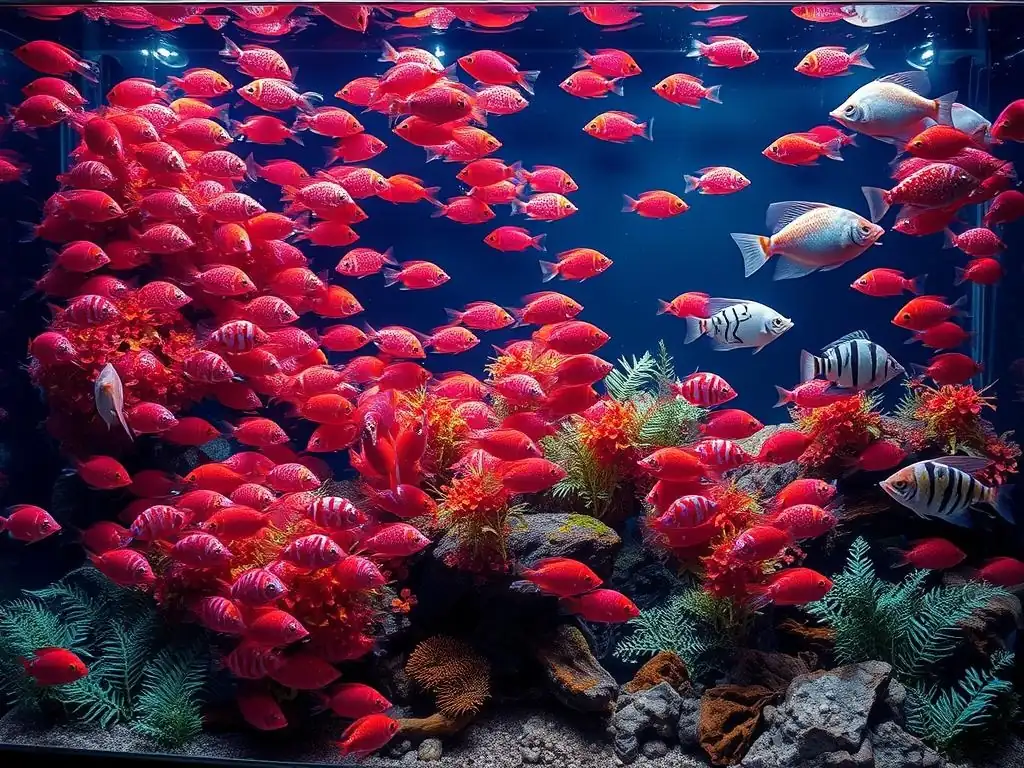
Ever wondered what secrets lie beyond the familiar stripes of the Tiger Barb, or the vibrant red of the Cherry Barb? Dive deep into the fascinating world of freshwater fish as we uncover the captivating beauty of rare barb morph variations. Prepare to be amazed by the unexpected colors, patterns, and characteristics that these unique fish possess. Ready to explore beyond the standard?
- Exploring Uncommon Barb Fish Morphs: An Aquarium Mastery Guide
- Rare Tiger Barb Variations: Unveiling the Unusual
- Cherry Barb Color Morphs and Rarities
- Denison Barb (Roseline Shark) Uncommon Traits and Forms
- Discovering Lesser-Known Barb Species and Unique Morphs
- Care Considerations for Rare Barb Morphs and Species
- Where to Find Rare Barb Fish Morphs
- Successfully Keeping and Breeding Rare Barb Variations
- Conclusion: Expanding Your Aquarium with Rare Barb Fish
- Frequently Asked Questions
- Final Reflection: Unveiling the Aquatic Gems
- Unleash Your Inner Aquarist: Dive Deeper into Barb Diversity!
Exploring Uncommon Barb Fish Morphs: An Aquarium Mastery Guide
Why Explore Beyond Common Barb Species?
While the vibrant Tiger Barb, the peaceful Cherry Barb, and the striking Denison Barb are staples in many freshwater aquariums, the world of barbs extends far beyond these familiar faces. Many aquarists, having mastered the care of common species, seek new challenges and unique aesthetic additions to their tanks. Exploring rare barb morph variations introduces a fascinating array of colors, fin shapes, and behaviors, allowing for truly distinctive aquatic displays. This journey also deepens an aquarist's understanding of fish biology and diverse care requirements.
Venturing into less common barb species and their unique morphs provides an opportunity to observe distinct ecological niches and social dynamics. For instance, while a standard Tiger Barb typically reaches 2-3 inches, some lesser-known species can grow significantly larger, influencing tank size and community planning. This exploration offers a chance to engage with the hobby on a more profound level, moving beyond general care to specialized knowledge.
The Appeal of Unique Barb Morphs for Aquarists
The primary appeal of unique barb morphs lies in their visual distinctiveness. Imagine an aquarium not just with standard red or green barbs, but with shimmering gold variants, elegant long-finned specimens, or even captivating albino forms that stand out dramatically against lush green plants. These rare barb morph variations allow aquarists to craft highly personalized and visually arresting aquascapes that become true focal points.
Beyond aesthetics, the pursuit of unique barb morphs offers a sense of accomplishment and rarity. Successfully sourcing, caring for, and potentially breeding these less common varieties can be a rewarding challenge. It signifies a deeper commitment to the hobby and often leads to connecting with a niche community of enthusiasts who share a passion for these exceptional aquatic gems.
Rare Tiger Barb Variations: Unveiling the Unusual
Albino Tiger Barbs: A Pale and Striking Variant
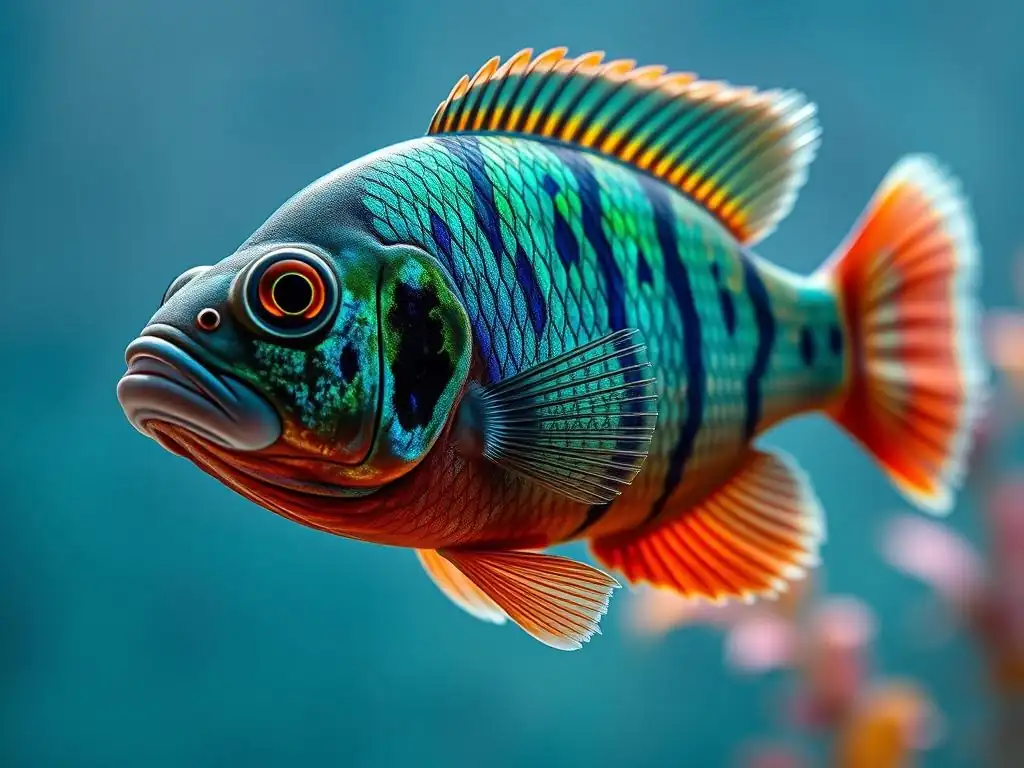
Albino Tiger Barbs are a captivating genetic mutation of the standard Tiger Barb, Puntigrus tetrazona. Characterized by a lack of melanin, they possess a pale, often yellowish-white body with faint, ghost-like stripes that are barely visible. Their most striking feature is their bright red eyes, a hallmark of true albinism. This lack of dark pigmentation makes them stand out dramatically against the darker substrate or green foliage of a well-planted aquarium.
While their appearance is distinct, the care requirements for Albino Tiger Barbs remain largely identical to their standard counterparts. They thrive in schools of six or more, reaching a size of approximately 2-3 inches. It's crucial to provide them with ample swimming space and a varied diet. Due to their light sensitivity, slightly dimmer lighting or plenty of shaded areas within the tank can be beneficial for their comfort and overall well-being.
Green Tiger Barbs: Emerald Hues in Your Aquarium
Green Tiger Barbs, often referred to as Moss Green or Platinum Green Tiger Barbs, are a selectively bred color morph rather than a distinct species. They exhibit a rich, deep emerald green coloration across their bodies, often with subtle darker green or black vertical stripes. This unique hue is achieved through generations of careful breeding, intensifying the natural green pigments present in some standard Tiger Barbs.
Like other Tiger Barb variations, Green Tiger Barbs are active, schooling fish that can reach about 2.5-3 inches in length. They maintain the characteristic lively and sometimes nippy temperament if not kept in sufficiently large groups (at least 6-8 individuals). Their vibrant green color provides a beautiful contrast to red-leafed plants or other brightly colored fish, making them a popular choice among aquarists looking to add a different shade to their freshwater setup.
Longfin Tiger Barbs: Elegant Flowing Fins
Longfin Tiger Barbs are a selectively bred variant of the standard Tiger Barb, distinguished by their noticeably elongated and flowing fins, particularly the dorsal, anal, and caudal fins. These extended fins give the fish a more graceful and elegant appearance compared to the short, stubby fins of the common Tiger Barb. The increased surface area of their fins can make them slightly slower swimmers, adding a unique dynamic to their active movements.
While visually appealing, the long fins can sometimes be a target for fin-nipping from other aggressive tank mates, including other Tiger Barbs if the school is too small or stressed. It is essential to keep them in a well-established school of at least 6-8 individuals to help diffuse aggression and ensure their fins remain intact. They share the same omnivorous diet and water parameter preferences as other Tiger Barb morphs, typically growing to about 2.5-3 inches.
GloFish Tiger Barbs: Genetically Modified Colors
GloFish Tiger Barbs are a striking example of genetically modified organisms (GMOs) in the aquarium hobby. These fish have been engineered with fluorescent protein genes sourced from jellyfish or sea coral, allowing them to produce vibrant, bioluminescent colors that glow brightly under blue LED or blacklight illumination. Common colors include electric green, cosmic blue, sunburst orange, and galactic purple, offering an otherworldly aesthetic to the aquarium.
Despite their artificial coloration, GloFish Tiger Barbs are biologically identical to their non-modified counterparts in terms of care, size (around 2-3 inches), and behavior. They are schooling fish that require groups of six or more to thrive and exhibit their natural social dynamics. While their existence sparks debate regarding genetic modification, their popularity continues to grow among aquarists seeking a truly unique and vivid display, particularly in "neon" themed tanks.
Cherry Barb Color Morphs and Rarities
Gold Cherry Barbs: A Luminous Alternative
The Gold Cherry Barb is a beautiful, selectively bred color morph of the popular Cherry Barb ( Puntius titteya). Unlike the standard Cherry Barb, where males display a vibrant, deep red, the Gold Cherry Barb exhibits a luminous golden-yellow body. While males may still show hints of orange or light red, especially during spawning, their overall coloration is distinctly lighter and more shimmering, offering a softer aesthetic to the aquarium.
Gold Cherry Barbs retain the peaceful and shy temperament of their wild-type ancestors, making them excellent candidates for community tanks. They are small, typically reaching about 1.5-2 inches in length, and thrive in schools of six or more. Their gentle nature and subtle coloration make them a serene addition, particularly in heavily planted setups where their golden sheen can beautifully contrast with green foliage.
Longfin Cherry Barbs: Graceful and Eye-Catching
Longfin Cherry Barbs are another selectively bred variant, characterized by their elongated and flowing fins, particularly the dorsal, anal, and caudal fins. This genetic trait enhances the natural grace of the Cherry Barb, giving it a more elegant and ethereal appearance as it glides through the water. The extended fins add a delicate beauty to this already charming species.
Despite their elaborate fins, Longfin Cherry Barbs remain as peaceful and community-friendly as their short-finned counterparts. They are ideal for planted aquariums and can be housed with other small, docile fish. Reaching approximately 1.5-2 inches, they benefit from being kept in schools of at least six individuals to feel secure and exhibit their natural schooling behavior. Unlike Longfin Tiger Barbs, they rarely face fin-nipping issues due to their generally calm nature.
Denison Barb (Roseline Shark) Uncommon Traits and Forms
Albino Denison Barbs: A Rare and Prized Possession
The Albino Denison Barb ( Sahyadria denisonii), often referred to as the Albino Roseline Shark, is an exceptionally rare and highly sought-after genetic mutation of the standard Denison Barb. Instead of the typical silver body with a prominent red stripe and black line, albino specimens feature a pale white or pinkish-white body, vibrant red eyes, and a significantly faded or completely absent red stripe and black line. Their striking appearance makes them a true showpiece.
Due to their rarity, Albino Denison Barbs command a much higher price, often ranging from $50 to over $100 per fish, compared to the standard variety. Their care requirements are identical to their wild-type counterparts: they are active, schooling fish that need large tanks (minimum 55-75 gallons for a school of 5-6), ample swimming space, and highly oxygenated water. They can reach an impressive size of 4-6 inches, making them suitable for larger, well-established community aquariums.
Discovering Lesser-Known Barb Species and Unique Morphs
The T-Barb (Puntius lateristriga): A Sleek and Active Schooler
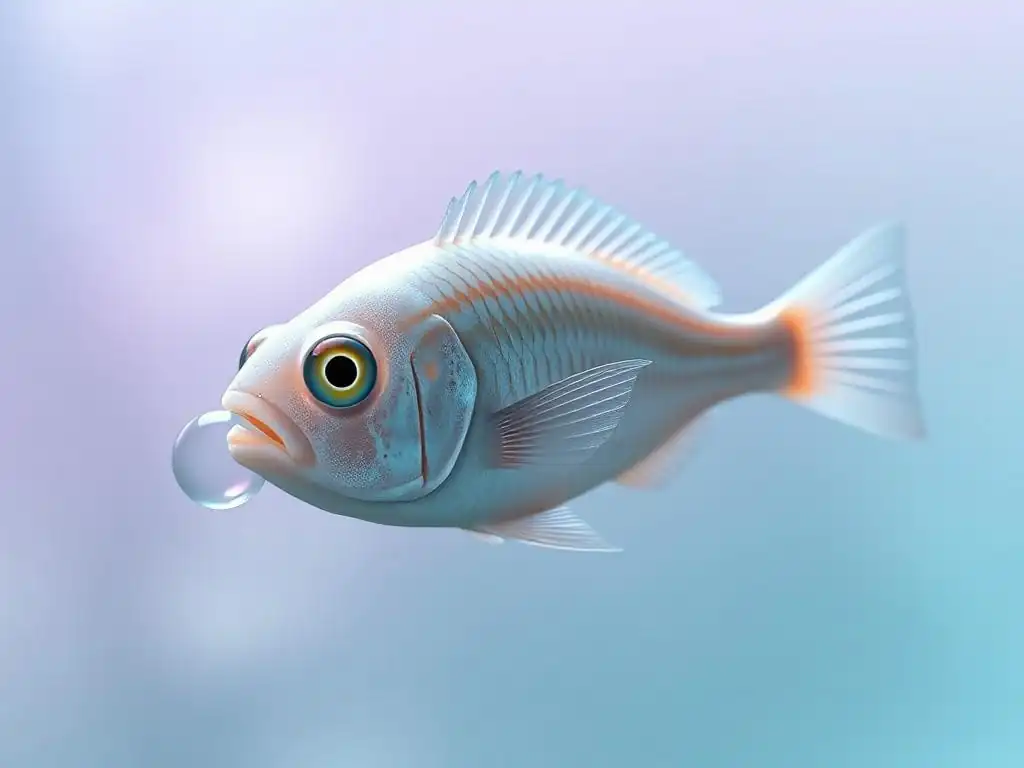
The T-Barb, scientifically known as Puntius lateristriga, is a captivating, lesser-known species native to Southeast Asia, particularly found in streams and rivers of Malaysia and Indonesia. Its distinguishing feature is a prominent black marking resembling a "T" or "Y" shape on its side, set against a sleek, silvery body. Some specimens may also display hints of reddish-orange on their fins, adding to their understated beauty.
These barbs are active and robust, capable of reaching sizes up to 6 inches in a mature aquarium, requiring a tank of at least 40-50 gallons for a healthy school of 5-6 individuals. They are generally peaceful but can be boisterous, making them suitable tank mates for other similarly sized, active fish. Their schooling behavior and distinctive pattern make them an intriguing alternative to more common barb species, offering a unique visual element to a larger freshwater setup.
The Ruby Barb (Puntius nigrofasciatus): Intense Red Coloration
The Ruby Barb, Puntius nigrofasciatus, is a truly stunning and often underappreciated barb species native to the streams of Sri Lanka. While females are typically a yellowish-brown with several distinct black vertical bars, male Ruby Barbs develop an incredibly intense, deep ruby-red coloration across their entire body, especially during spawning periods. This vibrant transformation makes them one of the most vividly colored barb species available.
These peaceful and relatively small barbs grow to about 2-2.5 inches, making them excellent candidates for planted community aquariums of 20 gallons or more. They thrive in schools of at least six, where their natural social interactions are evident, and male coloration is most pronounced. Their striking color and manageable size make them a fantastic choice for aquarists looking for a truly vibrant and active addition without the aggressive tendencies of some other barb species.
Melon Barb (Haludaria fasciata): Striped Beauty
The Melon Barb, Haludaria fasciata, is an attractive and relatively uncommon barb species originating from India and Sri Lanka. It is characterized by a yellowish-gold to silvery body adorned with several prominent dark vertical bands that vary in intensity. Some specimens may also display reddish hues on their fins, particularly as they mature, adding to their overall appeal. The pattern can be reminiscent of a melon rind, hence its common name.
Melon Barbs are active, schooling fish that typically grow to about 3.5-4 inches in length, requiring a tank of at least 30 gallons for a small group of 5-6 individuals. They are generally peaceful and can be housed with other similarly sized, non-aggressive community fish. Their unique striped pattern and active swimming habits make them a visually engaging addition, offering a distinct aesthetic among the diverse world of rare barb morph variations.
Care Considerations for Rare Barb Morphs and Species
Maintaining Optimal Water Parameters for Uncommon Barbs
Maintaining stable and optimal water parameters is paramount for the health and longevity of any fish, especially for rare barb morph variations that may be more sensitive or valuable. While specific requirements can vary slightly between species, most barbs thrive in slightly acidic to neutral water with a pH range of 6.0-7.5, and soft to moderately hard water with a GH of 5-15 dGH. The ideal temperature range for most species falls between 72-79°F (22-26°C).
Consistency is key; sudden fluctuations in pH or temperature can stress fish and compromise their immune systems. Regular water changes, typically 25-30% weekly, are essential to remove nitrates and replenish vital minerals. For species like the Denison Barb, higher oxygenation and strong filtration are crucial due to their active nature and preference for fast-flowing water in their natural habitats. Regular testing with reliable water test kits will help monitor parameters and ensure a healthy environment.
Dietary Needs of Different Barb Varieties
Most barb species, including their rare morphs, are omnivores with a hearty appetite, making their dietary needs relatively straightforward. A high-quality flake or pellet food should form the staple of their diet, providing essential vitamins and nutrients. However, a varied diet is crucial for optimal health, color vibrancy, and breeding success. Supplementing their diet with live or frozen foods such as bloodworms, brine shrimp, daphnia, and mosquito larvae provides necessary protein and encourages natural foraging behaviors.
Smaller barb varieties, like the Ruby Barb, may prefer finely crushed flakes or smaller live foods, while larger species, such as the T-Barb or Denison Barb, can handle larger pellets or whole frozen foods. Feeding small amounts multiple times a day is generally preferred over a single large feeding, as it mimics their natural feeding patterns and reduces water pollution. Ensuring a balanced diet helps prevent deficiencies and promotes robust growth in these rare barb morph variations.
The social behavior of barbs varies significantly, even among rare barb morph variations, but most are schooling fish that thrive in groups of at least six to eight individuals. Keeping them in adequate numbers helps to diffuse potential aggression, reduces stress, and encourages natural schooling behaviors, which is a mesmerizing sight. Compatible tank mates generally include other active, similarly sized, and non-aggressive fish that can withstand the barb's lively nature.
Good tank mate choices often include larger tetras (e.g., Congo Tetras), rasboras, some peaceful loaches (e.g., Kuhli Loaches), and certain peaceful dwarf cichlids. However, it's crucial to avoid housing notoriously nippy species like Tiger Barbs (including their morphs) with slow-moving, long-finned fish such as Angelfish, Bettas, or Gouramis, as fin nipping can occur. Even generally peaceful barbs benefit from a spacious environment with plenty of hiding spots and visual breaks to minimize stress and maintain harmony within the community.
Where to Find Rare Barb Fish Morphs
Reputable Breeders and Aquarium Stores
Finding rare barb morph variations often requires looking beyond standard pet store offerings. Reputable local fish stores with a focus on freshwater specialty fish are an excellent starting point. These stores often have established relationships with quality suppliers and may carry a wider selection of unique species. It's advisable to speak with staff about the fish's origin, health, and specific care requirements to ensure you're getting a healthy specimen.
Dedicated breeders are perhaps the best source for truly rare barb morphs. These individuals or small businesses often specialize in specific species or genetic lines, ensuring high quality, healthy fish with known lineage. They can provide invaluable advice on care and breeding. Attending local aquarium club meetings or fish auctions can also connect you directly with breeders or other hobbyists who may have rare barb variations available for sale or trade.
Online Resources for Acquiring Unique Barb Species
The internet has opened up vast opportunities for acquiring unique barb species and rare barb morph variations that might not be available locally. Numerous online fish retailers specialize in shipping live fish directly to your door. When using online sources, it is paramount to thoroughly research the vendor's reputation, read customer reviews, and understand their shipping policies, including guarantees for live arrival. Look for vendors with transparent practices regarding their fish sourcing and quarantine protocols.
Beyond commercial retailers, online forums, social media groups, and dedicated hobbyist websites serve as vibrant communities where aquarists buy, sell, and trade rare fish. These platforms can be excellent for finding unique specimens and connecting with experienced hobbyists who can offer advice. However, exercising caution and verifying the seller's credibility is crucial to avoid scams or receiving unhealthy fish. Always prioritize safe and ethical transport of live animals.
Quarantine Procedures for New and Rare Fish
Implementing a strict quarantine procedure is non-negotiable when introducing any new fish to your aquarium, and it becomes even more critical for rare barb morph variations due that can be expensive or particularly sensitive. A dedicated quarantine tank, typically 10-20 gallons for most barbs, should be set up with a filter, heater, and simple decor. New fish should be housed here for a minimum of 2-4 weeks before being introduced to the main display tank.
During the quarantine period, closely observe the new fish for any signs of disease, such as fin rot, ich, clamped fins, or unusual behavior. It's often recommended to perform prophylactic treatments for common parasites or bacteria, even if no symptoms are visible, to prevent introducing pathogens to your established aquarium. Maintaining pristine water quality in the quarantine tank through regular small water changes is essential, as is gradually acclimating the fish to the main tank's water parameters before transfer.
Successfully Keeping and Breeding Rare Barb Variations
Breeding Techniques for Specific Barb Species
Breeding rare barb morph variations can be a highly rewarding aspect of the hobby, though techniques vary slightly by species. Most barbs are egg-scattering spawners, meaning they simply release eggs into the water column. A dedicated breeding tank, typically 10-20 gallons, is often necessary to protect the eggs from being eaten by the parents. This tank should have soft, slightly acidic water (pH 6.0-6.5), a temperature around 78°F (25-26°C), and plenty of fine-leaved plants like Java moss or spawning mops for the eggs to adhere to.
Conditioning the breeding pair or group with high-protein live or frozen foods (e.g., bloodworms, brine shrimp) for several days can induce spawning. Spawning usually occurs in the early morning, often triggered by a slight temperature drop or the first rays of light. Once eggs are laid, the adult fish should be removed to prevent them from consuming the eggs. A gentle air stone can provide aeration, and dim lighting helps prevent fungal growth on the eggs.
Raising Fry of Uncommon Barb Morphs
Successfully raising the fry of uncommon barb morphs requires meticulous care and attention to detail. Barb eggs typically hatch within 24-48 hours, depending on species and temperature. The fry are usually very small and will initially feed on their yolk sac for the first few days. Once free-swimming, they require microscopic food sources. Infusoria, liquid fry food, or very fine powdered fry food are ideal for their initial diet.
As the fry grow, typically within a week or two, they can be transitioned to slightly larger foods such as newly hatched brine shrimp or microworms. Frequent, small water changes (10-20% daily or every other day) are crucial to maintain pristine water quality, as fry are highly sensitive to nitrates and ammonia. Providing a varied diet and ensuring stable water parameters will significantly increase the survival rate of these delicate rare barb morph variations, allowing you to propagate unique lines.
Addressing Challenges in Breeding Rare Barbs
Breeding rare barb variations can present several challenges that require patience and troubleshooting. Common issues include low fertilization rates, fungal infections on eggs, and parents consuming their own eggs. To combat low fertilization, ensure the breeding pair is healthy, well-conditioned, and that water parameters are precisely within the species' preferred range. For egg consumption, providing ample spawning media (like a thick layer of Java moss or multiple spawning mops) and promptly removing the parents after spawning are effective strategies.
Fungal infections on eggs can be minimized by ensuring good water circulation, maintaining pristine water quality, and removing unfertilized or fungused eggs with a pipette. Another challenge can be simply finding suitable, genetically diverse breeding pairs for extremely rare morphs. In such cases, networking with other hobbyists or breeders is invaluable. Persistence, careful observation, and a willingness to adjust techniques based on the specific species will ultimately lead to greater success in propagating these unique aquatic gems.
Conclusion: Expanding Your Aquarium with Rare Barb Fish
The Rewards of Keeping Unique Barb Morphs
Embarking on the journey of keeping rare barb morph variations is an incredibly rewarding endeavor for any aquarist. It transcends the routine of maintaining common species, opening up a world of unique colors, patterns, and behaviors that can transform an ordinary aquarium into an extraordinary aquatic masterpiece. The sheer visual appeal of a tank housing Gold Cherry Barbs, Albino Denison Barbs, or the strikingly patterned Melon Barb is a testament to the diversity within the barb family.
Beyond aesthetics, the satisfaction derived from successfully caring for and potentially breeding these less common species is immense. It deepens your understanding of fish biology, water chemistry, and intricate social dynamics, fostering a greater appreciation for the aquatic world. Exploring rare barb morph variations offers a unique opportunity to contribute to the hobby's diversity and create a truly distinctive and engaging aquatic display.
Responsible Fishkeeping and Conservation
As with any aspect of the aquarium hobby, responsible fishkeeping is paramount when dealing with rare barb morph variations. This includes thorough research into species-specific needs, providing appropriate tank sizes, maintaining optimal water quality, and ensuring compatible tank mates. Understanding the long-term commitment required for these often long-lived species is crucial, especially for those that can grow quite large, like the Denison Barb.
Furthermore, responsible breeding plays a vital role in the conservation of these unique forms. By successfully propagating rare barb morphs in captivity, hobbyists can help reduce the demand for wild-caught specimens, thereby alleviating pressure on natural populations, particularly for species that may be threatened in their native habitats. This ethical approach ensures that the beauty and diversity of rare barbs can be enjoyed by future generations of aquarists, contributing to both the hobby's sustainability and broader conservation efforts.
Frequently Asked Questions
What exactly are rare barb morph variations?
These are uncommon color patterns, fin shapes, or other physical characteristics that deviate from the typical appearance of popular barb species like Tiger, Cherry, or Denison Barbs. They are often the result of selective breeding or naturally occurring mutations.
Where can I find rare barb morphs for my aquarium?
Finding them can be challenging. Specialist aquarium shops, online breeders who focus on unique or exotic fish, and aquarium auctions are your best bets. Be prepared to pay a premium for their rarity.
Are rare barb morphs more difficult to care for than common barbs?
Not necessarily. Care requirements generally align with the base species, but it's crucial to research the specific morph's needs. Check for sensitivity to specific water parameters or susceptibility to certain diseases.
What should I consider when breeding rare barb morphs?
Understanding the genetics behind the morph is vital. Research the inheritance patterns of the traits you're trying to perpetuate. Careful selection of breeding pairs is essential to maintain the desired characteristics.
How can I ensure the health of my rare barb morphs?
Maintain pristine water quality through regular water changes and filtration. Provide a balanced diet and observe your fish for any signs of illness. Quarantine new arrivals to prevent the introduction of diseases to your established tank.
Final Reflection: Unveiling the Aquatic Gems
The exploration of rare barb morph variations, as we've seen, isn't merely about identifying different colors or fin shapes; it's about appreciating the biodiversity hidden within our aquariums and the potential for further discovery. The sheer variety, often overlooked in favor of more common species, highlights the richness of the natural world and the responsibility we have to understand and protect it.
This journey into the less-traveled paths of barb keeping has profoundly influenced my perspective on the hobby. It's a reminder that true appreciation lies not just in ownership, but in understanding the nuances and complexities of each species. In the end, we will conserve only what we love; we will love only what we understand; and we will understand only what we are taught.
- Baba Dioum. This quote perfectly encapsulates the importance of continued learning and exploration within the aquarium hobby and beyond.
Now, I invite you to look beyond the familiar faces in your own aquariums. Consider the potential for undiscovered beauty and the importance of supporting ethical and sustainable practices. Let the allure of these rare barb morph variations inspire you to delve deeper into the world of aquatic life, fostering a greater appreciation for the delicate balance of our ecosystems and the incredible diversity they hold.
Unleash Your Inner Aquarist: Dive Deeper into Barb Diversity!
Thank you for exploring the fascinating world of rare barb morphs and varieties! We hope this article has sparked a newfound appreciation for these vibrant and often overlooked fish. Now, let's turn that knowledge into action!
Here are a few ways you can expand your aquatic horizons:
- Start Researching which of the rare barb varieties could thrive in your existing setup. Consider compatibility, water parameters, and tank size.
- Connect with other aquarists! Share your favorite barb morphs or any unique experiences you've had on aquarium forums or social media using #AquariumMasteryBarbs.
- Visit local fish stores and ask about less common barb species. You might be surprised at what hidden gems are waiting to be discovered!
Ready to transform your aquarium into a showcase of stunning and unusual barbs? What's the first rare barb morph you're going to research for your tank?