
Zoanthid Identification Guide: Pictures & Names of Popular Varieties

Welcome to Aquarium Mastery!
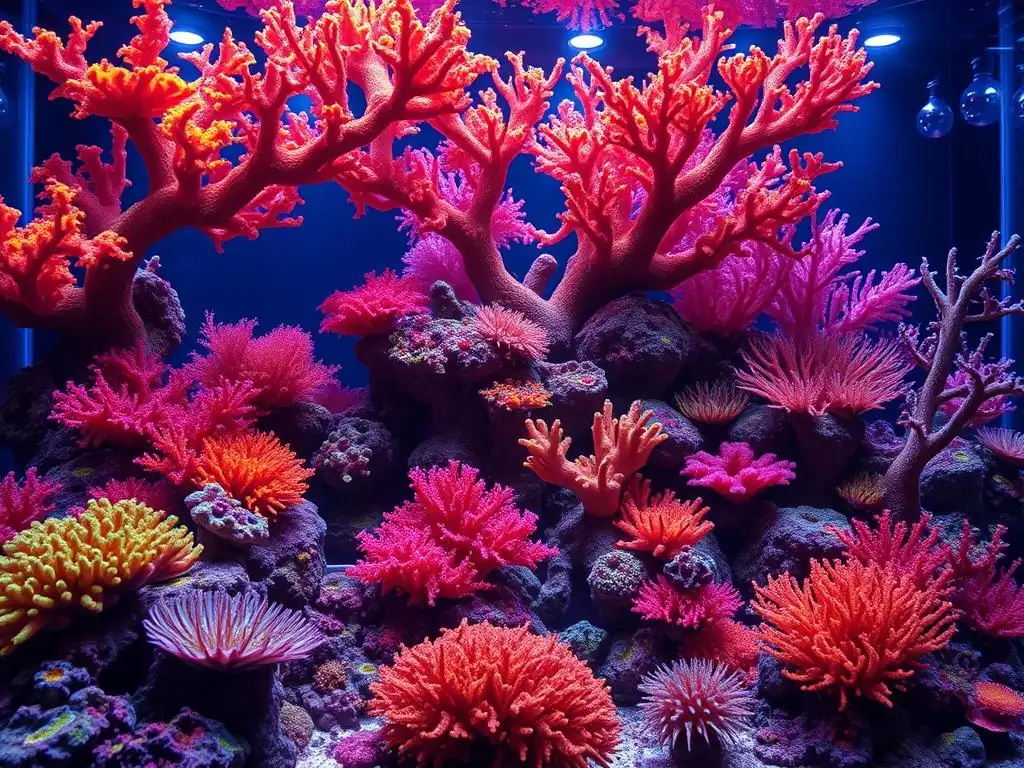
Ever been mesmerized by the vibrant beauty of zoanthids but struggled to tell them apart? Dive into our comprehensive "Colorful Zoanthid Identification Guide" and unlock the secrets to identifying these captivating corals! This guide is your key to understanding the dazzling world of zoanthids, from their unique characteristics to their specific names. Ready to explore the rainbow? Let's get started!
- Colorful Zoanthid Identification Guide: Pictures & Names of Popular Varieties
- Understanding Zoanthids: An Introduction to Zoanthid Corals
- The Importance of Accurate Zoanthid Identification
-
Colorful Zoanthid Identification Guide: Popular Zoanthid Varieties
- Rainbow Zoanthids: Vibrant Color Morphs and Patterns
- Watermelon Zoanthids: Identifying the Green and Red Slices
- Fire and Ice Zoanthids: Recognizing the Contrasting Colors
- Blue Hornet Zoanthids: Identifying the Electric Blue Center
- Sunny D Zoanthids: The Bright Yellow Zoanthid
- Purple People Eater Zoanthids: Spotting the Deep Purple
- Utter Chaos Zoanthids: A Mix of Colors in One Polyp
- Other Notable Zoanthid Varieties:
- Zoanthid Color Enhancement: Lighting, Water Parameters & Nutrition
- Zoanthid Health and Disease: Recognizing and Treating Common Issues
- Fragging Zoanthids: Propagating Your Zoanthid Collection
- Conclusion: Mastering Colorful Zoanthid Identification and Care.
-
Frequently Asked Questions
- What are zoanthids and why are they popular in reef aquariums?
- How difficult is it to identify different zoanthid varieties?
- What are some key characteristics used to identify zoanthids?
- What resources does AquariumMastery.com offer for zoanthid care and identification?
- What common mistakes do beginners make when keeping zoanthids?
- Final Reflection: Embracing the Kaleidoscope of Zoanthids
- Unleash Your Inner Zoanthid Expert!
Colorful Zoanthid Identification Guide: Pictures & Names of Popular Varieties
Understanding Zoanthids: An Introduction to Zoanthid Corals
What are Zoanthids (Zoas) and Palythoas?
Zoanthids, often affectionately called "Zoas," are a popular type of colonial polyp coral found abundantly in reef aquariums. They belong to the order Zoantharia, which includes both Zoanthus and Palythoa genera.
While often grouped, a key distinction lies in their size and potential toxicity: Palythoa species are generally larger, more robust, and are widely known to contain higher concentrations of palytoxin, a potent neurotoxin, compared to most Zoanthus species. These fascinating organisms are sessile, meaning they attach themselves to substrates like live rock, and thrive by forming dense mats or encrusting colonies, adding vibrant splashes of color to any marine environment.
Their appeal in the hobby stems from their exceptional hardiness, relatively easy care requirements, and breathtaking array of colors and patterns. Unlike stony corals, Zoanthids do not build a hard calcium carbonate skeleton, instead having a fleshy body supported by spicules embedded within their tissue. This makes them more flexible and resilient to minor fluctuations in water parameters, contributing to their widespread popularity among aquarists of all experience levels. Many beginners start their coral journey with these beautiful polyps, leveraging a colorful zoanthid identification guide to choose their first specimens.
Zoanthid Coral Characteristics: Polyp Size, Color Variations & Growth Habits
Zoanthid polyps typically range in size from a diminutive 0.5 centimeters to a more substantial 2 centimeters in diameter when fully extended, with some Palythoa species growing even larger. Their most captivating feature is undoubtedly their kaleidoscopic color palette. Hobbyists can find zoanthids in virtually every hue imaginable, including brilliant blues, vivid greens, fiery reds, sunny yellows, deep purples, and an astonishing variety of multi-colored morphs that combine several shades on a single polyp. This incredible diversity makes a colorful zoanthid identification guide an indispensable tool for enthusiasts.
In terms of growth, zoanthids are colonial organisms that propagate by budding new polyps from their existing mat. Under optimal conditions, a healthy colony can expand quite rapidly, often adding several new polyps per week or covering several square inches of rock within a few months. They form dense carpets over the rockwork, creating a dynamic, living tapestry in the aquarium. Their growth habit allows them to colonize available surfaces effectively, though their speed of spread can vary significantly between different morphs and species.
Zoanthid Taxonomy: Classifying Zoanthids and Their Relatives
Within the broader classification of the phylum Cnidaria and class Anthozoa, Zoanthids belong to the order Zoantharia. This order encompasses several genera, with Zoanthus, Palythoa, and Protopalythoa being the most commonly encountered in the aquarium trade. While hobbyists often use the term "Zoas" as a general descriptor for most colonial polyps, understanding the subtle taxonomic differences can be important for both care and safety. For instance, Palythoa species, often recognized by their larger, more robust polyps and encrusting growth, are generally considered to contain higher levels of palytoxin.
The scientific classification helps in distinguishing between species that might look similar but have different characteristics. For example, Zoanthus species typically have smaller polyps and often display the most vibrant and intricate color patterns that are highly sought after in a colorful zoanthid identification guide. Protopalythoa species, on the other hand, tend to be larger than Zoanthus but often less vibrant than Palythoa, sometimes appearing more like miniature anemones due to their larger size and more pronounced tentacles. Accurate classification aids in providing appropriate environmental conditions and handling precautions.
Zoanthid Care Considerations: Essential Tips for Healthy Zoanthid Growth
Successful zoanthid care hinges on maintaining stable water parameters. Ideal salinity levels should be maintained between 1.024 and 1.026 specific gravity, with temperatures ranging from 74-78°F (23-26°C). While zoanthids are soft corals and don't build large calcified skeletons like stony corals, they still benefit from stable alkalinity (7-11 dKH), calcium (400-450 ppm), and magnesium (1250-1350 ppm) levels, which contribute to their overall health and vibrant coloration. Consistent water quality is paramount to prevent stress and promote robust growth.
Lighting and water flow are also critical factors. Most zoanthid morphs thrive under moderate lighting conditions, typically a PAR (Photosynthetically Active Radiation) range of 75-200, though some brightly colored varieties may appreciate higher intensity. Too little light can cause them to brown out, while excessive intensity can lead to bleaching.
Moderate, indirect water flow is ideal, ensuring that detritus is swept away without causing the polyps to retract excessively. While primarily photosynthetic, zoanthids can also benefit from supplemental feeding of fine particulate foods like zooplankton or phytoplankton a few times a week, which can significantly enhance their growth rate and color intensity.
The Importance of Accurate Zoanthid Identification
Why Correctly Identifying Zoanthids Matters
Accurately identifying your zoanthids is crucial for several reasons, extending beyond mere aesthetics. Firstly, proper identification allows aquarists to understand the specific care requirements for different morphs. While many zoanthids share similar basic needs, some rare or highly specialized varieties might thrive under slightly different lighting intensities or flow patterns. Knowing exactly what species or morph you possess ensures you can provide tailored care, optimizing their health and vibrant coloration, which is the core purpose of a colorful zoanthid identification guide.
Secondly, accurate identification plays a significant role in the value and trade of these corals within the hobby. Specific, highly sought-after morphs, such as "Utter Chaos" or "God of War" zoanthids, can command prices ranging from $10 to $50 or more per polyp, depending on their rarity and demand. Misidentification can lead to incorrect pricing, either undervaluing a rare specimen or overvaluing a common one, impacting fair trade practices among hobbyists and vendors.
Risks of Misidentification: Palytoxin Toxicity and Aggression
One of the most critical reasons for accurate zoanthid identification is the potential danger of palytoxin. While all zoanthids can produce this potent neurotoxin to varying degrees, Palythoa species are particularly known for containing higher and more dangerous concentrations. Exposure to palytoxin, even through airborne particles from boiling rocks with zoanthids or direct skin contact, can lead to severe symptoms including numbness, muscle cramps, fever, and in extreme cases, respiratory distress requiring medical intervention. Therefore, always wearing gloves and eye protection when handling zoanthids, especially when fragging or if they appear stressed, is an absolute necessity.
Beyond toxicity, misidentification can also overlook aggressive tendencies. Some larger Palythoa species can exhibit chemical aggression, releasing toxins that can irritate or even damage nearby corals, especially more sensitive SPS (Small Polyp Stony) corals. Their rapid growth and encrusting nature can also lead to them outcompeting and overgrowing slower-growing corals if not managed effectively. Understanding the specific genus and species helps aquarists plan proper spacing and placement within the aquarium to prevent inter-coral warfare and maintain a harmonious reef environment.
Utilizing this Colorful Zoanthid Identification Guide Effectively
To effectively utilize this colorful zoanthid identification guide, focus on observing several key visual cues. The primary characteristics include the color of the central disc, the color and pattern of the skirt (the ring of tentacles surrounding the disc), and the color of the mouth. Note any distinct rings, stripes, or speckles on the polyp. For instance, some zoanthids might have a solid disc color with a contrasting skirt, while others might feature multiple colors radiating from the center.
It is also beneficial to observe zoanthids under different lighting conditions, as their fluorescent pigments can appear dramatically different under white versus blue (actinic) light. Compare the polyps you are trying to identify with the detailed descriptions provided in this guide, paying close attention to specific morph names and their defining features.
Remember that environmental factors like light, flow, and water parameters can subtly influence coloration, so look for the overall pattern and primary color combinations rather than exact shades. This colorful zoanthid identification guide aims to provide a comprehensive reference for popular varieties, aiding in confident and accurate recognition.
Colorful Zoanthid Identification Guide: Popular Zoanthid Varieties
Rainbow Zoanthids: Vibrant Color Morphs and Patterns
Identifying Rainbow Zoanthids: Key Characteristics
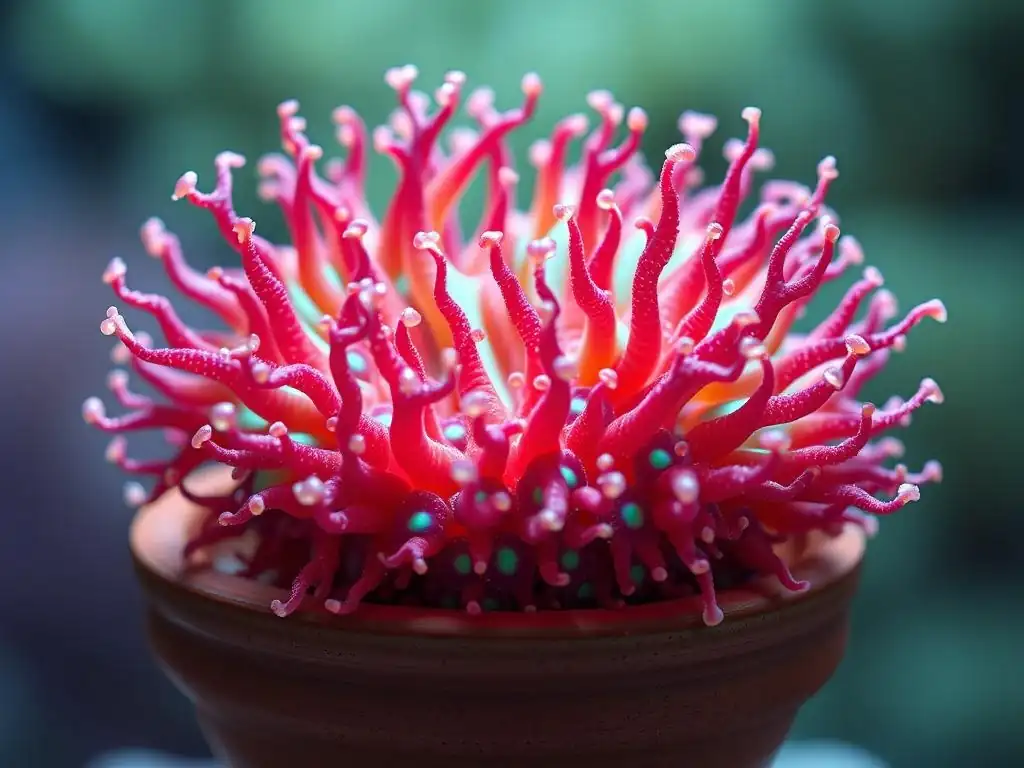
Rainbow Zoanthids are highly prized for their spectacular display of multiple distinct colors on a single polyp, often including vibrant shades of green, orange, red, and blue. The "rainbow" effect typically manifests as bands, splotches, or radiating patterns across the central disc and the outer skirt of the polyp. A typical Rainbow Zoa polyp measures around 1 to 1.5 centimeters in diameter when fully open, making their intricate color patterns quite visible. Their ability to showcase such a wide spectrum of colors on one individual makes them a highlight in any colorful zoanthid identification guide.
The specific arrangement and intensity of these colors can vary widely among different morphs, but the defining characteristic remains the presence of three or more vividly contrasting colors. These zoanthids tend to form dense, encrusting mats over time, gradually spreading across available rock surfaces. Under ideal conditions, a small frag of 3-5 polyps can expand into a colony of 15-20 polyps within 3-4 months, showcasing their relatively fast growth rate and the evolving beauty of their vibrant patterns.
Rainbow Infusion Zoanthids: A Detailed Look
Among the many Rainbow Zoanthid varieties, Rainbow Infusion Zoanthids stand out for their particularly striking and complex coloration. These morphs typically feature a deep red or fiery orange base color on the central disc, which is then "infused" with splashes or streaks of electric green, bright blue, and sunny yellow. The colors often appear to bleed into one another, creating a mesmerizing, almost watercolor-like effect that is truly unique. This distinct blending of hues sets them apart from other rainbow varieties where colors might appear as more defined bands.
Rainbow Infusion Zoanthids are highly sought after by collectors due to their rare and intense beauty, often commanding prices between $20 and $40 per polyp in the retail market. To maintain their exquisite coloration, they thrive best under moderate lighting conditions, typically a PAR of 100-180, and consistent, moderate water flow. Providing stable water parameters, especially low nitrates (below 5 ppm) and phosphates (below 0.03 ppm), is crucial for preventing color dullness and ensuring their pigments remain vibrant and distinct.
Other Rainbow Zoanthid Varieties: Rastas, LA Lakers, God of War
Beyond the Rainbow Infusion, several other popular rainbow zoanthid varieties are staples in the hobby. Rastas are perhaps one of the most iconic and widely recognized, characterized by a bright green central disc, an orange or yellow ring around the mouth, and a vibrant green skirt. Their cheerful coloration and relative hardiness make them an excellent choice for beginners, often retailing for an accessible $5-$15 per polyp. They are known for their robust growth, easily adding 2-3 new polyps per month.
Another popular morph, the LA Lakers, draws its name from the basketball team's colors, featuring a distinct deep purple or dark blue body contrasted with bright yellow or orange skirts. This classic combination creates a visually striking contrast that remains highly desirable.
Lastly, the God of War zoanthids are renowned for their intense, fiery red body with a brilliantly contrasting green or yellow skirt, often accented by a differently colored mouth. These morphs are typically larger, sometimes reaching 2 cm in diameter, and their bold colors make a powerful statement in any reef tank, solidifying their place in any comprehensive colorful zoanthid identification guide.
Watermelon Zoanthids: Identifying the Green and Red Slices
Distinguishing Features of Watermelon Zoanthids
Watermelon Zoanthids are aptly named for their striking resemblance to slices of the fruit, making them relatively easy to identify. Their most distinguishing features include a vibrant green central disc, reminiscent of a watermelon's rind, and a contrasting red or pink mouth, akin to the fruit's flesh. Some variations may also feature a red or pink rim around the outer edge of the green disc, further enhancing the "slice" appearance. The red or pink coloration typically forms a distinct dot or a small, well-defined ring at the center of the polyp.
These zoanthids generally maintain a consistent polyp size, averaging around 1.5 to 2 centimeters in diameter when fully open. Their green can range from a light lime to a deep emerald, while the red can be a bright cherry or a softer rose hue. The clear delineation between the green body and the red mouth is the primary characteristic to look for when identifying this popular morph, ensuring they stand out in any colorful zoanthid identification guide.
Watermelon Zoa Care Tips: Maintaining Their Vibrant Color
To maintain the vibrant green and red hues of Watermelon Zoanthids, consistent and appropriate lighting is crucial. They generally thrive under moderate lighting conditions, with a PAR range of 100-200. Too much intense light can cause the green to bleach or dull, while insufficient light may lead to a loss of vibrancy and a brownish appearance. A lighting spectrum rich in blue and actinic light can help to enhance their fluorescent pigments, making their colors pop more dramatically.
Beyond lighting, stable water parameters are essential. Maintaining consistent alkalinity levels, ideally between 8-10 dKH, and magnesium levels around 1300 ppm supports their overall health and color intensity. While zoanthids do not consume large amounts of these elements, stability prevents stress that could lead to faded colors or polyp recession. Regular water changes (e.g., 10-15% bi-weekly) also help to replenish trace elements and export accumulated nutrients, which can otherwise contribute to less vibrant coloration.
Similar Zoanthid Morphs: Avoiding Confusion
While Watermelon Zoanthids have a very distinct appearance, they can sometimes be confused with certain Palythoa species that also exhibit green and red patterns. However, a key difference lies in the size and texture of the polyps. True Watermelon Zoanthids, which are primarily Zoanthus species, typically have smaller, more delicate polyps compared to the larger, more robust, and often more encrusting Palythoa species. Palythoa polyps can often reach 2.5 to 4 centimeters in diameter and have a more leathery texture.
Another point of distinction is the clarity of the color separation. Watermelon Zoanthids usually display a very sharp and clear boundary between their green body and red mouth, whereas some Palythoa might have a more diffused or mottled pattern. When using a colorful zoanthid identification guide, always consider polyp size and overall texture in addition to color patterns to avoid misidentification, especially given the potential for higher palytoxin levels in Palythoa.
Fire and Ice Zoanthids: Recognizing the Contrasting Colors
Fire and Ice Zoa Characteristics: Orange and Blue Hues
Fire and Ice Zoanthids are one of the most iconic and easily recognizable zoanthid morphs, named for their striking contrast of colors. They are characterized by an electric blue or deep purple central disc, representing the "ice," surrounded by a vibrant orange or fiery red skirt, symbolizing the "fire." The mouth of the polyp typically matches the color of the skirt, further accentuating the dual-tone appearance. This distinct and bold color combination makes them a popular and easily identifiable feature in any colorful zoanthid identification guide.
These zoanthids typically grow to about 1 centimeter in diameter, making them a standard size for Zoanthus polyps. Their popularity stems not only from their beauty but also their relative hardiness and ability to grow into dense colonies. They are a staple in many reef tanks due to their consistent coloration and widespread availability in the aquarium trade. A small frag of 2-3 polyps can often grow into a colony of 10-15 polyps within 2-3 months under good conditions.
Maintaining Fire and Ice Zoanthid Coloration
To ensure Fire and Ice Zoanthids maintain their intense blue and orange pigments, proper lighting is paramount. Moderate LED lighting, particularly with a strong blue spectrum (actinic) component, will significantly enhance their fluorescence and bring out the vibrancy of both colors. A PAR level between 100-150 is often ideal for these zoanthids. Too little light can cause the blue to dull or the polyps to appear brownish, while excessive light can lead to bleaching.
Maintaining low nutrient levels is also crucial for crisp coloration. Nitrates should ideally be kept below 10 ppm and phosphates below 0.03 ppm. High nutrient concentrations can cause the zoanthids to "brown out," losing their distinct blue and orange contrast. Regular water changes and efficient nutrient export methods, such as protein skimming and the use of carbon/GFO, contribute significantly to their long-term health and intense coloration.
Variations in Fire and Ice Zoanthid Patterns
While the core "fire and ice" color scheme is consistent, subtle variations can be observed within this morph. Some polyps may exhibit a deeper, almost indigo blue body, while others might lean towards a lighter, more sky-blue shade. Similarly, the orange skirt can range from a pale tangerine to a rich, almost blood-orange hue. These slight differences can be attributed to genetic variations within the morph or environmental factors within the aquarium.
In terms of growth, Fire and Ice Zoanthids are known for their relatively fast spread, forming beautiful, undulating mats. They can often add 3-5 new polyps per month under stable and optimal conditions, quickly filling in gaps on the rockwork. Their robust nature and consistent color make them a reliable choice for aquarists looking to add a vibrant and easily identifiable zoanthid to their collection, reinforcing their status in any colorful zoanthid identification guide.
Blue Hornet Zoanthids: Identifying the Electric Blue Center
Blue Hornet Zoa Identification: The Central Blue Disc
Blue Hornet Zoanthids are instantly recognizable due to their defining feature: a prominent, electric blue or vibrant teal central disc, which is often surrounded by a contrasting dark brown or black skirt. The mouth of the polyp is typically a bright yellow or orange, creating a striking three-color combination that resembles the distinct markings of a hornet. The intensity of the blue center is the primary characteristic to look for, as it tends to glow under actinic lighting, making them a standout in any colorful zoanthid identification guide.
These zoanthids are typically medium-sized polyps, averaging around 1.5 centimeters in diameter when fully extended. Their unique coloration makes them highly desirable and relatively easy to distinguish from other zoanthid morphs. The crisp boundary between the electric blue disc and the dark skirt is usually very well-defined, contributing to their distinctive "hornet" appearance.
Blue Hornet Zoanthid Placement and Lighting
For optimal health and to enhance their electric blue coloration, Blue Hornet Zoanthids thrive best when placed in the mid-level of the aquarium. This positioning allows them to receive moderate lighting, typically a PAR range of 100-200. A lighting spectrum with a significant blue component is crucial, as it intensifies the fluorescence of their blue pigments, making them appear even more vibrant. Insufficient blue light can cause their blue to appear dull or even brownish.
Moderate, indirect water flow is also beneficial, ensuring that detritus does not settle on the polyps, which can lead to irritation and recession. However, too strong or direct flow can cause them to remain closed or detach from their substrate. Maintaining stable water parameters, particularly consistent salinity within 0.001 SG daily fluctuations, is key to preventing stress and ensuring their polyps remain fully extended and vibrant.
Common Issues with Blue Hornet Zoanthids
While generally hardy, Blue Hornet Zoanthids can exhibit certain issues if their environmental conditions are not met. One common problem is browning, where the vibrant blue fades and the polyps take on a dull, brownish hue. This is often a sign of insufficient lighting or elevated nutrient levels (nitrates above 10 ppm, phosphates above 0.05 ppm). Increasing light intensity or improving nutrient export can help restore their coloration.
Another issue is persistent polyp recession or shrinking. This can be caused by sudden changes in water parameters, inadequate flow (leading to detritus accumulation), or the presence of pests like zoanthid-eating nudibranchs or sundial snails. Regular observation, maintaining stable water chemistry, and proper quarantine procedures for new corals are essential preventative measures to ensure the long-term health and vibrant appearance of your Blue Hornet Zoanthids, ensuring their beauty for your colorful zoanthid identification guide.
Sunny D Zoanthids: The Bright Yellow Zoanthid
Identifying Sunny D Zoanthids: Bright Yellow Disc and Skirt
Sunny D Zoanthids are celebrated for their incredibly bright and cheerful coloration, making them one of the most recognizable yellow zoanthid morphs available. They are primarily identified by their brilliant yellow or orange-yellow central disc and a similarly colored skirt. The mouth of the polyp often provides a subtle contrast, sometimes appearing green or a deeper orange, which enhances the overall vibrancy. Their intense, almost neon yellow color makes them stand out dramatically in a reef tank, truly living up to their "sunny" name.
These zoanthids are typically of average Zoanthus polyp size, usually around 1 centimeter in diameter when fully extended. The uniformity and intensity of the yellow across both the disc and skirt are key identifying features. Unlike some other yellow zoanthids that might have more muted tones or different colored skirts, Sunny D's maintain a consistently bright, almost glowing yellow, making them a distinct entry in any colorful zoanthid identification guide.
Sunny D Zoanthid Growth Patterns and Placement
Sunny D Zoanthids tend to grow in small, tight clusters initially, gradually spreading to form dense, encrusting mats over the rockwork or frag plugs. Under optimal conditions, they exhibit a healthy growth rate, often adding 1-2 new polyps per week, allowing a small frag to develop into a sizable colony within a few months. Their moderate growth makes them a manageable addition for most aquariums, providing consistent visual appeal.
For optimal coloration and growth, Sunny D Zoanthids are quite adaptable to various light levels but display their most vibrant yellow under moderate to high lighting conditions, typically a PAR range of 150-250. They also benefit from moderate, indirect water flow, which helps to keep their polyps clean and ensures adequate nutrient delivery without causing excessive retraction. Placing them in a spot with good water movement also aids in preventing detritus buildup, which can irritate the polyps.
Maintaining Sunny D Zoanthids' Vibrant Color
Maintaining the intense yellow vibrancy of Sunny D Zoanthids relies heavily on excellent water quality and appropriate lighting. It is essential to keep nutrient levels very low, with nitrates ideally below 5 ppm and phosphates below 0.02 ppm. Higher nutrient concentrations can cause the polyps to lose their bright yellow and appear dull or even brownish, significantly diminishing their aesthetic appeal. Regular testing and effective nutrient export methods are therefore crucial.
While primarily photosynthetic, occasional supplemental feeding with fine particulate coral foods (e.g., phytoplankton or zooplankton) 2-3 times a week can further boost their health and color intensity. Ensuring stable alkalinity (8-9 dKH) and magnesium (1300 ppm) also contributes to their overall vitality and the retention of their brilliant yellow pigments, confirming their place as a highlight in a colorful zoanthid identification guide.
Purple People Eater Zoanthids: Spotting the Deep Purple
Identifying Purple People Eater Zoanthids: Deep Purple Disc and Green Mouth
Purple People Eater Zoanthids are named for their distinctive and striking coloration, making them easily identifiable. They are characterized by a deep, rich purple central disc and skirt, which can sometimes appear almost black in certain lighting conditions until fully extended. The most prominent feature is their vividly contrasting bright green or yellow mouth, which stands out sharply against the dark purple body. This combination of deep purple and a vibrant green mouth is unique to this morph and makes it a standout entry in any colorful zoanthid identification guide.
These polyps can be slightly larger than typical Zoanthus species, often reaching up to 2 centimeters in diameter, sometimes resembling Palythoa in size but retaining the distinct characteristics of a Zoanthus. The purple can range from an eggplant shade to a more lavender hue depending on the specific specimen and aquarium lighting. The clear delineation between the deep purple and the fluorescent green mouth is the key visual cue for accurate identification.
Purple People Eater Zoanthid Care and Propagation
Purple People Eater Zoanthids thrive in moderate lighting conditions, typically a PAR range of 100-180, and moderate water flow. While they can adapt to slightly higher or lower light, maintaining the ideal intensity is crucial for preserving their deep purple coloration and the vibrancy of their green mouth. Too much light can cause the purple to fade, while too little can lead to dullness or browning. Stable water parameters, including consistent salinity (1.025 SG) and temperature (76-78°F), are paramount for their overall health and color retention.
Propagation of Purple People Eater Zoanthids is relatively straightforward. Like other Zoanthus species, they form distinct polyps on a common mat, making them easy to frag. A sharp scalpel or razor blade can be used to carefully cut clusters of 3-5 polyps from the main colony. These frags can then be glued onto frag plugs or small pieces of live rock using cyanoacrylate gel. With good water quality and consistent care, a typical frag can grow 2-3 new polyps in a month, allowing for easy expansion of your collection.
Potential Color Variations in Purple People Eater Zoanthids
While the defining characteristics of deep purple and green mouth remain consistent, there can be subtle color variations within the Purple People Eater morph. The intensity and exact shade of purple can differ, ranging from a very dark, almost black-purple to a slightly lighter, more visible violet. Similarly, the green of the mouth can vary from a bright, almost neon green to a more subdued lime or yellow-green. These variations are often influenced by the specific lineage of the coral, as well as the lighting spectrum and nutrient levels in the aquarium.
Stress or suboptimal water quality, particularly elevated nitrates or phosphates, can cause the purple coloration to become dull, faded, or even develop a brownish tint. Maintaining pristine water conditions, along with appropriate lighting and flow, is essential to ensure these zoanthids display their full, striking beauty. Their unique and vibrant appearance makes them a highly sought-after addition, a true gem in any colorful zoanthid identification guide.
Utter Chaos Zoanthids: A Mix of Colors in One Polyp
Identifying Utter Chaos Zoanthids: A Multi-Colored Marvel
Utter Chaos Zoanthids are among the most visually spectacular and highly prized zoanthid morphs, truly embodying their name with a chaotic yet beautiful mix of colors on a single polyp. They are primarily identified by a fluorescent orange or red base color on the central disc, which is then adorned with splashes, speckles, or radiating patterns of electric green, bright blue, and sunny yellow.
The mouth of the polyp often presents another contrasting color, adding to the multi-hued complexity. No two Utter Chaos polyps are exactly alike, making each one a unique work of art and a standout feature in any colorful zoanthid identification guide.
These zoanthids typically feature medium to large polyps, often reaching 1.5 to 2 centimeters in diameter when fully extended, allowing for the intricate display of their multiple colors. The intensity of their fluorescence under actinic lighting is also a key identifier, as the various pigments truly pop, creating a dazzling effect in the aquarium. Their rarity and breathtaking beauty often place them at the higher end of the zoanthid market, with individual polyps sometimes retailing for $30-$60 or more.
Utter Chaos Zoanthid Placement for Optimal Growth
For Utter Chaos Zoanthids to display their full spectrum of colors and achieve optimal growth, careful placement in the aquarium is essential. They thrive best under moderate to high lighting conditions, typically a PAR range of 150-250. A robust blue spectrum in the lighting system is crucial, as it significantly enhances the fluorescence of their orange, green, and blue pigments, bringing out their chaotic beauty. Placing them too low in light can cause their colors to dull, while too high can lead to bleaching.
Moderate to high, indirect water flow is also highly beneficial. This ensures that detritus and waste particles are effectively swept away from the polyps, preventing irritation and promoting nutrient delivery. However, direct or turbulent flow should be avoided, as it can cause the polyps to remain closed or even detach. Due to their potential for forming dense colonies, it is advisable to give them ample space away from other corals, as they can be somewhat aggressive in terms of growth and may chemically irritate sensitive neighbors if placed too close.
Common Challenges with Utter Chaos Zoanthids
Despite their hardiness, Utter Chaos Zoanthids can present a few challenges, primarily related to maintaining their vibrant coloration. They are quite sensitive to nutrient levels; elevated nitrates (above 5 ppm) or phosphates (above 0.02 ppm) can cause their brilliant colors to fade or appear brownish, diminishing their iconic "chaos" effect. Regular water changes, efficient protein skimming, and the use of phosphate-removing media are vital for maintaining pristine water quality.
Like other high-value zoanthids, Utter Chaos morphs can be susceptible to common zoanthid pests such as zoanthid-eating nudibranchs or sundial snails, as well as bacterial infections like zoanthid pox. Implementing a strict quarantine protocol for all new coral arrivals, typically for 2-4 weeks, is highly recommended to prevent the introduction of these issues into the main display tank. Regular observation of the polyps for any signs of stress, recession, or visible pests is crucial for early intervention and maintaining the health of these multi-colored marvels, a key aspect of a comprehensive colorful zoanthid identification guide.
Other Notable Zoanthid Varieties:
Nuclear Green Zoanthids: Identifying Characteristics and Care
Nuclear Green Zoanthids are one of the most popular and easily recognizable green zoanthid morphs, named for their incredibly bright, almost glowing, fluorescent green coloration. They typically feature a solid, intense green central disc and a slightly darker green or brownish skirt. Under blue or actinic lighting, their green color becomes extraordinarily vibrant, resembling a nuclear glow, making them a staple for any colorful zoanthid identification guide. They usually grow to about 1 cm in diameter.
These zoanthids are exceptionally hardy and tolerant of a wide range of lighting conditions, from moderate to high PAR levels (e.g., 75-250). However, their "nuclear" glow is best enhanced under intense blue spectrum lighting. They are also known for their rapid growth rate, often adding 5-10 new polyps per month in ideal conditions, quickly forming lush green mats. Consistent water parameters and moderate flow are key to their robust health and vibrant appearance.
Red Hornet Zoanthids: Identifying Characteristics and Care
Red Hornet Zoanthids are a striking counterpart to the Blue Hornets, sharing a similar "hornet" pattern but with a dominant red hue. They are characterized by a vibrant red or fiery orange-red central disc, often surrounded by a contrasting dark brown or black skirt. The mouth of the polyp is typically a bright yellow or orange, completing the distinctive three-color scheme. The intensity of the red disc is the primary identifier, making them a bold addition to any colorful zoanthid identification guide.
These zoanthids thrive under moderate lighting and moderate, indirect water flow. A PAR range of 100-200 is generally suitable, with a good balance of white and blue light to bring out both the red and the contrasting skirt colors. Maintaining stable water parameters, especially low nitrates (below 10 ppm) and phosphates (below 0.03 ppm), is crucial for ensuring their red coloration remains crisp and vibrant. They are relatively hardy and grow at a steady pace, adding several new polyps per month.
Armor of God Zoanthids: Identifying Characteristics and Care
Armor of God Zoanthids are highly prized for their regal and sharply contrasted coloration. They are characterized by a deep purple or rich blue-purple body on the central disc, which is dramatically framed by a bright yellow or vibrant green skirt. The contrast between the dark body and the light, often glowing skirt is very sharp and distinct, resembling a royal robe or "armor." The mouth can be a subtle green or match the skirt color, further enhancing the contrast. They are typically medium-sized polyps, around 1.5 cm.
These zoanthids flourish in moderate lighting conditions (PAR 100-180) and moderate, indirect water flow. Their unique colors are best maintained with very low nutrient levels; consistently keeping nitrates below 5 ppm and phosphates below 0.02 ppm is vital to prevent browning and ensure the vibrancy of their purple and yellow/green hues. Stable alkalinity, often around 8.5 dKH, also contributes to their overall health. They grow at a moderate pace, steadily expanding their colony over time, making them a captivating addition to any colorful zoanthid identification guide.
Zoanthid Color Enhancement: Lighting, Water Parameters & Nutrition
The Role of Lighting in Zoanthid Coloration
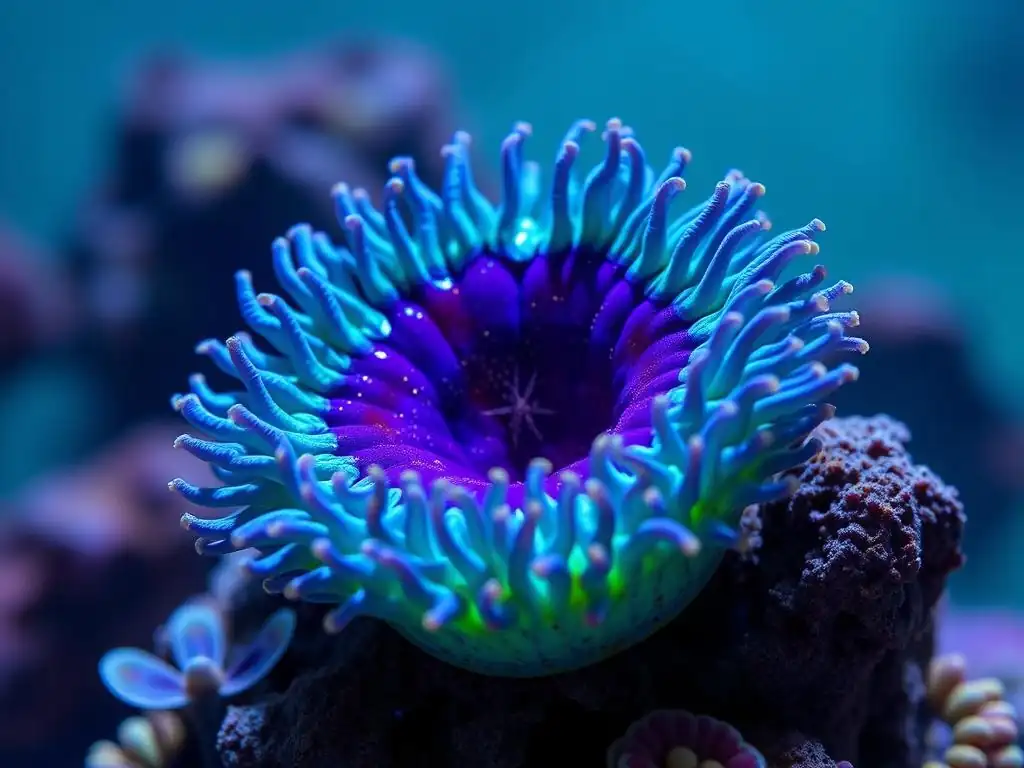
Lighting is arguably the most critical factor influencing zoanthid coloration, playing a pivotal role in their photosynthetic processes and the expression of their vibrant pigments. The spectrum of light, particularly the blue or actinic wavelengths, is essential for enhancing the fluorescence that makes many zoanthids glow.
For instance, a PAR (Photosynthetically Active Radiation) level typically ranging from 50 to 250, depending on the specific morph and desired intensity, is generally recommended. Lower PAR levels, such as 50-100, might be suitable for more common, less demanding morphs, while high-end or deeply pigmented varieties like Utter Chaos or Sunny D Zoanthids often flourish under 150-250 PAR.
The intensity of light directly impacts the zoanthids' ability to photosynthesize. Too little light can lead to browning as the zoanthids produce more zooxanthellae (symbiotic algae) to compensate, thus masking their natural vibrant pigments. Conversely, excessive light can cause bleaching, where the zoanthids expel their zooxanthellae, leading to a loss of color and potentially polyps. It is crucial to acclimate new zoanthids gradually to new lighting conditions, slowly increasing intensity over several weeks to avoid shock. A consistent photoperiod, typically 8-10 hours of light per day, also contributes to their stability and optimal health.
Maintaining Optimal Water Parameters for Zoanthid Health
Stability in water parameters is paramount for the long-term health and vibrant coloration of zoanthids, even more so than for many other corals. Sudden fluctuations can cause stress, leading to polyp retraction, loss of color, or even tissue necrosis. Key parameters to monitor and maintain include salinity at 1.025 specific gravity, temperature between 76-78°F (24.4-25.5°C), and consistent alkalinity (8-10 dKH), calcium (420-450 ppm), and magnesium (1300-1400 ppm). While soft corals like zoanthids do not have a calcified skeleton, stable levels of these elements support their overall physiological processes and the health of their tissues.
Furthermore, maintaining ultra-low nutrient levels is crucial for vibrant zoanthid coloration. High nitrates (above 10 ppm) and phosphates (above 0.03 ppm) are common culprits behind the browning or dulling of zoanthids. Elevated nutrients can promote excessive zooxanthellae growth, which then overshadows the coral's natural pigments. Regular water changes (e.g., 10-15% bi-weekly), efficient protein skimming, and the judicious use of phosphate-removing media are effective strategies for nutrient export, ensuring the water remains pristine and the zoanthids display their full, dazzling array of colors, a critical aspect of any colorful zoanthid identification guide.
Feeding Zoanthids: Enhancing Color and Growth
While zoanthids primarily derive their energy from photosynthesis, thanks to their symbiotic zooxanthellae, supplemental feeding can significantly enhance their growth rates and intensify their coloration. Zoanthids are micro-carnivores and will readily consume small particulate foods from the water column. Target feeding with fine zooplankton, phytoplankton, or specialized coral foods 2-3 times a week can provide them with additional nutrients that contribute to more robust tissue growth and the production of vibrant pigments.
Examples of suitable foods include commercially available products like Reef Roids, Polyp Lab's Reef-Roids, various phytoplankton blends, or finely crushed marine pellets. When feeding, it's best to turn off powerheads for 15-30 minutes to allow the food to settle on the polyps and be consumed without being immediately swept away. Although not strictly necessary for survival, consistent supplemental feeding can lead to noticeable improvements in polyp extension, colony expansion, and the overall brilliance of their colors, adding another layer to mastering the art of a colorful zoanthid identification guide.
Zoanthid Health and Disease: Recognizing and Treating Common Issues
Recognizing Signs of Unhealthy Zoanthids
Identifying signs of stress or disease in zoanthids early is crucial for successful intervention. One of the most common indicators of an unhealthy zoanthid colony is persistent polyp closure. While zoanthids may close temporarily due to light changes, water disturbances, or during their "sleep" cycle, prolonged closure (more than 24-48 hours) often signals an underlying issue. Another red flag is polyp recession or shrinking, where individual polyps become noticeably smaller or begin to disappear entirely from the mat.
Discoloration is also a clear sign of distress. Zoanthids may lose their vibrant hues, appearing dull, brownish, or even bleached white. Browning often indicates insufficient light or elevated nutrient levels, while bleaching suggests excessive light or severe stress. Additionally, look for any white film or stringy mucus on the polyps, which can be indicative of bacterial infections or tissue necrosis. Observing these changes promptly allows for timely diagnosis and treatment, preserving the beauty and health of your colorful zoanthid identification guide specimens.
Common Zoanthid Diseases and Pests
Zoanthids, despite their hardiness, can fall victim to several specific diseases and pests. Zoanthid Pox is a common bacterial infection that manifests as small, white, wart-like growths on the polyps, causing them to retract and often leading to tissue loss. Another significant threat comes from Zoanthid Eating Nudibranchs (Zoa Nudis), tiny, camouflaged slugs that feed exclusively on zoanthid polyps. Their presence is often indicated by missing polyps or distinct bite marks on the colony.
Sundial Snails are small, nocturnal snails that also prey on zoanthids, often hiding during the day. Flatworms, though less common, can irritate zoanthids and compete for food, causing them to remain closed. Perhaps the most devastating is Black Death, a rapid tissue necrosis that causes polyps to melt away, often caused by severe bacterial infections or extreme stress. Understanding these common issues is vital for maintaining a thriving zoanthid collection, complementing the knowledge gained from a colorful zoanthid identification guide.
Zoanthid Dipping and Treatment Options
For new zoanthid arrivals and as a first line of defense against existing issues, dipping is highly recommended. Commercial coral dips, such as Revive Coral Cleaner, Coral RX, or Lugol's Iodine solution, are effective in dislodging and killing many common pests like nudibranchs and sundial snails, as well as addressing bacterial infections. The process typically involves immersing the zoanthid frag in the dip solution for 5-15 minutes, gently swirling it to ensure full coverage. After dipping, rinse the coral thoroughly in clean tank water before returning it to the aquarium.
For specific issues, more targeted treatments may be necessary. For zoanthid pox, a dip in Furan-2 (an antibiotic) can be effective, but should only be used in a separate quarantine tank under strict guidance. Manual removal of visible pests like nudibranchs or sundial snails is also crucial, often performed with tweezers during dipping.
Most importantly, implementing a strict quarantine protocol for all new corals for at least 2-4 weeks is the best preventative measure. This allows for observation and treatment of any pests or diseases before they can spread to your main display tank, safeguarding your existing colorful zoanthid identification guide collection.
Fragging Zoanthids: Propagating Your Zoanthid Collection
Safe Zoanthid Fragging Techniques
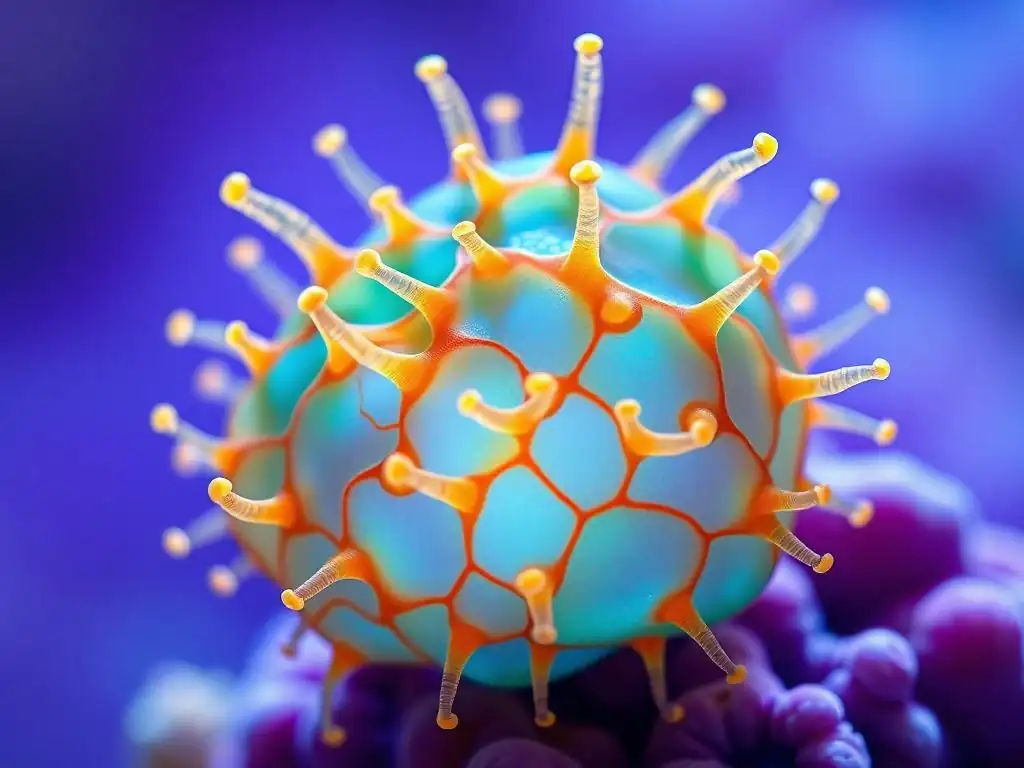
Fragging zoanthids is a common and rewarding practice for propagating your collection, but it requires strict safety precautions due to the potential presence of palytoxin. Always wear eye protection (goggles) and thick, chemical-resistant gloves (nitrile or thicker) to prevent any contact with zoanthid mucus or tissue, especially when cutting. Perform fragging in a well-ventilated area, preferably outdoors or near an open window, to avoid inhaling any airborne toxins. Never boil rocks with zoanthids on them, as this can aerosolize palytoxin.
The most common method involves carefully lifting the zoanthid mat from the rock using a sharp scalpel or razor blade. If the zoanthids are on a frag plug, you can often cut the plug itself using bone cutters. Aim for clusters of 3-5 polyps per frag, as this size generally has the best survival rate. After cutting, the zoanthids will "bleed" a protective mucus; rinse the frags thoroughly in a separate container of tank water to remove this mucus and any loose debris before proceeding to attachment.
Preparing Zoanthid Frags for Attachment
Once the zoanthid frags are cut and rinsed, the next step is preparing them for attachment to a frag plug or a new piece of live rock. After the initial rinse, briefly air dry the cut base of the zoanthid frag for 1-2 minutes. This allows the surface to become slightly tacky, which significantly improves the adhesion of the adhesive. Ensure the area you intend to glue is relatively clean and free of detritus or algae.
The most effective adhesive for zoanthids is cyanoacrylate gel super glue. Apply a small dab of the gel to the frag plug or the designated spot on the rock. Then, gently press the zoanthid frag firmly onto the glue for 10-30 seconds, ensuring good contact. Avoid using too much glue, as excess can irritate the polyps. Once attached, place the newly fragged zoanthids in a lower flow, lower light area of the aquarium initially to allow them to recover from the fragging process without additional stress. This controlled environment helps them acclimate and begin to grow.
Growing Out Zoanthid Frags: Ensuring Success
Ensuring the successful growth of zoanthid frags requires maintaining a stable and optimal environment. Consistent water parameters, including salinity (1.025 SG), temperature (76-78°F), and nutrient levels (low nitrates and phosphates), are paramount. Any significant fluctuations can stress the newly fragged polyps, inhibiting their recovery and growth. Regular water testing and appropriate dosing or water changes are essential to maintain these ideal conditions.
Place the fragged zoanthids in an area with moderate light and flow. While they were previously in a specific light intensity, the stress of fragging means they may benefit from slightly lower light initially. As they recover and begin to open fully, they can be gradually moved to their final desired placement.
Zoanthids generally grow quickly, but patience is key; it may take a few weeks for new polyps to appear after fragging. Under good conditions, you can typically expect a growth rate of 1-3 new polyps per month per frag, allowing you to expand your colorful zoanthid identification guide collection or share with fellow hobbyists. Regularly observe your frags for any signs of stress, pests, or disease, and be prepared to intervene if necessary.
Conclusion: Mastering Colorful Zoanthid Identification and Care.
Mastering the art of colorful zoanthid identification and care transforms the daunting task of distinguishing between hundreds of vibrant morphs into an enjoyable and rewarding aspect of reef keeping. This comprehensive colorful zoanthid identification guide has provided detailed insights into recognizing popular varieties, understanding their unique characteristics, and implementing specific care strategies to ensure their dazzling colors thrive. From the chaotic beauty of Utter Chaos to the striking contrast of Fire and Ice, and the iconic patterns of Watermelon and Blue Hornets, each zoanthid morph offers a unique aesthetic contribution to the reef aquarium.
Beyond the visual appeal, accurate identification is critical for responsible husbandry, particularly given the varying levels of palytoxin found in different genera. By adhering to safe handling practices and understanding the subtle distinctions between Zoanthus and Palythoa, aquarists can minimize risks while maximizing the health and vibrancy of their colonies.
Ultimately, keeping these magnificent soft corals requires a blend of knowledge, consistent care, and keen observation. With the aid of this colorful zoanthid identification guide, you are well-equipped to confidently identify, care for, and propagate these living jewels, ensuring your reef aquarium remains a dynamic and breathtaking display of nature's artistry.
Frequently Asked Questions
What are zoanthids and why are they popular in reef aquariums?
Zoanthids, often called "zoas," are a type of soft coral known for their vibrant colors and relatively easy care in reef aquariums. Their popularity stems from their aesthetic appeal and ability to quickly colonize rockwork.
How difficult is it to identify different zoanthid varieties?
Identifying zoanthid varieties can be challenging due to variations in color and pattern influenced by environmental factors like lighting and water parameters. The "Zoanthid Identification Guide" aids in distinguishing them.
What are some key characteristics used to identify zoanthids?
Key characteristics used in zoanthid identification include their coloration, the patterns on their oral discs and skirts, and the overall polyp shape and size. Specific patterns like speckles, rings, or stripes are also important.
What resources does AquariumMastery.com offer for zoanthid care and identification?
AquariumMastery.com provides a comprehensive "Zoanthid Identification Guide" with pictures and names of popular varieties. It also offers articles on water chemistry and troubleshooting common tank issues related to zoanthids.
What common mistakes do beginners make when keeping zoanthids?
Beginners often make the mistake of not providing adequate lighting and water flow. They may also neglect water quality, leading to problems like zoanthid pox or slow growth.
Final Reflection: Embracing the Kaleidoscope of Zoanthids
The vibrant world of zoanthids, as we've explored, is more than just a collection of colorful polyps; it's a testament to the astonishing biodiversity hidden within our oceans and the captivating beauty that can thrive even in controlled environments. Understanding and appreciating these miniature ecosystems, as highlighted throughout this guide, is increasingly relevant as we strive to protect and preserve the delicate balance of marine life in the face of growing environmental pressures.
This journey through the names and appearances of popular zoanthid varieties has, I hope, sparked a deeper appreciation for their intricate beauty and the dedication required to cultivate them. The act of identifying and caring for these creatures becomes a meditative practice, connecting us to the natural world in a profound way. In nature, nothing is perfect and everything is perfect. Trees can be contorted, bent in weird ways, and they're still beautiful.
- Alice Walker. This quote perfectly encapsulates the unique charm and resilience of zoanthids, reminding us to find beauty in the unexpected.
Now, armed with this knowledge, I encourage you to look beyond the surface and delve deeper into the fascinating world of zoanthids. Whether you're a seasoned reef keeper or a curious newcomer, take the time to observe, appreciate, and contribute to the responsible care of these captivating creatures. Let the vibrant colors and intricate patterns of zoanthids inspire you to cultivate beauty and harmony, not only in your aquariums but also in your everyday life.
Unleash Your Inner Zoanthid Expert!
Thank you for diving into the vibrant world of zoanthids! We hope you've enjoyed discovering the beauty and diversity these corals have to offer. Now, it's time to take what you've learned and bring it to life.
Here are a few ways to continue your zoanthid journey:
- Begin Documenting: Photograph and record any zoanthids you already have. Start a detailed journal including morph names, growth rates, and water parameters to build your own personal zoanthid encyclopedia.
- Share your newfound knowledge! Discuss your favorite zoanthid morphs on relevant forums or reefing communities. Helping others identify their corals will solidify your own understanding.
- Dive Deeper: Research the fascinating history behind specific zoanthid names and the stories they tell about collectors, regions, or unique characteristics.
Ready to put your zoanthid ID skills to the test and share your knowledge with the reefing community?