
Bicolor Anthias: A Striking and Relatively Hardy Option for Reef Enthusiasts

Welcome to Aquarium Mastery!
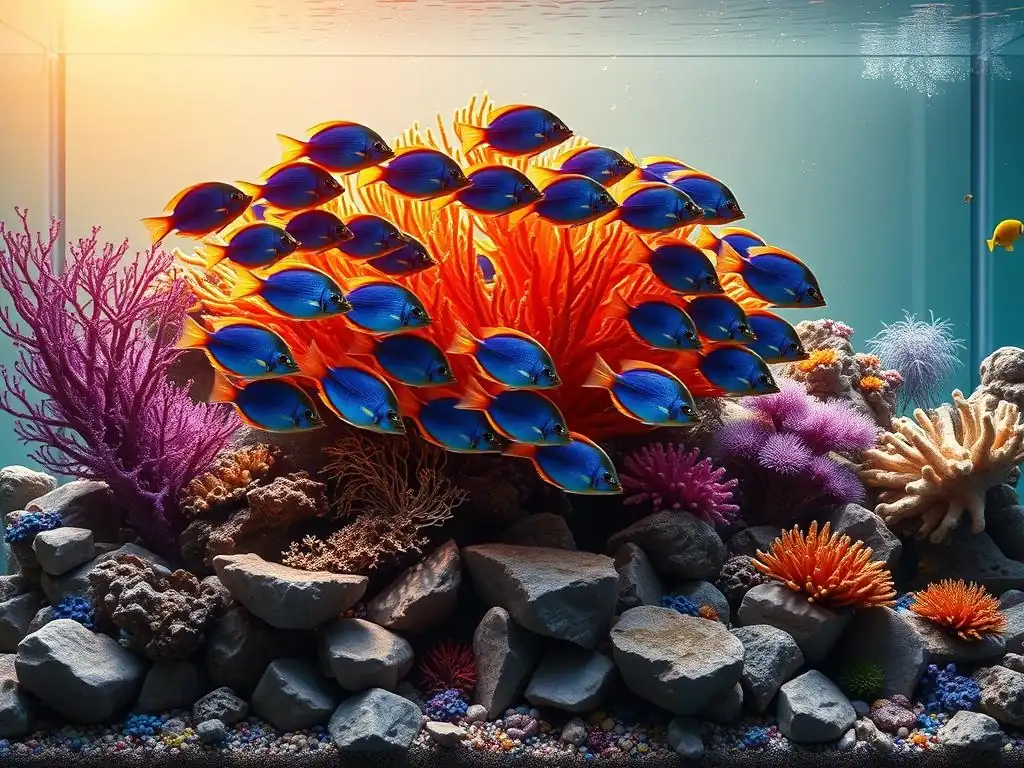
Ever been captivated by the vibrant colors of a reef tank? Dive in with us as we explore the captivating world of saltwater aquariums, starting with a fish that's both stunning and surprisingly manageable. Our Bicolor Anthias care guide unlocks the secrets to successfully keeping this beauty, transforming your reef into a dazzling underwater spectacle. Curious to know if this fish is right for your tank? Read on and discover everything you need to know!
- Introduction to the Bicolor Anthias ( Pseudanthias bicolor )
- Bicolor Anthias Care Guide: Essential Information
- Choosing Healthy Bicolor Anthias: What to Look For
- Bicolor Anthias Tank Mates: Compatibility and Considerations
- Common Health Issues and Diseases in Bicolor Anthias
- Breeding Bicolor Anthias: Challenges and Possibilities
- The Benefits of Keeping Bicolor Anthias in Your Reef Aquarium
- Bicolor Anthias: Where to Buy and What to Expect
- Conclusion: Mastering Bicolor Anthias Care for a Thriving Reef
-
Frequently Asked Questions
- What are the key considerations when setting up an aquarium for Bicolor Anthias?
- What is the ideal diet for Bicolor Anthias in a reef aquarium?
- How difficult is it to care for Bicolor Anthias compared to other reef fish?
- What are some common health issues that affect Bicolor Anthias and how can I prevent them?
- What are the typical behaviors of Bicolor Anthias in a reef aquarium, and how do I ensure they thrive?
- Final Reflection: Embracing the Vibrant Challenge
- Unleash the Beauty: Dive Deeper into Reef Keeping!
Introduction to the Bicolor Anthias ( Pseudanthias bicolor )
Why Choose the Bicolor Anthias for Your Reef Tank?
The Bicolor Anthias, scientifically known as Pseudanthias bicolor, is a highly sought-after species among reef aquarists due to its captivating appearance and active swimming habits. These fish add a dynamic splash of color to the mid-water column of a reef aquarium, with their distinctive yellow and purple coloration creating a vibrant contrast that immediately draws the eye. Unlike some more reclusive reef inhabitants, Bicolor Anthias are typically out in the open, gracefully navigating the currents, which significantly enhances the visual appeal and perceived liveliness of a tank.
Furthermore, Pseudanthias bicolor is considered one of the more resilient and adaptable anthias species available to hobbyists, making them a suitable choice for intermediate aquarists looking to venture into keeping these beautiful fish. While all anthias require specific Bicolor Anthias care guide considerations, their relative hardiness compared to more delicate Pseudanthias varieties means they are more forgiving of minor fluctuations in water parameters once established. Their schooling behavior, particularly when kept in a small group, creates a stunning display that mimics natural reef aggregations.
Overview of Pseudanthias bicolor Characteristics
The Bicolor Anthias exhibits a striking two-toned coloration: the anterior (front half) of its body is typically a vibrant golden yellow, transitioning sharply to a brilliant purple or magenta on the posterior (rear half), including the caudal fin. Males often display more intense coloration, particularly during courtship, and may develop extended fin rays.
These fish typically reach an adult size of about 4 to 5 inches (approximately 10 to 13 cm) in captivity, making them a manageable size for appropriately sized reef tanks. They are protogynous hermaphrodites, meaning all individuals are born female, and the dominant female in a group will transform into a male if one is not present.
In their natural habitat, Bicolor Anthias are found throughout the Indo-Pacific region, from the Red Sea to the Marquesas Islands, inhabiting outer reef slopes and drop-offs at depths ranging from 20 to 200 feet (about 6 to 60 meters). They typically form harems consisting of one male and several females, constantly feeding on zooplankton suspended in the water column. In a home aquarium, they maintain this active, mid-water swimming behavior and require a consistent food supply to thrive. Understanding these inherent characteristics is fundamental to providing optimal Bicolor Anthias care.
Bicolor Anthias Care Guide: Essential Information
Optimal Tank Parameters for Bicolor Anthias
Water Temperature and Salinity for Anthias Health
Maintaining stable water temperature and salinity is paramount for the health and longevity of Bicolor Anthias. The ideal temperature range for Pseudanthias bicolor is between 74°F and 78°F (approximately 23.3°C to 25.6°C). Fluctuations outside this range, especially rapid ones, can cause significant stress, weaken their immune system, and make them susceptible to disease. Consistent temperature is best achieved with a reliable aquarium heater, potentially paired with an aquarium chiller in warmer climates to prevent overheating.
Salinity levels should be kept within a specific gravity range of 1.023 to 1.026, or a corresponding PSU (Practical Salinity Units) of 33-35. Regular testing with a calibrated refractometer is crucial to ensure accuracy. Evaporation causes salinity to rise, so daily top-offs with RODI (Reverse Osmosis De-Ionized) water are essential to prevent this. Consistent salinity supports proper osmoregulation, which is vital for the fish's internal balance and overall well-being. Adhering to these parameters is a core component of any effective Bicolor Anthias care guide.
Maintaining Proper pH and Alkalinity in a Reef Environment
For Bicolor Anthias to thrive in a reef environment, maintaining stable pH and alkalinity (dKH) levels is critical, as these parameters directly impact the overall health of the entire ecosystem, including the fish. The optimal pH range for a reef tank housing Bicolor Anthias is typically 8.1 to 8.4. Deviations below 7.8 can lead to stress and inhibit biological processes, while excessively high pH can also be detrimental.
Alkalinity, which measures the water's buffering capacity against pH swings, should be maintained between 8 and 12 dKH (degrees of carbonate hardness). Consistent alkalinity ensures pH stability and provides carbonates essential for coral growth, which indirectly benefits the entire reef system. Regular water changes with high-quality salt mix are the primary method for maintaining these levels. For larger systems or those with significant coral growth, dosing calcium and alkalinity supplements, often via automated dosing pumps, can help keep parameters steady and contribute significantly to comprehensive Bicolor Anthias care.
Bicolor Anthias Diet and Feeding Schedule
What Do Bicolor Anthias Eat? A Comprehensive Feeding Guide
In their natural reef habitat, Bicolor Anthias are obligate planktivores, meaning their diet consists almost exclusively of zooplankton suspended in the water column. This includes a wide array of microscopic crustaceans such as copepods, amphipods, and various larval stages of marine invertebrates. They are continuous grazers, constantly picking at food particles as they drift by in the current. This natural feeding behavior dictates their dietary needs in a captive environment, emphasizing the importance of frequent, small feedings of appropriate foods.
To replicate their natural diet in an aquarium, a varied and high-quality food regimen is essential for a robust Bicolor Anthias care guide. While they will accept some prepared foods, their diet should primarily consist of frozen, meaty foods. Examples include enriched frozen mysis shrimp, cyclop-eeze, enriched brine shrimp, and finely chopped krill. Some aquarists also supplement with high-quality marine flakes or pellets designed for planktivores, though these should not be the sole food source. Ensuring a diverse diet helps meet all their nutritional requirements, promoting vibrant coloration and strong immunity.
Recommended Foods for Vibrant Colors and Health
For Bicolor Anthias to display their characteristic vibrant yellow and purple hues and maintain optimal health, their diet must be rich in essential nutrients, particularly fatty acids and carotenoids. Recommended foods that contribute to their coloration and well-being include frozen mysis shrimp, which are highly nutritious and readily accepted by most anthias. Cyclop-eeze (small copepods) are excellent for their high nutritional content and small size, mimicking natural plankton.
Other beneficial foods include vitamin-enriched brine shrimp, which can be gut-loaded before feeding, and finely chopped, high-quality krill. Incorporating foods enriched with spirulina or other algae can also provide beneficial carotenoids that enhance color. Some aquarists also feed specialized "anthias blends" that are formulated to meet the specific dietary needs of these fish. A consistent feeding of these high-quality, varied foods is a cornerstone of effective Bicolor Anthias care, ensuring they receive the necessary energy and nutrients to thrive.
Feeding Frequency and Methods to Prevent Overfeeding
Given their natural grazing behavior as planktivores, Bicolor Anthias require frequent, small feedings throughout the day rather than one or two large meals. Ideally, they should be fed at least 2-3 times per day, and even up to 4-5 times for newly introduced or juvenile specimens, allowing them to graze consistently. This mimics their continuous feeding in the wild and helps prevent energy depletion, which can lead to stress and susceptibility to disease.
To prevent overfeeding, which can lead to poor water quality and nitrate buildup, only offer an amount of food that the Bicolor Anthias (and other tank inhabitants) can consume within a few minutes. Using a feeding ring can help contain floating foods, ensuring they are eaten before sinking into the rockwork. Regularly siphoning out any uneaten food during routine maintenance is also crucial. Overfeeding not only pollutes the water but can also lead to digestive issues in the fish. A diligent feeding strategy is a critical aspect of providing proper Bicolor Anthias care.
Tank Size and Setup for Bicolor Anthias: Creating the Ideal Habitat
Minimum Tank Size Requirements for a School of Bicolor Anthias
The minimum tank size for a single Bicolor Anthias is generally considered to be 75 gallons (approximately 280 liters). However, for a small harem (one male and 3-5 females), which is the ideal social structure for these fish and significantly enhances their display, a tank of 125 gallons (approximately 470 liters) or larger is highly recommended. The larger volume provides more stable water parameters, which is crucial for anthias, and offers ample swimming space.
A spacious tank also allows for proper territory establishment among the group, reducing potential aggression, particularly if the male is establishing dominance. The "Bicolor Anthias care guide" emphasizes that while these fish are relatively small, their active swimming nature and social requirements necessitate generous space. A larger tank also provides more room for diverse aquascaping and strong water flow, both of which are vital for their well-being.
Essential Rockwork and Aquascaping for Anthias Comfort
While Bicolor Anthias are primarily open-water swimmers, they still require ample live rock with numerous caves, overhangs, and crevices within the aquarium. This rockwork serves as essential shelter and security for the fish, providing them with safe retreats when they feel threatened or during nighttime hours. Without adequate hiding spots, they can become stressed, leading to health issues.
Proper aquascaping ensures that the rockwork creates distinct areas, which can help mitigate aggression within a harem. Strategic placement of rocks can also create natural current patterns that simulate their wild environment. A well-designed aquascape enhances the visual appeal of the tank and directly contributes to the comfort and psychological well-being of the Bicolor Anthias, making it a key element in their comprehensive care.
Importance of Strong Water Flow for Anthias Well-being
Bicolor Anthias naturally inhabit areas of the reef with moderate to strong water currents, where they spend their time darting in and out of the flow to capture zooplankton. Replicating this strong water movement in the home aquarium is fundamental to their health and activity. Adequate flow keeps food particles suspended in the water column, making it easier for them to feed, and also aids in oxygenation.
To achieve suitable flow, multiple powerheads or wavemakers should be strategically placed throughout the tank, aiming for a total flow rate of 10-20 times the tank volume per hour. This ensures that there are no "dead spots" where detritus can accumulate and that the water is constantly circulating. Strong, turbulent flow encourages natural swimming behavior, strengthens their musculature, and mimics the dynamic environment they thrive in, thereby forming a vital part of any effective Bicolor Anthias care guide.
Choosing Healthy Bicolor Anthias: What to Look For
Identifying Signs of a Healthy Bicolor Anthias
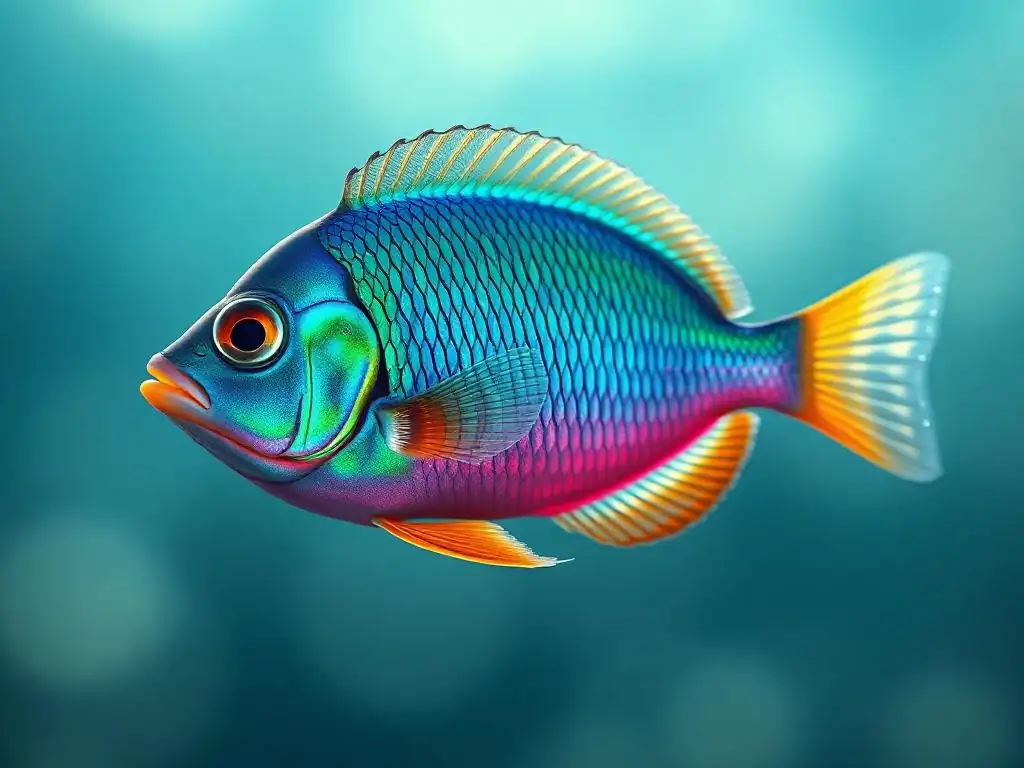
When selecting Bicolor Anthias for your aquarium, careful observation is crucial to ensure you bring home healthy specimens. A healthy Bicolor Anthias will exhibit vibrant, clear coloration with distinct yellow and purple sections, and its eyes should be bright and clear, not cloudy or sunken. Look for fish that are actively swimming in the display tank, typically in the mid-water column, and are responsive to their surroundings.
Observe their fins; they should be fully extended, intact, and free from tears, nips, or signs of fin rot. Their breathing should be calm and regular, not rapid or labored. Most importantly, try to see them eat. A healthy anthias will readily accept food, indicating good health and a lack of severe stress. Avoid any fish that appear lethargic, are hiding excessively, have visible spots (like Ich), lesions, frayed fins, or a pinched belly, as these are all red flags indicating potential health issues.
Acclimation Process: Introducing Anthias to Your Aquarium
The acclimation process is a critical step for successfully introducing Bicolor Anthias to your aquarium, minimizing stress and preventing osmotic shock. A slow drip acclimation is highly recommended for these sensitive fish. This involves slowly dripping water from your display tank into the bag or container holding the new fish over a period of at least 1 to 2 hours, gradually matching the temperature, pH, and salinity. This gentle transition allows the fish to adjust to the new water parameters without undue stress.
Once acclimated, turn off the main aquarium lights before carefully netting the fish and placing it into the display tank. Avoid adding the shipping water to your tank. Keeping the tank lights off for a few hours after introduction helps reduce immediate stress and allows the fish to explore its new environment without feeling exposed. For optimal Bicolor Anthias care, a dedicated quarantine tank (QT) for 3-4 weeks is strongly advised to observe for diseases and ensure the fish is eating well before introduction to the main display.
Bicolor Anthias Tank Mates: Compatibility and Considerations
Suitable Tank Mates for Bicolor Anthias in a Reef Setting
Choosing appropriate tank mates is vital for the long-term well-being of Bicolor Anthias in a reef setting. Due to their peaceful and somewhat timid nature, they thrive best with other non-aggressive, similarly sized fish that will not outcompete them for food or territory. Excellent choices include other peaceful anthias species, such as Lyretail Anthias (though ensure adequate tank size for multiple anthias species), clownfish, most gobies (e.g., watchman gobies, diamond gobies), blennies, and many types of peaceful wrasses (e.g., flasher wrasses, fairy wrasses).
Small, peaceful tangs (e.g., Yellow Tang, Kole Tang) can also be suitable in larger tanks. The key is to select species with a calm temperament that occupy different niches within the aquarium, minimizing direct competition and stress. Species that spend time on the substrate or in the rockwork are generally good choices, allowing the Bicolor Anthias to dominate the mid-water column without conflict. A well-planned community is crucial for a successful Bicolor Anthias care guide.
Fish to Avoid: Aggressive Species That Can Stress Anthias
To ensure the safety and comfort of your Bicolor Anthias, it is imperative to avoid housing them with aggressive, territorial, or predatory fish species. Large angelfish, triggers, puffers, aggressive wrasses (e.g., Lunar Wrasse, large Hogfish), and most damselfish are generally unsuitable tank mates. These species can harass, fin-nip, or even prey upon the more delicate anthias, leading to chronic stress, refusal to eat, injury, or even death.
Even seemingly "semi-aggressive" species can be problematic if the tank is too small or if the aggressive fish is particularly dominant. Chronic stress from inappropriate tank mates significantly weakens the Bicolor Anthias' immune system, making them highly susceptible to common diseases like Ich and Marine Velvet. Prioritizing peaceful cohabitation is a fundamental aspect of comprehensive Bicolor Anthias care.
Invertebrate Compatibility: Reef Safe Options
Bicolor Anthias are considered entirely reef-safe, making them an excellent addition to any mixed reef aquarium. They generally pose no threat to corals, including SPS (Small Polyp Stony), LPS (Large Polyp Stony), and soft corals. Their diet consists exclusively of plankton, so they will not nip at corals or consume sessile invertebrates.
They are also compatible with most common reef invertebrates such as snails (e.g., turbo snails, Nassarius snails), hermit crabs, and various shrimp species (e.g., cleaner shrimp, peppermint shrimp, sexy shrimp). While they might occasionally show interest in very tiny, newly introduced shrimp or copepods if extremely hungry, they are not typically predatory towards established invertebrate populations. This makes their integration into a thriving reef environment straightforward, a significant advantage for any Bicolor Anthias care guide.
Common Health Issues and Diseases in Bicolor Anthias
Recognizing and Treating Common Anthias Diseases
Like all marine fish, Bicolor Anthias can be susceptible to common saltwater diseases, especially if stressed by poor water quality, inadequate diet, or aggressive tank mates. Key diseases to watch for include Marine Ich ( Cryptocaryon irritans), characterized by small white spots resembling salt grains on the body and fins, and Marine Velvet ( Amyloodinium ocellatum), which appears as a dusty, yellowish film and often causes rapid breathing. Bacterial infections can manifest as cloudy eyes, fin rot, or red sores.
Early detection is crucial for successful treatment. If symptoms appear, the affected fish should be moved to a dedicated quarantine tank (QT) for treatment. Copper-based medications are effective against Ich and Velvet, while broad-spectrum antibiotics can treat bacterial infections. Always follow medication instructions carefully. Recognizing these signs and having a treatment plan is an important part of a responsible Bicolor Anthias care guide.
Preventing Disease Outbreaks: Quarantine and Prophylactic Measures
Preventing disease outbreaks is far more effective than treating them, and a robust quarantine protocol is the single most important prophylactic measure for Bicolor Anthias. All new fish, including anthias, should be quarantined in a separate tank for a minimum of 3 to 4 weeks. During this period, observe them closely for any signs of disease, ensure they are eating well, and consider prophylactic treatments for common parasites (e.g., a copper treatment for Ich/Velvet) and internal parasites (e.g., Praziquantel).
Beyond quarantine, maintaining stable, pristine water parameters is paramount for disease prevention. Consistent temperature, salinity, pH, and low nutrient levels reduce stress on the fish, bolstering their immune systems. Providing a high-quality, varied diet, avoiding overstocking, and selecting compatible tank mates also contribute significantly to a stress-free environment, making the fish more resilient against pathogens. These preventative steps are essential for long-term Bicolor Anthias care.
Breeding Bicolor Anthias: Challenges and Possibilities
Understanding the Reproductive Behavior of Pseudanthias bicolor
Bicolor Anthias exhibit protogynous hermaphroditism, a fascinating reproductive strategy where all individuals are born female. Within a group, the largest and most dominant female will undergo a sex change to become the male if the existing male is removed or dies. This allows for rapid adaptation to changes in group dynamics. In their natural environment, Bicolor Anthias are pelagic spawners. During spawning, the male and a female (or several females) will rise into the water column, release their eggs and sperm simultaneously, which then drift away with the currents.
The eggs are tiny and buoyant, becoming part of the plankton. There is no parental care once the eggs are released. This reproductive strategy, while effective in the vastness of the ocean, presents significant hurdles for captive breeding efforts. Understanding this natural behavior is key to appreciating the complexities involved in attempting to breed Bicolor Anthias.
The Difficulty of Breeding Bicolor Anthias in Captivity
Breeding Bicolor Anthias in captivity is exceptionally challenging and has seen very limited success, primarily confined to highly specialized aquaculture facilities. The main difficulty lies in raising the pelagic larvae. The eggs are incredibly small, hatching into minuscule larvae that require specific, live, microscopic food sources that are difficult to culture in sufficient quantities for their survival. These larval stages are highly sensitive to water quality and require precise environmental conditions.
The sheer volume of water needed to support a successful spawning event and the subsequent larval rearing, coupled with the difficulty in culturing their specific first-food organisms, makes it impractical for the average hobbyist. While adult Bicolor Anthias may exhibit spawning behavior in a well-maintained reef tank, the survival rate of the eggs and larvae is virtually non-existent without advanced aquaculture techniques. Therefore, for most aquarists, acquiring wild-caught or commercially aquacultured specimens remains the only viable option when seeking Bicolor Anthias.
The Benefits of Keeping Bicolor Anthias in Your Reef Aquarium
Enhancing the Visual Appeal of Your Reef Tank with Anthias
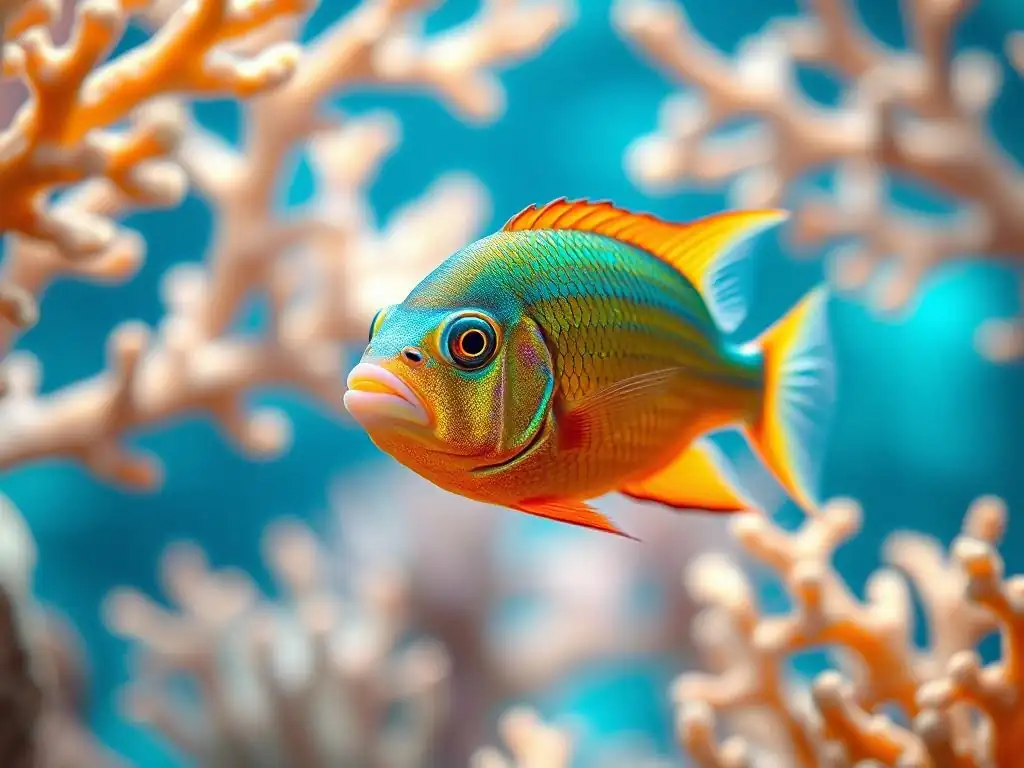
The Bicolor Anthias is arguably one of the most visually striking fish available to reef aquarists, making it an exceptional choice for enhancing the aesthetic appeal of a reef tank. Their vibrant, contrasting yellow and purple coloration provides a dynamic focal point, especially when kept in a small group. Unlike many static reef inhabitants, these fish are constant swimmers, gracefully darting through the mid-water column, adding a sense of movement and liveliness that few other species can provide.
A group of Bicolor Anthias creates a breathtaking display, mimicking the bustling activity of a healthy wild reef. Their active nature and brilliant hues complement the intricate structures of corals and other sessile invertebrates, creating a more complete and natural-looking underwater landscape. The sheer beauty and constant activity of these anthias make them a top choice for aquarists aiming to maximize the visual impact of their reef aquarium, making them a highlight in any Bicolor Anthias care guide.
The Role of Anthias in a Healthy Reef Ecosystem
Beyond their aesthetic appeal, Bicolor Anthias play an ecological role within a captive reef ecosystem, albeit on a smaller scale than in the wild. As natural planktivores, they continuously filter the water column by consuming suspended organic matter and micro-organisms. While their impact on nutrient export in a closed system is limited compared to mechanical filtration, their presence contributes to the overall biological diversity and balance of the tank.
Their active swimming and schooling behavior can also encourage other fish to be more active and feel more secure, contributing to a more natural and dynamic environment. In a well-established reef system, Bicolor Anthias help create a sense of completeness, filling the mid-water column with life and movement, which is essential for a thriving and realistic reef display. Their integration into a healthy reef ecosystem is a testament to the benefits of proper Bicolor Anthias care.
Bicolor Anthias: Where to Buy and What to Expect
Finding Reputable Sources for Bicolor Anthias
When looking to acquire Bicolor Anthias, it is crucial to seek out reputable sources to ensure you are purchasing healthy, well-acclimated specimens. Local fish stores with a good reputation for healthy marine livestock are an excellent starting point. Inquire about their fish's origin, how long they have had the fish, and their quarantine procedures. A good store will have fish that are active, eating, and free of visible signs of disease.
Online vendors also offer Bicolor Anthias, but it is even more important to research their reviews and policies thoroughly. Look for vendors who offer live arrival guarantees, have strong customer support, and provide detailed information about their fish's health and acclimation. Avoid impulse buys from unknown sources, as unhealthy fish can introduce diseases into your established tank, undermining all your efforts in Bicolor Anthias care.
Cost Considerations for Purchasing and Maintaining Anthias
The initial cost of a Bicolor Anthias can vary depending on its size, sex (if specified), source, and current market demand. On average, a single Bicolor Anthias might range from $40 to $80 USD. If you plan to keep a small harem, the initial investment will obviously be higher, potentially ranging from $160 to $400 USD for a group of four to five fish. Prices can fluctuate significantly based on region and availability.
Beyond the purchase price, ongoing maintenance costs are a significant factor. These include high-quality frozen foods, which are essential for their health and vibrancy, as well as electricity for pumps, heaters, and lighting. Regular purchases of salt mix, RODI water, and test kits for water parameters are also necessary. Investing in proper equipment and consistent high-quality food, as outlined in this Bicolor Anthias care guide, will help ensure the long-term health of your fish, ultimately saving money by avoiding disease and loss.
Conclusion: Mastering Bicolor Anthias Care for a Thriving Reef
Recap of Key Bicolor Anthias Care Points
Mastering Bicolor Anthias care is a rewarding endeavor that culminates in a vibrant and dynamic reef aquarium. The cornerstone of their long-term health lies in maintaining consistently stable water parameters, including a temperature range of 74-78°F, salinity between 1.023-1.026, and pH of 8.1-8.4 with alkalinity of 8-12 dKH. Crucially, these fish thrive on frequent, small feedings of a varied, high-quality diet rich in meaty, frozen foods such as mysis shrimp and cyclop-eeze, mimicking their natural planktivorous habits.
Furthermore, providing an appropriately sized tank—at least 75 gallons for a single fish, and ideally 125 gallons or more for a small harem—with ample live rock for shelter and strong, turbulent water flow is indispensable. Careful selection of peaceful tank mates and the strict implementation of a quarantine protocol for all new arrivals are vital preventative measures against stress and disease. Adhering to these key points provides a comprehensive Bicolor Anthias care guide for success.
Further Resources for Anthias Enthusiasts
For aquarists passionate about these captivating fish, continuous learning and observation are key to refining Bicolor Anthias care. Engaging with online forums dedicated to reef keeping, consulting with experienced aquarists, and delving into more specialized literature on Pseudanthias species can provide deeper insights into their nuances and specific requirements. Resources like AquariumMastery.com offer detailed species profiles and troubleshooting guides that can further enhance your knowledge.
Ultimately, the best "Bicolor Anthias care guide" is the one you develop through diligent observation of your own fish and tank environment. Paying close attention to their behavior, feeding response, and coloration, alongside consistent monitoring of water parameters, will allow you to fine-tune your care routine. With dedication to these principles, Bicolor Anthias can become long-term, stunning residents of your thriving reef aquarium, offering years of beauty and fascination.
Frequently Asked Questions
What are the key considerations when setting up an aquarium for Bicolor Anthias?
The most important factors are tank size (at least 75 gallons), stable water parameters, and plenty of hiding places to reduce stress. Maintaining pristine water quality is also crucial.
What is the ideal diet for Bicolor Anthias in a reef aquarium?
Bicolor Anthias require a varied diet of small, meaty foods fed multiple times a day. Consider frozen mysis shrimp, copepods, and high-quality flake food formulated for marine fish.
How difficult is it to care for Bicolor Anthias compared to other reef fish?
While more demanding than some beginner fish, Bicolor Anthias are considered relatively hardy if their needs are met. Success hinges on proper acclimation and a stable environment.
What are some common health issues that affect Bicolor Anthias and how can I prevent them?
They can be susceptible to parasitic infections like ich and stress-related diseases. Quarantine new arrivals and maintain excellent water quality to minimize risks.
What are the typical behaviors of Bicolor Anthias in a reef aquarium, and how do I ensure they thrive?
They are social fish that do best in groups, but may require careful introduction. Provide ample swimming space and observe them for signs of aggression or stress.
Final Reflection: Embracing the Vibrant Challenge
The journey of keeping a Bicolor Anthias, as we've explored, is one that demands dedication and understanding, but the rewards are undeniably captivating. This delicate balance between challenge and beauty mirrors the very essence of responsible reef keeping, reminding us that the health of our aquariums is inextricably linked to the well-being of the broader marine ecosystem.
The allure of the Bicolor Anthias extends beyond its striking appearance; it represents a commitment to creating a thriving microcosm of the ocean within our homes. This commitment, born from a desire to witness the wonders of the reef, fosters a deeper appreciation for the fragility and interconnectedness of life. In the end, we will conserve only what we love; we will love only what we understand; and we will understand only what we are taught.
- Baba Dioum. This quote encapsulates the importance of knowledge and responsible care in preserving the beauty of species like the Bicolor Anthias.
As you consider adding this vibrant fish to your reef, remember that your choices have a ripple effect. Let this guide serve not just as a manual for care, but as an invitation to reflect on your role as a steward of the ocean. Embrace the challenge, celebrate the beauty, and contribute to a future where these magnificent creatures continue to thrive, both in our aquariums and in the wild.
Unleash the Beauty: Dive Deeper into Reef Keeping!
Thank you for exploring the captivating world of Bicolor Anthias with us! We hope you've gained valuable insights into adding these stunning fish to your reef aquarium. Ready to take the next step?
Here's how you can continue your journey:
- Commit to Research: Deeply understand the specific needs of Bicolor Anthias before acquisition to ensure a thriving environment.
- Share the Beauty: Spread your newfound knowledge by sharing this article with fellow reefing enthusiasts to educate on their care.
- Unexpected Action: Try creating a detailed care journal, and document the first three months post acclimation in the reef to spot any behavior anomalies.
What specific research sources will you consult before introducing a Bicolor Anthias to your reef tank?