
Maximizing Shrimplet Survival: From Birth to Juvenile Stage

Welcome to Aquarium Mastery!
Ever wondered how to tip the scales in favor of shrimplet survival? Unlocking the secrets to successful shrimp breeding is easier than you think. Dive into "Maximizing Shrimplet Survival: From Birth to Juvenile Stage" and discover proven shrimp breeding survival techniques that will transform your aquarium into a thriving invertebrate haven. Get ready to witness a boom in your shrimp population!
- Understanding Shrimplet Vulnerability: Why Shrimplet Survival Matters
- Key Factors Influencing Shrimplet Survival: Shrimp Breeding Survival Techniques
- Optimizing Your Aquarium for Shrimplet Success: Practical Shrimp Breeding Techniques
- From Shrimplet to Juvenile: Nurturing Growth and Development
- Troubleshooting Common Shrimplet Survival Problems
- Advanced Shrimp Breeding Techniques for Increased Shrimplet Survival
- Conclusion: Long-Term Strategies for Maximizing Shrimplet Populations in Your Aquarium
-
Frequently Asked Questions
- What are the most critical factors for shrimplet survival after hatching?
- How can I ensure my shrimplets get enough food in a planted aquarium?
- What water parameters are most important for shrimplet survival, and how do I maintain them?
- What type of filtration is best for a shrimp breeding tank to protect shrimplets?
- How do I minimize stress for shrimplets during the critical early stages of life?
- Final Reflection: Cultivating Resilience in Aquaculture
- Nurture Thriving Shrimplets Now!
Understanding Shrimplet Vulnerability: Why Shrimplet Survival Matters
The Critical First Weeks: Challenges Faced by Newborn Shrimp
Newborn shrimp, often referred to as shrimplets, are incredibly delicate creatures, typically measuring less than 2 millimeters upon hatching. This diminutive size makes them highly susceptible to a myriad of environmental stressors and physical dangers within the aquarium. Their undeveloped exoskeletons and rudimentary swimming abilities mean they are easily buffeted by strong currents, can be sucked into inadequately filtered intakes, or simply struggle to find sufficient food in a competitive environment.
During these initial weeks, shrimplets undergo rapid growth and frequent molts, a process that requires significant energy and leaves them temporarily vulnerable. Any instability in water parameters, even minor fluctuations in temperature or pH, can prove fatal. Without proper shrimp breeding survival techniques, it's not uncommon for hobbyists to experience high mortality rates, sometimes losing 50% or more of a brood in tanks not specifically optimized for their needs.
Impact of Low Shrimplet Survival Rates on Shrimp Colonies
Low shrimplet survival rates can severely hinder the growth and stability of an entire shrimp colony. When only a small fraction of the offspring reach maturity, the population's natural reproductive cycle is disrupted, leading to a stagnant or even declining number of shrimp over time. This not only diminishes the aesthetic appeal of a thriving tank but also impacts the genetic diversity and resilience of the colony.
Furthermore, persistent low survival can lead to a bottleneck effect, where the gene pool becomes limited, potentially increasing susceptibility to diseases or environmental changes in future generations. For dedicated aquarists, investing time and resources into shrimp breeding survival techniques is crucial to ensure a robust, self-sustaining population, preventing the need for frequent replenishment of stock and fostering a truly flourishing aquatic ecosystem.
Importance of Optimizing Shrimp Breeding for a Thriving Aquarium
Optimizing shrimp breeding is fundamental to achieving a truly thriving aquarium teeming with vibrant, healthy invertebrates. Successfully raising shrimplets from birth to the juvenile stage signifies a balanced and stable aquatic environment, reflecting the aquarist's mastery of water chemistry, nutrition, and habitat design. High shrimplet survival rates are a clear indicator of excellent overall tank health and effective management practices.
Implementing advanced shrimp breeding survival techniques not only ensures the continuation of your existing colony but also allows for natural selection to occur, potentially leading to stronger, more resilient shrimp with enhanced coloration over generations. The satisfaction of witnessing a population expand naturally, with multiple generations coexisting peacefully, is a significant reward for any aquarist committed to providing the best possible conditions for their aquatic inhabitants.
Key Factors Influencing Shrimplet Survival: Shrimp Breeding Survival Techniques
Water Quality: The Foundation of Shrimplet Health
Maintaining pristine and stable water quality is arguably the most critical factor for shrimplet survival. Unlike adult shrimp, which can tolerate minor fluctuations, the delicate systems of newborn shrimplets are highly sensitive to even slight deviations in parameters, making consistent water conditions a cornerstone of effective shrimp breeding survival techniques. Poor water quality is a leading cause of shrimplet mortality, often leading to stress, failed molts, and susceptibility to disease.
A stable environment minimizes stress, allowing shrimplets to allocate their energy towards growth and development rather than fighting adverse conditions. This foundational aspect of care requires diligent monitoring and proactive adjustments, ensuring that the aquatic habitat consistently supports the fragile life stages of these miniature invertebrates.
Maintaining Ideal Water Parameters for Shrimplets (TDS, GH, KH, pH)
For successful shrimplet development, precise water parameters are non-negotiable. For popular Neocaridina species like Cherry Shrimp, target a Total Dissolved Solids (TDS) range of 150-250 ppm, a General Hardness (GH) of 4-8 dGH, a Carbonate Hardness (KH) of 2-6 dKH, and a pH between 6.5-7.5. Caridina species, such as Crystal Red Shrimp, typically require softer, more acidic water: TDS 80-180 ppm, GH 3-6 dGH, KH 0-1 dKH, and a pH of 5.5-6.8.
These specific ranges are vital because they directly influence the shrimplets' ability to absorb essential minerals for exoskeleton formation and overall metabolic function. Deviations can lead to molting problems, stunted growth, and increased susceptibility to illness. Consistent monitoring with reliable test kits is essential to maintain these narrow windows, ensuring the optimal conditions for these delicate creatures.
Avoiding Ammonia and Nitrite Spikes: A Shrimplet Killer
Ammonia and nitrite are highly toxic to all aquatic life, but shrimplets are exceptionally vulnerable to even trace amounts. Both compounds should consistently register at 0 ppm in any shrimp tank. A mature, fully cycled aquarium with a robust beneficial bacteria colony is crucial for converting these harmful substances into less toxic nitrate.
Even a minor spike, perhaps from overfeeding or a sudden die-off, can quickly decimate an entire brood of shrimplets within hours. Regular testing for ammonia and nitrite, especially in new or heavily stocked tanks, is a critical component of effective shrimp breeding survival techniques, ensuring that the water remains a safe haven rather than a toxic soup.
The Role of Water Changes in Shrimplet Development
While regular water changes are vital for maintaining water quality, they must be approached with extreme caution in a shrimplet tank. Large, infrequent water changes can cause drastic shifts in water parameters (temperature, pH, TDS), leading to osmotic shock which is often fatal for shrimplets. Instead, implement small, frequent water changes, typically 10-15% of the tank volume once or twice a week.
Crucially, the replacement water must precisely match the tank's existing parameters, including temperature, pH, GH, KH, and TDS. Using a drip acclimation method for adding new water is highly recommended to minimize stress and prevent sudden parameter shifts. This careful approach to water changes is a key shrimp breeding survival technique, ensuring a stable environment without introducing new stressors.
Diet and Nutrition: Feeding Shrimplets for Optimal Growth
Beyond water quality, proper nutrition is paramount for shrimplet growth and development. Unlike adult shrimp that can graze on a wider variety of foods, shrimplets have specific dietary needs due to their tiny size and rapid growth rate. A continuous and accessible food source is essential to fuel their frequent molts and overall development.
Insufficient or inappropriate feeding can lead to stunted growth, weakness, and increased mortality. Therefore, understanding and implementing effective feeding strategies is a core element of successful shrimp breeding survival techniques, ensuring that every shrimplet has the necessary nutrients to thrive.
The Importance of Biofilm for Newborn Shrimp
Biofilm is the primary and most crucial food source for newborn shrimplets. This microscopic layer, composed of bacteria, algae, diatoms, and detritus, naturally forms on all surfaces within an established aquarium, including substrate, plants, driftwood, and filter media. Shrimplets, with their underdeveloped feeding appendages, are perfectly adapted to graze on this omnipresent, nutrient-rich film.
To encourage robust biofilm growth, ensure your tank is well-matured, and consider adding natural elements like driftwood and botanical items (e.g., Indian Almond Leaves) which provide vast surface areas. A healthy biofilm layer can significantly reduce the need for supplemental feeding in the earliest stages, acting as a continuous, self-renewing buffet for the tiny fry and greatly enhancing shrimp breeding survival techniques.
Supplemental Feeding Options for Shrimplets: Micro Foods and Powders
While biofilm is essential, supplemental feeding is often necessary to support rapid shrimplet growth. Specialized micro-foods and powdered diets are ideal, as their fine particulate size makes them easily consumable by even the smallest shrimplets. Look for products specifically formulated for shrimplets, often containing high protein content (e.g., spirulina, chlorella) and essential minerals.
Examples include finely crushed algae wafers, powdered bee pollen, or dedicated shrimplet powders. Distribute these foods sparingly across the tank to ensure all shrimplets have access. A common mistake is to feed too much, which can quickly foul the water. A pinch, no larger than a grain of rice, is often sufficient for a small brood, and should be consumed within a few hours.
Avoiding Overfeeding: Preventing Water Quality Issues
Overfeeding is a common pitfall that can rapidly undermine even the best shrimp breeding survival techniques. Excess food quickly decomposes, leading to dangerous spikes in ammonia and nitrite, which are lethal to shrimplets. It also encourages the proliferation of undesirable organisms like planaria or hydra, which can prey on or compete with shrimplets.
To prevent overfeeding, feed tiny amounts, monitoring closely how quickly the food is consumed. If food remains after two to three hours, reduce the quantity at the next feeding. Consider using a feeding dish to contain food and make it easier to remove uneaten portions. A strict "less is more" philosophy regarding feeding is paramount for maintaining the pristine water quality shrimplets require.
Substrate and Hiding Places: Providing a Safe Haven
The physical environment of the aquarium plays a vital role in protecting vulnerable shrimplets from predation and stress. A well-designed aquascape, rich in natural hiding spots and suitable foraging surfaces, significantly contributes to their survival rates. Providing ample refuge allows shrimplets to escape potential threats and offers undisturbed areas for grazing.
This aspect of tank setup is a crucial, yet sometimes overlooked, element of effective shrimp breeding survival techniques. A secure environment promotes confidence in the shrimplets, encouraging them to explore and feed without constant fear, which directly impacts their growth and well-being.
The Benefits of Fine Substrates for Shrimplet Grazing
Fine substrates, such as inert sand or specialized shrimp-specific soils, offer significant advantages for shrimplet survival. Their small particle size creates an expansive surface area where biofilm and detritus accumulate, providing a continuous, accessible food source for grazing shrimplets. Unlike larger gravel, fine substrates prevent food particles from sinking into inaccessible crevices, ensuring that even the smallest food powders remain available.
Additionally, a fine substrate allows shrimplets to easily navigate and burrow slightly, offering a sense of security and a temporary refuge from larger tank inhabitants or strong currents. This constant access to food and shelter directly contributes to higher survival rates, making substrate choice a key shrimp breeding survival technique.
Utilizing Plants and Mosses for Shrimplet Protection
Dense live plants and various mosses are indispensable for shrimplet protection and are a cornerstone of successful shrimp breeding survival techniques. Plants like Java Moss, Christmas Moss, Guppy Grass, Anubias, and Bucephalandra offer intricate structures that serve as excellent hiding spots from predatory fish or even curious adult shrimp.
Beyond providing shelter, these plants also accumulate a rich layer of biofilm, offering additional grazing opportunities for shrimplets. The complex network of leaves and stems creates a natural, safe nursery environment where shrimplets can grow undisturbed, increasing their chances of reaching maturity.
Creating a Shrimplet-Friendly Aquascape
Designing an aquascape with shrimplet survival in mind involves prioritizing dense vegetation and natural hiding spots over open spaces. Focus on creating "shrimplet zones" using large clumps of mosses, tangled driftwood, and small ceramic caves or decor. These areas should be easily accessible to shrimplets but difficult for larger fish to penetrate.
Avoid overly strong water flow in these areas, as shrimplets can be easily swept away. A well-scaped tank acts as a natural defense mechanism, providing countless nooks and crannies where shrimplets can hide, forage, and grow without constant threat. This thoughtful approach to tank design is a fundamental aspect of maximizing shrimplet populations.
Tank Mates: Minimizing Predation Risks
The presence of other aquatic inhabitants can pose a significant threat to shrimplet survival. Even seemingly peaceful fish can view tiny shrimplets as a convenient food source. Therefore, careful consideration of tank mates is paramount when attempting to maximize shrimp breeding survival techniques. The ideal scenario for high shrimplet survival is a species-only tank, but if mixed, compatibility is key.
Understanding which species are potential predators and how to mitigate their impact is crucial. Minimizing predation directly translates to a higher number of shrimplets reaching maturity, contributing to a thriving and expanding shrimp colony.
Identifying Potential Shrimplet Predators in the Aquarium
Many common aquarium fish, even those considered "peaceful," will readily prey on shrimplets. This includes popular species like most tetras (e.g., Neon Tetras, Cardinal Tetras), guppies, platies, mollies, bettas, and even some small bottom dwellers like Corydoras catfish. Larger shrimp species, such as Amano Shrimp, can also predate on shrimplets, though less frequently.
Snails, while generally harmless, can sometimes accidentally consume shrimplets if they are in their path while grazing. Any fish with a mouth large enough to swallow a shrimplet (which is most fish) should be considered a potential threat. Recognizing these dangers is the first step in implementing effective shrimp breeding survival techniques.
Choosing Compatible Tank Mates for a Shrimp Tank
For optimal shrimplet survival, the best tank mate is no tank mate at all. A dedicated shrimp-only tank eliminates predation risk almost entirely. If a mixed-species tank is desired, choose extremely small, peaceful, and slow-moving fish with very small mouths. Examples include Otocinclus catfish, which are algae eaters and generally ignore shrimplets, or possibly very small Endler's Livebearers, though even these can occasionally pick off shrimplets.
The general rule of thumb is: if it can fit in their mouth, it's a potential meal. Prioritizing shrimplet safety means making informed choices about cohabitants, often leading to a shrimp-centric setup as the most effective shrimp breeding survival technique.
Creating Barriers and Refuges to Protect Shrimplets
Even with compatible tank mates, providing physical barriers and refuges can significantly boost shrimplet survival rates. Dense plantings of fine-leaved plants and mosses (like Java Moss or Guppy Grass) create an impenetrable jungle where shrimplets can hide effectively. Stacking small pieces of driftwood or rocks to form tiny crevices also offers excellent sanctuary.
Consider creating a "shrimplet zone" within the tank, an area densely packed with mosses or a small, shrimplet-safe container that allows shrimplets in but keeps larger fish out. While not a complete solution, these physical barriers enhance shrimp breeding survival techniques by providing critical escape routes and safe havens for the most vulnerable members of your colony.
Optimizing Your Aquarium for Shrimplet Success: Practical Shrimp Breeding Techniques
Setting Up a Dedicated Breeding Tank: A Controlled Environment
For serious shrimp breeders or those aiming for the highest shrimplet survival rates, setting up a dedicated breeding tank is a highly recommended strategy. This approach allows for complete control over environmental conditions, eliminating variables that might otherwise threaten fragile shrimplets. A separate tank ensures that all parameters, feeding, and tank mates are optimized solely for the successful propagation of shrimp.
This controlled environment minimizes stress for berried females and newborn shrimplets, providing an undisturbed space where they can thrive. It is a fundamental practical application of effective shrimp breeding survival techniques, isolating the most vulnerable life stages from potential dangers.
Choosing the Right Tank Size for Shrimplet Rearing
For shrimplet rearing, smaller tanks are generally more manageable and effective. A 5-10 gallon (approximately 19-38 liter) aquarium is often ideal for a dedicated breeding setup. These smaller volumes make it easier to maintain stable water parameters, monitor shrimplets, and control feeding without the risk of dilution or excessive waste accumulation seen in larger tanks.
While larger tanks can house more shrimp, the ability to precisely control conditions in a smaller setup significantly outweighs the volume benefit for new shrimplets. This focused approach to tank sizing is a practical shrimp breeding survival technique, allowing for meticulous care during their most critical developmental phase.
Filtration Options for Shrimplet Tanks: Sponge Filters and Pre-Filters
Filtration in a shrimplet tank requires careful consideration to prevent tiny shrimplets from being sucked into the intake. Sponge filters are the gold standard for shrimp breeding tanks due to their gentle flow and the large surface area they provide for beneficial bacteria and biofilm, which shrimplets can graze on. Their porous structure effectively traps debris without posing a threat to the miniature shrimp.
If using hang-on-back (HOB) or canister filters, it is absolutely essential to place a pre-filter sponge over the intake tube. This simple addition prevents shrimplets from being drawn into the filter mechanism, a common cause of mortality. Choosing appropriate, shrimplet-safe filtration is a non-negotiable shrimp breeding survival technique.
Heating and Lighting Considerations for Shrimplet Growth
Maintaining a stable temperature is crucial for consistent shrimplet growth and overall health. For most popular dwarf shrimp species, a temperature range of 72-78°F (22-26°C) is suitable, promoting steady metabolism without causing undue stress. A reliable, appropriately sized heater is necessary to prevent temperature fluctuations, which can be detrimental to delicate shrimplets.
Lighting should be moderate, primarily to support the growth of live plants and mosses, which provide shelter and grazing surfaces. Excessive lighting can encourage undesirable algae blooms and stress shrimp. A gentle, consistent light cycle (e.g., 8-10 hours per day) is sufficient and contributes to a stable environment, optimizing shrimp breeding survival techniques.
Implementing a Feeding Schedule: Ensuring Consistent Nutrition
A consistent and appropriate feeding schedule is vital for ensuring shrimplets receive the continuous nutrition required for their rapid development and frequent molts. Unlike adult shrimp, which can forage more widely, shrimplets rely heavily on readily available micro-foods. An inconsistent feeding regimen can lead to stunted growth, weakness, and increased susceptibility to disease.
Establishing a routine ensures that every shrimplet has access to food, minimizing competition and promoting uniform growth across the brood. This disciplined approach to feeding is a core practical shrimp breeding survival technique, directly impacting the health and vitality of the young shrimp.
Frequency and Quantity of Shrimplet Feeding
For powdered shrimplet foods, a feeding frequency of 2-3 times per day is often recommended, especially for very young shrimplets. The quantity should be extremely small – just a tiny pinch that disperses widely or a minimal amount that can be consumed within 2-3 hours. The goal is to provide a constant, low-level food source without fouling the water.
It is always better to underfeed slightly than to overfeed, as excess food quickly degrades water quality. Observing how quickly the food disappears and the fullness of the shrimplets' bellies will help fine-tune the appropriate quantity. This meticulous attention to feeding is a key component of effective shrimp breeding survival techniques.
Monitoring Shrimplet Growth and Adjusting Feeding Accordingly
As shrimplets grow from microscopic specks to visible juveniles, their nutritional needs will gradually change. Regularly observe their size, activity levels, and coloration. If shrimplets appear lethargic or are not growing visibly, it may indicate insufficient feeding. Conversely, if food remains uneaten for extended periods, it signals overfeeding.
As they mature and gain size (e.g., reaching 3-5mm), you can slowly transition from exclusively powdered foods to very small, crushed flakes or specialized mini-pellets designed for juvenile shrimp. Adjusting the type and quantity of food based on their developmental stage is an important practical shrimp breeding survival technique that ensures optimal growth.
Culturing Live Foods for Shrimplets (Infusoria)
Culturing infusoria, a collective term for microscopic protozoa and rotifers, offers an excellent natural live food source for newborn shrimplets. These tiny organisms are highly digestible and provide a continuous supply of nutrition, mimicking their natural diet in the wild. Infusoria cultures can be easily started by placing a small piece of blanched banana peel, a few rice grains, or dried leaves (like Indian Almond Leaves) in a jar of established tank water and allowing it to sit for a few days.
Once the water becomes slightly cloudy, indicating a thriving culture, small amounts can be added to the shrimplet tank daily. This method provides a highly beneficial and readily available food source, significantly enhancing shrimp breeding survival techniques by ensuring consistent and natural nutrition.
Monitoring Water Parameters: Regular Testing and Adjustments
Consistent monitoring of water parameters is not a one-time setup but an ongoing commitment critical for shrimplet survival. Even in a well-established tank, parameters can shift due to evaporation, feeding, or biological processes. Regular testing allows aquarists to detect issues before they become critical, enabling prompt corrective action.
This proactive approach forms a cornerstone of effective shrimp breeding survival techniques, ensuring that the aquatic environment remains within the narrow, ideal ranges required by delicate shrimplets. Diligence in testing minimizes stress and prevents sudden, fatal changes.
Using Test Kits to Track Water Quality
Reliable test kits are indispensable tools for any aquarist focused on shrimp breeding survival techniques. Essential tests include Ammonia (NH3/NH4+), Nitrite (NO2-), Nitrate (NO3-), pH, General Hardness (GH), Carbonate Hardness (KH), and Total Dissolved Solids (TDS). Ammonia and nitrite should always be 0 ppm. Nitrate should be kept low, ideally below 20 ppm.
Perform these tests regularly, perhaps weekly or bi-weekly, and keep a log of results to identify trends. For new tanks or after any significant changes, daily testing for ammonia and nitrite is recommended. Accurate and consistent data from test kits empowers the aquarist to make informed decisions and maintain optimal conditions for shrimplets.
Performing Regular Water Changes: Best Practices
While the importance of water changes was previously discussed, the "best practices" for shrimplet tanks bear reiteration. Water changes should be small (10-15% maximum), slow, and infrequent for adults, but for shrimplets, the "slow" part is paramount. Use a drip acclimation method for adding new water, allowing it to slowly drip into the tank over a period of 1-2 hours.
The replacement water must be precisely temperature-matched and have identical GH, KH, pH, and TDS values to the tank water. Using a dedicated water aging bucket with an air stone can help stabilize parameters before adding it to the main tank. This careful and gradual approach minimizes shock and is a critical shrimp breeding survival technique.
Addressing Water Quality Issues Promptly
Despite best efforts, water quality issues can occasionally arise. If ammonia or nitrite spikes are detected, immediate action is necessary. A small (10-15%) water change with perfectly matched water is often the first step. Reduce or cease feeding temporarily to prevent further buildup of waste. Adding activated carbon to the filter can help remove dissolved organic compounds.
If parameters like GH or KH fall out of range, use remineralizers specifically designed for shrimp (e.g., GH/KH+ for Neocaridina, GH+ for Caridina) to slowly adjust them over a few days, rather than making drastic changes. Prompt and measured responses to water quality issues are crucial shrimp breeding survival techniques that can avert disaster for shrimplets.
Preventing and Treating Diseases: Protecting Shrimplet Health
Preventing disease is far more effective than treating it, especially for delicate shrimplets whose small size and fragile systems make them highly susceptible to medications. A strong emphasis on pristine water quality, a stable environment, and optimal nutrition forms the primary defense against illness. Proactive health management is an essential element of successful shrimp breeding survival techniques.
Recognizing early signs of distress or illness is vital, as shrimplets can succumb rapidly. Minimizing stress and maintaining robust health are the best ways to ensure a thriving population.
Recognizing Signs of Illness in Shrimplets
Identifying illness in shrimplets can be challenging due to their tiny size, but certain signs indicate distress. Look for lethargy, unusual swimming patterns (e.g., erratic movements or lack of movement), cloudy or discolored bodies, white rings around their midsection (often indicating a failed molt), or visible fungal growths (cotton-like patches).
Shrimplets that isolate themselves or refuse to feed are also cause for concern. Any deviation from normal, active grazing behavior should prompt a closer inspection of water parameters and overall tank conditions. Early recognition is key to implementing corrective shrimp breeding survival techniques before widespread losses occur.
Quarantine Procedures for Sick Shrimp
While quarantining individual sick shrimplets is practically impossible due to their size, the principle of quarantine applies to new adult shrimp before introducing them to the main breeding tank. A separate 1-2 gallon (3.8-7.6 liter) quarantine tank, with established water and a sponge filter, should be used for all new arrivals for at least 2-4 weeks.
This allows observation for signs of disease or parasites that could decimate a shrimplet population. If disease is detected in the main tank, isolating the entire affected breeding group into a hospital tank might be necessary, though treatment options for shrimplets are limited. Strict quarantine protocols for new adults are a proactive shrimp breeding survival technique.
Safe Treatment Options for Common Shrimp Diseases
Treatment options for diseases in shrimplets are extremely limited and often risky. Many common fish medications are toxic to shrimp, particularly copper-based treatments. For bacterial infections, improving water quality through small, frequent water changes and reducing feeding is often the safest and most effective initial step. Mild, shrimp-safe antibacterial treatments might be considered, but always research thoroughly and dose cautiously.
Molting problems are often linked to incorrect GH/TDS or stress; addressing these parameters is the primary solution. For fungal infections, some very mild, shrimp-safe antifungal agents might exist, but again, caution is paramount. Prevention through optimal water quality and stable parameters remains the superior shrimp breeding survival technique compared to reactive treatment.
From Shrimplet to Juvenile: Nurturing Growth and Development
The transition from shrimplet to juvenile stage marks a significant milestone in their development, signifying a period of rapid growth and increased resilience. While still smaller than adults, juveniles are more robust and less susceptible to the extreme vulnerabilities of their newborn phase. Nurturing this transition requires continued vigilance and slight adjustments in care to support their ongoing development.
Understanding when this transition occurs and adapting feeding and environmental strategies accordingly is a crucial aspect of maximizing shrimp breeding survival techniques, ensuring that the hard work invested in their early days continues to yield a thriving population.
Recognizing the Transition from Shrimplet to Juvenile Stage (Size, Coloration)
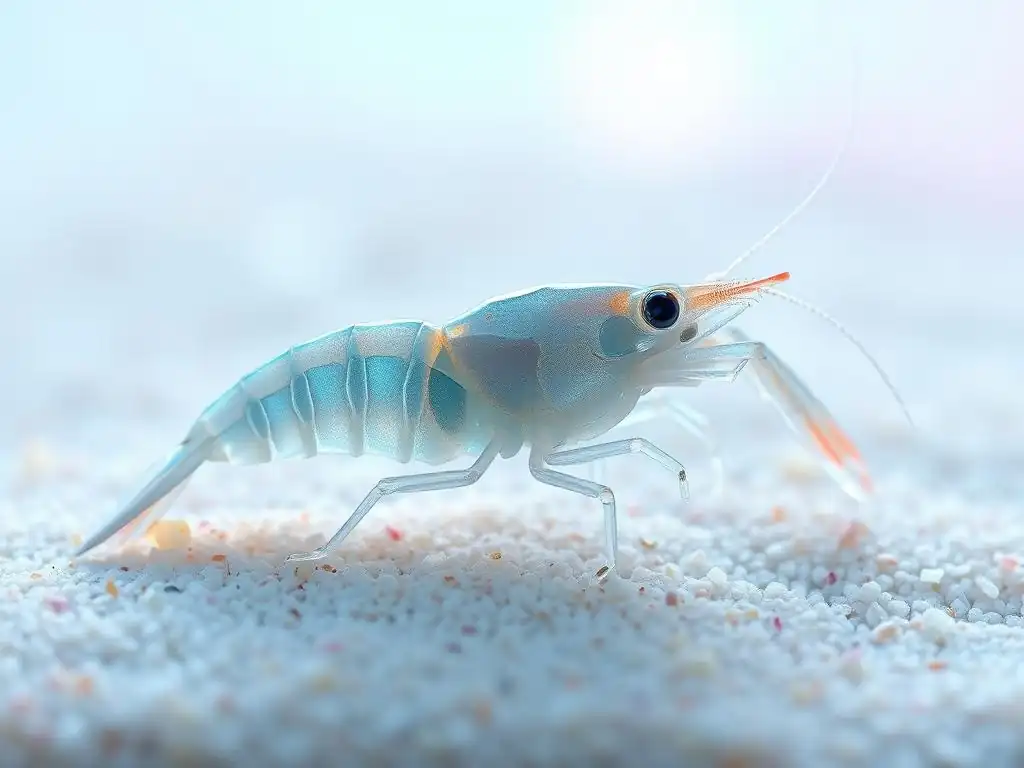
The transition from shrimplet to juvenile typically occurs when the shrimp reach a size of approximately 0.5-1 cm (0.2-0.4 inches) in length. At this stage, they become much more visible to the naked eye and exhibit more defined adult characteristics. Their coloration, which might have been translucent or very faint as shrimplets, begins to deepen and become more vibrant, reflecting the genetic traits of their parents.
They also become more active swimmers and exhibit more confident grazing behavior, no longer clinging solely to sheltered areas. This visible maturation indicates they are past their most fragile stage and are developing into hardy young shrimp, a clear sign that shrimp breeding survival techniques have been successfully applied.
Adjusting Feeding Strategies as Shrimplets Mature
As shrimplets grow into juveniles, their feeding requirements evolve. While they will continue to graze on biofilm, their larger size allows them to consume larger food particles. You can gradually transition from exclusively powdered foods to small, high-quality shrimp pellets, crushed flakes, or blanched vegetables (e.g., zucchini, spinach).
Continue to feed small amounts, but you may find they can consume slightly more per feeding. Observing their consumption rate remains key. Providing a varied diet ensures they receive a full spectrum of nutrients for continued growth and vibrant coloration. Adapting feeding strategies to their increasing size is a practical shrimp breeding survival technique that supports their ongoing development.
Maintaining a Stable Environment for Continued Growth
Even as shrimplets mature into juveniles, maintaining a stable and consistent environment remains paramount for their continued growth and health. Sudden fluctuations in water parameters, temperature, or food availability can still cause stress and lead to molting problems or stunted development. Consistency is the bedrock of long-term shrimp health.
Continue with regular, small water changes using matched parameters, consistent feeding schedules, and vigilant monitoring of water quality. A stable environment reduces stress, allowing the juveniles to allocate their energy towards growth and reproduction, ultimately contributing to a robust and self-sustaining shrimp colony. This unwavering commitment to stability is a critical long-term shrimp breeding survival technique.
Troubleshooting Common Shrimplet Survival Problems
Despite meticulous care and the application of various shrimp breeding survival techniques, aquarists may occasionally encounter problems leading to shrimplet losses. Identifying the root cause of these issues is crucial for implementing effective solutions and preventing future occurrences. Troubleshooting involves a systematic approach to analyzing tank conditions and shrimp behavior.
Understanding common problems and their typical indicators empowers the aquarist to react quickly and precisely, minimizing further losses and refining their overall shrimp breeding survival techniques for future broods.
Identifying the Cause of Shrimplet Deaths (Diagnostic Steps)
When shrimplet deaths occur, a systematic diagnostic process is essential. First, immediately test all critical water parameters: Ammonia, Nitrite, Nitrate, pH, GH, KH, and TDS. Compare these readings to ideal ranges for your specific shrimp species. Sudden spikes or drops in any parameter are common culprits. Next, review your feeding regimen: was there overfeeding, or perhaps insufficient food?
Observe the shrimplets' behavior and appearance: are there visible signs of illness, unusual swimming, or molting issues? Consider recent changes to the tank, such as new additions (fish, plants, decor), filter maintenance, or water source. Finally, assess potential predators or competitors. A detailed checklist approach to these factors is a highly effective diagnostic shrimp breeding survival technique.
Addressing Specific Issues: (Molting Problems, Bacterial Infections)
Molting problems, often indicated by a "white ring of death" where the shrimp fails to shed its old exoskeleton, are frequently linked to incorrect GH or TDS levels. For Neocaridina, if GH is too low, add a GH/KH+ remineralizer slowly. If GH is too high, small, pure RO water changes can help. Bacterial infections, often appearing as cloudy bodies or lethargy, are almost always a symptom of poor water quality, typically high nitrates or organic waste from overfeeding.
Addressing bacterial issues primarily involves immediate small water changes, reducing feeding, and ensuring excellent filtration. For both issues, maintaining stable, pristine water parameters is the primary solution, as shrimplets are too fragile for most medical interventions, making these proactive shrimp breeding survival techniques paramount.
Preventing Future Shrimplet Losses: Implementing Proactive Measures
To prevent future shrimplet losses, a continuous review and refinement of your shrimp breeding survival techniques are necessary. Based on your troubleshooting findings, implement proactive measures. If water parameter instability was an issue, increase the frequency of testing and consider automated top-off systems for RO water. If overfeeding was identified, adjust feeding quantities and frequency.
Regularly clean substrate surfaces to remove detritus, and ensure all new tank additions (plants, decor) are thoroughly quarantined. Maintaining a detailed log of water parameters, feeding schedules, and observations can help identify patterns and prevent recurrence, transforming challenges into learning opportunities for more robust shrimp breeding success.
Advanced Shrimp Breeding Techniques for Increased Shrimplet Survival
Once the foundational shrimp breeding survival techniques are mastered, experienced aquarists may explore advanced methods to further optimize shrimplet survival and colony growth. These techniques often involve specialized products or environmental manipulations designed to fine-tune conditions to an even greater degree, catering to the specific needs of certain shrimp species or aiming for peak performance.
While not always necessary for basic breeding, these advanced strategies can provide an edge, leading to more prolific breeding and even healthier, more vibrant shrimp populations. They represent the cutting edge of shrimp care and propagation.
Using Specialized Shrimp Foods and Supplements
Beyond basic micro-foods, specialized shrimp foods and supplements can significantly boost shrimplet health and survival. Many premium shrimp food brands offer specific formulations for shrimplets, often enriched with ingredients like astaxanthin for color, chitin for molting, and a balanced array of vitamins and minerals. For instance, some supplements contain montmorillonite clay, which adds beneficial minerals and helps bind impurities in the water.
Other advanced supplements might focus on boosting a shrimplet's immune system or providing specific prebiotics and probiotics to aid digestion. While not a substitute for core water quality and general nutrition, these targeted supplements can provide an extra edge, enhancing the effectiveness of overall shrimp breeding survival techniques.
Implementing CO2 Injection for Plant Growth and Water Stability
For planted shrimp tanks, controlled CO2 injection can be an advanced technique that indirectly benefits shrimplet survival. Healthy, robust plant growth (fueled by CO2) provides more surface area for biofilm and increased hiding spots, both crucial for shrimplets. Strong plant growth also helps absorb excess nitrates, contributing to cleaner water.
However, CO2 injection must be managed with extreme caution. Fluctuations in CO2 levels can cause rapid pH swings, which are highly detrimental to shrimp. A stable, low-dose CO2 system with a pH controller is essential to prevent these dangerous swings. When properly implemented, CO2 can enhance the overall ecosystem, contributing to advanced shrimp breeding survival techniques by creating a more vibrant and stable planted environment.
Creating a "Blackwater" Environment for Certain Shrimp Species
For specific Caridina shrimp species, such as Taiwan Bees or certain wild types, creating a "blackwater" environment can significantly increase shrimplet survival. This involves adding botanical items like Indian Almond Leaves, Alder Cones, and driftwood, which release tannins and humic substances into the water. These compounds naturally lower pH, soften water, and possess mild antibacterial and antifungal properties.
The humic substances can reduce bacterial loads in the water column, create a more stable pH buffered by natural acids, and provide a sense of security for light-sensitive species. While requiring careful monitoring of pH and TDS, a well-managed blackwater setup is an advanced shrimp breeding survival technique that mimics natural habitats, leading to healthier and more prolific breeding for specific sensitive species.
Conclusion: Long-Term Strategies for Maximizing Shrimplet Populations in Your Aquarium
Continuous Learning and Adaptation: Staying Up-to-Date on Shrimp Care
Maximizing shrimplet populations is not a one-time achievement but an ongoing journey of continuous learning and adaptation. The field of aquaristics, particularly shrimp keeping, is constantly evolving with new research, products, and insights. Staying up-to-date by reading articles, participating in forums, and connecting with experienced breeders allows aquarists to refine their shrimp breeding survival techniques.
Embracing new knowledge and being willing to adapt current practices based on observation and data are crucial for long-term success. Every batch of shrimplets provides valuable learning opportunities, helping to fine-tune environmental controls and care routines, ultimately leading to more robust and prolific shrimp colonies.
The Rewards of Successful Shrimp Breeding: A Thriving Aquarium Ecosystem
The culmination of implementing effective shrimp breeding survival techniques is the profound reward of witnessing a thriving, self-sustaining aquarium ecosystem. A tank teeming with healthy, vibrant shrimplets growing into juveniles and eventually adults is a testament to the aquarist's dedication and skill. This success extends beyond mere numbers; it signifies a balanced biological system where life cycles unfold naturally.
A flourishing shrimp colony contributes to the overall health of the aquarium by grazing on algae and detritus, creating a visually dynamic and engaging display. The satisfaction derived from nurturing these delicate creatures from birth to maturity, and contributing to the hobby by promoting sustainable breeding practices, makes the effort invested in maximizing shrimplet survival truly worthwhile.
Frequently Asked Questions
What are the most critical factors for shrimplet survival after hatching?
The most critical factors include water quality, specifically maintaining stable parameters like pH and ammonia levels. Additionally, providing adequate food and hiding places is essential for shrimplet survival.
How can I ensure my shrimplets get enough food in a planted aquarium?
Supplementing the natural biofilm with specialized shrimplet food, such as powdered baby shrimp food, is highly recommended. Also, ensure good water circulation to distribute food evenly throughout the tank.
What water parameters are most important for shrimplet survival, and how do I maintain them?
Maintaining stable pH levels (typically around 6.5-7.5), low ammonia and nitrite levels (ideally 0 ppm), and a suitable GH/KH (general and carbonate hardness) are crucial. Regular water changes with properly treated water are key.
What type of filtration is best for a shrimp breeding tank to protect shrimplets?
Sponge filters are the best choice as they provide gentle filtration and prevent shrimplets from being sucked in. Avoid using strong filters or those with large intakes without protective sponge covers.
How do I minimize stress for shrimplets during the critical early stages of life?
Minimize disturbances by avoiding large water changes, sudden parameter shifts, and aggressive tank mates. Maintain a stable environment with plenty of hiding places to reduce stress and promote survival.
Final Reflection: Cultivating Resilience in Aquaculture
The journey from microscopic shrimplet to thriving juvenile is fraught with challenges, and as we've explored in this article, mastering shrimp breeding survival techniques is not merely about optimizing yields, but about ensuring the long-term sustainability of aquaculture. The principles discussed, from water quality management to nutritional strategies, are more relevant than ever in a world facing increasing demands on food production and the delicate balance of our aquatic ecosystems.
This intricate dance between science and nature has profoundly shaped the aquaculture landscape. It's humbling to consider the countless hours of research and dedication poured into understanding these tiny creatures, all in pursuit of a more sustainable and efficient food source. The sea, once it casts its spell, holds one in its net of wonder forever.
- Jacques Cousteau. This quote encapsulates the enduring fascination and responsibility we bear towards the marine world, urging us to act as stewards, not simply consumers.
Now, as you consider the techniques and insights shared, I invite you to reflect on your own role in promoting responsible aquaculture practices. Whether you're a seasoned shrimp farmer, an aspiring aquaculturist, or simply a consumer, remember that every action, every choice, contributes to the health and vitality of our oceans and the future of sustainable seafood. Let's work together to cultivate resilience, not just in our shrimp farms, but in our approach to the natural world.
Nurture Thriving Shrimplets Now!
Thank you for diving deep into the fascinating world of shrimplet survival! We hope you've gained valuable insights to help these tiny creatures flourish. Now, it's time to translate that knowledge into action.
- Commit to a daily observation routine: Dedicate just 5 minutes each day to closely monitor your shrimplets' behavior, growth, and tank conditions. Early detection is key to preventing problems!
- Share your newfound knowledge! Spread the word by discussing shrimplet care tips with fellow aquarium enthusiasts online or at local fish clubs.
- Consider experimenting with a new, all-natural food source specifically designed for shrimplets – you might be surprised at the improved growth rates!
What small adjustment will you make today to give your shrimplets the best possible start in life?