
Neocaridina Feeding Guide: Best Foods for Optimal Health, Color & Breeding

Welcome to Aquarium Mastery!
Ever wonder what the secret is to vibrant colors, healthy growth, and successful breeding in your Neocaridina shrimp? This comprehensive guide dives deep into Neocaridina shrimp feeding tips, revealing the best foods and strategies to unlock their full potential. Get ready to transform your shrimp tank and witness the wonders of a thriving colony – let's explore!
- Understanding Neocaridina Shrimp Nutrition: A Foundation for Success
- Optimizing Your Neocaridina Shrimp Feeding Schedule
- Best Foods for Neocaridina Shrimp: Promoting Growth and Color
- Supplementing Your Neocaridina Shrimp's Diet: Enhancing Health and Breeding
- Neocaridina Shrimp Breeding and Feeding: A Symbiotic Relationship
- Addressing Common Feeding Challenges with Neocaridina Shrimp
- Advanced Neocaridina Shrimp Feeding Techniques
- Conclusion: Mastering Neocaridina Shrimp Feeding for a Flourishing Aquarium
- Frequently Asked Questions
- Final Reflection: Cultivating Vibrant Life
- Ignite Your Shrimp Tank: Dive Deeper into Neocaridina Care!
Understanding Neocaridina Shrimp Nutrition: A Foundation for Success
The Dietary Needs of Neocaridina Shrimp: A Comprehensive Overview
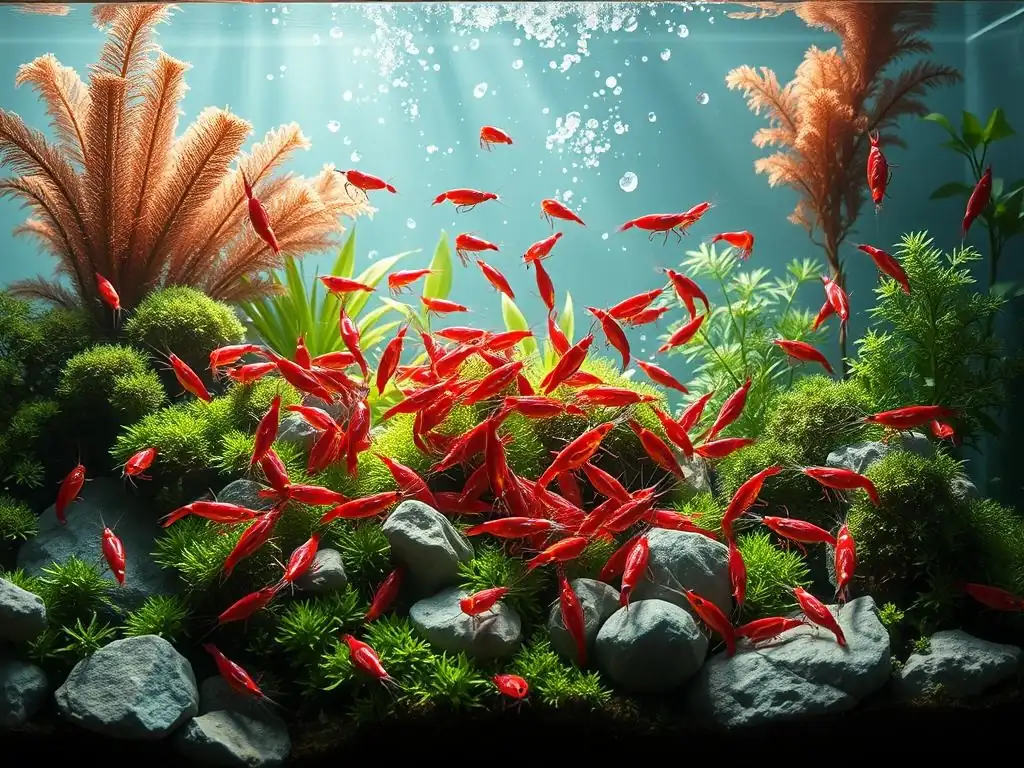
Neocaridina shrimp, such as the popular Cherry Shrimp ( Neocaridina davidi), are primarily omnivores with a strong preference for detritus, biofilm, and various plant matters found in their natural habitats. Their diet in the wild consists largely of microscopic organisms, decaying plant material, and algae that grow on surfaces. This natural inclination means that a successful Neocaridina shrimp feeding strategy in an aquarium must replicate these conditions as closely as possible to ensure their optimal health and vibrant coloration. Understanding their natural dietary preferences is the cornerstone of providing the best Neocaridina shrimp feeding tips.
Furthermore, Neocaridina shrimp possess a relatively simple digestive system, making the bioavailability of nutrients a critical factor. They continuously graze, rather than consuming large meals infrequently, which means a steady supply of appropriate food sources is more beneficial than sporadic, heavy feedings. Their constant foraging helps maintain the tank's cleanliness by consuming uneaten fish food and decaying plant matter, acting as valuable scavengers in a balanced ecosystem. A well-rounded diet supports their immune system, promotes consistent molting, and contributes significantly to their overall longevity.
Essential Nutrients for Shrimp Health and Vibrant Colors
For Neocaridina shrimp to thrive, their diet must provide a balanced array of essential nutrients. Protein is vital for growth and tissue repair, especially important during their rapid growth phases as juveniles and for successful reproduction in adults. A common guideline suggests that commercial shrimp foods should contain a protein content ranging from 25% to 40%, depending on the life stage and specific needs. High-quality protein sources can include spirulina, chlorella, and various insect meals.
Fats, specifically essential fatty acids, are crucial for energy reserves and cell membrane integrity. While required in smaller quantities than proteins, their presence ensures proper metabolic function. Carbohydrates provide immediate energy for daily activities and are typically abundant in plant-based foods. Minerals, particularly calcium, are perhaps the most critical for Neocaridina shrimp due to their exoskeletons.
Adequate calcium intake is essential for successful molting, preventing issues like "molt death syndrome," where shrimp struggle to shed their old shell. Trace minerals like iodine and magnesium also play supporting roles in metabolic processes and overall vitality. Lastly, vitamins, though needed in minute amounts, are co-factors in numerous biological reactions, supporting everything from immune function to color vibrancy. Foods rich in natural pigments, such as astaxanthin (found in some algae and crustaceans), can significantly enhance the red, orange, and blue hues of various Neocaridina color morphs.
Optimizing Your Neocaridina Shrimp Feeding Schedule
How Often to Feed Neocaridina Shrimp: Establishing a Routine
Establishing an appropriate feeding routine is one of the most important Neocaridina shrimp feeding tips for maintaining a healthy colony. Generally, Neocaridina shrimp should be fed once a day, or even every other day, with a quantity that can be consumed within 1-2 hours.
This frequency allows them to graze on the natural biofilm and algae present in the tank, which forms a significant portion of their diet, while also supplementing with essential nutrients from commercial or natural foods. For very young shrimp or breeding colonies, a slightly more frequent schedule, such as small feedings twice a day, might be beneficial to support rapid growth and increased metabolic demands.
It's crucial to observe your shrimp's behavior and the amount of food left over. If food remains after two hours, you are likely overfeeding, and the frequency or quantity should be reduced. Conversely, if all food is consumed within minutes and the shrimp are constantly foraging aggressively on the substrate, a slight increase in portion size might be warranted. A consistent schedule helps regulate their metabolism and encourages stable water parameters, as sudden influxes of uneaten food can quickly degrade water quality.
Avoiding Overfeeding: Signs and Solutions for a Healthy Shrimp Tank
Overfeeding is arguably the most common mistake made by new aquarists when it comes to Neocaridina shrimp feeding tips, and it can lead to a cascade of problems. The most immediate sign of overfeeding is visible uneaten food accumulating on the substrate or decorations after a few hours. This excess organic matter quickly decomposes, leading to a spike in ammonia and nitrite, which are highly toxic to shrimp. Furthermore, persistent overfeeding contributes to nitrate buildup, excessive algae blooms, and can even foster the growth of harmful bacteria, potentially leading to bacterial infections in the shrimp.
To avoid overfeeding, start with a very small amount of food – often just one small pellet or a few flakes for a colony of 10-20 shrimp. If you notice food left after an hour or two, use a turkey baster or small net to remove it promptly.
Consider implementing a "fasting day" once a week, allowing the shrimp to thoroughly clean up any residual biofilm and preventing nutrient overload. Investing in a small feeding dish (like a glass petri dish) can also help contain food, making it easier to monitor consumption and remove leftovers, thereby significantly improving your Neocaridina shrimp feeding tips application.
Best Foods for Neocaridina Shrimp: Promoting Growth and Color
Commercial Shrimp Foods: A Detailed Review of Top Brands
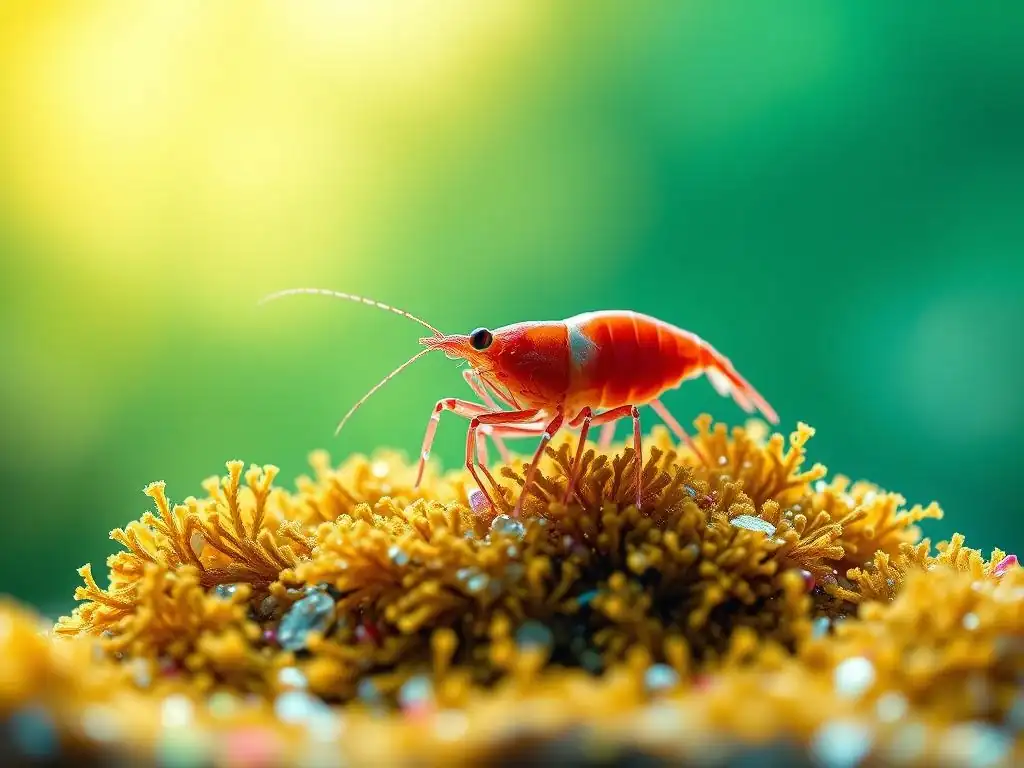
Commercial shrimp foods are formulated to provide a balanced diet and are a convenient way to ensure your Neocaridina shrimp receive all necessary nutrients. Many reputable brands offer specialized products tailored for shrimp. For example, brands like Shirakura, GlasGarten, and Hikari are highly regarded within the shrimp keeping community for their quality ingredients and targeted nutrition profiles. These foods often contain a mix of plant-based proteins, algae, minerals, and vitamins, designed to support growth, molting, and color vibrancy. When selecting a commercial food, look for ingredients lists that prioritize natural components and avoid excessive fillers or artificial additives.
It's beneficial to rotate between a few different high-quality commercial foods to provide a broader spectrum of nutrients and prevent dietary deficiencies. For instance, you might use a general growth pellet for daily feeding and supplement with a color-enhancing stick a few times a week. Always check the expiration date and store commercial foods in a cool, dry place to maintain their nutritional value and prevent spoilage. These Neocaridina shrimp feeding tips are crucial for long-term success.
High-Quality Shrimp Pellets: A Staple Food for Neocaridina
High-quality shrimp pellets are an excellent staple food for Neocaridina shrimp due to their balanced nutritional profile and ease of use. These pellets are typically dense and sink quickly, making them accessible to bottom-dwelling shrimp without clouding the water. Many premium pellets, such as those from GlasGarten Shrimp Dinner or Shirakura Ebi Dama, are formulated with a high percentage of vegetable matter, spirulina, and various minerals crucial for shrimp health. For example, GlasGarten Shrimp Dinner often boasts a crude protein content around 30% and includes beneficial ingredients like algae, herbs, and various trace elements.
These pellets are designed to be consumed slowly, allowing multiple shrimp to graze on a single piece over time, which reduces competition. A typical feeding might involve a single pellet for every 10-15 adult shrimp, depending on the pellet size and colony density. The consistent nutrient delivery from these staples helps maintain steady growth rates and supports the continuous molting process necessary for shrimp to grow.
Specialized Shrimp Food: Enhancing Color and Breeding
Beyond staple pellets, specialized shrimp foods are designed to target specific aspects of Neocaridina health, such as intensifying coloration or boosting breeding success. Color-enhancing foods often contain natural pigments like astaxanthin, canthaxanthin, or beta-carotene, derived from ingredients such as krill, spirulina, or red algae. Brands like Hikari Shrimp Cuisine or Sera Shrimps Nature often include these pigments, which, when metabolized by the shrimp, deposit into their exoskeletons, leading to more vibrant reds, oranges, or blues. For example, astaxanthin is a powerful antioxidant that not only enhances color but also supports the immune system.
Breeding-specific foods typically have a slightly higher protein content and a richer blend of essential amino acids and vitamins, which are vital for gonad development and egg production. Dennerle Shrimp King Adata is an example of a food designed to support egg development and successful molting for breeding females. These foods might also include ingredients that promote biofilm growth or provide specific nutrients beneficial for shrimp fry, ensuring a higher survival rate for newly hatched shrimp. Incorporating these specialized foods a few times a week can significantly improve the aesthetic appeal and reproductive output of your Neocaridina colony.
Natural Food Sources for Neocaridina Shrimp: Replicating Their Native Diet
While commercial foods are convenient, incorporating natural food sources is essential for replicating the diverse diet Neocaridina shrimp would encounter in the wild. These natural components provide not only nutrition but also enrichment, encouraging natural foraging behaviors. A thriving aquarium environment naturally produces some of these elements, but supplementation can ensure adequate availability.
Biofilm: The Foundation of a Healthy Shrimp Ecosystem
Biofilm is a complex matrix of microorganisms, including bacteria, fungi, algae, and protozoa, that adheres to surfaces in an aquatic environment. For Neocaridina shrimp, biofilm is not just a food source; it is arguably their primary and most important dietary component, especially for juveniles. They constantly graze on tank surfaces – substrate, plants, decorations, and even the tank glass – consuming this nutrient-rich film. This continuous grazing provides a steady supply of low-level, easily digestible nutrients, which is perfectly suited to their small mouths and constant foraging nature.
A mature, well-established aquarium naturally develops a healthy biofilm layer. Factors that encourage biofilm growth include stable water parameters, good circulation without excessive flow, and the presence of various surfaces. Over-cleaning the tank, especially scrubbing down all surfaces, can inadvertently remove this vital food source. Some aquarists even use biofilm boosters or introduce specific substrates like active soil to encourage its formation. Ensuring a robust biofilm layer is one of the most fundamental Neocaridina shrimp feeding tips for a self-sustaining colony.
Algae: A Natural and Nutritious Food Source
Algae, in its various forms, is another significant natural food source for Neocaridina shrimp. From green spot algae on glass to brown diatoms on plants and hair algae, shrimp will readily graze on most types of algae. This provides them with essential vitamins, minerals, and plant-based protein. In a balanced aquarium, a certain amount of algae is beneficial and serves as a continuous food supply for the shrimp, reducing the need for constant commercial feeding.
However, an excessive algae bloom can indicate nutrient imbalances in the tank, such as too much light or too many nitrates. While shrimp will eat some of it, they typically cannot control a rampant bloom on their own. Therefore, while algae is good, managing its growth is still important for overall tank health. Allowing some algae to grow on specific "feeding rocks" or surfaces can be a controlled way to provide this natural food source without letting it take over the entire tank.
Leaf Litter: Providing Shelter and Sustenance
Leaf litter, particularly dried leaves such as Indian Almond Leaves ( Terminalia catappa), Guava leaves, or Oak leaves, serves a dual purpose in a Neocaridina shrimp tank: it provides both shelter and a continuous, natural food source. As these leaves slowly decompose in the water, they develop a rich layer of biofilm and beneficial microorganisms, which the shrimp graze upon. The leaves themselves also contain tannins and humic substances that are released into the water, which can be beneficial for shrimp health, providing mild antifungal and antibacterial properties, and helping to buffer pH slightly.
A common practice is to add one or two Indian Almond Leaves per 10 gallons of water every few weeks. The leaves will slowly break down over several weeks or months, offering a consistent food source. Shrimp, especially juveniles and molting individuals, also appreciate the hiding spots and foraging opportunities provided by the leaf litter, reducing stress and increasing overall well-being. This is an excellent, low-maintenance Neocaridina shrimp feeding tip that mimics their natural environment.
Supplementing Your Neocaridina Shrimp's Diet: Enhancing Health and Breeding
Vegetables for Neocaridina Shrimp: Safe and Nutritious Options
Supplementing your Neocaridina shrimp's diet with blanched vegetables can provide a wide array of vitamins, minerals, and fiber, contributing to their overall health and vibrant colors. Blanching is crucial as it softens the cell walls, making the vegetables easier for shrimp to consume and digest. Safe and popular options include zucchini, cucumber, spinach, and blanched carrot. Zucchini and cucumber are particularly favored for their soft texture and ease of preparation. Spinach is rich in iron and other trace minerals.
When offering vegetables, ensure they are organic and free from pesticides. Cut them into small pieces or thin slices, blanch them for 30-60 seconds in boiling water (or microwave them until soft), and then allow them to cool completely before adding them to the tank. Remove any uneaten vegetable matter within 12-24 hours to prevent water fouling. A small slice of zucchini, for instance, can provide hours of grazing for a small colony and is an excellent way to diversify their diet beyond commercial foods.
Protein Sources for Neocaridina Shrimp: Boosting Growth and Reproduction
While Neocaridina shrimp are primarily detritivores and herbivores, a supplemental source of protein is vital, especially for growing juveniles and breeding adults. Protein supports muscle development, shell formation, and the production of eggs. While commercial foods often contain adequate protein, occasional supplementation with specific high-protein items can boost their health. Good protein sources include blanched bloodworms (freeze-dried or frozen, thawed), small pieces of blanched shrimp (deshelled, human-grade), or specialized protein pellets designed for shrimp.
It's important to offer protein sparingly, perhaps once or twice a week, as too much protein can lead to issues like molting problems or water quality degradation. For example, a tiny piece of blanched bloodworm can be shared among several shrimp, providing a beneficial protein boost without overloading the tank. Observing the shrimp's consumption rate is key; if they finish it quickly, they likely benefit from the supplement. This aspect of Neocaridina shrimp feeding tips is crucial for those aiming for rapid colony expansion.
Calcium Supplements: Ensuring Healthy Molting and Shell Development
Calcium is perhaps the most critical mineral for Neocaridina shrimp, directly impacting their ability to form and shed their exoskeletons successfully. Without sufficient calcium, shrimp can suffer from "molt death syndrome," where they get stuck in their old shell or emerge with a soft, deformed shell, making them vulnerable. While some commercial foods include calcium, supplementing can be beneficial, especially in soft water areas where tap water might lack sufficient minerals.
Common calcium supplements include cuttlebone (a small piece can be placed directly in the tank), calcium carbonate tablets designed for invertebrates, or liquid mineral supplements specifically formulated for shrimp, such as those from SaltyShrimp GH/KH+. These products not only provide calcium but often include other essential trace minerals like magnesium, which aids in calcium absorption. The ideal GH (General Hardness) for Neocaridina shrimp is typically between 6-10 dGH, indicating sufficient mineral content. Regularly monitoring your water's GH and ensuring it stays within this range is a fundamental Neocaridina shrimp feeding tip for healthy molting.
Neocaridina Shrimp Breeding and Feeding: A Symbiotic Relationship
Feeding Baby Shrimp: Ensuring Survival and Growth
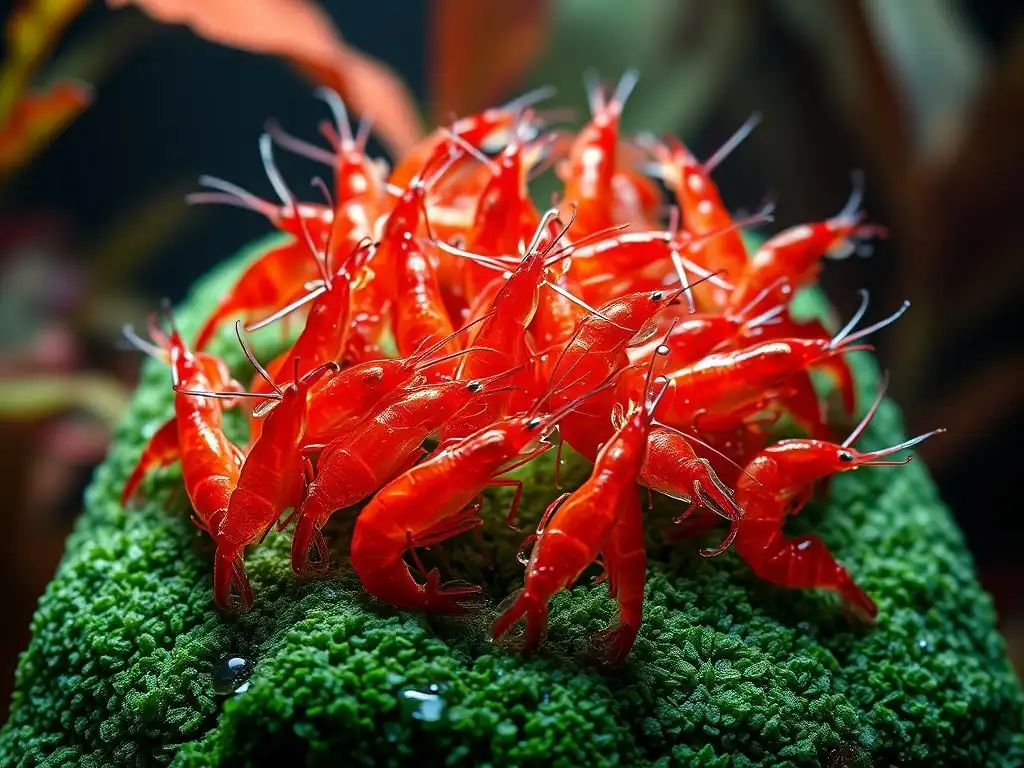
The survival rate of newly hatched Neocaridina shrimp fry is heavily dependent on the availability of appropriate food sources. Unlike adult shrimp, fry are too small to consume standard pellets or flakes immediately. They require microscopic food particles that they can easily ingest. A well-established tank with a healthy biofilm layer is the best foundation, as fry will graze on this constantly. However, targeted feeding for fry can significantly increase their survival rates and growth.
Powdered Foods: A Must-Have for Newly Hatched Shrimp
Powdered shrimp foods are specifically designed for newly hatched and very young shrimp. These foods are ground into an extremely fine consistency, allowing the tiny fry to consume them. Products like GlasGarten Bacter AE or Dennerle Shrimp King Baby are excellent examples. Bacter AE, for instance, promotes the growth of beneficial bacteria and microorganisms (biofilm) that shrimp fry feed on, while also containing amino acids, vitamins, and enzymes. It is usually dosed in very small amounts, often just a tiny pinch or a specific number of scoops for the entire tank, depending on the product and tank size.
These powdered foods should be sparingly applied, as over-dosing can quickly foul the water. A good practice is to dissolve a tiny amount in tank water first, then slowly add it to the tank using a pipette or syringe to ensure even distribution. This ensures that every tiny shrimp has access to food, even those hiding in dense plant cover.
Infusoria: Cultivating a Natural Food Source for Shrimp Fry
Infusoria, which are microscopic aquatic organisms like paramecia and ciliates, are another highly beneficial natural food source for the smallest shrimp fry. They are naturally present in established aquariums but can also be cultured separately to provide a concentrated food source. Cultivating infusoria is relatively simple: place some decaying organic matter (like a piece of blanched lettuce leaf or a few grains of rice) in a jar of aged tank water and let it sit for a few days. The water will become cloudy as infusoria populations boom.
A small amount of this infusoria-rich water can then be added to the shrimp tank daily. This provides a living food source that the fry can actively hunt and consume, mimicking their natural foraging behavior. While perhaps more involved than powdered foods, cultivating infusoria is an excellent way to ensure a robust and nutritious diet for the most vulnerable stage of your Neocaridina shrimp, significantly boosting the success rate of your breeding efforts.
Optimizing Feeding for Breeding Success: Strategies for Increased Reproduction
To maximize Neocaridina shrimp breeding success, feeding strategies must focus on providing consistent, high-quality nutrition that supports the energy demands of reproduction. Females carrying eggs (berried females) require ample protein and calcium to develop healthy clutches and successfully molt after releasing their young. A varied diet that includes high-quality commercial foods, blanched vegetables, and occasional protein supplements is ideal.
Increasing the frequency of smaller feedings rather than larger, infrequent ones can also be beneficial. For example, instead of feeding once a day, consider two very small feedings, allowing the shrimp constant access to nutrients. This constant grazing behavior is natural for them and supports the continuous energy expenditure required for breeding.
Ensuring a stable water temperature (around 72-76°F or 22-24°C) alongside optimal water parameters (GH 6-10, KH 2-6, pH 6.5-7.5) also plays a critical role, as stress from unstable conditions can significantly reduce breeding activity. A well-fed, unstressed colony will naturally reproduce more consistently and successfully, yielding a higher number of healthy fry.
Addressing Common Feeding Challenges with Neocaridina Shrimp
Preventing Algae Blooms: Balancing Feeding and Lighting
Algae blooms are a common issue in aquariums and can often be exacerbated by improper Neocaridina shrimp feeding tips. Excess nutrients in the water column, primarily nitrates and phosphates, combined with sufficient light, fuel rapid algae growth. Overfeeding is a major contributor to these excess nutrients, as uneaten food decomposes and releases ammonia, which is then converted to nitrates.
To prevent algae blooms, it's crucial to balance feeding with lighting. First, ensure you are not overfeeding; only provide what the shrimp can consume within 1-2 hours. Second, manage your tank's lighting schedule, typically 6-8 hours per day, to prevent excessive light exposure. Consider adding live plants, which compete with algae for nutrients. Regular water changes (20-30% weekly) are also essential for diluting accumulated nitrates and phosphates. If an algae bloom occurs, reduce feeding even further, perform a larger water change, and manually remove as much algae as possible.
Dealing with Uneaten Food: Maintaining Water Quality
Uneaten food is a significant threat to water quality in a shrimp tank. As organic matter decomposes, it releases ammonia, a highly toxic compound, which then converts to nitrites (also toxic) and finally nitrates. High levels of these nitrogen compounds are lethal to shrimp and can lead to weakened immune systems, stress, and ultimately, death. This is why managing uneaten food is paramount among Neocaridina shrimp feeding tips.
The most effective way to deal with uneaten food is to prevent it in the first place by feeding sparingly. If you do notice food remaining after an hour or two, use a small net or a turkey baster to remove it promptly. This simple step prevents the decomposition process from impacting your water parameters. Some aquarists use a feeding dish (a small glass or ceramic dish) to contain food, making it easier to monitor consumption and remove leftovers. Regular substrate vacuuming during water changes can also help remove any hidden pockets of decomposing food.
Ensuring All Shrimp Get Enough Food: Strategies for a Thriving Colony
In a large or densely populated Neocaridina shrimp colony, ensuring that all shrimp, especially the smaller or more timid ones, get enough food can be a challenge. Dominant shrimp may monopolize food sources, leaving others undernourished. This can lead to stunted growth, reduced coloration, and even increased mortality rates among the weaker individuals.
To ensure equitable distribution, consider spreading food across multiple locations in the tank, rather than just one central spot. For instance, drop a few pellets at opposite ends of the tank, or sprinkle powdered food over a wider area. Using a feeding dish can also help, as it creates a designated feeding zone that multiple shrimp can gather around.
Providing ample hiding spots and surface area (through plants, leaf litter, and decor) encourages biofilm growth, offering continuous grazing opportunities for all shrimp, regardless of their position in the pecking order. Rotating food types can also stimulate different shrimp to feed, as some might prefer pellets while others might gravitate towards blanched vegetables.
Advanced Neocaridina Shrimp Feeding Techniques
Creating a Feeding Dish: Minimizing Waste and Maintaining Substrate Health
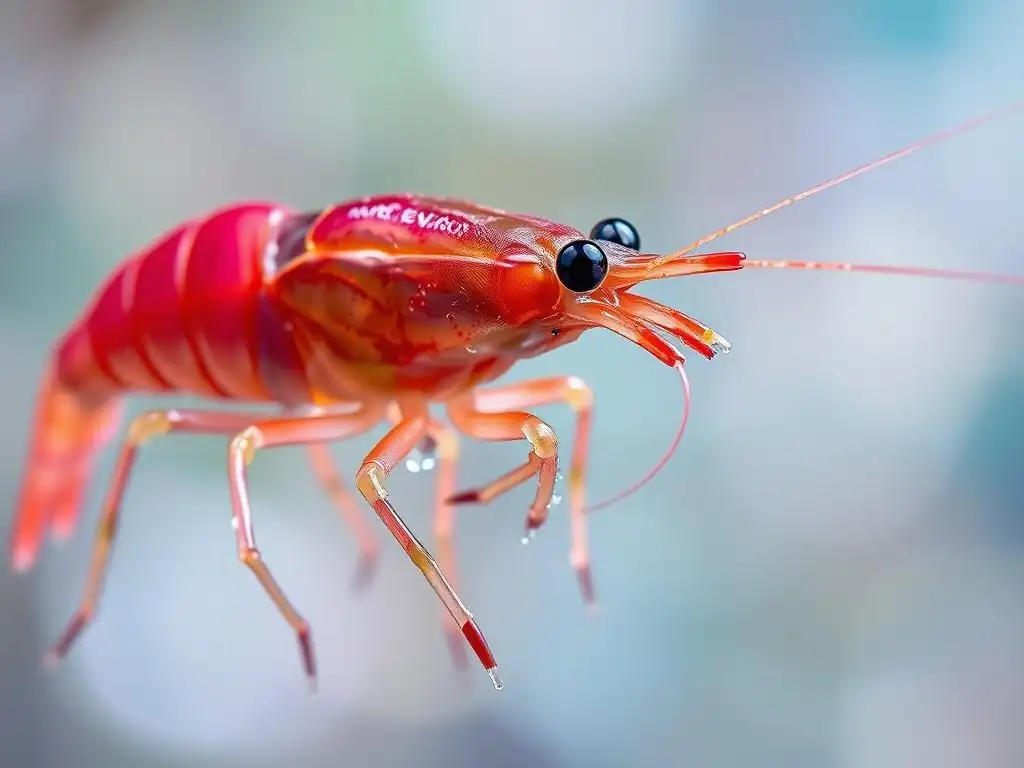
A feeding dish is a simple yet highly effective tool for advanced Neocaridina shrimp feeding. Typically a small, shallow glass or ceramic dish, it serves as a designated area for food placement. This technique offers several significant advantages:
- Minimizing Waste: Food is contained within the dish, preventing it from scattering into the substrate where it can become lost and decompose, contributing to poor water quality.
- Monitoring Consumption: It becomes very easy to see exactly how much food is being consumed and how quickly. If food remains in the dish after an hour or two, you know you're feeding too much.
- Maintaining Substrate Health: By keeping food off the substrate, you reduce the accumulation of organic matter, which helps prevent anaerobic pockets and the buildup of harmful bacteria or planaria in the substrate.
- Easier Cleanup: Any uneaten food can be easily siphoned out of the dish without disturbing the substrate.
To use a feeding dish, simply place it on the substrate, then drop the food directly into it. Shrimp will quickly learn to congregate at the dish during feeding times. This simple Neocaridina shrimp feeding tip can dramatically improve tank hygiene.
Rotating Food Sources: Providing a Varied and Balanced Diet
Just like humans, Neocaridina shrimp benefit from a varied diet. Relying solely on one type of food, even a high-quality one, can lead to nutritional deficiencies over time. Rotating food sources ensures that your shrimp receive a broader spectrum of vitamins, minerals, proteins, and trace elements that might not be equally present in a single commercial product.
A good rotation strategy might involve:
- Day 1-2: High-quality staple shrimp pellet (e.g., GlasGarten Shrimp Dinner).
- Day 3: Specialized color-enhancing food or protein boost (e.g., Hikari Shrimp Cuisine, small piece of blanched bloodworm).
- Day 4: Blanched vegetable (e.g., a small slice of zucchini or spinach).
- Day 5: Powdered food (e.g., Bacter AE) or a small piece of Indian Almond Leaf.
- Day 6: Fasting day, allowing them to graze on biofilm.
- Day 7: Another staple pellet.
This rotation not only ensures comprehensive nutrition but also keeps the shrimp engaged and encourages natural foraging behaviors. It’s one of the most effective Neocaridina shrimp feeding tips for long-term vitality.
Observing Shrimp Behavior: Identifying Nutritional Deficiencies
Observing your Neocaridina shrimp's behavior is a powerful diagnostic tool for identifying potential nutritional deficiencies or general health issues. Healthy shrimp are active, constantly foraging, and display vibrant coloration appropriate for their morph. They should also molt regularly and without difficulty. Any deviation from this can indicate a problem with their diet or environment.
- Lethargy or Inactivity: If shrimp are unusually still, hiding excessively, or not actively grazing, it could signal underfeeding or a lack of essential nutrients.
- Pale or Dull Colors: While genetics play a role, a sudden dulling of color can indicate a lack of pigments in their diet (e.g., insufficient astaxanthin) or general poor health.
- Failed Molts or Molt Death Syndrome: This is often a direct sign of insufficient calcium or other minerals, or water parameters that are too soft. Shrimp struggling to shed their old shells, or dying during the process, warrant immediate review of calcium supplementation and GH levels.
- Lack of Breeding Activity: A well-fed and healthy colony will breed readily. A significant slowdown or cessation of breeding despite favorable parameters might suggest a lack of protein or specific breeding-supportive nutrients.
By keenly observing these behaviors and correlating them with your Neocaridina shrimp feeding tips and practices, you can make timely adjustments to their diet, ensuring their continued health and prosperity.
Conclusion: Mastering Neocaridina Shrimp Feeding for a Flourishing Aquarium
Frequently Asked Questions
What are the best basic foods for Neocaridina shrimp?
Neocaridina shrimp thrive on a varied diet. Some excellent choices include algae wafers, blanched vegetables (like zucchini and spinach), and commercially available shrimp pellets.
How often should I feed my Neocaridina shrimp?
Overfeeding is a common mistake. Feed your Neocaridina shrimp only as much as they can consume in 2-3 hours, and do this every other day or less frequently, depending on tank size and population.
What kind of supplements can enhance the color of my Neocaridina shrimp?
Supplements rich in astaxanthin and spirulina can significantly boost the vibrant colors of your Neocaridina shrimp. These can be found in specialized shrimp foods or added separately.
How does feeding impact Neocaridina shrimp breeding?
Proper nutrition is crucial for successful breeding. A diet rich in protein and calcium promotes healthy egg development and molting, essential for shrimp reproduction.
What are some signs that I am overfeeding my Neocaridina shrimp?
Signs of overfeeding include excessive algae growth, cloudy water, and uneaten food accumulating in the tank. Reduce the amount and frequency of feeding to maintain water quality.
Final Reflection: Cultivating Vibrant Life
The journey of understanding optimal Neocaridina shrimp nutrition extends far beyond simply providing sustenance. It's about fostering a thriving ecosystem within the miniature world of our aquariums, ensuring the health, vibrancy, and successful breeding of these captivating creatures. The insights shared in this guide are not just about what to feed, but how to nurture a balanced and enriching environment.
This exploration into Neocaridina feeding has profoundly influenced my own perspective on responsible aquascaping. It's a constant reminder that even the smallest inhabitants deserve our utmost care and attention, and that their well-being is intrinsically linked to the overall health of the aquarium. The greatness of a nation and its moral progress can be judged by the way its animals are treated.
- Mahatma Gandhi. This quote, though often applied to larger animals, resonates deeply when considering the ethical responsibility we have towards even the smallest life forms in our care.
As you embark on your own journey of Neocaridina shrimp keeping, I encourage you to reflect on the principles outlined in this guide. Consider how you can apply these Neocaridina shrimp feeding tips to create a truly flourishing environment for your shrimp. By embracing a holistic approach to their care, you'll not only witness their vibrant colors and active behaviors, but also contribute to a more sustainable and ethical approach to the aquarium hobby.
Ignite Your Shrimp Tank: Dive Deeper into Neocaridina Care!
Thank you for exploring the fascinating world of Neocaridina shrimp! We hope this guide has provided you with valuable insights into their dietary needs and how to optimize their health and vibrant colors. Ready to put your newfound knowledge into action?
Here's how you can continue your shrimp-keeping journey:
- Prioritize a balanced diet: Start implementing a varied feeding schedule this week, focusing on high-quality commercial foods supplemented with natural options like blanched vegetables.
- Share your success: Post a picture of your thriving shrimp tank and their favorite food on social media using #AquariumMasteryShrimp.
- Experiment and observe: Try a new shrimp-safe treat this month, and carefully monitor your shrimp's reaction and color development.
What's the first small change you'll make to your Neocaridina's diet to boost their health and happiness?