
Decoding Betta Body Language: What Your Fish is Trying to Tell You


Welcome to Aquarium Mastery!
Ever wonder what your Betta is really thinking? This article dives deep into Betta fish body language, revealing the subtle cues and hidden meanings behind their every fin flick and bubble nest. Are they happy, stressed, or just plain hungry? Unlock the secrets to understanding your Betta and building a stronger bond. Read on to decode their silent language and become a true aquarium master!
- Understanding Betta Fish Behavior: An Introduction to Body Language
- The Basics of Betta Fish Communication: Visual Cues
-
Decoding Common Betta Fish Behaviors: A Comprehensive Guide
- Flaring: What it Means When Your Betta Shows Off
- Glass Surfing: Identifying the Causes and Solutions for this Stressful Behavior
- Hiding: When is it Normal, and When Should You Be Concerned?
- Bubble Nesting: Understanding Betta Fish Breeding Behavior
- Lethargy and Inactivity: Potential Health Problems to Watch Out For
- Erratic Swimming: Signs of Disease or Poor Water Quality
- Betta Fish Postures: Interpreting Physical Stances
- Recognizing Signs of Illness Through Betta Body Language
- Creating a Stress-Free Environment to Promote Positive Betta Behavior
- Advanced Betta Behavior: Nuances and Subtleties
- Conclusion: Mastering Betta Fish Body Language for a Thriving Aquarium
- Frequently Asked Questions
- Final Reflection: Understanding the Silent Language of Betta Fish
- Unveil the Secrets Your Betta is Whispering!
Understanding Betta Fish Behavior: An Introduction to Body Language
Why Learning Betta Body Language is Crucial for Aquarium Keepers
Understanding Betta fish body language is paramount for any dedicated aquarist. These vibrant fish, known for their striking colors and elaborate fins, communicate their needs, moods, and health through a variety of subtle and overt physical cues. By learning to interpret these signals, keepers can proactively address potential issues, ranging from stress and aggression to underlying health problems, often before they escalate into serious conditions. This deep insight into their communication allows for a more responsive and effective approach to their care, ensuring a thriving environment.
Without a grasp of Betta fish body language, keepers might misinterpret crucial signs, leading to delayed interventions or inappropriate responses. For instance, a Betta constantly hiding might be perceived as shy, when in reality, it could be suffering from poor water quality or bullying by tank mates. Recognizing these specific behaviors as part of their unique Betta body language enables timely adjustments to their habitat, diet, or social environment, significantly improving their quality of life and longevity, which can often extend beyond 3 years in optimal conditions, compared to much shorter lifespans in suboptimal environments.
Key Indicators of Betta Fish Health and Well-being Through Observational Analysis
Observational analysis of Betta fish behavior provides a direct window into their health and overall well-being. A healthy Betta typically exhibits vibrant coloration, fluid and purposeful swimming, and an active interest in its surroundings, often exploring its tank or interacting with its environment. Their fins should be fully extended and free of tears or clamping, and their breathing should be calm and consistent, without rapid gill movements. Consistent daily observation allows aquarists to establish a baseline for normal Betta fish body language, making it easier to detect deviations.
Conversely, changes in Betta fish body language such as faded colors, lethargy, clamped fins, or erratic swimming patterns are strong indicators of potential distress or illness. For example, a Betta that normally greets its owner at the front of the tank but suddenly becomes reclusive and rests at the bottom might be experiencing a temperature drop or an internal parasite. Paying close attention to these subtle shifts in their normal Betta behavior and appearance is the first step in diagnosing and resolving issues, often preventing the need for complex treatments later on.
The Basics of Betta Fish Communication: Visual Cues
Interpreting Fin Displays: Aggression, Submission, and Courtship
The fins of a Betta fish are incredibly expressive tools, conveying a wide range of emotions and intentions, making them a key component of their Betta fish body language. When a male Betta flares its operculum (gill covers) and spreads its fins wide, often accompanied by intensified coloration, this is typically a display of aggression or territorial defense.
This behavior, known as "flaring," is commonly seen when two males encounter each other, or when a male perceives its own reflection as a rival. While a brief flare can be a sign of a healthy, confident fish, prolonged or excessive flaring can indicate stress or an aggressive temperament, especially if directed at tank mates.
Conversely, clamped fins—where the fins are held tightly against the body rather than fanned out—are a universal sign of stress, discomfort, or illness in Betta fish. This particular Betta body language cue often accompanies other symptoms such as lethargy or appetite loss. During courtship, a male Betta might also exhibit a "shimmy" dance, where he wiggles his body rapidly in front of the female, often with fins fully extended, attempting to entice her to his bubble nest. Recognizing these distinct fin postures is vital for understanding the social dynamics and health status of your Betta.
Understanding Color Changes in Betta Fish: Stress, Health, and Mood
Coloration is another profound aspect of Betta fish body language, offering immediate insights into their health, stress levels, and even mood. A healthy, content Betta typically displays vibrant, rich colors that are true to its genetic lineage. For instance, a healthy red Betta will exhibit deep, consistent crimson hues, while a blue Betta will show brilliant sapphire or cobalt tones. These vivid colors indicate good water quality, a balanced diet, and an overall stress-free environment, reflecting optimal physiological conditions.
However, significant changes in color, such as fading, dulling, or the appearance of stress stripes, are critical indicators that something is amiss. Stress stripes, which appear as horizontal bands across the Betta's body, are a classic sign of fear or acute stress, often seen when a fish is introduced to a new environment, bullied by tank mates, or exposed to poor water parameters like high ammonia levels (even 0.25 ppm can induce stress).
Conversely, some Betta fish might darken considerably when ill or under severe stress, appearing almost black, particularly if they are normally light-colored. Monitoring these shifts in Betta fish body language through color provides an early warning system for potential problems.
Decoding Common Betta Fish Behaviors: A Comprehensive Guide
Flaring: What it Means When Your Betta Shows Off
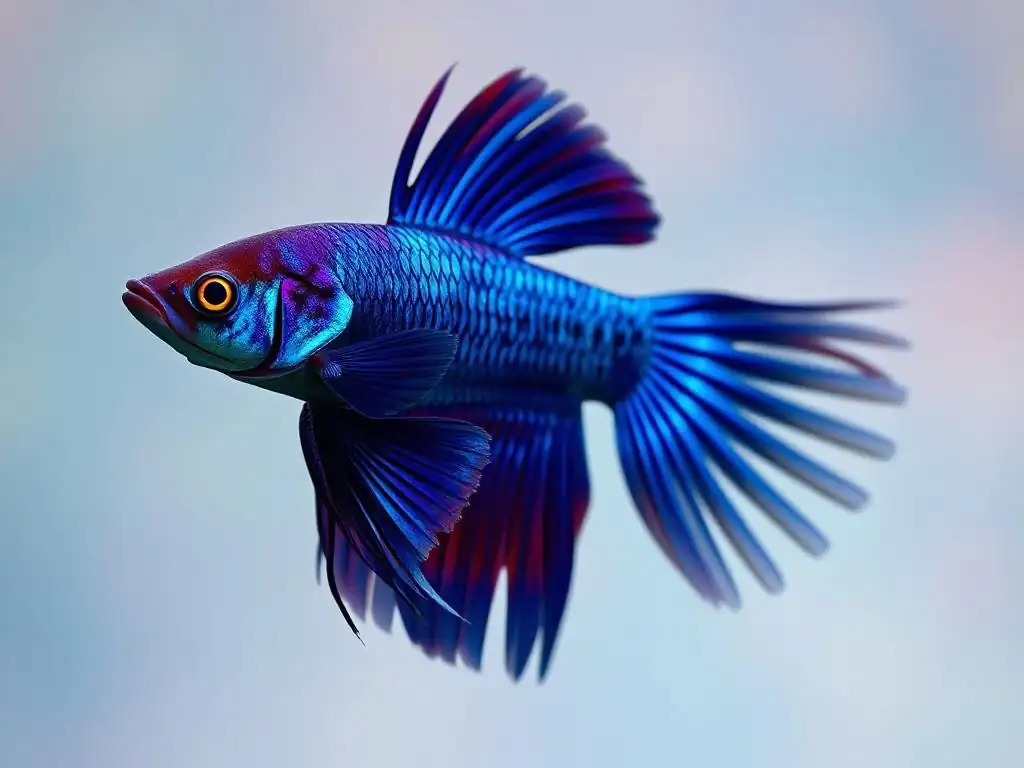
Flaring is perhaps one of the most iconic Betta fish behaviors, involving the spreading of the gill covers (opercula) and all fins, making the fish appear larger and more formidable. This display is primarily a territorial warning or an act of aggression. Male Bettas will flare at perceived rivals, including other males, their own reflection, or even their keeper's finger. While a brief, occasional flare can be a sign of a confident and healthy Betta exercising its muscles, excessive or prolonged flaring, especially if directed constantly at a reflection or tank mate, can be a significant source of stress.
Constant flaring depletes a Betta's energy reserves and can lead to chronic stress, which suppresses the immune system and makes the fish more susceptible to disease. It's crucial to identify the trigger for excessive flaring; if it's a reflection, dimming the tank lights or adding a background might help. If it's a tank mate, it suggests incompatibility and the need for separation. Understanding this aspect of Betta fish body language helps maintain a peaceful and healthy environment for your fish.
Glass Surfing: Identifying the Causes and Solutions for this Stressful Behavior
Glass surfing, also known as pacing, is when a Betta repeatedly swims up and down against the glass walls of its aquarium. This common Betta fish behavior is almost always a sign of stress or discomfort rather than contentment. It can be triggered by a variety of factors, including an undersized tank (many Bettas suffer in tanks smaller than 5 gallons), poor water quality (e.g., high ammonia or nitrite levels), reflections causing the Betta to perceive a rival, or simply the fish adjusting to a new environment.
Addressing glass surfing requires identifying its root cause. If the tank is too small, upgrading to a larger aquarium (at least 5 gallons) with ample hiding spots and live plants can significantly reduce stress. Regular water testing and changes are vital to ensure optimal parameters (ammonia 0 ppm, nitrite 0 ppm, nitrate <20 ppm). Sometimes, simply adding more visual stimulation or hiding places can alleviate boredom or feelings of exposure, turning this anxious Betta body language into calm exploration.
Hiding: When is it Normal, and When Should You Be Concerned?
Hiding is a natural Betta fish behavior that can be perfectly normal or a significant cause for concern, depending on the context. Bettas often seek out secluded spots to rest, sleep, or simply feel secure. This is particularly true if the tank provides appropriate hiding places such as caves, dense plant cover, or driftwood. A Betta resting quietly in a plant or cave for short periods, especially during the night or early morning, is usually just demonstrating normal resting behavior.
However, if a Betta is hiding excessively, refusing to come out even for feeding, or remains hidden for prolonged periods during active hours, this is a strong indicator of stress, fear, or illness. This change in Betta fish body language could be due to aggressive tank mates, overly bright lighting, a lack of appropriate cover, or deteriorating water conditions. It is crucial to observe other symptoms (e.g., clamped fins, loss of appetite) to determine if the hiding is a symptom of a health issue requiring immediate attention, such as a parasitic infection or bacterial disease.
Bubble Nesting: Understanding Betta Fish Breeding Behavior
Bubble nesting is a fascinating and often delightful Betta fish behavior, predominantly performed by male Bettas. It involves the male blowing tiny bubbles, coated with saliva, to create a raft-like structure at the water's surface, typically anchored to a plant leaf or decor. This is a clear sign that the male Betta is mature, healthy, and ready to breed, indicating a comfortable and stable environment. Even without a female present, a male Betta may construct a bubble nest, signaling good health and contentment.
The presence of a bubble nest is generally a positive sign of Betta fish body language, reflecting optimal water parameters, a comfortable temperature (ideally around 80°F or 26.7°C), and a sense of security within its territory. It demonstrates that the fish perceives its environment as safe enough to potentially raise offspring. While some males are more prolific bubble nesters than others, its occurrence is a strong indicator of a well-adjusted and healthy fish.
Lethargy and Inactivity: Potential Health Problems to Watch Out For
Lethargy and unusual inactivity are significant red flags in Betta fish body language. While Bettas do rest and sleep, prolonged periods of listlessness, where the fish remains motionless at the bottom or near the surface for extended periods without apparent reason, can indicate a serious problem. This differs from normal resting as the Betta will often appear unresponsive or struggle to move when prompted.
Common causes for this Betta behavior include low water temperature, which slows down their metabolism; poor water quality, leading to ammonia or nitrite poisoning; or the onset of various diseases such as swim bladder disorder, internal parasites, or bacterial infections. For instance, if the water temperature drops below 74°F (23.3°C), Bettas can become sluggish. Observing lethargy in conjunction with other symptoms, such as clamped fins or labored breathing, necessitates immediate investigation of water parameters and potentially a course of treatment.
Erratic Swimming: Signs of Disease or Poor Water Quality
Erratic swimming patterns are a clear warning sign in Betta fish body language, indicating distress, disease, or compromised water quality. Unlike normal, fluid movements, erratic swimming might include darting suddenly, swimming in circles, rubbing against tank decor, or struggling to maintain buoyancy. This type of Betta behavior is often a response to irritation or discomfort.
For example, a Betta rubbing against objects or darting rapidly could be exhibiting "flashing," a common symptom of external parasites like Ich (Ichthyophthirius multifiliis), which cause intense itching. If the fish is struggling to swim upright or appears disoriented, it might be suffering from swim bladder disease, often caused by overfeeding or poor diet. Furthermore, sudden, rapid swimming coupled with gasping at the surface can indicate acute ammonia or nitrite poisoning, where the fish is desperately trying to escape toxic conditions. Immediate water testing and corrective action are crucial when observing such erratic Betta fish body language.
Betta Fish Postures: Interpreting Physical Stances

Headstanding: Possible Causes and What it Indicates
Headstanding, where a Betta fish floats vertically with its head pointing downwards and tail pointing upwards, is an alarming and abnormal posture in Betta fish body language. This unusual stance is almost always indicative of a severe health issue, most commonly related to the swim bladder. The swim bladder is an organ that helps fish maintain buoyancy; when it's dysfunctional, the fish can lose control over its position in the water column.
Causes of swim bladder issues leading to headstanding can include digestive problems from overfeeding or consuming low-quality food, bacterial infections, or physical trauma. For instance, feeding freeze-dried foods without pre-soaking can lead to bloating and pressure on the swim bladder. This Betta behavior requires immediate attention, as it impairs the fish's ability to swim, eat, and even breathe properly.
Clamped Fins: A Sign of Illness or Stress in Betta Fish
Clamped fins are one of the most universal and easily recognizable signs of distress in Betta fish body language. Instead of being fanned out and flowing, the fins are held tightly against the body, making the fish appear smaller and less vibrant. This posture is a direct physiological response to discomfort, indicating that the Betta is feeling unwell, stressed, or is attempting to protect itself.
This Betta behavior is not a disease in itself but rather a symptom of an underlying problem. Common causes include poor water quality (e.g., high ammonia, nitrite, or nitrate levels), incorrect water temperature, external parasites, bacterial infections, or even bullying from tank mates. For example, a Betta exposed to water with a pH outside its ideal range of 6.5-7.5 might exhibit clamped fins. Addressing the root cause, whether through water changes, temperature adjustments, or treating specific diseases, is essential to alleviate this stress signal.
Resting at the Bottom: Normal Behavior or a Cause for Alarm?
Observing a Betta resting at the bottom of its tank can be a perfectly normal Betta fish behavior or a critical sign of distress, depending on the context. Like humans, Bettas need sleep, and they often choose to rest on the substrate, on a broad plant leaf, or inside a cave. If the Betta is responsive to stimulation, moves easily when approached, and resumes normal activity shortly after, it's likely just resting or sleeping. This is especially true during the night or early morning hours.
However, prolonged resting at the bottom, especially during active parts of the day, combined with other symptoms like clamped fins, labored breathing, loss of appetite, or faded colors, is a strong indicator of a health issue. This type of Betta body language could signal low water temperature, advanced illness (e.g., dropsy, severe bacterial infection), or extreme stress. For instance, a Betta with a severe parasitic infection might become so weak that it can only rest at the bottom, unable to swim normally. Close observation of accompanying symptoms is key to distinguishing between normal rest and a health concern.
Recognizing Signs of Illness Through Betta Body Language
Changes in Appetite and Feeding Habits: A Vital Clue
A healthy Betta fish typically exhibits a robust appetite, eagerly approaching the surface or feeding area when food is offered. Therefore, any significant change in appetite or feeding habits is a critical clue in Betta fish body language that often signals an underlying health problem. A sudden refusal to eat, spitting out food, or showing only minimal interest in meals are strong indicators of distress or illness.
This Betta behavior can stem from various issues, ranging from poor water quality (e.g., elevated ammonia, nitrite, or nitrate levels which can suppress appetite), internal parasites, bacterial infections, or even stress from an inappropriate environment or aggressive tank mates. For example, a Betta suffering from constipation due to an improper diet might refuse food for several days. Monitoring food intake is a straightforward yet highly effective way to gauge a Betta's overall well-being and identify potential health issues early.
Abnormal Breathing: Identifying Respiratory Issues
Abnormal breathing patterns are a clear and urgent indicator of respiratory distress in Betta fish body language. Normal Betta breathing involves calm, rhythmic gill movements. However, if a Betta is exhibiting rapid gill movements, gasping at the surface more frequently than usual (beyond typical labyrinth organ use), or struggling to breathe, it's a serious sign of a problem.
This Betta behavior often points to issues with water quality, such as critically low oxygen levels, or the presence of toxic compounds like ammonia or nitrite, which damage gill tissue. For instance, water with dissolved oxygen levels below 5 mg/L can cause respiratory distress. It can also indicate gill flukes or other parasitic infections that irritate the gills, or even systemic bacterial infections affecting internal organs. Immediate water testing and corrective actions, such as increasing aeration or performing a water change, are essential when observing such critical Betta fish body language.
Body Spots and Lesions: Visual Indicators of Disease
The appearance of unusual body spots, lesions, or growths on a Betta's skin or fins is a direct and undeniable visual indicator of disease. These physical manifestations are unmistakable signs in Betta fish body language that something is wrong and require immediate attention. Healthy Bettas have smooth, unblemished skin and intact fins.
Common examples include white spots resembling grains of salt (Ich or White Spot Disease), fuzzy white or gray patches (fungal infections), red streaks or sores (bacterial infections like fin rot or septicemia), or raised bumps and growths (tumors or advanced bacterial infections). For instance, fin rot, often caused by poor water conditions, manifests as frayed or disintegrating fins with potential red edges. Regularly inspecting your Betta for these visual cues is crucial for early detection and treatment, often preventing the spread of disease and improving recovery chances.
Creating a Stress-Free Environment to Promote Positive Betta Behavior

Tank Size and Setup: Providing Adequate Space and Hiding Places
Creating a stress-free environment begins with the fundamental elements of tank size and setup, which profoundly influence Betta fish body language and overall well-being. While Bettas can survive in small bowls, thriving requires a minimum tank size of 5 gallons (approximately 19 liters). A 5-gallon tank provides sufficient space for swimming, establishing territory, and maintaining stable water parameters, significantly reducing stress-induced behaviors like glass surfing or lethargy.
The setup should include ample hiding places such as natural caves, smooth rocks, driftwood, and live or silk plants. These elements offer security and enrichment, allowing the Betta to retreat when feeling stressed or needing rest. For example, dense planting in one corner can provide a safe haven, reducing anxiety and promoting natural exploration. A proper setup directly contributes to positive Betta behavior and vibrant Betta body language.
Water Quality Management: Maintaining Optimal Conditions for Betta Health
Maintaining pristine water quality is arguably the most critical factor in promoting positive Betta behavior and preventing stress-related illnesses. Bettas are highly sensitive to water parameters, and fluctuations or accumulation of toxins can quickly lead to distress, reflected in their Betta fish body language. Optimal conditions include a stable temperature between 78-82°F (25.5-27.8°C), a pH range of 6.5-7.5, and crucially, zero ammonia, zero nitrite, and nitrates below 20 ppm.
Regular water changes (e.g., 25% weekly for a 5-gallon tank) and consistent testing with a reliable liquid test kit are essential to achieve and maintain these parameters. Poor water quality is a leading cause of clamped fins, lethargy, faded colors, and susceptibility to diseases like fin rot. By diligently managing water quality, aquarists can ensure their Betta exhibits healthy, confident Betta body language.
Choosing the Right Tank Mates: Avoiding Aggression and Competition
For those considering keeping their Betta with other fish, selecting appropriate tank mates is paramount to avoid aggression and competition, which can severely impact Betta fish body language and health. Bettas are known for their territorial nature, particularly males, and aggressive or fin-nipping species can cause immense stress, leading to clamped fins, hiding, and even physical injury.
Ideal tank mates are peaceful, non-fin-nipping, and do not compete for the same swimming space or food. Examples include small schooling fish like peaceful Tetras (e.g., Ember Tetras), Otocinclus catfish, or various types of snails (e.g., Nerite snails). Even with compatible species, continuous observation of Betta body language is necessary. If signs of stress or aggression emerge (e.g., constant flaring, chasing, or hiding), immediate separation is required to ensure the Betta's well-being.
Advanced Betta Behavior: Nuances and Subtleties
Recognizing Individual Betta Fish Personalities
Beyond the general interpretations of Betta fish body language, advanced aquarists learn to recognize the unique personalities of their individual Bettas. Just like humans, each Betta has its own distinct temperament, ranging from bold and curious to shy and reserved. One Betta might always greet its owner with enthusiastic wiggles, while another might prefer to observe from a distance, even when perfectly healthy.
Understanding these individual nuances is crucial because a sudden change in a specific Betta's established behavior pattern is far more telling than a general observation. For example, a normally outgoing Betta suddenly hiding is a strong warning sign, whereas a naturally shy Betta hiding might be less concerning if it's within its typical behavior range. This personalized approach to interpreting Betta body language allows for more precise and effective care.
Understanding the Impact of Environment on Betta Behavior
The environment profoundly shapes Betta fish behavior and their physical expressions of Betta body language. Every aspect of the aquarium setup—from the type of substrate and decor to lighting intensity and filtration—contributes to the fish's comfort and confidence. A sparsely decorated tank can lead to a stressed Betta that glass-surfs due to lack of security, while an overly busy tank might cause anxiety.
For instance, a Betta in a tank with strong water flow from an unfiltered pump might exhibit clamped fins and struggle to swim, whereas the same fish in a tank with gentle filtration would display fluid, natural movements. Similarly, consistent feeding schedules and minimal sudden disturbances contribute to a sense of stability, reducing stress-related Betta behavior. Learning how specific environmental factors influence Betta fish body language allows keepers to fine-tune their setups for optimal well-being.
Using Body Language to Monitor Long-Term Betta Health
Utilizing Betta fish body language for long-term health monitoring involves consistent, daily observation over extended periods. This continuous assessment allows aquarists to track subtle, gradual changes that might indicate chronic issues or the slow onset of disease, which could be missed during infrequent checks. For example, a slight, progressive dulling of color over weeks could signify a nutritional deficiency or a slow decline in water quality that hasn't yet triggered acute symptoms.
By maintaining a mental or physical log of a Betta's typical activity levels, fin posture, color vibrancy, and responsiveness, keepers can identify deviations from the norm early on. This proactive approach to interpreting Betta body language is key to preventing minor issues from escalating into severe, difficult-to-treat conditions, ultimately contributing to a longer, healthier life for the fish.
Conclusion: Mastering Betta Fish Body Language for a Thriving Aquarium
Recap of Key Body Language Signals
Mastering Betta fish body language is an essential skill for any aquarist aiming to provide optimal care for these captivating fish. We've explored a wide array of signals, from the aggressive flaring and territorial displays that show confidence or stress, to the subtle color changes indicating health or distress. Clamped fins, lethargy, and erratic swimming are critical warnings of illness or poor water quality, while bubble nesting signifies a healthy, comfortable environment. Even resting at the bottom can be normal or a cause for alarm, depending on context.
Understanding these diverse aspects of Betta body language allows keepers to interpret their fish's needs and moods effectively. Recognizing a change in appetite or abnormal breathing patterns can provide vital early warnings of health issues. By consistently observing these cues, aquarists gain invaluable insights into their Betta's well-being, enabling timely interventions and a more responsive approach to their care.
Importance of Continuous Observation and Learning
The journey of understanding Betta fish body language is continuous. Each Betta is an individual, and their communication can be nuanced, influenced by their unique personality and the specific environment they inhabit. Regular, daily observation is not just a routine but an ongoing learning process that deepens the bond between keeper and fish. It allows for the establishment of a baseline for individual Betta behavior, making even the slightest deviation noticeable.
By committing to continuous observation and further learning about Betta fish body language, aquarists can proactively address potential problems, prevent stress-related illnesses, and ensure their Bettas live vibrant, healthy lives. This dedicated approach transforms aquarium keeping from a mere hobby into a rewarding experience of true animal husbandry, fostering a thriving and harmonious aquatic environment for these magnificent fish.
Frequently Asked Questions
How can I tell if my Betta fish is stressed?
A stressed Betta might display faded color, lethargy, or fin clamping. They may also hide frequently or refuse to eat, indicating a problem with their tank environment or health.
What does it mean when my Betta flares its gills?
Flaring is a common behavior, often indicating aggression or territorial defense. It can also be a display of dominance or excitement, depending on the context of the situation.
Is it normal for my Betta fish to build a bubble nest?
Yes, bubble nest building is a natural breeding behavior in male Bettas. It signifies they are healthy and ready to mate, even if there is no female present in the aquarium.
What does it mean if my Betta is rubbing against objects in the tank?
Rubbing against objects, known as flashing, can indicate parasites or other skin irritations. It's important to observe closely for other symptoms and consider treatment options.
How can I distinguish between a happy and an unhappy Betta fish?
A happy Betta will be active and colorful, exploring its tank and interacting with its environment. An unhappy Betta will show signs of stress, decreased activity, and changes in appearance.
Final Reflection: Understanding the Silent Language of Betta Fish
The insights shared in this article, focused on decoding Betta fish body language, are more crucial than ever in promoting responsible and enriching pet ownership. As the popularity of these vibrant creatures continues to rise, understanding their subtle cues becomes paramount to ensuring their well-being and fostering a deeper connection between owner and fish. Ignoring these signals can lead to unnecessary stress and health problems for our finned companions, highlighting the urgent need for increased awareness and informed care.
This journey into the world of Betta communication has profoundly impacted how we perceive these often-misunderstood creatures. It's a reminder that even the smallest of beings possess a complex language, and our responsibility as caretakers lies in learning to listen. The greatness of a nation and its moral progress can be judged by the way its animals are treated.
- Mahatma Gandhi. This quote resonates deeply when considering the care we provide to our Betta fish, urging us to move beyond mere sustenance and strive for genuine understanding and compassion.
Now, armed with a deeper understanding of Betta body language, I invite you to reflect on your own interactions with these fascinating fish. Consider how you can apply this knowledge to create a more enriching and stress-free environment for your Betta. By paying close attention to their silent language, you can unlock a deeper connection and provide the care they truly deserve, ensuring a happier and healthier life for your aquatic companion.
Unveil the Secrets Your Betta is Whispering!
Thanks for diving deep into the fascinating world of Betta communication! We hope you've gained valuable insights into understanding your finned friend's subtle cues. Now, let's put that knowledge into action and strengthen your bond with your Betta.
- Dedicate 15 minutes today to observe your Betta carefully, specifically noting any behaviors you didn't previously understand.
- Share a photo or video of your Betta displaying a unique behavior on social media, using the hashtag #BettaTalk, and tag Aquarium Mastery to spark a community discussion.
- Research one specific Betta disease symptom you learned about and prepare a small emergency kit with corresponding treatments, just in case.
What's one 'aha!' moment you had while reading this article that will change how you interact with your Betta from now on?