
Euphyllia glabrescens (Torch Coral): InDepth Profile & Care Mastery

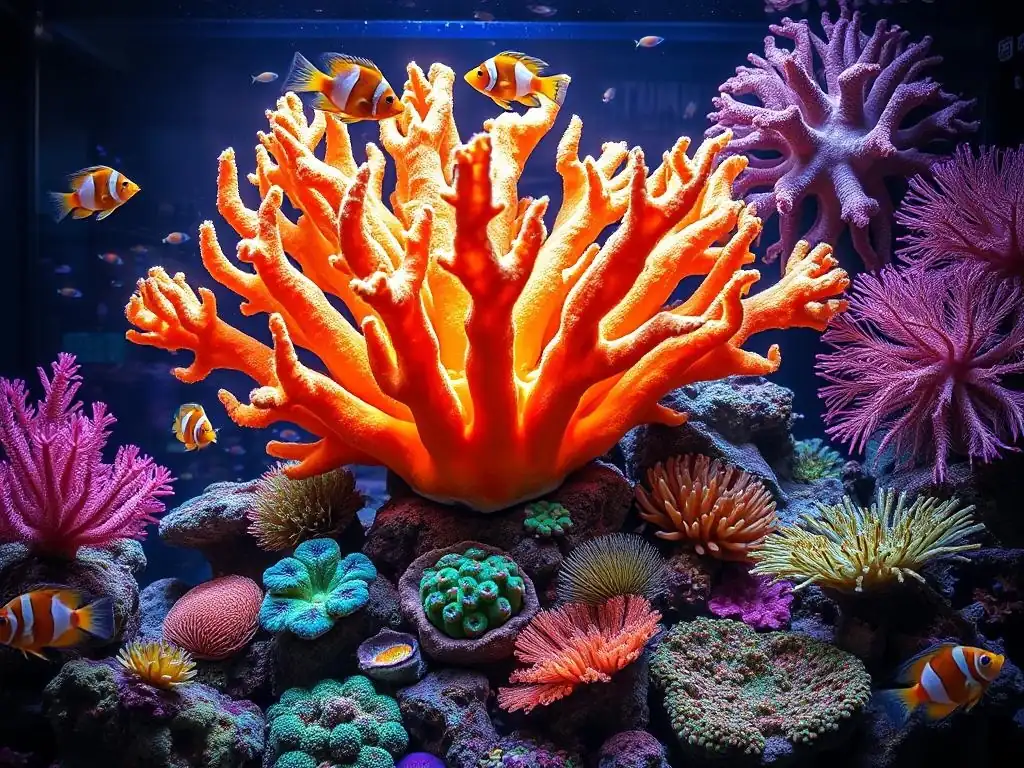
Welcome to Aquarium Mastery!
Intrigued by the swaying beauty of the Euphyllia glabrescens, also known as the Torch Coral? You've come to the right place. This in-depth guide unveils the secrets to successfully keeping this captivating LPS coral. Prepare to dive deep into the specifics of Euphyllia glabrescens care, ensuring your Torch Coral thrives and adds a touch of elegance to your reef aquarium. Ready to illuminate your knowledge and unlock the secrets of this magnificent coral? Let's begin!
- Torch Coral (Euphyllia glabrescens): In-Depth Care Guide
- Introduction to Torch Corals: A Comprehensive Euphyllia glabrescens Care Guide
- Euphyllia glabrescens Identification: Distinguishing Features
- Torch Coral Care: Essential Parameters for a Thriving Euphyllia
- Feeding Euphyllia glabrescens: Ensuring Optimal Growth and Coloration
- Torch Coral Placement: Creating the Ideal Environment
- Common Torch Coral Diseases and Problems: Identification and Treatment
- Propagating Euphyllia glabrescens: A Guide to Torch Coral Fragging
- Choosing the Right Torch Coral: Considerations Before Purchasing
- Compatible Tank Mates for Torch Corals: Creating a Harmonious Reef Environment
- Advanced Torch Coral Care: Optimizing Growth and Color
- Troubleshooting Common Torch Coral Issues: A Quick Reference Guide
- Conclusion: Mastering Euphyllia glabrescens Care for a Stunning Reef Aquarium
-
Frequently Asked Questions
- What is Euphyllia glabrescens and why is it popular in aquariums?
- What are the key water parameters for keeping a Torch Coral healthy?
- What type of lighting and flow are recommended for Euphyllia glabrescens?
- What should I feed my Torch Coral, and how often?
- What are some common problems encountered with Euphyllia glabrescens, and how can they be prevented?
- Final Reflection: Illuminating the Torch's Flame
- Ignite Your Torch Coral's Brilliance!
Torch Coral (Euphyllia glabrescens): In-Depth Care Guide
Introduction to Torch Corals: A Comprehensive Euphyllia glabrescens Care Guide
What is Euphyllia glabrescens? Understanding the Torch Coral
Euphyllia glabrescens, commonly known as the Torch Coral, is a captivating large polyp stony (LPS) coral highly prized in the reef aquarium hobby for its dynamic movement and vibrant coloration. Belonging to the family Euphylliidae, this coral is characterized by its long, flowing polyps that resemble torches swaying in the current, each tipped with a contrasting, often brighter, color. Its scientific name, glabrescens, refers to its smooth, non-ridged skeletal structure, distinguishing it from other Euphyllia species like Hammer or Frogspawn corals, which have more defined lobes or walls.
Native to the Indo-Pacific region, Torch Corals are typically found in shallow to moderate depths, often between 5 and 25 meters, where they receive consistent light and moderate water flow. Like most stony corals, they form a symbiotic relationship with zooxanthellae, photosynthetic algae residing within their tissues, which provide the majority of their nutritional needs through photosynthesis. Understanding this fundamental biology is a cornerstone of any effective Euphyllia glabrescens care guide.
Why Choose a Torch Coral for Your Reef Aquarium?
Choosing a Torch Coral can dramatically enhance the aesthetic appeal and biological diversity of a reef aquarium. Their distinctive, flowing polyps add unparalleled movement and a vibrant focal point, transforming a static aquascape into a dynamic underwater garden. Available in a spectrum of colors, from iridescent greens and golds to deep blues and purples, they offer aquarists a wide array of choices to complement their tank's design.
Beyond their visual allure, Torch Corals are considered a rewarding challenge for intermediate aquarists. While they require stable water parameters and specific environmental conditions, they are generally more forgiving than some small polyp stony (SPS) corals. When the principles of a comprehensive Euphyllia glabrescens care guide are diligently applied, these corals exhibit robust growth and impressive resilience, making them a satisfying addition for those looking to progress in their reef-keeping journey.
Euphyllia glabrescens Identification: Distinguishing Features
Recognizing Healthy Torch Coral: Visual Cues
Identifying a healthy Torch Coral is crucial for successful long-term Euphyllia glabrescens care. A thriving specimen will exhibit full and consistent polyp extension, with its tentacles fully inflated and swaying gently in the water current. The coloration should be vibrant and uniform across the polyps, without any dull or patchy areas. The oral disc, located at the center of each polyp, should be clearly visible and free from any detritus or algae.
Conversely, signs of distress include retracted or shrunken polyps, pale or bleached coloration, excessive mucus production, or visible tissue recession from the skeleton. The presence of brown jelly-like substance, white patches, or unusual growths also indicates a problem. Observing these visual cues regularly allows aquarists to quickly identify issues and intervene, preventing minor problems from escalating into significant health concerns for their Torch Coral.
Common Torch Coral Color Variations
Torch Corals are celebrated for their stunning array of color variations, making each specimen a unique addition to a reef tank. The most common colors include vibrant greens, deep golds, and bright yellows, often with contrasting tips that truly resemble a flickering flame. For instance, a "Green Torch" might have a bright green base with stark yellow or gold tips, creating a striking visual contrast.
Rarer and more sought-after morphs can command higher prices due to their unique patterns and intense hues. Examples include the "Dragon Soul Torch," which typically features an intensely bright green body with fiery gold or orange tips, or the "Holy Grail Torch," known for its complex blend of green, gold, and sometimes even blue or purple tones. These variations are often influenced by genetics and can be further enhanced by optimal lighting and water parameters, highlighting the importance of a tailored Euphyllia glabrescens care guide.
Torch Coral Care: Essential Parameters for a Thriving Euphyllia
Water Quality Requirements for Euphyllia glabrescens
Maintaining pristine and stable water quality is paramount for the health and longevity of Euphyllia glabrescens. Key parameters include salinity, temperature, and pH, which should remain consistent to prevent stress. An ideal salinity level ranges from 1.025 to 1.026 specific gravity (SG), mimicking natural ocean conditions. Temperature should be kept stable between 76°F and 78°F (24.5°C to 25.5°C), as sudden fluctuations can induce significant stress. The pH should ideally hover between 8.0 and 8.4, providing a stable environment for calcification.
Beyond these fundamental parameters, controlling nutrient levels is critical. Nitrates should be kept very low, ideally below 10 ppm and preferably under 5 ppm, while phosphates should be virtually undetectable, typically below 0.03 ppm. Elevated nutrient levels can lead to nuisance algae growth and inhibit coral health. Regular partial water changes, approximately 10-20% bi-weekly depending on tank bioload, are essential for maintaining these low nutrient levels and replenishing trace elements, forming a core practice in any robust Euphyllia glabrescens care guide.
Optimal Alkalinity, Calcium, and Magnesium Levels
For Euphyllia glabrescens to thrive and grow its stony skeleton, consistent levels of alkalinity, calcium, and magnesium are indispensable. Alkalinity, measured in dKH (degrees of carbonate hardness), should be maintained within a range of 8 to 10 dKH. This parameter acts as a buffer against pH swings and is crucial for carbonate uptake, which is used in skeletal formation. Levels below 7 dKH can stunt growth, while levels above 12 dKH can lead to calcium precipitation.
Calcium levels are optimally kept between 400 and 450 ppm, as calcium is the primary building block for the coral's aragonite skeleton. Insufficient calcium (below 380 ppm) directly impedes growth. Magnesium, typically maintained between 1300 and 1400 ppm, plays a vital role in enabling corals to absorb calcium and alkalinity effectively, preventing their premature precipitation. Regular testing, at least once a week, and precise dosing of these elements are critical for successful Euphyllia glabrescens care guide adherence.
Maintaining Stable Water Parameters: A Key to Torch Coral Health
The adage "stability is key" holds immense truth for Euphyllia glabrescens care. Torch corals are highly sensitive to sudden or drastic changes in water chemistry, temperature, or salinity. Even seemingly minor fluctuations can induce stress, leading to polyp retraction, tissue loss, or susceptibility to diseases. For instance, a sudden drop in alkalinity from 9 dKH to 7 dKH within a day can cause significant stress, as the coral's internal chemistry struggles to adapt.
To achieve and maintain stability, aquarists should implement consistent practices such as daily temperature checks, weekly testing of alkalinity, calcium, and magnesium, and automated top-off systems (ATO) to counteract evaporation and maintain stable salinity. Employing dosing pumps for calcium, alkalinity, and magnesium supplements can help maintain precise levels without manual fluctuations. This proactive approach to parameter management is a hallmark of an advanced Euphyllia glabrescens care guide.
Lighting Requirements for Torch Corals: Finding the Sweet Spot
Lighting is a critical factor for the health and vibrant coloration of Euphyllia glabrescens, as they derive a significant portion of their energy from photosynthesis by their symbiotic zooxanthellae. Torch corals generally prefer moderate lighting conditions, with a Photosynthetically Active Radiation (PAR) range typically between 75 and 150 PAR. Too little light can lead to a loss of color and slow growth, while excessive light can cause bleaching, where the coral expels its zooxanthellae, turning pale or white.
When introducing a new Torch Coral or upgrading lighting, it's essential to acclimate the coral gradually. Start the coral in a lower light area of the tank (e.g., 50-70 PAR) and slowly move it to its desired spot over several weeks, allowing it to adapt to the light intensity. Observing the coral's response—full polyp extension and consistent coloration—is the best indicator that it is receiving appropriate lighting. LED fixtures with controllable spectrums are excellent for fine-tuning the light to meet the specific needs of a comprehensive Euphyllia glabrescens care guide.
Flow Requirements for Euphyllia glabrescens: Achieving the Right Balance
Proper water flow is vital for Euphyllia glabrescens, serving multiple functions including nutrient delivery, waste removal, and preventing detritus accumulation on the coral's tissue. Torch corals thrive in moderate, indirect water flow. The ideal flow pattern causes the polyps to sway gently and rhythmically, allowing for maximum extension and efficient gas exchange. Strong, direct flow, however, can be detrimental, causing polyps to retract, tear, or even detach from the skeleton due to constant battering.
To achieve the right balance, it is often recommended to use multiple powerheads or wavemakers positioned to create turbulent, random flow patterns rather than a single, direct stream. Placing powerheads behind rockwork or aiming them at the glass can help diffuse the flow before it reaches the coral. Insufficient flow, on the other hand, can lead to dead spots where detritus settles, potentially causing tissue necrosis or bacterial infections. Therefore, careful consideration of flow dynamics is an integral part of an effective Euphyllia glabrescens care guide.
Feeding Euphyllia glabrescens: Ensuring Optimal Growth and Coloration
What to Feed Your Torch Coral: Dietary Needs
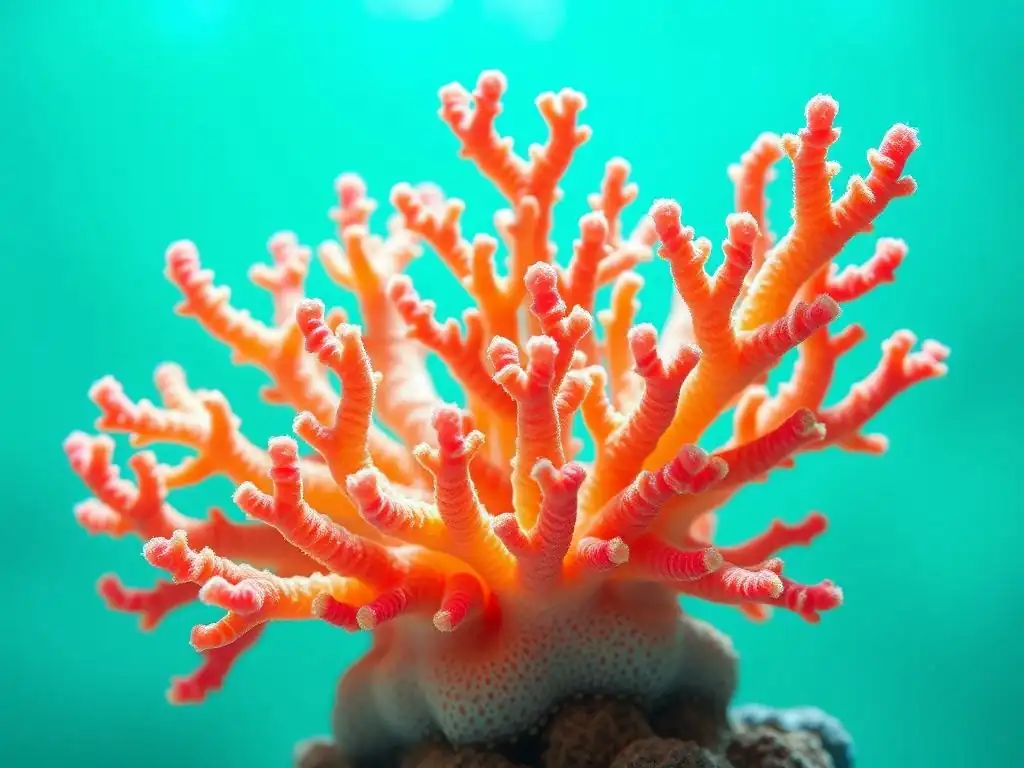
While Euphyllia glabrescens primarily relies on its symbiotic zooxanthellae for nutrition through photosynthesis, supplemental feeding can significantly enhance its growth rate, improve coloration, and bolster overall health. Torch corals are carnivorous and will readily consume a variety of meaty foods. Excellent options include enriched frozen mysis shrimp, brine shrimp, copepods, and specialized coral foods such as Reef Roids or Coral Frenzy.
These foods provide essential proteins, fatty acids, and other nutrients that photosynthesis alone cannot fully supply, especially for larger colonies or those undergoing rapid growth. The polyps of Torch Corals are equipped with nematocysts (stinging cells) that allow them to capture prey from the water column, demonstrating their natural predatory capabilities. Incorporating regular feeding into your Euphyllia glabrescens care guide can lead to visibly more robust and vibrant corals.
Feeding Frequency and Techniques for Euphyllia glabrescens
For most Euphyllia glabrescens colonies, feeding 1 to 2 times per week is generally sufficient to provide beneficial supplementary nutrition without overfeeding the aquarium. If you are aiming for accelerated growth or assisting a coral in recovery, you might increase the frequency to 3 times a week. It's crucial to observe your coral's response; if it appears bloated or shows signs of distress after feeding, reduce the amount or frequency.
When feeding, it is highly effective to turn off circulation pumps for 10-15 minutes to prevent the food from being dispersed too quickly. Use a pipette or turkey baster to target feed individual polyps, placing the food directly onto the oral disc. The coral's polyps will typically extend their feeding tentacles and engulf the food within minutes. This direct approach ensures that the coral receives the intended nutrients, making it a valuable technique in a comprehensive Euphyllia glabrescens care guide.
Torch Coral Placement: Creating the Ideal Environment
Finding the Right Spot: Considering Lighting and Flow
Strategic placement is vital for the long-term success of Euphyllia glabrescens in a reef aquarium. Due to their moderate lighting requirements, Torch Corals are typically best placed in the middle to lower sections of the tank, where PAR levels range from 75 to 150. However, this can vary based on your lighting intensity; in tanks with very powerful lights, they may need to be positioned lower, while in less intensely lit tanks, mid-level placement might be ideal.
Equally important is ensuring proper water flow. Torch Corals prefer moderate, indirect flow that causes their polyps to sway gently. Avoid direct, laminar flow, which can damage their delicate tissues. Placing the coral in an area where flow is diffused by rockwork or where multiple powerheads create turbulent, random currents is often most effective. This careful consideration of both lighting and flow will significantly contribute to a successful Euphyllia glabrescens care guide.
Preventing Aggression: Torch Corals and Tank Mates
One of the most critical aspects of Torch Coral placement is accounting for its aggressive nature and potent sweeping tentacles. Euphyllia glabrescens possesses long, stinging tentacles that can extend significantly, especially at night, to defend its territory and capture food. These tentacles can reach lengths of 6 to 12 inches (15 to 30 cm) or even more in large colonies, posing a significant threat to nearby corals.
To prevent chemical burns and tissue damage to other corals, it is imperative to leave ample space around your Torch Coral. A minimum clearance of 6-8 inches (15-20 cm) from other corals is a good starting point, though more space is always safer. Positioning them on an isolated rock island or at the end of a rock structure can help mitigate aggression. Ignoring this crucial detail can lead to significant losses in a mixed reef, underscoring its importance in any Euphyllia glabrescens care guide.
Common Torch Coral Diseases and Problems: Identification and Treatment
Brown Jelly Disease: Recognizing and Addressing the Threat
Brown Jelly Disease (BJD) is one of the most feared and rapidly destructive ailments affecting Euphyllia glabrescens and other LPS corals. It is a highly aggressive bacterial infection characterized by a slimy, brown, jelly-like substance that rapidly consumes coral tissue, often starting from the base or a damaged area. If left unchecked, BJD can wipe out an entire colony within 24-48 hours.
Immediate action is critical upon detection. Gently siphon off as much of the brown jelly as possible from the affected coral. Isolate the coral in a separate quarantine tank or container with fresh tank water.
A freshwater dip (pH and temperature matched to the main tank) for 5-10 minutes can sometimes dislodge the jelly, or an iodine dip using a product like Lugol's solution (10-15 drops per gallon for 5-10 minutes) can be effective. In severe cases, fragging healthy tissue far from the infected area may be the only way to save a portion of the colony. Prompt intervention is a cornerstone of effective Euphyllia glabrescens care guide troubleshooting.
Flatworms and Pests: Preventing and Eradicating Infestations
Euphyllia glabrescens can occasionally fall victim to various pests that can compromise their health if not addressed promptly. Common pests include flatworms (such as Red Planaria, though less common on Euphyllia, they can be a general tank nuisance), sundial snails, or specific coral-eating nudibranchs (though rare for Euphyllia, they can occur). These pests often feed on coral tissue or compete for resources, leading to poor polyp extension, tissue loss, or general decline.
Prevention is the best strategy: thoroughly quarantine all new corals for at least 3-4 weeks and perform prophylactic dips using coral-safe dips like Revive Coral Dip or Coral RX before introducing them to the main display tank. During quarantine, closely inspect the coral daily for any signs of pests. If an infestation occurs, manual removal with tweezers or a siphon can be effective for larger pests. For flatworms, specific treatments like Flatworm Exit are available, but caution is advised as they can release toxins upon dying, requiring careful adherence to product instructions and post-treatment water changes.
Receding Gums and Tissue Loss: Diagnosing and Treating Issues
Receding gums and general tissue loss are common, yet alarming, issues that can affect Euphyllia glabrescens. This condition manifests as the coral tissue pulling away from its skeleton, often starting from the base or the tips of the polyps. It can be a slow, gradual process (receding gums) or rapid and severe (Rapid Tissue Necrosis, or RTN). The underlying causes are varied and often point to environmental stress or underlying health issues.
Common culprits include unstable water parameters (e.g., alkalinity swings, high nitrates/phosphates), inappropriate lighting (too much or too little), excessive or insufficient water flow, aggression from neighboring corals or fish, or bacterial infections. To treat, first thoroughly test all water parameters and slowly correct any deviations. Ensure proper flow and lighting. If aggression is suspected, re-evaluate coral placement. A broad-spectrum antibiotic dip, if the issue is bacterial, might be considered as a last resort. Consistent application of a comprehensive Euphyllia glabrescens care guide is essential for prevention and recovery.
Propagating Euphyllia glabrescens: A Guide to Torch Coral Fragging
Preparing for Fragging: Tools and Techniques
Propagating Euphyllia glabrescens, commonly known as fragging, is a rewarding process that allows aquarists to share or expand their colonies. Proper preparation and the right tools are essential to ensure a clean cut and minimize stress to the coral. Necessary tools include: a sterile pair of bone cutters specifically designed for corals, or a Dremel rotary tool with a diamond cutting wheel for thicker skeletons; safety glasses to protect eyes from bone fragments; and clean, nitrile gloves to protect both your hands and the coral.
Before beginning, prepare a separate container with tank water to hold the coral during the fragging process. This minimizes exposure to air and allows for a controlled environment. The key technique is to identify natural branching points or clear areas on the skeleton where a clean cut can be made without damaging the living tissue. Sterilizing all tools with rubbing alcohol or a bleach solution (and rinsing thoroughly) before and after use is crucial to prevent the spread of pathogens.
Step-by-Step Guide to Fragging Torch Corals
Fragging Euphyllia glabrescens can be done safely with careful execution. Here's a step-by-step guide:
- Select a Healthy Branch: Choose a robust, healthy branch with well-extended polyps and clear skeletal attachment. Avoid fragging any branch that shows signs of stress or disease.
- Isolate the Coral: Gently remove the Torch Coral from your display tank and place it in the prepared container filled with main tank water. This prevents fragments or slime from entering your main system.
- Make the Cut: Using your bone cutters, make a single, swift, clean cut through the skeleton of the chosen branch. Aim for a point where the skeleton is accessible and away from the main tissue. For very thick branches, a Dremel with a diamond wheel may be necessary, ensuring the coral remains submerged to reduce dust and heat.
- Dip and Rinse: After fragging, it's highly recommended to dip the fresh frag (and the mother colony's cut site) in an antiseptic solution, such as a diluted iodine dip (e.g., Lugol's solution, 5-10 drops per gallon for 5 minutes), to help prevent bacterial infection. Gently rinse the frag in clean tank water afterward.
- Glue to Frag Plug: Apply a generous amount of coral-safe super glue gel to a frag plug or a small piece of live rock. Carefully attach the frag's cut end to the glue, holding it firmly for 30-60 seconds until it sets.
- Acclimation: Place the newly fragged coral in a low-flow, low-light area of your aquarium for the first few days to a week. This allows the coral to recover from the stress of fragging without being overwhelmed. Monitor for signs of infection or distress.
Post-Fragging Care: Ensuring Successful Growth
After fragging, careful post-fragging care is essential to ensure the successful recovery and growth of both the new frag and the mother colony. Place the freshly fragged Torch Coral in a stable environment within your aquarium, ideally in an area with moderate, indirect flow and slightly lower light intensity than its final destination. This reduced stress environment allows the coral to heal and begin to encrust onto its new frag plug.
Monitor both the frag and the mother colony closely for any signs of infection, tissue recession, or poor polyp extension. Maintaining pristine water parameters, as detailed in any comprehensive Euphyllia glabrescens care guide, is even more critical during this recovery period. Supplemental feeding of the frag with fine-particle coral foods can provide additional energy to aid in healing and promote new growth. With proper care, frags will typically show full polyp extension within a few days to a week, signaling successful recovery.
Choosing the Right Torch Coral: Considerations Before Purchasing
Selecting a Healthy Specimen: What to Look For
Selecting a healthy Euphyllia glabrescens specimen is the first step towards success in your reef aquarium. When examining a potential purchase, look for full polyp extension and vibrant, consistent coloration across all polyps. The tentacles should appear plump and healthy, not shriveled or torn. Crucially, inspect the base of the coral for any signs of tissue recession, which appears as a white, exposed skeleton where tissue should be. Avoid any corals with visible pests, such as flatworms or sundial snails, or any slimy, brown patches indicative of Brown Jelly Disease.
Additionally, inquire about the coral's origin. Aquacultured Torch Corals, grown in controlled environments, are often hardier and more acclimated to aquarium conditions than wild-caught specimens, reducing the initial stress of introduction. Observing the coral in the store's tank for at least 15-30 minutes can also provide insight into its general behavior and health. A healthy specimen will respond to changes in flow or light with natural polyp movement and extension, reflecting proper Euphyllia glabrescens care guide principles.
Acclimation Process: Introducing Your New Torch Coral to the Aquarium
Proper acclimation is a critical, yet often overlooked, step when introducing a new Euphyllia glabrescens to your established reef aquarium. The goal is to slowly equalize the water parameters (temperature, salinity, and pH) between the bag water and your tank water, minimizing shock to the coral.
A drip acclimation method is highly recommended: float the sealed bag in your sump or display tank for 15-20 minutes to equalize temperature. Then, open the bag, pour the coral and water into a clean bucket, and slowly drip your tank water into the bucket using airline tubing and a knot or valve to control the drip rate.
Aim for a drip rate of about 2-3 drops per second, allowing the water volume in the bucket to double over 30-60 minutes. Once acclimated, gently remove the coral from the bucket by hand (avoiding air exposure) and place it directly into your aquarium. Initially, place the new Torch Coral in a lower-light, lower-flow area of your tank for the first few days to a week.
This allows it to slowly acclimate to your tank's specific lighting and flow conditions before being moved to its final, desired placement. This gradual introduction is a key component of a successful Euphyllia glabrescens care guide.
Compatible Tank Mates for Torch Corals: Creating a Harmonious Reef Environment
Fish and Invertebrates that Thrive with Euphyllia glabrescens
Creating a harmonious reef environment where Euphyllia glabrescens can thrive alongside its tank mates requires careful selection. Many popular reef-safe fish species coexist peacefully with Torch Corals. Excellent choices include clownfish ( Amphiprion species), gobies (e.g., Watchman Goby, Diamond Watchman Goby), blennies (e.g., Lawnmower Blenny, Starry Blenny), cardinalfish, and certain wrasses known to be reef-safe (e.g., Melanurus Wrasse, Six-Line Wrasse). These fish generally do not nip at corals and contribute to a balanced ecosystem.
Compatible invertebrates are also numerous and beneficial. Various snail species, such as Turbo, Nassarius, and Trochus snails, are excellent detritivores and algae eaters. Hermit crabs, particularly the smaller, reef-safe species, can help with detritus removal. Cleaner shrimp ( Lysmata amboinensis) and peppermint shrimp ( Lysmata wurdemanni) are also great additions, contributing to tank cleanliness and often engaging in symbiotic relationships with fish. Always ensure that any invertebrate chosen is known to be reef-safe and won't bother your LPS corals, a crucial detail for a complete Euphyllia glabrescens care guide.
Avoiding Problematic Tank Mates: Species to Avoid
While Euphyllia glabrescens is a robust coral, certain fish and invertebrate species can pose a significant threat to its health and well-being. Avoiding these problematic tank mates is as important as choosing compatible ones. Fish species known to nip at or consume corals, such as many species of pufferfish, triggerfish, large angelfish (e.g., Emperor Angelfish, Queen Angelfish – though some dwarf angels can be reef-safe with caution), and certain butterflyfish, should be strictly avoided. Even seemingly docile fish can sometimes develop a taste for coral polyps, so close observation is key.
Among invertebrates, certain crabs can be problematic. While emerald crabs are often considered reef-safe for algae control, some individuals may develop an appetite for coral tissue. Large predatory snails or any invertebrate known to consume or irritate LPS corals should also be excluded. Always research the compatibility of any potential tank mate thoroughly before introducing it to an aquarium housing Euphyllia glabrescens, ensuring all aspects of your Euphyllia glabrescens care guide are considered.
Advanced Torch Coral Care: Optimizing Growth and Color
Supplementation Strategies: Enhancing Coloration and Health
Beyond the foundational parameters of alkalinity, calcium, and magnesium, advanced Euphyllia glabrescens care often involves targeted supplementation of trace elements to optimize growth and enhance coloration. While major elements are consumed in large quantities for skeletal growth, trace elements, though needed in smaller amounts, are vital co-factors in various biological processes within the coral. Elements like Strontium, Iodine, and Potassium are frequently depleted in a thriving reef tank due to coral uptake and protein skimming.
Strontium is believed to aid in calcification and skeletal formation, potentially boosting growth rates. Iodine has been linked to the development of brown and purple pigments, while Potassium can intensify blue and purple coloration in corals. Many reputable aquarium brands offer comprehensive trace element blends or individual supplements. However, it is crucial to supplement only with regular testing to avoid overdosing, which can be detrimental. Consistent, measured dosing, often via an automatic dosing pump, provides the most stable environment for optimal Euphyllia glabrescens care guide results.
Understanding the Role of Trace Elements in Torch Coral Care
Trace elements play a subtle yet significant role in the overall vitality and aesthetic appeal of Euphyllia glabrescens. These elements, present in natural seawater in minute concentrations (parts per billion or trillion), are essential for various enzymatic reactions, cellular functions, and the synthesis of pigments within the coral's tissues and symbiotic zooxanthellae. For example, specific trace elements contribute to the production of fluorescent proteins that give Torch Corals their brilliant greens, golds, and blues.
While their exact mechanisms are complex and still being researched, it's understood that a deficiency in certain trace elements can lead to dull coloration, poor polyp extension, or even inhibited growth. However, it is paramount to emphasize that trace element supplementation should always be considered secondary to maintaining stable core parameters (alkalinity, calcium, magnesium, and nutrient control). A solid foundation of excellent water quality is far more important than relying solely on trace elements for a truly effective Euphyllia glabrescens care guide. Overdosing trace elements without proper testing can lead to toxicity and severe coral stress.
Troubleshooting Common Torch Coral Issues: A Quick Reference Guide
Poor Polyp Extension: Potential Causes and Solutions
Poor polyp extension in Euphyllia glabrescens is a common indicator of stress or an underlying issue. This can manifest as shrunken, retracted polyps that do not fully inflate or sway as they normally would. Potential causes are numerous and often require systematic troubleshooting.
- Causes: New introduction stress, sudden swings in water parameters (e.g., alkalinity, calcium, pH, salinity), insufficient or excessive water flow, inadequate or excessive lighting, aggression from tank mates (fish nipping or other corals stinging), or the early stages of disease (e.g., bacterial infection, pests).
- Solutions: Immediately test all major water parameters and correct any deviations slowly and carefully. Observe flow patterns and adjust powerhead positioning if flow is too direct or too weak. Check lighting intensity and duration, considering a temporary reduction if light is suspected to be too strong. Carefully observe tank mates for any signs of aggression. If no obvious environmental cause is found, consider a broad-spectrum coral dip to rule out external parasites. Addressing these points is crucial for any Euphyllia glabrescens care guide.
Rapid Tissue Necrosis (RTN): Identifying and Addressing this Emergency
Rapid Tissue Necrosis (RTN) is an acute and devastating condition where Euphyllia glabrescens tissue rapidly deteriorates and sloughs off the skeleton, often appearing overnight. It is an emergency situation that can lead to the complete loss of a colony within hours or days if not addressed immediately. RTN is typically a symptom of severe stress or a highly aggressive bacterial infection.
- Action: As soon as RTN is observed, immediately isolate the affected coral in a separate container or quarantine tank to prevent potential spread to other corals. If a healthy portion of the coral remains, consider fragging off the healthy tissue far from the affected area (at least an inch or two) to try and save a part of the colony. Perform an antiseptic dip (e.g., iodine dip) on the healthy frag. Thoroughly re-evaluate all water parameters in the main tank for any major fluctuations, toxins (e.g., ammonia spike, heavy metals), or drastic changes. While RTN is challenging to treat, swift action and addressing the underlying cause offer the best chance of recovery, emphasizing the urgency required in Euphyllia glabrescens care guide applications.
Bleaching: Understanding Causes and Implementing Recovery Strategies
Bleaching in Euphyllia glabrescens occurs when the coral expels its symbiotic zooxanthellae, leading to a loss of coloration and a pale or stark white appearance. This condition is a severe stress response, as the coral loses its primary source of nutrition.
- Causes: The most common causes are excessive light intensity (photobleaching), rapid or prolonged temperature changes (especially spikes above 82°F or 28°C), and severe stress from poor water quality (e.g., sustained high nitrates/phosphates, low alkalinity, or presence of toxins).
- Recovery Strategies: If bleaching is observed, the first step is to identify and rectify the underlying cause. If light is suspected, move the coral to a lower-light area of the tank. Ensure stable temperature by checking your heater and chiller. Optimize all water parameters to their ideal ranges, focusing on stability. Supplemental feeding of fine-particle coral foods or target feeding mysis shrimp can provide the coral with much-needed energy while its zooxanthellae population recovers. Gradual recovery is possible if the stressor is removed quickly and the coral is not too far gone, highlighting a critical aspect of any Euphyllia glabrescens care guide.
Conclusion: Mastering Euphyllia glabrescens Care for a Stunning Reef Aquarium
Frequently Asked Questions
What is Euphyllia glabrescens and why is it popular in aquariums?
Euphyllia glabrescens, commonly known as the Torch Coral, is a popular large polyp stony (LPS) coral prized for its flowing tentacles and vibrant colors. It adds movement and visual interest to reef aquariums.
What are the key water parameters for keeping a Torch Coral healthy?
Maintaining stable water parameters is crucial. This includes a salinity of 1.025-1.026, a temperature of 72-78°F, and ensuring proper levels of calcium, alkalinity, and magnesium for skeletal growth.
What type of lighting and flow are recommended for Euphyllia glabrescens?
Torch corals prefer moderate lighting, such as LEDs or T5s, and moderate water flow to keep their tentacles clean and deliver nutrients. Avoid direct, intense light which can cause bleaching.
What should I feed my Torch Coral, and how often?
While they can obtain nutrients through photosynthesis, supplementing with small meaty foods like mysis shrimp 1-2 times per week can promote faster growth and vibrant coloration.
What are some common problems encountered with Euphyllia glabrescens, and how can they be prevented?
Common issues include brown jelly disease, coral bleaching, and stinging other corals. Proper water parameters, adequate flow, and careful placement to prevent aggression are essential for prevention.
Final Reflection: Illuminating the Torch's Flame
The journey through the intricacies of Euphyllia glabrescens care, as explored in this guide, underscores the enduring fascination with these living jewels of the reef. Beyond the technical aspects of water parameters and lighting, lies a deeper appreciation for the delicate balance required to sustain life, mirroring the broader challenges facing our planet's coral ecosystems. The ability to successfully cultivate a thriving Torch coral is a testament to our commitment to understanding and preserving the beauty of the underwater world.
This exploration of Euphyllia glabrescens extends beyond the aquarium, influencing how we perceive our role in marine conservation. Witnessing the vibrant sway of a healthy Torch coral is a powerful reminder of the fragility and resilience of life, urging us to become more conscious stewards of our oceans. As Jacques Cousteau so eloquently stated: The sea, once it casts its spell, holds one in its net of wonder forever.
This wonder, fueled by understanding, is the key to protecting these vital ecosystems for generations to come.
Now, armed with the knowledge and insights shared in this guide, I invite you to reflect on your own connection to the ocean and its inhabitants. Consider how you can translate your passion for Euphyllia glabrescens into tangible actions, whether through responsible sourcing, supporting conservation efforts, or simply spreading awareness. Let the radiant glow of your Torch coral serve as a constant reminder of the beauty we must strive to protect, ensuring that these underwater flames continue to dance for years to come.
Ignite Your Torch Coral's Brilliance!
Thank you for diving deep into the world of Torch Corals with us! We hope you’ve found valuable insights to help these stunning creatures thrive in your aquarium. Now, it's time to put that knowledge into action.
Here are a few ways to keep the torch burning:
- Prioritize flow and placement: Carefully observe your Torch Coral over the next week and adjust its position to achieve optimal polyp extension without excessive swaying. This will be the biggest benefit to your coral's long-term health.
- Share your Torch Coral’s progress! Post a photo or video of your euphyllia in its tank on social media, tagging a fellow reef enthusiast and inviting them to share their tips.
- Consider fragging your Torch Coral to share its beauty with others or expand your own reef! Research fragging techniques and prepare to propagate your vibrant coral.
What unique spot in your aquarium have you chosen to let your Torch Coral shine, and why?