
Clownfish Nutrition: Beyond Flakes for Optimal Health, Color, and Breeding Success

Welcome to Aquarium Mastery!
Ever wondered if your clownfish are truly getting everything they need to thrive? This isn't just about throwing in flakes; unlocking their vibrant colors, ensuring optimal health, and even encouraging successful breeding hinges on understanding their specific dietary needs. Dive into our comprehensive guide on Clownfish Nutrition: Beyond Flakes for Optimal Health, Color, and Breeding Success, and discover the secrets to a truly flourishing marine ecosystem. What are you waiting for? The answers to a healthier, happier clownfish are just a scroll away!
- Clownfish Nutrition: A Guide to Optimal Health, Color, and Breeding
- Understanding the Importance of Clownfish Diet for Thriving Reef Aquariums
- The Natural Diet of Clownfish in the Wild: Mimicking the Reef
- The Limitations of Flake Food for Clownfish: A Nutritional Gap
- Building a Balanced Clownfish Diet: Essential Components
- Optimizing Clownfish Color Through Diet: Enhancing Pigmentation
- Feeding Strategies for Clownfish: Ensuring Proper Intake
- Breeding Clownfish: Nutritional Needs for Successful Spawning
- Potential Dietary Problems in Clownfish: Identification and Solutions
- Conclusion: Achieving Clownfish Health and Breeding Success Through Proper Nutrition
- Frequently Asked Questions
- Final Reflection: Nurturing Life, One Bite at a Time
- Ignite Your Clownfish Care: Take the Next Step!
Clownfish Nutrition: A Guide to Optimal Health, Color, and Breeding
Understanding the Importance of Clownfish Diet for Thriving Reef Aquariums
Why Optimal Clownfish Nutrition is Crucial
A proper Clownfish diet optimal health is the cornerstone of their well-being in a captive environment, significantly impacting their overall vitality, resistance to disease, and longevity. Poor nutrition is a primary contributor to health issues in aquarium fish, leading to weakened immune systems and increased susceptibility to common ailments such as marine ich ( Cryptocaryon irritans) or bacterial infections. A well-fed clownfish, receiving a balanced and varied diet, can often thrive for 10-15 years or more in a meticulously maintained aquarium, a stark contrast to the significantly shorter lifespans often observed in fish sustained on inadequate nutrition.
Beyond mere survival, replicating their natural feeding behaviors and dietary needs in captivity is essential. Clownfish are omnivores with a notable carnivorous inclination, naturally consuming small invertebrates, zooplankton, and various forms of algae from their reef habitat. Neglecting these diverse dietary requirements can result in stunted growth, a noticeable lack of vibrant coloration, and even undesirable behavioral shifts, such as increased aggression or lethargy. These issues are frequently direct consequences of a suboptimal Clownfish diet optimal health strategy, highlighting the profound impact of proper feeding.
The Impact of Diet on Clownfish Health, Coloration, and Breeding
The correlation between diet and clownfish health is direct and profound. A balanced Clownfish diet optimal health supports a robust immune system, thereby reducing the likelihood of parasitic infestations and bacterial infections. For instance, diets rich in essential fatty acids, particularly Omega-3s like DHA and EPA, are known to improve fin health, reduce susceptibility to fin rot, and enhance overall vitality. Inadequate nutrition, conversely, often manifests through visible signs of distress, including faded colors, emaciation (wasting disease), and listlessness, which frequently precede more severe health complications.
Furthermore, a clownfish's vibrant coloration, a highly prized characteristic, is largely contingent upon the dietary intake of specific carotenoid pigments. Without these crucial nutrients, clownfish can appear dull and pale, losing their characteristic orange, red, and black brilliance. Successful breeding is also intrinsically linked to a nutrient-dense Clownfish diet optimal health. Female clownfish require ample protein and lipids for optimal egg production and fertility. Well-conditioned breeding pairs, for example, can consistently spawn every 10-14 days, yielding clutches ranging from hundreds to thousands of eggs, whereas underfed pairs may either fail to spawn entirely or produce clutches with poor viability.
The Natural Diet of Clownfish in the Wild: Mimicking the Reef
What Do Clownfish Eat in Their Natural Habitat?
Clownfish, such as the widely recognized Ocellaris Clownfish ( Amphiprion ocellaris) and Percula Clownfish ( Amphiprion percula), inhabit the Indo-Pacific region, where they form symbiotic relationships with sea anemones. Their natural diet is omnivorous and opportunistic, primarily consisting of small invertebrates, zooplankton, and various types of algae. They are observed actively picking food particles from the water column, from the tentacles of their host anemone, or grazing on microalgae and detritus found on rocks and coral surfaces. This includes a wide array of tiny crustaceans like copepods and amphipods, which are abundant in their native reef ecosystems.
Detailed analyses of stomach contents from wild clownfish further illuminate their diverse intake. Studies have indicated that zooplankton, particularly copepods and amphipods, can constitute a significant portion, sometimes exceeding 50%, of their diet, especially for juvenile clownfish. They also consume detritus and small amounts of undigested food particles released by their host anemone. This naturally varied Clownfish diet optimal health profile in the wild underscores the critical importance of offering a broad spectrum of foods in captivity to comprehensively meet all their nutritional requirements.
The Role of Algae, Zooplankton, and Small Invertebrates
While often perceived as primarily carnivorous, clownfish do incorporate plant matter into their diet, either through direct grazing on algae or indirectly via detritus. Algae provide essential vitamins, such as Vitamin C and E, along with vital carotenoids, which are indispensable for vibrant coloration and a robust immune system. For instance, brown algae and cyanobacteria are frequently consumed, supplying dietary fiber and crucial micronutrients that are often lacking in diets composed solely of protein-based foods. This plant matter intake contributes significantly to a truly balanced Clownfish diet optimal health.
Zooplankton and small invertebrates are critical sources of protein and lipids. Zooplankton, including copepods and rotifers, are particularly rich in highly unsaturated fatty acids (HUFA), specifically DHA and EPA, which are vital for neurological development, growth, and overall health. Small invertebrates like mysis shrimp larvae and amphipods provide complete protein profiles and chitin, which aids in digestion. For example, a mature mysis shrimp can contain approximately 60% protein and 10% lipids on a dry weight basis, making it an exceptional energy source for active clownfish and a cornerstone for a comprehensive Clownfish diet optimal health.
The Limitations of Flake Food for Clownfish: A Nutritional Gap
Why Flake Food Alone Isn't Enough
While convenient and often fortified, most flake foods are formulated as a general diet for a broad spectrum of tropical fish. They typically comprise ground fish meal, plant proteins, and various binders. However, the manufacturing processes, particularly heat treatment, can degrade heat-sensitive nutrients such as certain vitamins (e.g., Vitamin C) and essential fatty acids. This means that even ostensibly "high-quality" flakes may not retain the full nutritional potency required to achieve a truly Clownfish diet optimal health.
Clownfish possess higher protein and lipid requirements than many other common aquarium fish, especially when conditioned for breeding. Flake foods frequently fall short in providing the necessary levels of highly unsaturated fatty acids (HUFA) and specific carotenoids crucial for their signature vibrant colors and reproductive success.
For example, while some flakes boast crude protein levels of 40-50%, the bioavailability of these proteins and the specific amino acid profiles might not perfectly align with the unique physiological needs of a marine omnivore like a clownfish. Exclusive reliance on flakes can lead to long-term nutritional deficits that compromise their Clownfish diet optimal health.
The Risks of Over-Reliance on Flakes: Deficiencies and Health Problems
An exclusive flake diet can precipitate several significant health issues in clownfish. A common problem is "wasting disease" or emaciation, where fish progressively lose weight despite seemingly regular feeding, often due to insufficient nutrient absorption or metabolic imbalances. Another notable risk is Hepatic Lipidosis (fatty liver disease), which can be caused by an imbalance of fats and proteins, frequently exacerbated by overfeeding low-quality flakes. This condition can lead to organ damage and a reduced lifespan, serving as a clear indicator of an inadequate Clownfish diet optimal health strategy.
Furthermore, a deficiency in essential fatty acids and vitamins can severely compromise the clownfish's immune function, rendering them more vulnerable to infections like bacterial fin rot or parasitic infestations. Faded coloration is a visible and common sign of carotenoid deficiency, frequently observed in clownfish fed an exclusive flake diet. Additionally, the often-limited fiber content in many flakes can lead to digestive issues such as constipation or bloat, impacting the fish's overall vitality and potentially leading to secondary bacterial infections within the digestive tract.
Building a Balanced Clownfish Diet: Essential Components
High-Quality Marine Pellets: A Foundation for Nutrition
High-quality marine pellets represent a superior alternative or crucial complement to traditional flakes. These pellets are typically formulated with a more precise nutritional profile specifically tailored for marine fish, often featuring higher protein content (commonly 45-55%), essential fatty acids, and a fortified blend of vitamins and minerals. When selecting pellets, prioritize those that list marine proteins (such as krill meal, fish meal, or spirulina) as primary ingredients and have a lower ash content (ideally below 10%), which generally indicates better ingredient quality and digestibility.
Pellets offer several advantages over flakes; they are less prone to nutrient leaching into the water, ensuring more nutrients reach the fish. Their sinking nature also allows shyer or bottom-dwelling clownfish to feed effectively. Many reputable brands enrich their pellets with beneficial additives like astaxanthin for enhanced color and probiotics for improved gut health. For instance, a 1mm pellet designed for marine omnivores can provide a complete and balanced daily nutrient intake when integrated with other food types, establishing a robust foundation for a comprehensive Clownfish diet optimal health.
Frozen Foods: Providing Variety and Essential Nutrients
Frozen foods offer an indispensable source of dietary variety and closely mimic the texture and nutrient profile of natural prey compared to dried alternatives. They are typically flash-frozen, a process that effectively preserves more heat-sensitive nutrients, including crucial vitamins and enzymes. Furthermore, frozen foods contribute essential moisture to the fish's diet, which aids in digestion. Regularly rotating a selection of different frozen foods ensures a comprehensive Clownfish diet optimal health and stimulates natural feeding responses, keeping your clownfish engaged and healthy.
Proper preparation and storage are key to maximizing the benefits of frozen foods. Always thaw frozen foods in a small amount of tank water or dechlorinated water before feeding; this prevents shocking the fish with cold food and helps rinse away excess nutrients that could potentially foul the aquarium water. Never refreeze thawed food. Store frozen foods in the freezer for up to six months, ensuring they remain in sealed packaging to prevent freezer burn and nutrient degradation, thereby preserving their quality for your Clownfish diet optimal health regimen.
Mysis Shrimp: A Palatable and Nutritious Choice
Mysis shrimp (e.g., Mysis relicta or Neomysis integer) are small, freshwater or brackish crustaceans widely recognized for their exceptional nutritional profile. They boast a high protein content (approximately 60% dry weight) and a substantial lipid content (around 10-15%). Critically, mysis shrimp are rich in highly unsaturated fatty acids (HUFA), including vital Omega-3s like EPA and DHA, which are crucial for immune function, neurological development, and the overall vitality of marine fish. Their relatively soft exoskeleton also renders them easily digestible for clownfish of various sizes.
Mysis shrimp are highly palatable to most marine aquarium fish, including clownfish, making them an excellent choice for enticing even picky eaters. Regular inclusion of mysis in the diet can significantly enhance growth rates and improve coloration due to their natural astaxanthin content. For example, feeding a few mysis shrimp daily, alongside high-quality pellets, can provide a substantial boost in essential nutrients, making a significant contribution to a well-rounded Clownfish diet optimal health regimen.
Brine Shrimp: Supplementing with Fatty Acids
Brine shrimp ( Artemia salina) are a common frozen food, valued primarily for their high palatability and their ability to stimulate feeding responses due to their movement. While adult brine shrimp are inherently low in certain nutritional values, particularly essential fatty acids, they are an excellent source of protein (around 50% dry weight) and serve as a good vehicle for nutrient delivery when properly prepared.
To maximize their nutritional benefit, adult brine shrimp should be "gut-loaded" with a spirulina-based food or a specialized HUFA enrichment solution for 12-24 hours prior to feeding. This process significantly increases their fatty acid and vitamin content, transforming them from a less nutritious "treat" into a beneficial supplement. They are particularly useful for encouraging hesitant feeders or as an occasional stimulating meal, but due to their inherently lower nutrient density compared to mysis or copepods, they should not form the sole basis of a comprehensive Clownfish diet optimal health.
Copepods: A Natural and Nutritious Option
Copepods are microscopic crustaceans, forming a fundamental component of marine zooplankton and a natural food source for clownfish in their wild habitat. They are exceptionally rich in highly unsaturated fatty acids (HUFA), including DHA and EPA, and beneficial carotenoids. Various species, such as Tisbe, Tigriopus, and Apocyclops, are commonly available in both frozen and live forms. Their small size makes them particularly ideal for juvenile clownfish and for replicating the natural, continuous grazing behaviors observed in the wild.
Regularly feeding copepods can significantly enhance clownfish coloration, bolster immune function, and provide crucial lipids for overall vitality and energy. They are particularly beneficial for conditioning breeding pairs due to their high nutritional density and their natural presence in the marine food web. For instance, incorporating copepods into the diet multiple times a week can lead to visibly healthier and more active clownfish, contributing profoundly to their Clownfish diet optimal health and overall robustness.
Rotifers: Ideal First Food for Clownfish Fry
Rotifers (e.g., Brachionus plicatilis) are microscopic zooplankton, typically ranging from 50 to 500 microns in size. Their extremely small size renders them an indispensable first food for marine fish larvae, including newly hatched clownfish fry, whose mouths are often too minute to consume larger food items like newly hatched brine shrimp. Rotifers are relatively straightforward to culture in an aquaculture setting and can be effectively gut-loaded to enhance their nutritional profile, making them even more beneficial for delicate fry.
For successful clownfish breeding programs, rotifers are absolutely critical during the initial larval stages, typically for the first 5-7 days post-hatch. Without them, clownfish fry often succumb to starvation due to their inability to ingest larger, readily available foods. By culturing and enriching rotifers with HUFA solutions, breeders can significantly increase the survival rate of clownfish fry, providing the foundational nutrition necessary for their early development and setting them on a path towards a robust Clownfish diet optimal health from the very beginning of their lives.
Live Foods: Enhancing Color and Promoting Breeding
Live foods provide an unparalleled feeding experience for clownfish, powerfully stimulating their natural hunting instincts and promoting active behavior. They retain their full nutritional value, including heat-sensitive vitamins and enzymes, and are exceptionally palatable. The inherent movement of live prey can entice even the most reluctant or picky eaters and is particularly effective in conditioning breeding pairs, as the act of hunting and consuming live food can often trigger spawning behaviors.
While highly beneficial, live foods do carry a minor risk of introducing unwanted parasites or diseases if not sourced from reputable, aquaculture-grade suppliers. They also often necessitate culturing or frequent purchase, which can be more time-consuming and expensive than utilizing frozen alternatives. However, for aquarists dedicated to achieving peak Clownfish diet optimal health and maximizing breeding success, the significant benefits of live foods often outweigh these minor logistical challenges, making them a worthwhile investment.
Live Brine Shrimp: Gut-Loading for Enhanced Nutritional Value
Live newly hatched brine shrimp (nauplii) are an excellent first food for juvenile clownfish, while adult live brine shrimp can be utilized for larger specimens. Their continuous, erratic movement in the water column makes them highly attractive and stimulating to fish. As with their frozen counterparts, the inherent nutritional value of Artemia salina is relatively low, but their remarkable ability to be "gut-loaded" with superior nutrients makes them invaluable as a dietary supplement.
To gut-load live brine shrimp, feed them a concentrated phytoplankton solution or a specialized HUFA enrichment product for a period of 12-24 hours. This process dramatically boosts their fatty acid content (e.g., DHA levels can increase by over 300%) and their vitamin profile, transforming them into a highly nutritious food source. Live gut-loaded brine shrimp are particularly effective for conditioning breeding pairs and for providing a stimulating, nutrient-rich meal that supports overall Clownfish diet optimal health and vigor.
Blackworms: A High-Protein Treat
Blackworms ( Lumbriculus variegatus) are freshwater oligochaete worms, typically ranging from 1 to 4 inches in length. They are recognized for their high protein content (approximately 50-60% dry weight) and a relatively good lipid profile. Although a freshwater organism, blackworms are readily accepted by many marine fish, including clownfish, and can provide a valuable protein boost to their diet. They are commonly sold live and can be stored in a refrigerator for several weeks, making them a convenient live food option.
Blackworms can be offered as an occasional high-protein treat or supplement, especially beneficial for conditioning breeding clownfish. However, due to their freshwater origin and potentially imbalanced mineral profile for a marine species, they should not constitute a staple diet. Overfeeding can also lead to digestive issues. It is advisable to use them sparingly, perhaps once or twice a week, in small quantities, to complement a diverse and comprehensive Clownfish diet optimal health plan.
The Importance of Algae in the Clownfish Diet: Spirulina and Nori
Despite being predominantly carnivorous, clownfish are omnivores and derive significant benefits from the inclusion of plant-based foods in their diet. Algae, particularly spirulina and nori, provide essential vitamins, minerals, and carotenoids (such as phycocyanin and astaxanthin) that are vital for robust immune function, vibrant coloration, and healthy digestion. These plant materials also contribute dietary fiber, which aids in proper digestion and helps prevent common issues like bloat and constipation.
Spirulina, a blue-green algae, is frequently incorporated into high-quality pellets and flakes due to its rich nutrient profile, which includes a high protein content (up to 60%) and significant levels of B vitamins and iron. Nori, dried seaweed, can be offered in small pieces or clipped to the tank glass, allowing clownfish to graze naturally, mimicking their wild feeding behaviors. Including these algal sources ensures a comprehensive Clownfish diet optimal health, effectively mimicking their natural intake of plant matter in the reef environment.
Optimizing Clownfish Color Through Diet: Enhancing Pigmentation
Astaxanthin and Carotenoids: Key Nutrients for Vibrant Colors
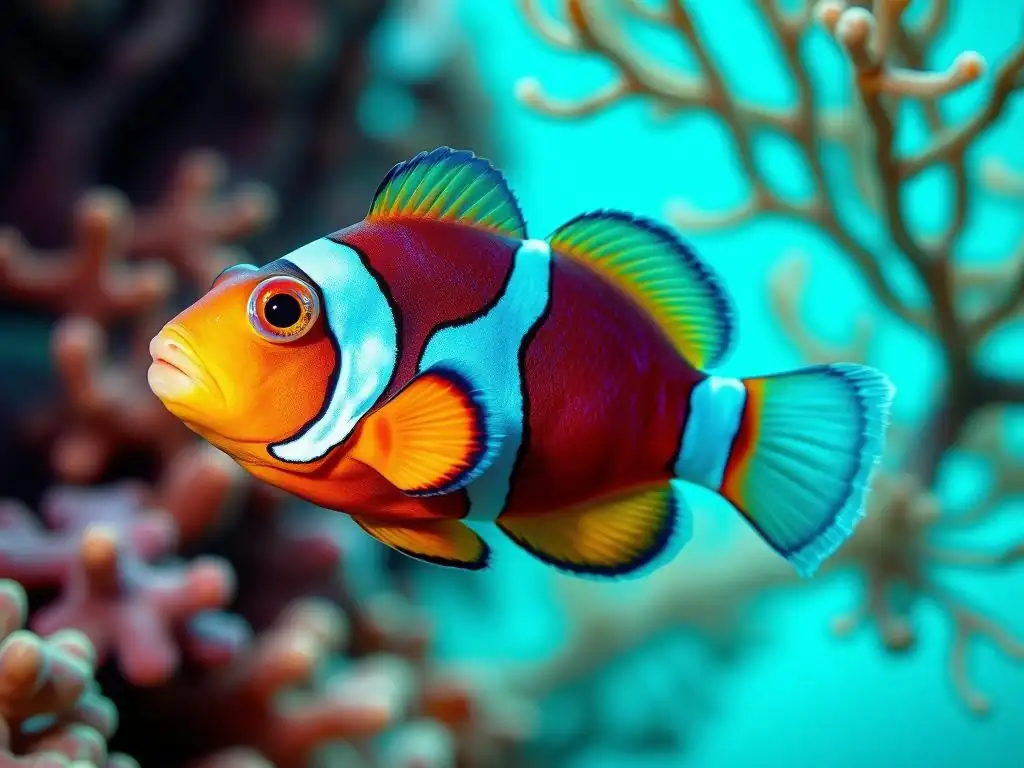
The iconic vibrant orange, red, and black coloration of clownfish is primarily derived from carotenoid pigments. Crucially, clownfish are unable to synthesize these pigments internally; they must obtain them directly through their diet. Astaxanthin is one of the most vital carotenoids for producing the rich orange and red hues seen in many clownfish species. When clownfish consume foods rich in astaxanthin, these pigments are efficiently absorbed and deposited in their skin cells, significantly enhancing and intensifying their natural coloration.
A diet consistently lacking in sufficient carotenoids will inevitably result in dull, faded, or lackluster coloration, even if the fish appears otherwise healthy. Foods such as spirulina, krill, and copepods are naturally abundant in astaxanthin and other beneficial carotenoids. For example, krill can contain concentrations of astaxanthin up to 200 ppm (parts per million), making it an exceptional color-enhancing food source. Integrating these pigment-rich ingredients into the daily Clownfish diet optimal health plan is therefore essential for maintaining their characteristic and highly desired vibrancy.
Foods Rich in Color-Enhancing Compounds
To maximize and maintain the vibrant coloration of your clownfish, it is imperative to regularly incorporate foods known for their high carotenoid content. These key food sources include:
- Krill: A marine crustacean exceptionally rich in astaxanthin, directly contributing to red and orange pigmentation.
- Mysis Shrimp: Another excellent source of natural carotenoids, aiding in color development and intensity.
- Spirulina: A blue-green algae packed with phycocyanin and various other pigments, enhancing blues, greens, and contributing to overall vibrancy.
- High-Quality Marine Pellets/Flakes: Choose formulations specifically fortified with added astaxanthin or other natural color-enhancing compounds.
A consistent feeding regimen that consciously includes these color-enhancing foods will yield noticeable improvements in your clownfish's vibrancy over time. For instance, a diet where 20-30% of the daily intake comes from krill or astaxanthin-fortified pellets can lead to significantly brighter orange and red tones within a period of 4-6 weeks. This targeted approach to the Clownfish diet optimal health goes beyond basic nutritional needs to achieve aesthetic brilliance and highlight their natural beauty.
Feeding Strategies for Clownfish: Ensuring Proper Intake
Feeding Frequency and Portion Sizes for Clownfish
For adult clownfish, feeding 1-2 times per day is generally sufficient to meet their nutritional needs. Juvenile clownfish, however, due to their faster metabolism and rapid growth rates, benefit significantly from 2-3 smaller feedings per day. The crucial principle is to provide small amounts of food that can be entirely consumed within 1-2 minutes to prevent overfeeding, which can rapidly degrade water quality by increasing nitrates and phosphates, thereby stressing the fish and promoting nuisance algae growth.
As a general guideline for portion sizing, offer an amount of food roughly equivalent to the size of the clownfish's eye per feeding. Observe your clownfish's feeding behavior closely: if they are still actively searching for food after two minutes, you may offer a tiny additional amount. Conversely, if any food remains uneaten, reduce the portion size for the next feeding. This meticulous management of the Clownfish diet optimal health ensures they receive adequate nutrients without contributing to aquarium pollution.
Target Feeding: Minimizing Competition and Waste
In a community aquarium, particularly one housing more aggressive or faster-feeding fish, clownfish can sometimes be outcompeted for food. Target feeding involves using a turkey baster or long tongs to deliver food directly to the clownfish or into the vicinity of their host anemone. This method is especially important to ensure that shyer individuals or those in competitive environments receive their fair share of food, and it is particularly beneficial when introducing new, more expensive, or delicate foods like live copepods.
Target feeding offers multiple benefits: it not only guarantees that your clownfish receive sufficient nourishment but also significantly reduces food waste, as less food drifts into the substrate or gets lost in the overflow. This precision feeding minimizes nutrient loading in the tank, contributing to superior water quality. For example, when offering frozen mysis shrimp, target feeding ensures that each clownfish gets several pieces, preventing larger tank mates from monopolizing the meal and thereby supporting a balanced Clownfish diet optimal health for all inhabitants.
Addressing Picky Eaters: Tips for Encouraging Feeding
Clownfish can occasionally exhibit picky eating habits, especially when newly introduced to an aquarium or if they have become accustomed to a very limited diet. Stress, suboptimal water quality, or internal parasites can also suppress their appetite. It is crucial to first rule out any underlying health issues. If the fish appears healthy but refuses food, it is often a matter of palatability or unfamiliarity with the offered food items.
Several effective strategies can be employed to entice picky eaters:
- Variety: Offer a wide range of different food types (frozen, live, high-quality pellets) to discover what they prefer.
- Live Foods: Begin by offering live brine shrimp or copepods; their natural movement often triggers an instinctive feeding response.
- Garlic Guard: Soaking food in a garlic extract supplement can significantly enhance palatability and stimulate appetite. Many aquarists report considerable success with this method, with some studies suggesting garlic can also boost fish immunity.
- Small Portions, Frequent Feedings: Offer tiny amounts of food several times throughout the day rather than one large meal.
- Patience: It may take several days, or even up to a week, for a clownfish to accept new food items. Consistency in offering a varied and high-quality Clownfish diet optimal health is key to success.
Breeding Clownfish: Nutritional Needs for Successful Spawning
The Role of Diet in Egg Production and Fertility
Successful clownfish breeding is profoundly dependent on providing the parent fish with a high-quality, nutrient-dense diet. Female clownfish, in particular, require substantial amounts of protein and lipids to develop and produce viable eggs. A diet exceptionally rich in highly unsaturated fatty acids (HUFA), such as DHA and EPA, is paramount for optimal egg quality and the subsequent healthy development of larvae. Conversely, inadequate nutrition can lead to smaller clutch sizes, infertile eggs, or even a complete cessation of spawning activity.
To effectively condition clownfish for breeding, it is essential to increase both the frequency of feeding and the nutritional density of the foods offered. Frozen mysis shrimp, copepods, and krill should form staples of their diet, supplemented with high-quality marine pellets. Many successful breeders report feeding their pairs 3-4 times per day with a diverse mix of these foods. For example, a well-conditioned breeding pair consuming a diet with 55-60% protein and 12-15% lipids can consistently spawn every 10-14 days, laying clutches of 300-1000 eggs. This rigorous Clownfish diet optimal health program is indispensable for prolific spawning.
Nutritional Requirements for Clownfish Fry: First Foods and Growth
The initial few days post-hatch are an acutely critical period for clownfish fry survival. Their mouths are incredibly tiny, necessitating microscopic food particles. Rotifers (e.g., Brachionus plicatilis), specifically enriched with HUFA solutions, are the industry standard first food for the first 5-7 days of a clownfish fry's life. These rotifers, typically ranging from 50-200 microns in size, provide the essential fatty acids and proteins required for rapid development and high survival rates. Without properly sized and nutritionally enriched food, fry will quickly succumb to starvation.
Following the initial rotifer phase, fry can be gradually transitioned to larger, newly hatched brine shrimp nauplii (approximately 400-500 microns), which should also be gut-loaded for maximum nutritional benefit. As they continue to grow, typically within 2-3 weeks, they can begin accepting finely crushed high-quality marine pellets or frozen cyclopods. Maintaining a consistent supply of varied, nutrient-dense foods is paramount for optimal growth and development, preventing deformities, and ensuring a high survival rate, thereby securing the Clownfish diet optimal health from the very beginning of their lives.
Potential Dietary Problems in Clownfish: Identification and Solutions
Identifying Signs of Nutritional Deficiencies in Clownfish
Nutritional deficiencies in clownfish can manifest in various discernible ways, often serving as early warning signs of an imbalanced Clownfish diet optimal health. One of the most common indicators is faded or dull coloration, which directly points to an insufficient intake of carotenoids. Stunted growth, where a clownfish remains significantly smaller than its age or species typically suggests, is another clear and pervasive sign of chronic undernourishment or a persistently unbalanced diet.
Other physical and behavioral signs include emaciation, characterized by a sunken belly or a "wasting" appearance despite regular feeding, which indicates insufficient protein or fat absorption. Lethargy, a marked reduction in activity levels, and an increased susceptibility to common aquarium diseases such as marine ich or bacterial infections often stem from a compromised immune system due to deficiencies in essential vitamins and minerals. Fin erosion or ragged fins, not attributable to nipping by tank mates, can also be a symptom of a poor diet lacking crucial fatty acids and vitamins like Biotin.
Addressing Common Feeding Problems: Bloat, Constipation, and Wasting
Bloat and constipation in clownfish are frequently linked to a lack of dietary fiber or the overfeeding of dry, low-quality foods. Symptoms include a visibly distended abdomen, difficulty swimming, and the presence of stringy white feces. To address these issues, it is crucial to reduce the amount of dry food and increase the offering of high-fiber options, such as spirulina flakes or small pieces of nori.
Soaking dry foods in water or a probiotic solution for a few minutes before feeding can also significantly improve their digestibility. For severe cases, a brief fast (1-2 days) followed by small amounts of blanched peas (though more commonly used for freshwater fish, the fiber principle applies) or a tiny piece of nori can sometimes alleviate constipation.
Wasting disease, or emaciation, is a serious indicator of chronic malnutrition or, less commonly, internal parasites. If parasites have been ruled out, it strongly suggests a diet that is insufficient in essential protein and fats. The immediate solution is to significantly upgrade the Clownfish diet optimal health plan.
Increase the frequency of feeding and offer highly nutritious, protein-rich foods such as frozen mysis shrimp, copepods, and premium marine pellets. In some instances, adding a high-quality vitamin supplement specifically designed for marine fish, by soaking it into the food, can aid in the recovery process. Consistent, nutrient-dense feeding is paramount for reversing the detrimental effects of wasting.
Conclusion: Achieving Clownfish Health and Breeding Success Through Proper Nutrition
Key Takeaways for Optimal Clownfish Care
The foundation of a healthy, vibrant, and reproductively successful clownfish population in your aquarium lies unequivocally in a diverse and nutrient-rich Clownfish diet optimal health. Moving beyond a sole reliance on basic flake foods is paramount for their long-term well-being. Incorporating a varied selection of high-quality marine pellets, a rotation of frozen foods (such as mysis shrimp, copepods, and enriched brine shrimp), and supplemental live foods and algae ensures that all their complex nutritional requirements are comprehensively met. This holistic dietary approach fundamentally supports their immune system, significantly enhances their natural coloration, and notably extends their lifespan.
A well-fed clownfish is not merely an aesthetically pleasing addition to your reef tank; it is also considerably more resilient to environmental stress and disease, exhibits higher levels of activity, and is far more likely to display natural behaviors, including successful spawning. By diligently understanding and actively mimicking their natural diet and feeding behaviors, aquarists can cultivate an environment where their clownfish truly thrive, reaching peak health and contributing immensely to the enduring joy and fascination of reef keeping.
Continuously Evaluating and Adjusting Your Clownfish Feeding Strategy
Clownfish dietary needs are not static; they can evolve based on various factors including their age, size, activity level, and whether they are actively attempting to breed. Regular and meticulous observation of their appetite, growth rate, coloration intensity, and overall behavior is therefore crucial for maintaining their optimal health. If you observe any signs of nutritional deficiency or developing illness, the first and most logical area to investigate is often their diet. For example, if a breeding pair unexpectedly ceases spawning, enriching their diet with more HUFA-rich foods might be the precise solution.
Be prepared to adapt and adjust your feeding regimen as needed. When introducing new foods, do so gradually to gauge acceptance and prevent digestive upset. It is highly beneficial to keep notes on which foods your clownfish respond to best and which they readily consume. The ultimate goal is to develop a flexible, responsive, and ever-improving Clownfish diet optimal health plan that evolves alongside your fish, ensuring they receive the best possible nutrition throughout every stage of their lives in your aquarium. This proactive and informed approach is the distinguishing hallmark of a truly masterful aquarist.
Frequently Asked Questions
How crucial is a varied diet for clownfish health?
A varied diet is absolutely crucial for clownfish. It provides the essential nutrients they need for a strong immune system and overall well-being, going far beyond just basic flakes.
Can I rely solely on flake food for my clownfish's nutrition?
No, relying solely on flake food is not recommended. While convenient, flake food often lacks the complete nutritional profile needed for optimal health, color, and breeding potential in clownfish.
What types of food should I include in my clownfish's diet?
Include a mix of high-quality flake food (as a base), frozen foods (like mysis shrimp and brine shrimp), and live foods (such as copepods) to provide a well-rounded diet.
How does proper nutrition impact clownfish breeding success?
Proper nutrition directly impacts breeding success. A diet rich in essential fatty acids and vitamins promotes healthy egg production and strong fry development in clownfish pairs.
What are some signs that my clownfish's diet is inadequate?
Signs of an inadequate diet include faded coloration, lethargy, increased susceptibility to disease, and poor growth. Addressing these signs early is crucial for their health.
Final Reflection: Nurturing Life, One Bite at a Time
The journey into clownfish nutrition and its impact on optimal health reveals a profound truth: even in the seemingly simple world of aquarium keeping, understanding the nuances of diet is paramount. What began as a technical exploration of flakes, pellets, and live foods has blossomed into a deeper appreciation for the interconnectedness of nutrition, vibrant coloration, and successful breeding – a testament to the power of informed care.
This exploration has underscored how a seemingly small adjustment in diet can ripple outwards, impacting the entire ecosystem within the tank and the overall well-being of these captivating creatures. It reminds us that responsible aquarium keeping is not just about aesthetics, but about providing the best possible environment for life to flourish. We are what we eat, but so are our clownfish. Their health and happiness are directly tied to the quality and variety of their diet.
Now, armed with this knowledge, consider the impact you can have on the lives of your clownfish. Embrace the challenge of providing a truly optimal diet. Experiment with different foods, observe their reactions, and fine-tune your approach. By doing so, you're not just feeding fish; you're nurturing life, fostering vibrant health, and contributing to the ongoing success of these remarkable creatures. Let your aquarium be a testament to the power of informed care and a celebration of the beauty that can be achieved when we prioritize the well-being of the life we choose to keep.
Ignite Your Clownfish Care: Take the Next Step!
Thank you for diving into the world of clownfish nutrition! We hope you've gained valuable insights into providing a diet that goes beyond basic flakes. Now, let's put that knowledge into action and truly elevate your clownfish care.
Here's how you can start making a difference today:
- Immediately assess your clownfish's current diet. Replace processed foods with a variety of frozen foods, live foods, and high-quality marine pellets within the next week. Observe their feeding habits, coloration, and overall health for noticeable improvements.
- Explore creating your own DIY clownfish food blend using high-quality ingredients like shrimp, seaweed, and garlic. Experiment with different combinations and observe your clownfish's preferences.
- Share this article with fellow aquarium enthusiasts in online forums or social media groups! Help them discover the secret to vibrant and healthy clownfish.
What innovative food combinations will you try with your clownfish to unlock their full potential?