
Grazing All Day: How to Provide Continuous Food Access Safely for Tangs

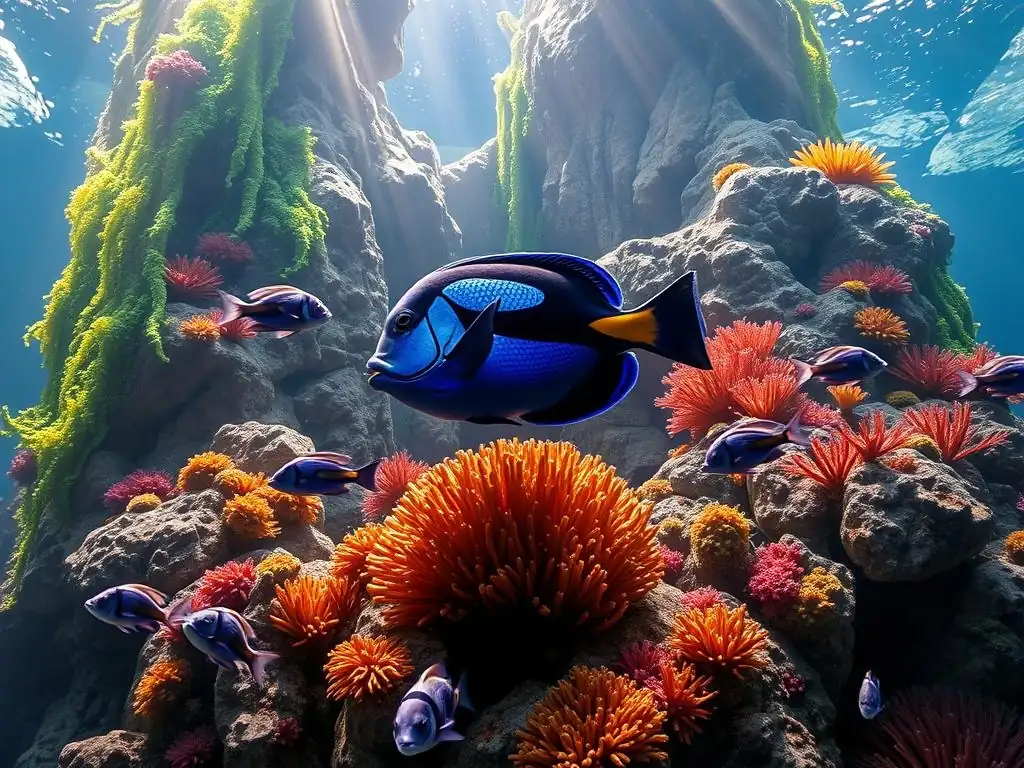
Welcome to Aquarium Mastery!
Ever wonder how to keep your Tangs happy and thriving with their natural grazing behavior? We've got you covered! Discover the secrets to safe and effective continuous food access for these beautiful saltwater fish. Dive in and unlock the key to a vibrant and healthy aquarium environment. Ready to learn more about keeping your Tangs grazing happily all day long?
- Understanding the Grazing Needs of Tangs in Saltwater Aquariums
- Methods for Providing Constant Food Access to Tangs
- Safe Food Options for Tangs and Avoiding Nutritional Deficiencies
- Monitoring Tang Health and Adjusting Feeding Strategies
- Preventing Overgrazing and Maintaining a Balanced Ecosystem
-
Frequently Asked Questions
- How important is continuous grazing for Tangs in an aquarium?
- What are the best methods for providing continuous food access to Tangs?
- How can I ensure the food I provide for continuous grazing is safe for my Tangs?
- What are the risks of not providing continuous grazing food access for Tangs?
- How do I know if my Tangs are getting enough food through continuous grazing methods?
- Final Reflection: Sustaining the Reef's Natural Rhythm
- Cultivate Your Tang's Perfect Platter!
Understanding the Grazing Needs of Tangs in Saltwater Aquariums
Why Continuous Grazing is Crucial for Tang Health and Well-being
Tangs, or surgeonfish, are obligate herbivores in their natural reef habitats, spending the vast majority of their day constantly picking at algae. Their digestive systems are uniquely adapted for this continuous intake, featuring long guts designed to process large volumes of fibrous plant matter efficiently, extracting nutrients from small, frequent meals. Without Tangs continuous grazing food access, their digestive tracts can become sluggish, leading to poor nutrient absorption and a compromised immune system. This constant foraging behavior is not merely about hunger; it's a fundamental physiological requirement that dictates their overall health and longevity in a captive environment.
Insufficient grazing opportunities can lead to severe health complications. One of the most prevalent issues observed in tangs with inadequate diets is Head and Lateral Line Erosion (HLLE), a debilitating condition characterized by pitting and lesions along the head and body. While HLLE is multifactorial, a lack of consistent, varied herbivorous food sources is widely recognized as a significant contributing factor. Studies and anecdotal evidence from experienced aquarists suggest that tangs deprived of their natural grazing patterns are also more susceptible to parasitic infections, bacterial diseases, and stunted growth, often failing to reach their full genetic potential in terms of size and vibrant coloration. Providing Tangs continuous grazing food access is therefore not a luxury, but a critical component of their husbandry.
The Natural Diet of Tangs: Mimicking the Reef Environment
In the wild, tangs primarily graze on various forms of microalgae and macroalgae that grow on live rock, coral skeletons, and sandy substrates. Species like the Yellow Tang ( Zebrasoma flavescens) are often observed spending up to 8-10 hours a day actively foraging, meticulously scraping film algae and filamentous algae from surfaces. Other species, such as the Naso Tang ( Naso lituratus), may also consume detritus and small invertebrates incidentally, but their diet remains predominantly plant-based. This constant, low-intensity feeding ensures a steady supply of nutrients and fiber, which is essential for their rapid metabolism and overall digestive health.
Replicating this natural, continuous grazing environment in a closed aquarium system presents a unique challenge. While live rock can provide a foundation for natural algal growth, it is rarely sufficient to sustain the high metabolic demands of most tang species, especially larger or multiple specimens. Therefore, aquarists must actively supplement their diet with a variety of prepared and fresh herbivorous foods. The goal is to simulate the constant availability of food found on a natural reef, ensuring Tangs continuous grazing food access to prevent nutritional deficiencies and behavioral stress that arises from a lack of natural foraging opportunities.
Methods for Providing Constant Food Access to Tangs
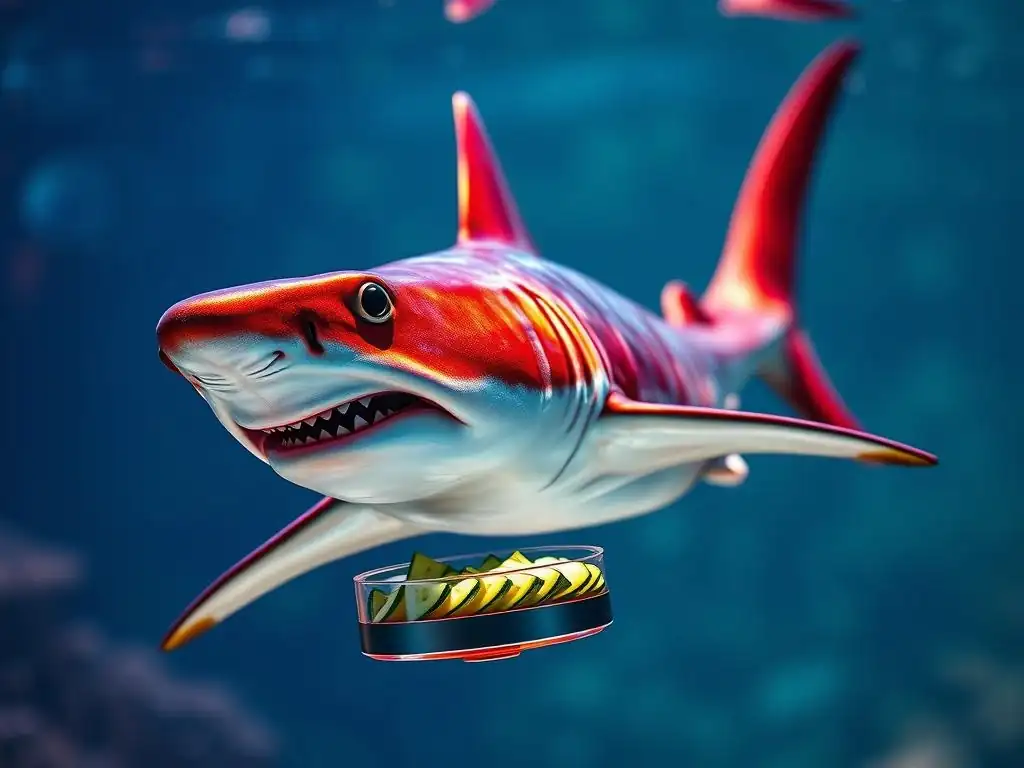
Live Rock and Natural Algae Growth for Tang Grazing
Live rock serves as the cornerstone of a healthy saltwater aquarium, not only providing biological filtration and structural complexity but also acting as a natural substrate for the growth of various algae types. For tangs, this natural algal film—comprising diatoms, various green algae, and even coralline algae—offers a consistent, albeit often limited, food source. Smaller tang species, such as the Kole Tang ( Ctenochaetus strigosus), are particularly adept at rasping microalgae from rock surfaces, making established live rock a foundational element for their grazing needs.
While live rock provides an excellent base for Tangs continuous grazing food access, its capacity to produce enough algae for adult tangs, especially larger species like the Sohal Tang ( Acanthurus sohal), is often insufficient. In a typical 100-gallon aquarium with 80-100 pounds of live rock, the naturally occurring algal film might only provide a fraction of the daily caloric intake required by a single medium-sized tang. Therefore, while crucial for mimicking natural behaviors and providing supplemental nutrients, live rock alone rarely meets the full dietary demands, necessitating additional feeding methods.
Encouraging Algae Growth on Live Rock: Lighting and Water Parameters
To encourage the growth of beneficial algae on live rock for tang grazing, appropriate lighting is paramount. A moderate to high Photosynthetically Active Radiation (PAR) level, typically ranging from 150 to 300 PAR at the rock surface, can stimulate the proliferation of desirable green and brown film algae. A consistent photoperiod of 10-12 hours per day is generally effective for promoting algal growth without excessively encouraging nuisance algae. However, balancing light intensity is critical; too much light can lead to outbreaks of fast-growing, undesirable algae like hair algae or cyanobacteria, which may outcompete beneficial species.
Beyond lighting, stable water parameters are essential for supporting healthy algal growth suitable for tang consumption. While algae require nutrients to grow, maintaining low levels of nitrates (ideally below 10 ppm) and phosphates (below 0.03 ppm) is crucial to prevent the unchecked growth of nuisance algae. A slight, controlled elevation in these nutrients can sometimes encourage desired film algae, but excessive levels will invariably lead to problems. Regular water changes (e.g., 10-20% bi-weekly) and efficient nutrient export mechanisms like protein skimming are vital to strike this delicate balance, ensuring that Tangs continuous grazing food access comes from healthy, desirable algal forms.
Controlling Problematic Algae While Supporting Tang Diet
Managing nuisance algae, such as hair algae, cyanobacteria, or dinoflagellates, while still fostering beneficial film algae for tangs, requires a multi-pronged approach. Implementing robust nutrient export strategies is key: this includes effective protein skimming, regular water changes, and the potential use of phosphate-removing media like granular ferric oxide (GFO) in a reactor. These methods help to reduce the dissolved organic compounds and inorganic nutrients that fuel aggressive algal blooms, allowing slower-growing, more desirable algae to establish themselves.
Introducing a carefully selected clean-up crew can also aid in controlling problematic algae without directly competing with tangs for their primary food sources. For instance, species like trochus snails ( Tectus fenestratus) and turbo snails ( Turbo fluctuosa) are excellent grazers of film and hair algae, effectively cleaning rockwork and glass surfaces. It's important to choose species that target algae types generally less preferred by tangs, ensuring that Tangs continuous grazing food access from their primary dietary sources remains unhindered. This integrated approach creates a balanced ecosystem where both nuisance algae are controlled and beneficial algae thrive for tang consumption.
Algae Clips and Veggie Clips: A Simple Solution for Tang Feeding
Algae clips, also known as veggie clips, are arguably the most common and effective method for providing Tangs continuous grazing food access in a captive environment. These simple devices, often equipped with a suction cup or magnetic attachment, hold sheets of dried seaweed (nori) or blanched vegetables, allowing tangs to graze on them throughout the day. This method closely mimics their natural feeding behavior, as they can continuously pick at the food source rather than consuming a large meal quickly. Most aquarists find that daily use of an algae clip is essential to meet their tangs' dietary needs.
The strategic placement of algae clips is important for maximizing their effectiveness and encouraging natural foraging. Placing the clip in an area with moderate water flow prevents the food from becoming stagnant or quickly disintegrating, while also ensuring it's accessible to the tangs. Rotating the clip's position daily or placing multiple clips in different areas of the tank can also encourage tangs to explore and forage across the entire aquarium, simulating a more natural grazing experience. This simple tool significantly contributes to ensuring Tangs continuous grazing food access and overall well-being.
Selecting the Right Algae Sheets and Vegetables for Tangs
When selecting dried algae sheets for tangs, it is crucial to choose unflavored, unsalted, human-grade nori. Products intended for sushi preparation are often ideal. Green nori (typically Porphyra umbilicalis) is a common and highly accepted choice, providing a good source of vitamins and minerals. However, varying the type of nori—introducing red nori ( Pyropia tenera) or brown nori ( Laminaria japonica)—can offer a broader spectrum of nutrients, including different amino acids and trace elements like iodine, which are vital for tang health.
Supplementing nori with blanched vegetables further enhances dietary diversity. Zucchini, romaine lettuce, and cucumber are excellent choices. Blanching involves briefly boiling the vegetable (e.g., 30-60 seconds for zucchini slices) to soften the tough cellulose walls, making them more digestible for tangs. It is imperative to use organic vegetables whenever possible to avoid introducing pesticides or herbicides into the aquarium. Always ensure that any added vegetables are thoroughly rinsed and free of any additives before offering them to your tangs, contributing to safe Tangs continuous grazing food access.
Best Practices for Using Algae Clips to Avoid Overfeeding
While the goal is Tangs continuous grazing food access, it's crucial to manage the quantity of food provided via algae clips to prevent overfeeding and subsequent water quality degradation. A good starting point is to offer a 1"x1" to 2"x2" piece of nori per medium-sized tang per day, adjusting based on observed consumption and the number of tangs. For instance, a single adult Yellow Tang might consume two 1"x1" squares throughout the day. The key is to provide enough for constant grazing without leaving large amounts of uneaten food to decay.
Any uneaten nori or vegetable should be removed from the tank after a few hours, typically within 2-4 hours, to prevent it from breaking down and leaching phosphates and nitrates into the water column. Excessive decaying organic matter can fuel nuisance algae blooms and negatively impact water parameters. For optimal Tangs continuous grazing food access, it is often more beneficial to offer smaller pieces multiple times a day rather than one large piece, ensuring freshness and minimizing the impact on water quality.
Automatic Feeders for Consistent Tang Nutrition
Automatic feeders offer a convenient solution for providing consistent, small feedings throughout the day, closely mimicking the natural grazing patterns of tangs. While traditionally used for flake or pellet foods, some models can be adapted to dispense finely crumbled dried seaweed or small herbivorous pellets specifically formulated for marine grazers. They are particularly beneficial for busy aquarists, during vacations, or for supplementing the primary diet of tangs with regular, measured portions, contributing to Tangs continuous grazing food access even when direct supervision is not possible.
However, automatic feeders have limitations when it comes to providing the bulk of a tang's herbivorous diet. Most are not designed to dispense full sheets of nori, which are essential for the fibrous content and extended grazing periods. They are best utilized as a supplementary feeding method, delivering small amounts of high-quality marine pellets or flakes designed for herbivores. This ensures that tangs receive a consistent supply of nutrients, bridging the gaps between manual feedings of larger algae sheets.
Choosing an Automatic Feeder Suitable for Tangs
When selecting an automatic feeder for tangs, prioritize models that offer precise portion control and the ability to schedule multiple feedings throughout the day. Feeders with adjustable hoppers and dispensing mechanisms, such as the Eheim Everyday Feeder or the Apex AFS (Automatic Feeding System), allow for customization of feeding amounts and frequency. Moisture-resistant designs are also crucial to prevent the food from clumping or clogging in the humid aquarium environment, ensuring reliable delivery of Tangs continuous grazing food access.
Consider the type of food the feeder can dispense. For tangs, fine pellets or crumbled flakes formulated for herbivores are ideal. Look for products that highlight their suitability for marine fish and their ability to handle the specific size and texture of herbivorous pellets. Some advanced feeders integrate with aquarium controllers, offering even greater flexibility in scheduling and monitoring, making them a valuable tool for maintaining consistent nutrition.
Setting Up a Feeding Schedule for Optimal Grazing
For optimal Tangs continuous grazing food access using an automatic feeder, implement a schedule that provides multiple small feedings rather than one large dump. For instance, programming the feeder to dispense a small portion of herbivorous pellets 3-4 times a day (e.g., 8 AM, 12 PM, 4 PM, 8 PM) can keep food available for longer periods, promoting continuous grazing behavior. This frequency helps to prevent the rapid consumption of food, which can lead to bloating, and ensures a steady nutrient supply.
It's important to remember that automatic feeders are typically a supplement to, not a replacement for, daily manual feedings of nori or other macroalgae via algae clips. The fibrous content and extended grazing duration provided by algae sheets are critical for tang digestive health. Combining an automatic feeder for consistent pellet supplementation with daily nori offerings creates a comprehensive feeding strategy that ensures Tangs continuous grazing food access and a balanced diet.
Refugiums: A Natural Food Source for Tangs and Other Herbivores
A refugium is a separate, dedicated compartment within an aquarium system, typically plumbed off the main display, designed to cultivate macroalgae and beneficial microfauna in a predator-free environment. For tangs and other herbivores, a thriving refugium serves as an invaluable, continuous source of fresh, natural food. Macroalgae grown in a refugium, such as Chaetomorpha linum (Chaeto) or Ulva lactuca (Sea Lettuce), not only absorb excess nutrients from the water column but also provide a highly nutritious and palatable food source when harvested and introduced into the main tank.
The benefits of a refugium extend beyond nutrient export and food production. The diverse microfauna that proliferates within a refugium, including copepods and amphipods, can also serve as a supplemental food source for various fish, though tangs primarily benefit from the macroalgae. By providing a fresh, live, and constantly renewable food source, refugiums significantly enhance Tangs continuous grazing food access, contributing to their natural diet and overall vitality in a captive environment.
Establishing a Thriving Refugium for Tangs
Establishing a thriving refugium capable of producing a consistent supply of macroalgae requires specific conditions. Adequate lighting is paramount; a dedicated grow light with a red spectrum bias, operating on a reverse photoperiod (e.g., 16-18 hours during the main tank's dark cycle), encourages rapid macroalgae growth while helping to stabilize pH fluctuations. Moderate water flow through the refugium ensures nutrient delivery to the algae and prevents stagnant areas. A suitable substrate, such as live rock rubble or a shallow sand bed, can also support the growth of beneficial bacteria and microfauna.
Popular macroalgae choices for refugiums include Chaetomorpha linum (Chaeto) due to its ease of growth and nutrient-absorbing properties, and Ulva lactuca (Sea Lettuce), which is highly palatable to tangs and grows quickly. A well-established 10-gallon refugium, for example, can produce enough Chaeto or Ulva to provide a fresh, supplemental feeding for a medium-sized tang several times a week. The consistent cultivation of these algae types directly supports Tangs continuous grazing food access with a highly natural and nutritious option.
Harvesting and Introducing Refugium Algae to the Main Tank
Regular harvesting is essential to maintain the health and productivity of a refugium. Pruning 25-50% of the macroalgae biomass every 1-2 weeks prevents it from becoming too dense and ensures consistent nutrient uptake. This harvested algae is then ready to be introduced into the main display tank. Simply place the fresh macroalgae, such as a handful of Chaeto or a piece of Ulva, into the main tank, perhaps securing it under a piece of live rock or with an algae clip.
Tangs will readily graze on the fresh macroalgae, often consuming it within hours. This method provides a highly natural and nutrient-rich form of Tangs continuous grazing food access that is free from the additives sometimes found in prepared foods. It also offers a textural variety that mimics the diverse algal types found on a natural reef, further enriching the tang's diet and promoting natural foraging behaviors.
Safe Food Options for Tangs and Avoiding Nutritional Deficiencies
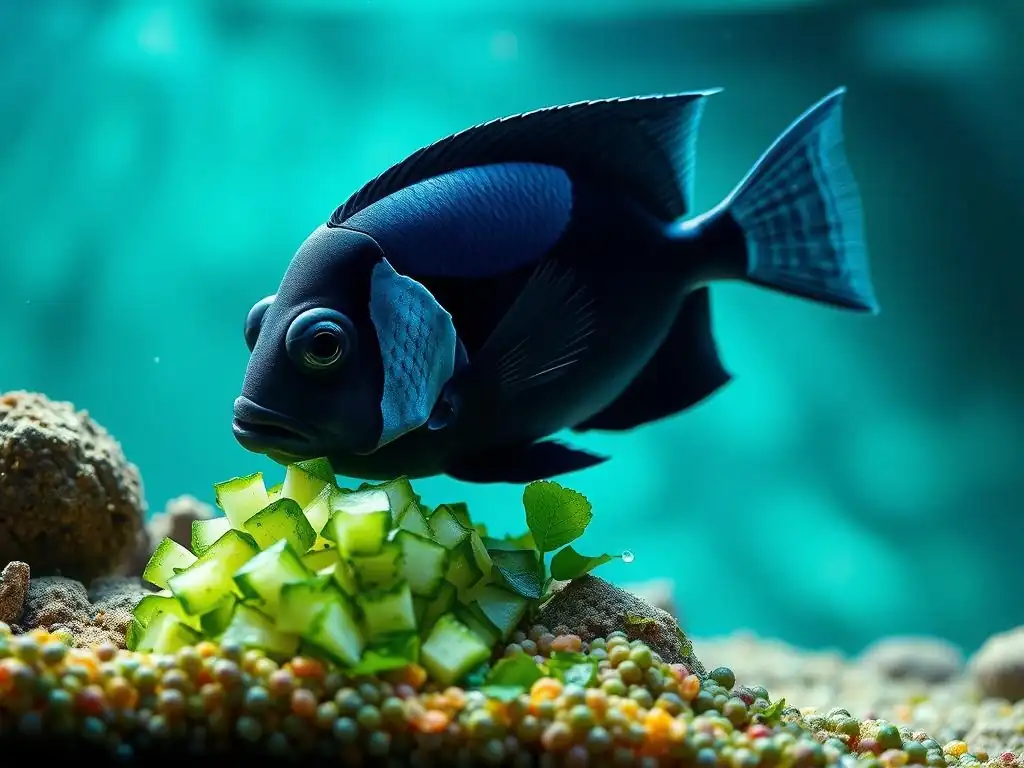
The Importance of a Varied Diet for Tangs
While algae forms the cornerstone of a tang's diet, providing a varied array of food sources is paramount to preventing nutritional deficiencies and ensuring comprehensive well-being. Relying solely on one type of nori or a single brand of pellet, for example, can lead to imbalances, as different algae species and food formulations offer distinct profiles of vitamins, minerals, trace elements, and amino acids. A monoculture diet, even if constant, may leave gaps in the tang's nutritional intake, potentially compromising their immune system and overall vitality.
A diverse diet supports not only physical health but also contributes to vibrant coloration and natural behavior. By offering a rotation of different types of dried seaweed, fresh macroalgae from a refugium, and blanched vegetables, aquarists can ensure that their tangs receive a broad spectrum of essential nutrients. This varied approach to Tangs continuous grazing food access is key to fostering robust health, resilience against disease, and the long-term thriving of these magnificent fish in captivity.
Recommended Algae Types for Tangs: Nori, Sea Lettuce, and More
Nori, or dried seaweed, is a staple in the diet of captive tangs. While green nori ( Porphyra umbilicalis) is widely accepted and nutritious, incorporating red nori ( Pyropia tenera) and brown nori ( Laminaria japonica) provides a broader range of nutrients. Red nori, for instance, offers a different amino acid profile, while brown nori is known for its richness in iodine and other trace minerals. Using a rotation of these types ensures a more complete nutritional intake.
Beyond dried nori, fresh macroalgae are highly beneficial. Ulva lactuca, commonly known as sea lettuce, is an excellent choice due to its high palatability and nutrient density. Another valuable option is Gracilaria spp., often referred to as red ogo, which is rich in carotenes and vitamins. These fresh algae, ideally grown in a refugium, offer a natural, unprocessed form of Tangs continuous grazing food access that closely mimics their wild diet and provides essential roughage.
Supplementing Algae with Vegetables: Zucchini, Romaine Lettuce, and Cucumber
Blanched vegetables can serve as a valuable supplement to a tang's diet, offering vitamins and hydration not always abundant in dried algae. Zucchini, for example, is a good source of vitamins A and C, while romaine lettuce provides vitamins K and A. Cucumber, though less nutrient-dense, offers excellent hydration and some trace elements, and its soft texture makes it easy for tangs to graze.
Preparation is key for feeding vegetables. Always blanch the vegetables by briefly boiling them (e.g., 30-60 seconds) to soften their cell walls, making them easier for tangs to digest. Remove any large seeds from zucchini or cucumber. It is crucial to use organic vegetables whenever possible to avoid introducing pesticides into the aquarium. While beneficial, vegetables should be offered in moderation as a supplement, not a primary food source, to ensure Tangs continuous grazing food access is primarily from appropriate marine algae.
Avoiding Foods High in Phosphates and Other Harmful Additives
When selecting processed foods like flakes or pellets to supplement a tang's diet, it is critical to scrutinize ingredient labels to avoid those high in phosphates. Many lower-quality dry foods use ingredients that are high in phosphates as binders or fillers, which can significantly contribute to nuisance algae outbreaks in the aquarium and potentially irritate fish gills. Opt for reputable brands that specifically formulate foods for marine herbivores and list their ingredients transparently.
Furthermore, steer clear of foods containing artificial colors, excessive binders, or unnecessary preservatives. These additives offer no nutritional benefit and can sometimes lead to digestive issues or long-term health problems for tangs. Prioritize foods with natural ingredients, emphasizing marine-derived proteins and a strong vegetable/algae component. While providing Tangs continuous grazing food access, the quality of that access is just as important as the quantity to ensure optimal health and prevent the introduction of harmful substances into the delicate reef environment.
Monitoring Tang Health and Adjusting Feeding Strategies
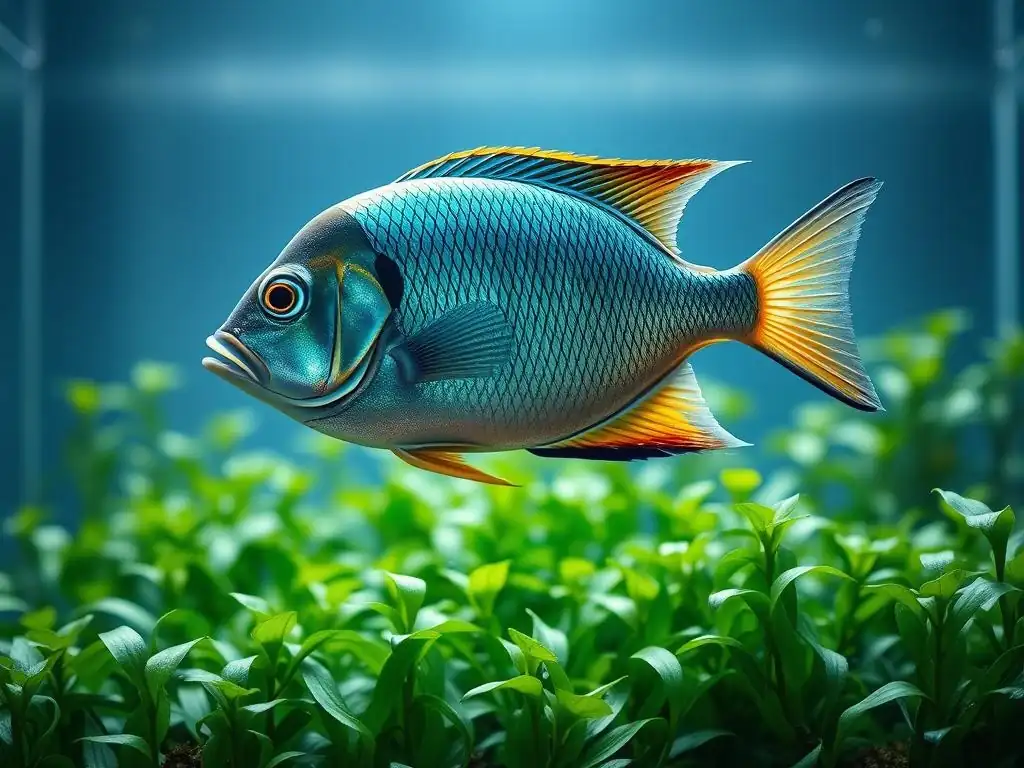
Observing Tang Behavior for Signs of Nutritional Deficiency
Diligent observation of tang behavior is crucial for identifying early signs of nutritional deficiency. A healthy tang should be active, constantly foraging, and display vibrant, consistent coloration. Signs of potential dietary issues include lethargy, a faded or dull appearance, a "pinched" or concave belly indicating inadequate caloric intake, and a general disinterest in food or grazing. These subtle changes can be early indicators that Tangs continuous grazing food access is either insufficient in quantity or lacking in nutritional variety.
Beyond general behavior, specific physical symptoms can also point to nutritional deficiencies. Excessive scratching against decor, clamped fins, or labored breathing, while often indicative of parasites, can sometimes be exacerbated by a weakened immune system due to poor diet. Difficulty swimming, disorientation, or abnormal growth patterns are more severe signs that require immediate attention and a thorough review of the feeding strategy and overall water quality.
Identifying Early Signs of Head and Lateral Line Erosion (HLLE)
Head and Lateral Line Erosion (HLLE) is a common and often devastating condition in tangs, frequently linked to long-term nutritional deficiencies, particularly a lack of Tangs continuous grazing food access to a varied diet rich in Vitamin C and other essential nutrients. Early signs of HLLE include small, pinpoint pits or indentations along the lateral line (the sensory line running along the fish's body) and around the eyes and head. These can progress to larger, more noticeable erosions and lesions if left unaddressed.
To prevent and potentially reverse HLLE, a comprehensive approach is necessary. This involves ensuring consistent access to high-quality, varied herbivorous foods, including different types of nori, fresh macroalgae, and vitamin-enriched pellets. Supplementing with Vitamin C, often through specialized foods or liquid supplements like garlic guard, can also be beneficial. Maintaining pristine water quality, with low nitrates (<10 ppm) and phosphates (<0.03 ppm), is also vital, as environmental stressors can exacerbate the condition.
Recognizing Symptoms of Vitamin Deficiencies in Tangs
Various vitamin deficiencies can manifest in tangs through distinct symptoms. A lack of Vitamin A, crucial for vision and immune function, can lead to poor eyesight, stunted growth, and increased susceptibility to infections. Vitamin C deficiency is strongly implicated in HLLE, but also contributes to a suppressed immune system, poor wound healing, and potential skeletal deformities. Vitamin D deficiencies can impact bone development and overall calcium metabolism.
Ensuring Tangs continuous grazing food access to a diverse diet is the primary preventative measure against these deficiencies. Offering a rotation of different types of seaweed (green, red, brown), fresh macroalgae from a refugium, and high-quality, vitamin-enriched pellets or flakes helps to cover the broad spectrum of vitamin requirements. Some aquarists also periodically soak dry foods in liquid vitamin supplements to ensure adequate intake, especially for new or recovering fish.
Adjusting Feeding Schedules Based on Tang Size and Species
The feeding requirements of tangs vary significantly based on their size and species. Larger tangs, such as adult Naso Tangs ( Naso lituratus) or Sohal Tangs ( Acanthurus sohal) that can reach lengths of 15-18 inches, have considerably higher metabolic rates and require far more food than smaller species like a 4-inch Yellow Tang ( Zebrasoma flavescens). A large Naso Tang, for example, might easily consume 3-4 large (4"x4") sheets of nori daily, whereas a smaller species might only need one or two small pieces.
Species-specific dietary nuances also play a role. While all tangs are herbivores, some species, like the Achilles Tang ( Acanthurus achilles), are known to be more sensitive to nutritional deficiencies and are particularly prone to HLLE if their Tangs continuous grazing food access to high-quality, varied algae is not consistently met. Close observation of individual fish, noting their body condition, activity levels, and consumption rates, is essential for fine-tuning feeding schedules and ensuring each tang receives adequate nutrition tailored to its specific needs.
Preventing Overgrazing and Maintaining a Balanced Ecosystem
Managing Algae Growth to Prevent Depletion
While providing Tangs continuous grazing food access is paramount, it's also important to manage the natural algae growth within the display tank to prevent complete depletion. The goal is to have a sustainable film of desirable algae on the live rock and glass surfaces that tangs can graze on, supplementing their primary diet of offered foods. If tangs consume all visible natural algae within a few hours, it indicates that the primary food sources (nori, pellets, refugium algae) are insufficient, and the tangs are relying too heavily on the tank's natural production.
To avoid stripping the tank of its beneficial algal film, increase the frequency and quantity of supplemental feedings. This includes offering more nori via algae clips, increasing the output from a refugium, or adding more frequent pellet feedings. A balanced approach ensures that tangs receive ample nutrition without overgrazing the tank's natural ecosystem, which can lead to a barren appearance and potentially stress the tangs if their food source is inconsistent.
Introducing Algae-Eating Snails and Other Clean-Up Crew Members
Introducing a diverse clean-up crew is an excellent strategy for maintaining a balanced algae ecosystem and complementing the grazing efforts of tangs. Species like Turbo snails ( Turbo fluctuosa), Trochus snails ( Tectus fenestratus), and various hermit crabs ( Paguristes cadenati) are efficient grazers of nuisance algae such as diatoms, green hair algae, and film algae on rockwork and glass. They often target different types of algae or access areas that tangs might miss, ensuring comprehensive algal control.
However, it's crucial to select clean-up crew members that do not directly compete with tangs for their preferred food sources. For instance, some snails might consume coralline algae, which, while not a primary food for tangs, is aesthetically desired by many aquarists. By carefully selecting a clean-up crew that complements the tangs' diet rather than competing with it, aquarists can maintain a healthy, balanced algae ecosystem that supports Tangs continuous grazing food access without creating food scarcity.
The Role of Water Quality in Supporting a Healthy Algae Ecosystem for Tangs
Maintaining consistently high water quality is fundamental to supporting a healthy algae ecosystem for tangs. Stable parameters, including temperature (ideally 75-78°F or 24-26°C), salinity (1.025-1.026 specific gravity), and pH (8.1-8.4), are crucial for the growth of desirable algae species. Fluctuations in these parameters can stress both fish and algae, leading to an imbalance that favors nuisance algae over beneficial ones.
Effective nutrient management is also paramount. Regular water changes (e.g., 10-20% bi-weekly), efficient protein skimming, and judicious use of phosphate-removing media like GFO are essential for controlling dissolved nutrients. While some nutrients are necessary for algae growth, excessive levels will invariably lead to outbreaks of problematic algae that are less palatable or even harmful to tangs. Striking this delicate balance ensures that the natural algal growth in the tank is healthy, sustainable, and contributes effectively to Tangs continuous grazing food access and overall system stability.
Frequently Asked Questions
How important is continuous grazing for Tangs in an aquarium?
Continuous grazing is extremely important for Tangs. They are natural grazers in the wild and require a constant food source to maintain proper health and prevent aggression.
What are the best methods for providing continuous food access to Tangs?
Several methods exist, including algae clips with seaweed sheets, refugiums for algae growth, and automatic feeders dispensing small amounts of food throughout the day. These methods ensure constant food availability.
How can I ensure the food I provide for continuous grazing is safe for my Tangs?
Choose high-quality, marine-specific seaweed sheets and algae wafers without harmful additives. Regularly monitor water parameters and ensure the food is not polluting the tank excessively.
What are the risks of not providing continuous grazing food access for Tangs?
Without sufficient grazing, Tangs can become stressed, malnourished, and aggressive. This can lead to disease outbreaks and bullying of other tank inhabitants.
How do I know if my Tangs are getting enough food through continuous grazing methods?
Observe their behavior. Healthy Tangs will be actively grazing and show good coloration. Monitor their body condition; a sunken belly indicates insufficient food intake.
Okay, here's a final reflection crafted to fit your article's theme and the requested structure, aiming to resonate with readers interested in Tangs and continuous grazing:
Final Reflection: Sustaining the Reef's Natural Rhythm
The principles of Tangs continuous grazing food access aren't just about keeping your fish fed; they represent a fundamental shift in how we approach reef aquarium husbandry. By understanding and replicating the natural feeding behaviors of Tangs, we move beyond simply providing sustenance and towards fostering a more vibrant, healthy, and ecologically balanced environment within our glass boxes. This approach, while requiring dedication and careful planning, ultimately leads to happier, healthier fish and a more rewarding aquascaping experience.
This journey into continuous grazing has profoundly influenced my own understanding of reef ecosystems and the delicate balance they maintain. Witnessing Tangs thrive under a system that mimics their natural grazing patterns has been incredibly rewarding, highlighting the importance of observation and adaptation in aquarium keeping. In nature, Tangs are constantly foraging, picking at algae and small invertebrates. Replicating this in our aquariums is not just beneficial; it's essential for their long-term well-being.
This understanding underscores the ethical responsibility we bear as aquarists to provide environments that cater to the innate needs of the creatures we keep.
As you consider implementing continuous grazing for your Tangs, remember that this is more than just a feeding strategy; it's an investment in the long-term health and vitality of your reef. Take the time to observe your fish, understand their individual needs, and adapt your approach accordingly. Let the principles of continuous grazing guide you towards creating a thriving ecosystem that reflects the beauty and complexity of the natural reef, and in doing so, enrich your own connection to the underwater world.
Cultivate Your Tang's Perfect Platter!
Thanks for diving into the world of tang nutrition! We hope you’ve found some valuable insights to help you create a thriving environment for your finned friends. Ready to put your knowledge into action?
Here are a few next steps you can take:
- Start slow: begin introducing small portions of food, and observe your tangs behaviour!
- Dive deeper into marine algae species! Research less common but nutritious algae to add variety to your tang's diet.
- Share your success or ask questions! Join the Aquarium Mastery forum and connect with fellow aquarists to exchange tips and experiences on tang feeding strategies.
What creative feeding method are you most excited to try with your tangs, and why?