
Beyond the Label: A Deep Dive into "ReefSafe with Caution" Inhabitants

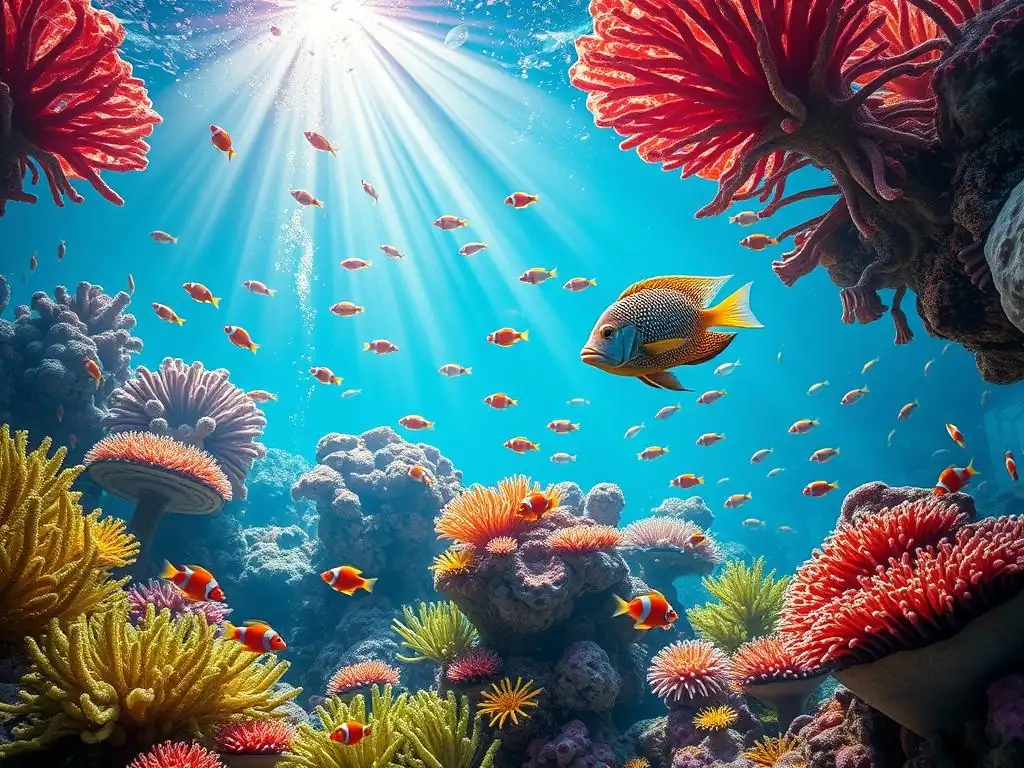
Welcome to Aquarium Mastery! Ever wondered if that 'Reef Safe' label truly tells the whole story? Prepare to journey beyond the marketing hype and uncover the nuances of reef safe fish care. This article dives deep into understanding which inhabitants can genuinely thrive in your reef environment, and which require a little more... caution. Intrigued? Read on to discover the secrets to a harmonious and thriving reef aquarium!
- Understanding "Reef Safe with Caution" in Aquarium Keeping
- Identifying Potential Risks: Behaviors and Tendencies of "Reef Safe with Caution" Species
- Popular "Reef Safe with Caution" Species: Profiles and Management Strategies
-
Minimizing Risks: Strategies for Coexistence in a Reef Aquarium
- Careful Observation and Early Intervention: Recognizing and Addressing Problematic Behaviors
- Providing Ample Food and Enrichment: Reducing the Temptation to Target Corals
- Strategic Stocking: Choosing Tank Mates Wisely to Minimize Competition and Aggression
- Coral Placement and Protection: Creating a Safe Haven for Vulnerable Species
- Alternative Solutions: Dedicated Tanks and Targeted Pest Control
- Conclusion: Navigating the Complexities of Reef Aquarium Fish Keeping
-
Frequently Asked Questions
- What does "Reef Safe with Caution" really mean when selecting fish for a reef aquarium?
- How can I minimize the risk of a "Reef Safe with Caution" fish harming my reef tank?
- What types of corals are most vulnerable to "Reef Safe with Caution" fish?
- How does the size of my reef aquarium affect the suitability of "Reef Safe with Caution" fish?
- Where can I find reliable information about the specific behaviors of different "Reef Safe with Caution" fish species?
- Final Reflection: Navigating the Reef-Safe Labyrinth
- Dive Deeper: Transform Knowledge into a Thriving Reef!
Understanding "Reef Safe with Caution" in Aquarium Keeping
Defining "Reef Safe with Caution": A Nuanced Approach to Reef Compatibility
The term "Reef Safe with Caution" represents a critical, yet often misunderstood, category in saltwater aquarium keeping. It signifies that while a particular marine species might not inherently or consistently prey on corals or desirable invertebrates, its compatibility with a reef environment is conditional and requires careful oversight from the aquarist.
This designation acknowledges the inherent variability in individual animal temperament, environmental factors, and the specific types of corals or invertebrates present in a tank. Unlike a definitive "reef safe" or "not reef safe" label, "with caution" means success is not guaranteed and depends heavily on the aquarist's proactive management and keen observation.
This nuanced approach is vital because a fish labeled "reef safe with caution" might, for instance, be perfectly compatible with large polyp stony (LPS) corals but occasionally nip at small polyp stony (SPS) corals, or vice-versa. The problematic behavior could also manifest only under specific conditions, such as insufficient feeding, territorial stress, or the introduction of particularly tempting new inhabitants. Therefore, for effective reef safe fish care, this label serves as a clear warning that an aquarist must be prepared for potential issues and have a contingency plan in place, rather than assuming universal compatibility.
The Spectrum of Reef Compatibility: From Harmless to Potentially Problematic
Understanding reef compatibility involves a spectrum, not just a binary classification. At one end are "Truly Reef Safe" species, like Ocellaris Clownfish ( Amphiprion ocellaris) or Royal Grammas ( Gramma loreto), which are almost never known to bother corals or motile invertebrates. These fish typically have specialized diets or behaviors that don't conflict with the reef ecosystem.
In the middle lies the "Reef Safe with Caution" category, encompassing species such as the Flame Angelfish ( Centropyge loricula) or Yellow Tang ( Zebrasoma flavescens). These fish offer benefits, like algae control or vibrant coloration, but carry a risk of coral nipping, invertebrate predation, or aggression. At the other end are "Not Reef Safe" species, which are known to actively prey on corals or invertebrates, like many large Angelfish ( Pomacanthus spp.)
or Pufferfish ( Arothron spp.). The fluidity of this spectrum means a fish's compatibility can shift based on tank size (e.g., a 6-inch fish in a 50-gallon tank vs. a 150-gallon tank), food availability, the individual fish's personality, and the specific makeup of the reef community, making diligent reef safe fish care paramount.
Why "Reef Safe with Caution" Matters for Responsible Aquarists
For responsible aquarists, understanding and respecting the "Reef Safe with Caution" designation is paramount for both ethical and practical reasons. Ethically, introducing a fish that might harm corals or invertebrates without proper forethought can lead to significant stress for the marine life involved, potential injury or death for corals, and the eventual need to rehome the fish.
This impacts the well-being of the animals under our care and contradicts the principles of responsible husbandry. The financial investment in a reef aquarium, with corals often costing anywhere from $20 for a small frag to several hundred dollars for a mature colony, also underscores the practical importance of avoiding preventable damage.
Furthermore, this nuanced understanding promotes proactive reef safe fish care and planning rather than reactive problem-solving. By recognizing the potential risks upfront, aquarists can implement preventative measures, such as providing ample food, selecting appropriate tank mates, and closely monitoring behavior. This approach minimizes the likelihood of costly mistakes, reduces stress on the entire ecosystem, and ultimately contributes to a more stable, thriving, and aesthetically pleasing reef aquarium. Responsible aquarists prioritize the long-term health and harmony of their entire aquatic community.
Identifying Potential Risks: Behaviors and Tendencies of "Reef Safe with Caution" Species
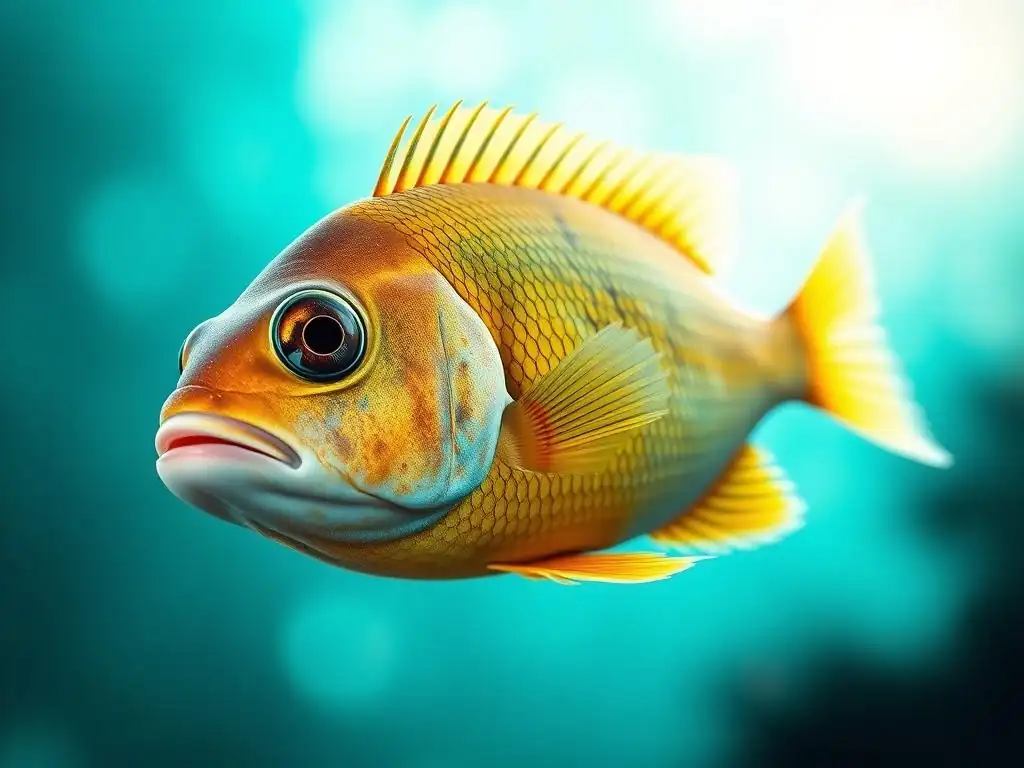
Nipping at Corals: Understanding the Threat to SPS and LPS
One of the primary concerns with "Reef Safe with Caution" species is their tendency to nip at corals. This behavior often stems from exploratory feeding, where the fish samples a coral polyp out of curiosity, or from grazing on microalgae that naturally grows on the coral skeleton.
However, some fish, particularly certain dwarf angelfish like the Flame Angelfish ( Centropyge loricula), may develop a taste for coral polyps themselves. While they are often primarily herbivorous, anecdotal evidence suggests that approximately 15-20% of Flame Angelfish individuals may occasionally pick at large polyp stony (LPS) corals such as Euphyllia (hammer, frogspawn) or Acanthastrea, and sometimes even small polyp stony (SPS) corals like Acropora, especially if their dietary needs are not fully met or if they are stressed.
The consequences of coral nipping can range from minor tissue recession to severe damage and even coral death. Even seemingly small nips can create open wounds on coral tissue, making them susceptible to bacterial infections or further stress.
For sensitive corals, persistent nipping can lead to complete tissue loss over time, turning vibrant colonies into bare skeletons. The unpredictability of this behavior – a fish might be a model citizen for months before suddenly starting to nip – makes vigilant observation a crucial aspect of reef safe fish care when housing "caution" species, as early detection is key to mitigating damage.
Invertebrate Predation: Shrimp, Crabs, and Other Delicate Reef Dwellers
Beyond coral nipping, many "Reef Safe with Caution" fish pose a risk to motile invertebrates. These fish are often opportunistic predators, and their natural diets in the wild include small crustaceans and worms.
While this can be beneficial for controlling nuisance pests like flatworms or pyramid snails, it also means they might view desirable ornamental invertebrates as potential food. For example, the Six-Line Wrasse ( Pseudocheilinus hexataenia), prized for its ability to control pests, has been known to prey on small ornamental shrimp (e.g., Peppermint Shrimp or Skunk Cleaner Shrimp under 1 inch in length), newly introduced hermit crabs, or even essential microfauna like copepods and amphipods that contribute to the tank's biodiversity.
The vulnerability of these invertebrates depends on their size, the size of the predatory fish, and the amount of hiding space available in the aquarium. A Six-Line Wrasse, typically growing to 3-4 inches, can easily consume a 1-inch shrimp or small snail. Similarly, some larger species of wrasses or even certain blennies might harass or consume smaller clean-up crew members. Therefore, when considering "reef safe with caution" species, aquarists must carefully assess the existing invertebrate population and provide ample refuges to minimize predation risks, ensuring comprehensive reef safe fish care for all inhabitants.
Disrupting the Ecosystem: Impacts on Water Quality and Tank Stability
While not always involving direct predation or coral damage, some "Reef Safe with Caution" species can indirectly disrupt the delicate balance of a reef ecosystem, impacting water quality and overall tank stability. For instance, larger fish, even if primarily herbivorous, contribute significantly to the bioload of an aquarium. A Yellow Tang ( Zebrasoma flavescens), which can grow up to 8 inches, will produce a substantial amount of waste, requiring robust filtration and diligent maintenance to prevent elevated nitrates and phosphates. If not managed properly, these elevated nutrients can fuel nuisance algae outbreaks, stress corals, and compromise water clarity.
Furthermore, certain behaviors can physically disturb the tank. Some sand-sifting gobies or wrasses, while beneficial for aerating the sand bed, can stir up significant amounts of detritus, especially in tanks with fine sand or deep sand beds. This suspended particulate matter can irritate corals, clog filtration systems, and contribute to nutrient accumulation if not promptly removed.
Overfeeding "caution" fish to prevent coral nipping can also exacerbate nutrient issues. Therefore, understanding the full range of potential impacts and implementing appropriate husbandry practices, including regular water changes and effective nutrient export, is crucial for maintaining a healthy reef environment and practicing thorough reef safe fish care.
Popular "Reef Safe with Caution" Species: Profiles and Management Strategies
The Flame Angelfish (Centropyge loricula): Algae Control vs. Coral Grazing
The Flame Angelfish ( Centropyge loricula) is one of the most iconic and sought-after dwarf angelfish, famed for its brilliant fiery red-orange coloration adorned with vertical black stripes and iridescent blue fins. Originating primarily from the Hawaiian and Marshall Islands, these captivating fish typically reach a maximum size of about 4 inches (10 cm).
In the wild, their diet consists largely of algae and detritus, making them attractive for algae control in a reef tank. However, their "reef safe with caution" designation stems from their unpredictable tendency to nip at coral polyps.
While many individuals will ignore corals entirely, a significant percentage (anecdotally, around 15-20%) may develop a taste for large polyp stony (LPS) corals like Euphyllia or Blastomussa, and occasionally even small polyp stony (SPS) corals such as Acropora or Montipora. This behavior is often individualistic and can emerge suddenly, even in a fish that has been a model citizen for months.
The primary concern with Flame Angelfish in a reef environment is the potential for irreversible damage to expensive and sensitive coral colonies. Their nipping can cause polyps to retract, tissue recession, and ultimately, the loss of coral health or even the entire colony.
This risk is amplified in smaller tanks where food competition might be higher, or if the fish is not adequately fed a varied diet. While their stunning appearance makes them a desirable addition, potential aquarists must weigh the aesthetic appeal against the inherent risk to their coral collection and be prepared for the possibility of rehoming the fish if problematic behavior arises, emphasizing the crucial need for informed reef safe fish care.
Managing Flame Angelfish in a Reef Environment
Effective management of Flame Angelfish in a reef tank centers on providing a highly varied and consistent diet to reduce the temptation to graze on corals. Aquarists should offer high-quality frozen foods such as spirulina-enriched brine shrimp, mysis shrimp, and chopped marine algae multiple times a day. Supplementing with dried seaweed (nori) clipped to a rock or clip can also satisfy their herbivorous grazing instincts. Ensuring the fish is well-fed and has constant access to appropriate food sources is paramount, as hunger is a common trigger for coral nipping.
Beyond diet, careful observation is critical for successful reef safe fish care. Aquarists should diligently monitor their corals for any signs of nipping, such as retracted polyps, visible bite marks, or tissue recession. If a Flame Angelfish begins to consistently target corals, particularly prized colonies, a contingency plan should be in place. Reversing this behavior is notoriously difficult, so the most responsible action is often to remove and rehome the fish to a fish-only with live rock (FOWLR) system where it can thrive without posing a threat to corals.
The Yellow Tang (Zebrasoma flavescens): Algae Grazer with Potential for Aggression
The Yellow Tang ( Zebrasoma flavescens) is arguably one of the most recognizable and popular marine aquarium fish, celebrated for its vibrant, uniform yellow coloration and graceful swimming. Hailing predominantly from the waters around Hawaii, these tangs can grow to an impressive adult size of 8 inches (20 cm) and are highly valued for their exceptional ability to graze on various forms of nuisance algae, making them a significant asset in maintaining a clean reef environment.
Their primary diet in the wild consists of filamentous algae and diatoms, which they constantly pick at from rocks and surfaces. However, their "reef safe with caution" status arises not from direct coral predation, but from their potential for territorial aggression, especially towards other tangs, similarly shaped fish, or new tank introductions.
This aggression can manifest as chasing, fin nipping, and general harassment, particularly in tanks under 100 gallons, where space is limited. While Yellow Tangs rarely directly harm corals, their aggressive behavior can stress other fish, leading to reduced feeding, weakened immune systems, and even indirect impacts on coral health if stressed fish hide and their waste accumulates. Their relatively large adult size also means they contribute a significant bioload to the aquarium, necessitating robust filtration and diligent nutrient management to maintain stable water parameters crucial for a healthy reef.
Selecting and Introducing Yellow Tangs to a Reef Tank
When selecting a Yellow Tang for a reef aquarium, prioritize a healthy, active specimen with clear eyes and no signs of disease or stress, such as clamped fins or faded coloration. Given their adult size and potential for territoriality, a minimum tank size of 75-100 gallons is generally recommended for a single Yellow Tang to provide ample swimming space and reduce aggression. For multiple tangs, significantly larger tanks (e.g., 180+ gallons for a pair or small group) are required, and even then, success is not guaranteed without careful planning.
Introducing a Yellow Tang to an established reef tank requires strategic planning to minimize territorial disputes. It is often advisable to introduce the Yellow Tang last into a community tank, allowing other, more docile fish to establish their territories first. Providing plenty of live rockwork with caves and crevices can help break up lines of sight and create hiding spots, reducing aggression.
Crucially, ensure a consistent and abundant supply of various herbivorous foods, including high-quality flakes, pellets, and especially dried seaweed (nori) clipped to a rock, to keep them well-fed and reduce competition for naturally occurring algae. This comprehensive approach is essential for effective reef safe fish care with Yellow Tangs.
The Six Line Wrasse (Pseudocheilinus hexataenia): Beneficial Predator with a Predatory Side
The Six Line Wrasse ( Pseudocheilinus hexataenia) is a small, vibrant wrasse, typically growing to 3-4 inches (7.5-10 cm), distinguished by its six prominent horizontal orange and blue lines on a reddish-brown body. They are highly sought after by reef aquarists for their active nature and, more importantly, their reputation as effective biological pest controllers. Their natural diet primarily consists of small invertebrates, including nuisance flatworms ( Convolutriloba retrogemma), pyramid snails (parasites of clams), and various other micro-crustaceans and worms that can plague a reef tank. This makes them seem like an ideal "reef safe" addition for pest management.
However, the "caution" in their designation stems from their unpredictable predatory side and potential for aggression. While they are generally considered safe with corals, individual Six Line Wrasses can become highly territorial and aggressive towards smaller, more docile tank mates, particularly other small wrasses, gobies, or even new additions to the tank.
More significantly, despite their beneficial pest control, their natural predatory instincts mean they might also consume desirable small invertebrates, such as newly introduced ornamental shrimp (e.g., Peppermint Shrimp or Cleaner Shrimp juveniles), small hermit crabs, or even the beneficial copepods and amphipods that contribute to a healthy sand bed and serve as a food source for other inhabitants.
Understanding the Risk of Six Line Wrasses Preying on Small Invertebrates
The predatory risk of the Six Line Wrasse is directly linked to its natural diet as a micro-carnivore. While they are excellent at consuming nuisance flatworms (often reported with success rates of 80-90% for species like Convolutriloba), their opportunistic nature means they might also target other small, slow-moving invertebrates that are beneficial or ornamental. This includes various species of small snails, newly molted or juvenile ornamental shrimp (e.g., a 3-inch wrasse might easily consume a 0.5-inch Lysmata shrimp), and the essential copepod and amphipod populations that graze on detritus and provide a live food source for other reef inhabitants.
To manage this risk, aquarists practicing thorough reef safe fish care should consider the existing invertebrate population before introducing a Six Line Wrasse. If you heavily rely on a diverse clean-up crew or wish to cultivate a robust population of microfauna, this wrasse might not be the ideal choice. If introduced, avoid adding very small or juvenile ornamental shrimp concurrently. Providing ample rockwork with numerous hiding spots can help protect smaller invertebrates, but constant observation is necessary to ensure the wrasse's predatory tendencies do not extend to your desirable tank inhabitants.
Minimizing Risks: Strategies for Coexistence in a Reef Aquarium
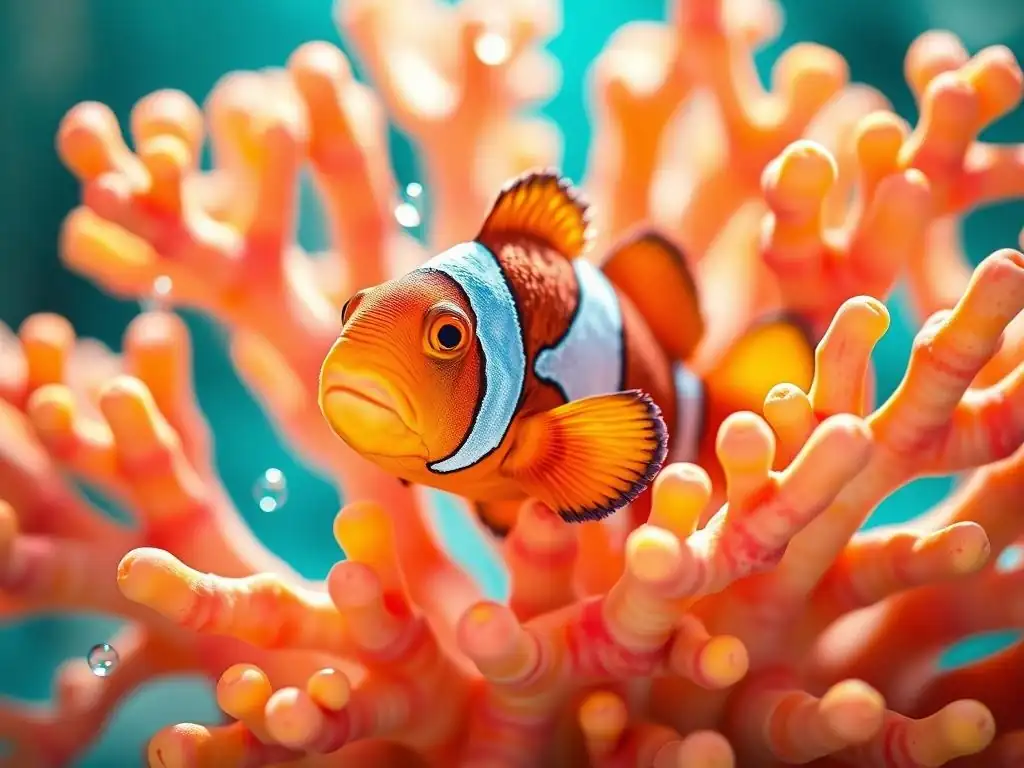
Careful Observation and Early Intervention: Recognizing and Addressing Problematic Behaviors
For aquarists choosing "Reef Safe with Caution" inhabitants, careful observation is the cornerstone of successful reef safe fish care. Daily, dedicated observation of your aquarium is paramount, especially during the initial weeks after introducing a new species. Look for subtle signs of problematic behavior: retracted coral polyps (even during the day), visible bite marks or scrapes on coral tissue, stressed or unusually hiding invertebrates, or signs of aggression (chasing, fin nipping) towards other fish. Pay close attention during feeding times, as hunger can often trigger opportunistic nipping or aggression. Documenting observations can help identify patterns.
Early intervention is equally critical. If you notice a "caution" fish exhibiting undesirable behavior, identifying the specific instigator and the nature of the problem allows for targeted solutions. For example, if a Flame Angelfish is nipping corals, increasing feeding frequency or offering different food types might curb the behavior.
If a Yellow Tang is overly aggressive, rearranging rockwork to break up territories or adding more hiding spots could help. However, if problematic behavior persists and threatens the health of corals or other tank mates, be prepared to remove and rehome the fish, as reversing ingrained habits is often difficult or impossible in a closed system.
Providing Ample Food and Enrichment: Reducing the Temptation to Target Corals
Many "Reef Safe with Caution" fish, particularly those prone to coral nipping, do so out of hunger or a lack of appropriate grazing opportunities. Therefore, providing ample food and enrichment is a fundamental strategy for minimizing risks and promoting harmonious reef safe fish care. For herbivorous or omnivorous species like dwarf angelfish and tangs, offering a diverse diet several times a day is crucial.
This should include high-quality marine-based flakes and pellets, along with a variety of frozen foods such as spirulina-enriched brine shrimp, mysis shrimp, and chopped marine algae. Regularly clipping dried seaweed (nori) to a rock or clip provides a constant grazing opportunity, mimicking their natural feeding habits.
Beyond just food, environmental enrichment plays a vital role in reducing stress and boredom, which can sometimes lead to undesirable behaviors. A well-scaped tank with plenty of live rock provides numerous hiding spots, swimming lanes, and natural grazing surfaces for algae. For species that sift sand, ensuring a deep enough sand bed (at least 2-3 inches) allows them to engage in natural behaviors without constantly stirring up detritus into the water column. A happy, well-fed, and stimulated fish is less likely to engage in destructive behaviors, contributing significantly to a peaceful reef environment.
Strategic Stocking: Choosing Tank Mates Wisely to Minimize Competition and Aggression
Strategic stocking is a proactive measure that significantly minimizes risks when incorporating "Reef Safe with Caution" species into a reef aquarium. This involves careful planning of the order of introduction and thoughtful selection of compatible tank mates. Generally, introduce docile, less aggressive species first, allowing them to establish territories before adding potentially more territorial or aggressive "caution" fish. This can reduce the likelihood of the new addition immediately asserting dominance or harassing existing inhabitants. For example, if you plan to keep a Yellow Tang, introduce smaller, peaceful fish like gobies or clownfish first.
Furthermore, avoid stocking multiple fish with similar body shapes, dietary needs, or territorial instincts in tanks where space is limited, as this can lead to heightened competition and aggression. For instance, housing two Yellow Tangs in a tank under 180 gallons is generally not recommended due to their territorial nature.
Similarly, introducing multiple dwarf angelfish into a tank under 100 gallons can lead to significant squabbles. Researching the adult size, temperament, and specific territorial requirements of all potential inhabitants is crucial for successful reef safe fish care, ensuring that each fish has adequate space and resources to thrive without unduly stressing its tank mates.
Coral Placement and Protection: Creating a Safe Haven for Vulnerable Species
When housing "Reef Safe with Caution" fish, strategic coral placement can act as a vital line of defense, creating safer zones for your more vulnerable or valuable corals. If you have a fish known to occasionally nip at LPS corals, consider placing your prized Euphyllia or Acanthastrea colonies in areas that are less accessible to the fish, such as higher up on the rockwork where flow might be stronger, or tucked into crevices. Conversely, if a fish tends to graze on algae near the sand bed, placing delicate SPS frags higher up can offer some protection.
For particularly valuable or newly fragged corals, temporary physical protection can be employed. Some aquarists use small, clear acrylic boxes or mesh barriers around specific corals for a few weeks after introducing a "caution" fish. This allows the fish to acclimate to the tank without immediate access to the tempting coral, providing a crucial observation period. While not always aesthetically ideal for long-term solutions, these temporary measures can significantly reduce the initial risk of damage and give the aquarist time to assess the fish's individual temperament, reinforcing diligent reef safe fish care practices.
Alternative Solutions: Dedicated Tanks and Targeted Pest Control
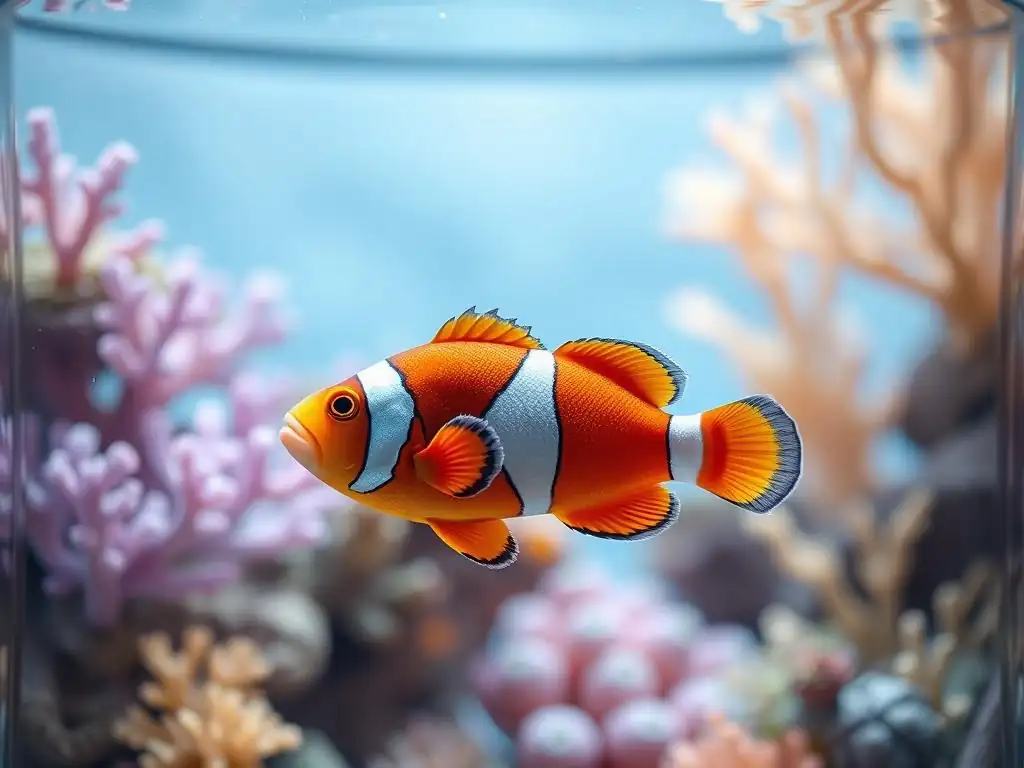
Setting Up a Species-Specific Tank for "Reef Safe with Caution" Inhabitants
For aquarists who wish to enjoy the beauty of "Reef Safe with Caution" species without the inherent risk to their main reef display, setting up a dedicated species-specific tank, often a Fish-Only with Live Rock (FOWLR) system, presents an excellent alternative. This approach allows the aquarist to house fish known for their stunning appearance or unique behaviors, such as certain angelfish or triggerfish, without the constant worry of coral nipping or invertebrate predation.
In a FOWLR tank, the focus shifts entirely to the fish's needs, including providing ample swimming space, appropriate diet, and a stable environment, without the additional complexity of maintaining delicate corals.
The benefits of a FOWLR tank extend beyond just peace of mind. It allows for a much wider selection of fish species, including those that are definitively "not reef safe" for typical coral systems. This means aquarists can keep larger, more boisterous, or even semi-aggressive fish that would otherwise decimate a reef tank.
Furthermore, the husbandry requirements can be simplified; while water quality remains paramount, lighting requirements are less stringent, and specialized coral supplements are unnecessary. This dedicated approach ensures that the "reef safe with caution" inhabitant can thrive in an environment perfectly tailored to its needs, demonstrating truly responsible reef safe fish care.
Utilizing Natural Predators for Pest Control: A Sustainable Approach
Instead of relying on "Reef Safe with Caution" species that might also consume desirable invertebrates or nip corals, a more sustainable and truly reef-safe approach to pest control involves utilizing specific natural predators known to be harmless to the main reef inhabitants. For instance, for Aiptasia anemones, the Berghia Nudibranch ( Berghia verrucicornis) is a highly effective and completely reef-safe solution, as it exclusively preys on Aiptasia without harming other corals or invertebrates.
Similarly, certain smaller wrasses, like the Macropharyngodon (Leopard Wrasses) or Halichoeres species (e.g., the Melanurus Wrasse), are excellent at controlling flatworms, pyramid snails, and other small pests, and are generally considered much safer for the reef than a Six Line Wrasse, provided they are well-fed and introduced carefully.
This strategy aligns with an integrated pest management (IPM) philosophy, which emphasizes prevention, early detection, and the use of targeted biological controls where appropriate, minimizing reliance on broad-spectrum solutions or potentially risky fish. Maintaining excellent water quality, avoiding overfeeding, and quarantining all new additions (fish, corals, and invertebrates) are foundational practices that prevent pest outbreaks in the first place. By prioritizing truly reef-safe pest controllers, aquarists can maintain a healthy, pest-free reef without compromising the safety of their coral collection or the well-being of beneficial invertebrates, enhancing overall reef safe fish care.
Responsible Reef Safe Fish Selection: Prioritizing True Reef Compatibility
The most effective strategy for minimizing risks in a reef aquarium is to prioritize the selection of truly reef-compatible fish whenever possible. For beginners, or for aquarists with high-value or highly sensitive coral collections, opting for species with a proven, consistent track record of reef compatibility significantly reduces stress and potential losses. Examples include many species of Clownfish ( Amphiprion spp.
), Royal Grammas ( Gramma loreto), various Gobies ( Gobiodon, Valenciennea, Amblygobius spp. ), and Blennies ( Salarias, Ecsenius spp.). These fish typically have specialized diets that do not include coral polyps or ornamental invertebrates and exhibit peaceful temperaments.
This proactive approach to reef safe fish care begins with thorough research before any purchase. Beyond just a "reef safe" label, investigate the species' adult size, specific dietary needs, typical temperament, and known interactions with corals and invertebrates. Consult multiple reputable sources, including scientific literature, established online forums, and experienced local fish store staff. By making informed decisions and choosing species that are inherently well-suited for a reef environment, aquarists can cultivate a thriving, peaceful, and long-lasting ecosystem, minimizing the need for reactive interventions and promoting the overall health of their marine inhabitants.
The Importance of Thorough Research for Reef Safe Fish Care
Navigating the complexities of reef aquarium fish keeping, especially concerning "Reef Safe with Caution" inhabitants, fundamentally hinges on the importance of thorough and ongoing research. The designation itself is a critical prompt for aquarists to delve deeper than a simple "yes" or "no" compatibility chart.
It demands an understanding of a species' natural behaviors, specific dietary requirements, adult size, territorial tendencies, and the potential for individual variations in temperament. This research must extend to understanding the specific types of corals and invertebrates in one's own system, as compatibility is often highly nuanced; a fish might ignore one coral type but decimate another.
Ultimately, informed decisions are the bedrock of successful and ethical reef safe fish care. By understanding the inherent risks and benefits of each "caution" species, aquarists can proactively plan their tank's ecosystem, implement preventative measures, and prepare for potential contingencies. This commitment to diligent research minimizes the likelihood of costly mistakes, reduces stress on both fish and corals, and fosters a more stable and thriving marine environment, reflecting a true dedication to the art and science of reef keeping.
Promoting Responsible Aquarium Practices: A Commitment to Reef Health and Sustainability
The thoughtful selection and management of aquarium inhabitants, particularly those categorized as "Reef Safe with Caution," are integral components of promoting responsible aquarium practices. This commitment extends beyond merely keeping fish alive; it encompasses providing an environment where all marine life can truly thrive.
Responsible practices include ensuring adequate tank size, offering a species-appropriate and varied diet, maintaining pristine water quality through robust filtration and regular maintenance, and vigilantly monitoring the health and interactions of all inhabitants. When issues arise, prompt and humane intervention is essential, even if it means rehoming a beloved fish for the greater good of the reef.
By embracing these principles, aquarists contribute to the broader goals of marine conservation and sustainability. A thriving home aquarium, built on responsible choices and meticulous care, serves as a powerful testament to the beauty and fragility of marine ecosystems. It fosters a deeper appreciation for the complex interdependencies of reef life and encourages a mindful approach to collecting and maintaining these incredible creatures, ensuring that our passion for reef keeping aligns with the long-term health of our planet's oceans.
Emerging Research on Fish Temperament and Coral Interactions
The field of marine biology and aquaculture is constantly evolving, with new research shedding light on the intricate dynamics within reef ecosystems, including fish temperament and coral interactions. Scientists are increasingly studying the nuances of individual fish personalities, identifying specific environmental triggers for problematic behaviors like coral nipping, and even exploring the chemical cues that influence these complex relationships. For instance, studies might explore if certain coral exudates are more tempting to particular fish species, or how stress levels in fish correlate with an increase in aggressive or destructive behaviors.
This ongoing research provides valuable insights that can further refine our reef safe fish care practices. Aquarists are encouraged to stay updated with new findings from reputable scientific sources and adapt their husbandry strategies accordingly. As our understanding of fish behavior and reef ecology deepens, we can move towards even more precise and effective methods of creating harmonious, sustainable, and aesthetically stunning reef aquariums. This continuous learning ensures that our passion remains at the forefront of responsible and informed marine animal husbandry.
Frequently Asked Questions
What does "Reef Safe with Caution" really mean when selecting fish for a reef aquarium?
It means that the fish may be reef safe under certain conditions. However, they might nip at corals, eat certain invertebrates, or disrupt the sand bed, so careful observation and tank setup are crucial.
How can I minimize the risk of a "Reef Safe with Caution" fish harming my reef tank?
Provide a large enough tank with plenty of hiding places and a varied diet. Observe the fish's behavior closely and be prepared to remove it if it causes problems for your corals or other invertebrates.
What types of corals are most vulnerable to "Reef Safe with Caution" fish?
Specifically, soft corals and LPS (Large Polyp Stony) corals are often targeted by fish that are labeled "Reef Safe with Caution." These corals are often more palatable.
How does the size of my reef aquarium affect the suitability of "Reef Safe with Caution" fish?
A larger aquarium generally provides more space and resources, reducing the likelihood of a fish needing to target corals for food or territory. Overcrowding can exacerbate any existing tendencies.
Where can I find reliable information about the specific behaviors of different "Reef Safe with Caution" fish species?
AquariumMastery.com offers detailed species profiles and behavioral guides that can help you research specific fish before introducing them to your reef tank. Look for articles organized by species.
The complexities explored in this article, particularly the nuances of "Reef-Safe with Caution" inhabitants, are not merely academic exercises; they represent a critical understanding for responsible reef aquarium keeping in an era increasingly concerned with environmental sustainability. Mislabeling or misunderstanding the needs of these animals can have devastating consequences, both for the individual creatures and the delicate balance of the reef ecosystem we strive to replicate.
This journey into the intricacies of reef-safe fish care has profoundly underscored the importance of diligent research and ethical consideration. The responsibility we bear as aquarists extends far beyond the confines of our tanks, impacting the health of wild reef populations and the future of this captivating hobby. In the end, we will conserve only what we love; we will love only what we understand; and we will understand only what we are taught.
- Baba Dioum. This quote serves as a constant reminder of the power of knowledge and the profound impact of our choices.
As you navigate the vibrant world of reef aquariums, remember that "reef-safe" is not a binary label but a spectrum of compatibility. Let the insights shared here inspire you to delve deeper, to question assumptions, and to prioritize the well-being of the animals entrusted to your care. By embracing a mindful and informed approach, you can contribute to a more sustainable and ethical future for the reef aquarium hobby, ensuring its beauty and wonder can be enjoyed for generations to come.
Dive Deeper: Transform Knowledge into a Thriving Reef!
Thank you for exploring the intricate world of reef-safe aquarium keeping with us. We hope this deep dive has illuminated the nuances behind "reef-safe with caution" inhabitants. Now, let's translate that knowledge into action!
- Take decisive action: Before you even consider adding a new inhabitant, revisit your current aquarium parameters. Ensure they are rock-solid and can comfortably support any new additions. The health of your existing reef depends on it!
- Explore the lesser-known: Research one uncommon species that falls under the "reef-safe with caution" umbrella. Uncover their unique needs and contribute your findings in the comments below.
- Share the wisdom: Did a particular point resonate with you? Share this article with a fellow hobbyist and spark a discussion about responsible reef keeping!
What previously overlooked parameter will you meticulously monitor now that you're armed with this information?