
Flame Angelfish: A Stunning Addition, But Will It Nip Your Corals?

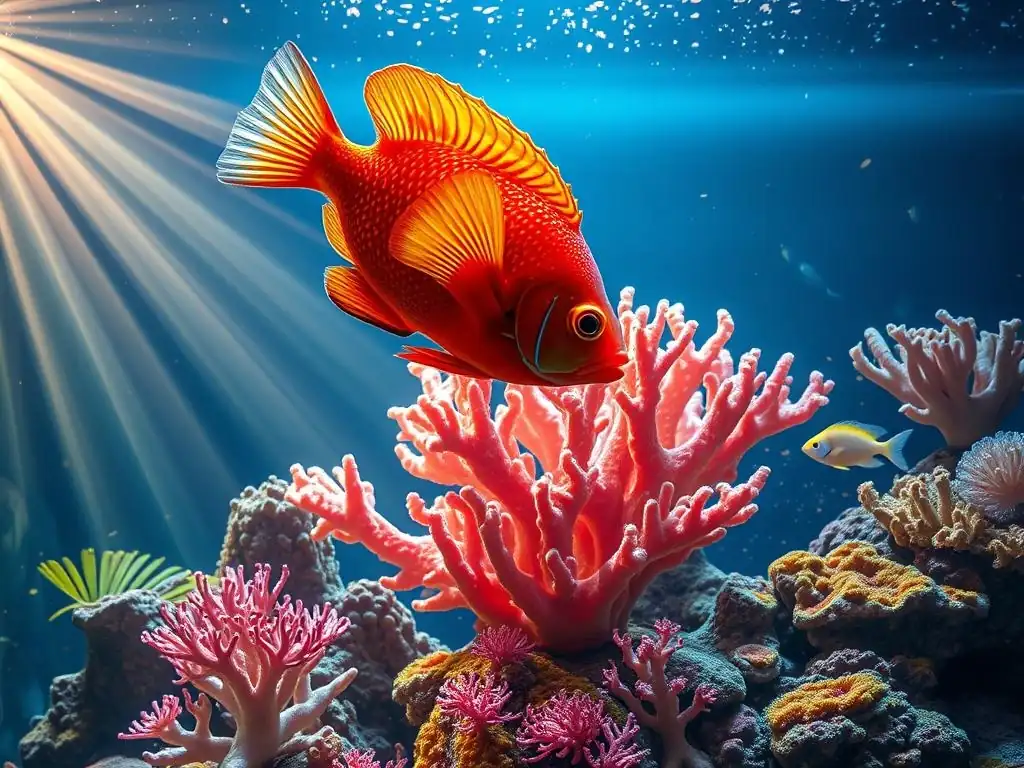
Welcome to Aquarium Mastery!
Ever dreamt of adding the vibrant splash of a Flame Angelfish to your reef tank? These beauties are undeniably captivating, but before you dive in, let's unravel the mystery: are Flame Angelfish truly coral compatible? Discover the surprising truth about their potential for coral nipping and learn how to make informed decisions for a harmonious aquatic ecosystem. Dive in and explore the complete guide to keeping Flame Angelfish happy and healthy without sacrificing your prized corals!
- Flame Angelfish in Reef Tanks: Balancing Beauty and Coral Health
- Introduction: The Flame Angelfish and Reef Compatibility
- Understanding Flame Angelfish Behavior
- Risk Assessment: Coral Vulnerability and Flame Angelfish Behavior
-
Minimizing Coral Nipping: Strategies for Reef Tank Success
- Selecting a Flame Angelfish: Assessing Individuals Before Introduction
- Acclimation Techniques: Reducing Stress and Preventing Nipping
- Optimized Diet: Providing a Varied and Nutritious Food Source
- Environmental Enrichment: Promoting Natural Behavior and Reducing Stress
- "Distraction" Feeding: Utilizing Alternative Food Sources
- Tank Mate Compatibility: Creating a Balanced Reef Ecosystem
- Monitoring and Management: Long-Term Reef Keeping Strategies
- Reef-Safe Angelfish Alternatives: Exploring Other Options
- Conclusion: Making an Informed Decision
-
Frequently Asked Questions
- Will a Flame Angelfish definitely nip at my corals?
- What types of corals are most likely to be targeted by a Flame Angelfish?
- How can I minimize the risk of my Flame Angelfish nipping at corals?
- Are there any specific foods that can deter Flame Angelfish from nipping corals?
- Is there any way to definitively determine if a Flame Angelfish is safe for a reef tank before introducing it?
- Final Reflection: Navigating the Reef's Delicate Balance
- Ignite Your Reef: Will You Take the Plunge?
Flame Angelfish in Reef Tanks: Balancing Beauty and Coral Health
Introduction: The Flame Angelfish and Reef Compatibility
Overview of Flame Angelfish (Centropyge loriculus)
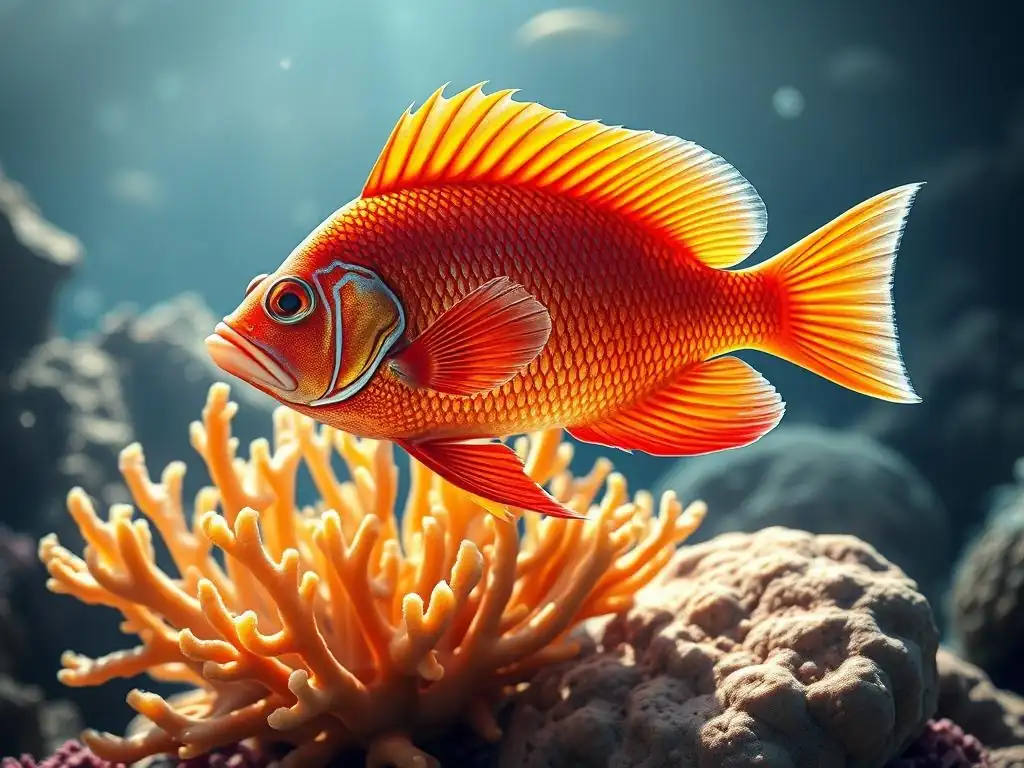
The Flame Angelfish, scientifically known as Centropyge loriculus, is one of the most sought-after dwarf angelfish species in the marine aquarium hobby. Its captivating appearance, characterized by a vibrant fiery orange-red body adorned with vertical black stripes and iridescent blue accents on its fins, makes it a true showstopper. Originating from the clear waters of the Pacific Ocean, notably around Hawaii, the Marshall Islands, and Christmas Island, these fish typically reach a maximum size of about 4 inches (approximately 10 cm) in an aquarium setting, making them suitable for a range of tank sizes.
Beyond its striking coloration, the Flame Angelfish is admired for its active swimming patterns and curious nature. While generally considered semi-aggressive, particularly towards other dwarf angelfish or similarly shaped fish, it can coexist peacefully with many other reef inhabitants. With proper care and stable water parameters, a Centropyge loriculus can live for 5-7 years in captivity, with some well-documented cases extending their lifespan to nearly a decade, becoming a long-term centerpiece for the dedicated aquarist.
The Reef Keeper's Dilemma: Coral Compatibility Concerns
Despite its undeniable beauty and popularity, the Flame Angelfish presents a significant challenge for reef aquarists: its unpredictable tendency to nip at corals. Unlike some truly reef-safe species, the Flame Angelfish falls into the "reef-safe with caution" category. This means that while many individuals coexist peacefully with corals, a substantial percentage may develop a habit of picking at or consuming coral polyps, leading to stress, tissue recession, and even the eventual demise of valuable corals.
This inherent risk creates a dilemma for many reef keepers who desire the visual appeal of a Flame Angelfish but are equally committed to the health and prosperity of their coral collection. The behavior is highly individualistic, with no guaranteed method to predict if a specific fish will become a coral nipper. Understanding the factors that influence this behavior and implementing proactive management strategies are crucial for any aquarist considering the Flame Angelfish coral compatibility in their reef environment.
Understanding Flame Angelfish Behavior
Natural Diet and Feeding Strategies
In their natural habitat, Flame Angelfish are primarily microalgae grazers, constantly sifting through live rock and substrate for their next meal. Their diet consists largely of various types of filamentous algae, diatoms, and detritus, which they pick at throughout the day. They also consume small amounts of benthic invertebrates and zooplankton, indicating a somewhat omnivorous tendency, though algae forms the bulk of their natural intake. This continuous grazing behavior is essential for their nutritional needs and contributes to their overall health and vitality in the wild.
When transferred to an aquarium, this natural feeding strategy often continues. Flame Angelfish will actively graze on algae growing on live rock and tank surfaces. However, this innate desire to pick at surfaces can unfortunately extend to corals. They might mistake coral polyps or the mucus layer on corals for a food source, or simply pick at them out of curiosity or boredom. This opportunistic feeding behavior is a primary reason for concern regarding Flame Angelfish coral compatibility in a mixed reef tank.
Reasons for Coral Nipping: Addressing Dietary and Environmental Factors
Coral nipping in Flame Angelfish is often attributed to a combination of factors, with dietary needs and environmental conditions playing significant roles. One primary reason is insufficient or inappropriate feeding. If a Flame Angelfish is not receiving enough varied and nutritious food, particularly marine-based algae, it may turn to corals as an alternative food source to fulfill nutritional deficiencies or simply to satisfy its constant grazing instinct. A diet lacking in spirulina or nori, for instance, could prompt this undesirable behavior.
Beyond diet, environmental factors such as stress, boredom, or a lack of suitable grazing surfaces can also contribute to coral nipping. A tank that is too small, lacks adequate hiding spots, or has aggressive tank mates can induce stress, leading to abnormal behaviors. Similarly, a tank with minimal live rock or a sterile environment may not provide enough natural foraging opportunities, compelling the angelfish to explore corals as a means of enrichment or to seek out perceived food sources. Addressing these underlying issues is key to improving Flame Angelfish coral compatibility.
Recognizing Coral Nipping: Identifying Signs and Affected Corals
Identifying coral nipping behavior early is crucial for mitigating damage to your reef. The most obvious sign is observing the Flame Angelfish directly pecking at coral polyps or tissue. However, even if you don't witness the act, recurring damage to your corals can be a strong indicator. Look for small, irregular bite marks on coral polyps, retracted polyps that remain closed for extended periods, or areas of tissue recession on the coral skeleton. Some corals may also show signs of stress, such as dulling of color or increased mucus production.
Certain coral species are more vulnerable to nipping due to their fleshy polyps or slow recovery rates. Large Polyp Stony (LPS) corals like Blastomussa, Acanthastrea, Fungia, and Euphyllia species (e.g., Hammer, Torch, Frogspawn corals) are frequent targets. Soft corals, including Zoanthids, Palythoa, and various mushroom anemones ( Ricordea, Discosoma), are also commonly nipped. While Small Polyp Stony (SPS) corals such as Acropora and Montipora are generally less at risk, their extended polyps can still be an attractive target, especially if the angelfish is particularly persistent.
Risk Assessment: Coral Vulnerability and Flame Angelfish Behavior
Factors Influencing Nipping: Tank Size, Diet, and Individual Temperament
Several interconnected factors influence the likelihood of a Flame Angelfish nipping corals. Tank size plays a significant role; in a smaller tank, perhaps less than 75 gallons (approximately 280 liters), there might be insufficient natural grazing opportunities on live rock, leading the angelfish to seek food elsewhere, including corals. Conversely, a larger tank (100 gallons or more) with ample live rock and diverse aquascaping provides more space for exploration and natural foraging, potentially reducing the incentive to nip.
Diet is another critical factor. A Flame Angelfish that is consistently underfed or not provided with a varied diet rich in marine algae, spirulina, and various frozen foods (like Mysis shrimp and brine shrimp) is more prone to nipping out of hunger or nutritional deficiency. Lastly, individual temperament is highly variable and often unpredictable. Some Flame Angelfish are model citizens, never touching a coral, while others become notorious nippers shortly after introduction, regardless of optimal tank conditions or a perfect diet. This inherent variability is a key consideration for Flame Angelfish coral compatibility.
Individual Variation: Predicting Nipping Tendencies
The unpredictable nature of Flame Angelfish coral compatibility is largely due to significant individual variation in behavior. It is widely reported among hobbyists that while some Flame Angelfish are completely reef-safe for years, others will begin nipping corals within days of introduction. There is no reliable method or tell-tale sign to predict whether a specific individual will develop this undesirable habit. Estimates suggest that perhaps 60-80% of Flame Angelfish may be relatively reef-safe, but the remaining percentage can cause considerable damage.
This variability is likely influenced by a combination of genetics, early life experiences, and the specific environment the fish was raised in before reaching your aquarium. A fish that learned to graze on certain types of organisms in its juvenile stage might carry that behavior into a reef tank, mistaking coral polyps for a natural food source. Consequently, even experienced aquarists approach the introduction of a Flame Angelfish into a coral-filled tank with a degree of caution, understanding that continuous observation is paramount.
High-Risk Coral Species: Identifying Sensitive Corals
When considering Flame Angelfish coral compatibility, identifying which corals are most vulnerable is essential for risk management. Generally, corals with large, fleshy polyps are at the highest risk. Large Polyp Stony (LPS) corals, such as Blastomussa, Acanthastrea, Fungia, and especially Euphyllia species like Hammer, Torch, and Frogspawn corals, are prime targets. Their succulent polyps are attractive to the angelfish, which may pick at them for food or simply out of curiosity.
Soft corals also fall into the high-risk category. Zoanthids and Palythoa colonies are frequently nipped, as are various types of mushroom anemones ( Ricordea and Discosoma). While Small Polyp Stony (SPS) corals like Acropora and Montipora are often considered less vulnerable due to their smaller polyps, they are not entirely immune, particularly if the angelfish is a persistent nipper or if the SPS polyps are extensively extended. Aquarists with high-value or rare fleshy corals should exercise extreme caution or consider alternative fish species.
Minimizing Coral Nipping: Strategies for Reef Tank Success
Selecting a Flame Angelfish: Assessing Individuals Before Introduction
Careful selection of a Flame Angelfish can contribute to its successful integration into a reef tank, though it doesn't guarantee Flame Angelfish coral compatibility. When choosing an individual, prioritize a healthy, active specimen that is free of visible signs of stress or disease, such as faded coloration, clamped fins, or labored breathing. Observe the fish in the store's tank if possible; a fish that is actively grazing on algae on the rockwork and ignoring any corals present may be a slightly better candidate.
It is advisable to purchase from a reputable fish store that maintains clean tanks and provides well-fed livestock. Some aquarists prefer smaller, younger specimens, hoping they will acclimate more readily to a captive diet and potentially avoid developing nipping habits, although this is not a scientifically proven method. Engaging with the store staff about the fish's feeding habits and origin can also provide valuable insights before making a commitment.
Acclimation Techniques: Reducing Stress and Preventing Nipping
Proper acclimation is a critical step in reducing stress for any new fish, and it can indirectly influence Flame Angelfish coral compatibility. A stressed fish is more likely to exhibit undesirable behaviors, including nipping. Employ a slow drip acclimation method, allowing the fish's bag water to gradually mix with your tank water over a period of 30-60 minutes. This minimizes the shock of sudden changes in temperature, salinity, and pH.
Furthermore, utilizing a quarantine tank (QT) for 2-4 weeks before introducing the Flame Angelfish to the main display tank is highly recommended. A QT allows you to observe the fish for signs of disease, ensure it is eating a varied and nutritious diet, and allow it to de-stress in a stable environment. A healthy, well-adjusted fish that is actively eating prepared foods is less likely to turn its attention to corals once introduced to the main reef system.
Optimized Diet: Providing a Varied and Nutritious Food Source
An optimized and consistent feeding regimen is arguably the most effective strategy for minimizing coral nipping and promoting Flame Angelfish coral compatibility. Flame Angelfish should be fed multiple times a day, ideally 2-3 times, with a diverse range of high-quality foods. Their diet should include marine-based flakes and pellets fortified with spirulina or nori, ensuring they receive essential algal nutrients.
Supplementing their diet with frozen foods is equally important. Offer a variety of options such as Mysis shrimp, enriched brine shrimp, finely chopped marine algae, and specialized angelfish formulas. Some aquarists also provide a piece of dried nori on an algae clip daily for continuous grazing. By keeping the Flame Angelfish well-fed and nutritionally satisfied, you significantly reduce its motivation to seek food from your corals, thereby decreasing the likelihood of nipping behavior.
Environmental Enrichment: Promoting Natural Behavior and Reducing Stress
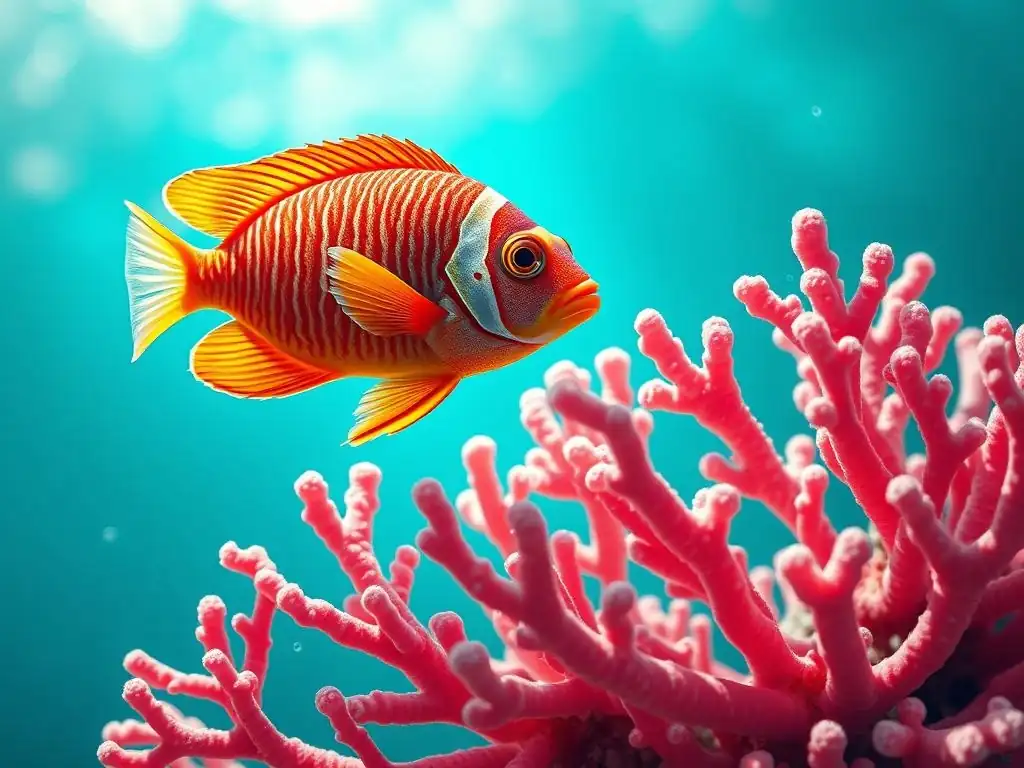
Providing a stimulating and appropriate environment is crucial for the well-being of a Flame Angelfish and can mitigate stress-induced nipping. The tank should feature ample live rock with numerous crevices, caves, and overhangs, mimicking their natural rocky reef habitat. This aquascaping provides plenty of hiding spots, territories, and surfaces for the angelfish to graze upon, satisfying its natural foraging instincts.
Maintaining stable and optimal water parameters is also paramount. Consistent water temperature (e.g., 74-78°F or 23-26°C), salinity (1.023-1.026), pH (8.1-8.4), alkalinity (8-12 dKH), calcium (400-450 ppm), and magnesium (1300-1400 ppm) helps reduce overall stress on the fish. A well-established and biologically mature tank with good water quality offers a stable environment where the Flame Angelfish can thrive, potentially reducing the likelihood of developing undesirable habits like coral nipping.
"Distraction" Feeding: Utilizing Alternative Food Sources
"Distraction" feeding is a proactive strategy to divert a Flame Angelfish's attention away from corals by providing readily available alternative food sources. This technique involves offering a small piece of dried nori or an algae clip in a designated area of the tank, away from your most sensitive corals. This can be done daily, especially during peak activity times for the angelfish, such as morning or evening.
The goal is to give the angelfish a constant, acceptable target for its grazing instincts. Some hobbyists find success by placing multiple algae clips or even specialized "veggie clips" around the tank to encourage continuous foraging on the provided algae sheets. By consistently offering these preferred food items, the Flame Angelfish is less likely to explore or nip at coral polyps, thereby enhancing Flame Angelfish coral compatibility and protecting your reef inhabitants.
Tank Mate Compatibility: Creating a Balanced Reef Ecosystem
Suitable Tank Mates: Promoting Harmony and Reducing Competition
Selecting appropriate tank mates is vital for creating a balanced reef ecosystem and can indirectly influence Flame Angelfish coral compatibility. Flame Angelfish are generally considered semi-aggressive, particularly towards other angelfish or similarly shaped fish. However, they typically coexist well with a variety of peaceful to moderately aggressive reef inhabitants. Good choices include most clownfish species, gobies (such as watchman gobies or pistol shrimp goby pairs), blennies (e.g., Lawnmower Blennies for algae control), and many peaceful wrasses (like Fairy or Flasher Wrasses).
It is crucial to ensure that the tank is large enough to accommodate all inhabitants and provide ample swimming space and territories. For a single Flame Angelfish, a minimum tank size of 70-75 gallons (approx. 265-280 liters) is often recommended, with larger tanks being preferable if considering other active fish. A harmonious environment with minimal competition for food and space reduces overall stress on the angelfish, which in turn can lessen the likelihood of undesirable behaviors like coral nipping.
Incompatible Tank Mates: Avoiding Aggression and Stress
To maintain a peaceful and thriving reef tank, it's important to avoid tank mates that are incompatible with the Flame Angelfish. Keeping multiple dwarf angelfish species together is generally not recommended unless the tank is exceptionally large (e.g., 150 gallons or more) and offers extensive rockwork and territories, as inter-species aggression is common. Aggressive fish such as triggers, large puffers, or certain large wrasses that might bully or stress the Flame Angelfish should also be avoided.
Similarly, very delicate or slow-moving invertebrates, while not directly incompatible in terms of aggression, might be at risk from a curious or opportunistic Flame Angelfish that decides to sample their soft tissues. While the primary concern with Flame Angelfish coral compatibility is with stony and soft corals, some large sessile invertebrates might also be targets. Always research the specific needs and temperament of any potential tank mate to ensure a cohesive and stress-free environment for all inhabitants.
Monitoring and Management: Long-Term Reef Keeping Strategies
Regular Observation: Early Detection and Intervention
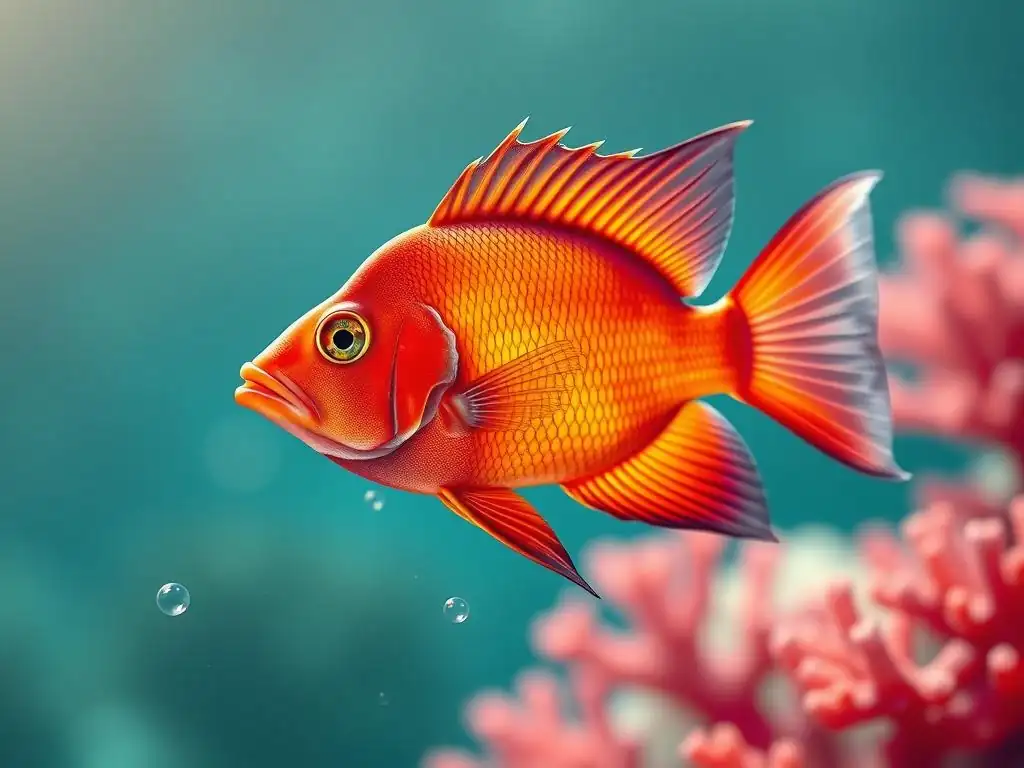
Consistent and diligent observation is a cornerstone of successful reef keeping, especially when housing a Flame Angelfish with corals. Daily, spend time watching your angelfish and closely inspecting your corals. Look for any subtle changes in coral appearance, such as retracted polyps, areas of tissue loss, or unusual coloration. Crucially, observe the angelfish's behavior around your corals. Is it repeatedly pecking at a specific coral, or does it seem to ignore them?
Early detection of nipping behavior is paramount for intervention before significant damage occurs. If you notice any suspicious activity or signs of coral stress, it's time to re-evaluate your tank conditions. Proactive monitoring allows you to address potential issues promptly, whether it involves adjusting feeding schedules, assessing water parameters, or considering other mitigating strategies to maintain Flame Angelfish coral compatibility.
Adjusting Conditions: Adapting to Changes in Behavior and Coral Health
If you identify signs of coral nipping, adapting your tank conditions and care regimen is the next step. First, increase the frequency and variety of feedings, ensuring the Flame Angelfish is well-fed with marine algae and other nutritious foods. Consider adding an algae clip with nori daily to provide a constant grazing source. Sometimes, simply addressing a dietary deficiency can curb the nipping.
Beyond diet, assess the overall tank environment. Is there enough live rock and hiding spots? Are water parameters stable and within optimal ranges? Stress from poor water quality or inadequate shelter can contribute to undesirable behaviors. You might also try rearranging some live rock to create new territories or add more visual barriers. In some cases, if the nipping is mild and targeted at a specific, less valuable coral, some aquarists might consider a "sacrificial" soft coral, though this is a temporary and often risky solution that doesn't resolve the underlying issue.
Removal Considerations: Recognizing When Rehoming is Necessary
Despite all efforts to mitigate nipping, some Flame Angelfish individuals simply cannot be reliably housed with corals. If the nipping becomes persistent, severe, and poses a significant threat to the health and survival of your coral collection, rehoming the fish becomes the most responsible and often necessary course of action. Continuing to house a known coral nipper in a reef tank can lead to substantial financial loss and, more importantly, stress and damage to your valuable corals.
This difficult decision typically involves moving the Flame Angelfish to a fish-only tank, selling it to another hobbyist who maintains a fish-only system, or returning it to a local fish store that can accommodate it. While it can be disheartening to rehome a beloved fish, prioritizing the well-being of the entire reef ecosystem, particularly the corals that cannot escape, is a fundamental aspect of responsible reef keeping.
Reef-Safe Angelfish Alternatives: Exploring Other Options
Similar Species: Angelfish with Reduced Nipping Tendencies
For aquarists who admire the angelfish aesthetic but seek a higher degree of reef safety, several other dwarf angelfish species are generally considered to have a lower propensity for coral nipping compared to the Flame Angelfish. The Coral Beauty Angelfish ( Centropyge bispinosa) is frequently cited as a more reliable choice for mixed reef tanks. While no dwarf angelfish is 100% guaranteed reef-safe, Coral Beauties tend to be less prone to nipping.
Other alternatives include the Lemonpeel Angelfish ( Centropyge flavissima) and the Bicolor Angelfish ( Centropyge bicolor). These species, while still requiring careful observation, often exhibit better Flame Angelfish coral compatibility. However, potential nipping remains an individual trait across the entire Centropyge genus, so even with these alternatives, continuous monitoring of your corals is always recommended.
Alternative Reef Fish: Exploring Other Colorful Options
If the inherent risk of keeping any dwarf angelfish with corals is unacceptable, there are numerous other colorful and engaging reef-safe fish that can add vibrancy and activity to a marine aquarium. Many species of Wrasses are excellent choices, offering a dazzling array of colors and interesting behaviors, such as the various Fairy Wrasses ( Cirrhilabrus spp.) or Leopard Wrasses ( Macropharyngodon spp.).
Other popular and generally reef-safe options include Dottybacks (e.g., Orchid Dottyback), various species of Anthias, and Chromis (e.g., Green Chromis). These fish come in a wide range of sizes and colorations, allowing aquarists to create a diverse and visually appealing reef environment without the constant concern for coral damage. Always research the specific needs, temperament, and ultimate size of any alternative fish to ensure it is suitable for your existing tank setup and inhabitants.
Conclusion: Making an Informed Decision
Weighing the Pros and Cons: The Flame Angelfish in a Reef Environment
The Flame Angelfish ( Centropyge loriculus) undoubtedly offers unparalleled beauty and charisma, making it a highly desirable addition to any marine aquarium. Its vibrant colors and active swimming patterns can be a true focal point. However, the primary drawback, and the core of the Flame Angelfish coral compatibility discussion, is its unpredictable tendency to nip at corals. This inherent risk means that while many individuals may coexist peacefully, there is no absolute guarantee against potential damage to sensitive and valuable coral colonies.
Aquarists considering this species must weigh the aesthetic appeal against the potential for significant loss of corals. Success often hinges on a combination of factors: providing an appropriately sized tank, maintaining a pristine environment, offering a diverse and consistent diet, and the individual temperament of the fish itself. It's a gamble that can pay off with a stunning display, but it comes with the caveat that the fish might eventually prove incompatible, regardless of best efforts.
Responsible Reef Keeping: Prioritizing Coral Health and Flame Angelfish Welfare.
Ultimately, the decision to introduce a Flame Angelfish into a reef tank demands a commitment to responsible reef keeping. This entails thorough research into the species' requirements and behavioral tendencies, proactive implementation of strategies to minimize nipping, and continuous vigilance through regular observation. It also means being prepared to adapt your approach, whether by adjusting feeding regimens, enhancing environmental enrichment, or, if necessary, making the difficult decision to rehome the fish.
Prioritizing the long-term health and stability of the entire reef ecosystem, including both the Flame Angelfish and the corals, should be the guiding principle. While the allure of the Flame Angelfish is strong, a truly responsible aquarist understands that the well-being of their coral collection, which represents significant investment and life, must take precedence if compatibility issues arise.
Frequently Asked Questions
Will a Flame Angelfish definitely nip at my corals?
No, it's not a guarantee. Flame Angelfish have a reputation for coral nipping, but individual behavior varies. Some may completely ignore corals, while others may frequently nip, especially at soft corals and LPS corals.
What types of corals are most likely to be targeted by a Flame Angelfish?
Flame Angelfish are more prone to nipping at soft corals like zoanthids and leathers, and large polyp stony (LPS) corals like acans and euphyllia. Harder SPS corals are generally less attractive to them.
How can I minimize the risk of my Flame Angelfish nipping at corals?
Provide a well-established tank with plenty of live rock for grazing and hiding. Offer a varied diet rich in algae and spirulina to satisfy their natural grazing instincts. Consider introducing the Flame Angelfish last to the tank.
Are there any specific foods that can deter Flame Angelfish from nipping corals?
Yes, incorporating foods high in marine algae, such as nori seaweed and spirulina flakes, can help. Also, providing frozen foods specifically formulated for angelfish can reduce their desire to graze on corals.
Is there any way to definitively determine if a Flame Angelfish is safe for a reef tank before introducing it?
Unfortunately, there's no foolproof method. Quarantine the Flame Angelfish and observe its behavior closely for any signs of coral nipping before introducing it to the main reef tank. Some aquarists use a coral "sacrificial lamb" in quarantine.
The vibrant allure of the Flame Angelfish is undeniable, yet as we've explored, its introduction into a reef aquarium presents a complex equation of beauty versus potential disruption. Understanding the nuances of Flame Angelfish coral compatibility is not just about maintaining a pristine reef, but about embracing responsible reef keeping practices. The decision to welcome this stunning creature requires careful consideration, diligent observation, and a commitment to the well-being of the entire ecosystem within your tank.
The ongoing debate surrounding Flame Angelfish and coral compatibility highlights the ever-evolving nature of reef keeping. It reminds us that our aquariums are not static displays, but dynamic microcosms that demand our respect and understanding. The potential for nipping, while a concern, shouldn't necessarily preclude keeping these fish, but it absolutely necessitates a proactive approach. The sea, once it casts its spell, holds one in its net of wonder forever.
- Jacques Cousteau. This quote perfectly encapsulates the fascination we have with reef aquariums, but it also reminds us of the responsibility that comes with recreating a piece of the ocean in our homes.
Ultimately, the choice is yours. But before you introduce a Flame Angelfish into your reef, I urge you to reflect on the information presented here. Consider your current coral collection, your ability to provide a suitable environment, and your willingness to adapt your approach if necessary. Let's strive to be informed stewards of these miniature reefs, ensuring that the beauty of the Flame Angelfish doesn't come at the expense of the delicate balance we work so hard to achieve.
Ignite Your Reef: Will You Take the Plunge?
Thanks for diving deep into the world of Flame Angelfish! Now that you're armed with the knowledge to make an informed decision, it's time to consider the next step for your reef tank.
- First and foremost, carefully assess your existing coral setup and tolerance for potential nipping behavior. Is the reward of its stunning color worth the risk?
- Explore the fascinating world of alternative, reef-safe angelfish species. Could a pygmy angel or other vibrant fish better suit your reef environment?
- Share your insights! What are your experiences with Flame Angelfish or similar species?
What specific preventative measure will you implement to ensure a peaceful coexistence between your Flame Angelfish (or chosen alternative) and your corals?