
The Critical Interplay of Alkalinity, Calcium, and Magnesium for Thriving SPS Corals

Welcome to Aquarium Mastery!
Ever wondered how to unlock the secret to vibrant and thriving SPS corals? Dive in and discover the critical interplay of alkalinity, calcium, and magnesium – the essential trio that dictates the health and coloration of your reef's most prized inhabitants. Are you ready to master the delicate balance and achieve breathtaking SPS coral growth? Let's explore!
- Understanding the Essential Role of Water Chemistry for SPS Coral Health
- Alkalinity's Impact on SPS Coral Calcification
- Calcium's Significance in SPS Coral Skeletal Development
- Magnesium's Role in Stabilizing Alkalinity and Calcium
- The Ideal Ratios: Alkalinity, Calcium, and Magnesium for SPS
- Troubleshooting Common Issues Related to Alkalinity, Calcium, and Magnesium Imbalances in SPS Tanks
- Practical Tips for Maintaining Stable Water Parameters in SPS Aquariums
- Advanced Techniques for Fine-Tuning Water Chemistry for SPS
- The Long-Term Benefits of Balanced Water Chemistry for SPS Corals
-
Frequently Asked Questions
- How important are alkalinity, calcium, and magnesium for SPS corals, really?
- What are the ideal ranges for alkalinity, calcium, and magnesium in an SPS coral reef aquarium?
- What can happen if my alkalinity, calcium, or magnesium levels are out of balance?
- How frequently should I test my water parameters for alkalinity, calcium, and magnesium?
- What are some common methods for maintaining proper alkalinity, calcium, and magnesium levels in an SPS aquarium?
- Final Reflection: The Delicate Balance of Life
- Ignite Your SPS Coral Growth!
Understanding the Essential Role of Water Chemistry for SPS Coral Health
Why Alkalinity, Calcium, and Magnesium are Crucial for SPS Growth
Small Polyp Stony (SPS) corals, such as the diverse Acropora and Montipora species, are the architects of the reef, building intricate calcium carbonate skeletons that form the backbone of these complex ecosystems. Their very existence and growth depend fundamentally on the availability and stability of three key water parameters: alkalinity, calcium, and magnesium. These elements are the literal building blocks that corals extract from the surrounding water through a process called calcification, where calcium ions (Ca2+) combine with carbonate ions (CO3 2-) to form aragonite, the crystalline form of calcium carbonate (CaCO3) that constitutes their skeletal structure.
For healthy SPS coral growth, these elements are not merely nutrients but essential raw materials. Alkalinity, specifically, provides the vital carbonate ions needed for calcification, while calcium supplies the calcium ions. Magnesium acts as a crucial stabilizer, preventing the premature precipitation of calcium carbonate in the water column and ensuring that both calcium and carbonate remain bioavailable for the corals to absorb. Without adequate and balanced levels of these three, the calcification process slows or ceases, leading to stunted growth, poor health, and ultimately, the decline of these highly demanding corals.
The Interconnectedness of Water Parameters in SPS Reef Tanks
The relationship between alkalinity, calcium, and magnesium in a reef aquarium is profoundly interconnected, forming a delicate chemical balance. They are not independent variables but rather components of a dynamic system, where a significant change in one parameter inevitably affects the others. For instance, if alkalinity is too high relative to calcium, or if magnesium levels are too low, calcium carbonate can precipitate out of the water, forming a cloudy haze or a white film on equipment, rather than being incorporated into coral skeletons.
This intricate dependency means that maintaining a stable equilibrium is paramount for the health of SPS corals. Imbalances can lead to a cascade of negative effects, including reduced calcification rates, poor coral coloration, and increased stress, making SPS corals more susceptible to disease. A well-managed system for SPS coral alkalinity calcium magnesium ensures that these elements are consistently available in the correct proportions, allowing corals to thrive, grow rapidly, and exhibit their full vibrant potential.
Alkalinity's Impact on SPS Coral Calcification
Maintaining Optimal Alkalinity Levels for Acropora and Montipora
Alkalinity, often measured in dKH (degrees of carbonate hardness), refers to the water's buffering capacity – its ability to resist changes in pH. More specifically, it represents the concentration of bicarbonate, carbonate, and borate ions available in the water. For optimal calcification in SPS corals like Acropora and Montipora, a consistent alkalinity level is critical.
While natural seawater typically hovers around 6.5-7 dKH, closed reef systems with active SPS growth often require slightly higher, stable levels, typically ranging from 7.0 to 9.0 dKH. Many experienced aquarists find a sweet spot between 8.0 and 8.5 dKH to be ideal for promoting robust growth and vibrant coloration without risking precipitation issues.
Maintaining alkalinity within this optimal range ensures a steady supply of carbonate ions, which are indispensable for the rapid skeletal growth characteristic of healthy SPS corals. Consistently low alkalinity (e.g., below 6.5 dKH) will directly hinder calcification, leading to visibly slower growth, pale coloration, and potentially tissue recession. Conversely, excessively high alkalinity (e.g., above 12 dKH) can lead to "alkalinity burn" on sensitive coral tips and increase the risk of calcium carbonate precipitation, making it harder for corals to absorb the necessary ions.
The Dangers of Alkalinity Swings on SPS Coloration and Growth
While maintaining an optimal alkalinity level is important, stability is arguably even more critical for SPS corals. Rapid or significant fluctuations in alkalinity levels are highly detrimental and can cause immediate stress and damage to delicate SPS tissues. For example, a sudden drop from 9 dKH to 6 dKH within a day, perhaps due to insufficient dosing or a large water change with a low-alkalinity salt mix, can manifest as "burnt tips" or stark white patches on Acropora colonies as the coral expends massive energy to adapt to the change, often at the expense of growth and coloration.
Such alkalinity swings force corals to dedicate energy to physiological adaptation rather than calcification or pigment production. This stress often results in pale or "washed out" colors, reduced polyp extension, and significantly inhibited growth. Chronic instability, even if within generally acceptable ranges, will prevent SPS corals from thriving and reaching their full potential, leading to a perpetually struggling reef rather than a vibrant, growing one.
Testing and Adjusting Alkalinity in Your SPS Coral Reef
Accurate and consistent testing is the cornerstone of managing alkalinity in an SPS-dominated reef tank. High-quality titration-based test kits from reputable brands (e.g., Salifert, Red Sea, Hanna Instruments) are essential for precise measurements. For tanks heavily stocked with SPS corals, daily or every-other-day testing is often recommended to monitor consumption rates and identify any trends or rapid drops early. This proactive approach allows for timely adjustments before issues become critical.
To adjust alkalinity, several methods can be employed based on the tank's consumption rate. For minor, infrequent drops, manual dosing of sodium bicarbonate or carbonate solutions (often part of a two-part system) can suffice. However, for consistent and significant alkalinity consumption, which is common in mature SPS tanks, automated dosing pumps or a calcium reactor are often necessary. A heavily stocked 100-gallon SPS system, for instance, might consume 0.8-1.2 dKH per day, necessitating continuous or frequent small additions to maintain stability.
Calcium's Significance in SPS Coral Skeletal Development
Ensuring Adequate Calcium Levels for Healthy SPS Structure
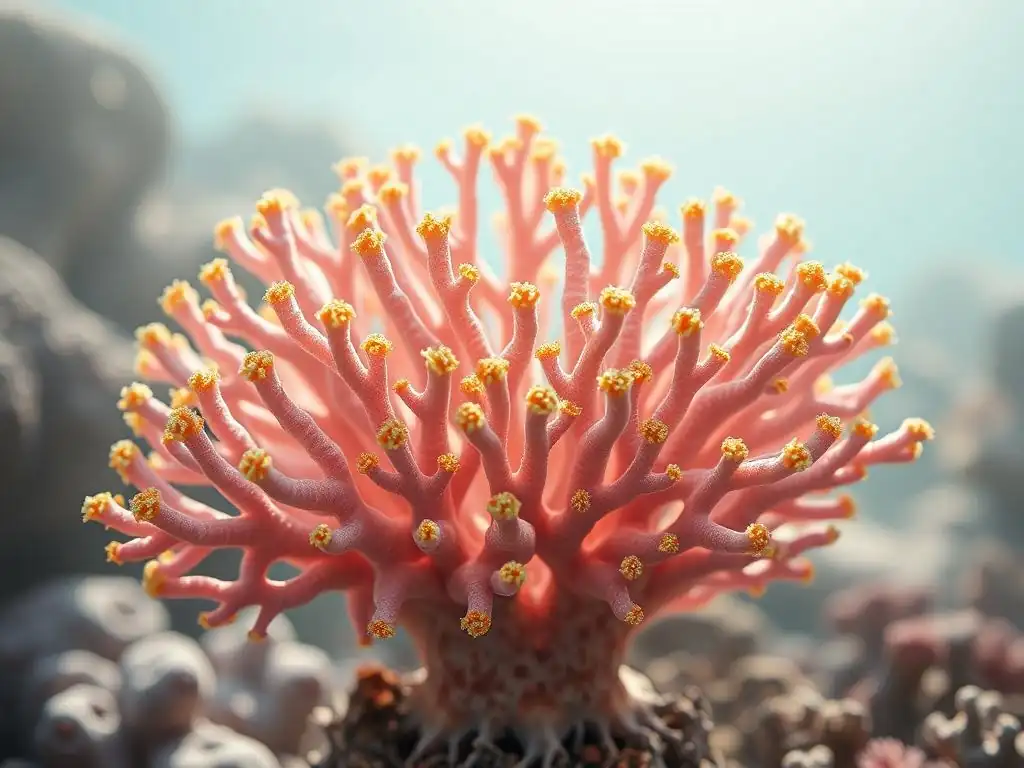
Calcium is the primary mineral component of SPS coral skeletons, directly contributing to their structural integrity and growth. Healthy SPS corals, like the branching Acropora and plating Montipora, require a constant and ample supply of calcium ions (Ca2+) to build their aragonite skeletons. The ideal calcium level for an SPS-dominated reef aquarium typically ranges from 400 to 450 ppm (parts per million), closely mirroring natural seawater levels. Maintaining calcium within this optimal range is crucial for promoting robust skeletal development, allowing corals to grow strong, dense branches and plates.
Insufficient calcium levels (e.g., consistently below 380 ppm) will directly impede the calcification process, leading to noticeably slower growth rates, brittle or fragile skeletal structures, and a general lack of vigor in SPS corals. While the effects might not be as immediate or dramatic as alkalinity swings, chronic calcium deficiency will ultimately stunt the development of your SPS colonies, preventing them from reaching their full size and intricate forms.
Calcium Consumption Rates in SPS Dominated Aquariums
The rate at which calcium is consumed in a reef aquarium is directly proportional to the biomass and growth rate of calcifying organisms, predominantly SPS corals. A reef tank with only a few small SPS frags will exhibit minimal calcium consumption, perhaps only a few ppm per week. In contrast, a mature 150-gallon aquarium densely populated with large, rapidly growing Acropora colonies can see calcium levels drop by as much as 15-25 ppm per day.
Several factors influence calcium consumption, including the sheer volume of calcifying coral, the intensity and spectrum of lighting (which drives photosynthetic rates and thus calcification), and water flow. Monitoring your tank's daily calcium consumption by performing tests at the same time each day before any supplementation is crucial. This data allows aquarists to accurately calculate and implement a precise dosing regimen, ensuring that the corals' demand for calcium is consistently met.
Methods for Calcium Supplementation: Reactors, Dosing, and Water Changes
To maintain optimal calcium levels, various supplementation methods are available, chosen based on the tank's specific needs and the aquarist's preference. For smaller tanks or those with very low calcium demand, regular water changes using a high-quality reef salt mix can sometimes provide sufficient calcium. However, for tanks with moderate to high SPS coral loads, more direct supplementation is necessary.
Two-part liquid dosing solutions, typically consisting of calcium chloride and sodium bicarbonate/carbonate, are a popular choice for their simplicity and effectiveness. For example, a 75-gallon SPS tank with moderate growth might require 30-50 ml of a concentrated two-part calcium solution daily. For heavily stocked, mature SPS aquariums with very high consumption, automated methods such as calcium reactors or kalkwasser (limewater, calcium hydroxide) dosing are often essential. Calcium reactors, which dissolve calcium carbonate media using CO2, provide a continuous and stable supply of calcium and alkalinity, making them a preferred choice for large, demanding systems.
Magnesium's Role in Stabilizing Alkalinity and Calcium
The Importance of Magnesium in Preventing Calcium Precipitation
Magnesium is often referred to as the "silent partner" in reef chemistry, yet its role is absolutely critical for the stability and bioavailability of calcium and alkalinity. Its primary function is to prevent calcium carbonate from prematurely precipitating out of the water column.
Without sufficient magnesium, calcium and carbonate ions readily bind together, forming a white precipitate that settles on equipment, substrate, and even the corals themselves, rendering these vital elements unavailable for coral calcification. This phenomenon is often observed as cloudy water or a white film on heaters and pumps, even when calcium and alkalinity levels appear to be within range.
Magnesium ions (Mg2+) act as a spacer, occupying active sites on the growing calcium carbonate crystals. This inhibits the rapid formation and growth of these crystals in the water, ensuring that calcium and carbonate remain dissolved and accessible for corals to absorb and incorporate into their skeletons. Maintaining proper magnesium levels (typically 1250-1350 ppm) is therefore essential for the stable management of SPS coral alkalinity calcium magnesium, allowing corals to efficiently utilize these building blocks.
Maintaining Proper Magnesium Levels in Reef Aquariums
Unlike calcium and alkalinity, which are consumed relatively quickly by rapidly growing SPS corals, magnesium is depleted at a much slower rate. However, it is still consumed over time through coral uptake, absorption by certain algae, and removal via protein skimming and other filtration methods. For this reason, regular monitoring, typically on a weekly or bi-weekly basis, is recommended to ensure levels remain within the optimal range of 1250-1350 ppm, with natural seawater averaging around 1280 ppm.
Magnesium supplementation is usually done manually using liquid magnesium chloride and magnesium sulfate solutions. It is crucial to raise magnesium levels slowly and cautiously, as rapid increases can be detrimental to corals and other invertebrates. A safe guideline is to increase magnesium by no more than 50 ppm per day. For example, if your magnesium reads 1150 ppm and you want to reach 1300 ppm, it would take at least three days of gradual dosing. Consistent, small additions are always preferable to large, infrequent adjustments.
How Magnesium Deficiency Affects SPS Coral Growth and Health
While the direct symptoms of magnesium deficiency in SPS corals are not as immediately obvious as those of calcium or alkalinity imbalances, its effects are profound and insidious. A chronic lack of magnesium (e.g., consistently below 1150 ppm) will lead to instability in the other two critical parameters, making it incredibly difficult to maintain target calcium and alkalinity levels, even with diligent dosing. You might find alkalinity dropping rapidly or calcium levels stubbornly low, despite your best efforts.
This underlying instability directly impacts SPS coral health. When calcium and alkalinity are not stable due to low magnesium, corals struggle to calcify efficiently, leading to reduced growth rates and poor skeletal density. Furthermore, the lack of magnesium can contribute to overall stress, manifesting as faded colors, reduced polyp extension, and a general lack of vigor. Ultimately, a magnesium deficiency compromises the entire system, preventing SPS corals from thriving and reaching their full potential for growth and vibrant coloration.
The Ideal Ratios: Alkalinity, Calcium, and Magnesium for SPS
Recommended Parameter Ranges for SPS Coral Success
For a thriving SPS-dominated reef aquarium, maintaining the core parameters of SPS coral alkalinity calcium magnesium within specific, consistent ranges is paramount. While slight variations can be tolerated, the goal is stability within these targets:
- Alkalinity (dKH): 7.0 - 9.0 dKH. Many advanced aquarists aim for the tighter range of 8.0 - 8.5 dKH for maximum stability and growth.
- Calcium (ppm): 400 - 450 ppm. This range closely mimics natural seawater and provides ample building blocks for robust skeletal growth.
- Magnesium (ppm): 1250 - 1350 ppm. Maintaining this range is crucial for preventing calcium precipitation and ensuring the bioavailability of calcium and alkalinity.
It's important to understand that these are not isolated targets but interconnected goals. For instance, aiming for 8.2 dKH alkalinity, 420 ppm calcium, and 1300 ppm magnesium creates a synergistic environment where all three elements work together optimally, promoting rapid calcification, vibrant coloration, and overall resilience in SPS corals.
The Importance of Consistent Monitoring and Adjustment
The success of an SPS reef tank hinges on an unwavering commitment to consistent monitoring and proactive adjustment of water parameters. Regular testing, using accurate kits, allows aquarists to track the daily consumption of alkalinity, calcium, and magnesium by their corals. For example, a heavily stocked 100-gallon SPS tank might see alkalinity drop by 0.8 dKH, calcium by 15 ppm, and magnesium by 5 ppm over a 24-hour period. Knowing these consumption rates is vital.
Based on this consumption data, precise daily or automated dosing schedules can be established. This ensures that any elements removed by coral growth are replenished continuously, preventing significant dips or swings that stress corals. Consistent monitoring and timely adjustments are not just about hitting target numbers; they are about maintaining the stability that allows SPS corals to dedicate their energy to growth and color rather than constantly adapting to fluctuating chemical conditions.
Identifying Signs of Alkalinity, Calcium, or Magnesium Deficiency in SPS Corals
Detecting imbalances in SPS coral alkalinity calcium magnesium often requires keen observation of your corals alongside regular water testing. Signs of deficiency can manifest in various ways:
- Low Alkalinity: SPS corals may exhibit pale tips, reduced polyp extension (especially at night), slower-than-normal growth, or even "burnt tips" where the very ends of the branches appear white and lifeless. In severe cases, tissue loss from the tips can occur.
- Low Calcium: Symptoms typically include visibly stunted growth, weak or brittle skeletal structures, and a general lack of vigor. Over time, tissue recession from the base of the coral upwards can be observed, particularly in branching Acropora.
- Low Magnesium: While less direct, low magnesium often manifests as an inability to maintain stable calcium and alkalinity levels, even with regular dosing. Corals might appear generally unhealthy, with poor coloration and reduced growth, as the fundamental stability of the system is compromised.
It's crucial to remember that these symptoms can sometimes overlap with other issues like nutrient deficiencies or light stress, making comprehensive water testing essential for accurate diagnosis.
Addressing Rapid Alkalinity Drops and Calcium Precipitation
Rapid alkalinity drops are a common issue in heavily stocked SPS tanks, indicating high consumption or insufficient dosing. The first step is always to re-test to confirm the reading. If confirmed, gradually increase your alkalinity dosing. A sudden drop of 2 dKH in a 24-hour period might necessitate increasing daily dosing by 20-30% over the next few days, while monitoring closely.
Calcium precipitation, appearing as cloudy water or a white film on tank surfaces and equipment, is typically a result of either excessively high alkalinity, very low magnesium, or both. To address this, first, test your magnesium levels and slowly bring them into the optimal range (1250-1350 ppm) if they are low. Then, if alkalinity is too high (e.g., above 11 dKH), reduce or temporarily cease alkalinity dosing and perform small, frequent water changes with a salt mix that has a lower alkalinity. Never attempt to rapidly lower alkalinity, as this can cause further stress to corals.
Dealing with Elevated Alkalinity and Its Effects on SPS Corals
Elevated alkalinity, often caused by over-dosing, using an overly high-alkalinity salt mix, or a malfunctioning calcium reactor, can be just as detrimental as low levels. Alkalinity consistently above 11 dKH can lead to "alkalinity burn" on SPS corals, characterized by white, necrotic tissue, particularly on the growing tips. It also significantly increases the risk of calcium precipitation, leading to reduced water clarity and diminished coral health.
To correct elevated alkalinity, the first step is to immediately cease or significantly reduce any alkalinity dosing. Performing several small (10-15%) water changes with a salt mix that has a lower alkalinity can help bring levels down gradually. Increasing surface agitation or running an air stone can also help by driving off excess CO2, which slowly reduces alkalinity. Patience is key; avoid drastic measures that could cause a rapid alkalinity crash, as this would be far more damaging to your SPS corals than sustained high alkalinity.
Practical Tips for Maintaining Stable Water Parameters in SPS Aquariums
Choosing the Right Salt Mix for SPS Coral Health
The foundation of stable SPS coral alkalinity calcium magnesium levels begins with the salt mix you choose. For SPS-dominated aquariums, it is crucial to select a "reef formula" or "pro formula" salt mix from a reputable brand (e.g., Red Sea Coral Pro, Tropic Marin Pro Reef, Brightwell Aquatics NeoMarine). These high-quality salt mixes are formulated to contain elevated and consistent levels of calcium, alkalinity, and magnesium, as well as a balanced array of trace elements vital for coral health.
Using a premium salt mix provides an excellent baseline, reducing the initial burden of supplementation and contributing significantly to overall system stability. Always mix new saltwater to the correct salinity (typically 1.025-1.026 specific gravity) and allow it to circulate and aerate for at least 24 hours before use. This ensures that all parameters, including pH, stabilize, minimizing potential shock to your corals during water changes.
Implementing a Regular Water Change Schedule
While automated dosing systems and calcium reactors handle the bulk of major parameter maintenance, regular water changes remain an indispensable practice for SPS aquariums. They help export accumulated nitrates and phosphates, replenish essential trace elements that are not typically dosed, and act as a buffer against minor imbalances in SPS coral alkalinity calcium magnesium.
For most SPS-dominated tanks, a weekly or bi-weekly water change ranging from 10% to 20% of the tank volume is recommended. Consistency is key: performing a 15% water change every Sunday, for example, establishes a predictable routine that benefits the entire ecosystem. Ensure the new saltwater has parameters that closely match your display tank to prevent unnecessary swings and minimize stress on your delicate SPS colonies.
Selecting Appropriate Testing Kits and Equipment
Accurate and reliable testing is the bedrock of successful SPS coral husbandry. Investing in high-quality test kits for SPS coral alkalinity calcium magnesium is non-negotiable. While dip strips offer a quick glance, they lack the precision required for demanding SPS systems. Titration-based test kits from reputable manufacturers like Salifert, Red Sea, and API (for basic parameters) are generally more accurate for hobbyist use.
For even greater precision, digital checkers (e.g., Hanna Instruments Alkalinity, Calcium, and Magnesium checkers) provide consistent, easy-to-read results, reducing human error in color interpretation. Regular calibration of digital equipment and proper storage of chemical reagents (away from light and extreme temperatures) are vital to ensure their accuracy. A consistent testing routine with dependable equipment provides the actionable data needed to make informed decisions and proactively maintain a stable environment for your SPS corals.
Advanced Techniques for Fine-Tuning Water Chemistry for SPS
Exploring the Use of Calcium Reactors for SPS Growth
For heavily stocked SPS coral aquariums with high calcification demands, a calcium reactor represents one of the most effective and stable methods for maintaining SPS coral alkalinity calcium magnesium. A calcium reactor works by slowly dissolving calcium carbonate media (such as aragonite or crushed coral) using controlled injections of CO2 gas, which lowers the pH within the reactor chamber. This process releases calcium and alkalinity into the aquarium water in a balanced proportion, mimicking the natural process of calcification.
The benefits of a calcium reactor include unparalleled parameter stability, reduced reliance on manual dosing, and a continuous supply of essential elements. While the initial setup cost and complexity (requiring CO2 tanks, regulators, and pH controllers) are higher, once dialed in, a calcium reactor can maintain a consistent environment with minimal daily intervention. For example, a 200-gallon SPS system might be perfectly maintained by a reactor consuming 1-2 bubbles per second of CO2, ensuring steady growth and vibrant coloration.
Understanding the Benefits of Automatic Dosing Systems
Automatic dosing systems, consisting of multiple peristaltic pumps, are another highly effective advanced technique for maintaining stable water parameters in SPS tanks. These systems allow aquarists to precisely dose liquid supplements, such as two-part solutions for calcium and alkalinity, and separate magnesium solutions, at programmed intervals throughout the day or night. This continuous, small-volume dosing closely mimics the natural uptake of elements by corals, preventing large daily swings that can stress delicate SPS.
The primary advantages of automatic dosers include exceptional stability, significantly reduced manual labor, and the ability to fine-tune individual parameter levels with great precision. Many advanced reefers utilize multi-channel dosers to manage SPS coral alkalinity calcium magnesium, along with other important trace elements like potassium or strontium. This automation frees up time for observation and other husbandry tasks, while providing an optimal and consistent chemical environment for rapid SPS growth and color development.
Utilizing ICP Testing for Comprehensive Water Analysis
Inductively Coupled Plasma (ICP) testing represents the pinnacle of water analysis for reef aquariums. Unlike standard hobbyist test kits that measure a few key parameters, an ICP test provides a comprehensive breakdown of over 30 to 60 elements in your aquarium water, including major parameters like calcium, alkalinity, and magnesium, as well as a wide array of trace elements, heavy metals, and potential contaminants. Services like Triton Labs or ATI offer these detailed analyses.
The utility of ICP testing for SPS aquarists is immense. It can identify subtle deficiencies in vital trace elements (e.g., boron, strontium, iodine) that impact SPS coloration and health, or detect harmful excesses of elements like copper or aluminum which might be leaching from equipment or rock.
For instance, an ICP test might reveal chronically low potassium, which is critical for blues and purples in Acropora, or highlight an unexpected buildup of lead. This detailed insight allows for highly targeted supplementation and problem-solving, enabling aquarists to fine-tune their SPS coral alkalinity calcium magnesium balance and overall water chemistry to an unprecedented degree, unlocking the full potential of their SPS corals.
The Long-Term Benefits of Balanced Water Chemistry for SPS Corals
Enhancing SPS Coral Coloration and Vigor
The consistent maintenance of optimal SPS coral alkalinity calcium magnesium levels is the bedrock upon which vibrant coloration and robust vigor are built. When SPS corals are not perpetually stressed by fluctuating or deficient water parameters, they can allocate their energy reserves more efficiently. Instead of expending energy on physiological adaptation to unstable conditions, they can channel it into calcification, tissue growth, and, crucially, the production of colorful chromoproteins and maintenance of healthy zooxanthellae.
This leads to significantly enhanced coloration, allowing the full spectrum of blues, purples, greens, and reds to emerge in species like Acropora millepora or Montipora setosa. A reef tank with stable parameters will showcase deeper, more consistent, and intense colors across all SPS colonies, reflecting their excellent health and vitality, a stark contrast to the pale or browned appearance of stressed corals in unstable systems.
Promoting Faster Growth Rates and Increased Resilience
A stable and optimally balanced chemical environment directly translates into accelerated growth rates for SPS corals. With a continuous and readily available supply of calcium, alkalinity, and magnesium, corals can rapidly build their intricate aragonite skeletons. It's not uncommon for well-maintained Acropora colonies to add 1-2 inches of growth per month, transforming small frags into impressive colonies in a relatively short period.
Beyond mere growth, balanced water chemistry also fosters increased resilience in SPS corals. Corals that are not constantly battling chemical imbalances are healthier and possess a stronger "immune system." This makes them less susceptible to common reef tank ailments, such as tissue necrosis, bacterial infections, or stress-induced bleaching, and more capable of recovering from minor disturbances, ensuring the long-term health and survival of your prized SPS collection.
Creating a Thriving and Stable SPS Reef Ecosystem
Ultimately, the meticulous management of SPS coral alkalinity calcium magnesium is not just about the corals themselves; it's about fostering a holistic and thriving reef ecosystem. The stability achieved through precise parameter control benefits not only the SPS corals but also other calcifying invertebrates like clams and snails, beneficial bacteria that drive the nitrogen cycle, and the overall microfauna that contributes to a healthy, balanced system.
This dedication to balanced water chemistry culminates in a truly stable and self-sustaining miniature ocean. While the journey to a successful SPS reef can be challenging, the long-term rewards are immense: a visually stunning, dynamic, and vibrant underwater landscape that provides endless fascination and enjoyment. It is the fundamental principle that underpins all other advanced aspects of reef keeping, creating the ideal conditions for your SPS corals to flourish and transform your aquarium into a breathtaking slice of the ocean.
Frequently Asked Questions
How important are alkalinity, calcium, and magnesium for SPS corals, really?
These elements are absolutely critical for SPS (Small Polyp Stony) coral growth and health. They are the building blocks that corals use to create their skeletons. Without proper levels, corals can suffer from stunted growth, bleaching, and even death.
What are the ideal ranges for alkalinity, calcium, and magnesium in an SPS coral reef aquarium?
While specific needs can vary slightly by species, a good starting point is alkalinity between 7-11 dKH, calcium between 400-450 ppm, and magnesium between 1250-1350 ppm. Regular testing is essential to maintain these parameters.
What can happen if my alkalinity, calcium, or magnesium levels are out of balance?
Imbalances can lead to a cascade of problems. Low alkalinity can cause coral tissue recession, while high alkalinity can cause precipitation of calcium carbonate. Improper calcium and magnesium levels can hinder alkalinity stability.
How frequently should I test my water parameters for alkalinity, calcium, and magnesium?
Regular testing is crucial. For established SPS tanks, testing at least once a week is recommended. Newly established tanks or those experiencing issues may require more frequent testing, perhaps every other day, to identify and address imbalances quickly.
What are some common methods for maintaining proper alkalinity, calcium, and magnesium levels in an SPS aquarium?
Common methods include using a calcium reactor, dosing with two-part additives (calcium chloride and alkalinity buffer), and performing regular water changes. Magnesium supplements may also be necessary to maintain proper levels.
Final Reflection: The Delicate Balance of Life
The intricate dance between alkalinity, calcium, and magnesium, as explored in this article, is not merely a scientific curiosity, but a fundamental pillar of thriving SPS coral reefs, and by extension, the health of our oceans. Understanding and maintaining this delicate balance is more critical now than ever, as coral reefs face unprecedented threats from climate change and ocean acidification. Our efforts to replicate and sustain these conditions in aquariums serve as a microcosm of the larger challenges facing the natural world.
This exploration into the chemistry of coral reef ecosystems has deeply underscored the interconnectedness of life and the profound impact even seemingly small imbalances can have. It reminds us that responsible stewardship, whether in our own homes or on a global scale, requires a deep understanding and respect for the intricate systems that sustain us. In nature, nothing exists alone.
- Rachel Carson. This quote encapsulates the essence of our findings: the health of SPS corals, and indeed the health of our planet, depends on the harmonious interplay of countless factors.
Now, armed with this knowledge, I urge you to reflect on your own role in preserving these vital ecosystems. Whether you are a seasoned reef aquarist or simply a concerned citizen, consider how you can contribute to a more sustainable future. Let the lessons learned from the delicate balance of alkalinity, calcium, and magnesium inspire you to act, to learn, and to advocate for the protection of our precious coral reefs, ensuring their vibrant beauty endures for generations to come.
Ignite Your SPS Coral Growth!
Thanks for diving deep into the world of alkalinity, calcium, and magnesium for SPS corals! We hope you've gained a clearer understanding of how these elements interact to create the perfect environment for your reef. Now it's time to put that knowledge into action and see your corals flourish.
Here are some next steps you can take right now:
- Calculate and adjust your alkalinity, calcium, and magnesium levels to the optimal ratios for SPS coral growth, using a reliable testing kit and reef aquarium calculator. This is the single most impactful action you can take!
- Explore advanced techniques like using a calcium reactor or implementing a two-part dosing system to maintain stable parameters over time.
- Share your experiences and challenges with balancing these elements in our Aquarium Mastery community forum – helping others is a great way to solidify your own understanding!
What's one small tweak you can make to your reef chemistry today to drastically improve your SPS corals' health and color?