
Snail Population Control: Humane and Effective Strategies for Balance

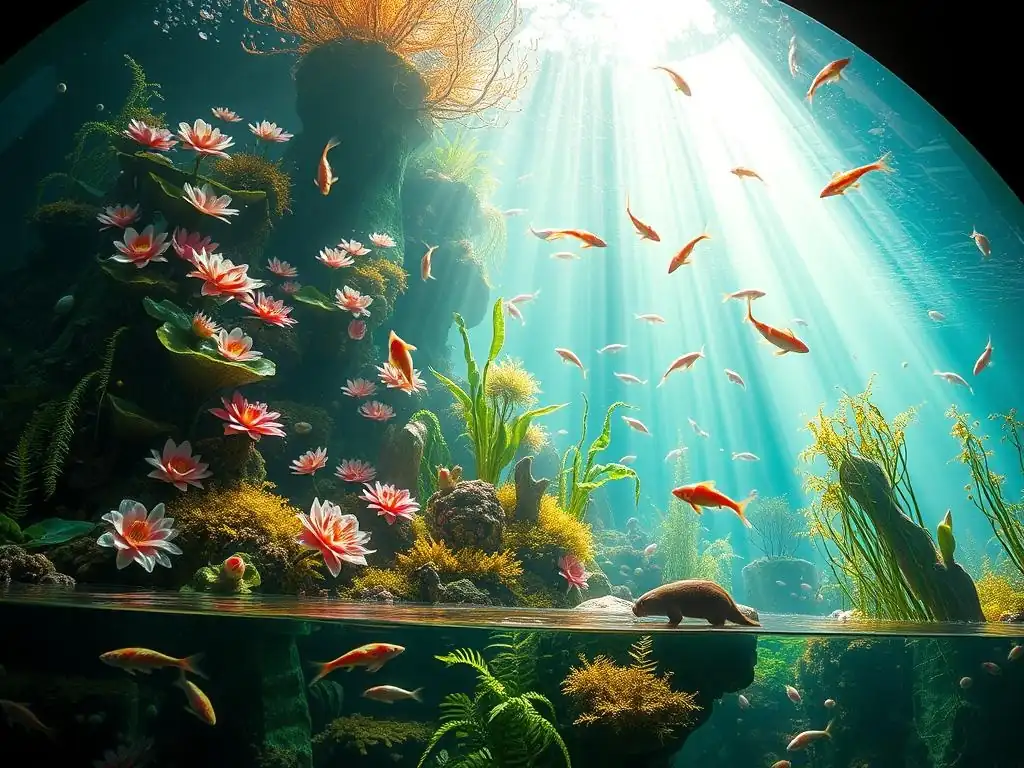
Welcome to Aquarium Mastery!
Ever wondered how to keep your aquarium ecosystem thriving, especially when it seems like your snail population is taking over? Dealing with snail overpopulation can be a real challenge, but don't worry! We're here to guide you through humane and effective strategies to restore balance to your underwater world. Dive in and discover the secrets to a healthy and harmonious aquarium!
- Understanding Snail Overpopulation in Freshwater Aquariums
- Humane Methods for Managing Snail Populations in Aquariums
- Biological Control: Introducing Natural Snail Predators
- Adjusting Aquarium Conditions to Limit Snail Reproduction
- Chemical Treatments: A Last Resort for Snail Control
- Preventing Future Snail Overpopulation: Long-Term Strategies
- Maintaining a Balanced Aquarium Ecosystem
-
Frequently Asked Questions
- How do I know if I have a snail overpopulation in my aquarium?
- What are some humane methods for controlling snail populations?
- How does overfeeding contribute to snail overpopulation?
- Are there any specific types of fish that effectively control snail populations?
- What preventative measures can I take to avoid snail overpopulation in the first place?
- Final Reflection: Cultivating Harmony in Our Gardens
- Ignite Change: Reclaim Your Aquarium Today!
Understanding Snail Overpopulation in Freshwater Aquariums
Why Snail Explosions Happen: Causes of Snail Overgrowth
Snail explosions in freshwater aquariums are primarily driven by an abundance of food, often resulting from overfeeding, decaying plant matter, or insufficient tank maintenance. These conditions create an ideal environment for rapid snail reproduction, as most common aquarium snails, such as Ramshorns and Bladder snails, are hermaphroditic and can reproduce quickly, laying dozens of eggs in a single clutch. Even a small amount of uneaten flake food, perhaps just 1-2 grams per day in a 20-gallon tank, can be enough to sustain a rapidly growing snail population, leading to a noticeable increase in their numbers within weeks.
Furthermore, the presence of excessive algae and biofilm, fueled by high nutrient levels from fish waste and uneaten food, provides an unlimited buffet for snails. When these primary food sources are plentiful, snails dedicate more energy to reproduction rather than foraging, leading to exponential population growth. Understanding these underlying causes is the first crucial step in effectively dealing with snail overpopulation and restoring balance to the aquarium ecosystem.
Identifying Common Aquarium Snail Species: Ramshorn, Pond, and Trumpet Snails
Several snail species commonly appear as "pest" snails in freshwater aquariums, each with distinct characteristics that contribute to their prolific nature. Ramshorn snails ( Planorbidae family) are easily identified by their flat, coiled shell resembling a ram's horn, often ranging from red to brown and growing up to 1 inch in diameter. They are highly adaptable and hermaphroditic, meaning a single snail can start a new population, making them notorious for rapid reproduction.
Pond snails, often referred to as Bladder snails ( Physa or Lymnaea species), are smaller, typically reaching about 0.5 inches, with a more elongated, dark shell and often seen crawling near the water surface or on plants. Like Ramshorns, they are hermaphroditic and incredibly prolific, laying transparent egg clutches on various surfaces. Malaysian Trumpet Snails (MTS) or Melanoides tuberculata are distinct with their conical, elongated shells, growing up to 1 inch, and their burrowing behavior. While they help aerate the substrate, they reproduce parthenogenetically (without a mate) and are livebearers, meaning a single snail can quickly lead to hundreds, making dealing with snail overpopulation a common challenge with this species.
The Impact of Excessive Snails on Your Aquarium Ecosystem
While a small population of snails can be beneficial, acting as detritus eaters and algae grazers, an excessive snail population can have several detrimental impacts on the aquarium ecosystem. Aesthetically, a tank overrun with hundreds or thousands of snails can be unappealing, covering glass, plants, and decorations. More importantly, a large snail bioload significantly increases the organic waste produced in the tank, leading to higher levels of ammonia, nitrite, and nitrate. This increased bioload can stress the aquarium's filtration system, potentially leading to poorer water quality and even dangerous ammonia or nitrite spikes that threaten fish health.
Moreover, an overwhelming number of snails can compete with fish for food, especially if food is scarce due to underfeeding fish in an attempt to curb snail growth. While most common pest snails primarily consume decaying plant matter and algae, in extreme numbers, they might occasionally nibble on delicate, healthy plants, particularly if their preferred food sources are depleted. Therefore, effectively dealing with snail overpopulation is not just about aesthetics but crucial for maintaining stable water parameters and the overall health of the aquarium inhabitants.
Humane Methods for Managing Snail Populations in Aquariums
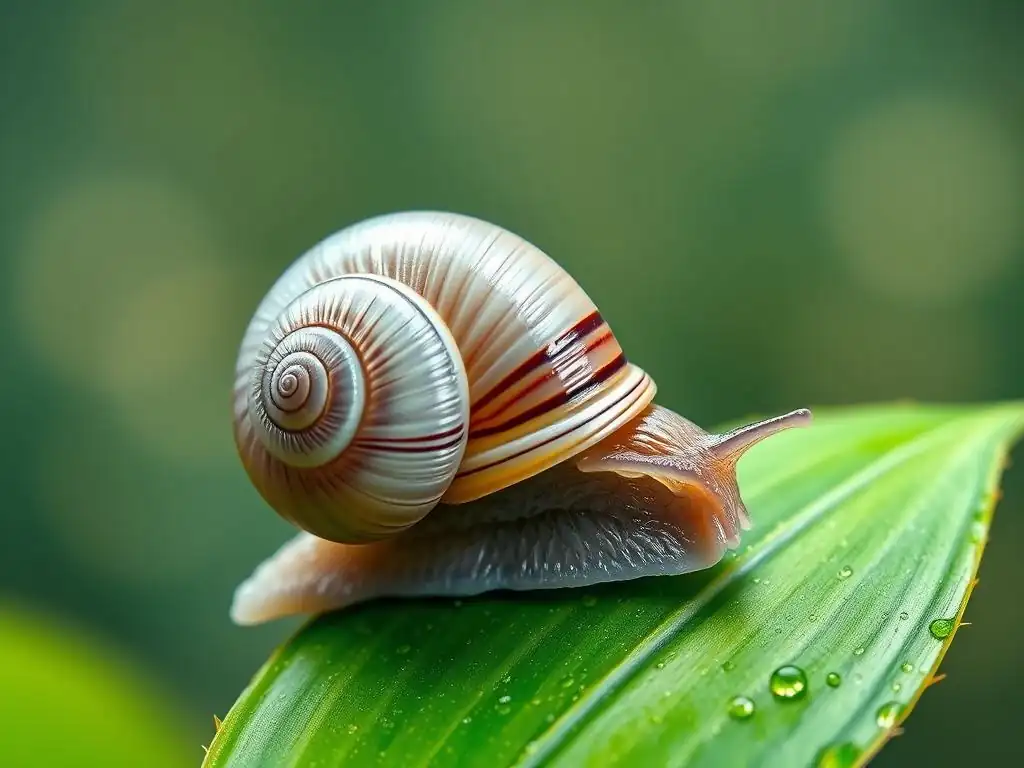
Manual Snail Removal: A Gentle Approach to Population Control
Manual snail removal is one of the simplest and most humane methods for dealing with snail overpopulation, especially for smaller outbreaks or as a routine maintenance task. This method involves physically picking snails out of the aquarium by hand, using a small net, or a siphon during water changes. For instance, spending 5-10 minutes during a weekly water change to remove visible snails from the glass and plant leaves can significantly curb their exponential growth, preventing a minor nuisance from becoming a full-blown infestation.
This approach is highly effective when consistently applied and causes no harm to fish or other desired invertebrates. While it may seem tedious for large populations, regular manual removal reduces the overall snail biomass and removes reproductive adults, thereby slowing down future population surges. It’s a proactive step that allows aquarists to maintain control without introducing chemicals or new inhabitants.
Trap Design and Placement: Lettuce Traps and DIY Options
Snail traps offer a passive yet effective way of dealing with snail overpopulation by luring snails into a confined space for easy removal. A common and highly effective DIY trap involves blanching a piece of lettuce, zucchini, or cucumber until soft, then placing it in the aquarium, often weighted down with a rock. Snails are highly attracted to decaying plant matter, and within a few hours or overnight, dozens, or even hundreds, of snails will congregate on the leaf. The leaf can then be carefully removed from the tank, along with the trapped snails.
For more sophisticated DIY options, a small, clean plastic container (like a film canister or a butter container) with a few holes can be baited with a sinking fish food pellet or a blanched vegetable piece. Place the trap in a low-flow area of the tank, preferably overnight, as snails are more active in the dark. This method exploits the snails' nocturnal foraging habits and their strong attraction to food, allowing for the removal of a large number of individuals at once without disturbing the tank's inhabitants.
Natural Predators: Introducing Snail-Eating Fish and Invertebrates (Considerations)
Introducing natural predators is a biological approach to dealing with snail overpopulation, offering a long-term solution by incorporating species that actively consume snails. However, this method requires careful consideration of tank size, water parameters, compatibility with existing inhabitants, and the specific needs of the predator species. For instance, while some fish are excellent snail eaters, they may grow too large for a typical home aquarium or exhibit aggressive behaviors.
This strategy is often most successful when combined with other methods, such as reducing food availability, to ensure the root cause of the snail explosion is addressed. Relying solely on predators without controlling food sources might lead to the predators not being effective enough, or the snails multiplying faster than they can be consumed. The next section will delve deeper into specific biological control agents and their unique considerations.
Biological Control: Introducing Natural Snail Predators
Assassin Snails (Clea Helena): A Targeted Biological Control Agent
Assassin snails, scientifically known as Clea helena, are perhaps the most targeted and effective biological control agent for dealing with snail overpopulation in freshwater aquariums. These carnivorous snails, typically growing up to 1 inch (2.5 cm), actively hunt and consume other snails, including pest species like Ramshorns, Pond snails, and even Malaysian Trumpet Snails. Their predatory nature is highly specific, and they generally pose no threat to healthy fish or shrimp, though very small, slow-moving shrimp fry might occasionally be at risk.
Unlike many pest snails, Assassin snails reproduce relatively slowly, laying only a few individual eggs at a time, preventing them from becoming an overpopulation issue themselves. For instance, 1-2 Assassin snails can effectively control the population in a 10-gallon tank, while a 50-gallon tank might need 5-8 individuals to make a significant impact within a few weeks to months. Once the pest snail population is decimated, Assassin snails will typically switch to scavenging for uneaten food or detritus, making them a sustainable solution.
Fish Species that Consume Snails: Loaches, Puffers, and Gouramis
Several fish species are known for their snail-eating habits, offering another biological avenue for dealing with snail overpopulation. Clown Loaches ( Chromobotia macracanthus) are highly effective snail predators, capable of devouring large numbers of snails, but they grow very large (up to 12 inches or 30 cm) and require spacious tanks (100+ gallons) and social groups of at least five or six. A group of juvenile Clown Loaches can decimate a snail population in a 75-gallon tank within weeks, but their long-term housing needs must be considered.
Dwarf Puffers ( Carinotetraodon travancoricus) are excellent snail eaters and remain small (up to 1 inch or 2.5 cm), making them suitable for smaller tanks. However, they are often aggressive and best kept in species-specific tanks or with very robust tankmates. Other fish that may consume snails include certain Gourami species, such as the Paradise Fish ( Macropodus opercularis), which are known snail eaters but can also be aggressive, and some Betta fish individuals, though their effectiveness varies widely. It is crucial to research the specific needs and temperament of any snail-eating fish before introduction to ensure compatibility and the well-being of all tank inhabitants.
Plant Considerations: Protecting Your Aquarium Plants
When introducing snail-eating fish or implementing other snail control methods, it's important to consider the impact on your aquarium plants. While most snail-eating fish will not intentionally harm healthy aquarium plants, some species, particularly certain types of puffers, might occasionally nip at delicate plant leaves if their primary food source (snails) becomes scarce or if they are not adequately fed. It's rare for common pest snails to damage healthy plants, as they primarily consume decaying plant matter and algae, but an extreme overpopulation might lead them to graze on softer plant leaves out of desperation.
Maintaining healthy, robust plants is also a key strategy in itself for dealing with snail overpopulation indirectly. Thriving plants outcompete algae for available nutrients, thereby reducing the primary food source for snails. Ensuring proper lighting, nutrient levels, and CO2 (if applicable) for your plants will not only enhance the aquarium's aesthetics but also create an environment less conducive to snail proliferation.
Adjusting Aquarium Conditions to Limit Snail Reproduction
Controlling Food Availability: Reducing Algae and Excess Food
Controlling food availability is arguably the most critical and effective long-term strategy for dealing with snail overpopulation. Snails reproduce rapidly when there is an abundance of food, primarily uneaten fish food, decaying plant matter, and algae. By reducing these food sources, you directly limit the snails' ability to grow and reproduce. The most common mistake aquarists make is overfeeding their fish; fish should only be fed what they can consume in 2-3 minutes, once or twice daily, with no food left to settle on the substrate.
For example, reducing daily food input by even 25% can lead to a noticeable decline in snail numbers over a month or two. Promptly removing any uneaten food after feeding is also essential. Similarly, addressing excessive algae growth through proper lighting schedules (e.g., 8-10 hours max for most tanks) and nutrient management will starve the snails of another key food source, making the environment less hospitable for their rapid multiplication.
Water Chemistry and Snail Growth: Calcium Levels and pH Influence
Water chemistry plays a role in snail growth and reproduction, primarily concerning calcium levels and pH. Snails require calcium to build and maintain their shells; therefore, higher calcium concentrations (found in hard water, typically with a General Hardness, GH, above 8 dGH) can support faster snail growth and more robust shell development, potentially leading to more rapid reproduction.
Conversely, very soft water (GH below 3 dGH) can inhibit shell development, but intentionally altering water parameters to such extremes is rarely a practical or advisable control method, as it can stress or harm the fish and plants suited for specific water types.
While manipulating water chemistry solely for snail control is generally not recommended, understanding this influence can provide context for why snails might thrive in certain setups. Maintaining stable, appropriate water parameters for your fish and plants should always take precedence, as a healthy, balanced ecosystem is the best defense against any pest issue, including dealing with snail overpopulation.
Plant Management: Minimizing Algae Growth on Plants
Effective plant management is a powerful tool in the arsenal for dealing with snail overpopulation, largely because healthy plants directly compete with algae for nutrients. Algae is a primary food source for many common pest snails, so reducing algae growth naturally limits the snail population. Ensuring your aquarium plants are thriving involves providing adequate, but not excessive, lighting (e.g., sticking to a consistent 8-hour photoperiod for most tanks), balanced fertilization, and, if applicable, sufficient CO2.
When plants are healthy and growing vigorously, they absorb excess nitrates and phosphates from the water, which are key nutrients for algae. This nutrient deprivation starves the algae, which in turn starves the snails. For instance, reducing daily light duration by just 1-2 hours can significantly curb algae growth, thus reducing the food available to snails and helping to control their numbers effectively. Regularly trimming decaying plant leaves also removes a significant food source for snails, as they readily consume decomposing organic matter.
Chemical Treatments: A Last Resort for Snail Control
Copper-Based Treatments: Risks and Considerations for Other Inhabitants
Chemical treatments for dealing with snail overpopulation should always be considered a last resort due to their potential risks to other aquarium inhabitants. Copper-based treatments are highly effective at killing snails because copper is toxic to all invertebrates. However, this toxicity extends to beneficial invertebrates like shrimp (e.g., Amano, Cherry shrimp), crabs, and even some sensitive fish species, particularly scaleless fish like loaches and some catfish. A typical therapeutic dose of copper can range from 0.15 to 0.25 mg/L, but even slight overdosing can be fatal to fish.
Furthermore, copper can be absorbed by the substrate and decorations, making it difficult to completely remove from the aquarium even after water changes. Residual copper can continue to pose a threat to future invertebrate introductions. Aquarists must exercise extreme caution, follow dosing instructions meticulously, and be prepared for potential adverse effects on non-target organisms.
Other Chemical Options: Potassium Permanganate
Potassium permanganate is another chemical option sometimes used for snail control, though its application is usually limited to plant dips rather than in-tank treatments due to its strong oxidizing properties and potential to harm fish and plants if not used carefully. When used as an in-tank treatment, it can rapidly deplete oxygen levels in the water, which can be dangerous for fish, especially in heavily stocked tanks.
As a plant dip, a common concentration is 10 mg/L for 10-15 minutes, followed by thorough rinsing, to kill snail eggs and adult snails on new plants before introduction to the main tank. However, its use in a display tank is complex and carries significant risks, including staining tank components purple and potentially causing severe stress or death to fish and beneficial bacteria if not managed with extreme precision. Therefore, it is rarely recommended as a primary method for dealing with snail overpopulation within an established aquarium.
Safe Application and Post-Treatment Care: Protecting Your Aquarium
If chemical treatment becomes absolutely necessary for dealing with snail overpopulation, safe application and diligent post-treatment care are paramount to protect your aquarium. Before applying any chemical, remove all desired invertebrates, such as shrimp and nerite snails, to a separate, temporary holding tank. Carefully calculate the precise volume of your aquarium and dose the chemical strictly according to the manufacturer's instructions, never exceeding the recommended amount. Overdosing can lead to catastrophic consequences for fish and the beneficial bacterial colony in your filter.
After the treatment period, large water changes (e.g., 50-70%) are often required to dilute and remove the chemical from the water column. Running activated carbon in your filter immediately post-treatment is also highly recommended, as carbon effectively adsorbs many aquarium medications and chemicals. Be vigilant in monitoring water parameters (ammonia, nitrite, nitrate) in the days following treatment, as a mass die-off of snails can cause a significant ammonia spike, necessitating further water changes to maintain a safe environment for your fish.
Preventing Future Snail Overpopulation: Long-Term Strategies
Quarantine New Plants: Preventing Snail Introduction
One of the most common ways snails enter an aquarium is by hitchhiking on new live plants, often as tiny snails or invisible egg clutches. Therefore, quarantining and properly treating new plants is a critical long-term strategy for preventing future snail overpopulation. Before introducing any new plant to your display tank, thoroughly inspect it for visible snails and egg masses. Even if none are seen, performing a plant dip is highly advisable.
Common plant dips include an alum solution (1-2 tablespoons per gallon of water for 2-3 hours), a potassium permanganate solution (10 mg/L for 10-15 minutes), or a very dilute bleach solution (1 part bleach to 19 parts water for 1-2 minutes). After any dip, ensure the plants are thoroughly rinsed with dechlorinated water before adding them to the aquarium. This simple preventive measure can save countless hours of dealing with snail overpopulation down the line.
Regular Tank Maintenance: Preventing Algae Blooms
Consistent and thorough regular tank maintenance is fundamental in preventing algae blooms and, consequently, limiting the food sources that fuel snail populations. Performing weekly partial water changes (e.g., 25-30% of the tank volume) is crucial for removing excess nitrates and phosphates, which are primary nutrients for algae. During these water changes, thoroughly vacuum the substrate to remove uneaten food, fish waste, and decaying plant matter, all of which contribute to the nutrient load and serve as direct food for snails.
Cleaning filter media regularly (rinsing in old tank water to preserve beneficial bacteria) also helps maintain efficient filtration and reduces organic buildup. For example, a 20-gallon tank with weekly 25% water changes and diligent gravel vacuuming will remove significantly more potential snail food than a tank with sporadic maintenance, making it much harder for snail populations to explode. A clean aquarium environment with minimal detritus naturally discourages snail proliferation, making dealing with snail overpopulation less of a concern.
Responsible Feeding Practices: Avoiding Overfeeding
Responsible feeding practices are the cornerstone of preventing future snail overpopulation and maintaining a healthy aquarium ecosystem. Overfeeding is the single most common cause of snail explosions because uneaten food quickly breaks down, providing a rich and continuous food source for snails. It is imperative to feed your fish only what they can consume entirely within 2-3 minutes, and no more than once or twice a day for most species.
Using a feeding ring can help contain floating foods, making it easier to observe if all food is being consumed and to remove any uneaten portions promptly. Understand that even a small pinch of flake food left uneaten daily can accumulate to provide a substantial food source for hundreds of snails over a month. By adopting a "less is more" approach to feeding and observing your fish carefully during meal times, you significantly reduce the primary fuel for snail reproduction, making it the most effective long-term strategy for dealing with snail overpopulation proactively.
Maintaining a Balanced Aquarium Ecosystem
The Role of Snails in a Healthy Aquarium
While the focus is often on dealing with snail overpopulation, it's important to recognize that snails can play a beneficial role in a healthy aquarium ecosystem when their numbers are kept in check. A small, controlled population of snails acts as part of the tank's clean-up crew. They consume detritus, such as decaying plant matter and uneaten food, helping to break down organic waste and prevent its accumulation. Many species, like Ramshorns and Bladder snails, are excellent algae grazers, keeping glass and decorations clean.
Malaysian Trumpet Snails, in particular, are valuable for aerating the substrate as they burrow, preventing anaerobic pockets that can release harmful gases. For instance, having 10-20 small snails in a 20-gallon tank can be beneficial without causing issues, contributing to nutrient cycling and tank cleanliness. They are natural indicators of overfeeding or excess nutrients; a sudden boom in their population often signals an imbalance that needs addressing.
Monitoring Snail Populations Regularly
Regular monitoring of snail populations is a proactive measure that allows aquarists to detect early signs of an impending overpopulation before it becomes a significant problem. Integrating a quick check of snail numbers into your routine tank maintenance, such as during weekly water changes, is highly effective. Pay attention to how many snails are visible on the glass, plants, and substrate.
If you start noticing a gradual but consistent increase in snail numbers—for example, seeing 5-10 new snails every day where you previously saw only a few—it's a clear indication that proactive measures for dealing with snail overpopulation are needed. Early detection allows for simpler, less drastic interventions, such as slightly reducing feeding or manual removal, before resorting to more intensive methods like traps or biological controls.
Creating a Sustainable and Thriving Aquatic Environment
Ultimately, creating a sustainable and thriving aquatic environment is the most effective long-term solution for dealing with snail overpopulation. This involves a holistic approach that combines diligent aquarium husbandry practices, responsible feeding, and understanding the delicate balance of the ecosystem. It's about preventing the conditions that lead to snail explosions rather than constantly reacting to them.
A well-maintained aquarium with appropriate feeding practices, regular water changes, proper plant care, and vigilant monitoring rarely faces severe snail outbreaks. By focusing on nutrient control, maintaining excellent water quality, and considering the needs of all inhabitants, aquarists can foster a balanced ecosystem where snail populations remain at a manageable and even beneficial level, ensuring the long-term health and beauty of their aquatic world.
Frequently Asked Questions
How do I know if I have a snail overpopulation in my aquarium?
A snail overpopulation is usually indicated by a sudden increase in the number of snails in your tank, often accompanied by excessive algae growth or visible signs of snail eggs.
What are some humane methods for controlling snail populations?
Humane methods include manual removal of snails, introducing snail-eating fish or invertebrates, and reducing the amount of food available to the snails.
How does overfeeding contribute to snail overpopulation?
Overfeeding leads to excess uneaten food in the aquarium, which serves as a primary food source for snails, allowing them to reproduce rapidly.
Are there any specific types of fish that effectively control snail populations?
Yes, certain fish species, like assassin snails, loaches, and some pufferfish, are known to actively hunt and consume snails, helping to control their numbers.
What preventative measures can I take to avoid snail overpopulation in the first place?
Preventative measures include carefully inspecting new plants for snails or eggs before introducing them to your aquarium and avoiding overfeeding your fish to limit the snails' food supply.
Final Reflection: Cultivating Harmony in Our Gardens
The strategies outlined in this article, focused on dealing with snail overpopulation, are more than just methods for pest control; they represent a conscious effort to cultivate balance within our garden ecosystems. In a world increasingly dominated by quick fixes and drastic measures, embracing humane and effective approaches to managing snail populations reflects a deeper commitment to responsible stewardship of the natural world around us.
This journey into understanding and managing snail populations has profoundly influenced my perspective on the interconnectedness of life. It's a reminder that even the smallest creatures play a vital role, and our actions have far-reaching consequences. The greatness of a nation and its moral progress can be judged by the way its animals are treated.
- Mahatma Gandhi. This quote resonates deeply, urging us to consider the ethical implications of our interactions with all living beings, including the humble snail.
As you step back into your garden, armed with these strategies, I invite you to reflect on your role within this intricate web of life. Consider how you can contribute to a thriving ecosystem, one where balance is not just a goal, but a way of life. Let us all strive to be mindful stewards, fostering harmony and abundance for all creatures, great and small.
Ignite Change: Reclaim Your Aquarium Today!
Thank you for diving deep into the world of snail population control! We hope you found practical strategies to maintain a balanced and thriving aquarium ecosystem. Now, let's put that knowledge into action.
- Immediately implement one of the discussed population control methods, focusing on manual removal or introducing a natural predator like the assassin snail.
- Share your newfound wisdom! Spread this article with fellow aquarium enthusiasts to foster a community of balanced ecosystems.
- Experiment with unconventional methods: Try a snail trap made from a lettuce leaf or cucumber slice to observe its effectiveness in your unique aquarium environment.
What specific challenges have you faced with snail control, and what methods are you most eager to try first?