
Building a Nano Reef? Discover the Best Tiny Tank Mates for Small Spaces

Welcome to Aquarium Mastery!
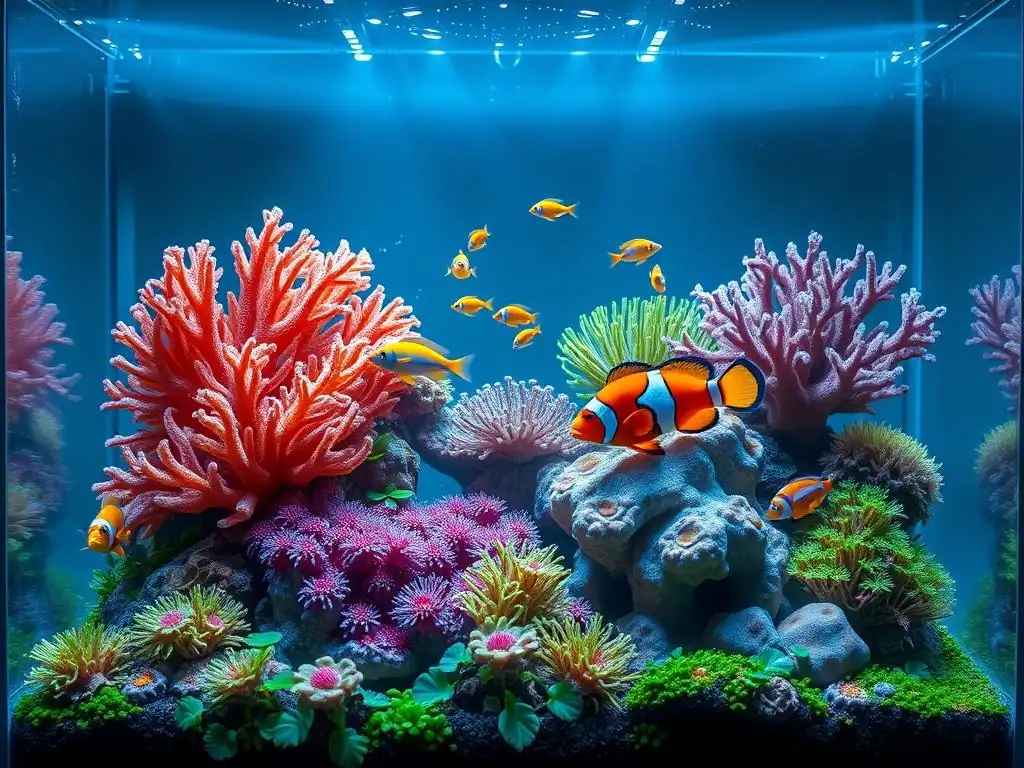
Ever dreamt of a vibrant coral reef, teeming with life, all within a compact nano reef tank? But which creatures are truly suited for such a small space? Dive into our guide to uncover the best tiny tank mates that will thrive in your nano reef, creating a stunning underwater ecosystem right in your home! Get ready to discover the secrets to a balanced and beautiful nano reef.
- Introduction to Nano Reef Aquariums and Suitable Tank Mates
- Top Invertebrate Nano Reef Tank Mates: A Comprehensive Guide
- Best Fish for Nano Reefs: Small, Peaceful, and Reef-Safe
- Considerations Before Adding Nano Reef Tank Mates
- Avoiding Common Mistakes with Nano Reef Tank Mates
- Setting Up Your Nano Reef for Success: A Quick Checklist
- Conclusion: Creating a Thriving Nano Reef Ecosystem with the Right Tank Mates
-
Frequently Asked Questions
- What exactly is a nano reef tank?
- Why is choosing the right tank mates crucial for nano reef tanks?
- What are some good examples of suitable nano reef tank mates?
- How do I ensure the chosen tank mates won't outgrow my nano reef?
- What factors besides size should I consider when selecting nano reef tank mates?
- Final Reflection: The Thriving Miniature
- Dive Deeper: Start Your Nano Reef Journey Today!
Introduction to Nano Reef Aquariums and Suitable Tank Mates
What is a Nano Reef and Why Choose One?
A nano reef aquarium is a miniature saltwater environment, typically defined as any reef tank under 30 gallons in capacity, with many popular setups ranging from 5 to 20 gallons. These compact ecosystems offer a captivating glimpse into the marine world, making them ideal for those with limited space or budget. Despite their small footprint, nano reefs can house a stunning array of corals, invertebrates, and even a select few species of small, peaceful fish, creating a vibrant and dynamic display.
Choosing a nano reef often appeals to aquarists looking for a less demanding setup in terms of physical space and initial cost compared to larger reef systems. They are perfect for desktops, small apartments, or as a secondary display tank. While they require diligent care due to their inherent instability, the ability to create a thriving, intricate marine ecosystem in such a small volume is incredibly rewarding for dedicated hobbyists.
The Importance of Selecting Appropriate Nano Reef Tank Mates
The success of any nano reef hinges critically on the careful selection of its inhabitants, particularly your nano reef tank mates. Due to the limited water volume, every organism introduced has a disproportionately larger impact on the overall ecosystem compared to a larger tank. Overstocking or introducing incompatible species can quickly lead to deteriorated water quality, increased aggression, and ultimately, the demise of the entire system.
Choosing the right nano reef tank mates ensures a harmonious environment where all inhabitants can thrive. This involves meticulous research into each species' adult size, temperament, dietary needs, and specific environmental requirements. Prioritizing small, peaceful, and reef-safe species that naturally occupy different niches within the tank will minimize competition and stress, allowing your miniature reef to flourish and provide a long-lasting, beautiful display.
Understanding the Challenges of Small Reef Tanks
While nano reefs offer unique appeal, they present distinct challenges that aquarists must understand and mitigate. The primary difficulty stems from the small water volume, which makes these systems highly susceptible to rapid fluctuations in water parameters. Ammonia, nitrite, and nitrate levels can spike quickly from overfeeding or decaying organic matter, and pH, alkalinity, calcium, and salinity can shift dramatically with evaporation or minor dosing errors.
Furthermore, the limited space within a nano reef restricts the number and type of nano reef tank mates that can be safely housed. Aggressive or territorial fish, even small ones, can become problematic in confined spaces, leading to stress and injury among other inhabitants. Waste accumulation is also a significant concern, necessitating diligent maintenance routines, including frequent water changes and careful feeding, to maintain optimal water quality and the overall health of the delicate ecosystem.
Top Invertebrate Nano Reef Tank Mates: A Comprehensive Guide
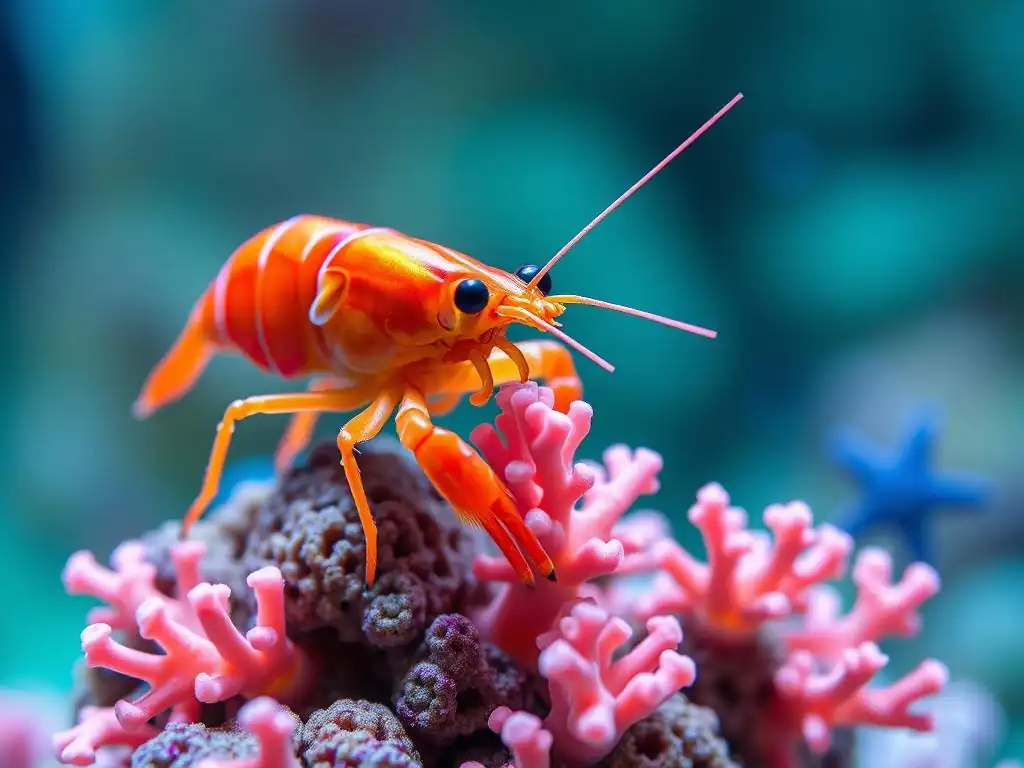
Invertebrates are the backbone of a healthy nano reef, providing essential cleanup services and adding fascinating diversity. When selecting nano reef tank mates, invertebrates are often the first choice due to their small size and specific ecological roles.
Snails for Nano Reefs: Algae Control Experts
Snails are indispensable nano reef tank mates, acting as the primary cleanup crew by grazing on nuisance algae and consuming detritus. A diverse mix of snail species can address different types of algae and reach various areas of the tank.
Cerith Snails: Efficient Detritus and Algae Eaters
Cerith snails (Cerithium spp.) are highly effective and popular nano reef tank mates, prized for their ability to consume a wide range of detritus, diatoms, and cyanobacteria. These active grazers will scour your sand bed, live rock, and tank glass, helping to keep the substrate clean and prevent algae blooms. Their conical shells allow them to navigate tight spaces and burrow slightly into the sand, contributing to substrate aeration.
For a typical 10-gallon nano reef, a starting population of 3-5 Cerith snails is often recommended to establish an effective cleanup crew. They are hardy, peaceful, and pose no threat to corals or other invertebrates, making them an excellent foundational choice for any nano reef setup seeking reliable algae control.
Nassarius Snails: Scavengers for a Clean Substrate
Nassarius snails (Nassarius spp.) are unique and highly beneficial nano reef tank mates, known for their scavenging habits. These snails primarily reside in the sand bed, emerging quickly when food is detected, often within minutes of feeding. They burrow through the substrate, consuming uneaten food particles and decaying organic matter, which prevents the buildup of harmful compounds like nitrates and phosphates.
Their constant movement through the sand also helps to prevent anaerobic pockets from forming, which can release toxic hydrogen sulfide gas. A general guideline is to include 1-2 Nassarius snails per 5 gallons of water in a nano reef, ensuring the sand bed remains aerated and free of detritus, thus contributing significantly to overall water quality.
Nerite Snails: Reliable Algae Grazers on Glass and Decorations
Nerite snails (Nerita spp.) are excellent nano reef tank mates specifically for their prowess in consuming tough green film algae and diatoms from tank glass and hard surfaces. Unlike some other snail species, Nerites do not reproduce in saltwater, so you won't experience an overwhelming population explosion, making them a manageable addition to small tanks. Their strong rasping mouthparts are highly effective at cleaning smooth surfaces.
While they may sometimes lay small, white, sesame-seed-like eggs on glass or rockwork, these will not hatch in a marine environment. For effective algae control in a nano reef, consider adding 1-2 Nerite snails for every 10 gallons, ensuring your viewing panes remain clear and aesthetically pleasing without constant manual scraping.
Shrimp for Nano Reefs: Colorful and Functional Additions
Shrimp add movement, color, and practical benefits to a nano reef, often acting as cleaners or pest controllers. These nano reef tank mates are generally peaceful and fascinating to observe.
Cleaner Shrimp: Parasite Control and Display Value
Cleaner shrimp, primarily the Skunk Cleaner Shrimp (Lysmata amboinensis) and Fire Shrimp (Lysmata debelius), are highly sought-after nano reef tank mates. They are renowned for their symbiotic relationship with fish, actively removing parasites and dead tissue from their hosts, often setting up "cleaning stations" where fish will present themselves for inspection. Beyond their practical utility, their vibrant colors and engaging behavior make them beautiful display animals.
A single cleaner shrimp is an excellent addition to most nano reefs over 10 gallons. They are peaceful and compatible with nearly all reef inhabitants, including corals and other invertebrates. Their fascinating cleaning rituals and active foraging for detritus make them both functional and captivating additions to your small marine ecosystem.
Peppermint Shrimp: Aiptasia Anemone Control
Peppermint shrimp (Lysmata wurdemanni) are invaluable nano reef tank mates for their specific ability to control and eliminate nuisance Aiptasia anemones. Aiptasia are prolific pests that can quickly spread and sting corals, making them a significant problem in many reef tanks. Peppermint shrimp are natural predators of these anemones, often consuming them entirely.
For moderate Aiptasia infestations in a nano reef, introducing 1-3 Peppermint shrimp is typically recommended. While not all individuals will be equally enthusiastic Aiptasia eaters, they remain a primary biological control method. Beyond Aiptasia, they also act as general scavengers, consuming uneaten food and detritus, further contributing to a clean nano reef environment.
Sexy Shrimp: Unique Movement and Reef-Safe Behavior
Sexy shrimp (Thor amboinensis) are tiny, charismatic nano reef tank mates that bring a unique flair to small aquariums. Measuring less than an inch, these dwarf shrimp are named for their continuous tail-waving motion. They are often found in small groups and are known to form symbiotic relationships with various anemones and corals, though they are completely reef-safe and will not harm their hosts.
Their small size makes them perfect for even the smallest nano reefs, such as 5-gallon pico tanks. A group of 3-5 Sexy shrimp can be a delightful addition, providing constant activity and an interesting focal point without adding significantly to the bioload. They are peaceful and easy to care for, thriving on small bits of uneaten food or target feeding.
Crabs for Nano Reefs: Handling with Care
Crabs can be interesting nano reef tank mates, but their selection requires more caution than snails or shrimp due to potential predatory tendencies or general boisterousness.
Emerald Crabs: Bubble Algae Control (Use with Caution)
Emerald crabs (Mithraculus sculptus) are often introduced into nano reefs as a biological control for bubble algae (Valonia spp. ), a problematic green macroalgae. These crabs can be quite effective at consuming bubble algae, which is notoriously difficult to eradicate manually. They are active and visually interesting, adding a unique element to the cleanup crew.
However, caution is advised as larger or underfed Emerald crabs can become opportunistic predators, potentially nipping at corals, small snails, or even tiny fish. For this reason, it's generally recommended to introduce only one small Emerald crab (under 1.5 inches) into a nano reef over 15 gallons and monitor its behavior closely. Providing supplemental food can help reduce the likelihood of them turning to other inhabitants.
Porcelain Crabs: Filter Feeders and Reef Symbionts
Porcelain crabs (Neopetrolisthes spp.) are fascinating and entirely reef-safe nano reef tank mates. Unlike many other crabs, they are filter feeders, using specialized feathery appendages to filter plankton and detritus from the water column. They are very small, typically reaching only about an inch in diameter, making them ideal for even the smallest nano reef setups.
Many species of porcelain crabs form symbiotic relationships with anemones or corals, residing safely within their host's tentacles. They are peaceful and pose no threat to other inhabitants or corals. Their unique feeding method and shy demeanor make them a captivating, yet unobtrusive, addition to a well-established nano reef, especially those with larger host anemones.
Hermit Crabs: Detritus Control and Shell Selection
Hermit crabs, such as the Blue-legged (Clibanarius tricolor) and Scarlet-legged (Paguristes cadenati) hermit crabs, are common nano reef tank mates known for their role as detritus and algae eaters. They actively scavenge the rockwork and sand bed for uneaten food and decaying matter, contributing to the tank's cleanliness. Their constant movement also helps stir the sand, preventing dead spots.
It's crucial to provide an ample supply of empty shells of various sizes, as hermit crabs will periodically need to upgrade their homes as they grow. Without suitable shells, they may attempt to evict snails from their shells, which can be detrimental to your cleanup crew. For a 10-gallon nano reef, 2-3 small hermit crabs are usually sufficient, ensuring they have plenty of room and shells to choose from.
Best Fish for Nano Reefs: Small, Peaceful, and Reef-Safe
Selecting fish for a nano reef requires careful consideration of their adult size, temperament, and compatibility with a small, enclosed environment. The best nano reef fish are typically under 4 inches, peaceful, and do not require extensive swimming space.
Gobies: Colorful and Active Nano Reef Inhabitants
Gobies are among the most popular and suitable nano reef fish due to their small size, vibrant colors, and often fascinating behaviors. They typically stay near the substrate or perch on live rock, making them excellent choices for limited vertical space.
Clown Gobies: Peaceful and Hardy Nano Reef Fish
Clown Gobies (Gobiodon spp.) are ideal nano reef fish, rarely exceeding 2 inches in length. They are known for their charming personalities, often perching on corals or rockwork, observing their surroundings. These tiny fish come in various vibrant colors, including yellow, green, and black, adding a splash of color without a significant bioload.
Clown Gobies are generally peaceful and hardy, making them suitable for tanks as small as 5 gallons. They are reef-safe, posing no threat to corals or most invertebrates. While they may occasionally nip at the polyps of LPS corals like Acans or Blastomussa, this behavior is rare and usually harmless. Their small size and calm demeanor make them excellent primary inhabitants for a thriving nano reef.
Yellow Watchman Goby: Sand Sifting and Burrowing Behavior
The Yellow Watchman Goby (Cryptocentrus cinctus) is a popular and engaging nano reef fish, reaching a maximum size of about 4 inches. These gobies are famous for their symbiotic relationship with pistol shrimp, with whom they share a burrow, the goby acting as a lookout while the shrimp maintains the burrow. Even without a pistol shrimp, they will create and maintain their own burrows in the sand.
A 15-gallon nano reef with a deep sand bed (at least 2-3 inches) is generally the minimum recommended size for a Yellow Watchman Goby. They are peaceful and spend most of their time sifting sand, which helps keep the substrate clean. Their calm nature and interesting burrowing behavior make them a captivating addition, provided adequate space and a suitable substrate are available for their unique habits.
Neon Goby: Parasite Control and Vibrant Colors
The Neon Goby (Elacatinus oceanops) is a tiny, active nano reef fish, typically growing no larger than 2 inches. These gobies are characterized by their striking iridescent blue stripe that runs along their body. Beyond their aesthetic appeal, Neon Gobies are known for their natural inclination to act as "cleaner fish," occasionally picking parasites and dead skin off larger tank mates, though this behavior is less pronounced in a home aquarium than in the wild.
They are extremely peaceful and are among the best fish for nano reefs as small as 5 gallons. Neon Gobies are hardy and easily adapt to captive life, readily accepting prepared foods. Their constant movement and vibrant coloration make them an excellent choice for adding life and visual interest to a small reef system without contributing to aggression or overstocking.
Blennies: Algae Grazers and Personality Plus
Blennies are another group of fantastic nano reef fish, known for their unique personalities and often beneficial algae-grazing habits. They are typically bottom-dwellers, perching on rocks and observing their surroundings.
Tailspot Blenny: Hardy Algae Eater for Nano Reefs
The Tailspot Blenny (Ecsenius stigmatura) is an excellent choice for a nano reef, reaching a maximum size of about 3 inches. This blenny is highly valued for its industrious algae-grazing habits, actively picking at nuisance algae on live rock. Its distinctive black spot at the base of its tail and curious facial expressions make it a charming and engaging inhabitant.
Tailspot Blennies are peaceful and hardy, making them suitable for nano reefs 10 gallons and larger. They spend their time perching on rockwork, darting around to graze, and occasionally retreating into small crevices. Their consistent algae control and peaceful nature make them a top recommendation for hobbyists seeking a functional and characterful nano reef fish.
Bicolor Blenny: Bold Personality in a Small Package
The Bicolor Blenny (Ecsenius bicolor) is a popular nano reef fish, growing up to 4 inches, known for its distinct two-toned coloration and bold personality. The front half of its body is typically dark blue or brown, transitioning to a bright orange or yellow tail end. These blennies are excellent algae grazers, helping to keep rockwork free of unwanted growths.
While generally peaceful, Bicolor Blennies can occasionally be territorial towards similar-looking fish or other blennies in very small tanks. For this reason, they are best suited for nano reefs 15 gallons or larger as a single specimen. Their active grazing and curious demeanor provide constant entertainment, making them a fantastic choice for those looking for a fish with a lot of personality in a compact form.
Other Suitable Nano Reef Fish Options
Beyond gobies and blennies, a few other species can thrive as nano reef tank mates, offering unique characteristics and behaviors.
Assessors: Unique Swimming Style and Peaceful Nature
Assessors (Assessor macneilli, Assessor flavissimus) are lesser-known but highly suitable nano reef fish, typically growing to about 3 inches. These unique fish are known for their unusual swimming style, often hovering upside down or vertically under ledges and caves. They are incredibly peaceful and shy, making them excellent tank mates for other docile species.
Due to their shy nature and preference for hiding, a 15-gallon nano reef with ample rockwork and crevices is recommended to provide them with security. Assessors are reef-safe and pose no threat to corals or invertebrates. Their distinctive appearance and calm demeanor make them a fascinating and unusual addition for aquarists looking for something truly different in their nano reef.
Firefish Goby: Peaceful and Attractive Schooling Fish
The Firefish Goby (Nemateleotris magnifica) is an exceptionally beautiful and peaceful nano reef fish, reaching a maximum size of about 3 inches. Characterized by its vibrant red, orange, and white coloration and elongated dorsal fin, the Firefish adds elegance and movement to any nano reef. While often called a goby, it's actually a dartfish, known for darting into hiding spots when startled.
A 10-gallon nano reef is suitable for a single Firefish, though a pair or small group can be kept in larger nano setups (20+ gallons) if introduced simultaneously. They are very peaceful and entirely reef-safe. It's crucial to have a tight-fitting lid, as Firefish are notorious jumpers, especially when acclimating or startled. Their active swimming and striking appearance make them a centerpiece worthy nano reef inhabitant.
Considerations Before Adding Nano Reef Tank Mates
Introducing new nano reef tank mates is a critical step that requires careful planning and execution to ensure the long-term health and stability of your miniature ecosystem. Several key factors must be thoroughly considered before any new inhabitant enters your tank.
Water Quality: Maintaining a Stable Environment in Small Tanks
Maintaining pristine and stable water quality is paramount in a nano reef due to its small volume, which offers little buffering capacity against fluctuations. Regular testing of essential parameters is non-negotiable. Salinity should be maintained between 1.023 and 1.026 specific gravity, ideally with an auto top-off (ATO) system to compensate for evaporation and prevent salinity swings. Temperature should remain stable between 75-80°F (24-27°C).
Beyond these, alkalinity (8-12 dKH), calcium (400-450 ppm), and magnesium (1200-1350 ppm) are crucial for coral health and must be monitored weekly, with appropriate dosing if levels fall. Nitrates should be kept below 10 ppm and phosphates below 0.03 ppm to prevent nuisance algae growth. Any introduction of new nano reef tank mates will increase the bioload, making consistent water quality management even more critical for success.
Tank Size and Compatibility: Ensuring Adequate Space and Avoiding Aggression
The limited space of a nano reef demands meticulous consideration of adult size and territorial needs for every potential nano reef tank mate. Overstocking is the most common mistake in small tanks, leading to poor water quality, increased stress, and aggression among inhabitants. A general rule of thumb for nano reef fish is to select species that will not exceed 3-4 inches in adult length, and even then, only a very limited number can be housed.
Thorough research into the temperament and specific space requirements of each species is vital. For example, while a Clown Goby might be suitable for a 5-gallon tank, a Yellow Watchman Goby requires at least 15 gallons due to its burrowing behavior. Introducing aggressive or territorial fish into a confined space will invariably lead to stress, disease, and potential fatalities for other nano reef tank mates. Prioritize peaceful, community-oriented species and ensure they have adequate room to establish their own small territories without conflict.
Feeding Requirements: Providing Proper Nutrition for All Inhabitants
Proper nutrition is essential for the health and longevity of your nano reef tank mates. Due to the small water volume, overfeeding can quickly degrade water quality, leading to spikes in nitrates and phosphates. Therefore, it's crucial to feed small amounts, multiple times a day, rather than one large feeding. Observe your inhabitants to ensure all are getting enough food without excess decaying in the tank.
Different nano reef tank mates have varied dietary needs. Herbivores like blennies and some snails require access to algae or supplemental veggie clips. Carnivores like gobies need meaty foods such as mysis shrimp, brine shrimp, or high-quality pellets. Filter feeders like porcelain crabs or certain corals benefit from targeted liquid or powdered foods. A varied diet ensures all inhabitants receive necessary nutrients, promoting vibrant colors, strong growth, and overall vitality in your nano reef.
Quarantine Procedures: Preventing Disease Introduction
Quarantine is an absolutely critical, non-negotiable step before introducing any new nano reef tank mates into your main display tank. A separate, bare-bones quarantine tank (QT) of 5-10 gallons, equipped with a heater, small filter, and PVC pipes for hiding, should be used for this purpose. New fish and invertebrates should spend at least 4-6 weeks in quarantine, allowing you to observe them for signs of disease or parasites.
During this period, you can treat any observed ailments without risking the established ecosystem of your main nano reef. Common marine diseases like Ich (Cryptocaryon irritans) or Velvet (Amyloodinium ocellatum) can decimate an entire tank quickly if introduced directly. By quarantining, you protect your existing, healthy nano reef tank mates and significantly reduce the risk of a catastrophic outbreak, saving you time, money, and heartache in the long run.
Avoiding Common Mistakes with Nano Reef Tank Mates
Even experienced aquarists can fall prey to common pitfalls when stocking nano reefs. Understanding and actively avoiding these mistakes is crucial for the long-term success and stability of your miniature marine ecosystem.
Overstocking: The Dangers of Too Many Inhabitants
Overstocking is arguably the most common and detrimental mistake made in nano reefs. It directly leads to a cascade of negative consequences that severely compromise the tank's health. More nano reef tank mates mean a higher bioload, resulting in a rapid accumulation of waste products like ammonia, nitrite, and nitrate. This, in turn, stresses inhabitants, weakens their immune systems, and makes them highly susceptible to disease.
Furthermore, overstocking dramatically increases competition for limited space, food, and hiding spots, leading to heightened aggression and stress among fish and invertebrates. A 10-gallon nano reef, for instance, might only comfortably house one or two very small fish and a handful of invertebrates, not a dozen. Prioritizing quality over quantity and adhering to strict stocking guidelines for each species' adult size is paramount for a thriving, stable nano reef.
Choosing Incompatible Species: Preventing Aggression and Competition
Introducing incompatible nano reef tank mates can quickly turn a peaceful aquarium into a battleground. This mistake often stems from insufficient research into the adult temperament, territorial needs, and specific dietary habits of each species. For example, while a tiny damselfish might seem appealing in a store, many species become highly aggressive and territorial in a confined nano reef, constantly harassing other, more docile inhabitants.
Similarly, pairing a large, predatory shrimp with tiny Sexy Shrimp, or housing certain crabs with delicate corals, can lead to unintended predation or damage. Always research the specific interactions between potential nano reef tank mates. Look for species that occupy different niches (e.g., a sand-dweller, a rock-percher, and a water column swimmer) and have similar temperament requirements to minimize direct competition and ensure a harmonious community.
Ignoring Water Parameters: Maintaining a Healthy Reef Environment
Neglecting consistent monitoring and maintenance of water parameters is a critical error in any reef tank, but it is especially perilous in a nano reef. Due to their small water volume, nano reefs have very little buffering capacity, meaning parameters can fluctuate rapidly and dramatically in response to minor changes like evaporation, overfeeding, or the introduction of new nano reef tank mates. This instability directly stresses corals and fish, making them vulnerable to disease and preventing proper growth.
Regular testing (daily for salinity/temperature, weekly for alkalinity, calcium, magnesium, nitrate, and phosphate) and prompt, precise adjustments are essential. Relying solely on visual cues is insufficient; by the time problems are visible (e.g., algae blooms, coral recession), the water quality has likely been poor for some time. Consistent water changes (e.g., 10-20% weekly or bi-weekly depending on bioload) are also vital to export accumulated nutrients and replenish trace elements, ensuring a stable and healthy environment for all nano reef tank mates.
Setting Up Your Nano Reef for Success: A Quick Checklist
A well-planned setup is the foundation for a thriving nano reef. Before even considering nano reef tank mates, ensure your system is robust and stable.
Selecting the Right Equipment: Lighting, Filtration, and Flow
Choosing appropriate equipment is crucial for a successful nano reef. For lighting, an LED fixture specifically designed for reef aquariums is essential, providing the necessary spectrum and intensity for coral growth. Brands like Kessil, AI Prime, or EcoTech Radion offer compact, powerful options. Filtration typically involves live rock (1-1.5 lbs per gallon for biological filtration) and a small hang-on-back or internal filter with mechanical media (floss, sponges) and chemical media (carbon, GFO) to remove pollutants.
Protein skimmers, while optional for very small nano reefs (under 10 gallons), are highly recommended for tanks 10 gallons and larger to efficiently remove organic waste before it breaks down. Adequate water flow is also vital for coral health and waste removal; small powerheads or wavemakers (e.g., Hydor Koralia Nano, Jebao SLW series) should be strategically placed to ensure circulation without creating dead spots or excessive turbulence for your delicate nano reef tank mates.
Establishing a Stable Nitrogen Cycle: Essential for Reef Health
Before any nano reef tank mates are introduced, establishing a stable nitrogen cycle is absolutely fundamental. This biological process converts toxic ammonia (from waste and decaying matter) into less harmful nitrite, and then into even less harmful nitrate, through the action of beneficial bacteria. This cycle typically takes 4-6 weeks to fully establish in a new tank.
To initiate the cycle, you can use cured live rock, live sand, or beneficial bacteria starter cultures. During this period, regularly test ammonia, nitrite, and nitrate levels. Ammonia and nitrite should peak and then drop to zero, indicating the cycle is complete. Only when ammonia and nitrite consistently read zero, and nitrate levels are manageable, is the tank ready to gradually introduce your first, hardy nano reef tank mates. Rushing this critical step will inevitably lead to fish loss and system instability.
Regular Maintenance: Water Changes, Testing, and Observation
Consistent and diligent maintenance is the cornerstone of a healthy nano reef. Due to the small water volume, minor neglect can quickly lead to significant problems. Regular water changes are paramount for exporting accumulated nitrates, phosphates, and other pollutants, while replenishing essential trace elements that corals and invertebrates consume. For most nano reefs, a 10-20% water change every one to two weeks is a good starting point, adjusted based on bioload and water test results.
Daily tasks should include topping off evaporated water with RO/DI water (preferably with an ATO system to maintain stable salinity), checking temperature, and visually observing all nano reef tank mates for signs of stress or disease. Weekly tasks involve cleaning the glass, emptying skimmer cups, and testing key water parameters (salinity, alkalinity, calcium, nitrate, phosphate). This proactive approach to maintenance ensures a stable, clean environment, allowing your nano reef and its inhabitants to thrive.
Conclusion: Creating a Thriving Nano Reef Ecosystem with the Right Tank Mates
Building a thriving nano reef is a rewarding endeavor that brings the beauty of the ocean into a compact space. The key to its success lies not just in meticulous setup and consistent maintenance, but most importantly, in the careful and informed selection of your nano reef tank mates. Every inhabitant, from the smallest snail to the most vibrant fish, plays a significant role in the delicate balance of this miniature ecosystem.
By prioritizing small, peaceful, and reef-safe species, understanding their specific needs, and committing to diligent water quality management, you can create a harmonious and captivating display. The right nano reef tank mates will not only survive but truly flourish, offering endless fascination and a stunning testament to the intricate beauty of marine life. Embrace the challenges with knowledge and patience, and you will be well on your way to enjoying a successful and vibrant nano reef for years to come.
Frequently Asked Questions
What exactly is a nano reef tank?
A nano reef tank is a small saltwater aquarium, typically under 30 gallons, designed to house corals and small invertebrates. They require careful planning due to their limited space and sensitivity to water parameters.
Why is choosing the right tank mates crucial for nano reef tanks?
Because of the limited space, compatibility is paramount. Choosing the wrong tank mates can lead to aggression, competition for resources, and even death of inhabitants in a nano reef.
What are some good examples of suitable nano reef tank mates?
Good options include small invertebrates like snails, hermit crabs, and certain shrimp species. Some peaceful and tiny fish, such as clown gobies and firefish, can also work well in larger nano reefs.
How do I ensure the chosen tank mates won't outgrow my nano reef?
Research the adult size of any potential tank mate before purchasing. Avoid species known to grow too large or require a lot of swimming space for the long-term health of your nano reef.
What factors besides size should I consider when selecting nano reef tank mates?
Consider their temperament, diet, and compatibility with corals. Avoid aggressive species or those that may nip at corals. Water quality parameters are also crucial for all inhabitants.
Final Reflection: The Thriving Miniature
The allure of a vibrant coral reef, once confined to the vastness of the ocean, is now accessible within the confines of our homes. This democratization of reef keeping, particularly through nano reefs, speaks volumes about our growing connection to the natural world and our desire to cultivate beauty in even the smallest of spaces. The ability to create a thriving ecosystem in a nano tank is a testament to both technological advancements and our increasing understanding of marine biology.
The journey of selecting nano reef tank mates is more than just choosing aesthetically pleasing creatures; it's about curating a balanced and sustainable microcosm. This careful consideration reflects a broader shift towards responsible pet ownership and a deeper appreciation for the delicate balance of nature. In nature, nothing exists alone.
- Rachel Carson. This quote perfectly encapsulates the interconnectedness we strive to replicate, and respect, within our nano reef.
As you embark on, or continue, your nano reef journey, remember that each tiny inhabitant plays a vital role in the overall health and beauty of your underwater world. Let the lessons learned about compatibility, bioload, and responsible sourcing guide your choices. Embrace the challenge, celebrate the successes, and allow the mesmerizing dance of life within your nano reef to inspire a greater appreciation for the wonders of our planet.
Dive Deeper: Start Your Nano Reef Journey Today!
Thanks for exploring the fascinating world of nano reefs with us! Now that you're equipped with knowledge about the best tiny tank mates, it's time to take the plunge and create your own thriving ecosystem. Here are a few actions to help you get started:
- Start Planning Your Dream Nano Reef: Research tank sizes, equipment, and the specific needs of the invertebrates and fish you'd like to include. Don't rush – careful planning is key!
- Share this article with fellow aquarium enthusiasts and spark a conversation about nano reef keeping. What are their favorite nano reef inhabitants?
- Consider joining an online aquarium forum or local reef club to connect with experienced reefers who can offer advice and support. Learn from their mistakes, and celebrate their successes!
What exciting combination of nano reef inhabitants are you dreaming of for your tiny slice of the ocean?