
The Rich History of Gouramis in the Aquarium Hobby: From Food Fish to Pets

Welcome to Aquarium Mastery!
Ever wondered how the humble Gourami, once primarily a food source, swam its way into the hearts and tanks of aquarists worldwide? Dive into The Rich History of Gouramis in the Aquarium Hobby and uncover the captivating journey of this fascinating fish. We'll explore its origins, its evolution in the hobby, and what makes it such a beloved freshwater companion. Ready to learn more about the Gourami history aquarium hobby? Let's get started!
- A Journey Through Time: Gourami History in Aquariums
- The Rise of Gouramis as Popular Aquarium Pets
- Key Gourami Species That Shaped the Aquarium Hobby
- Gourami Care Through the Decades: Evolving Knowledge and Techniques
- Gourami Behavior in the Aquarium: Then and Now
- The Future of Gouramis in the Aquarium Hobby
-
Frequently Asked Questions
- How did Gouramis transition from being primarily food fish to becoming popular aquarium pets?
- What is the general history of Gourami keeping in the aquarium hobby?
- What are some key factors that contributed to the popularity of Gouramis in home aquariums?
- What are some common misconceptions about Gouramis that aquarists should be aware of?
- Where can I find more detailed information about specific Gourami species and their care requirements?
- Final Reflection: Appreciating the Gourami's Journey
- Dive Deeper into the Gourami Galaxy!
A Journey Through Time: Gourami History in Aquariums
Gouramis: From Southeast Asian Waters to the Global Aquarium Trade
The journey of gouramis from their native Southeast Asian waters to the global aquarium trade is a fascinating chapter in the Gourami history aquarium hobby. These unique fish, belonging to the Anabantidae family, are indigenous to a vast region spanning from India and Pakistan through Southeast Asia, including countries like Thailand, Malaysia, Indonesia, and Vietnam.
For centuries, many species of gouramis were primarily valued as a food source in their native lands, prized for their relatively large size and palatable flesh. They were commonly found in rice paddies, slow-moving rivers, and floodplains, where their ability to breathe atmospheric air via a specialized labyrinth organ allowed them to thrive in oxygen-poor environments.
As global trade routes expanded in the late 19th and early 20th centuries, curious naturalists and early aquarists began to discover and import various exotic fish species. Gouramis, with their striking colors and intriguing behaviors, caught the eye of these pioneers.
Their robust nature, particularly their ability to survive long journeys in limited water thanks to their labyrinth organ, made them more viable candidates for export compared to many other delicate tropical fish. This inherent hardiness played a crucial role in the initial stages of the gourami's transition from a local food staple to a globally recognized ornamental fish, setting the stage for their significant role in the developing aquarium hobby.
Early Perceptions of Gouramis: More Than Just Ornamental Fish
In the nascent stages of the Gourami history aquarium hobby, the perception of these fish was multifaceted. While their aesthetic appeal was recognized, their practical attributes were equally, if not more, significant. Early aquarists, often lacking the sophisticated filtration and aeration systems we have today, found gouramis to be remarkably resilient. Their aforementioned labyrinth organ was a marvel, allowing them to gulp air from the surface, a trait that ensured their survival even in less-than-ideal conditions that would prove fatal for many other fish. This made them an accessible entry point for hobbyists experimenting with tropical fish keeping.
Furthermore, some of the larger gourami species, such as the Giant Gourami (Osphronemus goramy), continued to be viewed as a potential food source even in Western countries, or at least as a testament to their potential for substantial growth. This dual perception – as both an intriguing ornamental species and a hardy, potentially edible fish – contributed to their initial widespread acceptance.
Their unique bubble-nesting behavior, where males construct a floating nest of bubbles to house eggs, also captivated early observers, highlighting their complex reproductive strategies and making them subjects of early scientific and amateur observation within the burgeoning field of ichthyology and aquariology.
The Rise of Gouramis as Popular Aquarium Pets
The Introduction of Gouramis to Western Aquariums: Early Species and Challenges
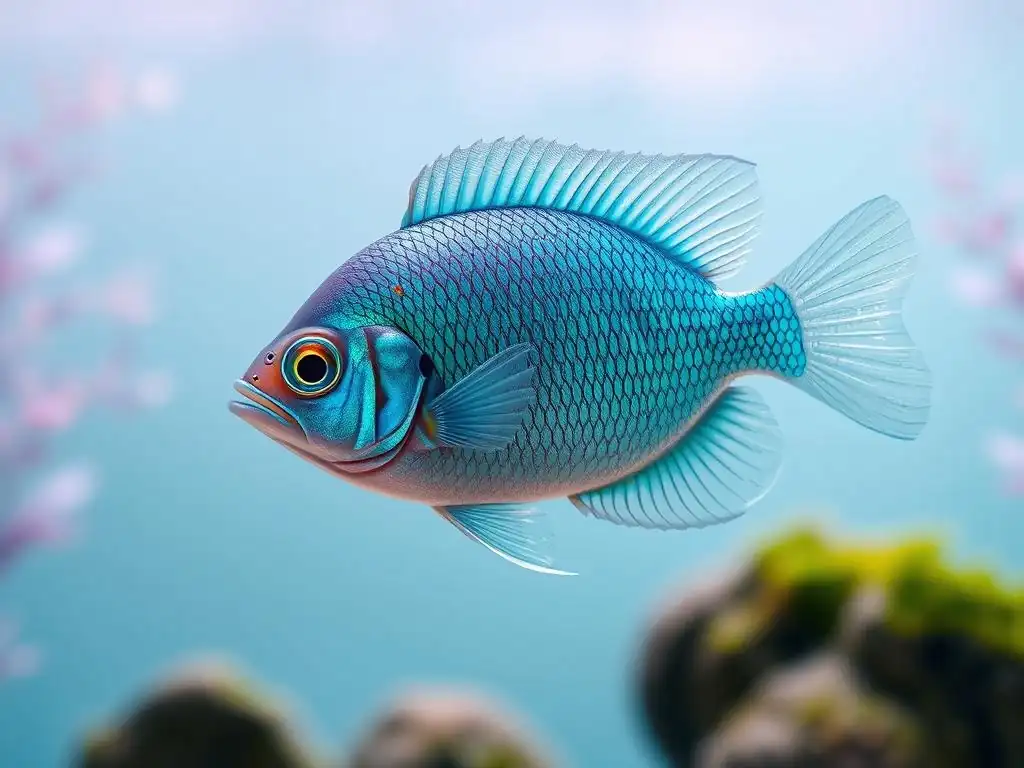
The introduction of gouramis to Western aquariums marked a pivotal moment in the Gourami history aquarium hobby. While the Paradise Fish (Macropodus opercularis), an anabantoid relative, was perhaps the first Asian labyrinth fish to arrive in Europe in the mid-19th century (reportedly around 1869 in France), true gourami species followed shortly thereafter.
The Three Spot Gourami (Trichopodus trichopterus) was among the earliest genuine gouramis to be successfully imported and bred in Europe and North America, likely by the early 1900s. These early imports faced significant challenges, primarily the arduous journey from Southeast Asia, which often involved weeks or even months at sea with rudimentary life support systems.
Survival rates for these pioneering imports were often low, making successful breeding in captivity a highly sought-after achievement. Aquarists of the era relied heavily on natural water bodies and limited knowledge of water chemistry, making the establishment of stable breeding colonies a testament to their dedication and the inherent adaptability of the fish. Despite these hurdles, the allure of these exotic, air-breathing fish with their unique behaviors spurred continued efforts, gradually establishing a foothold for gouramis in private collections and public aquariums alike, laying the groundwork for their widespread availability in the decades to come.
Gourami Breeding in Captivity: A Turning Point for the Aquarium Hobby
Successful gourami breeding in captivity represented a significant turning point for the Gourami history aquarium hobby. Initially, most tropical fish available to hobbyists were wild-caught, leading to high costs, inconsistent availability, and often compromised health due to the stress of capture and transport. The ability to breed gouramis locally, particularly species like the Three Spot Gourami and later the Pearl Gourami, dramatically increased their accessibility and affordability. This breakthrough allowed pet stores and individual enthusiasts to offer robust, tank-raised specimens, which were often healthier and more acclimated to aquarium life than their wild counterparts.
The unique bubble-nesting behavior of most gourami species, where the male meticulously constructs a floating nest of bubbles, often incorporating plant material, added an element of intrigue and challenge for breeders. Mastering the conditions required for spawning, from precise water parameters to providing suitable surface cover, became a badge of honor for many aquarists. This success in captive breeding not only fueled the growth of the hobby by making these fish more common but also deepened the understanding of their reproductive biology, contributing valuable knowledge that would benefit the breeding of other difficult-to-spawn species in the future.
Gourami Popularity Boom: The 1950s to 1980s
The period from the 1950s through the 1980s witnessed a significant popularity boom for gouramis, cementing their place as staples in the Gourami history aquarium hobby. This era saw a surge in interest in home aquariums, driven by increased disposable income, technological advancements in aquarium equipment (like reliable filters and heaters), and the wider availability of diverse fish species. Gouramis, with their striking colors, manageable size (for many species), and relatively hardy nature, fit perfectly into this expanding market. Species like the Blue Gourami, Gold Gourami, and Pearl Gourami became ubiquitous in pet stores.
Their appeal was broad: beginners appreciated their resilience, while more experienced aquarists enjoyed their engaging behaviors and the challenge of breeding them. The development of various color morphs through selective breeding further fueled their demand; for instance, the Opaline Gourami, a marbled variant of the Three Spot, became highly sought after. This period established gouramis as one of the top choices for community aquariums, with millions likely sold annually worldwide, contributing significantly to the economic growth of the ornamental fish industry and solidifying their status as beloved aquatic pets.
Key Gourami Species That Shaped the Aquarium Hobby
The Three Spot Gourami (Trichopodus trichopterus): A Foundation Species
The Three Spot Gourami (Trichopodus trichopterus) stands as a foundational species in the Gourami history aquarium hobby, undeniably shaping its development. Introduced early to Western aquariums, its hardiness and adaptability quickly made it one of the most widely available and popular tropical fish. Named for the two distinct spots on its body plus its eye, this species is known for its variations, including the Blue Gourami, Gold Gourami, and Opaline Gourami, all selectively bred from the wild type. These color morphs offered variety and appeal, making the Three Spot Gourami a consistent best-seller in pet stores for decades.
Its robust nature meant it could tolerate a wider range of water parameters than many other tropical fish, making it an ideal choice for beginner aquarists who might not have sophisticated water testing kits or filtration. Furthermore, its relatively large size (up to 6 inches or 15 cm) and active behavior made it a prominent display fish in larger community tanks. The ease of breeding the Three Spot Gourami in captivity also contributed to its omnipresence, ensuring a steady supply for the growing hobby and establishing a benchmark for gourami care and propagation.
The Pearl Gourami (Trichopodus leerii): Adding Elegance to Home Aquariums
The Pearl Gourami (Trichopodus leerii) quickly carved out its niche in the Gourami history aquarium hobby by adding an undeniable touch of elegance to home aquariums. Native to Thailand, Malaysia, and Borneo, this species is renowned for its intricate, pearl-like spotting that covers its entire body, giving it a shimmering appearance. Unlike some of its more boisterous relatives, the Pearl Gourami is generally peaceful and relatively shy, making it an excellent choice for a well-maintained community tank. Its long, flowing ventral fins, which act as sensory organs, also contribute to its graceful demeanor.
Its introduction provided aquarists with a gourami option that was less prone to aggression than some other species, particularly the males of certain Three Spot Gourami varieties. Reaching a size of about 4-5 inches (10-12 cm), the Pearl Gourami requires a tank of at least 20-30 gallons, making it suitable for a wide array of home setups. Its popularity surged due to its striking beauty and calm temperament, establishing it as a highly desired species for those seeking a tranquil and visually stunning centerpiece fish, and it remains a favorite among aquarists to this day.
The Dwarf Gourami (Trichogaster lalius): A Small Fish with a Big Impact
The Dwarf Gourami (Trichogaster lalius), despite its diminutive size, has had a disproportionately large impact on the Gourami history aquarium hobby. Reaching only about 2 inches (5 cm) in length, this vibrant species from India and Bangladesh became immensely popular for smaller aquariums (10-20 gallons), which gained traction with the rise of apartment living and limited space. Its brilliant coloration, particularly the striking red and blue stripes of the male, made it an instant favorite. Selective breeding has further enhanced these colors, leading to popular variants like the Flame, Powder Blue, and Neon Dwarf Gouramis.
However, the Dwarf Gourami's popularity has been shadowed by a significant health challenge: Dwarf Gourami Iridovirus (DGIV). This highly contagious and often fatal viral disease emerged as a serious concern in the early 2000s, causing widespread losses and leading to a decline in their reputation among some hobbyists. Despite the ongoing struggles with DGIV, responsible breeders and careful sourcing have allowed the Dwarf Gourami to maintain its status as a beloved, albeit delicate, option for smaller, planted tanks, continuing its legacy as a visually stunning addition to the freshwater aquarium.
The Chocolate Gourami (Sphaerichthys osphromenoides): A Delicate Challenge
The Chocolate Gourami (Sphaerichthys osphromenoides) represents a more specialized and delicate facet of the Gourami history aquarium hobby. Native to blackwater habitats in Malaysia, Sumatra, and Borneo, this species is distinct from other common gouramis due to its deep brown coloration with lighter vertical stripes and its preference for very soft, acidic water (pH typically 4.0-6.5) and stable temperatures around 77-82°F (25-28°C). Unlike many other gouramis, Chocolate Gouramis are mouthbrooders, with the female typically carrying the eggs, adding another layer of unique behavior.
Their specific water parameter requirements and susceptibility to poor water quality make them a significant challenge for even experienced aquarists. They are often kept in species-specific tanks or with other highly specialized blackwater fish. While not as universally popular as the Three Spot or Pearl Gourami, the Chocolate Gourami has appealed to a dedicated segment of the hobby that relishes the challenge of keeping and breeding more demanding species. Their unique appearance and delicate nature have ensured their place as a sought-after, yet less common, gem within the diverse world of gouramis.
Gourami Care Through the Decades: Evolving Knowledge and Techniques
Early Gourami Care Practices: Limited Filtration and Live Food Dependence
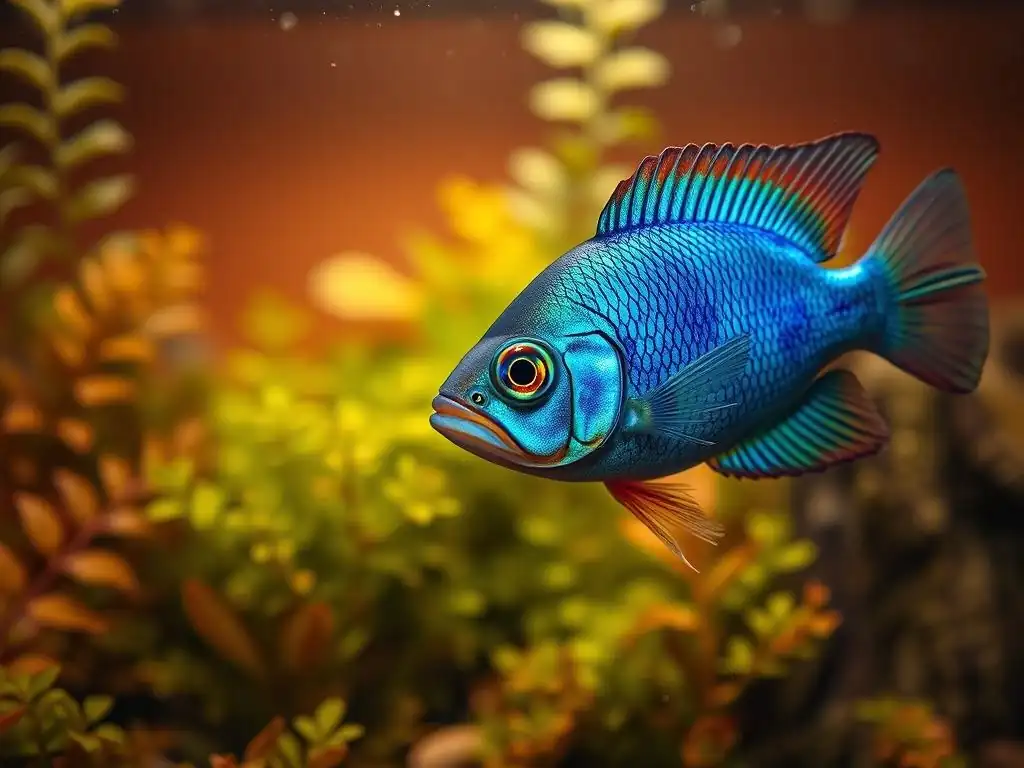
Early gourami care practices, particularly in the formative years of the Gourami history aquarium hobby, were remarkably different from today's sophisticated methods. In the late 19th and early 20th centuries, aquarium technology was rudimentary. Filtration, if present at all, was often limited to simple undergravel filters or basic air-driven sponge filters, which provided minimal mechanical and biological filtration. Hobbyists often relied on frequent, large water changes to maintain water quality, sometimes as often as daily or every other day, to compensate for the lack of efficient waste removal systems.
Dietary practices were also largely dependent on live foods. Aquarists would cultivate or collect daphnia, brine shrimp, mosquito larvae, and other small invertebrates to feed their gouramis. While nutritious, this reliance on live food was labor-intensive and carried the risk of introducing parasites or diseases. Dry flake foods were either non-existent or of very poor quality, making them unsuitable as a primary diet. This era highlighted the gourami's inherent hardiness, as they often thrived despite these less-than-ideal conditions, a testament to their adaptability in varied natural environments.
Modern Gourami Care: Advanced Filtration, Water Chemistry, and Diet
Modern gourami care has undergone a profound transformation, reflecting significant advancements in aquarium technology and scientific understanding within the Gourami history aquarium hobby. Today, aquarists have access to a wide array of highly efficient filtration systems, including powerful canister filters, hang-on-back filters, and even sumps, providing superior mechanical, chemical, and biological filtration. This allows for stable water parameters, clearer water, and reduced need for excessively frequent water changes, improving overall fish health and reducing hobbyist workload.
Furthermore, water chemistry understanding has dramatically improved. Hobbyists routinely test for parameters like ammonia, nitrite, nitrate, pH, and hardness using readily available test kits. This allows for precise adjustments to replicate natural habitats or maintain optimal conditions for specific gourami species. Diet has also evolved; high-quality flakes, pellets, and frozen foods (like bloodworms, brine shrimp, and mysis shrimp) provide a balanced and convenient nutritional profile, often supplemented with live foods for enrichment. These advancements have made successful gourami keeping more accessible and their long-term health more achievable.
The Impact of Disease Research on Gourami Keeping: Columnaris and Iridovirus
Disease research has profoundly impacted gourami keeping, particularly concerning conditions like Columnaris and Dwarf Gourami Iridovirus (DGIV), shaping the Gourami history aquarium hobby in significant ways. Columnaris, a bacterial infection caused by Flavobacterium columnare, has long plagued aquariums, often appearing as white or grayish patches resembling fungus, particularly around the mouth (hence "mouth rot"). While not exclusive to gouramis, they are susceptible, and improved understanding of its causes (often poor water quality or stress) and effective treatments (antibiotics like Furan-2 or Kanaplex) has reduced its devastating effects.
However, the emergence and widespread recognition of Dwarf Gourami Iridovirus (DGIV) in the early 2000s marked a more specific and severe challenge. DGIV is a highly contagious and often fatal viral disease that primarily affects Trichogaster lalius (Dwarf Gourami) and closely related species.
Research into DGIV has revealed its high prevalence in commercially bred populations and its significant impact on the species' longevity. This knowledge has led to more stringent quarantine protocols, a preference for tank-bred over wild-caught specimens, and a greater emphasis on reducing stress to minimize outbreaks, fundamentally altering how Dwarf Gouramis are sourced and maintained in the hobby.
Gourami Behavior in the Aquarium: Then and Now
Understanding Anabantoid Behavior: A Key to Successful Gourami Keeping
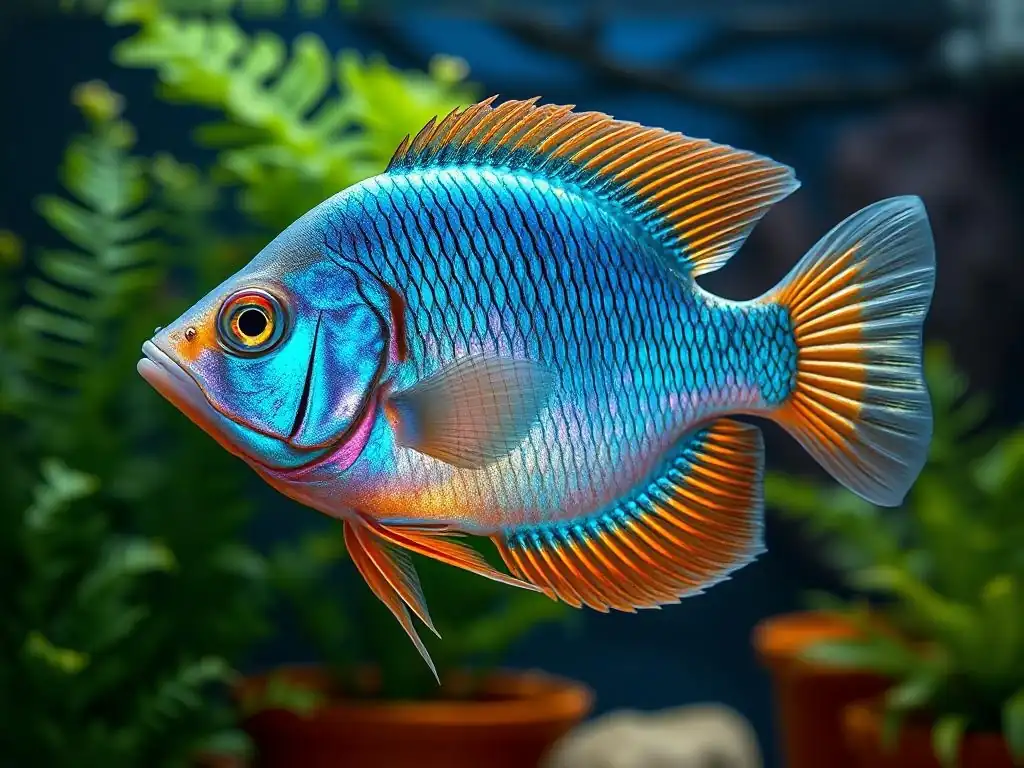
Understanding anabantoid behavior has always been a key to successful gourami keeping, evolving alongside the Gourami history aquarium hobby. From the earliest days, the most striking behavioral trait observed was their use of the labyrinth organ, allowing them to gulp air from the surface. This unique respiratory adaptation is not just a survival mechanism but also influences their preference for still or slow-moving water and their tendency to spend time near the surface. Early aquarists quickly learned to observe this behavior as an indicator of water quality or oxygen levels.
Beyond respiration, their reproductive behavior has captivated hobbyists for generations. Most gourami species are bubble nest builders, with the male meticulously constructing a floating nest of bubbles, often anchored by plants, to house the eggs and protect the fry. This intricate courtship and parental care are fascinating to observe.
However, understanding their territorial nature, particularly among males of certain species like the Three Spot Gourami, has also been crucial. Early hobbyists often learned through trial and error that multiple males in smaller tanks could lead to aggression, a lesson that has become standard advice in modern care guides, emphasizing the need for adequate space or single male setups.
Changes in Aquarium Design to Accommodate Gourami Needs: Planted Tanks and Surface Cover
The evolution of aquarium design to accommodate gourami needs, particularly the shift towards heavily planted tanks and abundant surface cover, reflects a deeper understanding gained throughout the Gourami history aquarium hobby. In the early 20th century, many aquariums were relatively sparse, often featuring minimal substrate, a few artificial decorations, and perhaps a small number of hardy plants. While gouramis could survive in such setups due to their resilience, their natural behaviors, such as seeking shelter and building bubble nests, were often inhibited.
Modern aquarium design for gouramis emphasizes creating a more naturalistic and enriching environment. Heavily planted tanks, particularly with tall, broad-leaved plants like Amazon Swords or Anubias, provide essential hiding spots and break up lines of sight, reducing aggression among tank mates or between gourami males.
Floating plants, such as Water Lettuce or Dwarf Water Hyacinth, are crucial as they offer ideal anchors for bubble nests and provide a sense of security for surface-dwelling gouramis. This focus on environmental enrichment not only mimics their natural habitats but also promotes healthier, less stressed fish, encouraging more natural behaviors and contributing to their overall well-being.
Gourami Tank Mates: Past Misconceptions and Current Best Practices
The understanding of appropriate gourami tank mates has significantly matured, moving past early misconceptions to embrace current best practices within the Gourami history aquarium hobby. In the early days, with limited knowledge of fish compatibility, gouramis might have been haphazardly paired with a wide range of species. This often led to issues such as fin nipping (especially for long-finned gouramis like the Pearl Gourami) or excessive aggression from more boisterous tank mates, causing stress and illness. The territorial nature of some male gouramis was also often underestimated, leading to conflicts in smaller, overcrowded tanks.
Today, the emphasis is on selecting peaceful, similarly sized tank mates that occupy different levels of the water column and do not compete for surface access. Ideal companions include various schooling tetras (e.g., Neon Tetras, Rummy Nose Tetras), peaceful rasboras, corydoras catfish, and small, non-aggressive loaches.
It is generally advised to avoid known fin-nippers like Tiger Barbs or aggressive cichlids. Furthermore, current best practices often recommend keeping only one male of larger gourami species per tank unless the aquarium is exceptionally large (100+ gallons) and heavily planted, or opting for species known for their peaceful temperament, ensuring a harmonious community environment.
The Future of Gouramis in the Aquarium Hobby
New Gourami Varieties and Hybrids: Selective Breeding and Color Morphs
The future of gouramis in the aquarium hobby continues to be shaped by the ongoing development of new varieties and hybrids, a testament to the enduring appeal and selective breeding efforts within the Gourami history aquarium hobby. Breeders consistently work to enhance existing color patterns and introduce novel ones.
For instance, the Dwarf Gourami, despite its health challenges, has seen the creation of stunning "Sunset," "Powder Blue," and "Neon" morphs, each more vibrant than its predecessor. Similarly, variants of the Three Spot Gourami, such as the Gold and Opaline, continue to be refined for deeper colors and more distinct patterns.
Beyond color, selective breeding also focuses on finnage, with some varieties exhibiting longer or more flowing fins. While true interspecies hybridization among different gourami genera is less common in the hobby, the consistent development of new strains within existing species ensures a fresh supply of visually appealing fish. This continuous innovation keeps the hobby dynamic and provides aquarists with an ever-expanding palette of choices, ensuring that gouramis remain a popular and evolving group of ornamental fish for years to come.
Conservation Concerns and Sustainable Sourcing of Gouramis
As the Gourami history aquarium hobby moves forward, conservation concerns and the push for sustainable sourcing are becoming increasingly vital. While many popular gourami species are extensively tank-bred, some rarer or more delicate varieties are still wild-caught, particularly those from specific blackwater habitats. Habitat degradation, primarily due to deforestation, agricultural expansion, and pollution in Southeast Asia, poses a significant threat to wild gourami populations and their ecosystems. Over-collection for the aquarium trade, though less impactful than habitat loss for most common species, can still be a concern for specific localized populations.
The industry's response includes a growing emphasis on responsible aquaculture and promoting the sale of tank-bred fish. Certified sustainable breeding operations reduce pressure on wild populations and often produce healthier, more acclimated fish.
Hobbyists are encouraged to inquire about the origin of their fish and support reputable suppliers who prioritize ethical and sustainable practices. While gouramis are not currently listed as critically endangered by major conservation organizations on a broad scale, continued vigilance and support for conservation efforts are essential to ensure the long-term viability of their wild habitats and the continued availability of these beautiful fish for future generations of aquarists.
The Enduring Appeal of Gouramis: Why They Remain a Favorite
The enduring appeal of gouramis, ensuring their continued status as a favorite in the Gourami history aquarium hobby, stems from a unique combination of aesthetic beauty, intriguing behavior, and general hardiness. Their diverse range of colors and patterns, from the iridescent blues of the Three Spot to the intricate spotting of the Pearl Gourami and the vibrant stripes of the Dwarf Gourami, offers something for every taste and tank aesthetic. This visual appeal is consistently ranked among the top reasons for their popularity in pet store sales data.
Beyond their looks, their distinctive anabantoid behaviors, such as surface breathing, bubble nest building, and the curious exploration with their modified ventral fins, provide endless fascination for observers. Many species are also relatively peaceful and adaptable, making them suitable for a wide range of community tanks, from beginner setups to more advanced planted aquascapes. This blend of visual splendor, engaging personality, and accessible care requirements ensures that gouramis will continue to be a cornerstone of the freshwater aquarium hobby, captivating new generations of aquarists just as they have for over a century.
Frequently Asked Questions
How did Gouramis transition from being primarily food fish to becoming popular aquarium pets?
Gouramis, native to Asia, were initially valued as a food source. However, their unique appearance and peaceful nature led to their introduction to the aquarium hobby, transforming their primary role.
What is the general history of Gourami keeping in the aquarium hobby?
Gouramis entered the aquarium hobby relatively early, with some species becoming popular in the early 20th century. Their resilience and diverse appearances contributed to their enduring popularity with aquarists.
What are some key factors that contributed to the popularity of Gouramis in home aquariums?
Several factors contributed, including their relative hardiness, adaptability to various water conditions, and the wide variety of colors and patterns available across different Gourami species.
What are some common misconceptions about Gouramis that aquarists should be aware of?
A common misconception is that all Gouramis are perfectly peaceful. Some species can be territorial, especially during breeding, so careful research is needed before introducing them to a community tank.
Where can I find more detailed information about specific Gourami species and their care requirements?
AquariumMastery.com offers detailed species profiles that include specific information on water parameters, tank size requirements, and compatible tank mates for various Gourami species.
Final Reflection: Appreciating the Gourami's Journey
The journey of the gourami, as we've explored, is a testament to the ever-evolving relationship between humans and the natural world. Understanding its history, from a source of sustenance to a beloved aquarium inhabitant, is crucial for responsible fishkeeping and appreciating the complex ecosystems from which these beautiful creatures originate. This knowledge empowers us to make informed choices and contribute to the well-being of gouramis in captivity and their conservation in the wild.
The gourami's transformation reflects a broader shift in our cultural values, moving from simple utility to a deeper appreciation for biodiversity and the intrinsic worth of living beings. This history reminds us that our actions, even seemingly small ones like choosing a pet, have far-reaching consequences. In the end, we will conserve only what we love; we will love only what we understand; and we will understand only what we are taught.
- Baba Dioum. This quote perfectly encapsulates the importance of understanding the gourami's history to foster a genuine appreciation and commitment to its future.
As you consider the vibrant history of gouramis in the aquarium hobby, I invite you to reflect on your own role in this ongoing narrative. How can you contribute to a more sustainable and ethical approach to fishkeeping? Let the gourami's journey inspire you to learn more, advocate for responsible practices, and cultivate a deeper connection with the natural world, ensuring that future generations can marvel at these captivating fish.
Dive Deeper into the Gourami Galaxy!
Thank you for exploring the fascinating journey of gouramis with us! We hope you've gained a newfound appreciation for these captivating fish and their rich history. Now, it's time to take your passion a step further.
Here's how you can continue your gourami adventure:
- Begin your research and select the gourami species that best suits your aquarium, considering size, temperament, and water parameters. Don't rush – the perfect gourami is waiting!
- Share your newfound gourami knowledge! Discuss your favorite gourami fact from this article on social media and tag a fellow aquarium enthusiast to spread the word.
- Explore the Aquarium Mastery community forum! Share your experiences, ask questions, and connect with other gourami lovers.
Which gourami species are you most excited to research and possibly add to your aquarium? Share your thoughts in the comments below!