
The Essential Guide to Keeping Vibrant Barb Schools in Your Home Tank


Welcome to Aquarium Mastery!
Ever wondered how to create a thriving community of dazzling Barbs in your home aquarium? Unravel the secrets to keeping these vibrant, active fish happy and healthy. Dive into our comprehensive guide for essential Barb school care tips, and discover everything you need to know, from tank size and water parameters to the perfect tank mates. Get ready to transform your aquarium into a mesmerizing aquatic haven!
- The Essential Guide to Keeping Active Tiger Barbs in Your Home Tank
- Understanding Tiger Barb Dynamics: A Comprehensive Guide
- Setting Up the Ideal Tiger Barb Tank Environment
- Tiger Barb Care Tips: Ensuring Health and Happiness
- Choosing the Right Tank Mates for Your Tiger Barb School
- Breeding Tiger Barbs: A Guide to Successful Reproduction
- Troubleshooting Common Tiger Barb Problems
- Advanced Tiger Barb Keeping Techniques
- Conclusion: Enjoying Your Vibrant Tiger Barb School
- Frequently Asked Questions
- Final Reflection: Embracing the Vibrant Dance of Barbs
- Unleash the Rainbow: Start Your Barb Adventure Today!
The Essential Guide to Keeping Active Tiger Barbs in Your Home Tank
Understanding Tiger Barb Dynamics: A Comprehensive Guide
What are Tiger Barbs and Why is Schooling Important?
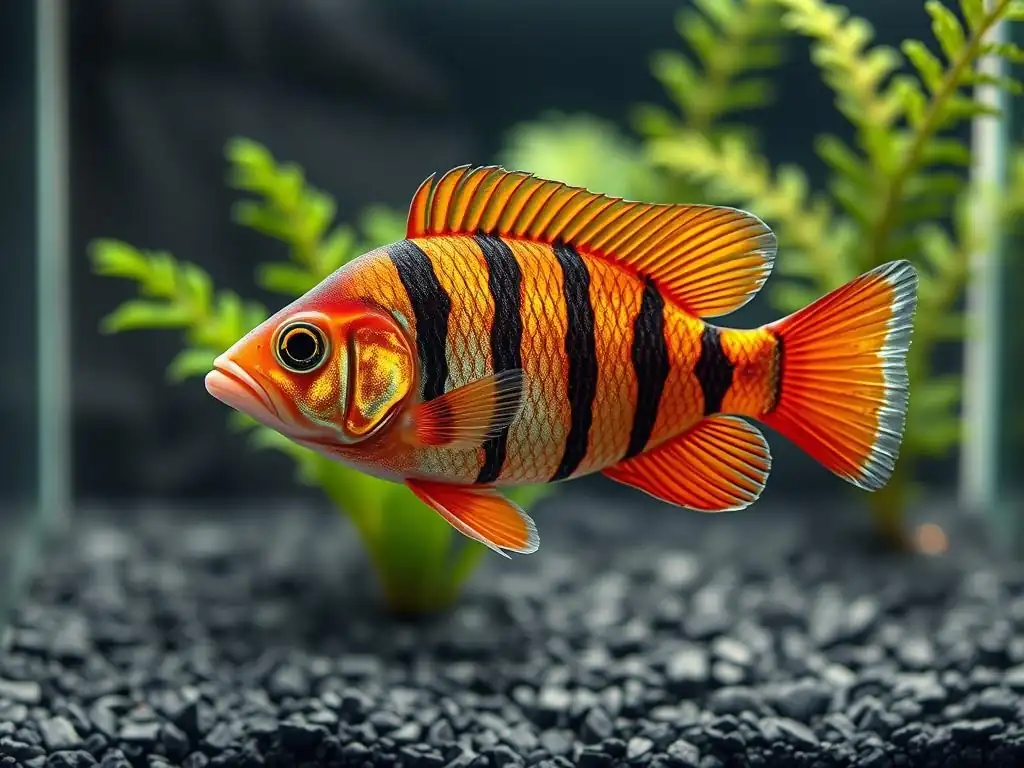
Tiger Barbs ( Puntigrus tetrazona) are a highly popular freshwater fish species renowned for their striking striped patterns and energetic behavior. Native to Sumatra, Borneo, and other parts of Southeast Asia, these lively cyprinids typically inhabit clear, slow-moving waters of streams and tributaries. Their distinct black and orange vertical stripes, often numbering four, give them their iconic name. Understanding their natural behavior is key to successful Tiger Barb care tips and ensuring a thriving environment in a home aquarium.
Schooling is paramount for Tiger Barbs, influencing both their social dynamics and overall health. In their natural habitat, they form large schools, sometimes numbering in the hundreds, as a defense mechanism against predators. This instinct carries over into the aquarium; a minimum school of six, and preferably eight to twelve or more individuals, is essential. Keeping a sufficient number of Tiger Barbs diffuses aggression, as their nippy tendencies are typically directed at each other rather than tank mates, leading to a more harmonious tank environment and reducing stress among the fish.
Popular Tiger Barb Varieties
Exploring Green Tiger Barbs, Albino Tiger Barbs, and GloFish Tiger Barbs
The classic Tiger Barb is just one of several captivating varieties available to aquarists, each offering a unique aesthetic while retaining the species' characteristic vitality. Green Tiger Barbs, for instance, are selectively bred to exhibit a beautiful iridescent green sheen, often appearing almost black under certain lighting conditions. This color morph is particularly striking against a lush, planted background, making them a favorite for aquascaping enthusiasts seeking vibrant barb school care tips.
Albino Tiger Barbs represent another popular genetic variation, characterized by their lack of pigmentation, resulting in a creamy white or pale orange body with distinctive red eyes. Despite their lighter coloration, they retain the signature striped pattern, which appears as a faint, translucent marking. More recently, GloFish Tiger Barbs have emerged, genetically modified to express fluorescent proteins, glowing vividly under blue LED lights. These varieties, including electric green, cosmic blue, and sunburst orange, offer a contemporary twist on the traditional Tiger Barb, appealing to those seeking an unconventional and eye-catching Tiger Barb school care experience.
Other Tiger Barb Color Morphs
Beyond the widely recognized green, albino, and GloFish varieties, several other color morphs of Tiger Barbs exist, each contributing to the species' diverse appeal. One notable example is the Golden Tiger Barb, which showcases a brighter, more pronounced orange or yellow base color, often with a reduced intensity in its black stripes. This variation offers a softer visual impact compared to the high contrast of the traditional barb, yet still maintains the active swimming patterns characteristic of the species.
Another interesting morph is the Moss Green Tiger Barb, which, while similar to the Green Tiger Barb, often exhibits a deeper, almost velvety green hue, providing a richer color saturation. These genetic variations are largely the result of selective breeding efforts by aquaculturists, aiming to enhance specific aesthetic traits. Regardless of their color, all Tiger Barb morphs share the same fundamental barb school care tips regarding water parameters, diet, and the critical need for a sizable school to ensure their well-being and minimize aggressive behaviors in the aquarium.
Setting Up the Ideal Tiger Barb Tank Environment
Tank Size Considerations for a Tiger Barb School
Establishing the correct tank size is one of the most critical Tiger Barb care tips for ensuring the health and happiness of your fish. For a minimum school of six to eight Tiger Barbs, a tank no smaller than 20 gallons (approximately 75 liters) is generally recommended. This size provides adequate swimming space for these active fish and helps dilute their inherent aggression by allowing them to establish territories and spread out.
However, for larger schools of ten or more Tiger Barbs, or if you plan to include compatible tank mates, a 30-gallon (113 liters) or even a 40-gallon (150 liters) breeder tank is far more suitable. Larger tanks offer more stable water parameters, reduce the frequency of water changes, and provide ample room for the fast-paced swimming and social interactions typical of a vibrant barb school. Overcrowding can lead to increased stress, heightened aggression, and a greater susceptibility to disease, undermining all other barb school care tips.
Water Parameters: Achieving the Perfect Tiger Barb Habitat
Maintaining Optimal Temperature and pH Levels for Tiger Barbs
Maintaining stable and appropriate water parameters is paramount for the long-term health of your Tiger Barbs. These fish thrive in tropical freshwater conditions, with ideal water temperatures ranging from 74°F to 79°F (23°C to 26°C). Fluctuations outside this range can stress the fish, compromise their immune systems, and make them more susceptible to common diseases. A reliable aquarium heater with a thermostat is essential to maintain a consistent temperature, especially in environments with varying room temperatures.
Regarding pH levels, Tiger Barbs prefer slightly acidic to neutral water, typically within a range of 6.0 to 7.5. While they are relatively adaptable, sudden or extreme shifts in pH can be detrimental. Regular testing of your water parameters is crucial, and any adjustments should be made gradually to avoid shocking the fish. Optimal pH contributes significantly to their metabolic functions and overall well-being, directly impacting the effectiveness of your Tiger Barb school care tips.
The Importance of Water Changes for Tiger Barb Health
Regular water changes are arguably the most fundamental aspect of maintaining pristine water quality and are central to effective barb school care tips. Even with a robust filtration system, nitrates, phosphates, and other dissolved organic compounds accumulate over time, leading to deteriorating water conditions. A consistent schedule of weekly water changes, typically 25-30% of the tank volume, is highly recommended for a Tiger Barb aquarium.
This routine helps to replenish essential minerals, reduce pollutant buildup, and maintain stable water chemistry. When performing water changes, always use dechlorinated water that is as close as possible to the tank's temperature to prevent thermal shock. Gravel vacuuming simultaneously helps remove uneaten food and waste from the substrate, further contributing to a cleaner and healthier environment for your Tiger Barb school, preventing common issues like fin rot and bacterial infections.
Substrate and Decoration: Creating a Natural Environment for Tiger Barbs
Choosing the Right Substrate for Tiger Barb Tanks
The choice of substrate plays a significant role in creating a natural and comfortable environment for your Tiger Barbs. Fine to medium-sized gravel or sand are excellent choices. A darker substrate can often enhance the vibrant colors of Tiger Barbs, making their stripes appear more pronounced, and also helps reduce stress by mimicking the darker riverbeds they inhabit in the wild. Avoid very coarse or sharp gravel that could potentially injure their delicate fins if they dart or graze along the bottom.
If you plan to incorporate live plants, a nutrient-rich substrate or a layer of specialized plant substrate beneath a cap of inert gravel or sand will be beneficial. The substrate also provides a surface area for beneficial bacteria to colonize, contributing to biological filtration and overall water quality. A depth of 2-3 inches (5-7.5 cm) is usually sufficient for most setups, allowing for plant rooting and easy gravel vacuuming during routine Tiger Barb school care tips maintenance.
Decorating Your Tank to Mimic a Tiger Barb's Natural Habitat
Decorating your Tiger Barb tank to resemble their natural habitat not only enhances the aesthetic appeal but also provides essential enrichment and security for your fish. In the wild, Tiger Barbs are found among dense vegetation and submerged roots. Incorporating plenty of live plants, such as Java Fern, Anubias, Amazon Swords, and Cryptocoryne species, will offer hiding spots and break up lines of sight, which is crucial for diffusing aggression within the Tiger Barb school.
Driftwood and smooth river rocks can further simulate their native environment, providing additional cover and contributing to the water's natural chemistry by slowly releasing tannins, which can slightly lower pH and create a more natural "blackwater" effect. Ensure all decorations are inert, have no sharp edges, and are securely placed to prevent accidental injury or shifting. A well-decorated tank provides a sense of security, reduces stress, and promotes natural behaviors, making your Tiger Barb school more active and engaging to observe.
Tiger Barb Care Tips: Ensuring Health and Happiness
Feeding Your Tiger Barbs: Diet and Nutrition
Recommended Foods for Tiger Barbs: Flakes, Pellets, and Live Foods
Providing a varied and nutritious diet is a cornerstone of effective Tiger Barb care tips, directly impacting their vibrancy, health, and activity levels. Tiger Barbs are omnivores with a preference for meaty foods, but they also require vegetable matter. High-quality flake foods and small pellets formulated for omnivorous community fish should form the basis of their diet, ensuring they receive essential vitamins and minerals. Look for brands that list fish meal, spirulina, and various plant derivatives among their primary ingredients.
To supplement their staple diet and provide important enrichment, incorporate a variety of live or frozen foods several times a week. Excellent choices include:
- Brine shrimp: A good source of protein and highly palatable.
- Bloodworms: Rich in protein and fat, a favorite treat.
- Daphnia: Excellent for digestive health and can help clear the digestive tract.
- Tubifex worms: A good protein source, but ensure they are from a reputable source to avoid disease.
Vegetable matter can be offered in the form of blanched zucchini or peas, though they may not be as eagerly consumed as meaty options. A diverse diet ensures all nutritional needs are met for a thriving Tiger Barb school.
Feeding Schedule and Portion Control for Healthy Tiger Barbs
Establishing a consistent feeding schedule and practicing proper portion control are vital barb school care tips to prevent overfeeding, which can lead to poor water quality and fish health issues. Tiger Barbs have relatively small stomachs, and it's better to feed them small amounts more frequently than large amounts less often. A common recommendation is to feed your Tiger Barb school two to three times a day.
For each feeding, provide only an amount that your fish can consume entirely within two to three minutes. Any uneaten food that settles on the substrate will decompose, contributing to elevated ammonia and nitrite levels, which are toxic. If you consistently find uneaten food, reduce the portion size. Observe your fish during feeding; their bellies should appear slightly rounded but not distended. Skipping a day of feeding occasionally, perhaps once a week, can also be beneficial, allowing their digestive systems to clear and preventing issues related to overconsumption.
Maintaining Water Quality for a Thriving Tiger Barb School
Testing Water Parameters Regularly
Regular testing of water parameters is an indispensable component of Tiger Barb care tips for maintaining a healthy aquatic environment. Even with consistent water changes and good filtration, unseen fluctuations in water chemistry can occur and quickly impact the well-being of your Tiger Barb school. Key parameters to monitor include:
- Ammonia (NH3/NH4+): Should always be 0 ppm. Highly toxic.
- Nitrite (NO2-): Should always be 0 ppm. Also highly toxic.
- Nitrate (NO3-): Should be kept below 20 ppm, ideally below 10 ppm.
- pH: Maintain within the 6.0-7.5 range.
- Temperature: Ensure stability within 74-79°F (23-26°C).
- General Hardness (GH) and Carbonate Hardness (KH): While Tiger Barbs are adaptable, a GH of 5-12 dGH and KH of 4-8 dKH are generally suitable.
Utilize a reliable liquid-based test kit for accurate readings, as test strips can sometimes be less precise. Weekly testing is ideal, especially for new tanks or when issues arise. Consistent monitoring allows you to identify and address problems proactively before they escalate into serious health concerns for your fish.
Effective Filtration for Tiger Barb Tanks
Effective filtration is a non-negotiable element of successful barb school care tips, crucial for keeping the water clean and clear for these active fish. A robust filtration system should provide three types of filtration:
- Mechanical Filtration: Removes physical particles like uneaten food and waste, preventing water cloudiness. Sponges, filter floss, and pads are common mechanical media. These should be rinsed or replaced regularly.
- Biological Filtration: The most critical type, housing beneficial bacteria that convert toxic ammonia into nitrite, and then nitrite into less harmful nitrate. Ceramic rings, bio-balls, and porous sponges are excellent biological media. Avoid cleaning these too vigorously or replacing them entirely, as this can crash the nitrogen cycle.
- Chemical Filtration: Removes dissolved organic pollutants, odors, and discoloration. Activated carbon is a common chemical media, though it needs to be replaced every 2-4 weeks as it becomes saturated. Other chemical media target specific issues like phosphates or nitrates.
For a Tiger Barb school, a hang-on-back (HOB) filter or an external canister filter is typically recommended, ensuring a flow rate appropriate for the tank size (often rated to filter 5-10 times the tank volume per hour). Adequate filtration reduces the burden of waste, contributing significantly to stable water parameters and overall fish health.
Identifying and Treating Common Tiger Barb Diseases
Recognizing Signs of Illness in Your Tiger Barb School
Early detection of illness is crucial for effective Tiger Barb care tips and successful treatment. A healthy Tiger Barb school is active, brightly colored, and exhibits strong schooling behavior. Deviations from these norms often signal a problem. Common signs of illness to watch for include:
- Changes in behavior: Lethargy, hiding, erratic swimming, darting, rubbing against tank decorations (flashing).
- Physical symptoms: White spots (Ich), fuzzy growths (fungus), frayed or clamped fins (fin rot), bloating (dropsy), open sores, pale or dull coloration.
- Changes in appetite: Refusing food or spitting it out.
- Breathing difficulties: Rapid gill movement or gasping at the surface.
- Isolation: A fish separating itself from the school.
Regular observation during feeding times is an excellent way to spot these signs early. Prompt isolation of affected fish in a quarantine tank, if possible, can prevent the spread of disease to the rest of your vibrant barb school.
Common Tiger Barb Diseases and Their Treatments
Tiger Barbs, like all fish, are susceptible to various diseases, especially when stressed by poor water quality, inadequate diet, or overcrowding. Understanding common ailments and their treatments is a vital aspect of barb school care tips.
- Ich (White Spot Disease): Caused by the parasite Ichthyophthirius multifiliis. Appears as small white spots resembling salt grains on the body and fins.
- Treatment: Increase water temperature gradually to 82-86°F (28-30°C) over 24 hours (if compatible with tank mates and plants) and use an Ich medication containing malachite green or formalin. Continue treatment for at least 7-10 days, even if spots disappear, to kill all life stages of the parasite.
- Fin Rot: A bacterial infection causing fins to fray, look ragged, or develop white edges. Often a secondary infection due to poor water quality or injury.
- Treatment: Improve water quality immediately with a large water change (50%). Treat with broad-spectrum antibacterial medication. Maintaining pristine water conditions is key to preventing recurrence.
- Fungus: Appears as white, cotton-like growths on the body or fins, often a secondary infection on damaged tissue.
- Treatment: Use an antifungal medication. Address any underlying issues like poor water quality or injury that weakened the fish.
- Dropsy: Not a disease itself, but a symptom of severe internal bacterial infection or organ failure, characterized by a swollen body and scales protruding outwards (pinecone effect).
- Treatment: Often difficult to treat successfully in advanced stages. Isolate the fish and treat with broad-spectrum antibiotic food or medication. Prevention through excellent water quality and diet is paramount.
Always follow medication instructions carefully and remove activated carbon from the filter during treatment, as it will absorb the medication. After treatment, perform a large water change and gradually reintroduce activated carbon.
Choosing the Right Tank Mates for Your Tiger Barb School
Compatible Fish Species for Tiger Barb Tanks
Selecting appropriate tank mates is a crucial aspect of Tiger Barb care tips, as their famously nippy nature can be problematic for certain species. While Tiger Barbs are known for their aggression, this behavior is largely directed at members of their own school when kept in insufficient numbers. In a large school (8+ individuals), their aggression is typically diffused. Compatible tank mates should be fast-moving, robust, and similarly sized, able to hold their own and not be easily intimidated or have long, flowing fins that invite nipping.
Excellent choices for coexisting with a Tiger Barb school include:
- Larger Danios: Such as Giant Danios or Celestial Pearl Danios, which are fast swimmers.
- Rainbowfish: Many species, like Boeseman's Rainbowfish or Praecox Rainbowfish, are active, similarly sized, and can handle the barb's energy.
- Minor Tetras: Certain robust tetras like Congo Tetras or Black Skirt Tetras can be good choices, though caution is advised with very long-finned varieties.
- Loaches: Clown Loaches, Yoyo Loaches, and Kuhli Loaches are excellent bottom dwellers that are too quick and armored for barbs to bother significantly.
- Plecos: Small to medium-sized Plecostomus species (e.g., Bristlenose Pleco) are generally safe as bottom dwellers.
Always introduce all fish simultaneously or the barbs last, to minimize territorial disputes. Overcrowding should also be avoided, as it can exacerbate aggression regardless of species compatibility.
Avoiding Aggressive or Long-Finned Tank Mates That Can Be Targeted by Tiger Barbs
A critical barb school care tip is understanding which fish species to absolutely avoid as tank mates for Tiger Barbs. Their inherent nippy behavior, while mostly contained within their school, can be devastating to vulnerable species. Any fish with long, flowing fins, slow movements, or a generally peaceful and timid disposition is a prime target for fin nipping, leading to stress, injury, and susceptibility to disease.
Species to avoid include:
- Angelfish and Bettas: Their long, delicate fins are an irresistible target for Tiger Barbs, often resulting in severe fin damage.
- Guppies, Mollies, and Platies: While some larger varieties might survive, their flowing tails are often nipped, and their generally more docile nature makes them stressed.
- Discus and Gouramis: These are slow-moving, peaceful fish that will be constantly harassed, leading to extreme stress and health decline.
- Other very small or delicate fish: Such as Neon Tetras or Ember Tetras, which may be intimidated or outcompeted for food.
- Other aggressive or highly territorial fish: Mixing two highly aggressive species can lead to constant conflict and injury.
Prioritizing the well-being of all tank inhabitants by carefully researching compatibility is essential for a harmonious and healthy aquarium environment when applying Tiger Barb school care tips.
Invertebrates That Can Coexist with Tiger Barbs
Integrating invertebrates into a Tiger Barb school tank requires careful consideration, as Tiger Barbs are opportunistic feeders and can be quite curious. While some invertebrates are suitable, others might become expensive snacks.
- Snails: Larger, hard-shelled snails like Nerite Snails and Mystery Snails are generally safe. Their tough shells deter the barbs, and they are excellent algae eaters. Smaller snails, like ramshorn or pest snails, will likely be eaten.
- Shrimp: Most dwarf shrimp species (e.g., Cherry Shrimp, Amano Shrimp) are at high risk of being preyed upon, especially if the Tiger Barbs are not well-fed or if the shrimp are small. Amano Shrimp, being larger and faster, have a slightly better chance of survival, particularly in a heavily planted tank with abundant hiding spots. However, it's not a guaranteed safe pairing. Ghost Shrimp might also be considered, but again, they are largely seen as live food.
For optimal barb school care tips and successful coexistence, it is generally recommended to avoid smaller, more delicate shrimp species unless the tank is exceptionally large and densely planted, offering numerous escape routes and hiding places. Large, adult snails are usually the safest invertebrate choice for a vibrant barb school setup.
Breeding Tiger Barbs: A Guide to Successful Reproduction
Creating the Right Conditions for Tiger Barb Breeding
Breeding Tiger Barbs can be a rewarding experience, but it requires specific conditions to encourage successful reproduction. Tiger Barbs are egg scatterers and do not exhibit parental care. To initiate breeding, a dedicated breeding tank is highly recommended, ideally a 10-20 gallon (38-75 liter) tank. The water in this breeding tank should be soft (GH 5-8 dGH) and slightly acidic (pH 6.0-6.5), mimicking their natural spawning grounds. A temperature range of 76-78°F (24-26°C) is optimal.
The breeding tank should be dimly lit and furnished with spawning mops, fine-leaved plants like Java Moss or Anacharis, or a mesh bottom that allows eggs to fall through, preventing the parents from eating them. A sponge filter provides gentle filtration without endangering fry. Conditioning the breeding pair with high-quality, protein-rich live foods such as bloodworms, brine shrimp, and daphnia for several days prior to introducing them to the breeding tank will significantly increase their readiness to spawn, an important Tiger Barb care tip for reproduction.
Identifying Male and Female Tiger Barbs
Distinguishing between male and female Tiger Barbs is relatively straightforward, especially when they are mature and in breeding condition. This ability is a useful barb school care tip for those interested in breeding.
- Males: Generally smaller, more slender, and exhibit brighter, more intense coloration, particularly a vibrant red nose and red on their fins, which becomes even more pronounced during spawning. Their black stripes tend to be sharper and more defined.
- Females: Typically larger and rounder in the belly, especially when gravid (full of eggs), giving them a noticeably fuller appearance. Their coloration tends to be duller than males, with less intense red on their nose and fins.
During the breeding process, the male will often chase the female vigorously, nudging her to release eggs. Observing these distinct characteristics helps in selecting a healthy breeding pair for your Tiger Barb school breeding project.
Caring for Tiger Barb Fry: Raising Healthy Baby Tiger Barbs
Caring for Tiger Barb fry requires diligence and specific attention to diet and water quality. Once spawning has occurred, which usually happens in the early morning, the adult barbs should be removed from the breeding tank immediately, as they will readily consume their own eggs. The eggs, small and translucent, will hatch within 24-36 hours, depending on temperature. The fry are tiny and will initially feed on their yolk sacs for the first few days.
After their yolk sacs are absorbed, typically within 2-3 days post-hatch, the fry will become free-swimming and require microscopic food. Infusoria is an ideal first food, followed by newly hatched brine shrimp or microworms as they grow. Feed small amounts multiple times a day to ensure all fry get enough food without polluting the water.
Maintaining pristine water quality is paramount; perform small, gentle daily water changes (10-20%) using an air line tube to avoid disturbing the delicate fry. A gentle sponge filter is essential for filtration. With proper Tiger Barb school care tips for fry, you can successfully raise a new generation of these vibrant fish.
Troubleshooting Common Tiger Barb Problems
Addressing Aggression Within the Tiger Barb School
Aggression within a Tiger Barb school is a common concern for aquarists, but it can usually be managed with proper Tiger Barb care tips. Tiger Barbs are naturally nippy and boisterous, and this behavior is largely directed at each other. The most frequent cause of excessive aggression, leading to fin nipping or chasing, is an insufficient school size.
A minimum of six Tiger Barbs is often cited, but a school of eight to twelve or even more individuals is significantly more effective at diffusing aggression. In a larger group, their pecking order is established internally, and the aggressive behaviors are spread out among more individuals, reducing stress on any single fish.
Additionally, an overcrowded tank or a lack of adequate hiding spots and visual breaks can exacerbate aggression. Ensure your tank provides ample swimming space and plenty of decorations like plants, driftwood, and rocks to break up lines of sight. This allows weaker or submissive individuals to retreat and feel secure. Consistent water quality and a balanced diet also contribute to reduced stress levels, which in turn can mitigate aggressive tendencies within your vibrant barb school.
Preventing Fin Nipping in Tiger Barb Tanks
Fin nipping, particularly directed at tank mates, is a primary concern when keeping Tiger Barbs. While some nipping within their own school is normal, it becomes problematic when other species are targeted. Preventing fin nipping largely comes down to two key barb school care tips: proper schooling size and careful tank mate selection. As previously mentioned, maintaining a large school (8+ individuals) is crucial; this internalizes their nippy behavior, directing it towards each other rather than external targets.
Secondly, avoid housing Tiger Barbs with slow-moving, long-finned, or timid fish. Species like Angelfish, Bettas, Gouramis, and many Guppy varieties are highly susceptible to fin nipping. Instead, opt for fast-moving, robust, and similarly sized tank mates that can either outmaneuver the barbs or are not easily intimidated, such as various Danios, Rainbowfish, or certain loaches. A well-designed tank with plenty of hiding places and visual barriers also helps reduce opportunities for targeted aggression, contributing to a more peaceful community in your Tiger Barb school aquarium.
Solving Water Quality Issues Affecting Tiger Barb Health
Water quality issues are the root cause of many health problems in aquarium fish, including Tiger Barbs. Addressing these issues promptly is fundamental to effective Tiger Barb care tips. The most common culprits are high ammonia, nitrite, and nitrate levels, often resulting from overfeeding, insufficient water changes, or inadequate filtration.
- High Ammonia/Nitrite: These are highly toxic. Immediately perform a 50% water change. Reduce feeding. Ensure your filter is working correctly and has sufficient biological media. Consider adding a beneficial bacteria supplement. Test water daily until levels return to 0 ppm.
- High Nitrates: While less toxic than ammonia/nitrite, consistently high nitrates (above 20 ppm) stress fish. Increase the frequency and volume of water changes (e.g., 30-50% twice a week). Ensure you are not overfeeding. Live plants can help absorb nitrates.
- pH Fluctuations: Sudden shifts in pH are stressful. Identify the cause (e.g., tap water inconsistencies, substrate issues). Make any pH adjustments very gradually over several days.
- Temperature Swings: Ensure your heater is working correctly and is adequately sized for your tank. Use a reliable thermometer.
Regular testing and consistent maintenance, as detailed in previous barb school care tips sections, are the best preventative measures against water quality issues, ensuring a stable and healthy environment for your vibrant barb school.
Advanced Tiger Barb Keeping Techniques
Creating a Planted Tank for Your Tiger Barb School
Creating a heavily planted tank is an advanced Tiger Barb care tip that significantly enhances the well-being and natural behavior of your Tiger Barb school. While barbs are known for their activity, they thrive in environments that mimic their natural, densely vegetated habitats. Live plants offer numerous benefits: they provide essential hiding spots and visual breaks, diffusing aggression within the school and reducing stress. They also contribute to superior water quality by absorbing nitrates, releasing oxygen, and providing surfaces for beneficial bacteria to colonize.
For a Tiger Barb tank, consider hardy, fast-growing plants like Java Fern, Anubias (attached to driftwood or rocks), Amazon Swords, Cryptocorynes, and various stem plants such as Ludwigia or Rotala. These plants can withstand the barbs' energetic movements. Ensure proper lighting for plant growth (e.g., 6500K LED lights) and consider a nutrient-rich substrate or root tabs to support their development. A lush, planted environment not only looks stunning but also promotes a healthier, more natural, and less stressful existence for your vibrant barb school.
Utilizing CO2 Injection for Plant Growth in a Tiger Barb Tank (Cautions)
For aquarists aiming for a truly lush, high-tech planted tank alongside their Tiger Barb school, CO2 injection can dramatically boost plant growth. CO2 (carbon dioxide) is a vital nutrient for plants, and injecting it into the water allows them to photosynthesize more efficiently, leading to faster, denser growth and more vibrant colors. This can be particularly beneficial for demanding plant species or achieving a carpeted look.
However, utilizing CO2 injection with a Tiger Barb school requires careful monitoring and precision. Too much CO2 can rapidly lower the pH of the water and reduce the oxygen available to fish, leading to stress, gasping at the surface, and even fatalities. It's crucial to use a reliable CO2 system with a regulator and a drop checker to monitor CO2 levels.
Start with very low injection rates and gradually increase, observing your fish for any signs of distress. Integrating a timer to turn off CO2 at night (when plants don't photosynthesize and instead release CO2) and ensuring good surface agitation for oxygen exchange are important barb school care tips when implementing this advanced technique.
Specialized Filtration Methods for Maintaining Pristine Water Quality
While standard HOB or canister filters are excellent for Tiger Barb school care, specialized filtration methods can further enhance water quality, particularly in larger or heavily stocked tanks. These advanced techniques aim to remove specific pollutants or provide additional biological capacity.
- Wet/Dry Filters (Sump Filters): Often used for larger tanks, these external filters provide massive surface area for biological filtration by exposing filter media to air and water. They offer excellent mechanical and biological filtration and can house heaters, protein skimmers (for saltwater, but sumps are adaptable for freshwater), and other equipment, keeping the display tank clutter-free.
- Fluidized Bed Filters: These filters use a pump to keep a bed of inert media (like sand or plastic beads) constantly agitated. This provides an immense surface area for beneficial bacteria, resulting in highly efficient biological filtration. They are particularly effective at rapidly converting ammonia and nitrite.
- Denitrator Units: For tanks with persistent high nitrate issues, a denitrator can be employed. These units create an anaerobic (oxygen-deprived) environment where specific bacteria convert nitrates into harmless nitrogen gas, which then off-gasses from the water. This is an advanced solution for maintaining ultra-low nitrate levels, complementing regular Tiger Barb care tips like water changes.
Implementing these specialized filtration methods requires a deeper understanding of aquarium chemistry and plumbing, but they can provide unparalleled water purity and stability for a thriving vibrant barb school.
Conclusion: Enjoying Your Vibrant Tiger Barb School
The Joys of Keeping a Healthy and Active Tiger Barb School
Keeping a healthy and active Tiger Barb school is an immensely rewarding experience for any aquarist. These dynamic fish, with their striking patterns and constant motion, bring an unparalleled sense of vibrancy and energy to a freshwater aquarium. Witnessing their natural schooling behaviors—the synchronized movements, the playful chasing, and the subtle interactions within their hierarchy—is a captivating spectacle that truly brings an aquatic environment to life. A well-maintained vibrant barb school is a testament to diligent barb school care tips, showcasing robust health, bright coloration, and an engaging display of natural instincts.
Beyond their aesthetic appeal, Tiger Barbs are relatively hardy fish, forgiving of minor fluctuations once their core needs are met. Their resilience, combined with their lively personalities, makes them a fantastic choice for aquarists seeking an active and engaging community. The satisfaction of providing an optimal habitat and observing a thriving Tiger Barb school that exhibits its full behavioral repertoire is a profound joy in the world of aquarium keeping.
Resources for Further Learning About Tiger Barb Care
For aquarists dedicated to mastering Tiger Barb care tips and ensuring the continued health and vibrancy of their Tiger Barb school, continuous learning is key. The world of aquatics is constantly evolving, and deeper understanding can enhance your fishkeeping journey.
Consider exploring:
- Aquarium husbandry forums and communities: Engage with experienced aquarists, ask specific questions, and learn from shared experiences regarding barb school care tips.
- Specialized fishkeeping books and journals: Comprehensive guides often provide in-depth scientific information on fish biology, water chemistry, and disease management.
- Online resources from reputable aquatic veterinarians and biologists: These sources offer evidence-based information on fish health, nutrition, and environmental needs.
- Local aquarium clubs: Joining a club can provide access to local experts, workshops, and even fish breeding programs, fostering a community of shared knowledge on Tiger Barb care.
By continuously expanding your knowledge base, you empower yourself to provide the best possible environment for your vibrant barb school, ensuring their long-term health and your continued enjoyment of these fascinating fish.
Frequently Asked Questions
What is the ideal tank size for a Barb school?
The ideal tank size depends on the Barb species, but generally, you need at least a 20-gallon tank for smaller Barbs and 30 gallons or more for larger varieties. Remember, Barbs are active swimmers and need ample space!
What are the key water parameters for Barb school care?
Maintaining stable water parameters is crucial. Aim for a temperature between 72-78°F, a pH of 6.0-7.0, and keep the water clean with regular water changes.
What should I feed my Barb school?
Barbs are omnivores and readily accept a varied diet. Offer them high-quality flake food, supplemented with live or frozen foods like bloodworms and daphnia for optimal health and vibrant coloration.
How many Barbs should I keep in a school?
Barbs are schooling fish and thrive in groups. A minimum of 6 Barbs is recommended to reduce stress and encourage natural behaviors. A larger school of 8-10 is even better.
What are some common diseases that affect Barbs and how can I prevent them?
Barbs are susceptible to diseases like ich (white spot disease) and fin rot. Preventative measures include maintaining excellent water quality, quarantining new fish, and providing a balanced diet.
Final Reflection: Embracing the Vibrant Dance of Barbs
The journey of understanding and nurturing Barb schools, as we've explored, is far more than just following a set of instructions; it's about creating a thriving microcosm within our homes. This commitment to responsible aquascaping and informed fishkeeping resonates deeply in a world increasingly disconnected from the natural world. By prioritizing the well-being of these vibrant creatures, we actively contribute to a growing movement that values biodiversity and ethical pet ownership.
The captivating dance of a healthy Barb school is a constant reminder of the delicate balance within ecosystems, a balance we strive to replicate in our own small way. Witnessing their playful interactions and vibrant colors is a deeply rewarding experience, fostering a sense of connection and responsibility. In every walk with nature, one receives far more than he seeks.
- John Muir. This sentiment perfectly encapsulates the profound joy and learning that comes from observing and caring for these fascinating fish.
Now, armed with these Barb school care tips, I invite you to reflect on your own role in creating a thriving aquatic environment. Consider how you can further enhance the lives of your Barbs, and perhaps even inspire others to embrace the beauty and responsibility of ethical fishkeeping. Let the vibrant dance of your Barb school be a constant reminder of the interconnectedness of life and the power of informed care.
Unleash the Rainbow: Start Your Barb Adventure Today!
Thank you for diving into the world of vibrant Barb schools! We hope you've gained valuable insights into keeping these active fish thriving in your home aquarium. Now, let's put that knowledge into action!
Here are a few things you can do right now to bring the beauty of Barb schools to life:
- Establish your ideal Barb habitat: Go beyond the basics and reimagine your tank's aquascape to mimic their natural environment – add driftwood, plenty of plants, and create exciting hiding spots.
- Share your love for Barbs: Post a photo of your favourite barb variety or a tank setup inspiration on social media, using #AquariumMasteryBarbs to connect with fellow enthusiasts.
- Research lesser-known Barb species:Challenge yourself to learn about a Barb variety you've never heard of and discover if it might be the perfect addition to your underwater family!
What innovative aquascaping idea are you most excited to implement for your Barb school?