
Perfect Companions: The Best Tank Mates for Peaceful Cherry Barbs

Welcome to Aquarium Mastery!
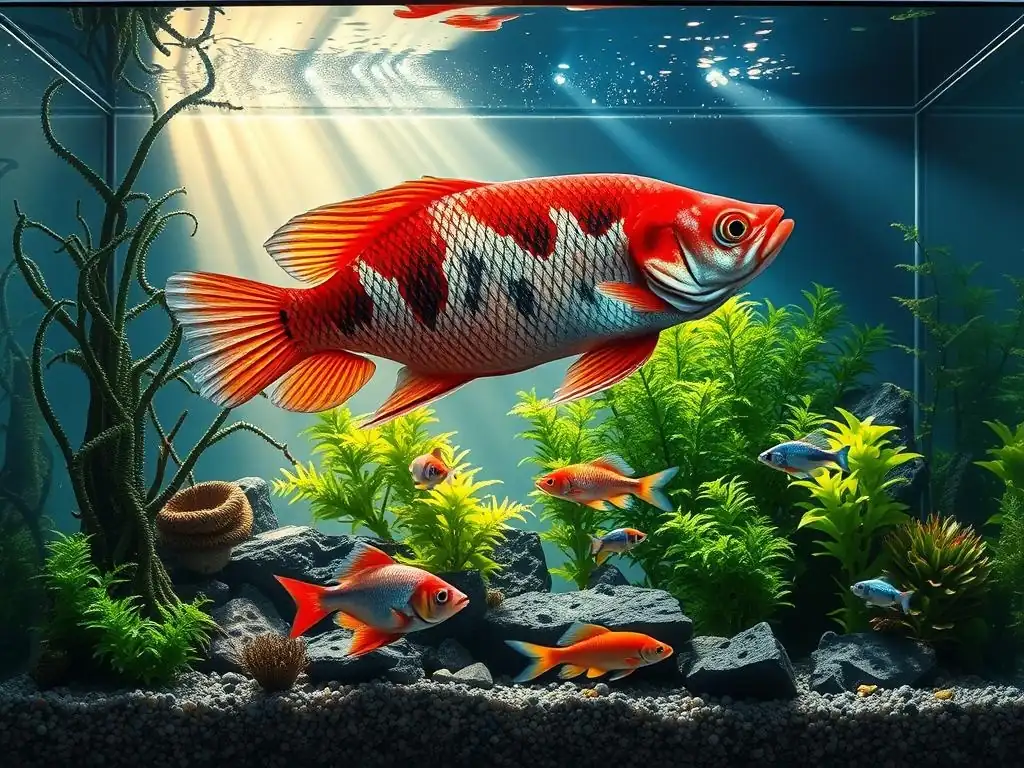
Ever wondered who the perfect companions are for your dazzling cherry barbs? Discover the secrets to creating a harmonious and thriving freshwater aquarium in our latest article, "Perfect Companions: The Best Tank Mates for Peaceful Cherry Barbs." Dive in and unlock the key to a truly peaceful and vibrant underwater world!
- Understanding Cherry Barb Temperament for Successful Tank Mates
- Top Peaceful Fish Species as Cherry Barb Tank Mates
- Invertebrates as Cherry Barb Tank Mates: Shrimp and Snails
- Fish to Avoid: Incompatible Tank Mates for Cherry Barbs
- Creating a Harmonious Aquarium Environment for Cherry Barbs and Their Tank Mates
- Troubleshooting Common Issues with Cherry Barb Tank Mates
- Maintaining a Peaceful Aquarium with Cherry Barbs: A Summary
-
Frequently Asked Questions
- What are the most important factors to consider when choosing tank mates for cherry barbs?
- Can I keep cherry barbs with other types of barbs?
- Are there any specific types of fish that cherry barbs should not be kept with?
- How does tank size affect the success of cherry barb tank mate pairings?
- What are some examples of ideal peaceful tank mates for cherry barbs in a community aquarium?
- Final Reflection: Cultivating Harmony in the Aquarium
- Ignite Your Aquarium: Cultivate a Thriving Community!
Understanding Cherry Barb Temperament for Successful Tank Mates
The Peaceful Nature of Cherry Barbs: A Key Consideration
Cherry Barbs, scientifically known as Puntius titteya, are renowned for their generally docile and peaceful demeanor, making them an excellent choice for community aquariums. These active, schooling fish typically reach a modest size of about 2 inches (5 cm) in length, with males displaying a more vibrant, cherry-red coloration, especially during breeding periods, while females are often a duller orange or brownish-red. Their non-aggressive disposition is a primary reason they are sought after by aquarists looking to create a serene freshwater environment, distinguishing them from their more boisterous barb relatives.
To truly thrive, Cherry Barbs prefer to be kept in groups of at least six individuals, which replicates their natural schooling behavior and significantly reduces stress. In a proper school, their natural shyness diminishes, and they exhibit more confident and engaging behaviors, such as playful chases and synchronized swimming.
This schooling instinct also helps mitigate any potential fin-nipping tendencies, which are rare but can occur if they are kept in insufficient numbers. Ideal water parameters for these resilient fish include a temperature range of 72-79°F (22-26°C), a pH between 6.0-7.5, and soft to medium-hard water with a general hardness (GH) of 5-15 dGH.
Assessing Tank Mate Compatibility with Cherry Barbs
Successfully integrating tank mates with Cherry Barbs hinges on a few critical compatibility criteria: temperament, size, water parameter requirements, and feeding habits. It is paramount to select species that are similarly peaceful and non-aggressive, ensuring they will not bully, injure, or stress the relatively small and gentle Cherry Barbs. Avoiding overly large or predatory fish is essential, as Cherry Barbs could become prey, while highly aggressive species, even if similar in size, can cause chronic stress.
Furthermore, compatible tank mates should ideally share similar water parameter preferences, allowing for a stable and healthy environment for all inhabitants. Significant deviations in pH, temperature, or water hardness can compromise the well-being of one or more species.
Lastly, considering feeding habits is crucial; very fast or voracious eaters might outcompete the more deliberate Cherry Barbs for food, leading to malnourishment. A minimum tank size of 20 gallons (approximately 75 liters) is often recommended for a school of 6-8 Cherry Barbs, with larger tanks (30-40 gallons or 113-150 liters) providing even more stable conditions and room for a diverse community, thus reducing potential stress and territorial disputes among peaceful cherry barb tank mates.
Top Peaceful Fish Species as Cherry Barb Tank Mates
Community Fish for a Balanced Aquarium: Ideal Cherry Barb Companions
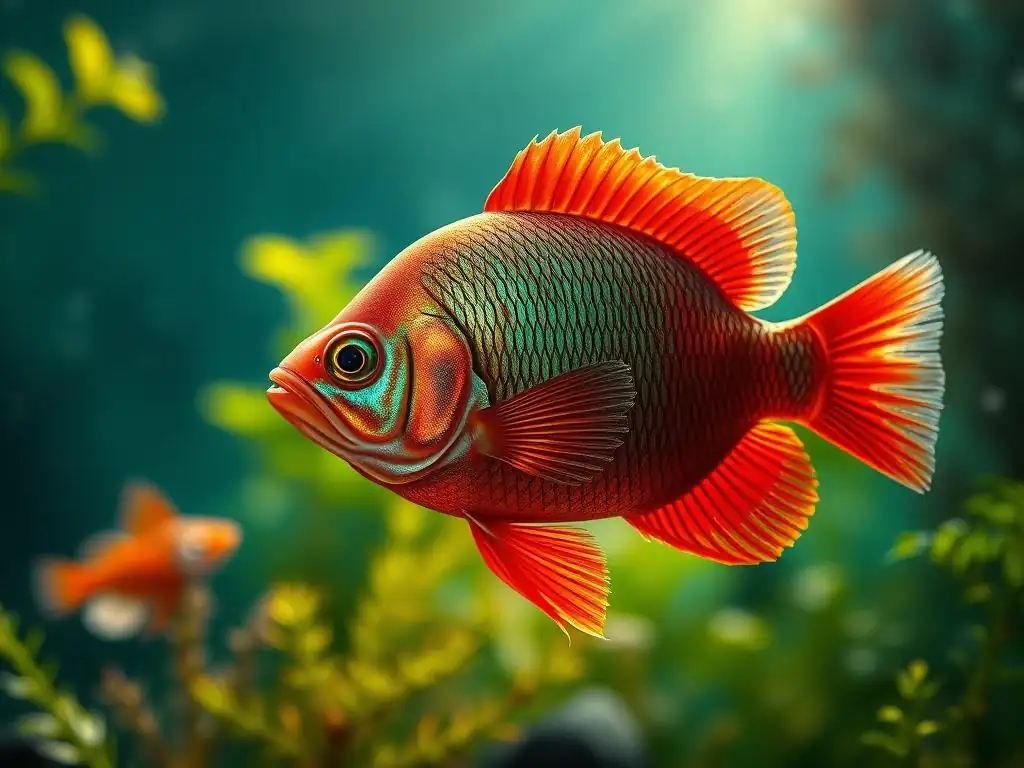
For a vibrant and balanced aquarium, several classic community fish species make excellent peaceful cherry barb tank mates. Neon Tetras ( Paracheirodon innesi) and Cardinal Tetras ( Paracheirodon axelrodi), both known for their striking colors and schooling behavior, are superb choices.
They share a similar peaceful temperament and generally thrive in the same water parameters as Cherry Barbs, typically reaching about 1.5 inches (3.8 cm) in length. Rummy Nose Tetras ( Hemigrammus rhodostomus), with their distinctive red noses and schooling prowess, are another excellent option, growing to about 2 inches (5 cm) and adding dynamic movement to the mid-water column.
Beyond tetras, Harlequin Rasboras ( Trigonostigma heteromorpha) are highly compatible, reaching a size of around 1.7 inches (4.3 cm) and displaying a calm disposition. For aquarists with slightly smaller setups, Celestial Pearl Danios ( Danio margaritatus), often referred to as 'Galaxy Rasboras', are tiny, vibrant fish (around 0.8 inches or 2 cm) that are incredibly peaceful and active, making them great companions.
Dwarf Gouramis ( Trichogaster lalius) can serve as a beautiful centerpiece fish, growing up to 2.5 inches (6.3 cm). While generally peaceful, it's best to keep only one male Dwarf Gourami per tank to avoid potential territorial squabbles, ensuring a harmonious environment for your peaceful cherry barb tank mates.
Small and Docile Fish: Perfect Partners for Cherry Barbs
Focusing on smaller, more docile fish can further enhance the diversity of a Cherry Barb community without introducing aggression or competition. Ember Tetras ( Hyphessobrycon amandae) are tiny, orange-hued fish, typically reaching only 0.7 inches (1.8 cm), making them ideal for the foreground or mid-water.
Similarly, Chili Rasboras ( Boraras brigittae), at an even smaller 0.6 inches (1.5 cm), offer a pop of red and are incredibly peaceful, thriving in densely planted tanks. Endler's Livebearers ( Poecilia wingei) are another excellent choice; these colorful, active fish are small (males around 1 inch or 2.5 cm) and generally non-aggressive, though their rapid breeding rate should be considered.
These diminutive species complement Cherry Barbs by occupying different visual spaces within the aquarium and having distinct activity patterns, leading to a more dynamic and engaging display. Their small size means they pose no threat to the Cherry Barbs, and their active yet gentle swimming ensures a stress-free environment. Providing ample hiding spots, especially in heavily planted areas, benefits these smaller species, allowing them to feel secure and display their natural behaviors. The inclusion of these small, peaceful cherry barb tank mates contributes to a balanced ecosystem where all inhabitants can thrive.
Bottom-Dwelling Companions for Cherry Barbs
To complete the multi-level appeal of a community tank, incorporating peaceful bottom-dwelling species is highly recommended. Corydoras Catfish, such as Panda Corys ( Corydoras panda), Pygmy Corys ( Corydoras pygmaeus), or Bronze Corys ( Corydoras aeneus), are exceptionally peaceful and beneficial.
These small, armored catfish typically range from 1 to 3 inches (2.5-7.6 cm) depending on the species and are excellent scavengers, helping to clean up uneaten food from the substrate. They are schooling fish themselves and should be kept in groups of at least six to ensure their comfort and natural behavior, making them ideal peaceful cherry barb tank mates.
Another excellent bottom-dweller is the Bristlenose Pleco ( Ancistrus cirrhosus). Unlike common plecos, which can grow very large and become territorial, Bristlenose Plecos remain relatively small, reaching a maximum of about 5 inches (12.7 cm), and are primarily algae eaters. They require driftwood in the tank for their digestive health.
Kuhli Loaches ( Pangio kuhlii) are also fantastic additions; these eel-like fish are shy, nocturnal, and incredibly peaceful, spending their days burrowing in soft substrate or hiding among decorations. They thrive in groups of three or more and contribute to the cleanup crew, adding a unique element to the bottom strata of the aquarium without disturbing your Cherry Barbs.
Invertebrates as Cherry Barb Tank Mates: Shrimp and Snails
Shrimp Species Safe for Cherry Barb Tanks
Adding shrimp to a Cherry Barb aquarium can introduce a fascinating element of natural cleanup and activity, provided the right species are chosen. Red Cherry Shrimp ( Neocaridina davidi) are a popular choice due to their vibrant coloration and prolific breeding.
While generally compatible, it's important to note that very young or newly hatched shrimp could potentially become a snack for adult Cherry Barbs, especially if the barbs are not consistently well-fed. However, in a heavily planted tank with ample hiding spots, such as dense mosses or fine-leafed plants, adult Cherry Barbs are typically not aggressive predators towards healthy adult Red Cherry Shrimp, which grow to about 1 inch (2.5 cm).
Amano Shrimp ( Caridina multidentata) are another highly recommended shrimp species. These robust shrimp grow larger, up to 2 inches (5 cm), making them less likely to be preyed upon by Cherry Barbs. Amano Shrimp are also renowned for their exceptional algae-eating capabilities, contributing significantly to tank cleanliness.
Ghost Shrimp ( Palaemonetes paludosus) are also an option; they are transparent and grow to about 1.5 inches (3.8 cm), offering a less visually striking but still effective cleanup crew. The key to success with shrimp as peaceful cherry barb tank mates is providing plenty of cover and ensuring the fish are well-fed to minimize any predatory instincts.
Snail Species That Coexist Peacefully with Cherry Barbs
Snails are excellent additions to a Cherry Barb tank, acting as efficient clean-up crews that consume algae and detritus without bothering the fish. Nerite Snails ( Neritina natalensis) are among the most popular choices due to their attractive shell patterns and their highly effective algae-eating habits. They are also advantageous because they do not reproduce excessively in freshwater aquariums, as their larvae require brackish water to develop, preventing overpopulation. These snails typically reach about 1 inch (2.5 cm) in size.
Mystery Snails ( Pomacea bridgesii) are another suitable option. Growing larger, up to 2 inches (5 cm) in shell diameter, they are more active and visible, making them an engaging addition. They are effective at consuming algae and leftover food. Ramshorn Snails ( Planorbella spp.
), characterized by their spiral, ram's horn-shaped shells, also make good peaceful cherry barb tank mates. While they can reproduce quickly if overfed, they are excellent at consuming algae and detritus. All these snail species are peaceful and pose no threat to Cherry Barbs, contributing to the overall health and cleanliness of the aquarium. Ensure consistent calcium levels in the water to support healthy shell growth for all snail inhabitants.
Fish to Avoid: Incompatible Tank Mates for Cherry Barbs
Aggressive Fish That Can Harm Cherry Barbs
When selecting peaceful cherry barb tank mates, it is crucial to identify and avoid species known for their aggressive or predatory behaviors. Large Cichlids, such as African Cichlids or Oscars ( Astronotus ocellatus), are entirely unsuitable. These fish are highly territorial, can grow quite large (Oscars can reach over 12 inches or 30 cm), and possess strong predatory instincts that would lead them to bully, injure, or even consume smaller, peaceful fish like Cherry Barbs. Their aggressive nature creates a constant state of stress for the barbs, leading to illness or death.
Similarly, larger, more aggressive barb species, such as Tiger Barbs ( Puntius tetrazona), despite being in the same family, are generally incompatible. Tiger Barbs are notorious fin-nippers and can be highly boisterous, overwhelming the more timid Cherry Barbs.
Other aggressive fish to avoid include Red Tail Sharks ( Epalzeorhynchos bicolor) and Rainbow Sharks ( Epalzeorhynchos frenatum). While initially small, these sharks grow to 4-6 inches (10-15 cm) and often become highly territorial and aggressive as they mature, especially towards similarly shaped or colored fish, making them a significant threat to the well-being of your Cherry Barbs in an aquarium environment.
Fin-Nipping Fish That Stress Cherry Barbs
While Cherry Barbs themselves are not typically fin-nippers, their flowing fins can make them targets for other species. Introducing fish known for their fin-nipping tendencies will cause chronic stress and potential physical harm to your Cherry Barbs. As mentioned, Tiger Barbs are prime culprits; their incessant nipping can leave Cherry Barbs with tattered fins, making them susceptible to bacterial infections like fin rot. Serpae Tetras ( Hyphessobrycon eques) are another common fin-nipper, especially if not kept in large enough schools (at least 8-10 individuals) where their aggression is often directed internally.
Even some larger, more boisterous tetra species, if not kept in adequate numbers or if the tank is too small, can exhibit fin-nipping behavior. The consequences of fin-nipping extend beyond mere cosmetic damage; constant stress weakens the Cherry Barbs' immune systems, making them highly vulnerable to various diseases. This creates an unhealthy and unhappy environment for the target fish, diminishing their vibrant colors and active behaviors. Therefore, carefully researching the behavioral traits of all potential peaceful cherry barb tank mates is essential to prevent such issues.
Fish That Outcompete Cherry Barbs for Food
Another category of fish to avoid are those that are significantly faster or more voracious eaters, as they can easily outcompete the more deliberate Cherry Barbs for food. Common Goldfish ( Carassius auratus), particularly varieties like Comets or Commons, fall into this category. Not only do they grow very large and produce a substantial bio-load, but they are also highly efficient and aggressive feeders, consuming food quickly before smaller, slower fish like Cherry Barbs have a chance to get their share. This can lead to chronic undernourishment for the Cherry Barbs.
Similarly, certain larger or very active species that consume food rapidly can inadvertently starve out Cherry Barbs, even if they are not aggressive. The problem becomes more pronounced in smaller tanks where competition for resources is heightened. Undernourishment can result in stunted growth, dull coloration, weakened immune systems, and a general decline in the health and vitality of your Cherry Barbs. Ensuring all tank inhabitants receive adequate nutrition is a critical aspect of maintaining a healthy community, so avoiding overly competitive feeders is a key strategy for fostering peaceful cherry barb tank mates.
Creating a Harmonious Aquarium Environment for Cherry Barbs and Their Tank Mates
Tank Size and Aquascaping for a Thriving Community Tank
The foundation of a harmonious aquarium for Cherry Barbs and their companions lies in appropriate tank size and thoughtful aquascaping. While a minimum 20-gallon long (approximately 75 liters) tank can house a small school of Cherry Barbs and a few compatible tank mates, a 30-gallon (113 liters) or 40-gallon breeder (150 liters) is ideal for a more diverse community.
Larger tanks provide ample swimming space, which is crucial for active fish like Cherry Barbs, and help dilute waste, leading to more stable water parameters. More importantly, increased space reduces potential territorial disputes and stress among peaceful cherry barb tank mates.
Aquascaping plays a vital role in creating a functional and aesthetically pleasing environment. Dense planting, particularly with live plants such as Java Fern ( Microsorum pteropus), Anubias ( Anubias barteri), and various stem plants (e.g., Hygrophila polysperma, Ludwigia repens), is highly beneficial. These plants provide essential hiding spots, break line of sight to reduce aggression, and offer a sense of security for shy fish.
Incorporating driftwood and rocks also creates additional cover and natural territories. It is important to leave open swimming spaces in the middle and front of the tank to accommodate the active nature of Cherry Barbs and other schooling fish.
Water Parameters and Maintenance for Cherry Barbs and Their Companions
Maintaining stable and appropriate water parameters is crucial for the long-term health and harmony of Cherry Barbs and their community tank mates. The ideal range for Cherry Barbs includes a pH of 6.0-7.5, a general hardness (GH) of 5-15 dGH, a carbonate hardness (KH) of 3-8 dKH, and a consistent temperature of 72-79°F (22-26°C). Consistency is key; sudden fluctuations in these parameters can be highly stressful. Regular monitoring using a reliable test kit (e.g., API Freshwater Master Test Kit) for ammonia (0 ppm), nitrite (0 ppm), and nitrate (<20 ppm) is essential to detect issues early.
Consistent maintenance is equally important. Weekly water changes of 25-30% are critical for removing accumulated nitrates and replenishing essential minerals. During water changes, use a gravel vacuum to remove detritus and uneaten food from the substrate, which helps maintain water quality and prevents the build-up of harmful compounds. Regular, gentle cleaning of filter media (using old tank water to preserve beneficial bacteria) ensures efficient filtration. A well-maintained tank with stable water conditions significantly reduces stress and the likelihood of disease outbreaks, allowing your peaceful cherry barb tank mates to thrive.
Feeding Strategies for a Balanced Aquarium Ecosystem
A well-rounded feeding strategy is essential for the health and vibrancy of Cherry Barbs and their diverse tank mates in a community aquarium. For Cherry Barbs, a high-quality flake food or micro-pellet should form the staple of their diet. To ensure optimal health, color, and breeding readiness, supplement their diet 2-3 times a week with live or frozen foods such as bloodworms, brine shrimp, and daphnia. Feed small amounts 2-3 times a day, providing only what the fish can consume entirely within 2-3 minutes to prevent overfeeding and subsequent water quality issues.
When housing multiple species, it is vital to ensure all tank inhabitants receive adequate nutrition, considering their specific dietary needs and feeding behaviors. Bottom dwellers, like Corydoras Catfish or Bristlenose Plecos, will benefit from sinking pellets or wafers that reach the substrate.
If you observe that faster-moving fish are monopolizing food, consider target feeding or distributing food widely across the tank to give slower or shyer fish a chance. Avoiding overfeeding is paramount, as excess food quickly decomposes, leading to elevated ammonia and nitrite levels, compromising the health of your peaceful cherry barb tank mates and the entire aquarium ecosystem.
Troubleshooting Common Issues with Cherry Barb Tank Mates
Identifying and Addressing Aggression in the Aquarium
Even with careful selection of peaceful cherry barb tank mates, occasional aggression can arise in a community aquarium. Signs of aggression include nipped fins, constant chasing, fish hiding excessively, or displaying faded stress coloration. The first step is to accurately identify the aggressor. Sometimes, seemingly peaceful fish can become aggressive if their schooling numbers are too low, causing them to become stressed and direct their frustration at other tank inhabitants. Overcrowding in the tank is another common catalyst for aggression, as it limits personal space and increases competition.
Once the aggressor is identified, several solutions can be attempted. If the aggressive behavior stems from an insufficient school size for a particular species (e.g., some tetras that need larger groups), increasing their numbers can often redirect their aggression internally within their own school. Adding more hiding spots, dense plant cover, or decorative items can help break line of sight, allowing bullied fish to escape and de-stress.
As a last resort, if aggression persists and causes chronic stress or injury, it may be necessary to rehome the aggressive fish or the targeted fish to a more suitable environment. A larger tank might also be a necessary upgrade if overcrowding is the fundamental issue.
Preventing Disease Outbreaks in a Community Tank
Preventing disease outbreaks in a community tank housing Cherry Barbs and their companions is far more effective than treating them. The most critical preventive measure is to quarantine all new fish for a period of 2-4 weeks in a separate, dedicated quarantine tank. During this time, observe them closely for any signs of illness, such as Ich (white spots), fin rot, velvet, or unusual behaviors. This practice significantly reduces the risk of introducing pathogens to your established main aquarium, protecting your existing peaceful cherry barb tank mates.
Beyond quarantine, maintaining pristine water quality and stable environmental parameters is paramount. Fluctuations in temperature, pH, or high levels of ammonia, nitrite, or nitrate are major stressors that weaken fish immune systems, making them highly susceptible to disease. Regular, consistent water changes (25-30% weekly) and proper filtration are essential. Overfeeding is a common cause of poor water quality, so adhere to appropriate feeding strategies. A well-fed, low-stress environment with clean water boosts fish immunity, making them more resilient against potential infections and ensuring the long-term health of your Cherry Barbs and their companions.
Addressing Potential Competition for Resources
Competition for resources, primarily food and territory, can occur even among peaceful cherry barb tank mates. If you notice some fish appearing thin or less active, while others are robust, it might indicate that certain species are outcompeting the Cherry Barbs or other shyer inhabitants for food. To address this, ensure you are feeding a high-quality, varied diet and distributing the food widely across the tank to give all fish an opportunity to eat. For bottom-dwelling species, specific sinking pellets or wafers should be provided after the mid-water feeders have had their share.
Territorial disputes, though less common with truly peaceful species, can arise if the tank is too small or lacks adequate visual barriers. Adding more live plants, driftwood, or rock formations can help create distinct territories and hiding spots, breaking up lines of sight and reducing direct confrontations. Ensure there are enough suitable hiding spots for every fish, especially for shy or subordinate individuals. Regularly observing feeding behaviors and interactions among your fish will help you identify and adjust your strategies to ensure that all peaceful cherry barb tank mates are well-fed and have sufficient personal space.
Managing Water Quality Fluctuations in a Community Tank
Water quality fluctuations are a significant source of stress for all aquarium inhabitants, including Cherry Barbs and their tank mates. Sudden changes in pH, temperature, or spikes in ammonia, nitrite, or nitrate levels can severely compromise fish health and lead to disease. To maintain stable water parameters, ensure your tank has a reliable heater with an accurate thermostat to keep the temperature consistent within the ideal range of 72-79°F (22-26°C).
Perform regular, consistent water changes (e.g., 25-30% weekly) using dechlorinated water that is as close as possible to the tank's existing temperature and pH. Avoid large, infrequent water changes (e.g., 50%+ monthly), as these can cause more significant parameter swings than smaller, more frequent ones.
Monitor your water parameters frequently with a test kit, especially in new tanks or after adding new fish, as the biological filter establishes itself. A mature, well-cycled filter system is paramount for maintaining stable biological filtration, which converts harmful ammonia and nitrite into less toxic nitrate, providing a consistent and healthy environment for your peaceful cherry barb tank mates.
Maintaining a Peaceful Aquarium with Cherry Barbs: A Summary
Key Considerations for Choosing the Right Tank Mates
Establishing a thriving and peaceful aquarium with Cherry Barbs hinges on making informed decisions about their tank mates. The foremost consideration is temperament: always prioritize species that are inherently peaceful, non-aggressive, and unlikely to bully or harm the gentle Cherry Barbs. Size compatibility is equally important; avoid very large or predatory fish that could view Cherry Barbs as prey. Furthermore, ensure that potential companions share similar water parameter requirements regarding pH, temperature, and hardness, as significant discrepancies can stress some inhabitants.
Beyond these core criteria, consider the feeding habits of prospective peaceful cherry barb tank mates. Fast, voracious eaters can inadvertently starve out the more deliberate Cherry Barbs, leading to health issues. Lastly, remember that Cherry Barbs are schooling fish and thrive in groups of at least six; their chosen companions should also be kept in appropriate numbers if they are schooling species. Thorough research into each potential species' behavior, adult size, and specific needs is crucial to prevent future conflicts and ensure a harmonious community environment.
Ensuring Long-Term Harmony in Your Cherry Barb Aquarium
Achieving long-term harmony in your Cherry Barb aquarium is an ongoing process that extends beyond initial setup and tank mate selection. It requires continuous observation, consistent maintenance, and a proactive approach to problem-solving. Regularly observe your fish for any signs of stress, aggression, or illness, allowing for early intervention. This daily vigilance can prevent minor issues from escalating into major problems that could disrupt the tank's delicate balance.
Consistent water changes, proper filtration, and appropriate feeding strategies are the pillars of a healthy and stable environment. A well-maintained tank with pristine water quality significantly reduces stress and boosts the immune systems of all inhabitants, making them more resilient to disease. By adhering to these principles, you can create a vibrant, engaging, and genuinely peaceful aquarium where your Cherry Barbs and their carefully chosen peaceful cherry barb tank mates can thrive for years, showcasing their natural beauty and behaviors in a serene aquatic ecosystem.
Frequently Asked Questions
What are the most important factors to consider when choosing tank mates for cherry barbs?
The most important factors are temperament, water parameter compatibility, and size. You want fish that are as peaceful as cherry barbs, can tolerate similar water conditions, and are not large enough to prey on them.
Can I keep cherry barbs with other types of barbs?
It depends on the other barb species. Avoid fin-nipping barbs like tiger barbs. Consider peaceful barbs of similar size and temperament, but ensure the tank is large enough to accommodate them all.
Are there any specific types of fish that cherry barbs should not be kept with?
Yes, avoid aggressive species like cichlids or large predatory fish. Also, avoid slow-moving, long-finned fish like bettas, as cherry barbs might nip at their fins.
How does tank size affect the success of cherry barb tank mate pairings?
Tank size is crucial. A larger tank provides more space, reducing stress and aggression. Overcrowding leads to increased competition for resources and a higher risk of conflict between tank mates.
What are some examples of ideal peaceful tank mates for cherry barbs in a community aquarium?
Good choices include small, peaceful tetras like neon tetras or ember tetras, Corydoras catfish for bottom-dwelling clean-up, and Harlequin Rasboras for a similar temperament and schooling behavior.
Final Reflection: Cultivating Harmony in the Aquarium
The delicate balance of an aquarium ecosystem, much like our own communities, hinges on compatibility and understanding. As we've explored the ideal tank mates for peaceful cherry barbs, it becomes clear that creating a thriving aquatic environment requires careful consideration and a commitment to fostering harmony amongst its inhabitants. This isn't just about fish; it's a microcosm reflecting the broader principles of coexistence.
This journey into the world of peaceful cherry barb tank mates has underscored the profound impact that thoughtful planning and empathy can have on creating a thriving environment, both in our aquariums and in our lives. It reminds us that even seemingly small choices, like selecting the right companions, can ripple outwards, shaping the overall well-being of the community. The greatness of a nation and its moral progress can be judged by the way its animals are treated.
- Mahatma Gandhi. This quote, though about animals in general, resonates deeply with the responsibility we bear as custodians of these miniature aquatic worlds.
As you consider the lessons learned from this exploration, I invite you to reflect on the power of intentionality in creating harmonious environments. Whether you're setting up a new aquarium or navigating the complexities of human relationships, remember the importance of understanding, compatibility, and a commitment to fostering peace. Embrace the challenge of creating a space where everyone can thrive, and you'll find that the rewards are immeasurable.
Ignite Your Aquarium: Cultivate a Thriving Community!
Thank you for diving into the world of Cherry Barb tank mates! We hope you've gained valuable insights into creating a harmonious aquarium environment. Now, let's put that knowledge into action.
Here are a few things you can do right now:
- Prioritize creating the ideal community for your Cherry Barbs. Carefully select tank mates based on temperament, size, and environmental needs.
- Share this article with fellow aquarium enthusiasts to spark collaborative discussions on successful tank pairings.
- Explore unique and unusual tank mate options like Khuli Loaches to add an extra layer of interest to your aquascape.
What surprising combinations have you tried with Cherry Barbs, and what advice can you share with others?