
Clownfish Hybridization: Exploring CrossSpecies Breeding – Possibilities & Pitfalls

Welcome to Aquarium Mastery!
Ever wondered about the fascinating, and sometimes controversial, world of Clownfish breeding? Delve into the intriguing realm of Clownfish Hybridization: Exploring Cross-Species Breeding. Discover the surprising possibilities and potential pitfalls that await as we uncover the secrets of creating unique clownfish varieties. Ready to unlock the mysteries of cross-species breeding? Let's dive in!
- Introduction to Clownfish Hybridization
- What is Clownfish Hybridization?
- Potential Benefits of Clownfish Hybridization
- Challenges and Pitfalls of Clownfish Hybridization
- Clownfish Breeding Hybridization Techniques: A Detailed Look
- Examples of Successful Clownfish Hybridization
- Identifying Hybrid Clownfish
- The Future of Clownfish Hybridization
- Conclusion: Weighing the Pros and Cons of Clownfish Hybridization
-
Frequently Asked Questions
- What is clownfish hybridization and why is it attempted?
- What are the potential benefits of hybridizing clownfish according to AquariumMastery.com?
- What are some of the ethical concerns surrounding clownfish hybridization?
- What are some of the common challenges faced when trying to hybridize clownfish?
- Where can I find more detailed information about clownfish breeding and hybridization techniques on AquariumMastery.com?
- Final Reflection: The Uncharted Waters of Clownfish Breeding
- Dive Deeper: Unleash the Potential of Clownfish Keeping!
Introduction to Clownfish Hybridization
Understanding Clownfish Species Diversity for Hybridization
Clownfish, belonging to the genus Amphiprion, comprise approximately 30 recognized species, each exhibiting unique color patterns, sizes, and natural distributions primarily across the Indo-Pacific region. This rich diversity is a foundational element when considering clownfish hybridization, as not all species are equally compatible for cross-breeding. For instance, the Ocellaris clownfish ( Amphiprion ocellaris) and the Percula clownfish ( Amphiprion percula) are genetically very close, sharing similar morphology and often overlapping natural ranges, making them prime candidates for successful hybridization. Their genetic proximity is evident in their similar chromosome numbers and behavioral patterns.
Conversely, attempting to hybridize a robust species like the Clarkii clownfish ( Amphiprion clarkii) with a much smaller species like the Pink Skunk clownfish ( Amphiprion perideraion) presents significant challenges due to substantial differences in size, aggression levels, and potentially greater genetic divergence. Understanding these species-specific characteristics, including their typical adult size (e.g., Ocellaris typically 3-4 inches, Clarkii up to 5-6 inches), natural habitats (e.g., shallow reefs for Ocellaris, deeper waters for Clarkii), and host anemone preferences, is crucial for assessing the likelihood of successful clownfish breeding hybridization techniques.
The Growing Interest in Hybrid Clownfish Breeding
The fascination with hybrid clownfish has surged within the aquarium hobby, driven largely by the desire for novel and visually striking fish varieties. Aquarists and commercial breeders alike are increasingly exploring cross-species breeding to produce unique coloration, finnage, and patterns that do not naturally occur in purebred lines. This interest is fueled by the success of designer clownfish morphs, where a single unique specimen can command prices ranging from $100 to over $500, depending on its rarity and aesthetic appeal.
Beyond aesthetics, some breeders hope that clownfish hybridization might confer benefits such as enhanced disease resistance or increased vigor, a phenomenon sometimes observed in hybrids known as heterosis. The challenge and intellectual satisfaction of successfully executing complex clownfish breeding hybridization techniques also appeal to advanced hobbyists looking to push the boundaries of captive breeding. This pursuit is transforming the market, with an expanding array of hybrid options becoming available to the discerning aquarist.
What is Clownfish Hybridization?
Defining Cross-Species Breeding in Clownfish
Clownfish hybridization refers to the process of breeding two different species of clownfish from the genus Amphiprion to produce offspring. This is distinct from breeding different color morphs or strains within the same species, such as crossing a "Snowflake" Ocellaris with a "Black Ice" Ocellaris, which are merely selective breeding efforts. True hybridization involves the genetic mixing of two distinct biological species, leading to offspring that carry genetic material from both parent species.
For a true hybrid to be produced, the two parent species must be capable of interbreeding and producing viable offspring, even if those offspring are sterile or have reduced fertility. The resulting F1 generation (first filial generation) will exhibit a blend of traits from both parents, often displaying intermediate characteristics or novel combinations of colors and patterns. This controlled application of clownfish breeding hybridization techniques is a deliberate effort to achieve specific outcomes.
How Hybridization Occurs in Clownfish
Hybridization in clownfish can occur through two primary mechanisms: naturally or artificially. Natural hybridization is a rare event, typically occurring in areas where the geographical ranges of two closely related clownfish species overlap, and suitable mates of their own species are scarce. In such cases, if environmental pressures or population dynamics lead to a lack of conspecific partners, individuals may resort to breeding with a closely related species. For instance, observations of natural hybrids between Amphiprion ocellaris and Amphiprion percula have been reported in specific overlapping zones in the wild, though these occurrences are not common.
Artificially, or in captivity, clownfish hybridization is a controlled process orchestrated by aquarists and breeders. This involves intentionally pairing two different clownfish species in a dedicated breeding tank. The breeding pair is conditioned with high-quality foods and maintained under optimal water parameters (e.g., salinity 1.025, temperature 78-82°F, pH 8.0-8.4) to encourage spawning. Once the female lays eggs and the male fertilizes them, the resulting offspring are hybrids. These controlled clownfish breeding hybridization techniques allow for the systematic exploration of genetic combinations and the development of new varieties for the aquarium trade.
Potential Benefits of Clownfish Hybridization
Enhancing Coloration and Patterns Through Clownfish Crossbreeding
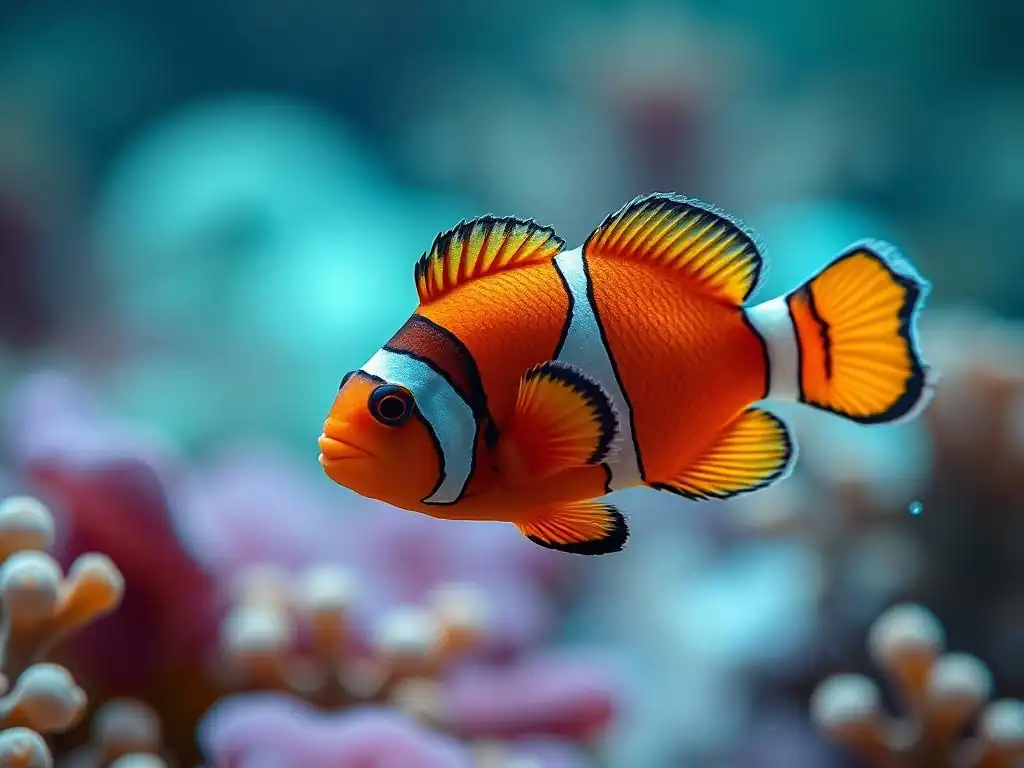
One of the most compelling motivations for clownfish hybridization is the potential to create novel and visually striking coloration and patterns. By cross-breeding species with distinct aesthetic traits, breeders can produce offspring that exhibit unique combinations not found in nature. For example, crossing a vibrant orange Ocellaris clownfish with a species known for intricate white banding, such as a Percula, can result in hybrids with intensified orange hues combined with unusual or expanded white patterns. Some successful hybrids have displayed broader bands, irregular "snowflake" patterns, or even mottled areas of color that are highly sought after by collectors.
Consider the "Platnium" or "Frostbite" types, which, while often developed through selective breeding within Amphiprion ocellaris lines, demonstrate the market's demand for unique patterns. Hybridization offers another avenue to achieve similar or even more unpredictable and appealing visual outcomes. The blend of genetic material can lead to a wider spectrum of color saturation, band thickness, and fin coloration, making these hybrid clownfish stand out in the ornamental fish market and fetching premium prices, sometimes exceeding 300% of a standard Ocellaris price for a truly unique specimen.
Improving Disease Resistance via Clownfish Hybridization
The concept of "hybrid vigor," or heterosis, suggests that the offspring of two genetically distinct parents may exhibit superior traits compared to either parent, including enhanced growth rates and improved disease resistance. In the context of clownfish hybridization, breeders hope that combining the genetic material from two different species could introduce a broader range of immune system genes, potentially making the hybrid offspring more resilient to common aquarium ailments like marine ich ( Cryptocaryon irritans) or bacterial infections such as Vibrio species.
While empirical data specifically proving enhanced disease resistance in hybrid clownfish is limited in the hobbyist sphere, anecdotal reports from some breeders suggest that certain hybrid lines appear to be hardier and less susceptible to stress-induced illnesses than their purebred counterparts. For instance, a hybrid might inherit a stronger immune response from one parent species, while gaining adaptability from the other. This theoretical advantage, though not yet fully quantified, represents a significant potential benefit that drives continued experimentation with clownfish breeding hybridization techniques, aiming to produce more robust and long-lived aquarium inhabitants.
Creating Unique Clownfish Varieties for the Aquarium Trade
The drive to innovate and offer novel products is a cornerstone of the ornamental fish trade, and clownfish hybridization plays a significant role in this. By intentionally cross-breeding different species, breeders can introduce entirely new "designer" clownfish varieties that command higher prices and attract a niche market of enthusiasts. These unique clownfish varieties are not merely variations of existing patterns; they represent a distinct genetic lineage that can be marketed as exclusive.
For example, a hybrid between a Black Ocellaris and a standard Orange Percula could result in offspring with unique mottled patterns or varying degrees of black and orange distribution that are unlike anything seen in either pure species. This constant introduction of new forms keeps the hobby dynamic and exciting. The market for designer clownfish has grown substantially, with rare and aesthetically pleasing hybrids often selling for upwards of $200-$500 per fish, reflecting the high demand for truly unique specimens produced through specialized clownfish breeding hybridization techniques.
Challenges and Pitfalls of Clownfish Hybridization
Ethical Considerations in Clownfish Hybridization
Clownfish hybridization, while offering exciting possibilities, also raises several ethical questions within the aquarium community. A primary concern is the potential impact on the genetic integrity of pure species. Uncontrolled or irresponsible breeding practices could lead to the proliferation of hybrids that, if ever accidentally or intentionally introduced into wild populations (though highly unlikely for captive-bred fish), could dilute the genetic distinctiveness of natural species. This concern is more pronounced in scientific contexts but warrants consideration in responsible hobbyist practices.
Furthermore, there is an ethical debate regarding the welfare of the hybrid offspring. Some crosses may result in fish with reduced viability, deformities, or a shortened lifespan due to genetic incompatibilities. While the pursuit of unique patterns is alluring, prioritizing the health and longevity of the fish should be paramount. Responsible breeders using clownfish breeding hybridization techniques must consider the potential for unforeseen negative consequences on the fish's well-being.
Genetic Compatibility Issues in Cross-Species Clownfish Breeding
Despite the existence of successful clownfish hybrids, genetic compatibility remains a significant hurdle in cross-species breeding. Not all clownfish species can successfully hybridize, and even among those that can, there can be varying degrees of success and viability.
Differences in chromosome numbers, gene sequences, or even reproductive behaviors can create biological barriers that prevent successful fertilization or lead to non-viable embryos. For example, while Amphiprion ocellaris and Amphiprion percula readily hybridize due to their close genetic relationship, attempting to cross a Premnas biaculeatus (Maroon Clownfish) with an Amphiprion frenatus (Tomato Clownfish) is highly unlikely to yield viable offspring due to their greater genetic divergence.
Even when fertilization occurs, genetic incompatibilities can manifest during embryonic development, leading to high rates of mortality in the egg or larval stages. Breeders often report significantly lower hatch rates or higher fry mortality in hybrid batches compared to purebred spawns, sometimes as much as 50-70% higher mortality in the initial days post-hatch. Understanding these genetic limitations is crucial for any serious endeavor involving clownfish breeding hybridization techniques.
Reduced Fertility and Viability in Hybrid Clownfish Offspring
A common challenge encountered in clownfish hybridization, as with many other animal hybrids, is reduced fertility or even complete sterility in the offspring. While the first filial generation (F1) of hybrids might be viable and fertile, subsequent generations (F2, F3, etc.) often exhibit a phenomenon known as "hybrid breakdown," where fertility sharply declines, or offspring become increasingly weak and non-viable. This reduction in reproductive capability can make it difficult, if not impossible, to establish stable breeding lines of hybrid clownfish.
For example, while Ocellaris x Percula hybrids are generally fertile, some more disparate crosses may result in F1 individuals that are sterile, meaning they cannot produce viable eggs or sperm. This limits the commercial potential of such hybrids to only the F1 generation, as they cannot be used to propagate further unique lines. Breeders must be prepared for the possibility that a significant portion, sometimes over 80%, of their hybrid offspring may not be able to reproduce, making the long-term propagation of novel traits a complex and often unachievable goal without continuous backcrossing to one of the parent species.
Risks of Introducing Undesirable Traits Through Hybridization
While the primary goal of clownfish hybridization is often to introduce desirable traits like unique coloration, there is an inherent risk of inadvertently introducing undesirable characteristics. Genetic mixing is a roll of the dice; along with the desired traits, hybrids might inherit less appealing qualities such as increased aggression, slower growth rates, susceptibility to specific diseases, or even less vibrant coloration in subsequent generations. For instance, a hybrid might inherit the aggressive tendencies of one parent species without gaining any significant aesthetic advantage from the other.
Furthermore, some hybrid offspring may exhibit poor overall health or developmental issues that are not immediately apparent. These issues might only become evident as the fish matures or when attempting to breed the hybrids themselves. The unpredictable nature of genetic recombination means that successful clownfish breeding hybridization techniques require careful observation and selective culling of individuals that display detrimental traits, ensuring that only the healthiest and most aesthetically pleasing specimens are propagated.
Clownfish Breeding Hybridization Techniques: A Detailed Look
Selecting Compatible Clownfish Species for Hybridization
The success of clownfish breeding hybridization techniques hinges significantly on the careful selection of compatible parent species. The most successful hybrids typically result from crosses between species that are closely related genetically and share similar physical characteristics and breeding behaviors. The Amphiprion ocellaris and Amphiprion percula complex is the quintessential example, as they are often considered cryptic species due to their high genetic similarity and near-identical appearance, making their hybridization relatively straightforward and common.
When selecting species, consider their natural size, aggression levels, and typical host anemone preferences. Pairing a large, aggressive species like a Maroon Clownfish ( Premnas biaculeatus) with a much smaller, docile species like a Pink Skunk Clownfish ( Amphiprion perideraion) is generally ill-advised, as the size disparity and behavioral differences can lead to aggression, stress, and ultimately, a lack of successful pairing or spawning.
Focusing on species within the same "complex" or group (e.g., the Clarkii complex, the Skunk complex) often yields better results, as their evolutionary proximity increases the likelihood of viable offspring. Researching existing successful crosses and understanding the genetic relationships between species is a critical first step.
Setting Up a Breeding Tank for Clownfish Hybridization
A dedicated breeding tank is essential for successful clownfish breeding hybridization techniques. For a single pair, a tank size of 20 to 40 gallons is typically sufficient, providing enough space for the pair to establish territory and for the male to guard the eggs without excessive stress. The tank should be bare-bottom or have a very thin sand bed to facilitate easy cleaning and prevent detritus accumulation, which can harm eggs and fry. Water parameters must be stable and optimal for clownfish: salinity at 1.025 specific gravity, temperature maintained between 78-82°F (25.5-27.8°C), and pH between 8.1-8.4.
Essential equipment includes a reliable heater, an air stone for oxygenation, and a gentle filtration system (e.g., a sponge filter or small hang-on-back filter with low flow). A critical element is a suitable spawning surface, such as an inverted terracotta pot, a flat piece of slate, or a large ceramic tile, placed in an area with good water flow. Providing a host anemone is not strictly necessary for breeding in captivity, but some pairs may feel more secure and spawn more readily if one is present, though this can complicate egg and fry collection.
Inducing Spawning and Fertilization in Hybrid Clownfish Breeding Projects
Inducing spawning in a hybrid clownfish breeding project largely mirrors the techniques used for purebred clownfish, with an added layer of careful observation for compatibility. The primary method involves conditioning the chosen pair with a high-quality, varied diet. Feed the pair multiple times a day with a mix of nutritious foods such as frozen mysis shrimp, spirulina-enriched brine shrimp, finely chopped seafood, and high-quality pellets. This robust feeding regimen ensures the fish are in peak breeding condition, supporting gonadal development and egg production.
Maintaining stable and pristine water quality through regular partial water changes (e.g., 10-20% weekly) and consistent lighting cycles (e.g., 12-14 hours on, 10-12 hours off) can also help trigger spawning behavior. Once conditioned, the female will typically become plump with eggs. The pair will then engage in courtship rituals, including "shaking" and cleaning a chosen spawning site.
The female will lay adhesive eggs, often numbering between 300 and 1,000 depending on her size and species, which the male will then fertilize. The male diligently guards and aerates the eggs until they hatch, usually within 7-10 days depending on temperature. Monitoring these behaviors is key to successful clownfish breeding hybridization techniques.
Caring for Hybrid Clownfish Eggs and Fry
The care for hybrid clownfish eggs and fry is intensive and critical for success, often presenting higher mortality rates than purebred offspring due to potential genetic weaknesses. Once laid, the male clownfish will diligently fan and clean the eggs. It is crucial to ensure good water flow over the eggs to prevent fungal growth. Some breeders opt to remove the egg clutch just before hatching and transfer it to a separate larval rearing tank to protect the delicate fry from the adult fish. This rearing tank should be small (e.g., 5-10 gallons), bare-bottom, and equipped with gentle aeration.
Hybrid clownfish fry are extremely small and require microscopic live food immediately upon hatching. For the first 5-7 days, newly hatched rotifers ( Brachionus plicatilis) are the staple diet. Rotifers should be gut-loaded with high-quality phytoplankton to provide essential nutrients to the fry.
After about a week, the fry can gradually be transitioned to newly hatched brine shrimp nauplii, and then to progressively larger foods like finely ground flake food or small pellets as they grow. Water quality in the larval tank must be meticulously maintained with daily small water changes (e.g., 10-20%) using aged or pre-mixed saltwater, as fry are highly sensitive to ammonia and nitrites. Even with optimal care, mortality rates for clownfish fry, especially hybrids, can exceed 50-70% in the initial two weeks.
Examples of Successful Clownfish Hybridization
The Ocellaris x Percula Hybrid: A Popular Cross
The hybridization between the Ocellaris clownfish ( Amphiprion ocellaris) and the Percula clownfish ( Amphiprion percula) is arguably the most common and successful cross in the aquarium hobby. These two species are remarkably similar in appearance and genetics, leading to readily viable and often fertile offspring. These hybrids are frequently referred to informally as "Percularis" or simply "Ocellaris Hybrids." Visually, they often exhibit an intermediate appearance, sometimes showing a blend of the Ocellaris' typically thinner black outlines on their white bands and the Percula's slightly thicker, more irregular bands.
Many popular designer clownfish strains, while primarily developed through selective breeding within A. ocellaris lines (e.g., Snowflake, Black Ice), occasionally involve some degree of Percula genetics in their lineage, contributing to novel patterns. The F1 generation of Ocellaris x Percula hybrids typically demonstrates good vigor and a high survival rate, comparable to purebred offspring, making this one of the most accessible clownfish breeding hybridization techniques for hobbyists. These hybrids are generally fertile, allowing for further selective breeding to enhance specific traits.
The Clarkii x Sebae Hybrid: An Uncommon Cross
While less common than the Ocellaris x Percula cross, hybridization between the Clarkii clownfish ( Amphiprion clarkii) and the Sebae clownfish ( Amphiprion sebae) has been documented, though it presents greater challenges. Both A. clarkii and A. sebae are larger, more robust clownfish species compared to Ocellaris/Percula, and they belong to different species complexes. Their genetic divergence is greater, which can lead to lower success rates in terms of viable offspring and potential fertility issues in the F1 generation.
The offspring of a Clarkii x Sebae cross often exhibit a blend of characteristics from both parents, such as the overall body shape and finnage of a Clarkii but with the more muted coloration or specific banding patterns reminiscent of a Sebae. However, these hybrids are not as widely sought after as the Ocellaris/Percula hybrids, partly due to their less predictable aesthetic outcomes and the increased difficulty in achieving successful spawning and rearing. This type of clownfish breeding hybridization technique is typically attempted by very advanced breeders looking to explore more challenging genetic combinations.
Analysis of Traits Observed in Successful Clownfish Hybrids
Successful clownfish hybrids often display a fascinating blend of traits from their parent species, demonstrating the principles of Mendelian inheritance in a marine context. In the Ocellaris x Percula hybrid, for instance, the number and shape of the white bands are often intermediate. A pure Ocellaris typically has three distinct, relatively thin white bands, while a Percula might have slightly thicker or more irregular bands.
Their hybrids often show a combination, sometimes with bands that are broader than a typical Ocellaris but not as thick as a pure Percula, or with slight irregularities. The base body color can also be a mix, perhaps a slightly deeper orange than a pure Ocellaris but not as intense as some Percula strains.
Beyond aesthetics, some hybrids may exhibit hybrid vigor, leading to faster growth rates or increased hardiness compared to one or both parent species, though this is not universally guaranteed. For instance, a hybrid might grow to an adult size of 3.5 inches, an intermediate between a 3-inch Ocellaris and a 4-inch Percula.
Conversely, some traits might be less desirable, such as a less defined black outline on bands or a slightly different fin shape. The analysis of these observed traits is crucial for breeders aiming to refine their clownfish breeding hybridization techniques and select for the most desirable characteristics in subsequent generations.
Identifying Hybrid Clownfish
Recognizing Key Characteristics of Hybrid Clownfish
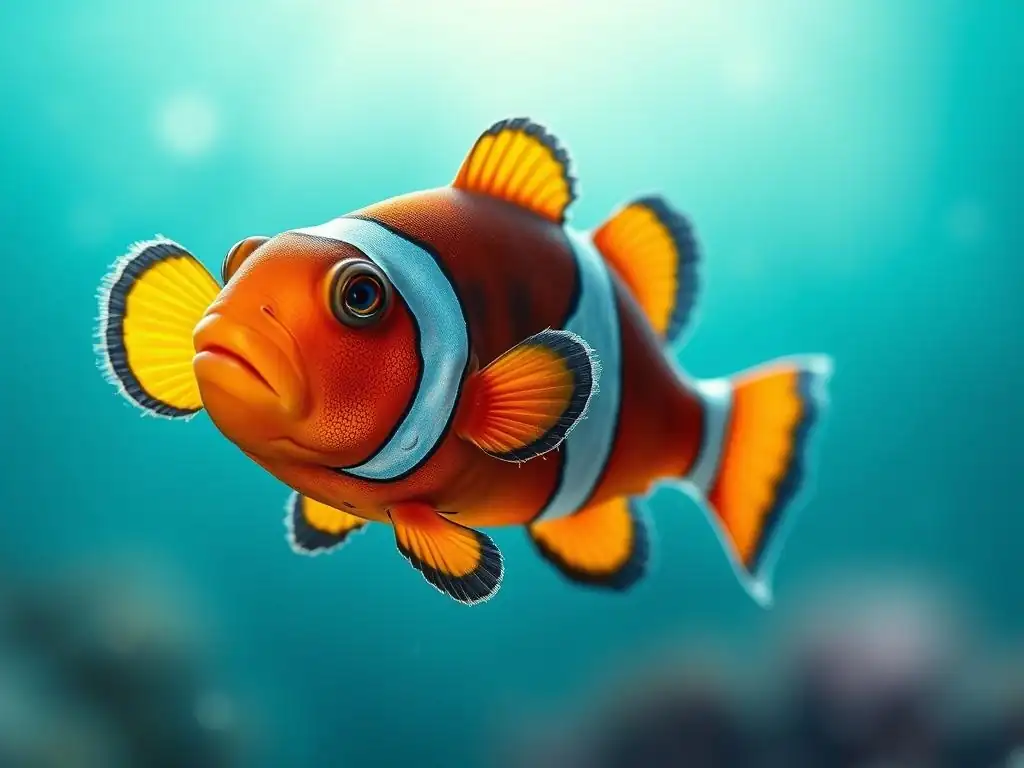
Identifying hybrid clownfish can be challenging, especially without knowing their parentage, as their appearance can vary widely depending on the specific species crossed and the dominant genetic traits inherited. However, several key characteristics can hint at a hybrid origin. The most common indicators are unusual or atypical banding patterns that do not conform to any recognized pure species. For example, a clownfish might exhibit a band count or shape that is a mix between two species, such as an Ocellaris-like body with Percula-like band thickness, or even mottled areas where colors from both parents seem to blend unevenly.
Coloration can also be a clue. If a clownfish displays a color palette that is a blend of two distinct species, or an intensity that is unusual for a purebred, it might be a hybrid. For instance, a hybrid between a black variation and an orange one might show patchy black and orange coloration rather than a solid, uniform hue. Fin shapes or body proportions that fall between two different species can also be subtle indicators. Observing these anomalies is the first step in recognizing potentially unique specimens created through clownfish breeding hybridization techniques.
Distinguishing Hybrids from Purebred Clownfish
Distinguishing hybrids from purebred clownfish often requires a keen eye and familiarity with the subtle nuances of various clownfish species. Purebred clownfish typically adhere to a consistent set of characteristics for their species, including precise band counts, specific band shapes, and predictable color distribution. For instance, a pure Ocellaris will reliably have three white bands with thin black outlines, whereas a pure Percula will have three white bands with thicker, sometimes irregular, black outlines. Any deviation from these established norms can suggest a hybrid origin.
The challenge intensifies with designer purebreds (e.g., "Snowflake" Ocellaris), which have unique patterns but are still genetically A. ocellaris. The key difference lies in the genetic lineage: a designer purebred is a selectively bred variant of a single species, while a hybrid is a cross between two different species.
Without a known lineage or genetic testing, visual identification can be subjective. However, a clownfish displaying a truly "unnatural" combination of traits, such as an Ocellaris-like body with the distinct pattern of a different species' tail fin, is a strong candidate for being a hybrid resulting from specific clownfish breeding hybridization techniques.
Using Genetic Testing to Confirm Clownfish Hybridization
For definitive confirmation of clownfish hybridization, genetic testing is the most reliable method. While not typically accessible or practical for the average hobbyist, molecular techniques such as DNA sequencing or the use of species-specific genetic markers can unequivocally identify the genetic contributions from two different parent species. Researchers and large commercial breeding operations may utilize these methods to verify the authenticity of hybrid lines or to study the genetic compatibility between various Amphiprion species.
Genetic testing involves taking a small tissue sample (e.g., a fin clip) from the suspected hybrid and analyzing its DNA. By comparing specific gene sequences or mitochondrial DNA (which is inherited maternally) to known sequences of purebred clownfish species, scientists can determine if the individual possesses genetic material from more than one species. This scientific approach provides irrefutable evidence of cross-species breeding, moving beyond visual guesswork and providing precise data on the success of various clownfish breeding hybridization techniques.
The Future of Clownfish Hybridization
Emerging Trends in Clownfish Cross-Species Breeding
The future of clownfish cross-species breeding is likely to see several emerging trends, driven by both market demand and scientific curiosity. One significant trend is the increasing focus on specific trait combinations. Rather than random crosses, breeders are becoming more sophisticated in identifying which specific traits from different species they wish to combine, aiming for predictable outcomes in coloration, pattern, or even temperament. This involves a deeper understanding of the genetic underpinnings of these traits.
Another trend might involve the exploration of more challenging crosses, as breeders push the boundaries beyond the well-established Ocellaris x Percula hybrid. This could mean attempting to hybridize species with greater genetic divergence, though this comes with increased risks of reduced viability and fertility. Furthermore, as aquaculture technology advances, there may be more systematic approaches to record-keeping and data analysis of clownfish breeding hybridization techniques, allowing for more informed decisions and potentially higher success rates in creating stable, unique hybrid lines.
The Role of Technology in Advancing Clownfish Hybridization
Technology is poised to play an increasingly vital role in advancing clownfish hybridization. Beyond traditional breeding methods, molecular genetics will likely become more integrated into the process. DNA sequencing and genetic mapping could allow breeders to identify specific genes responsible for desirable traits (e.g., unique patterns, disease resistance) and potentially predict the outcomes of specific crosses with greater accuracy. This precision breeding could reduce the trial-and-error often associated with current clownfish breeding hybridization techniques.
Advanced aquaculture systems, including sophisticated water quality monitoring, automated feeding systems, and optimized larval rearing protocols, will also contribute to higher survival rates for delicate hybrid fry. Furthermore, cryopreservation techniques for clownfish gametes (sperm and eggs) could eventually allow for the long-term storage of genetic material from rare or particularly desirable individuals, facilitating future crosses without needing to maintain live breeding pairs indefinitely. These technological advancements promise to make hybridization more efficient, predictable, and potentially more accessible to a broader range of dedicated aquarists.
Sustainability and Responsible Practices in Hybrid Clownfish Breeding
As clownfish hybridization continues to evolve, the emphasis on sustainability and responsible practices will become paramount. Ethical breeding dictates that the health and welfare of the fish should always take precedence over the pursuit of novelties. This means avoiding crosses that consistently produce fish with severe deformities, reduced viability, or chronic health issues. Breeders should strive to create robust, long-lived hybrids rather than merely aesthetically unique but fragile specimens.
Responsible practices also include transparent labeling. When selling hybrid clownfish, breeders should clearly disclose their hybrid nature and, if known, their parent species. This prevents misrepresentation and ensures that buyers are fully informed. Furthermore, there is a collective responsibility to prevent the release of any captive-bred fish, especially hybrids, into wild ecosystems, as this could have unforeseen ecological consequences. Adhering to these principles ensures that the fascinating field of clownfish breeding hybridization techniques contributes positively to the hobby and the well-being of these incredible marine creatures.
Conclusion: Weighing the Pros and Cons of Clownfish Hybridization
Clownfish hybridization offers a captivating frontier for marine aquarists and breeders, opening doors to an astonishing array of unique color patterns and potentially enhanced traits like disease resistance. The allure of creating a truly one-of-a-kind specimen or developing a hardier strain through innovative clownfish breeding hybridization techniques is undeniable, driving significant interest and investment within the hobby. Successful crosses, particularly between closely related species like the Ocellaris and Percula, have demonstrated the viability and aesthetic appeal of these designer fish, often commanding premium prices in the market.
However, the pursuit of hybrid clownfish is not without its significant challenges and ethical considerations. Genetic incompatibilities can lead to high rates of mortality, reduced fertility, or even sterility in offspring, making the establishment of stable hybrid lines difficult. There's also the risk of inadvertently introducing undesirable traits or compromising the genetic integrity of pure species through irresponsible practices. Balancing the excitement of novelty with the imperative of fish welfare and genetic responsibility is crucial for the future of this specialized breeding endeavor.
Promoting Responsible Breeding Practices in the Clownfish Hobby
To ensure the continued positive development of clownfish breeding hybridization techniques, promoting responsible practices is essential. Breeders should prioritize the long-term health and viability of the fish over fleeting aesthetic trends. This involves thorough research into species compatibility, meticulous record-keeping of breeding outcomes, and a commitment to culling individuals that exhibit significant genetic weaknesses or deformities. Education within the hobby is key, ensuring that aquarists understand the complexities and potential pitfalls of hybridization before attempting it.
Ultimately, responsible breeding means making informed decisions that contribute to the overall health and diversity of captive clownfish populations. By adhering to ethical guidelines, sharing knowledge, and focusing on creating robust, healthy animals, the clownfish hobby can continue to innovate and explore the fascinating possibilities of hybridization in a sustainable and conscientious manner.
Frequently Asked Questions
What is clownfish hybridization and why is it attempted?
Clownfish hybridization is the process of cross-breeding different Amphiprion species. It's typically attempted to create unique color patterns or potentially combine desirable traits from different species.
What are the potential benefits of hybridizing clownfish according to AquariumMastery.com?
While not explicitly stated, potential benefits could include novel color variations that are highly sought after, and possibly increased disease resistance or adaptability to different tank conditions.
What are some of the ethical concerns surrounding clownfish hybridization?
Ethical concerns often revolve around the potential impact on purebred clownfish populations, the unknown health consequences for hybrid offspring, and the potential for releasing hybrids into the wild.
What are some of the common challenges faced when trying to hybridize clownfish?
Common challenges include species incompatibility, low fry survival rates, and the difficulty in predicting the offspring's appearance and health. Success is not guaranteed.
Where can I find more detailed information about clownfish breeding and hybridization techniques on AquariumMastery.com?
AquariumMastery.com offers content organized by species profiles, aquarium type, and troubleshooting guides. Look for articles specifically addressing clownfish breeding and potential hybridization issues.
Okay, here's a final reflection designed to close your article on Clownfish Hybridization, aiming for a reflective and inspiring tone while incorporating the specified Markdown formatting and keyword relevance:
Final Reflection: The Uncharted Waters of Clownfish Breeding
The exploration of clownfish hybridization, as we've seen, is not merely an academic exercise but a dive into the complex interplay of genetics and ethics within the aquarium hobby. The potential for vibrant new color morphs and enhanced resilience is undeniably alluring, yet the long-term consequences for wild populations and the integrity of species boundaries demand careful consideration. This delicate balance between innovation and responsibility is what truly defines the future of clownfish breeding.
The allure of creating something new, something unique, is deeply ingrained in human nature. This drive, however, must be tempered with a profound respect for the natural world and the delicate ecosystems we seek to influence. The ethical considerations surrounding hybridization are not just abstract debates; they are real-world dilemmas that impact the well-being of these fascinating creatures and the future of marine biodiversity. The question is not, 'Can we breed hybrids?' but rather, 'Should we?'
This quote encapsulates the central challenge: navigating the possibilities while upholding our responsibility as stewards of the ocean.
As we conclude this exploration of clownfish hybridization techniques, I invite you to reflect on the broader implications of our actions. Consider the legacy we wish to leave behind. Let us approach the future of clownfish breeding not with reckless abandon, but with a thoughtful and informed commitment to sustainability, ethical practices, and the preservation of the natural wonders that inspire us all. The future of these vibrant fish, and indeed the health of our oceans, depends on the choices we make today.
Dive Deeper: Unleash the Potential of Clownfish Keeping!
Thanks for exploring the fascinating world of clownfish hybridization with us! We hope you’ve gained valuable insights into the possibilities and challenges of cross-species breeding. Ready to take your knowledge further?
Here are a few actionable steps you can take right now:
- Craft your own clownfish hybridization plan! Start by researching compatible species and outlining the necessary steps for a successful breeding attempt.
- Share this article with fellow aquarium enthusiasts to spark discussion and collaboration in the community.
- Consider joining an online aquarium forum to connect with experienced breeders and exchange valuable knowledge and advice.
What innovative breeding technique are you most excited to explore in the realm of clownfish keeping?