
Panther Crabs (Parathelphusa panthernina): Spotted Beauties for Your Paludarium

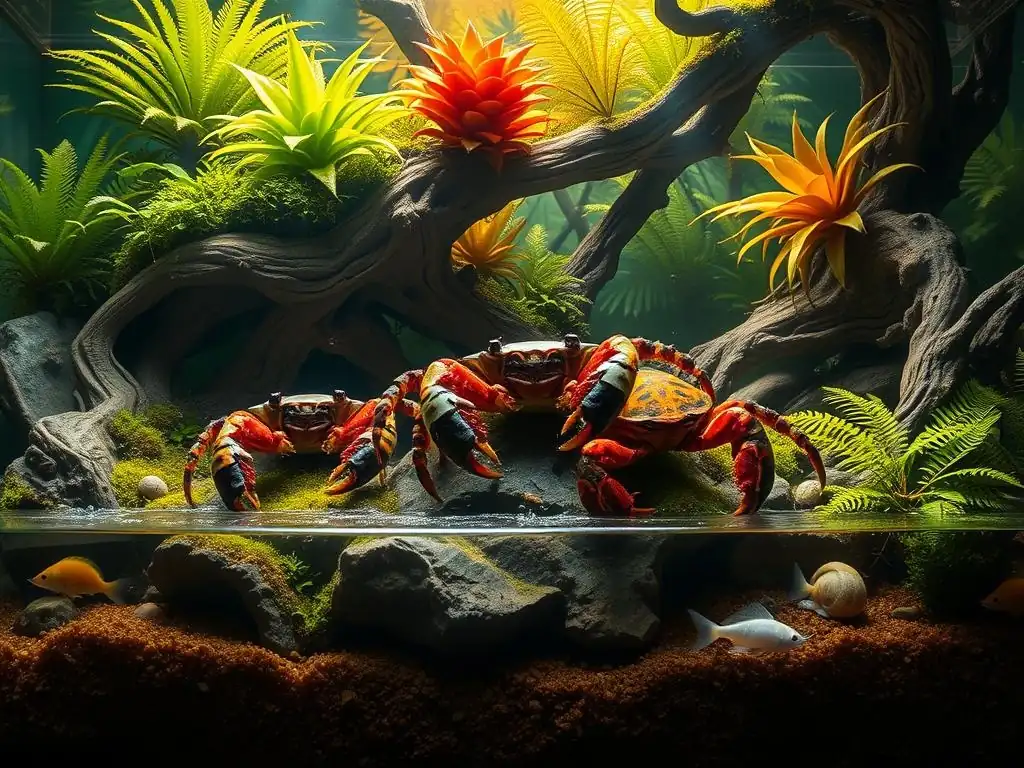
Welcome to Aquarium Mastery! Ever been captivated by the idea of a miniature, thriving ecosystem right in your home? Then prepare to be amazed! Today, we're diving deep into the fascinating world of Panther Crabs. But what does it take to create the perfect paludarium for these spotted beauties? Uncover the secrets to successful Panther crab care paludarium setups and get ready to embark on a truly rewarding aquatic adventure. Let's explore!
- Panther Crabs (Parathelphusa pantherina): Spotted Beauties for Your Paludarium
- Introducing the Panther Crab: A Paludarium Gem
- Panther Crab Care: Essential Guidelines for a Thriving Habitat
- Panther Crab Behavior and Compatibility
- Identifying and Addressing Common Panther Crab Health Issues
- Breeding Panther Crabs: A Challenging but Rewarding Endeavor
- Where to Buy Panther Crabs and What to Look For
- Panther Crab Paludarium: Frequently Asked Questions
-
Frequently Asked Questions
- How difficult is it to care for Panther Crabs in a paludarium setting?
- What are the specific water parameters required for Panther Crabs in a paludarium?
- What type of diet do Panther Crabs need in a paludarium environment?
- What are the essential components of a Panther Crab paludarium setup?
- How can I prevent common issues like aggression or molting problems with my Panther Crabs?
- Final Reflection: Embracing the Wild Within Our Walls
- Unleash Your Inner Aquarist!
Panther Crabs (Parathelphusa pantherina): Spotted Beauties for Your Paludarium
Introducing the Panther Crab: A Paludarium Gem
What are Panther Crabs (Parathelphusa pantherina)?
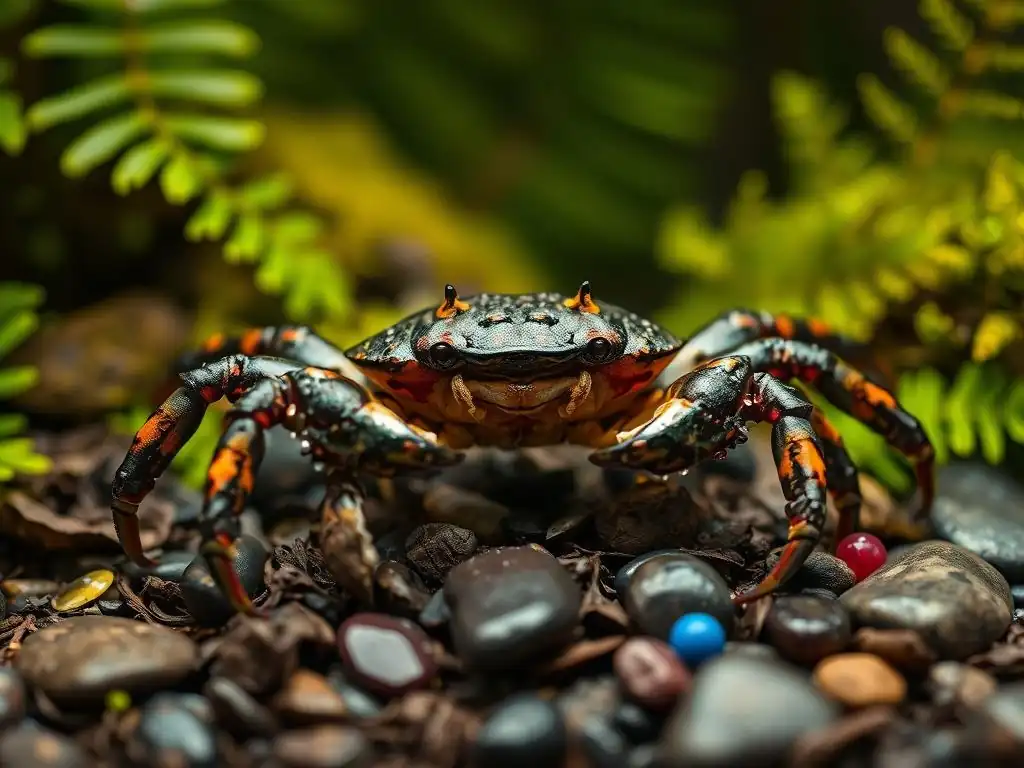
The Panther Crab, scientifically known as Parathelphusa pantherina, is a striking freshwater crab species highly prized in the aquarium hobby for its distinctive appearance. Native to the island of Sulawesi, Indonesia, these crabs are predominantly found in Lake Matano and its associated river systems. Their most captivating feature is their vibrant coloration, typically a bright yellow or orange base adorned with irregular, jet-black spots that resemble a leopard's coat, giving them their common name.
These fascinating invertebrates are semi-aquatic, meaning they require both land and water to thrive. In their natural habitat, they inhabit the rocky shores and submerged vegetation of freshwater bodies, often burrowing under stones or into the substrate. Adult Panther Crabs can reach a respectable size, with a carapace width typically ranging from 2 to 3 inches (5-7.5 cm) and a leg span that can extend up to 5 to 6 inches (12.5-15 cm). They are active foragers and exhibit intriguing behaviors, making them a captivating addition for dedicated aquarists prepared for specialized Panther crab care paludarium setups.
Why Choose Panther Crabs for Your Paludarium Setup?
Panther Crabs are an excellent choice for a paludarium due to their inherent semi-aquatic nature. Unlike fully aquatic crabs or terrestrial species, Parathelphusa pantherina naturally utilizes both the aquatic and terrestrial sections of their environment for foraging, hiding, and molting. This makes them perfectly suited for a paludarium, where they can fully express their natural behaviors, from burrowing into damp substrate to exploring submerged decor. Their unique needs align seamlessly with the design principles of a successful paludarium, providing a more natural and enriching habitat than a traditional aquarium.
Beyond their behavioral suitability, Panther Crabs add unparalleled aesthetic appeal to a paludarium. Their vivid yellow-orange bodies contrasted with bold black spots create a truly exotic and eye-catching display. They are relatively active and curious, providing continuous opportunities for observation as they explore their environment. For enthusiasts interested in specialized setups, the challenge and reward of providing optimal Panther crab care paludarium environments make these creatures a truly enriching focus for a biotope or display tank.
Panther Crab Care: Essential Guidelines for a Thriving Habitat
Setting Up the Ideal Panther Crab Paludarium Environment
Creating the perfect environment is paramount for effective Panther crab care paludarium setups, ensuring the long-term health and well-being of these unique invertebrates. A well-designed paludarium mimics their natural Sulawesi habitat, offering both ample land and water areas with easy access between the two. This crucial balance allows the crabs to thermoregulate, forage, and escape predators or aggressive tank mates, fulfilling their natural instincts.
The paludarium must be meticulously planned to prevent escapes, as Panther Crabs are adept climbers and explorers. A secure, weighted lid with no gaps is non-negotiable. Furthermore, proper environmental enrichment, including suitable substrates and varied decor, will significantly reduce stress and encourage natural behaviors, leading to a more vibrant and healthier crab.
Tank Size Recommendations for Panther Crabs
For a single Panther Crab, a minimum tank size of 10 to 15 gallons is recommended, prioritizing floor space over height. This allows for a substantial land area and a sufficient water section. However, for housing a pair or a small group of 2-3 crabs, a 20-gallon long or even a 30-gallon breeder tank is far more suitable. Larger tanks provide more territorial space, which helps mitigate potential aggression, especially between males or during molting periods.
The critical aspect of tank size for Panther crab care paludarium setups is the land-to-water ratio. A common recommendation is to aim for approximately 70% land and 30% water, or at least a 50/50 split, ensuring that the water section is deep enough for the crab to fully submerge. For instance, a 20-gallon long tank, measuring about 30 inches in length, offers excellent horizontal space for creating distinct land and water zones, allowing the crabs ample room to roam and establish territories.
Substrate and Decor for Panther Crab Well-being
The substrate in a Panther Crab paludarium plays a vital role in their health and natural behavior. For the land section, a deep layer of substrate (at least 4-6 inches or 10-15 cm) is essential to allow for burrowing, which is a natural behavior for these crabs, especially during molting. Suitable terrestrial substrates include coco fiber, sphagnum moss, reptile-grade soil, or a mix of peat moss and sand. This substrate should be kept consistently damp but not waterlogged, providing the necessary humidity.
In the aquatic section, fine gravel or sand is appropriate. Decor should be abundant and varied across both land and water. Provide numerous hiding spots using rocks, driftwood, PVC pipes, ceramic caves, and live plants (e.g., Anubias, Java Fern in water; Pothos, Peace Lily roots in water, or various mosses on land). These elements offer security, climbing opportunities, and enrichment, crucial for reducing stress and promoting active exploration within a proper Panther crab care paludarium.
Water Parameters for Optimal Panther Crab Health
Maintaining precise water parameters is crucial for the aquatic portion of a Panther Crab's paludarium, directly impacting their health and successful molting. The water should be pristine, fully cycled, and stable. Ideal water temperature ranges from 75°F to 82°F (24°C to 28°C), which can be maintained with a submersible heater in the water section. A higher temperature within this range can encourage activity and metabolism.
The pH level should be kept slightly alkaline, ideally between 7.0 and 8.0, reflecting their natural freshwater habitat in Sulawesi. Water hardness is also important; a general hardness (GH) of 8-15 dGH and carbonate hardness (KH) of 5-10 dKH is suitable. Ammonia and nitrite levels must consistently remain at 0 ppm, with nitrates kept below 20 ppm. Regular testing with a reliable liquid test kit is essential for monitoring these parameters and ensuring a healthy aquatic environment for comprehensive Panther crab care paludarium management.
Panther Crab Diet and Feeding Habits
Panther Crabs are omnivorous scavengers, meaning their diet in the wild consists of a wide variety of plant matter, detritus, and small invertebrates. Providing a diverse and balanced diet in captivity is fundamental to their health, vibrant coloration, and successful molting. A consistent feeding regimen tailored to their omnivorous nature will ensure they receive all necessary nutrients, including crucial calcium for their exoskeleton.
It's important to offer food both in the water and on the land section, as they will forage in both areas. Due to their nocturnal or crepuscular (active at dawn and dusk) tendencies, feeding them in the evening or just before lights out is often most effective, as this aligns with their natural activity cycles. Overfeeding should be avoided, as uneaten food can quickly foul both the aquatic and terrestrial environments.
What Do Panther Crabs Eat? [Sinking Pellets, Frozen Bloodworms, Blanched Vegetables]
A varied diet is key for optimal Panther crab care paludarium inhabitants. High-quality sinking pellets or wafers formulated for crabs or omnivorous bottom-dwellers should form the staple, providing a base of essential vitamins and minerals. Examples include Hikari Crab Cuisine or specialized invertebrate pellets. These should be supplemented with protein-rich foods, such as frozen bloodworms, brine shrimp, Mysis shrimp, or small pieces of krill, offered several times a week. Some aquarists also provide small pieces of cooked, unseasoned fish or shrimp as an occasional treat.
Vegetable matter is equally important. Blanched (briefly boiled and then cooled) vegetables like spinach, zucchini, cucumber, peas, or small pieces of carrot can be offered. These provide fiber and essential nutrients. Additionally, a readily available source of calcium is vital for shell health and molting. This can be provided by leaving a piece of cuttlebone in the water section or by offering calcium-rich foods. For instance, a small piece of blanched zucchini offered twice a week alongside daily sinking pellets and a weekly serving of frozen bloodworms provides a robust dietary plan.
Feeding Schedule for Healthy Panther Crabs
Panther Crabs generally benefit from a consistent feeding schedule to maintain their health and reduce stress. For adult crabs, feeding every other day, or daily in smaller quantities, is usually sufficient. The amount of food should be small enough that it is consumed within a few hours to prevent spoilage and maintain water quality. It is often best to feed them in the evening as they become more active during dusk and nighttime.
Observe your crabs to gauge their appetite and adjust the feeding frequency or quantity accordingly. If you notice uneaten food accumulating, reduce the amount offered. Conversely, if your crabs appear overly active in searching for food, a slight increase might be warranted. Regularly removing any uneaten food after a few hours is a critical aspect of Panther crab care paludarium maintenance, as decaying organic matter can quickly degrade water quality and promote bacterial issues.
Maintaining a Clean and Healthy Paludarium for Panther Crabs
Maintaining excellent hygiene and water quality is paramount for the health and longevity of Panther Crabs in a paludarium. Unlike fully aquatic setups, a paludarium has both water and land components that require distinct yet interconnected maintenance routines. The aquatic section is susceptible to ammonia and nitrite buildup from waste, while the terrestrial section can accumulate uneaten food and detritus.
A proactive approach to cleaning and monitoring will prevent most common issues. Regular upkeep not only ensures a healthy environment but also allows you to observe your crabs closely for any signs of distress or illness, which is a key component of effective Panther crab care paludarium management. Consistency in these tasks will lead to a thriving and vibrant habitat.
Water Changes and Filtration for Panther Crabs
Regular partial water changes are essential for the aquatic section of a Panther Crab paludarium. A 10-20% water change weekly or bi-weekly, depending on the tank's bioload and filtration, is generally recommended. This helps to dilute nitrates and replenish essential minerals. Always use dechlorinated water that matches the tank's temperature and pH as closely as possible to avoid shocking the crabs.
For filtration, a small, reliable filter in the water section is necessary. A sponge filter, a small hang-on-back (HOB) filter, or an internal filter can work well, providing both mechanical and biological filtration. Ensure the filter intake is protected to prevent accidental crab entrapment, and that water flow is not excessively strong. Regular cleaning of filter media, typically during water changes, will ensure optimal performance and contribute significantly to overall Panther crab care paludarium water quality.
Dealing with Common Paludarium Algae
Algae growth is a common occurrence in any aquatic or semi-aquatic setup, including a Panther Crab paludarium. While a small amount of algae is natural and can even provide some grazing opportunities, excessive growth indicates an imbalance. Common causes include too much light, overfeeding, or high nutrient levels (nitrates, phosphates) in the water.
To manage algae, start by controlling the lighting duration; 8-10 hours per day is typically sufficient. Ensure you are not overfeeding and promptly remove any uneaten food. Manual removal of algae from tank walls, rocks, and decor during water changes is effective. For persistent issues, reviewing your water change schedule and filtration efficiency is crucial. While some snails might help with algae, Panther Crabs are opportunistic predators and may prey on smaller, slower-moving invertebrates, so caution is advised when considering biological controls. Consistent adherence to good Panther crab care paludarium practices will naturally minimize algae problems.
Panther Crab Behavior and Compatibility
Understanding Panther Crab Temperament
Panther Crabs exhibit a fascinating blend of behaviors that make them intriguing paludarium inhabitants. While generally shy and reclusive, especially when newly introduced or during molting, they can also display territorial tendencies, particularly between males or during feeding times. They are primarily nocturnal or crepuscular, meaning they are most active during dusk and dawn, foraging and exploring their environment. During the day, they often retreat to their burrows or hiding spots.
Their natural instincts include extensive burrowing into the damp substrate on the land portion of the paludarium. They also enjoy climbing on driftwood, rocks, and plant roots, demonstrating their semi-arboreal capabilities. Observing their digging, climbing, and foraging behaviors is a highlight of Panther crab care paludarium ownership. It's crucial to provide ample hiding spots to reduce stress and allow them to feel secure, which is vital for their overall well-being.
Can Panther Crabs Live with Other Paludarium Inhabitants? [Small, Fast-Moving Fish, Snails]
When considering tank mates for Panther Crabs, extreme caution is advised, as they are opportunistic predators. While some aquarists attempt to house them with other species, a species-specific paludarium is often the safest and most recommended setup for optimal Panther crab care paludarium success. They will readily prey on small, slow-moving fish, shrimp, and most types of snails.
If you choose to attempt cohabitation, select tank mates very carefully. Small, fast-moving fish that primarily inhabit the upper water column, such as certain species of guppies (e.g., Endler's Livebearers) or small tetras, might potentially coexist, but success is not guaranteed, and predation, especially at night, remains a significant risk. Snails, even larger ones, are almost certainly going to become a food source. Other invertebrates like freshwater shrimp are also highly vulnerable. Any potential tank mates must be able to escape to land or be too large/fast for the crabs to catch.
Panther Crabs can be successfully kept solitary, and this is often the simplest approach to Panther crab care paludarium setups, especially for beginners. However, they can also be housed in groups, provided the paludarium is sufficiently large and offers abundant hiding spots to minimize territorial disputes. When keeping multiple crabs, it's generally recommended to maintain a ratio of more females to males (e.g., one male to two or three females) to reduce male-on-male aggression.
Overcrowding will inevitably lead to increased stress, aggression, and potential fatalities, particularly during molting when crabs are most vulnerable. For a group of three Panther Crabs, a paludarium of 30 gallons or larger, with extensive land area and numerous caves, burrows, and visual barriers, is often recommended. Providing multiple feeding stations can also help reduce competition for food. Careful observation of group dynamics is essential to ensure all individuals are thriving and not being overly bullied.
Identifying and Addressing Common Panther Crab Health Issues
Recognizing Signs of Illness in Panther Crabs
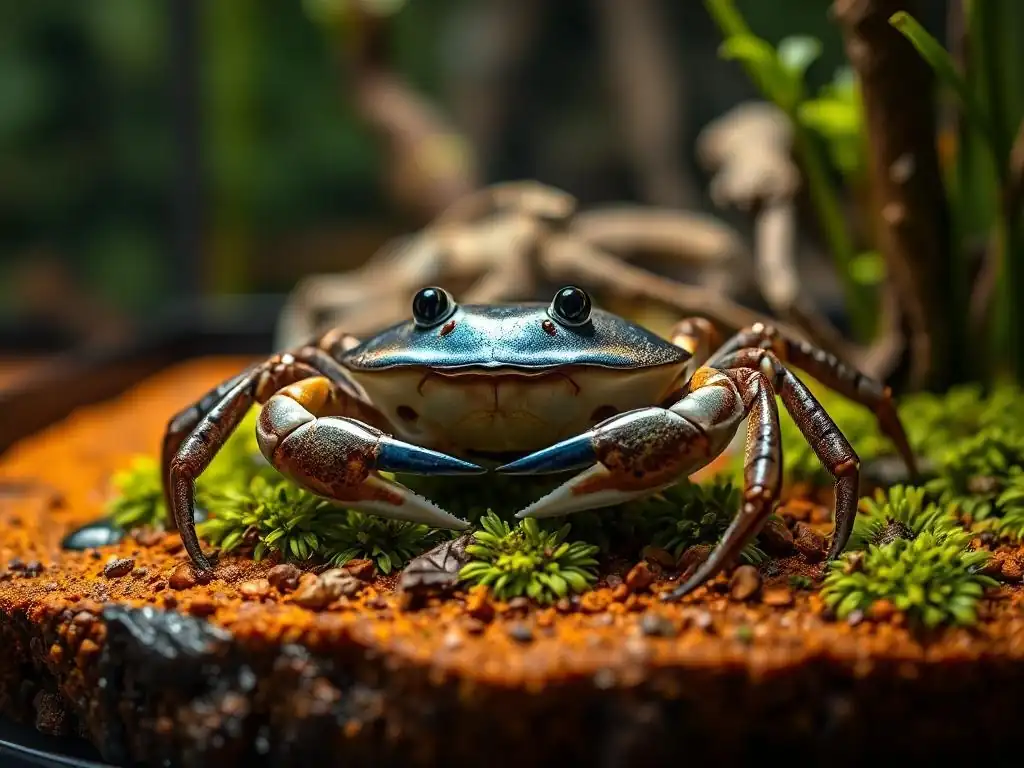
Early detection of health issues is critical for successful Panther crab care paludarium management. A healthy Panther Crab is typically active during its peak hours (dusk/dawn), exhibits strong coloration, and has an intact, clean exoskeleton. Any deviation from these norms could indicate a problem.
Signs of illness include lethargy or unusual inactivity during their active periods, loss of appetite, or a refusal to eat. Changes in appearance such as dull coloration, white patches, fuzzy growths (fungus), or black spots (shell rot) on the shell are red flags. Difficulty molting, characterized by an incomplete shed or the crab remaining stuck in its old shell, is a serious concern. Other indicators might be unusual posture, missing limbs (beyond a recent, clean autotomy), or excessive and prolonged hiding, which could suggest stress or a deeper underlying issue.
Common Panther Crab Diseases and Treatments [Shell Rot Treatment, Parasite Treatment]
Two of the more common health concerns for Panther Crabs are shell rot and, less frequently, parasites. Shell rot is a bacterial or fungal infection that manifests as black, reddish, or white lesions on the exoskeleton, often caused by poor water quality, injuries, or inadequate nutrition. For mild cases of shell rot, immediate and drastic improvement of water quality and cleanliness of the terrestrial environment is crucial.
In more severe cases, an isolated hospital tank might be necessary, and a very dilute application of an antiseptic like povidone-iodine (Betadine) to the affected area (applied carefully with a cotton swab when the crab is out of water for a very brief period) can be considered, though this should be done with extreme caution. Broad-spectrum antibacterial treatments safe for invertebrates may also be an option under veterinary guidance.
Parasites are less common in captive-bred Panther Crabs but can be an issue with wild-caught specimens. External parasites might be visible, while internal ones are harder to diagnose. Treatment for parasites is challenging and often requires specialized medications that can be harsh on invertebrates. Prevention through a strict quarantine period for new crabs (2-4 weeks) is the best defense against introducing parasites into your Panther crab care paludarium. Regular observation for unusual behavior or physical signs will help in early intervention.
Preventing Health Problems in Your Panther Crab Paludarium
Prevention is always better than cure when it comes to Panther crab care paludarium. The vast majority of health issues can be avoided by maintaining optimal environmental conditions and providing a nutritious diet. Firstly, consistently pristine water quality in the aquatic section is non-negotiable. This means regular partial water changes, effective filtration, and diligent monitoring of water parameters (ammonia, nitrite, nitrate, pH, temperature).
Secondly, ensure the terrestrial section is clean, with appropriate humidity, and that the substrate is not fouled. A balanced and varied diet rich in calcium is essential for strong exoskeletons and successful molting. Avoid overcrowding, as this leads to stress and increased aggression. Lastly, always quarantine new crabs for at least 2-4 weeks before introducing them to your main paludarium. This allows you to observe them for any signs of illness and prevent the introduction of pathogens, ensuring the health of your established crab population.
Breeding Panther Crabs: A Challenging but Rewarding Endeavor
Creating Breeding Conditions for Panther Crabs
Breeding Panther Crabs in captivity can be a challenging but ultimately rewarding experience, requiring optimal conditions and patience. The first step in creating breeding conditions for Panther crab care paludarium inhabitants is to ensure you have a mature, stable paludarium that perfectly mimics their natural habitat. This includes maintaining pristine water quality, appropriate temperature (perhaps slightly elevated to 78-80°F or 25.5-26.5°C), and a well-established land area for mating and burrowing.
It's crucial to have a healthy, sexually mature group of crabs, ideally with more females than males (e.g., one male for every two to three females) to prevent excessive male aggression towards a single female. Providing ample hiding spots, diverse terrain, and a consistent, high-quality diet rich in protein and calcium will further encourage breeding behavior. A secure environment free from stress is paramount, as stressed crabs are unlikely to reproduce.
Panther Crab Mating and Reproduction
Panther Crab mating typically occurs on the land portion of the paludarium, often during the night or in secluded spots. The male will usually flip the female onto her back to facilitate the transfer of sperm. After successful mating, the female will carry the fertilized eggs under her abdomen, a state referred to as being "berried." The eggs are small, numerous, and typically dark in color, resembling a cluster of tiny berries.
Unlike many marine crabs that release free-swimming larvae, Panther Crabs are direct developers. This means that instead of going through a larval stage in the water column, miniature, fully formed crabs hatch directly from the eggs. The gestation period can vary but often ranges from several weeks to over a month, during which the female meticulously cares for and aerates the eggs. This direct development simplifies the process of Panther crab care paludarium breeding, as there's no need for specialized larval rearing setups.
Raising Panther Crab Fry: Tips and Techniques
Raising Panther Crab fry is the most challenging aspect of their breeding, primarily due to their small size and vulnerability. Once the miniature crabs hatch, they are incredibly tiny and susceptible to predation, even by their own parents. For the best survival rates, it's highly recommended to transfer the berried female to a separate, dedicated nursery paludarium just before the eggs are expected to hatch, or to remove the fry to a separate tank once they appear.
The nursery tank should have very shallow water and abundant micro-hiding spots, such as fine-leafed mosses (e.g., Java Moss), small rocks, and leaf litter. Feeding the fry requires very fine food sources, such as spirulina powder, crushed high-quality flake food, or newly hatched baby brine shrimp. Maintaining impeccable water quality in the nursery is critical, as the fry are extremely sensitive to pollutants. Even with optimal Panther crab care paludarium techniques, a high mortality rate among the fry is not uncommon, making successful breeding a significant achievement.
Where to Buy Panther Crabs and What to Look For
Selecting Healthy Panther Crabs from Reputable Sources
When looking to acquire Panther Crabs for your paludarium, the source from which you purchase them is paramount to their long-term health and your success with Panther crab care paludarium. It is highly recommended to seek out reputable online invertebrate vendors or local fish stores that specialize in unique aquatic or semi-aquatic species. These sources typically have more experience in handling and caring for specialized animals like Panther Crabs.
Inquire about the origin of the crabs: captive-bred specimens are generally preferred over wild-caught ones. Captive-bred crabs are often healthier, less stressed, and less likely to carry parasites or diseases, having been raised in stable conditions. Reputable vendors will also be able to provide information on the crabs' diet and environmental parameters, ensuring a smoother transition to your home paludarium. Look for vendors with positive reviews and strong customer service.
What to Consider Before Purchasing Panther Crabs
Before making a purchase, several factors should be carefully considered to ensure a successful Panther crab care paludarium experience. First and foremost, ensure your paludarium setup is fully established, cycled, and stable, with all parameters (temperature, pH, filtration, land-to-water ratio) meticulously met. Introducing crabs to an uncycled or unstable environment is a recipe for disaster.
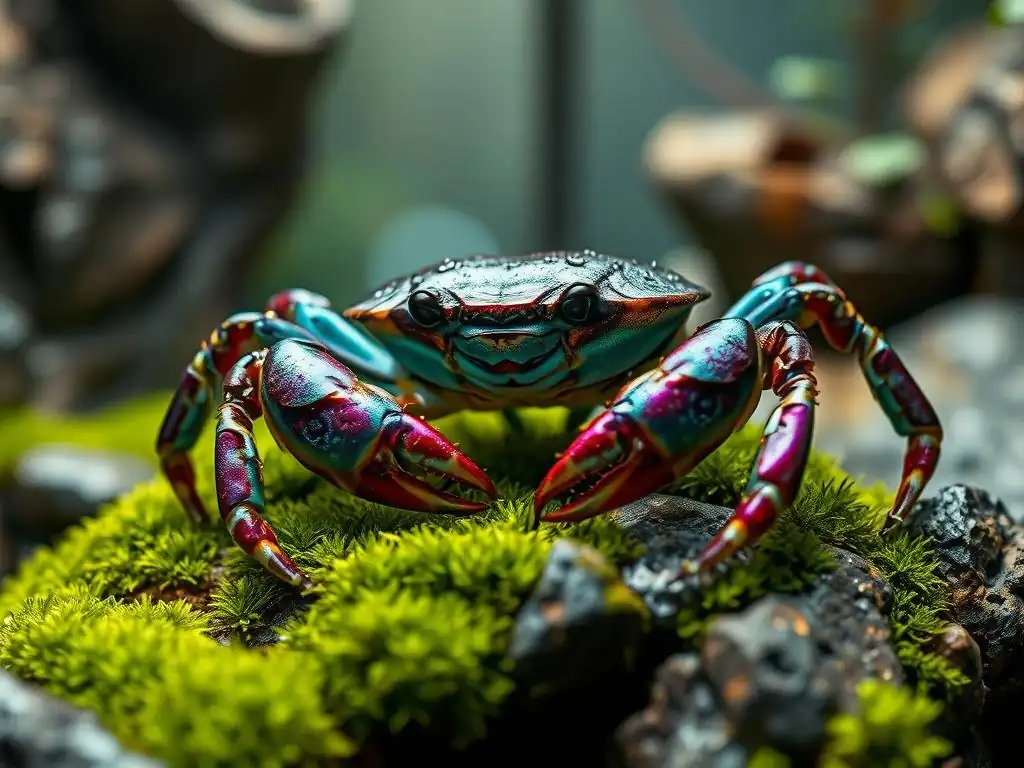
When observing crabs for purchase, look for active individuals that are moving around and exploring. Their shells should be intact, free of any lesions, discoloration, or signs of fungal growth (fuzzy patches). All their limbs should be present; while a missing limb can regenerate over molts, multiple missing limbs or signs of recent severe damage could indicate stress or poor health. Avoid crabs that appear lethargic, unresponsive, or are constantly hiding in plain sight without provocation. A healthy Panther Crab will demonstrate alertness and robust coloration, indicating it's ready to thrive in its new home.
Panther Crab Paludarium: Frequently Asked Questions
What is the Average Size of a Panther Crab?
Adult Panther Crabs ( Parathelphusa pantherina) typically reach a carapace (body shell) width of approximately 2 to 3 inches (5 to 7.5 centimeters). Their leg span, when fully extended, can stretch up to 5 to 6 inches (12.5 to 15 centimeters). This makes them a moderately sized invertebrate, large enough to be a prominent and visually appealing feature in a well-designed paludarium.
Their size also influences the minimum tank dimensions and the amount of land and water area required for optimal Panther crab care paludarium conditions. While they are not overly large, their active nature and need for both aquatic and terrestrial exploration necessitate adequate space to prevent stress and territorial disputes, especially if housing multiple individuals.
With optimal Panther crab care paludarium conditions, including a stable and clean environment, a balanced diet, and minimal stress, Panther Crabs can live for approximately 3 to 5 years in captivity. Some well-cared-for individuals have been reported to live even longer, approaching six or seven years. Their lifespan is significantly influenced by the quality of their habitat and diet.
Factors such as consistent water parameters, proper humidity on the land portion, and a diet rich in calcium contribute directly to their longevity. Stress from overcrowding, aggressive tank mates, or fluctuating environmental conditions can drastically reduce their lifespan. Therefore, providing meticulous care is essential for enjoying these spotted beauties for many years.
What Happens During a Panther Crab's Molting Process?
Molting, or ecdysis, is a crucial biological process for Panther Crabs, allowing them to grow by shedding their old, rigid exoskeleton. Before molting, a crab will typically become reclusive, hide more than usual, and may refuse food. Its eyes might appear cloudy, and it might seem lethargic as it prepares for the strenuous process.
During the actual molt, the crab absorbs water, causing its body to swell and crack its old shell, usually along the back. It then slowly backs out of the old exoskeleton, which remains as a hollow, ghostly replica. This process can take anywhere from a few minutes to several hours.
Immediately after molting, the crab's new shell is very soft and vulnerable, making it highly susceptible to injury or predation. It will remain hidden for several days while its new shell hardens. It is vital not to remove the shed exoskeleton (exuvia) from the paludarium immediately, as the crab will often consume it to reabsorb valuable calcium and other minerals, which are crucial for the hardening of its new shell and overall Panther crab care paludarium health.
Frequently Asked Questions
How difficult is it to care for Panther Crabs in a paludarium setting?
Panther Crabs require moderate care. Maintaining proper water parameters and providing a suitable land-to-water ratio in the paludarium are crucial for their well-being. Regular monitoring and adjustments are necessary.
What are the specific water parameters required for Panther Crabs in a paludarium?
The ideal water parameters include a temperature range of 72-78°F, a pH between 7.0-8.0, and a hardness level of moderate to slightly hard. Consistent water changes are essential to maintain water quality.
What type of diet do Panther Crabs need in a paludarium environment?
Panther Crabs are omnivores and require a varied diet. Offer them sinking pellets, frozen foods, small insects, and occasional fresh vegetables to ensure they receive all the necessary nutrients.
What are the essential components of a Panther Crab paludarium setup?
A well-designed paludarium should have a substantial land area with hiding places like rocks and driftwood, and a water area deep enough for swimming. A filtration system is also crucial to maintain water quality.
How can I prevent common issues like aggression or molting problems with my Panther Crabs?
Provide plenty of hiding spots to reduce aggression between crabs. Ensure proper water parameters and a balanced diet to support successful molting. Supplementing with calcium can also be beneficial.
Final Reflection: Embracing the Wild Within Our Walls
The journey into the world of Panther Crabs, as we've explored, highlights a growing trend: our increasing desire to connect with nature in intimate and meaningful ways, even within the confines of our homes. These spotted beauties, thriving in carefully crafted paludariums, represent more than just exotic pets; they symbolize our yearning to bring a piece of the wild into our daily lives, fostering a deeper appreciation for biodiversity and the delicate balance of ecosystems.
This fascination with Panther Crabs and their unique habitat underscores the profound impact that even small creatures can have on our understanding of the natural world. By creating and maintaining a paludarium, we're not just building a miniature ecosystem; we're actively participating in conservation, education, and a more mindful approach to our relationship with the environment. In the end, we will conserve only what we love; we will love only what we understand; and we will understand only what we are taught.
- Baba Dioum's words resonate deeply, reminding us that knowledge and understanding are the cornerstones of conservation.
As you consider the captivating world of Panther Crabs and the art of paludarium keeping, I invite you to reflect on your own connection to nature. How can you, in your own way, cultivate a deeper appreciation for the biodiversity around you? Perhaps it's through creating a small garden, supporting conservation efforts, or simply taking the time to observe and appreciate the intricate beauty of the natural world. Let the Panther Crab, a tiny ambassador of the wild, inspire you to embrace a more sustainable and enriching relationship with the planet we call home.
Unleash Your Inner Aquarist!
Thank you for diving into the fascinating world of Panther Crabs! We hope you've enjoyed discovering the unique charm and care requirements of these spotted gems. Now, it's time to take your newfound knowledge and transform it into action.
Here's how you can get started:
- Start Planning! Delve deeper into designing the perfect panther crab paludarium. Sketch out layouts, research suitable plants, and gather inspiration to create a thriving habitat.
- Share the Crab Love: Spread the knowledge! Share this article with fellow aquarium enthusiasts who might be captivated by these unique crustaceans.
- Brainstorm Creative Names: Think of a fun and creative name for your future Panther Crab colony. What names reflect their striking appearance and playful nature?