
Pygmy Cardinalfish: Tiny Jewels for Nano Reef Sanctuaries and Small Tanks

Welcome to Aquarium Mastery!
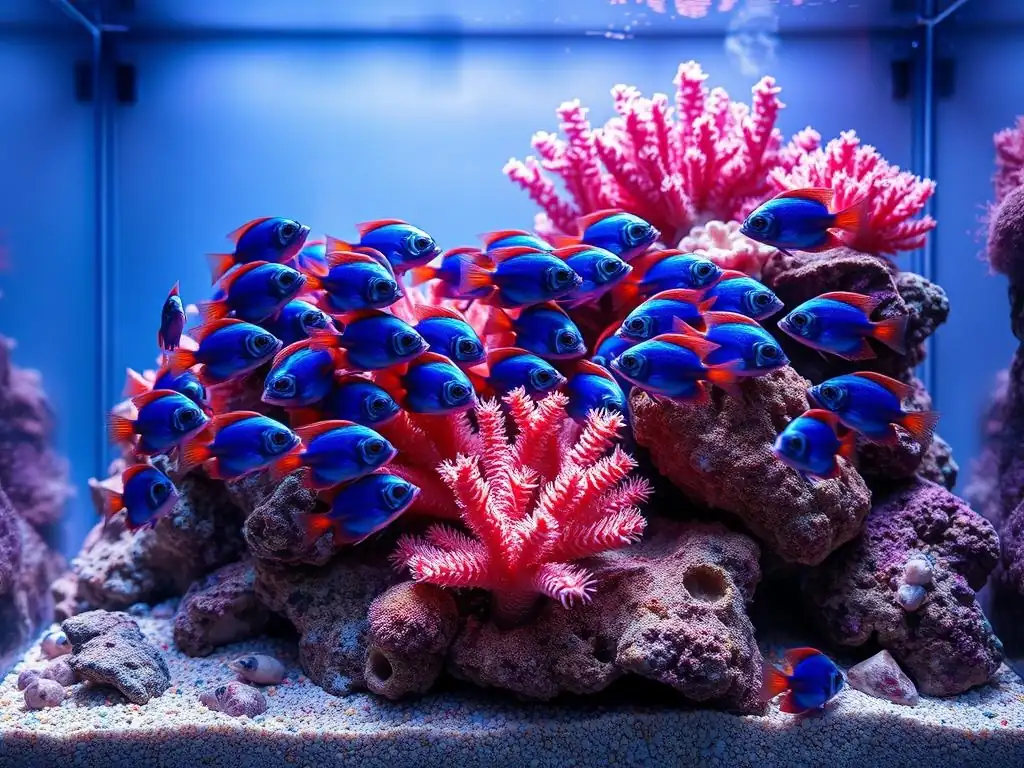
Dive into the vibrant world of saltwater aquariums, where even the smallest creatures can make a big splash. Ever wondered how to keep those shimmering Pygmy Cardinalfish thriving in your nano reef or small tank? We're unlocking the secrets! Discover essential Pygmy Cardinalfish care tips and transform your aquarium into a haven for these tiny jewels. Curious to learn more? Let's explore!
- Introduction to the Pygmy Cardinalfish: A Nano Reef Gem
- Understanding Pygmy Cardinalfish Care: Essential Tips and Guidelines
- Feeding Pygmy Cardinalfish: Nutritional Needs and Diet
- Pygmy Cardinalfish Tank Mates: Compatibility and Social Behavior
- Pygmy Cardinalfish Health and Disease Prevention
- Breeding Pygmy Cardinalfish: A Challenging but Rewarding Endeavor
- Where to Buy Pygmy Cardinalfish: Selecting Healthy Specimens
- Pygmy Cardinalfish: A Summary of Key Care Considerations
-
Frequently Asked Questions
- What are the key considerations when setting up a tank specifically for Pygmy Cardinalfish?
- What specific water parameters are crucial for successful Pygmy Cardinalfish care?
- What kind of food do Pygmy Cardinalfish need, and how often should they be fed?
- Are Pygmy Cardinalfish compatible with other fish and invertebrates in a reef aquarium?
- What are some common health problems that can affect Pygmy Cardinalfish, and how can they be prevented?
- Final Reflection: Embracing the Miniature Marvels
- Ignite Your Nano Reef: Bring Home the Pygmy Cardinalfish!
Introduction to the Pygmy Cardinalfish: A Nano Reef Gem
Discovering the Allure of Pygmy Cardinalfish ( Pygmy Cardinalfish) for Small Aquariums
Pygmy Cardinalfish, encompassing various small species within the Apogonidae family such as the popular Banggai Cardinalfish ( Pterapogon kauderni) and the less common but equally charming Dwarf Cardinalfish ( Apogon parvulus), are celebrated for their modest size, typically ranging from 1 to 3 inches (2.5 to 7.5 cm). These diminutive marine fish are highly sought after by aquarists due to their peaceful temperament, often striking patterns, and suitability for smaller aquarium setups, including the increasingly popular nano reef tanks. Their generally docile nature makes them excellent candidates for community tanks where aggression is a concern.
Originating from the Indo-Pacific reefs, Pygmy Cardinalfish naturally inhabit shallow, protected areas, often seeking refuge among branching corals, sea urchins, or rock crevices. This inherent preference for sheltered environments translates well into the captive aquarium, provided their specific needs are met. When proper Pygmy Cardinalfish care tips are diligently followed, these fish can thrive, bringing a unique charm and subtle movement to the aquatic landscape without overwhelming delicate reef systems or small bioload capacities.
Why Choose Pygmy Cardinalfish? Benefits for Nano Reef Tanks
The primary advantage of selecting Pygmy Cardinalfish for a marine aquarium lies in their ideal size for nano reef setups, typically those ranging from 10 to 30 gallons (approximately 38 to 114 liters). Their small bioload means they produce less waste than larger fish, making it easier to maintain stable water parameters crucial for sensitive invertebrates and corals in a compact system. Unlike many larger reef fish, Pygmy Cardinalfish are generally reef-safe, posing no threat to corals, anemones, or other sessile invertebrates.
Beyond their size and reef compatibility, Pygmy Cardinalfish offer a unique aesthetic appeal. Many species exhibit fascinating patterns, like the silver body with black bars and white spots of the Banggai Cardinalfish, or the subtle, shimmering hues of other pygmy species. While some cardinalfish are naturally nocturnal, many Pygmy Cardinalfish adapt well to daytime activity in the aquarium, particularly when kept in small groups, which can encourage their natural schooling behavior. Their hardiness, when provided with appropriate Pygmy Cardinalfish care tips and a stable environment, also makes them a relatively forgiving choice for aquarists new to saltwater setups.
Understanding Pygmy Cardinalfish Care: Essential Tips and Guidelines
Tank Size and Setup: Creating the Ideal Habitat for Pygmy Cardinalfish
For a single Pygmy Cardinalfish, a minimum tank size of 10 gallons (approximately 38 liters) can be considered, though a 20-gallon (around 76 liters) tank is strongly recommended to provide more swimming space and greater water volume stability. If planning to keep a small group of 3 to 5 individuals, which often encourages more natural schooling behavior, a 30-gallon (approximately 114 liters) aquarium or larger is advisable to prevent overcrowding and potential territorial disputes, even among peaceful species. The emphasis should always be on stable water parameters rather than merely meeting minimum volume requirements.
The aquarium setup for Pygmy Cardinalfish must prioritize ample hiding spots and structural complexity. Live rock is essential, providing not only crucial biological filtration but also a labyrinth of caves, crevices, and overhangs where these fish can retreat and feel secure. Aim for at least 1 to 1.5 pounds of live rock per gallon of tank volume.
While Pygmy Cardinalfish can adapt to various lighting conditions, they often prefer subdued illumination, especially if they are naturally crepuscular. A fine sand bed is commonly used in reef tanks and is suitable, though substrate choice is less critical than the provision of adequate rockwork. These elements are fundamental Pygmy Cardinalfish care tips for establishing a thriving habitat.
Water Parameters for Pygmy Cardinalfish: Maintaining a Stable Environment
Maintaining stable and pristine water parameters is paramount for the health and longevity of Pygmy Cardinalfish. Regular water testing, ideally on a weekly or bi-weekly basis using reliable test kits, is indispensable for monitoring key indicators. Consistency is far more important than hitting exact numbers, as sudden fluctuations can induce significant stress in marine fish. Aquarists should aim for a stable environment that closely mimics their natural reef habitat, providing the foundation for effective Pygmy Cardinalfish care tips.
Specifically, the ideal water parameters for Pygmy Cardinalfish align with standard reef tank requirements. Salinity should be maintained within a specific gravity range of 1.023 to 1.026. The pH level should consistently be between 8.1 and 8.4. Essential mineral levels for a healthy reef environment, which also benefit the fish, include alkalinity at 8-12 dKH, calcium at 400-450 ppm, and magnesium at 1250-1350 ppm. Adhering to these ranges helps ensure a robust immune system and overall vitality for your Pygmy Cardinalfish.
Temperature and Salinity: Key Water Quality Factors
Temperature plays a vital role in the metabolic processes and overall well-being of Pygmy Cardinalfish. The optimal temperature range for these species is typically 72-78°F (22-26°C). It is crucial to maintain a stable temperature within this range, as even minor daily fluctuations can cause significant stress. A high-quality aquarium heater with an accurate thermostat is essential for preventing temperature swings, especially in smaller nano tanks where thermal stability can be more challenging to achieve.
Salinity, or the salt content of the water, is equally critical. Pygmy Cardinalfish are sensitive to rapid changes in salinity. The recommended specific gravity of 1.023-1.026 ensures proper osmoregulation, preventing cellular damage. Evaporation of fresh water from the aquarium will increase salinity, necessitating regular top-offs with purified RODI (Reverse Osmosis Deionized) water to maintain the correct specific gravity. Using a refractometer for precise salinity measurements is highly recommended over less accurate hydrometers, solidifying these as crucial Pygmy Cardinalfish care tips.
Ammonia, Nitrite, and Nitrate Control: Essential for Pygmy Cardinalfish Health
In any marine aquarium, particularly for sensitive species like Pygmy Cardinalfish, ammonia (NH3/NH4+) and nitrite (NO2-) levels must always be zero parts per million (ppm). These compounds are highly toxic byproducts of the nitrogen cycle, resulting from fish waste and decaying organic matter. A fully cycled aquarium with a robust biological filter is non-negotiable before introducing any livestock, ensuring beneficial bacteria convert these toxins into less harmful substances.
While less acutely toxic than ammonia and nitrite, nitrate (NO3-) levels should also be kept as low as possible in a reef environment, ideally below 20 ppm. Elevated nitrates can stress fish, promote unwanted algae growth, and negatively impact coral health. Regular partial water changes—typically 10-20% weekly or bi-weekly, depending on bioload and filtration—are the most effective method for reducing nitrate accumulation. Additionally, efficient protein skimming and the use of refugiums can significantly aid in nitrate control, thereby supporting excellent Pygmy Cardinalfish care tips.
Feeding Pygmy Cardinalfish: Nutritional Needs and Diet
What Do Pygmy Cardinalfish Eat? A Guide to Proper Nutrition
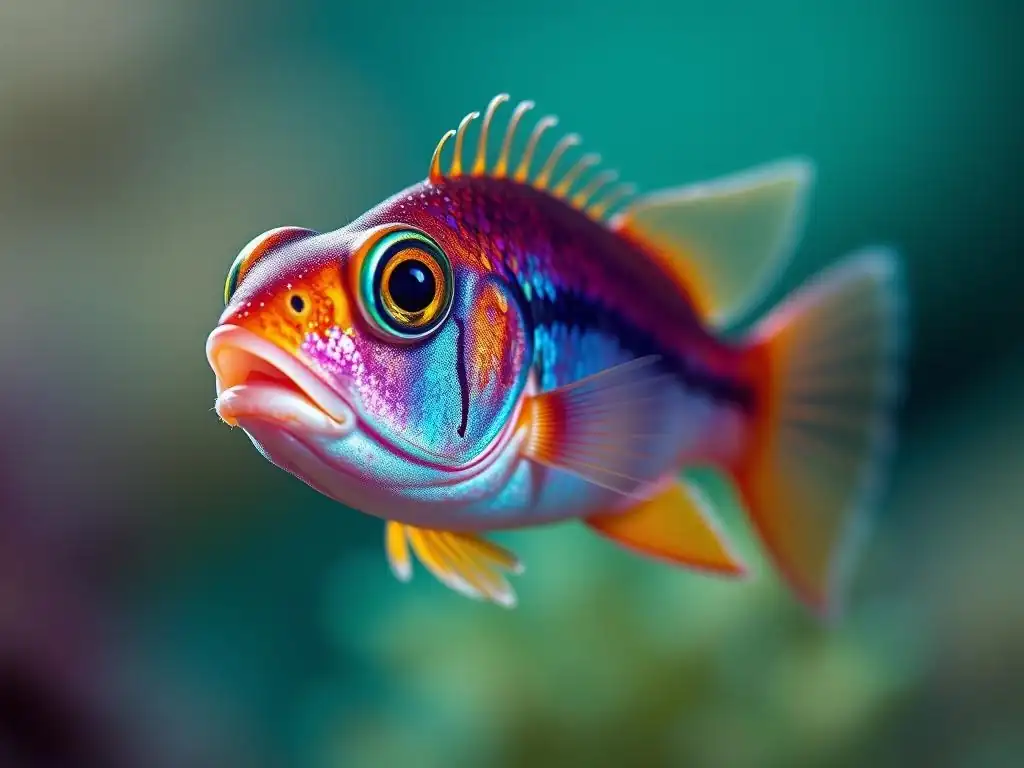
In their natural habitat, Pygmy Cardinalfish are micro-predators, primarily feeding on small crustaceans, zooplankton, and other minute invertebrates drifting in the water column. To replicate this diet in captivity, a diverse and high-quality feeding regimen is essential. While a good quality marine flake or pellet food designed for small marine fish can serve as a staple, it should never be the sole food source.
For optimal health and vibrant coloration, the diet must be supplemented with a variety of frozen and, occasionally, live foods. Excellent options include enriched brine shrimp, mysis shrimp, cyclop-eeze, and finely chopped marine-based frozen preparations. Ensure that frozen foods are thawed properly before feeding. Variety is key to providing a full spectrum of essential nutrients, vitamins, and fatty acids, which are crucial Pygmy Cardinalfish care tips for their long-term well-being.
Live Foods vs. Frozen Foods: Best Options for Optimal Health
Frozen foods are generally convenient, widely available, and can be gut-loaded by manufacturers with vital nutrients, making them a cornerstone of the Pygmy Cardinalfish diet. Mysis shrimp, in particular, are highly recommended due to their superior nutritional profile, including beneficial fatty acids, and their high palatability, often eagerly accepted by even finicky eaters. Frozen cyclop-eeze and various finely chopped marine mixes also offer excellent nutritional value.
Live foods, such as newly hatched brine shrimp nauplii or copepods, can be invaluable for stimulating natural hunting instincts and enticing reluctant feeders. They are also excellent for conditioning breeding pairs, providing a burst of fresh, highly nutritious prey. However, live foods carry a higher risk of introducing pathogens if not sourced from reputable, disease-free cultures. A balanced approach, combining high-quality frozen foods as a staple with occasional live food treats, often yields the best results for comprehensive Pygmy Cardinalfish care tips.
Feeding Frequency and Portion Control: Preventing Overfeeding
Pygmy Cardinalfish possess relatively small stomachs and a moderately active metabolism, necessitating frequent, small feedings. It is advisable to feed them 2 to 3 times per day, offering only an amount that can be fully consumed within 2 to 3 minutes. This approach ensures all fish receive adequate nutrition while minimizing leftover food.
Overfeeding is a common pitfall in aquarium husbandry and can lead to several detrimental consequences. Excess uneaten food quickly decomposes, releasing ammonia and nitrite, which degrade water quality and contribute to elevated nitrate levels and unwanted algae blooms. Furthermore, chronic overfeeding can lead to digestive issues and obesity in the fish, shortening their lifespan. Observing their feeding response and adjusting portions accordingly is a fundamental aspect of effective Pygmy Cardinalfish care tips.
Ideal Tank Mates for Pygmy Cardinalfish: Peaceful Community Members
Choosing appropriate tank mates is crucial for the peaceful coexistence and well-being of Pygmy Cardinalfish. Ideal companions are other small, peaceful, and non-aggressive marine species that will not outcompete them for food or territory. Excellent choices include various small gobies, such as Trimma or Eviota species, as well as relatively docile blennies like the Tailspot Blenny ( Salarias fasciatus). Small, peaceful clownfish, such as the Ocellaris Clownfish ( Amphiprion ocellaris), can also be suitable.
Pygmy Cardinalfish are generally reef-safe, making them compatible with almost all corals and most invertebrates. Cleaner shrimp, hermit crabs, various snails (e.g., Nassarius, Trochus), and feather dusters are excellent invertebrate tank mates that contribute to the tank's ecosystem without posing a threat. When selecting tank mates, always ensure the aquarium is sufficiently large to accommodate all inhabitants without overcrowding, allowing each fish adequate space and reducing potential stress.
Fish to Avoid: Species That May Bully or Stress Pygmy Cardinalfish
To prevent stress, injury, or even death, certain types of fish should be strictly avoided as tank mates for Pygmy Cardinalfish. Any large, highly aggressive, or overtly predatory species poses a significant threat. This includes larger tangs, most angelfish (especially larger species or even dwarf angels in smaller tanks), triggerfish, puffers, and moray eels. Even some species commonly found in the hobby, such as highly territorial damselfish, can be problematic due to their aggressive nature and tendency to harass smaller, more docile fish.
Furthermore, avoid very fast-moving or boisterous fish that might intimidate Pygmy Cardinalfish or outcompete them for food, leading to malnutrition. Species known to nip at fins or exhibit general harassment towards smaller, shyer tank inhabitants should also be excluded. Careful research into the temperament and adult size of any potential tank mate is a vital Pygmy Cardinalfish care tip to ensure a harmonious and stress-free environment for your tiny jewels.
Creating a Harmonious Reef Environment
Establishing a harmonious reef environment for Pygmy Cardinalfish and their tank mates hinges on thoughtful aquascaping and careful stocking. Providing ample hiding spots, caves, and visual barriers with live rockwork is essential. This allows fish to establish individual territories and retreat when feeling threatened, significantly reducing stress and potential aggression, even among otherwise peaceful species. A well-designed aquascape can mitigate potential conflicts by breaking up lines of sight.
When introducing new fish, do so slowly and observe their interactions closely for the first few days and weeks. If signs of aggression or excessive stress are noted, be prepared to separate the offending fish or, if necessary, rehome it. A well-planned and balanced community ensures that all inhabitants thrive, leading to healthier fish that are less susceptible to disease, embodying the best Pygmy Cardinalfish care tips for community living.
Pygmy Cardinalfish Health and Disease Prevention
Common Diseases Affecting Pygmy Cardinalfish: Identification and Treatment
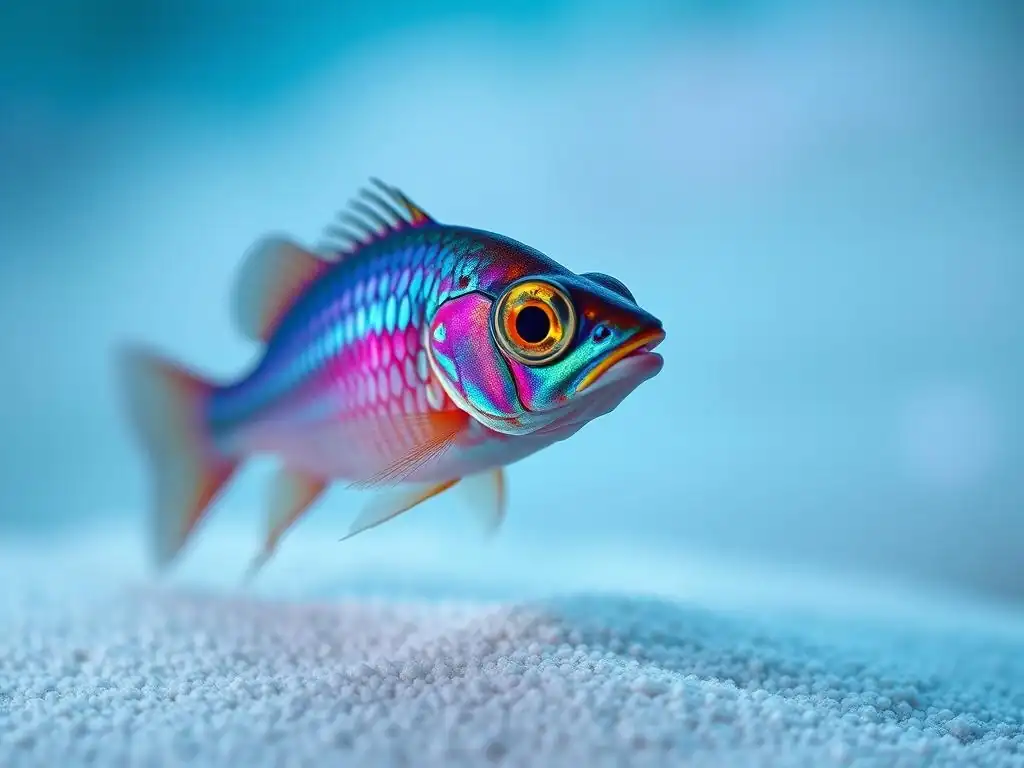
Pygmy Cardinalfish, like all marine fish, are susceptible to common saltwater diseases, particularly if stressed or introduced to an unstable environment. Marine ich ( Cryptocaryon irritans) and marine velvet ( Amyloodinium ocellatum) are two of the most prevalent parasitic infections, presenting as white spots (ich) or a dusty, golden film (velvet) on the fish's body and fins. Bacterial infections can manifest as cloudy eyes, fin rot, lesions, or general lethargy.
Should a Pygmy Cardinalfish exhibit symptoms of illness, prompt action is crucial. Affected fish should ideally be moved to a separate hospital tank for treatment to avoid medicating the main display tank, especially if it contains corals or invertebrates sensitive to medications. Copper-based medications are often effective against ich and velvet, while broad-spectrum antibiotics are used for bacterial infections. Always follow medication instructions precisely and monitor water parameters closely during treatment. Prevention through excellent husbandry is always the preferred approach to Pygmy Cardinalfish care tips.
Quarantine Procedures: Protecting Your Existing Reef Tank
One of the most critical preventative Pygmy Cardinalfish care tips is the strict implementation of a quarantine procedure for all new arrivals. A dedicated quarantine tank (QT) should be set up separately from your main display. New Pygmy Cardinalfish should spend a minimum of 4 to 6 weeks in this QT before being introduced to your established reef. This period allows for close observation, deworming, and treatment of any latent diseases or parasites without risking the health of your existing tank inhabitants.
A quarantine tank does not need to be elaborate; a bare-bottom tank with a heater, a simple sponge filter for biological filtration, and a few PVC pipes for hiding spots are sufficient. Daily observation for signs of disease, consistent water changes, and prophylactic treatments (if deemed necessary) are key components of the quarantine process. This proactive measure significantly reduces the risk of introducing pathogens into your main display, potentially saving you from widespread disease outbreaks.
Observing Behavior: Early Signs of Illness in Pygmy Cardinalfish
Regular and attentive observation of your Pygmy Cardinalfish's behavior is paramount for early detection of illness. Healthy fish will exhibit natural swimming patterns, maintain vibrant coloration, and display a keen appetite. Any deviation from these norms should raise a red flag. Look for signs such as erratic swimming, listlessness, clamped fins, rapid breathing (gasping at the surface), rubbing against tank decorations, or a sudden loss of appetite.
Changes in physical appearance, such as fading or darkening of colors, visible spots or lesions, frayed fins, or cloudy eyes, also indicate potential health issues. Pygmy Cardinalfish that are hiding excessively or refusing to come out for food, particularly if this behavior is uncharacteristic, warrant closer inspection. Early detection allows for prompt intervention, significantly increasing the chances of successful treatment and preventing the spread of disease to other tank inhabitants, making it a vital part of Pygmy Cardinalfish care tips.
Breeding Pygmy Cardinalfish: A Challenging but Rewarding Endeavor
Creating Breeding Conditions for Pygmy Cardinalfish: Mimicking Natural Habitat
Breeding Pygmy Cardinalfish in a home aquarium can be a challenging yet highly rewarding endeavor. Most species, including the popular Banggai Cardinalfish, are mouthbrooders, meaning the male carries the eggs in his mouth until they hatch. To encourage spawning, providing optimal water quality, a diverse and highly nutritious diet (including live foods like enriched brine shrimp), and a peaceful, stable environment are crucial. A dedicated breeding tank, typically 20 gallons (76 liters) or larger, can minimize stress and reduce predation on fry.
The breeding tank should offer plenty of hiding spots and visual barriers, such as live rock formations or even PVC pipes, which can serve as potential spawning sites and refuges for the male during brooding. Dim lighting can also be beneficial, mimicking their natural crepuscular habits. While specific triggers vary by species, maintaining a consistent temperature towards the upper end of their ideal range (e.g., 78°F / 26°C) and ensuring a continuous supply of high-quality food can help condition the fish for spawning. These are essential Pygmy Cardinalfish care tips for successful breeding.
Identifying Male and Female Pygmy Cardinalfish: Sexual Dimorphism
Sexual dimorphism in Pygmy Cardinalfish can be subtle and challenging to discern outside of breeding periods. In some species, males may be slightly larger or possess more elongated fin rays, but these differences are often not pronounced. The most reliable way to identify a male is during the mouthbrooding phase, where his buccal cavity (mouth area) will appear noticeably distended as he carries the clutch of eggs. Females, when gravid, may appear plumper in the abdomen.
To increase the likelihood of obtaining a breeding pair, it is often recommended to purchase a small group of juvenile Pygmy Cardinalfish (e.g., 4-6 individuals) and allow them to pair off naturally as they mature. Once a pair forms, they will often exhibit subtle courtship behaviors. Observing for a male with a distended mouth is the definitive sign of a brooding male, indicating successful pairing and an active breeding cycle.
Caring for Fry: Raising Baby Pygmy Cardinalfish
Once the male Pygmy Cardinalfish releases the fry from his mouth (typically after 7 to 10 days of brooding, depending on the species and water temperature), the real challenge of raising the delicate offspring begins. The fry are extremely small and planktonic, requiring very fine, live foods immediately upon release. Without proper nutrition, mortality rates are very high.
Newly hatched brine shrimp nauplii and rotifers are considered essential first foods for Pygmy Cardinalfish fry due to their small size and high nutritional value. A separate rearing tank is crucial, equipped with gentle filtration, such as an air-driven sponge filter, to prevent the tiny fry from being sucked into the filter. Frequent, small water changes are necessary to maintain pristine water quality in the rearing tank. Despite best efforts, raising Pygmy Cardinalfish fry to adulthood remains a challenging but incredibly rewarding aspect of advanced Pygmy Cardinalfish care tips.
Where to Buy Pygmy Cardinalfish: Selecting Healthy Specimens
Choosing a Reputable Supplier: Ensuring Quality and Health
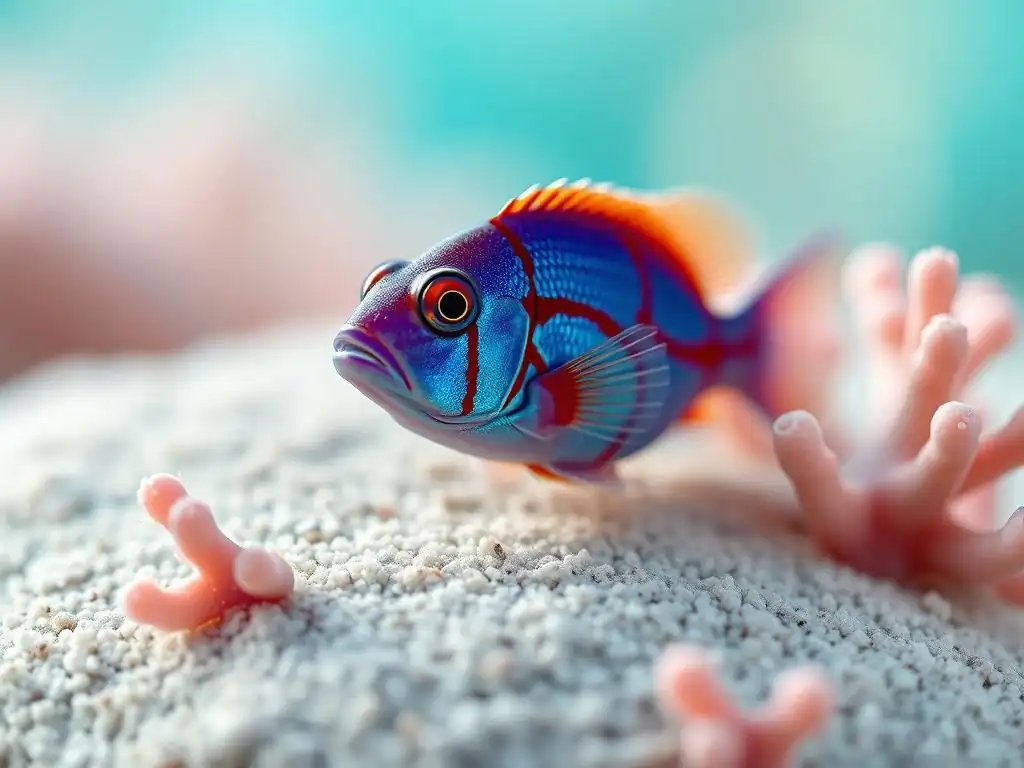
When acquiring Pygmy Cardinalfish, selecting a reputable supplier is paramount to ensuring you bring home healthy, high-quality specimens. Whether purchasing from a local fish store or an online vendor, prioritize businesses known for ethical collection practices, responsible handling, and robust quarantine protocols. Inquire about the fish's origin, how long they have been in the supplier's care, and their acclimation procedures.
Avoid impulse purchases from stores where tanks appear overcrowded, dirty, or house visibly unhealthy fish (e.g., fish with signs of disease, emaciation, or abnormal behavior). A good supplier will maintain clean, well-maintained systems, have knowledgeable staff who can answer your questions, and ideally offer a health guarantee or clear return policy for sick fish. Investing in a healthy fish from the start is one of the most proactive Pygmy Cardinalfish care tips.
Identifying Healthy Pygmy Cardinalfish: Key Signs to Look For
Before making a purchase, meticulously observe the Pygmy Cardinalfish you intend to buy. A healthy specimen will be active and alert, swimming with purpose (though they may be shy and hide initially). Their eyes should be clear, and their fins should be intact, without any signs of fraying, tears, or white spots. Their coloration should be vibrant and natural for their species, without any dullness or unusual patches.
Look for a fish that is well-fed, with a rounded belly, indicating it has been eating regularly. Avoid any fish that appears emaciated, bloated, or has visible lesions, cloudy patches, or a dusty film on its body. Observe their breathing; it should be steady and not labored. If possible, ask the staff to feed the fish to ensure it exhibits a strong feeding response. These visual checks are vital Pygmy Cardinalfish care tips for successful selection.
Acclimation Process: Safely Introducing Pygmy Cardinalfish to Your Tank
The acclimation process is a critical step in safely introducing new Pygmy Cardinalfish to your aquarium, minimizing stress and preventing shock from sudden changes in water parameters. The drip acclimation method is highly recommended for these sensitive fish. This involves slowly dripping water from your display tank (or quarantine tank) into the bag containing the new fish, typically over a period of 45 minutes to an hour or more, to gradually equalize temperature, pH, and salinity.
Once acclimation is complete, gently net the Pygmy Cardinalfish from the bag and place it into its new environment. It is crucial not to add any of the water from the shipping bag into your aquarium, as it may contain ammonia, medications, or pathogens. Turning off the aquarium lights for a few hours after introduction can help reduce stress and allow the new fish to explore its surroundings without being overwhelmed, providing a smooth transition as part of comprehensive Pygmy Cardinalfish care tips.
Pygmy Cardinalfish: A Summary of Key Care Considerations
Quick Reference Guide: Pygmy Cardinalfish Care at a Glance
For aquarists considering these charming fish, a quick reference guide to Pygmy Cardinalfish care tips can be invaluable. Tank size should be a minimum of 10 gallons for a single fish, preferably 20-30+ gallons for a small group. Maintain a stable water temperature between 72-78°F (22-26°C), with salinity at a specific gravity of 1.023-1.026. Key water parameters to monitor include pH (8.1-8.4), ammonia (0 ppm), nitrite (0 ppm), and nitrate (below 20 ppm).
Feeding should consist of small, frequent meals (2-3 times daily) of varied, high-quality marine foods, including enriched frozen options like mysis shrimp. Ideal tank mates are other small, peaceful reef-safe fish and invertebrates. Always quarantine new arrivals for 4-6 weeks to prevent disease introduction. Regular observation for changes in behavior or appearance is crucial for early detection of health issues.
Troubleshooting Common Issues: Addressing Potential Problems
Even with diligent Pygmy Cardinalfish care tips, aquarists may encounter common issues. If Pygmy Cardinalfish are finicky eaters, try offering a wider variety of live foods or different brands of frozen foods to stimulate their appetite. Excessive shyness or hiding can often be mitigated by providing more hiding spots in the aquascape, ensuring appropriate, non-aggressive tank mates, and maintaining stable water parameters to reduce overall stress.
Disease outbreaks, while ideally prevented by strict quarantine, can occur. If signs of illness appear, prompt isolation in a hospital tank and appropriate medication are necessary. Most problems with Pygmy Cardinalfish can be traced back to unstable water quality, overcrowding, or incompatible tank mates. Consistent maintenance, regular water testing, and careful planning of tank inhabitants are the best preventative measures for ensuring the long-term health and vitality of your Pygmy Cardinalfish.
The Future of Pygmy Cardinalfish in the Aquarium Hobby
Pygmy Cardinalfish are steadily gaining popularity within the aquarium hobby, especially as nano reef tanks become more prevalent and sophisticated. Their modest size, peaceful demeanor, and often captivating appearance make them an excellent choice for aquarists looking to create miniature, thriving reef ecosystems without the demands of larger fish species. As the hobby continues to evolve, their role as staple inhabitants for smaller saltwater setups is likely to expand.
The emphasis on sustainable collection practices and advancements in captive breeding techniques are crucial for ensuring the long-term availability of Pygmy Cardinalfish in the hobby and reducing pressure on wild populations. Continued sharing of comprehensive Pygmy Cardinalfish care tips and best practices among aquarists will contribute to their successful keeping and breeding, fostering a deeper appreciation for these "tiny jewels" of the marine world.
Frequently Asked Questions
What are the key considerations when setting up a tank specifically for Pygmy Cardinalfish?
The most important aspects are a stable environment with established biological filtration, adequate water quality (specifically low nitrates), and plenty of hiding places amongst live rock.
What specific water parameters are crucial for successful Pygmy Cardinalfish care?
Maintaining stable salinity, a temperature between 72-78°F, and a pH around 8.1-8.4 is crucial. Also, keeping nitrates low through regular water changes is essential for their health.
What kind of food do Pygmy Cardinalfish need, and how often should they be fed?
They require a varied diet of small meaty foods like frozen mysis shrimp, brine shrimp, and high-quality flake food. Feed them small amounts 1-2 times daily.
Are Pygmy Cardinalfish compatible with other fish and invertebrates in a reef aquarium?
Generally, yes, they are peaceful and compatible with most other reef inhabitants. Avoid keeping them with aggressive or predatory fish that might harass or eat them.
What are some common health problems that can affect Pygmy Cardinalfish, and how can they be prevented?
They can be susceptible to diseases like ich and other parasitic infections, often triggered by stress. Maintaining excellent water quality and quarantining new arrivals are key preventative measures.
Final Reflection: Embracing the Miniature Marvels
The journey into the world of Pygmy Cardinalfish reveals more than just aquarium husbandry; it highlights the growing appreciation for biodiversity in miniature and the responsibility we hold as stewards of even the smallest ecosystems. Understanding and applying proper Pygmy Cardinalfish care tips is not merely about keeping a pet alive; it's about contributing to the preservation of a delicate species and fostering a deeper connection with the natural world.
The allure of these tiny jewels extends beyond their captivating beauty. Their increasing popularity in nano reefs underscores a shift towards more sustainable and conscientious aquarium keeping, where smaller tanks and carefully selected inhabitants minimize environmental impact. In the end, we will conserve only what we love; we will love only what we understand; and we will understand only what we are taught.
- Baba Dioum. This quote resonates deeply, reminding us that education and understanding are the cornerstones of conservation.
As you consider adding these captivating creatures to your own nano reef, remember that responsible ownership goes beyond simply following Pygmy Cardinalfish care tips. It requires a commitment to creating a thriving ecosystem and a dedication to ongoing learning. Let the vibrant colors and peaceful nature of these miniature marvels inspire you to cultivate a deeper appreciation for the delicate balance of life, both within your tank and in the vast oceans beyond.
Ignite Your Nano Reef: Bring Home the Pygmy Cardinalfish!
Thank you for diving into the world of Pygmy Cardinalfish! We hope you’ve discovered the magic these tiny jewels can bring to smaller aquariums. Ready to take the next step?
Here are a few ways to bring the beauty and benefits of these fish to your own aquarium, or share the knowledge with fellow reef enthusiasts:
- Carefully research ethical sources and acquire a small group of Pygmy Cardinalfish for your nano reef. Remember responsible sourcing is key!
- Explore compatible tank mates and design a miniature ecosystem that supports their delicate needs and showcases their unique behaviors.
- Share this article with fellow reef keepers on your favorite forums, and start a conversation about the future of nano-reef keeping!
What small change will you make today to better reflect the beauty and fragility of our natural ecosystems in your home aquarium?