
Aquascape Styles Decoded: Find the Perfect Design for Your Aquarium Personality

Welcome to Aquarium Mastery!
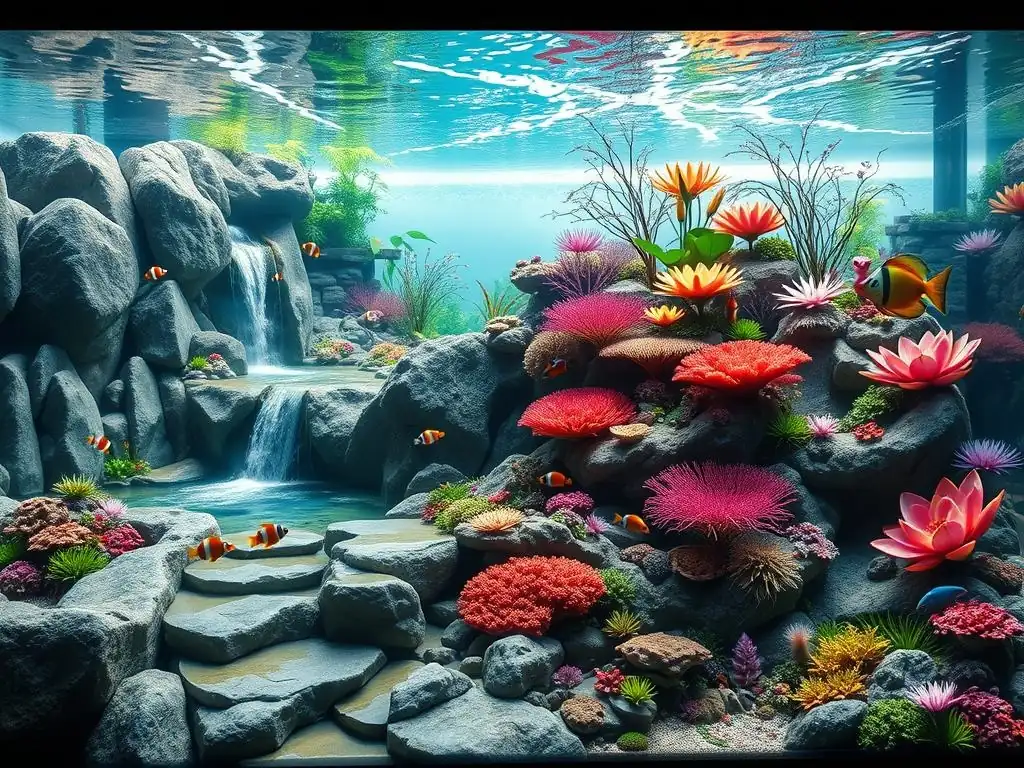
Ever wondered how to transform your aquarium from a simple tank into a breathtaking underwater landscape? Dive in and unlock the secrets of captivating aquascapes! Our Aquarium Design Styles Guide will help you discover the perfect design to match your personality and bring your aquatic vision to life. Explore stunning examples, learn essential techniques, and start crafting your dream aquarium today!
- Introduction to Aquarium Design Styles: A Comprehensive Guide
- Understanding the Fundamentals of Aquascaping
-
Exploring Popular Aquarium Design Styles
- Iwagumi Style: The Art of Rock Arrangement
- Nature Aquarium (ADA Style): Inspired by the Natural World
- Dutch Aquarium Style: A Lush Garden Underwater
- Biotope Aquariums: Replicating Specific Habitats
- Paludarium and Riparium Styles: Blurring the Lines Between Land and Water
- Walstad Method: The Natural Planted Tank
- Low-Tech Aquascaping: Beauty Without the High-Tech Gear
- Matching Your Aquarium Personality to a Design Style
- Tips for Creating a Stunning Aquascape
- Conclusion: Your Journey to Aquascaping Mastery.
- Frequently Asked Questions
- Final Reflection: Cultivating Underwater Harmony
- Unleash Your Inner Aquascaping Artist!
Introduction to Aquarium Design Styles: A Comprehensive Guide
The art of aquascaping transcends mere fish-keeping; it transforms an ordinary glass box into a living, breathing piece of art, a miniature underwater world. For enthusiasts seeking to elevate their aquatic display, understanding the diverse range of aquarium design styles is the first step toward creating a truly captivating environment. This comprehensive guide will navigate you through the most popular and influential aquascape styles, offering insights into their unique characteristics, design principles, and the dedication they require.
Choosing the right aquarium design style is not just about aesthetics; it's about aligning the tank's look with your personal preferences, available time, and the specific needs of your aquatic inhabitants. Whether you dream of a minimalist stone garden or a lush, vibrant underwater jungle, this exploration of various aquascape styles will equip you with the knowledge to embark on your journey to aquascaping mastery, ensuring your aquarium reflects your unique personality and passion.
Understanding the Fundamentals of Aquascaping
Key Elements of Aquascape Design
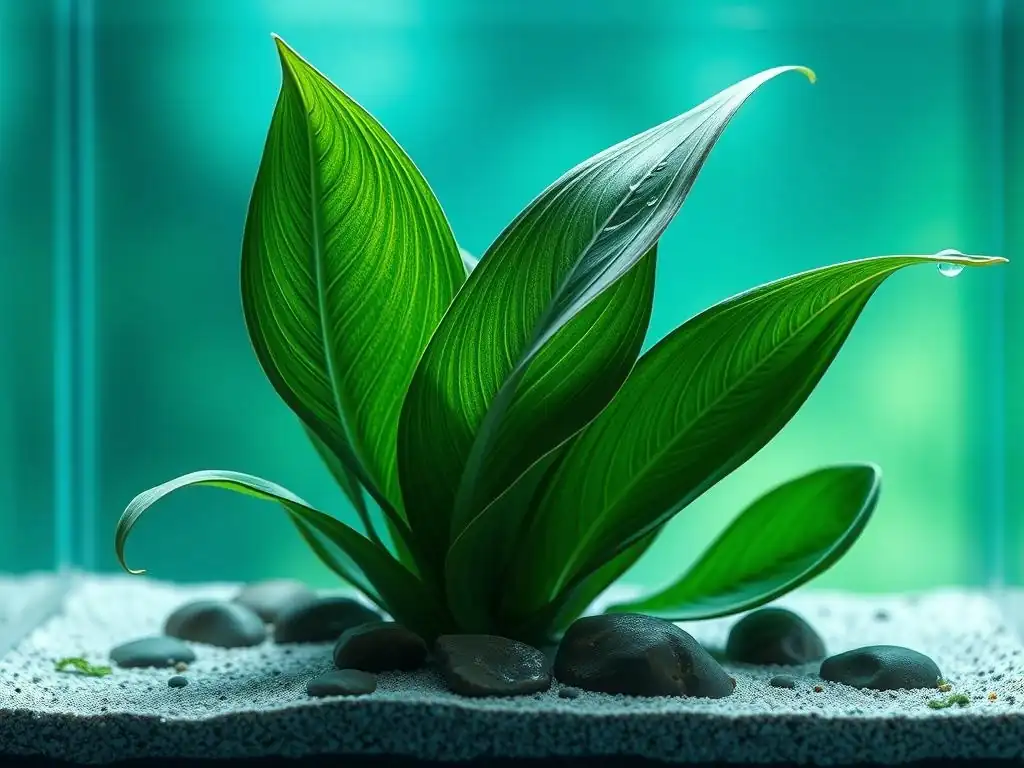
At the heart of every stunning aquascape lies a thoughtful arrangement of fundamental elements. Hardscape, comprising rocks and driftwood, forms the structural backbone and visual anchor of the design. For instance, in many styles, a dominant rock, often weighing several pounds for a 20-gallon tank, establishes the primary focal point, around which other elements are harmoniously placed. Substrate, typically a nutrient-rich soil or inert gravel, not only supports plant growth but also contributes to the overall aesthetic and water chemistry.
Complementing the hardscape are the living elements: aquatic plants. These are strategically chosen for their size, leaf shape, color, and growth habits to create depth, texture, and natural beauty. For example, low-growing carpet plants like Hemianthus callitrichoides 'Cuba' might cover the foreground, while taller stem plants such as Rotala rotundifolia fill the background, reaching heights of 6-12 inches. The interplay of these elements, combined with appropriate lighting and water parameters, is crucial for a thriving and visually appealing aquarium design style.
The Role of Perspective and Composition in Aquascaping
Mastering aquascaping involves more than just placing elements; it requires a deep understanding of artistic principles like perspective and composition. Techniques such as the "rule of thirds" are commonly applied, where focal points are placed along intersecting lines of a conceptual grid, guiding the viewer's eye naturally through the layout. Another vital concept is the "golden ratio" (approximately 1.618), which suggests ideal proportions for element placement, creating a sense of balance and harmony within the tank.
Composition also dictates how depth and scale are perceived within the confined space of an aquarium. Using smaller hardscape elements and finer-leaved plants towards the back of the tank, for instance, can create an illusion of greater distance and depth. The strategic use of negative space, areas left intentionally open, helps prevent the aquascape from appearing cluttered and allows the main elements to stand out, contributing significantly to the overall impact of any aquarium design style.
Exploring Popular Aquarium Design Styles
Iwagumi Style: The Art of Rock Arrangement
The Iwagumi style, originating from Japan, is characterized by its minimalist approach, focusing primarily on the aesthetic arrangement of rocks, complemented by simple, low-growing plants. The core of this aquarium design style revolves around a main "Oyaishi" or parent stone, which is the largest and most visually dominant rock, typically positioned according to the golden ratio for optimal impact. This is supported by two or more smaller "Fukuishi" (subordinate stones) and "Soeishi" (companion stones), creating a sense of natural stability and serenity.
Plant selection in Iwagumi aquascapes is deliberately sparse, emphasizing the rocks' forms and textures. Common choices include carpeting plants like Eleocharis parvula (dwarf hairgrass) or Glossostigma elatinoides, which form a lush green carpet across the substrate, enhancing the illusion of a vast, tranquil landscape. Fish species are usually small, schooling varieties, such as Rasbora brigittae or Otocinclus catfish, which move cohesively and do not detract from the minimalist rock arrangement, typically in groups of 6-10 for a 10-20 gallon tank.
Nature Aquarium (ADA Style): Inspired by the Natural World
Pioneered by Takashi Amano, the Nature Aquarium style, often synonymous with ADA (Aqua Design Amano), seeks to replicate natural terrestrial landscapes underwater, such as mountains, valleys, or dense forests. This aquarium design style emphasizes natural flow and balance, utilizing a diverse palette of aquatic plants and carefully selected hardscape elements like driftwood and rocks to create intricate, realistic scenes. The "Golden Ratio" and "Rule of Thirds" are frequently employed to achieve visually pleasing compositions, guiding the viewer's eye through the aquascape.
Planting is dense and varied, with species chosen for their distinct leaf shapes, colors, and growth patterns to mimic the complexity of terrestrial flora. For instance, tall stem plants like Rotala wallichii might form a vibrant green or reddish background, while mid-ground plants like Cryptocoryne wendtii provide texture, and foreground plants such as Hydrocotyle tripartita create a delicate carpet. Driftwood, often resembling tree branches, is strategically placed to create depth and provide surfaces for epiphytic plants like Anubias barteri or various mosses, contributing to the overall naturalistic feel of this sophisticated aquarium design style.
Dutch Aquarium Style: A Lush Garden Underwater
The Dutch Aquarium style stands apart from other aquarium design styles by its almost exclusive focus on dense, vibrant plant arrangements, often with minimal to no hardscape. Originating in the Netherlands in the 1930s, this style prioritizes a horticultural display, where aquatic plants are meticulously arranged in "streets" or tiered groups, much like a terrestrial flower garden. The emphasis is on contrasting leaf shapes, colors, and heights to create a dynamic and visually rich tapestry.
A hallmark of the Dutch style is the absence of open space; typically, 60-80% of the tank volume is densely planted. Specific plant types are chosen for their distinct characteristics: red plants like Alternanthera reineckii 'Mini' provide striking color accents, while fine-leaved stem plants such as Myriophyllum mattogrossense add texture, and broader-leaved plants like Cryptocoryne wendtii offer a contrasting form. Meticulous pruning, often weekly for fast-growing species, is essential to maintain the precise shapes and proportions of the plant groupings, ensuring the "plant streets" remain distinct and visually appealing within this highly cultivated aquarium design style.
Biotope Aquariums: Replicating Specific Habitats
Biotope aquariums are dedicated to accurately replicating a specific natural aquatic habitat, down to the smallest detail of substrate, hardscape, plants, and fish species. This aquarium design style is driven by a deep commitment to ecological authenticity, aiming to create an environment where the flora and fauna naturally coexist, mirroring a particular river, lake, or swamp from a defined geographical region. Extensive research into the chosen habitat's environmental conditions, water parameters, and species interactions is paramount.
For example, a true Amazonian blackwater biotope might feature fine sand substrate, numerous pieces of tannin-leaching driftwood, and leaf litter (e.g., catappa leaves) to simulate the dark, acidic waters, with a pH often around 5.5-6.5. Appropriate fish species would include Pterophyllum scalare (Angelfish) or Paracheirodon axelrodi (Cardinal Tetras), alongside plants like Echinodorus species (Amazon Swords) or floating Pistia stratiotes (Water Lettuce).
Conversely, a Lake Tanganyika biotope would focus on extensive rock formations creating caves and crevices, a high pH (around 8.0-9.0), and specific Cichlid species like Julidochromis regani or Neolamprologus brichardi, with minimal or no live plants, illustrating the immense diversity within this aquarium design style.
Paludarium and Riparium Styles: Blurring the Lines Between Land and Water
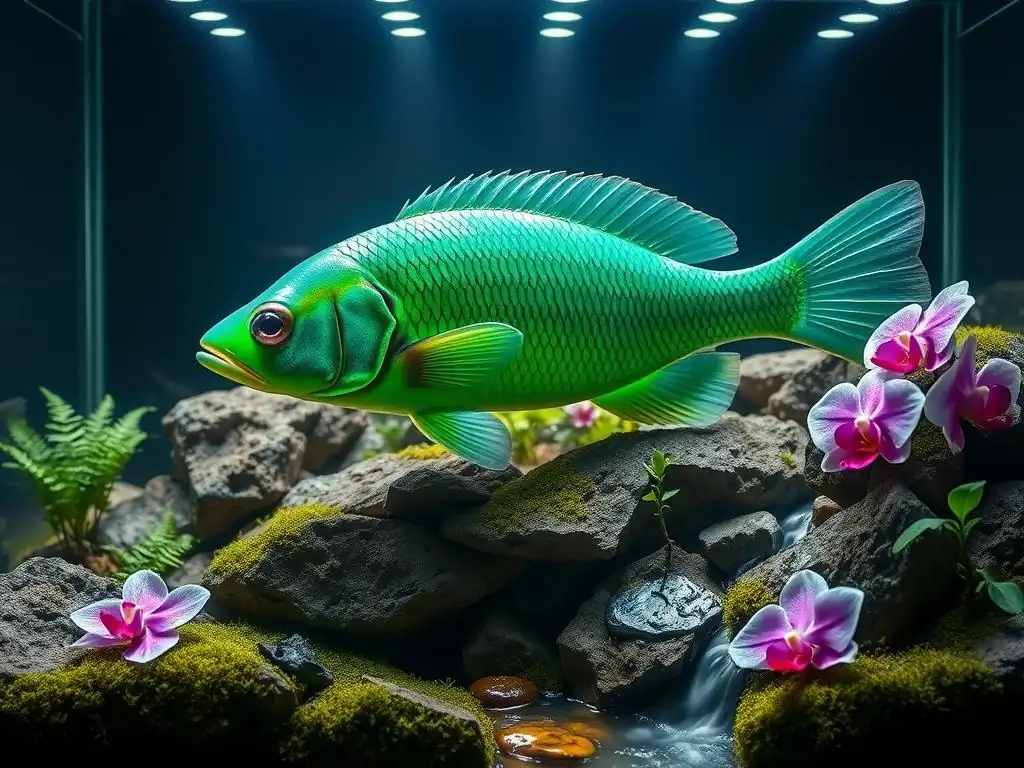
Paludariums and Ripariums are unique aquarium design styles that bridge the gap between aquatic and terrestrial environments, offering a captivating glimpse into marginal habitats like swamps, riverbanks, or rainforest edges. A paludarium typically features a significant portion of land area alongside a water body, allowing for the cultivation of both submerged and emergent or terrestrial plants, often housing amphibians, reptiles, or land-dwelling insects in addition to fish. The water section might be shallow, just 6-12 inches deep, with a large land mass above.
The riparium style, a specific type of paludarium, focuses on recreating the appearance of a riverbank or lake shore, with plants growing primarily out of the water, their roots submerged. This often involves specialized planters that hang on the tank rim or sit just below the water line.
Common plants for these setups include moisture-loving terrestrial species like Pothos, various ferns (e.g., Microsorum pteropus 'Java Fern' both submerged and emergent), or even small orchids, which thrive in the high humidity and access to water. Both styles require careful consideration of filtration for the water section and adequate ventilation and lighting for the terrestrial elements, making them more complex than typical underwater aquarium design styles.
Walstad Method: The Natural Planted Tank
The Walstad Method, popularized by Dr. Diana Walstad, is a low-tech, highly naturalistic aquarium design style that minimizes external equipment and relies heavily on the biological processes of a heavily planted tank. The cornerstone of this method is a substrate composed of a 1-inch layer of organic potting soil capped with about an inch of inert gravel or sand, providing a rich, slow-release nutrient source for plants. The philosophy is that healthy, fast-growing plants act as the primary filter, consuming nitrates and preventing algae, negating the need for CO2 injection or powerful filtration systems.
Maintenance in a Walstad tank is generally low once established, often requiring infrequent water changes (e.g., 10-20% monthly or even less for mature tanks) and no added fertilizers, as the soil provides sufficient nutrients. Plant selection typically favors robust, adaptable species that can thrive without CO2, such as Cryptocoryne species (e.g., Cryptocoryne wendtii), various Echinodorus (sword plants), Vallisneria, and floating plants like Limnobium laevigatum. While growth may be slower than in high-tech setups, the Walstad method offers a stable, naturally balanced ecosystem that can be incredibly rewarding for aquarists seeking a self-sustaining aquarium design style.
Low-Tech Aquascaping: Beauty Without the High-Tech Gear
Low-tech aquascaping encompasses a broad range of aquarium design styles that achieve beautiful results without relying on expensive or complex equipment like pressurized CO2 systems, high-intensity lighting, or elaborate filtration. This approach prioritizes simplicity and sustainability, making it an excellent choice for beginners or those with limited time or budget. The focus is on selecting hardy, undemanding plant species and creating a balanced ecosystem where plants thrive on available nutrients and ambient CO2.
Common plant choices for low-tech setups include various mosses (e.g., Java Moss, Christmas Moss), Anubias species, Bucephalandra, and Cryptocorynes, all of which are known for their slow growth rate and ability to flourish under moderate lighting (e.g., 0.5 watts per liter or less). While growth is slower compared to high-tech tanks, these setups are far less prone to algae outbreaks due to the stable, lower nutrient environment. Regular, small water changes (e.g., 10-15% weekly) and occasional liquid fertilization are often sufficient to maintain a vibrant and healthy aquarium design style that is both beautiful and manageable.
Matching Your Aquarium Personality to a Design Style
Assessing Your Lifestyle and Time Commitment
Choosing the ideal aquarium design style for your home is deeply intertwined with your lifestyle and the amount of time you can realistically dedicate to maintenance. A highly intricate Nature Aquarium or a meticulously manicured Dutch tank, for example, often demands significant weekly attention, including detailed pruning (sometimes requiring hours for a large tank), regular water parameter testing, and precise fertilization adjustments. These styles are best suited for individuals who enjoy the hands-on aspect of aquascaping and have several hours per week to commit.
Conversely, a low-tech aquascape or a Walstad tank typically requires far less intensive maintenance once established, often needing only basic water changes (e.g., 25% bi-weekly) and occasional pruning. If your schedule is packed with work, travel, or other hobbies, opting for a more robust and self-sustaining aquarium design style will prevent frustration and ensure your tank remains a source of enjoyment, rather than a burden. Consider your daily routine and long-term commitment before settling on a design.
Identifying Your Aesthetic Preferences
Your personal aesthetic preferences play a crucial role in selecting an aquarium design style that you'll genuinely love and appreciate every day. Do you gravitate towards minimalist designs, where simplicity and negative space create a sense of calm, as seen in the Iwagumi style? Or perhaps you prefer the lush, vibrant chaos of a dense, colorful plant garden, reminiscent of a Dutch aquascape, which can feature dozens of distinct plant species in a single 20-gallon tank.
Consider the overall feeling you want your aquarium to evoke. A Nature Aquarium might transport you to a serene forest scene, while a Biotope tank offers an educational window into a specific aquatic ecosystem. Reflect on the colors, textures, and forms that appeal to you in art and nature. Your tank is an extension of your home's decor and your personal taste, so choose an aquarium design style that truly resonates with your artistic vision and will bring you lasting satisfaction.
The Importance of Research and Planning
Regardless of the aquarium design style you choose, thorough research and meticulous planning are indispensable for success. Before purchasing any equipment, hardscape, or livestock, delve deep into the specific requirements of your desired style. This includes understanding the ideal water parameters (e.g., pH, GH, KH), lighting intensity (measured in PAR or lumens), and CO2 levels needed for your chosen plants and fish. For instance, a high-tech Nature Aquarium might require a pressurized CO2 system delivering 20-30 ppm, while a low-tech setup would rely on ambient CO2.
Planning also involves sketching out your layout ideas, considering the mature size and growth habits of your chosen plants, and ensuring compatibility between all living organisms. A detailed plan helps prevent costly mistakes, such as overcrowding or selecting species that conflict with each other or the tank's conditions. This foundational preparation, encompassing everything from hardscape placement to long-term maintenance strategies, is the cornerstone of creating a thriving and visually spectacular aquarium design style.
Tips for Creating a Stunning Aquascape
Hardscape Placement Techniques
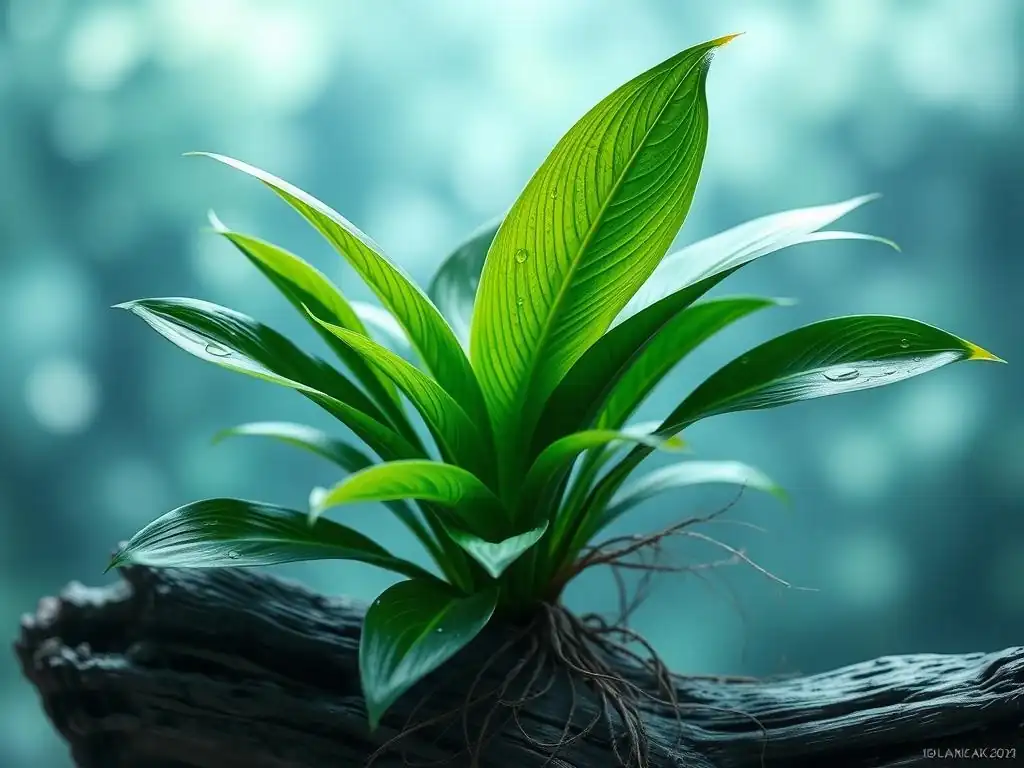
Effective hardscape placement is foundational to any compelling aquarium design style, establishing the primary visual structure and focal points. A common technique is the "rule of thirds," where key elements like a dominant rock or piece of driftwood are positioned along the imaginary lines or intersections that divide the tank into nine equal sections, creating a dynamic and balanced composition. Using an odd number of main hardscape pieces (e.g., three or five rocks in an Iwagumi) often results in a more natural and visually appealing arrangement compared to even numbers.
When placing rocks or wood, aim to create a sense of depth and flow. Taller pieces at the back, gradually decreasing in size towards the front, can enhance the illusion of perspective. Ensure all hardscape is stable and securely placed, especially if you have burrowing fish or intend to siphon the substrate around them. For example, large rocks should be placed directly on the tank bottom before adding substrate to prevent shifting and potential glass damage, a critical consideration for the longevity of your aquarium design style.
Plant Selection and Placement Strategies
Strategic plant selection and placement are crucial for bringing an aquascape to life, adding color, texture, and natural filtration. Plants are typically categorized by their position in the tank: foreground plants (e.g., Monte Carlo, Dwarf Hairgrass) are low-growing and create a carpet effect, usually reaching heights of less than 2 inches. Midground plants (e.g., Cryptocoryne, Anubias nana) provide visual transition and fill space, often growing 3-8 inches tall. Background plants (e.g., Rotala, Vallisneria) are taller stem plants or large-leaved species that provide a backdrop and hide equipment, frequently exceeding 10 inches in height.
When placing plants, consider their mature size and growth rate to avoid overcrowding. Grouping plants of the same species together creates a more natural and impactful visual statement than scattering individual plants. For instance, planting a dense cluster of 15-20 stems of Rotala rotundifolia in the background will create a much more dramatic effect than five scattered stems. Varying leaf shapes and colors next to each other, such as pairing fine-leaved green plants with broad-leaved red ones, enhances visual interest and depth, vital for any beautiful aquarium design style.
Maintaining a Healthy and Beautiful Aquascape
Consistent maintenance is the cornerstone of a healthy and beautiful aquascape, ensuring the long-term success of your chosen aquarium design style. Regular water changes, typically 25-30% weekly for a well-established tank, are essential to replenish minerals, remove accumulated nitrates, and maintain water clarity. For a 20-gallon tank, this means replacing 5-6 gallons of water weekly. Monitoring water parameters such as pH, GH (general hardness), KH (carbonate hardness), and nitrate levels regularly helps identify and address potential issues before they escalate.
Pruning is another vital aspect of maintenance, especially for fast-growing stem plants, which may require weekly trimming to maintain desired shapes, encourage bushier growth, and prevent them from overshadowing other plants or blocking light. Algae control is an ongoing process, often managed through balanced lighting (e.g., 8-10 hours daily), appropriate nutrient dosing, and the introduction of algae-eating inhabitants like Amano shrimp or Otocinclus catfish. Diligent care ensures your aquascape remains a vibrant and thriving underwater ecosystem.
Conclusion: Your Journey to Aquascaping Mastery.
Embarking on the journey of aquascaping is a deeply rewarding experience, transforming a simple aquarium into a captivating work of living art. As this aquarium design styles guide has explored, from the minimalist serenity of Iwagumi to the lush complexity of the Dutch style, each approach offers a unique aesthetic and set of challenges. The key to success lies not only in understanding the principles of design and the needs of aquatic life but also in aligning these elements with your personal dedication and vision.
Ultimately, the perfect aquarium design style is the one that brings you the most joy and satisfaction. Whether you choose to meticulously recreate a natural biotope or explore the boundless creativity of a low-tech planted tank, the process of nurturing an underwater world is a continuous learning adventure. With careful planning, consistent maintenance, and a touch of artistic flair, your aquarium can become a stunning testament to the beauty and tranquility of aquatic life, a true masterpiece reflecting your journey to aquascaping mastery.
Frequently Asked Questions
What is an aquascape design style?
An aquascape design style refers to a specific aesthetic approach to arranging aquatic plants, rocks, and driftwood within an aquarium. It's essentially the artistic design of your underwater world.
Why is choosing an aquascape style important?
Selecting an aquascape style helps define the overall look and feel of your aquarium. It also guides your choices in terms of plant selection, hardscape materials, and the types of fish you can keep.
What are some popular aquascape design styles?
Some popular styles include Iwagumi, Nature Aquarium, Dutch, and Jungle. Each style has its own unique characteristics and principles regarding layout and plant usage.
How do I choose the right aquascape style for my aquarium?
Consider your personal preferences, the size of your tank, and the types of fish you want to keep. Research different styles and choose one that suits your skill level and desired aesthetic.
Where can I find more information and inspiration for aquascaping?
AquariumMastery.com provides detailed guidance on various aquascaping styles. You can also find inspiration from online communities, aquascaping competitions, and books on aquarium design.
Final Reflection: Cultivating Underwater Harmony
The journey through diverse aquascape styles, as explored in this guide, reveals more than just aesthetic preferences; it underscores the profound connection between our inner selves and the miniature ecosystems we create. The enduring appeal of aquascaping lies in its ability to translate personal expression into living art, offering a tangible reflection of our values and aspirations within the confines of a glass box. This isn't merely about arranging plants and rocks; it's about crafting a harmonious environment that resonates with our individual spirit.
This pursuit of underwater harmony has deeply influenced the way we perceive and interact with nature. The act of creating an aquascape becomes a meditative practice, a constant reminder of the delicate balance that sustains life. It fosters a greater appreciation for the intricacies of aquatic ecosystems and our role in preserving them. In nature, nothing is perfect and everything is perfect. Trees can be contorted, bent in weird ways, and they're still beautiful.
- Alice Walker. This quote perfectly encapsulates the beauty found in the natural imperfections that we strive to emulate in our aquascapes.
As you embark on your own aquascaping adventure, remember that the most captivating designs are those that authentically reflect your unique personality. Let this guide serve as a springboard for your creativity, but ultimately, trust your intuition and allow your aquarium to become a living testament to your inner world. Embrace the process, learn from your mistakes, and find joy in the ever-evolving beauty of your underwater masterpiece. Let your aquarium be a source of peace, inspiration, and a constant reminder of the beauty that can be found in the simplest of things.
Unleash Your Inner Aquascaping Artist!
Thank you for diving deep into the world of aquascape styles! We hope you've found inspiration and a newfound appreciation for the art of creating underwater landscapes. Now, let's translate that knowledge into action:
- Sketch Your Dream Aquascape: Take 15 minutes right now to visually brainstorm your perfect aquarium layout, incorporating elements from the styles you resonated with most. This is your first step to making it a reality!
- Research Local Aquascaping Groups: Connect with fellow enthusiasts in your area! Sharing ideas and getting feedback can spark creativity and provide valuable support.
- Share Your Favorite Style: Post your favorite aquascape style on social media with #AquariumMastery. Let the world know what inspires you!
What unique twist will you bring to your chosen aquascape style? Share your initial design ideas in the comments below!