
**Leather Corals (Sarcophyton, Sinularia, Lobophytum, etc.)**

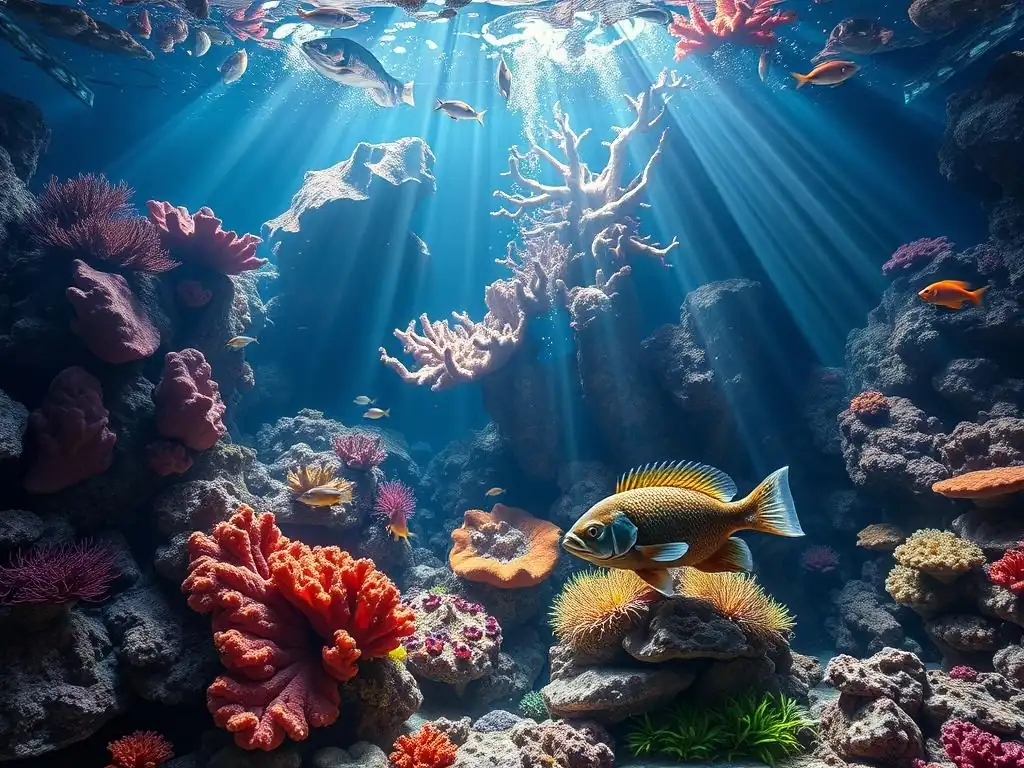
Welcome to Aquarium Mastery!
Dive into the fascinating world of reef keeping! Ever wondered how to cultivate vibrant and thriving Leather Corals in your saltwater aquarium? Our comprehensive Leather Coral Care Guide unlocks the secrets to successfully nurturing these fascinating soft corals. Discover essential tips on lighting, water flow, feeding, and troubleshooting common issues – and get ready to transform your reef into a mesmerizing underwater landscape! Intrigued? Let's explore the wonders of Sarcophyton, Sinularia, Lobophytum, and more!
- Leather Coral Care Guide: Thriving with Sarcophyton, Sinularia & Lobophytum
- Introduction to Leather Corals: A Beginner's Guide
- Identifying Common Leather Coral Species
- Essential Water Parameters for Leather Coral Health
- Lighting and Flow Requirements for Leather Corals
- Feeding and Supplementation for Leather Corals
- Leather Coral Care: Husbandry and Maintenance
- Common Leather Coral Problems and Solutions
- Propagating Leather Corals: Fragging Techniques
- Choosing the Right Tank Mates for Leather Corals
- Advanced Leather Coral Care Tips
-
Frequently Asked Questions
- What are the main types of leather corals I might encounter?
- What are the key water parameters I need to monitor for successful leather coral care?
- How much lighting do leather corals generally require?
- What is the best way to handle shedding or "sloughing" in leather corals?
- What are some common signs of stress in leather corals, and what can I do?
- Final Reflection: The Enduring Allure of Leather Corals
- Unleash the Beauty of Leather Corals!
Leather Coral Care Guide: Thriving with Sarcophyton, Sinularia & Lobophytum
Introduction to Leather Corals: A Beginner's Guide
What are Leather Corals? Defining Sarcophyton, Sinularia, and Lobophytum
Leather corals are a diverse group of soft corals belonging to the Alcyonacea order, characterized by their fleshy, leathery texture and lack of a rigid, stony skeleton. Unlike their stony coral counterparts (SPS and LPS), they do not build extensive calcium carbonate structures, making them more pliable and resilient.
The most common genera found in the aquarium hobby include Sarcophyton (Toadstool Leather Corals), Sinularia (Finger, Cabbage, and Encrusting Leather Corals), and Lobophytum (Devil's Hand or Lobed Leather Corals). These corals primarily derive their energy from symbiotic zooxanthellae algae, which live within their tissues and perform photosynthesis, providing the coral with up to 90% of its nutritional needs.
These fascinating invertebrates are often recognized by their large, often columnar or branching forms that can dominate a reef aquascape. Their polyps, which are typically small and feathery, extend from the coral's surface to capture light and filter microscopic particles from the water column. While they generally come in shades of brown, tan, and green, some varieties can exhibit vibrant yellow or even subtle pink hues, adding dynamic movement and natural beauty to a marine tank. Understanding these fundamental characteristics is the first step in providing excellent leather coral care.
Why Choose Leather Corals for Your Reef Tank? Benefits and Considerations
Leather corals are an excellent choice for both beginner and experienced reef aquarists, primarily due to their remarkable hardiness and adaptability. Compared to many Small Polyp Stony (SPS) or Large Polyp Stony (LPS) corals, leather corals are significantly more tolerant of fluctuating water parameters, making them forgiving for those still learning the intricacies of reef keeping.
They are also known for their relatively fast growth rates, with some Sarcophyton species capable of doubling their biomass within a year under optimal conditions, quickly filling out a new tank. Their diverse growth forms, from the classic mushroom shape of Sarcophyton to the intricate branching of Sinularia, provide unique aesthetic appeal and naturalistic movement to the reef environment.
However, there are a few considerations when adding leather corals to your tank. One notable characteristic is their tendency to "shed" or "slough" a waxy layer, which is a natural process to remove accumulated detritus and algae, but can temporarily reduce their visual appeal. Additionally, some leather corals, particularly larger, established colonies, can release mild allelopathic chemicals into the water.
While generally less potent than those from certain LPS corals, these chemicals can potentially irritate other sensitive corals if water quality is not meticulously maintained and adequate carbon filtration is not employed. Nevertheless, for those seeking robust, beautiful, and relatively low-maintenance corals, a comprehensive leather coral care guide will highlight their numerous benefits.
Identifying Common Leather Coral Species
Sarcophyton Elegans: Toadstool Leather Coral Characteristics and Care
Sarcophyton elegans, commonly known as the Toadstool Leather Coral or Mushroom Leather Coral, is one of the most iconic and popular leather coral species in the hobby. Its distinctive appearance features a thick, fleshy stalk topped by a broad, flattened, mushroom-like cap from which numerous small polyps extend when happy. These polyps give the coral a fuzzy or velvety texture. Mature specimens can grow quite large, often reaching diameters of 12 to 18 inches (30-45 cm) or even more in spacious tanks, making them a dominant centerpiece.
Care for Sarcophyton elegans is straightforward, contributing to its popularity. They thrive under moderate lighting conditions, typically around 50-150 PAR, and require moderate to high water flow to keep their cap clear of detritus and aid in their natural shedding process. While primarily photosynthetic, they can benefit from occasional feeding of fine particulate matter. A key aspect of Sarcophyton leather coral care is understanding their shedding cycle, which involves retracting polyps and developing a waxy coating for several days. This is a normal and healthy process, indicating the coral is cleaning itself and preparing for new growth.
Sinularia Dura: Finger Leather Coral Identification and Growth Habits
Sinularia dura, often referred to as the Finger Leather Coral, is another widely recognized and appreciated leather coral variety. This species is characterized by its branching, finger-like or tree-like projections that emerge from a central base. The "fingers" can vary in thickness and length, often displaying a more rigid and less pliable texture compared to other Sinularia species. Common colorations include various shades of tan, brown, and green, with some rarer forms exhibiting a more vibrant lime green. When fully extended, the polyps on the branches give the coral a soft, fuzzy appearance.
Sinularia dura is known for its relatively fast growth rate and ability to form dense, bushy colonies, making it an excellent choice for filling out mid-to-upper sections of a reef tank. Under optimal conditions, individual branches can grow several inches per month, requiring ample space and potential fragging to manage its size. They prefer moderate to high water flow, which helps maintain their clean surface and prevents detritus accumulation within their branches. This robust growth and adaptability make Sinularia dura a staple in any leather coral care guide for aquarists seeking dynamic soft coral displays.
Lobophytum Pauciflorum: Devil's Hand Leather Coral Distinguishing Features
Lobophytum pauciflorum, commonly known as the Devil's Hand Leather Coral or Lobed Leather Coral, is distinguished by its unique, often convoluted and lobed growth form, resembling a hand with multiple "fingers" or "thumbs." Unlike the more defined branches of Sinularia, the lobes of Lobophytum are typically broader and thicker, with a softer, more pliable texture. The surface of the coral is usually covered in numerous small, extended polyps, giving it a velvety or fuzzy appearance when happy. Color variations typically range from creamy tans and browns to pale greens.
This species, like other leather corals, is highly resilient and adaptable to a range of tank conditions, making it a favorite for beginners. Lobophytum pauciflorum can grow to substantial sizes, often spreading horizontally to cover large areas of rockwork or sandbed, sometimes reaching diameters of over 15 inches (38 cm).
They prefer moderate lighting and strong, turbulent water flow to prevent detritus buildup in their folds and to aid in their periodic shedding process. Their unique morphology and robust nature make them a captivating addition to a diverse soft coral display, with their care being a key component of a comprehensive leather coral care guide.
Other Popular Leather Coral Varieties: Colt Coral, Cabbage Leather Coral
Beyond the prominent Sarcophyton, Sinularia, and Lobophytum genera, several other leather coral varieties are popular in the reef aquarium hobby, each offering unique aesthetics and similar care requirements. The Colt Coral, belonging to the genus Cladiella, is highly prized for its delicate, tree-like, branching structure. These corals are typically very soft and sway gracefully with water currents, adding a dynamic, flowing element to the aquascape. They often come in shades of tan, brown, or pale green and are known for their rapid growth, often necessitating regular fragging to maintain their size within the tank.
Another notable variety is the Cabbage Leather Coral, often identified as a species of Sinularia or Alcyonium. This coral forms large, encrusting colonies characterized by their distinctive folded, ruffled, or "cabbage-like" appearance. They can create impressive mounds or spread over large sections of rockwork, providing a solid textural element.
Like other leathers, Colt and Cabbage corals primarily rely on photosynthesis but benefit from stable water parameters, moderate lighting, and good water flow. Their inclusion in a leather coral care guide highlights the diversity and accessibility of this hardy group of soft corals, making them excellent choices for adding movement and volume to a reef tank.
Essential Water Parameters for Leather Coral Health
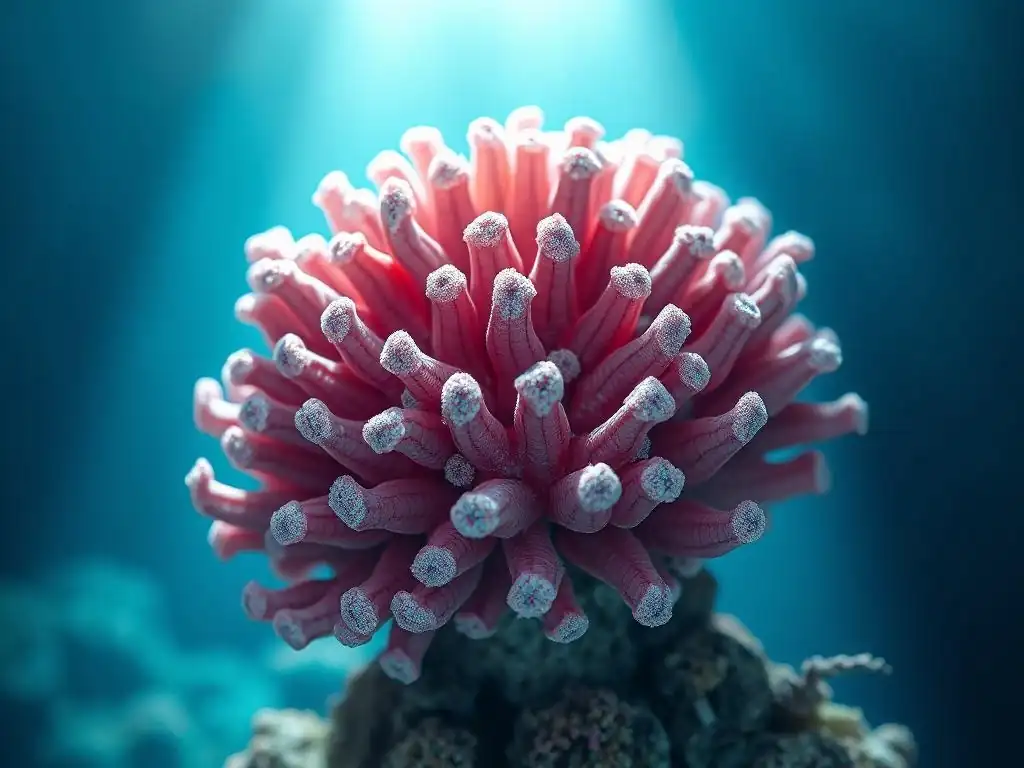
Maintaining Proper Alkalinity, Calcium, and Magnesium Levels
While leather corals do not build extensive stony skeletons like SPS and LPS corals, maintaining stable levels of alkalinity, calcium, and magnesium is still crucial for their overall health and metabolic processes. Alkalinity, ideally maintained between 8-12 dKH (Degrees of Carbonate Hardness), provides buffering capacity to keep pH stable and is involved in various biological functions within the coral's tissues. Fluctuations in alkalinity can stress corals and inhibit their growth, even for soft varieties.
Calcium, typically targeted at 400-450 ppm, is a vital macro element required for cellular processes and minor calcification, even in soft-bodied organisms. Magnesium, at 1250-1350 ppm, plays a critical role in maintaining the solubility of calcium and alkalinity, preventing their precipitation and ensuring their bioavailability. Although leather corals have lower demands for these elements compared to stony corals, consistency is paramount. Sudden swings in these parameters, even if within acceptable ranges, can cause stress, leading to polyp retraction or tissue recession, underscoring their importance in a comprehensive leather coral care guide.
The Importance of Nitrate and Phosphate Levels for Leather Corals
Nitrate and phosphate are often viewed as detrimental in reef tanks due to their association with nuisance algae outbreaks, but for leather corals, a small, stable amount of these nutrients can actually be beneficial. Leather corals, as heterotrophic organisms that also host zooxanthellae, can utilize dissolved organic matter and some inorganic nutrients directly from the water column.
Ideal nitrate levels for leather corals generally range from 1-10 ppm. While they can tolerate slightly higher levels than many SPS corals, excessive nitrate (above 20 ppm) can lead to browning of the coral due to an overpopulation of zooxanthellae, or even tissue necrosis in severe cases.
Similarly, phosphate levels should be kept low but not necessarily at undetectable levels. An ideal range is typically 0.03-0.1 ppm. While high phosphates (above 0.2 ppm) can inhibit coral growth and promote nuisance algae, a complete absence of phosphate can also stress corals by limiting the nutrients available to their symbiotic algae, potentially leading to paling or bleaching. The key for optimal leather coral care is finding a balanced nutrient export strategy that keeps these parameters stable and within a beneficial range, supporting both the coral's health and the overall ecosystem.
Temperature and Salinity Requirements for Optimal Leather Coral Growth
Maintaining stable temperature and salinity is fundamental to the health and longevity of leather corals, as these parameters directly influence their metabolic rates and cellular functions. The optimal temperature range for most leather corals is between 75-80°F (24-27°C). Significant fluctuations, such as daily swings exceeding 1-2°F, can induce stress, leading to polyp retraction, loss of color, or even tissue damage. Consistent temperature ensures that the coral's physiological processes, including photosynthesis by their symbiotic zooxanthellae, operate efficiently.
Salinity, measured as specific gravity, should be maintained within a narrow range of 1.024-1.026, corresponding to natural seawater levels of 34-36 ppt (parts per thousand). Sudden changes in salinity, even by a few points, can cause osmotic shock, severely stressing the coral and potentially leading to tissue swelling or shrinkage. Using a reliable refractometer or hydrometer and performing regular top-offs with RODI (Reverse Osmosis Deionized) water to compensate for evaporation are crucial practices. Adhering strictly to these temperature and salinity guidelines is a cornerstone of effective leather coral care, promoting robust growth and resilience.
Lighting and Flow Requirements for Leather Corals
Selecting the Right Lighting for Leather Corals: LED, T5, and Metal Halide Options
Leather corals are primarily photosynthetic, relying heavily on their symbiotic zooxanthellae for energy, making appropriate lighting a critical component of their care. They generally thrive under moderate lighting conditions, with a PAR (Photosynthetically Active Radiation) range of 50-150 being ideal for most species. While they are more forgiving of lighting variations than SPS corals, providing the correct intensity and spectrum is essential for vibrant coloration and robust growth.
Modern LED fixtures offer excellent control over intensity and spectrum, allowing aquarists to fine-tune settings; many hobbyists find success running their LEDs at 30-50% power for soft corals. T5 fluorescent lighting, particularly a mix of daylight and actinic bulbs, provides broad, even coverage and is also highly effective.
Metal Halide lights, while powerful, often require higher placement or dimming to prevent overexposure, which can cause browning or bleaching in leather corals. When introducing a new leather coral, it's advisable to start it in a lower light area and gradually move it to its desired position over several days to a week, allowing it to acclimate and minimizing light shock.
Understanding Water Flow: Why Leather Corals Need Moderate to High Flow
Water flow is arguably as important as lighting for the health and vitality of leather corals, and they generally require moderate to high, turbulent flow. This constant movement of water serves several crucial functions. Firstly, it ensures the efficient delivery of nutrients and dissolved organic matter to the coral's polyps, facilitating their feeding and metabolic processes. Secondly, robust flow prevents the accumulation of detritus and waste products on the coral's surface, which can otherwise lead to tissue irritation, bacterial infections, or even necrosis.
Perhaps most uniquely for leather corals, strong flow is essential for aiding their natural shedding or "sloughing" process. When a leather coral sheds its waxy outer layer, good water movement helps to dislodge and carry away this old tissue, preventing it from suffocating the coral and allowing new, healthy tissue to emerge.
Insufficient flow can result in the shed layer remaining adhered, causing stress and potentially leading to tissue loss. Powerheads should be positioned to create varied, non-laminar flow patterns, mimicking natural reef currents and ensuring all parts of the coral receive adequate circulation, a key aspect of advanced leather coral care.
Placement Strategies for Leather Corals in Your Reef Tank
Strategic placement is vital for the long-term health and aesthetic integration of leather corals within your reef tank. Given their moderate lighting and moderate to high flow requirements, ideal placement typically involves mid-to-upper tank regions where these conditions can be met. Avoid placing them in stagnant areas with poor water circulation, as this can lead to detritus buildup and hinder their shedding process. Similarly, avoid direct, intense light spots that might cause bleaching or browning, especially when first introducing them.
When selecting a location, it is crucial to consider the potential adult size of the leather coral. Species like Sarcophyton can expand significantly, reaching diameters of 12-18 inches (30-45 cm), while Sinularia can branch out widely. Therefore, provide ample space around them to prevent overgrowth or shading of other corals.
While leather corals are generally mild in terms of allelopathy (chemical warfare), maintaining a buffer zone of at least 6 inches (15 cm) from more sensitive SPS or LPS corals is a wise practice to minimize any potential chemical irritation. Proper placement ensures the coral thrives and contributes positively to the overall aquascape, a cornerstone of effective leather coral care.
Feeding and Supplementation for Leather Corals
Do Leather Corals Need to Be Fed? Understanding Their Nutritional Needs
While leather corals are primarily photosynthetic, deriving 70-90% of their energy from the zooxanthellae living within their tissues, they are not entirely self-sufficient. They are also heterotrophic, meaning they can actively capture and consume small particulate matter from the water column. Therefore, while direct, targeted feeding is not strictly necessary for their survival, supplemental feeding can significantly enhance their growth rates, improve coloration, and promote overall vitality.
Their diet consists of various microscopic organisms and dissolved organic matter. They can consume zooplankton, phytoplankton, copepods, and fine coral foods. For species with larger polyps or those that appear less vibrant, offering a small amount of liquid or powdered coral food (such as Reef Roids or Marine Snow) once or twice a week can be beneficial. This supplemental nutrition provides essential amino acids, fatty acids, and other compounds not fully supplied by photosynthesis alone. A good leather coral care guide acknowledges that while not mandatory, thoughtful feeding can elevate their health and appearance.
Recommended Supplements for Enhancing Leather Coral Color and Growth
Beyond their primary reliance on light and occasional feeding, leather corals can benefit from the regular replenishment of certain trace elements and organic compounds that are naturally depleted in a closed aquarium system. Iodine is a particularly important trace element for leather corals, often linked to improved coloration (especially brown and yellow hues) and aiding in their shedding process; maintaining levels around 0.06 ppm can be beneficial. Strontium and potassium are also utilized, albeit in smaller quantities, supporting various cellular functions and potentially contributing to robust growth.
Amino acids and vitamins, often available as liquid supplements, can further boost the vitality and vibrancy of leather corals. These organic compounds serve as building blocks for proteins and enzymes, supporting metabolic processes and enhancing overall resilience. When considering supplementation as part of your leather coral care guide, it's crucial to dose sparingly and according to product instructions, as over-dosing can be more detrimental than under-dosing. Regular water changes also play a significant role in replenishing these essential elements naturally.
Avoiding Overfeeding: Potential Problems and Solutions
While supplemental feeding can benefit leather corals, it's crucial to avoid overfeeding, as this can lead to several undesirable consequences for the entire reef system. Excess food not consumed by corals or fish will break down, contributing to a rise in nitrates and phosphates. Elevated nutrient levels can fuel the growth of nuisance algae, such as hair algae or diatoms, which can quickly outcompete and smother corals, including leathers. Moreover, excessive dissolved organic compounds can lead to bacterial blooms, cloudy water, and a general decline in water quality.
Overfeeding can also directly impact the coral by causing detritus to settle on its surface, leading to irritation or localized tissue necrosis if not removed by sufficient flow. To mitigate these risks, feed sparingly—typically 1-2 times per week at most—and observe how quickly the food is consumed.
Ensure robust water flow to disperse food particles and prevent settling. Implementing effective nutrient export methods, such as regular water changes, a high-quality protein skimmer, and potentially a refugium or GFO (Granular Ferric Oxide) reactor, are vital solutions to maintain pristine water quality and avoid the pitfalls of overfeeding in your leather coral care routine.
Leather Coral Care: Husbandry and Maintenance
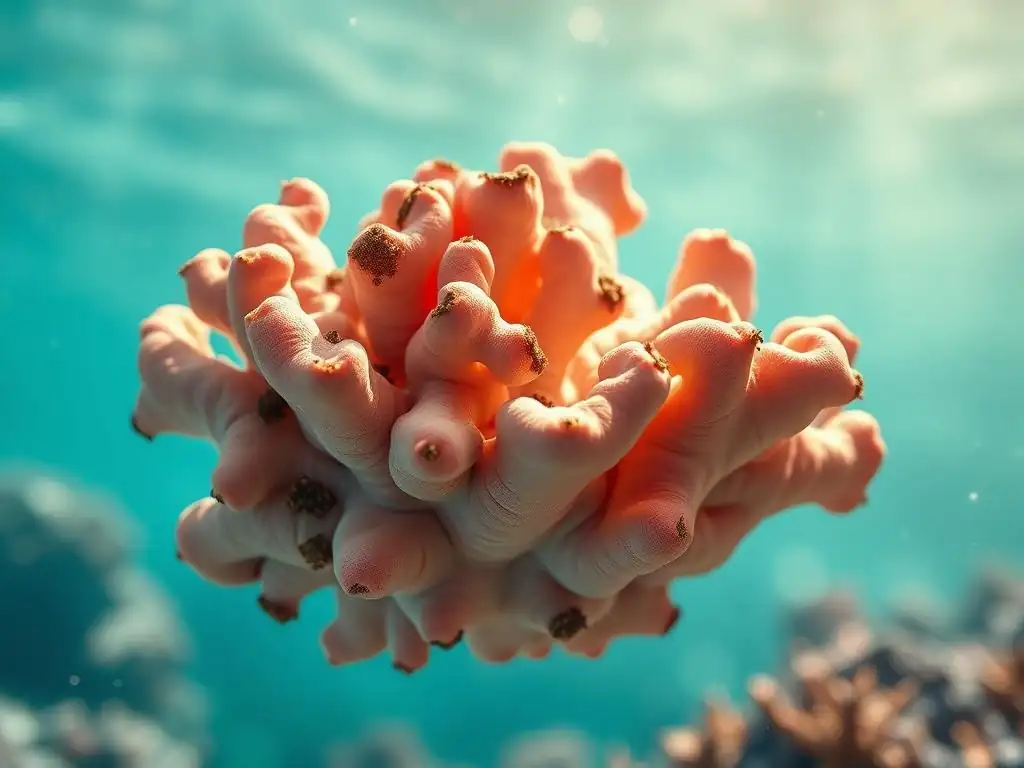
Acclimation Process: Safely Introducing Leather Corals to Your Tank
Proper acclimation is a critical step in ensuring the long-term success and health of new leather corals introduced to your aquarium. The goal is to slowly equalize the water parameters of the bag with those of your tank, minimizing stress from sudden changes in temperature, salinity, and pH. Start by floating the sealed bag in your sump or tank for 15-20 minutes to equalize the temperature.
Next, initiate a drip acclimation process. Using airline tubing and a control valve, slowly drip tank water into the coral's bag. Aim for a drip rate that doubles the volume of water in the bag over 30-60 minutes.
Once acclimated, gently remove the coral from the bag, discarding the bag water (do not add it to your display tank), and place the coral into your tank. For light acclimation, it's often beneficial to place the new leather coral in a lower-light area of the tank for the first few days, gradually moving it to its final, brighter location over the course of a week. This careful procedure significantly reduces shock and is a cornerstone of responsible leather coral care.
Regular Water Changes: Maintaining Water Quality for Leather Corals
Regular water changes are one of the most fundamental and effective husbandry practices for maintaining optimal water quality and promoting the health of leather corals. This routine procedure serves multiple vital functions: it replenishes essential trace elements that are consumed by corals and other inhabitants or removed by filtration, such as iodine, strontium, and potassium. Simultaneously, water changes dilute and remove accumulated waste products like nitrates and phosphates, which can build up over time and contribute to nuisance algae growth or stress corals.
For a typical reef tank with leather corals, a 10-20% water change weekly or bi-weekly is a common and highly recommended practice. The frequency and volume may vary depending on tank size, stocking density, and filtration efficiency. Always use high-quality RODI (Reverse Osmosis Deionized) water mixed with a reputable marine salt mix to the correct salinity (1.024-1.026). Consistency in water change schedule is far more important than large, infrequent changes, as stability is key to preventing stress and ensuring the long-term success of your leather coral care regimen.
Recognizing and Addressing Common Leather Coral Issues
Being able to recognize and promptly address common issues is crucial for effective leather coral care. One of the most frequent observations is shedding or "sloughing," where the coral develops a cloudy, waxy layer and retracts its polyps for several days. This is a normal, healthy process for cleaning and should not be intervened with; increased flow can help. However, prolonged shrinking or closing of polyps beyond shedding can indicate stress. Potential causes include sudden changes in water parameters (temperature, salinity, alkalinity), insufficient or excessive flow, or inappropriate lighting.
If a leather coral appears stressed, the first step is always to test all water parameters immediately and correct any deviations slowly. Check for adequate, turbulent flow and ensure lighting is appropriate. Browning or paling of the coral can indicate nutrient imbalances (too high or too low) or incorrect light intensity. Tissue recession, though less common in hardy leathers, is a serious sign of severe stress, disease, or pest infestation, requiring immediate attention and potentially isolating the coral for observation or treatment. Proactive monitoring and quick response are key to preventing minor issues from escalating.
Common Leather Coral Problems and Solutions
Leather Coral Shedding: Understanding the Process and What to Expect
One of the most characteristic behaviors of leather corals is their periodic shedding or "sloughing" of a waxy, slimy outer layer. This is a completely natural and healthy process, serving as the coral's method of cleaning itself from accumulated detritus, algae, and metabolic waste products. When a leather coral prepares to shed, its polyps will retract fully, and a dull, cloudy film will begin to form over its surface. This process can last anywhere from a few days to over a week, depending on the coral's health and environmental conditions.
During shedding, the coral may appear shrunken or "unhappy," which can be alarming to new aquarists, but it is not a cause for concern. It is crucial not to manually try and remove the shed layer, as this can damage the coral's delicate tissue. Instead, ensure good, turbulent water flow around the coral, as this often helps the shed layer detach and disperse naturally. Once the shedding is complete, the coral will typically re-extend its polyps, appearing vibrant and healthy, often with enhanced coloration and renewed growth, signaling a successful aspect of its leather coral care routine.
Leather Coral Shrinking: Identifying and Treating Potential Causes
When a leather coral shrinks or remains retracted for an extended period outside of its normal shedding cycle, it's a clear indicator of stress and requires investigation. The potential causes are varied and often relate to environmental conditions. One common cause is adverse water parameters, including sudden swings in temperature (e.g., above 82°F or below 74°F), salinity (e.g., below 1.023 or above 1.027), or alkalinity. Inadequate or excessive water flow can also cause shrinking; too little flow leads to detritus buildup, while too much direct, laminar flow can physically batter the coral.
Improper lighting, either too intense (leading to bleaching or browning) or too dim (leading to paling), can also cause retraction. Furthermore, the presence of aggressive tank mates that nip at the coral, or chemical warfare from nearby LPS or SPS corals, can induce stress. To treat, first meticulously test all water parameters and slowly correct any deviations. Ensure proper flow and lighting. If no environmental cause is found, inspect the coral closely for signs of pests or disease. Addressing the root cause promptly is paramount for the coral's recovery and is a key aspect of advanced leather coral care.
Dealing with Pests and Diseases Affecting Leather Corals: Nudibranchs, Algae Growth
While leather corals are generally hardy, they are not entirely immune to pests and diseases. One of the most notorious pests specifically targeting leather corals are certain species of nudibranchs, particularly those from the Phyllodesmium genus. These specialized predators often camouflage extremely well with the coral and can rapidly decimate a colony.
Signs of nudibranch infestation include unexplained tissue loss, small bite marks, or the presence of their distinctive white, spiral egg masses on the coral's base or folds. Manual removal using tweezers is the primary solution, often combined with brief freshwater dips (30-60 seconds) for newly acquired corals to dislodge hitchhikers.
Another common issue is the overgrowth of nuisance algae, such as brown diatoms or green hair algae, directly on the coral's surface. This usually indicates high nitrate and phosphate levels in the water column. While not a disease, algae can smother the coral, inhibit polyp extension, and compete for light. The solution involves addressing the underlying nutrient imbalance through increased water changes, reduced feeding, and enhanced nutrient export methods like protein skimming, refugiums, or GFO reactors. Maintaining pristine water quality is the best defense against both pests and opportunistic algae, a fundamental principle of effective leather coral care.
Propagating Leather Corals: Fragging Techniques
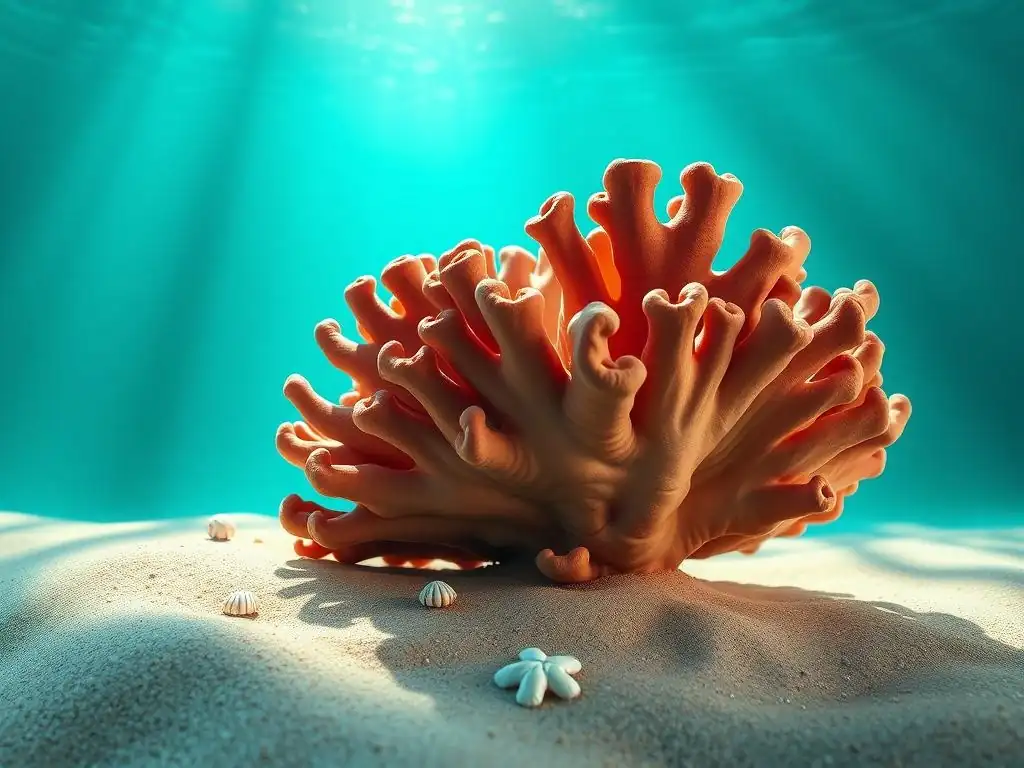
Preparing for Leather Coral Fragging: Tools and Equipment
Propagating leather corals through fragging is a straightforward process that allows aquarists to share or expand their colonies. Proper preparation and the right tools are essential to ensure a clean cut and minimize stress to both the parent colony and the new frag. You will need a very sharp, clean cutting instrument, such as a sterile surgical scalpel or a new razor blade. Avoid using dull tools, as they can crush tissue and lead to infection.
Other necessary equipment includes a non-porous cutting board or a dedicated fragging tray, a separate container filled with tank water for the coral during the process, and super glue gel (cyanoacrylate glue) for attaching the frags to plugs or small pieces of live rock. It's also advisable to wear gloves to protect your hands from potential irritants and to maintain hygiene.
Some aquarists also prepare a mild iodine dip solution for the frags after cutting to act as an antiseptic, though this is optional. Having all materials ready before you begin will streamline the process and reduce the coral's out-of-water time, optimizing your leather coral care for propagation.
Step-by-Step Guide to Fragging Sarcophyton, Sinularia, and Lobophytum
Fragging leather corals like Sarcophyton, Sinularia, and Lobophytum is a relatively simple process. First, gently remove the parent colony from your display tank and place it in a shallow container filled with tank water. For Sarcophyton (Toadstool Leather), you can typically cut a small, disc-like piece from the edge of the cap, ensuring it's at least 1-2 inches in diameter. For branching Sinularia (Finger Leather) or lobed Lobophytum (Devil's Hand Leather), identify a healthy branch or lobe and make a clean, swift cut at its base where it joins the main colony.
After making the cut, allow the fragged pieces to "bleed" (contract and exude some mucus) for about 10-15 minutes in a separate container of tank water. This helps the cut surface to heal slightly before gluing and prevents the coral's mucus from inhibiting the glue's bond. Once the frag has settled, apply a generous dab of super glue gel to a frag plug or a small, stable piece of live rock. Gently press the base of the frag onto the glue, holding it firmly for 30 seconds to a minute until it adheres.
Avoid getting glue on the polyps. Finally, place the new frag into a low-flow, moderate-light area of your tank to heal and acclimate. This detailed approach ensures successful leather coral care during propagation.
Caring for Leather Coral Frags: Ensuring Successful Growth
After fragging, the successful growth and integration of new leather coral frags depend on providing optimal healing conditions. Immediately after fragging and gluing, place the frags in an area of your tank with lower water flow and moderate lighting. This reduced stress environment allows the frag to divert energy towards healing the cut site and attaching firmly to its new substrate without being battered by strong currents or overwhelmed by intense light.
Monitor the frags daily for signs of stress, such as prolonged retraction, discoloration, or any white, necrotic tissue around the cut. It can take anywhere from 1 to 4 weeks for a leather coral frag to fully attach and begin extending its polyps confidently. During this healing period, maintaining pristine water quality through regular water changes and stable parameters (as outlined in this leather coral care guide) is paramount.
Once the frag shows signs of robust attachment and consistent polyp extension, it can be gradually moved to a higher-flow, brighter location if desired. This careful post-fragging care maximizes the survival rate and promotes vigorous growth of your new colonies.
Choosing the Right Tank Mates for Leather Corals
Compatible Fish and Invertebrates for a Leather Coral Reef Tank
Selecting compatible tank mates is crucial for maintaining a peaceful and thriving reef environment, especially when keeping leather corals. Fortunately, most common peaceful reef fish are excellent companions for leather corals. This includes popular choices like clownfish ( Amphiprion species), various gobies (e.g., watchman gobies, pistol shrimp gobies), blennies (e.g., Tailspot Blenny, Starry Blenny), and many types of tangs (e.g., Yellow Tang, Blue Tang) that primarily graze on algae. Other suitable fish include royal grammas, cardinalfish, and non-aggressive damselfish species.
In terms of invertebrates, most clean-up crew members are highly compatible. Snails (e.g., Nassarius, Turbos, Astrea), hermit crabs (ensure they are reef-safe species like blue-legged or scarlet hermits), and cleaner shrimp (e.g., Lysmata amboinensis) will peacefully coexist and contribute to tank hygiene by consuming detritus and algae. Peppermint shrimp are also safe and can help control Aiptasia anemones. These compatible tank mates ensure a harmonious ecosystem, allowing your leather corals to thrive without harassment, a key consideration in comprehensive leather coral care.
Avoiding Aggressive Tank Mates That Can Harm Leather Corals
While leather corals are generally hardy, certain fish and invertebrates can pose a threat and should be avoided in a tank dedicated to their well-being. The most significant concern comes from fish known to nip at or consume corals. This includes many species of angelfish (e.g., Centropyge dwarf angels, Pomacanthus large angels), which, while beautiful, often develop a taste for coral polyps.
Butterflyfish are another group notorious for picking at soft corals, making them unsuitable for a leather coral display. Some parrotfish species can also graze on corals, although they are less commonly kept in home aquariums due to their size.
Beyond direct predation, overly large or boisterous fish can inadvertently stress leather corals by constantly brushing against them, knocking over frags, or creating excessive, turbulent flow that might dislodge them. Certain crab species, particularly larger or unknown types, can also be opportunistic coral nippers. It is always wise to thoroughly research any potential tank mate before introduction to ensure its reef-safe credentials. Prioritizing peaceful and compatible inhabitants is a fundamental aspect of successful leather coral care, preventing unnecessary stress and damage to your valuable corals.
Advanced Leather Coral Care Tips
Optimizing Water Chemistry for Enhanced Coloration
While leather corals are known for their hardiness, optimizing water chemistry beyond basic requirements can significantly enhance their coloration and overall vitality. Maintaining highly stable parameters is paramount. Aim for alkalinity consistently within a tighter range, such as 8.5-9.5 dKH, calcium at 420-440 ppm, and magnesium at 1300-1350 ppm. While these are not rigid requirements for survival, consistency at these levels supports optimal physiological function and metabolic pathways that contribute to vibrant pigments.
Beyond the major parameters, precise dosing of specific trace elements can make a noticeable difference. Iodine, for instance, has been linked to promoting healthier browns and yellows in some leather corals and aiding in their shedding process; maintaining levels around 0.06 ppm is often beneficial. Potassium and strontium, while used in smaller quantities, also play roles in coral health and can be supplemented.
For some species, maintaining ultra-low nutrient systems (ULNS) with nitrates below 5 ppm and phosphates below 0.05 ppm, combined with appropriate lighting, can sometimes encourage more intense coloration by modulating zooxanthellae density. These advanced strategies elevate leather coral care to a new level.
Utilizing Protein Skimmers and Reactors for Water Quality Improvement
For advanced leather coral care and long-term success, incorporating high-efficiency filtration methods like protein skimmers and various reactors is highly beneficial. A properly sized and maintained protein skimmer is essential for removing dissolved organic compounds (DOCs) from the water column before they break down into nitrates and phosphates. A good skimmer should consistently produce 2-5 ml of dark, foul-smelling skimmate daily from a moderately stocked tank, significantly contributing to nutrient export and water clarity.
Beyond skimming, various reactors can further refine water quality. A Granular Ferric Oxide (GFO) reactor effectively removes phosphates, preventing nuisance algae outbreaks and supporting healthier coral growth; a common starting dose is 1 gram of GFO per 4 gallons of tank water. A carbon reactor, on the other hand, removes yellowing compounds, odors, and potentially harmful allelopathic chemicals released by corals, improving light penetration and reducing chemical warfare. Changing carbon every 2-4 weeks ensures its efficacy. These advanced filtration tools are crucial for maintaining the pristine water quality that allows leather corals to truly thrive.
Monitoring and Adjusting Your System for Long-Term Leather Coral Health.
Long-term success in leather coral care hinges on diligent monitoring and a proactive approach to system adjustments. Regular testing of key water parameters—including alkalinity, calcium, magnesium, nitrate, phosphate, salinity, and temperature—is non-negotiable. Maintain a detailed log of your test results to identify trends and potential issues before they become critical. For instance, a gradual decline in alkalinity might indicate insufficient dosing or increased coral demand.
Daily observation of your leather corals for polyp extension, color, and any signs of stress (e.g., prolonged retraction, shedding issues, tissue discoloration) provides invaluable feedback on their health. Remember that any adjustments to lighting, flow, or water parameters should always be implemented slowly and gradually over several days or even weeks. Rapid changes can induce severe stress and negatively impact corals. A consistent maintenance schedule, including water changes, equipment cleaning, and prompt troubleshooting of any observed issues, ensures a stable and thriving environment, leading to robust and vibrant leather corals for years to come.
Frequently Asked Questions
What are the main types of leather corals I might encounter?
Leather corals belong to several genera including Sarcophyton, Sinularia, and Lobophytum. They are soft corals known for their leathery texture and relatively easy care. Identifying the specific genus can aid in understanding individual needs.
What are the key water parameters I need to monitor for successful leather coral care?
Maintaining stable water parameters is crucial. Pay particular attention to alkalinity, calcium, and magnesium, as well as keeping nitrate and phosphate levels low. Regular testing and water changes are essential.
How much lighting do leather corals generally require?
Leather corals generally need moderate to high lighting. The specific intensity depends on the species, but ensuring adequate light is crucial for photosynthesis and overall health. Observing their color and polyp extension can indicate if lighting is sufficient.
What is the best way to handle shedding or "sloughing" in leather corals?
Shedding is a natural process where leather corals remove algae and debris. Ensure good water flow to help them shed effectively. Avoid directly touching or interfering with the shedding process.
What are some common signs of stress in leather corals, and what can I do?
Signs of stress include closed polyps, color loss, and excessive mucus production. Check water parameters first. Then, ensure adequate water flow and consider adjusting lighting if necessary. Quick intervention is crucial for recovery.
Okay, I understand. Here's a final reflection designed to close your "Leather Coral Care Guide" article, formatted as requested:
Final Reflection: The Enduring Allure of Leather Corals
The journey through understanding and caring for leather corals, as we've explored, highlights a crucial aspect of reef keeping: the balance between scientific understanding and intuitive observation. While parameters and best practices provide a foundation, the true art lies in recognizing the subtle cues these fascinating creatures offer, allowing us to create thriving ecosystems within our own homes. This delicate dance between knowledge and experience is what makes reef keeping so rewarding.
The influence of leather corals extends beyond the aquarium walls. Their resilience and adaptability, mirrored in their widespread popularity, serve as a constant reminder of the power of nature's adaptability. They connect us to the vastness of the ocean and the intricate web of life it supports. In the end, we will conserve only what we love; we will love only what we understand; and we will understand only what we are taught.
- Baba Dioum. This quote underscores the importance of continued learning and sharing knowledge about these incredible organisms.
Now, as you embark on your own leather coral journey, remember the lessons we've uncovered. Observe closely, adapt thoughtfully, and never cease to learn. Let the vibrant life of your leather corals inspire a deeper appreciation for the ocean's wonders and a commitment to responsible reef keeping. Your dedication will not only create a beautiful underwater world but also contribute to the preservation of these vital ecosystems for generations to come.
Unleash the Beauty of Leather Corals!
Thank you for diving into the fascinating world of leather corals! We hope this article has sparked your curiosity and provided valuable insights into these captivating creatures. Now, let's put that knowledge into action and elevate your reefing experience.
- Take the plunge and introduce a leather coral to your aquarium. Observe its unique behavior and growth patterns firsthand. This is the best way to learn.
- Explore the diverse world of soft corals further by researching less common species like colt corals or toadstool leathers to potentially add to your reef.
- Share your leather coral journey! Post a photo of your thriving leather coral on social media using #AquariumMasteryLeather and inspire fellow reefers.
What's the first step you'll take to create a stunning leather coral display in your aquarium?