
Toadstool Leather Splitting: Natural Propagation or Sign of Stress?

Welcome to Aquarium Mastery!
Ever wondered why your Toadstool Leather coral seems to be splitting? Is it a sign of healthy growth, a fascinating form of natural propagation, or a worrying cry for help? Dive in as we unravel the mysteries behind leather coral splitting causes, offering expert insights and practical solutions to ensure your aquatic environment thrives! Let's explore this fascinating phenomenon together and learn how to distinguish between healthy division and potential problems in your reef tank.
- Understanding Leather Coral Splitting in Reef Aquariums
- Leather Coral Splitting Causes: Natural Propagation Explained
- Leather Coral Splitting Causes: Stress and Environmental Factors
- Differentiating Between Healthy Propagation and Stress-Induced Splitting
- Mitigating Stress and Promoting Healthy Leather Coral Growth
- Post-Splitting Care: Ensuring the Survival of Both Fragments
- Preventing Future Problems: Long-Term Leather Coral Care
-
Frequently Asked Questions
- What are the common causes of leather coral splitting in a toadstool leather coral?
- How can I tell if my toadstool leather coral is splitting due to natural propagation versus stress?
- What water parameters are crucial to maintain to prevent leather coral splitting caused by stress?
- What type of lighting is best for toadstool leather corals to prevent stress-induced splitting?
- What should I do if I suspect my toadstool leather coral is splitting due to stress?
- Final Reflection: The Resilience of Reef Life
- Unleash Your Inner Reef Keeper!
Understanding Leather Coral Splitting in Reef Aquariums
What is Leather Coral Splitting? Identifying the Phenomenon
Leather coral splitting refers to the fascinating process where a single toadstool leather coral (genus Sarcophyton) divides into two or more distinct individuals. This phenomenon can manifest in various ways, often beginning with a noticeable constriction or a 'pinch' forming somewhere along the coral's stalk or base. As the process progresses, this constricted area deepens until the original coral separates into two or more independent fragments, each capable of growing into a full-sized colony. It is crucial for aquarists to distinguish this process from tissue necrosis or melting, which are signs of severe decline.
Identifying the phenomenon of leather coral splitting involves observing the coral's overall health and the nature of the division. A healthy split typically presents as a clean separation, with both the parent colony and the new fragment maintaining good polyp extension and vibrant coloration. In contrast, splitting due to stress often involves signs of tissue recession, discoloration, or the presence of a white or brown slime around the splitting site, indicating a struggle rather than a thriving state. Understanding the underlying leather coral splitting causes is paramount for proper aquarium management.
Why is My Toadstool Leather Coral Dividing? Common Scenarios
The division of a toadstool leather coral can stem from two primary motivations: either it is a natural, healthy form of asexual reproduction, or it is a stress response to unfavorable environmental conditions. In a well-established and thriving reef aquarium, splitting is often a positive indicator of vigorous growth and successful adaptation, allowing the coral to propagate and expand its presence within the tank. This natural propagation is a common strategy employed by many soft coral species to increase their numbers.
Conversely, leather coral splitting causes can also be linked to significant environmental stressors. When a toadstool leather coral is subjected to adverse water parameters, inadequate lighting, insufficient flow, or even disease, it may initiate splitting as a survival mechanism. This can be an attempt to "escape" unfavorable conditions by creating smaller, potentially more resilient fragments, or it could be a sign of tissue deterioration leading to fragmentation. Differentiating between these two scenarios is key to providing appropriate care for your toadstool leather corals.
Leather Coral Splitting Causes: Natural Propagation Explained
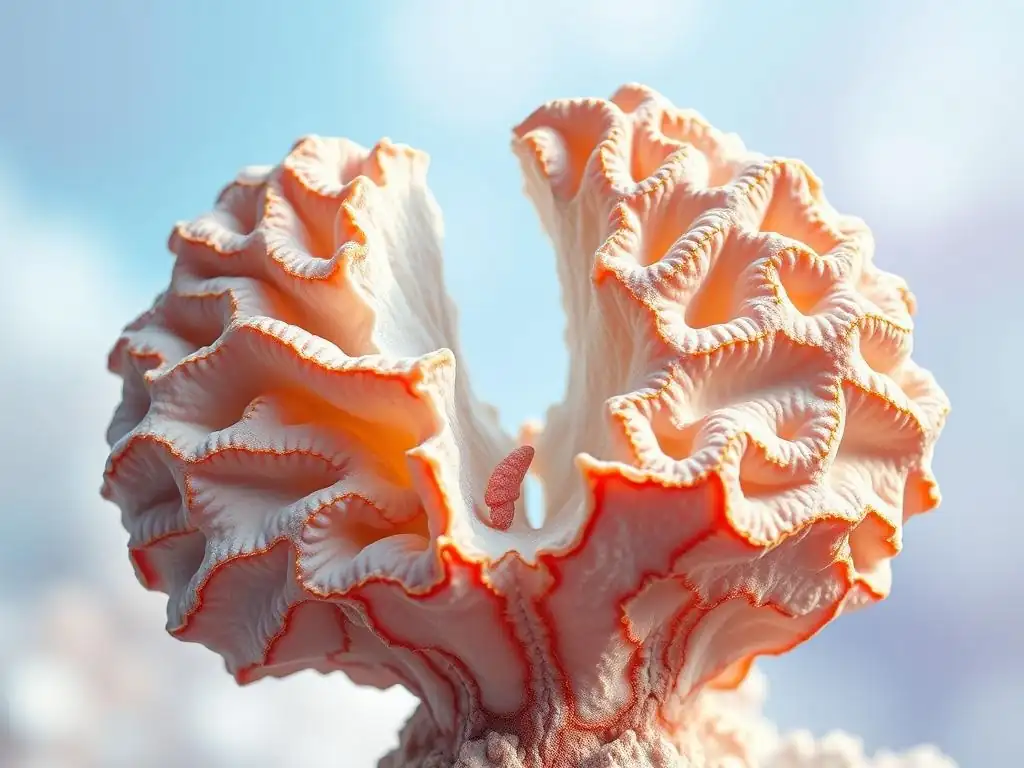
Toadstool Leather Coral Propagation: A Form of Asexual Reproduction
Toadstool leather corals, like many other soft corals, primarily propagate through asexual reproduction, a highly efficient method for increasing colony numbers without the need for gamete exchange. One common form of this is binary fission, where the coral simply divides its body into two roughly equal halves. Another method involves budding or fragmentation, where a small piece of the coral breaks off or detaches, subsequently developing into a new, independent colony. This natural splitting is a testament to the coral's robust nature and its ability to thrive and expand in optimal conditions.
Under ideal circumstances, a healthy toadstool leather coral can exhibit significant growth, potentially doubling its biomass within 6 to 12 months. As the coral matures and reaches a considerable size, natural splitting becomes a common occurrence. This process is less about survival and more about efficient propagation, allowing the coral to colonize new areas within the aquarium or to simply increase its population. Observing this type of division is generally a positive sign that your coral is flourishing.
Ideal Conditions for Leather Coral Division: Supporting Natural Splitting
For toadstool leather coral division to occur as a healthy form of propagation, specific environmental conditions must be met and consistently maintained. Stable water chemistry is paramount, including a pH range of 8.1-8.4, salinity at 1.025-1.026 specific gravity, and consistent alkalinity (dKH 8-12), calcium (400-450 ppm), and magnesium (1200-1350 ppm) levels. While soft corals do not build calcium carbonate skeletons like stony corals, stable parameters are crucial for their overall metabolic functions and cellular health.
Furthermore, adequate lighting and water flow play significant roles. Toadstool leathers thrive under moderate PAR levels, typically ranging from 50 to 150 PAR, ensuring their symbiotic zooxanthellae can photosynthesize effectively. Moderate, turbulent water flow is also essential, providing oxygen, carrying away waste, and preventing detritus buildup on the coral's surface. A mature aquarium, generally established for over 12 months with consistent parameters and no significant fluctuations, provides the ideal environment for natural leather coral splitting causes to manifest.
Identifying Healthy Splitting: Signs of Vigorous Growth
When toadstool leather splitting occurs as a result of healthy propagation, there are clear visual cues that differentiate it from stress-induced fragmentation. The separation typically appears clean and well-defined, with no signs of tissue recession, discoloration, or sliming at the splitting site. Both the parent colony and the newly formed fragment will exhibit full polyp extension shortly after the division, indicating minimal stress and robust health.
Moreover, the parent colony will continue to appear vibrant and healthy, showing no signs of decline or prolonged retraction. The new fragment, once separated, will generally attach itself to a frag plug or a piece of rockwork within a few weeks, often between 2 to 4 weeks, given proper placement and stable conditions. This rapid re-attachment and quick recovery of polyp extension are strong indicators that the splitting event was a natural and successful form of asexual reproduction, highlighting the coral's vigorous growth within your reef system.
Leather Coral Splitting Causes: Stress and Environmental Factors
Unfavorable Water Parameters and Leather Coral Health
Maintaining precise and stable water parameters is fundamental to the health of all reef inhabitants, including toadstool leather corals. When these parameters deviate significantly from optimal ranges, corals can become stressed, potentially leading to tissue loss, recession, and even splitting as a desperate survival mechanism. Understanding these deviations is critical when investigating leather coral splitting causes.
Ammonia, Nitrite, and Nitrate Imbalances: The Impact on Leather Corals
The presence of ammonia and nitrite in a reef aquarium is highly toxic to corals. Even trace amounts, such as concentrations above 0.05 ppm, can quickly lead to severe stress, tissue necrosis, and eventual death for many corals, including toadstool leathers. While these compounds should always be at undetectable levels (0 ppm) in a cycled aquarium, even minor spikes can initiate a stress response.
High nitrate levels, typically above 20-30 ppm, though generally less acutely toxic than ammonia or nitrite, can still significantly stress leather corals over time. This chronic stress can manifest as excessive sliming, tissue recession, and in some cases, induce a stress-related splitting or sloughing of tissue as the coral attempts to shed compromised sections.
Maintaining Proper Alkalinity, Calcium, and Magnesium Levels
While soft corals like toadstool leathers do not directly consume calcium and alkalinity to build a stony skeleton, stable levels of these parameters, along with magnesium, are crucial for the overall biological stability of the reef environment. Fluctuations in alkalinity, particularly drops or swings greater than 0.5 dKH within a 24-hour period, can be a major stressor for all corals.
Such instability can disrupt cellular processes, leading to reduced polyp extension, tissue recession, and a compromised immune system. Although less direct, inconsistent calcium (below 380 ppm) or magnesium (below 1100 ppm) levels can also contribute to a generally unhealthy environment, making the coral more susceptible to other stressors and potentially triggering stress-induced leather coral splitting causes.
Lighting and Flow: Ensuring Optimal Conditions for Leather Corals
Beyond water chemistry, the physical environment of light and water movement plays a pivotal role in the well-being of toadstool leather corals. Both insufficient and excessive levels of these factors can become significant stressors, leading to decline and, in some instances, prompting stress-induced splitting.
Insufficient or Excessive Lighting: Stressors Leading to Splitting
Toadstool leather corals rely on their symbiotic zooxanthellae for a significant portion of their energy through photosynthesis. Insufficient lighting (e.g., consistently below 40 PAR) can lead to the zooxanthellae not producing enough food, resulting in the coral slowly starving, losing color (bleaching), and ultimately receding or attempting to split off healthier sections. Conversely, excessive lighting (e.g., sustained exposure above 250 PAR, especially if introduced too quickly) can cause photoinhibition or photo-oxidative stress.
This can damage the zooxanthellae, leading to bleaching, tissue necrosis, and a severe stress response that might include shedding or splitting as a last resort to survive the harsh conditions. Proper acclimation to new light levels is crucial to prevent such stress.
Inadequate Water Flow: Contributing to Leather Coral Decline
Water flow is essential for toadstool leather corals for several reasons: it delivers food particles, carries away metabolic waste, facilitates gas exchange (oxygen in, carbon dioxide out), and helps prevent detritus from settling on the coral's surface. Inadequate water flow, characterized by dead spots or laminar (non-turbulent) flow, can lead to detritus accumulation, localized oxygen depletion, and a buildup of waste products around the coral. This stagnant environment can suffocate the coral, cause tissue irritation, and make it vulnerable to bacterial infections like brown jelly disease.
Conversely, excessively strong, direct flow can physically damage the coral's delicate polyps and tissue, preventing polyp extension and causing constant stress. Both extremes can contribute to the decline of the coral, potentially leading to stress-induced leather coral splitting causes. A moderate, turbulent flow, generally equivalent to 10-20 times the tank volume per hour, is ideal.
Disease and Pests: Potential Causes of Leather Coral Stress
Even with optimal water parameters, lighting, and flow, toadstool leather corals can still face challenges from diseases and pests that compromise their health and may lead to stress-induced splitting. Identifying and addressing these issues promptly is crucial for the coral's survival.
Identifying Common Leather Coral Diseases
Toadstool leather corals are generally hardy, but they can fall victim to certain diseases, primarily bacterial infections. One of the most common and aggressive is Brown Jelly Disease, characterized by a rapidly spreading, slimy, brown film that consumes coral tissue. This disease can decimate a coral within 24 to 48 hours if left untreated.
Other bacterial infections might manifest as white patches, tissue recession, or unusual shedding patterns that differ from normal healthy shedding. Such infections severely stress the coral, often leading to a breakdown of tissue integrity which can result in fragmentation or splitting in an attempt to isolate the infected area.
Managing Pests Affecting Leather Coral Health
While less common than for stony corals, toadstool leather corals can still be targeted by certain pests or suffer damage from incompatible tank mates. Predatory nudibranchs or snails, though rare, can graze on coral tissue, causing localized damage and irritation. More frequently, certain fish species, especially some angelfish or butterflyfish, may occasionally nip at soft corals, causing physical trauma and chronic stress.
Constant harassment from fish or invertebrates that brush against the coral can also lead to retraction, sliming, and a general state of stress. This persistent irritation can weaken the coral, making it susceptible to disease or causing it to recede or split in an effort to escape the source of irritation, adding another dimension to potential leather coral splitting causes.
Differentiating Between Healthy Propagation and Stress-Induced Splitting
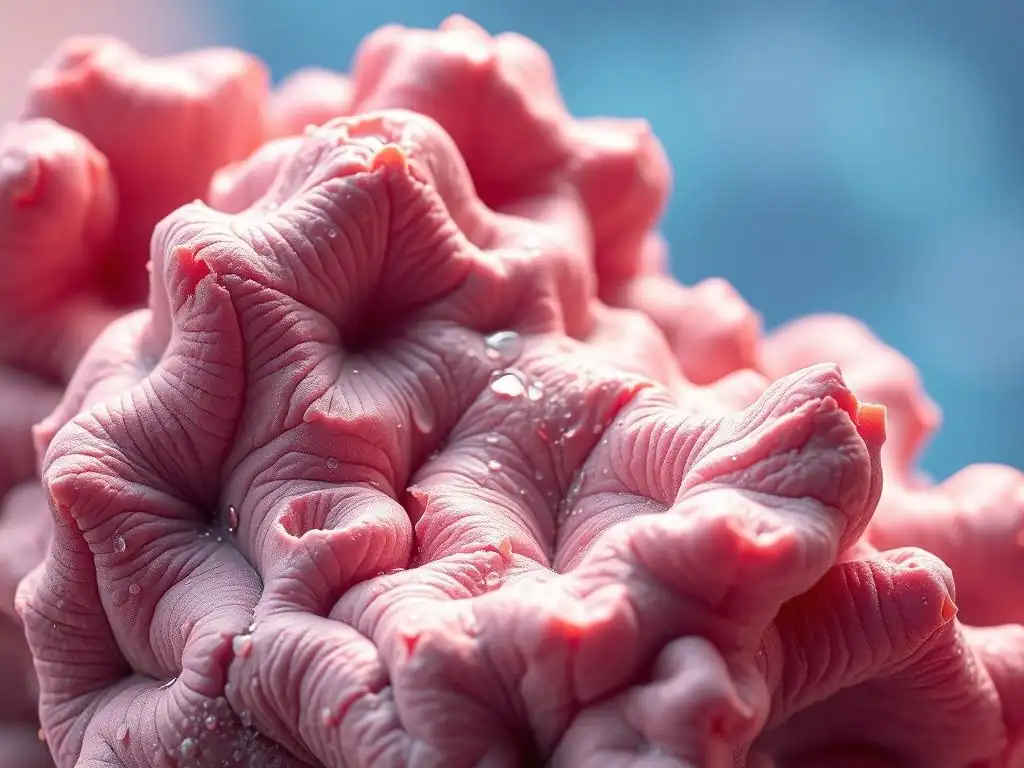
Visual Cues: Examining the Splitting Site for Signs of Health or Decay
Differentiating between healthy propagation and stress-induced splitting in toadstool leather corals often comes down to careful visual inspection of the coral and the splitting site. In healthy propagation, the split will typically appear clean, with smooth edges where the tissue has separated. Both the parent colony and the new fragment should exhibit full polyp extension and maintain their vibrant coloration, showing no signs of tissue recession, discoloration, or sliming at the point of division. The process looks deliberate and organized, a sign of robust vitality.
Conversely, stress-induced splitting often presents with ragged or unhealthy-looking edges at the division point. You might observe white, necrotic patches, excessive sliming (beyond a normal shedding process), or even the presence of brown jelly-like substance. The tissue around the split may appear shrunken or discolored, and polyp extension might be significantly reduced or completely absent on either the parent or the fragment. A healthy split often shows polyp extension within hours to a day, whereas a stress-induced split might take days or weeks for recovery, or worsen progressively.
Coral Behavior: Monitoring for Changes in Polyp Extension and Color
Beyond the splitting site itself, the overall behavior of the toadstool leather coral provides crucial clues. A coral undergoing healthy propagation will generally maintain consistent polyp extension and vibrant coloration both before and after the split. While there might be a brief period of retraction during the actual separation, the polyps should quickly re-extend, indicating minimal stress and rapid recovery. The parent colony will remain turgid and fully expanded, reflecting its overall well-being.
In contrast, a coral splitting due to stress will often exhibit significant changes in behavior. This can include prolonged polyp retraction, a dulling or fading of its natural color, excessive and continuous sliming (beyond its regular shedding cycle which typically occurs every few weeks), or a general shrunken and deflated appearance. The coral might also shed its outer layer more frequently or inconsistently. These behavioral changes, especially if they precede or accompany the splitting event, are strong indicators that the leather coral splitting causes are rooted in environmental stress or illness, rather than natural growth.
Water Testing: Assessing Water Quality and Identifying Potential Issues
When faced with a splitting toadstool leather, immediate and thorough water testing is a non-negotiable step to determine if stress is a contributing factor. While healthy propagation can occur in pristine water, stress-induced splitting is often a direct consequence of compromised water quality. Focus on parameters like ammonia, nitrite, nitrate, pH, alkalinity, calcium, and magnesium.
If ammonia or nitrite are detectable (e.g., anything above 0.05 ppm), it is a clear sign of severe water quality issues requiring immediate intervention. High nitrates, consistently above 20 ppm, can also be a chronic stressor. Furthermore, significant fluctuations in alkalinity (e.g., changes greater than 0.5 dKH per day) or consistently low calcium and magnesium levels, even if they don't directly cause splitting, contribute to an unstable environment that weakens the coral. Regular testing provides objective data, allowing you to identify and rectify underlying water quality issues that might be among the leather coral splitting causes.
Mitigating Stress and Promoting Healthy Leather Coral Growth
Water Changes and Filtration: Maintaining Pristine Water Quality
One of the most effective and fundamental ways to mitigate stress and promote healthy growth in toadstool leather corals is through consistent water changes and robust filtration. Regular partial water changes, typically 10-20% weekly or bi-weekly, are crucial for replenishing essential trace elements that corals consume and for diluting accumulated nitrates and other undesirable compounds. For instance, a weekly 10% water change on a 100-gallon tank can significantly reduce nitrate levels over time, improving the overall water quality.
Complementing water changes, a high-quality filtration system is indispensable. This includes an appropriately sized protein skimmer to remove organic waste before it breaks down into nitrates, ample live rock for biological filtration (approximately 1-1.5 pounds per gallon), and potentially a refugium to grow macroalgae that absorb excess nutrients. Maintaining pristine water quality is a proactive measure that prevents many stress-related leather coral splitting causes.
Adjusting Lighting and Flow: Optimizing the Coral's Environment
Optimizing lighting and water flow is vital for the long-term health and growth of toadstool leather corals. If your coral appears stressed or is splitting, evaluate its placement in the tank relative to light intensity and water movement. For lighting, consider using a PAR meter to measure the actual light levels at the coral's position. If the PAR is too low (e.g., below 40 PAR), consider moving the coral higher in the tank or increasing light intensity gradually. If PAR is excessively high (e.g., above 200 PAR), lower the coral or reduce light intensity to prevent photoinhibition.
Regarding water flow, ensure it is moderate and turbulent, allowing the coral's polyps to extend fully while preventing detritus from settling. If flow is too low, reposition powerheads or add more to create better circulation, aiming for a total tank turnover of 10-20 times per hour. If flow is too strong and causing the coral to constantly retract, angle powerheads away or reduce their output. Proper adjustment of these physical parameters significantly reduces stress and promotes the robust health necessary for natural leather coral splitting causes rather than stress-induced ones.
Supplementation: Providing Essential Elements for Leather Coral Health
While toadstool leather corals are not as demanding as stony corals regarding calcium and alkalinity consumption, maintaining stable levels of these and other essential trace elements contributes significantly to their overall health and resilience. Regular testing of alkalinity (dKH 8-12), calcium (400-450 ppm), and magnesium (1200-1350 ppm) is recommended, and supplementation should be used to correct any deficiencies or maintain stability. Consistent parameters prevent the general physiological stress that can lead to problems.
Furthermore, certain trace elements, such as iodine, can be beneficial for toadstool leather corals, particularly in aiding their natural shedding process. Dosing iodine at a rate of 0.03-0.06 mg/L weekly can support healthy shedding, which is a vital part of the coral's self-cleaning and growth cycle. However, it's crucial to dose trace elements cautiously and according to manufacturer instructions, as overdosing can be harmful. Proper supplementation, alongside pristine water quality, helps ensure your leather corals remain robust and less prone to stress-induced splitting.
Post-Splitting Care: Ensuring the Survival of Both Fragments
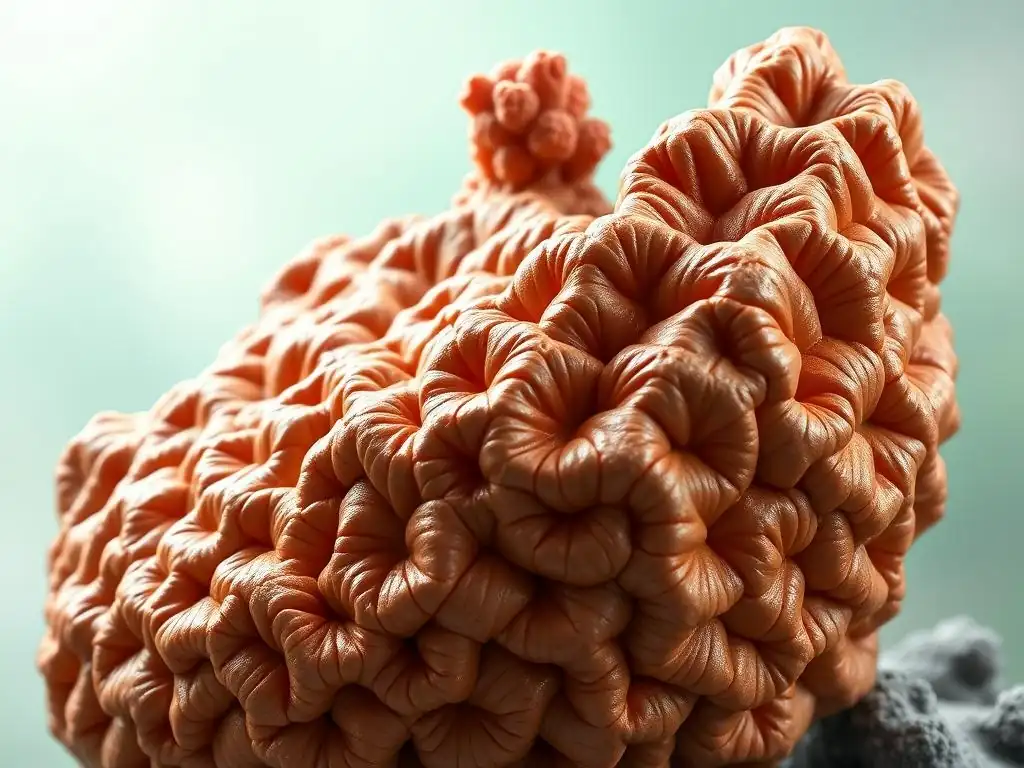
Separating the Fragments: When and How to Divide Successfully
When a toadstool leather coral undergoes splitting, whether naturally or stress-induced, careful post-splitting care is essential to ensure the survival and thriving of both the parent colony and the new fragment(s). If the split is a healthy, natural propagation, the coral will often separate completely on its own, and intervention may not be necessary. You can often wait until the two pieces are connected by only a thin strand of tissue before considering any manual separation.
If manual intervention is needed, perhaps because the split is incomplete or appears stress-induced and unhealthy, use a sharp, sterile razor blade or scalpel to make a clean cut through the remaining tissue. Gently remove the new fragment, minimizing handling of the coral tissue. It is advisable to perform this step quickly and carefully to reduce stress on both parts. After separation, dip the newly cut edges in an iodine solution or a coral dip designed to prevent infection, following product instructions, before placing them back in the main display tank.
Providing Adequate Support: Securing the New Leather Coral Frags
Once separated, the new toadstool leather coral frag needs proper support to attach itself and begin growing independently. The most common method involves placing the frag on a frag plug, a small piece of live rock rubble, or an inert disc. Do not attempt to glue the soft tissue directly to a plug using cyanoacrylate glue, as this can damage the coral. Instead, gently secure the frag to the chosen substrate using a rubber band, a piece of fishing line, or by placing it in a small container with rubble until it attaches.
Position the secured frag in an area of the tank with moderate water flow and appropriate lighting. Avoid placing it in direct, strong flow that might dislodge it or in an area with stagnant water. A small piece of live rock, approximately 1-2 inches in diameter, is often sufficient for a new toadstool frag to attach to. The goal is to provide a stable foundation where the frag can settle and begin the process of adhesion without being constantly disturbed.
Monitoring the New Fragments: Observing for Signs of Recovery and Growth
After separating and securing the new toadstool leather coral fragments, consistent monitoring is crucial for their successful recovery and growth. Observe the fragments daily for signs of polyp extension, healthy coloration, and overall turgidity. Healthy fragments should begin to extend their polyps fully within 2-3 days of being secured, indicating they are recovering from the separation process.
Attachment to the frag plug or rockwork can take time, typically ranging from 1 to 4 weeks depending on the frag's size, health, and tank conditions. Do not disturb the frag during this period. Watch for any signs of tissue recession, discoloration, or sliming, which could indicate stress or infection. If these signs appear, re-evaluate water parameters and tank conditions. Continued polyp extension and a gradual firming of the base are positive indicators that the new fragment is establishing itself and beginning its journey toward becoming a thriving, independent colony.
Preventing Future Problems: Long-Term Leather Coral Care
Regular Water Testing and Maintenance: Proactive Measures for Coral Health
The cornerstone of preventing future problems with toadstool leather corals, including unwanted stress-induced splitting, is a consistent regimen of water testing and maintenance. Establishing a routine for checking critical parameters such as pH (8.1-8.4), salinity (1.025-1.026 SG), alkalinity (8-12 dKH), calcium (400-450 ppm), and magnesium (1200-1350 ppm) is vital. Weekly or bi-weekly testing allows for early detection of any deviations, enabling prompt corrective action before parameters fluctuate enough to stress corals.
Beyond testing, regular maintenance activities are equally important. Performing partial water changes (e.g., 10-20% weekly or bi-weekly) replenishes trace elements and removes accumulated nutrients. Cleaning protein skimmers, changing filter socks, and vacuuming detritus from the substrate are also crucial. Implementing a weekly routine of testing and a 10% water change can prevent 80% of common water quality-related issues, significantly reducing the likelihood of stress being among the leather coral splitting causes.
Observation and Early Intervention: Addressing Issues Before They Escalate
Becoming an astute observer of your toadstool leather coral's behavior and appearance is a powerful tool for preventing future problems. Daily visual inspections allow you to notice subtle changes that might indicate stress long before a major issue, such as stress-induced splitting, occurs. Look for changes in polyp extension (e.g., prolonged retraction), color fading or browning, excessive or unusual sliming, and any signs of tissue recession or lesions.
Early intervention is key. If you notice any concerning signs, act quickly. This might involve re-testing water parameters, adjusting lighting or flow, or inspecting for pests. For example, if your coral shows signs of unusual sliming for more than 24-48 hours, it could indicate stress or a bacterial issue. Addressing minor issues within 24-48 hours often resolves them without significant coral loss, whereas waiting beyond 72 hours can lead to irreversible damage. Proactive observation and rapid response minimize the duration and severity of stress on your coral.
Choosing Compatible Tank Mates: Minimizing Stress on Your Leather Coral
The selection of compatible tank mates is a critical, yet often overlooked, aspect of long-term leather coral care. Aggressive fish, or those known to nip at corals, can cause chronic stress and physical damage, potentially leading to recession or stress-induced splitting. While toadstool leathers are generally robust, constant harassment from tank mates can significantly impact their health.
Avoid species known for their coral-nipping tendencies, such as certain angelfish (e.g., many species of Pomacanthus and Holacanthus), some butterflyfish, and even certain hermit crabs or snails that might irritate the coral. For instance, while many dwarf angelfish ( Centropyge species) are considered "reef safe with caution," approximately 15-20% of individuals may still nip at soft corals. Opt for peaceful, reef-safe fish and invertebrate species that will not directly bother your toadstool leather. Ensuring a harmonious environment minimizes external stressors, allowing your coral to thrive and grow naturally, rather than react defensively to its surroundings.
Frequently Asked Questions
What are the common causes of leather coral splitting in a toadstool leather coral?
Leather coral splitting can be a natural form of asexual reproduction, particularly in toadstool corals. However, it can also be a sign of stress due to poor water quality or lighting.
How can I tell if my toadstool leather coral is splitting due to natural propagation versus stress?
If splitting is due to propagation, the coral generally appears healthy beforehand. Look for signs of stress like discoloration, excessive slime production, or retracted polyps.
What water parameters are crucial to maintain to prevent leather coral splitting caused by stress?
Maintaining stable water parameters is vital. Pay close attention to alkalinity, calcium, and magnesium levels, as well as keeping nitrates and phosphates low. Regular water changes are also key.
What type of lighting is best for toadstool leather corals to prevent stress-induced splitting?
Toadstool leather corals generally prefer moderate lighting. Too much or too little light can cause stress, leading to splitting. Acclimate the coral slowly to any lighting changes.
What should I do if I suspect my toadstool leather coral is splitting due to stress?
Immediately test your water parameters and address any imbalances. Ensure proper water flow and consider adjusting lighting. Monitor the coral closely for further signs of improvement or decline.
Final Reflection: The Resilience of Reef Life
The exploration of leather coral splitting causes reveals more than just a biological process; it underscores the delicate balance within our marine ecosystems and the urgent need to understand the stressors impacting them. What began as a scientific inquiry into the mechanisms behind toadstool leather coral division has evolved into a stark reminder of the vulnerability of these vital reef inhabitants in the face of environmental change.
This journey into the cellular and environmental factors influencing leather coral splitting has profoundly impacted my understanding of reef resilience. Witnessing the adaptability of these organisms, even when faced with adversity, inspires a deep respect for the intricate web of life beneath the waves. In the end, we will conserve only what we love; we will love only what we understand; and we will understand only what we are taught.
- Baba Dioum's words resonate deeply, highlighting the crucial role of education and awareness in protecting these fragile ecosystems.
Now, as you reflect on the insights shared, consider your own role in safeguarding our oceans. Let the knowledge gained from understanding leather coral splitting causes inspire you to make informed choices, advocate for sustainable practices, and contribute to the preservation of these magnificent underwater worlds for generations to come. The health of our reefs, and indeed our planet, depends on our collective action.
Unleash Your Inner Reef Keeper!
Thank you for diving into the fascinating world of toadstool leather corals! We hope you found valuable insights into understanding and addressing splitting in your prized coral. Now it's time to translate that knowledge into action and truly elevate your reef aquarium experience.
Here are a few ways you can put your newfound understanding to work:
- Closely observe your toadstool leather for any additional signs of stress alongside the splitting, such as discoloration or polyp retraction. This will help you determine if it's a natural propagation event or a reaction to environmental factors.
- Share this article with fellow reefing enthusiasts to help them understand and address similar issues in their own aquariums, spreading the knowledge and fostering a stronger community.
- Experiment with varying your water flow and lighting conditions slightly to observe how your toadstool leather responds – but remember, make changes gradually to avoid shocking the coral!
What unique methods have you used to promote coral health and propagation in your reef aquarium?