
Parental Care in Dwarf Cichlids: Nature's Tiny Guardians

Welcome to Aquarium Mastery!
Ever wondered how tiny fish can be such devoted parents? Dive into the fascinating world of Dwarf Cichlid Breeding Care and uncover the secrets behind their intricate parental behaviors. Discover how these miniature guardians nurture their young, and learn the keys to successfully breeding them in your own aquarium. Ready to witness nature's dedication firsthand? Let's explore!
- Understanding Dwarf Cichlid Breeding Behavior
- Preparing Your Aquarium for Dwarf Cichlid Breeding
- The Spawning Process: A Closer Look
- Dwarf Cichlid Parental Care: Roles and Responsibilities
- Caring for Dwarf Cichlid Fry: A Detailed Guide
- Common Challenges in Dwarf Cichlid Breeding and Parental Care
- Specific Examples of Dwarf Cichlid Parental Care
- Enhancing Fry Survival Rates: Advanced Techniques
- Observing and Learning: Key to Successful Dwarf Cichlid Breeding
- Conclusion: The Rewards of Witnessing Dwarf Cichlid Parental Care
-
Frequently Asked Questions
- What are the key factors for successful Dwarf Cichlid breeding?
- How important is water chemistry for Dwarf Cichlid breeding?
- What type of environment do Dwarf Cichlids need for breeding?
- What does parental care in Dwarf Cichlids typically involve?
- What are some common challenges in raising Dwarf Cichlid fry?
- Final Reflection: A Legacy of Nurturing
- Unveil the Secrets to Raising Thriving Cichlids!
Understanding Dwarf Cichlid Breeding Behavior
Exploring the Diverse Parental Strategies of Dwarf Cichlids
Dwarf cichlids exhibit a fascinating array of parental care strategies, a key aspect of successful dwarf cichlid breeding care. These behaviors range from highly specialized maternal care, where the female takes primary responsibility for the eggs and fry, to cooperative bi-parental care involving both male and female. For instance, many Apistogramma species, such as Apistogramma cacatuoides, are known for the female's intense dedication to guarding the clutch and leading the fry, while the male typically defends a wider territory around the spawning site.
Conversely, species like the German Blue Ram ( Mikrogeophagus ramirezi) often display strong bi-parental care, with both male and female actively participating in fanning eggs, removing unfertilized ones, and later, herding and defending the free-swimming fry. Understanding these distinct approaches is crucial for aquarists aiming to provide optimal dwarf cichlid breeding care, as the specific needs for a successful spawn and fry rearing can vary significantly between species.
Why Dwarf Cichlid Parental Care Matters for Aquarium Success
The presence and quality of parental care in dwarf cichlids are paramount for high fry survival rates within an aquarium setting. When parents are attentive, they diligently fan eggs to prevent fungal growth, remove unfertilized eggs, and vigorously defend their offspring from potential predators, including other tank inhabitants. This natural protective instinct significantly reduces the need for human intervention, such as removing eggs to a separate hatching tank, thereby simplifying the overall dwarf cichlid breeding process for the aquarist.
Beyond the practical benefits of increased fry survival, observing the intricate parental behaviors of dwarf cichlids offers immense educational and aesthetic rewards. Witnessing the male's vibrant courtship displays, the female's meticulous egg fanning, and the coordinated defense of the fry provides a captivating glimpse into natural fish behavior. It also serves as a strong indicator of a healthy, stress-free environment, which is essential for fostering successful dwarf cichlid breeding and ensuring the well-being of the breeding pair.
Preparing Your Aquarium for Dwarf Cichlid Breeding
Creating an Ideal Breeding Environment for Dwarf Cichlids
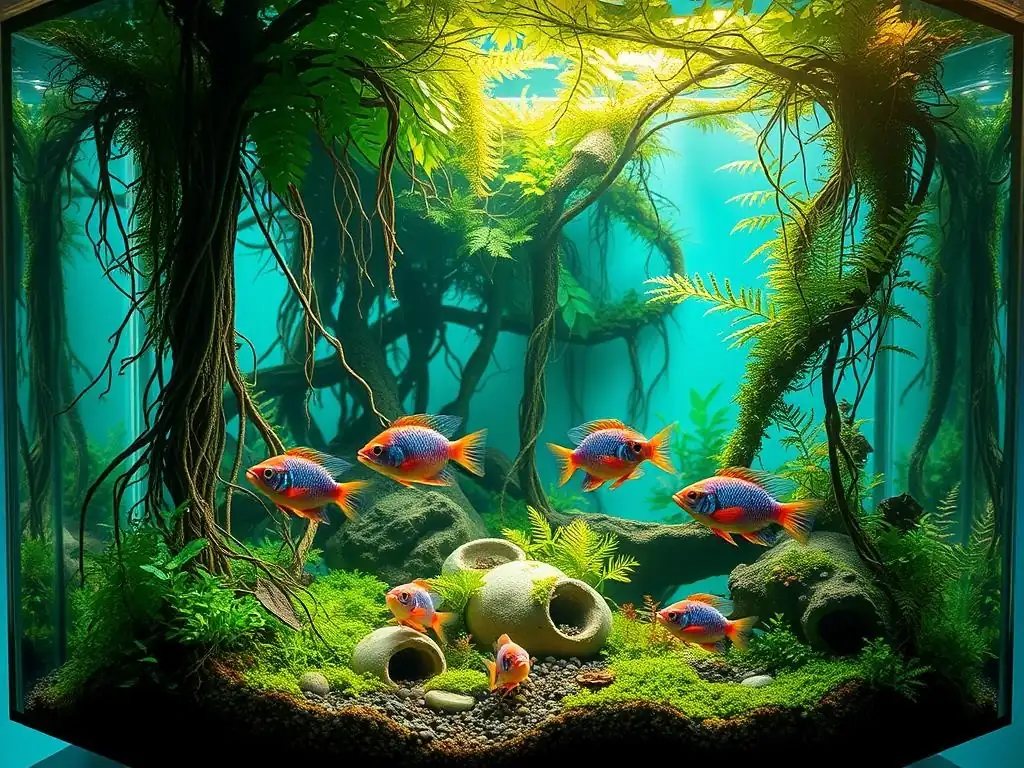
Establishing the right environment is the cornerstone of successful dwarf cichlid breeding care. For a single breeding pair, a tank size of 15-20 gallons (approximately 57-76 liters) is often sufficient, providing adequate territory and reducing aggression. However, for larger species or if housing multiple pairs, a 29-gallon (110-liter) tank or larger is recommended to allow for distinct territories and minimize stress. The water flow should be gentle, as strong currents can stress the fish and dislodge eggs or fry.
Crucially, the aquarium must offer numerous hiding spots and potential spawning sites. These can include small clay pots (e.g., 3-4 inch diameter), coconut shells with a single opening, PVC pipes, or intricately arranged driftwood. Dense planting, particularly with broad-leaved plants like Anubias or Cryptocoryne, and fine-leaved plants like Java Moss, provides additional cover for the female and fry, enhancing the overall success of dwarf cichlid breeding care.
Essential Water Parameters for Successful Dwarf Cichlid Spawning
Precise and stable water parameters are critical for inducing spawning and ensuring the viability of eggs in most dwarf cichlids. Many popular species, such as Apistogramma and German Blue Rams, originate from soft, acidic blackwater environments. Ideal parameters often fall within a pH range of 5.5-6.8 and a general hardness (GH) of 2-6 dGH. Maintaining a consistent temperature between 78-82°F (25.5-27.8°C) is also vital, as fluctuations can stress the fish and inhibit breeding.
Kribensis ( Pelvicachromis pulcher), on the other hand, are more adaptable and can breed in slightly harder, more neutral water, with a pH of 6.5-7.5 and a GH of 5-15 dGH. Regardless of the specific species, weekly water changes of 10-20% with properly conditioned water are essential to keep nitrate levels low (ideally below 10 ppm) and maintain overall water quality, which directly impacts the health of the breeding pair and the success of dwarf cichlid breeding care.
Choosing the Right Substrate and Decor for Breeding Dwarf Cichlids
The choice of substrate plays a significant role in creating an optimal environment for dwarf cichlid breeding. A fine, soft substrate such as pool filter sand or specialized aquarium sand is highly recommended. This type of substrate allows dwarf cichlids, many of which are known for sifting or digging, to engage in natural behaviors without damaging their delicate barbels. It also makes it easier for parents to clean potential spawning sites and for fry to find micro-organisms to feed on.
Beyond the substrate, thoughtful decor is crucial. As most dwarf cichlids are cave spawners, providing a variety of enclosed spaces is paramount. Clay pots turned on their side, half coconut shells, and slate caves offer ideal spawning locations. Driftwood not only adds aesthetic appeal but can also help lower pH slightly and release beneficial tannins. Dense clusters of live plants like Java Moss or Hornwort are invaluable for providing cover for fry and reducing aggression among tank inhabitants, contributing to effective dwarf cichlid breeding care.
The Spawning Process: A Closer Look
Identifying Mating Pairs and Courtship Rituals in Dwarf Cichlids
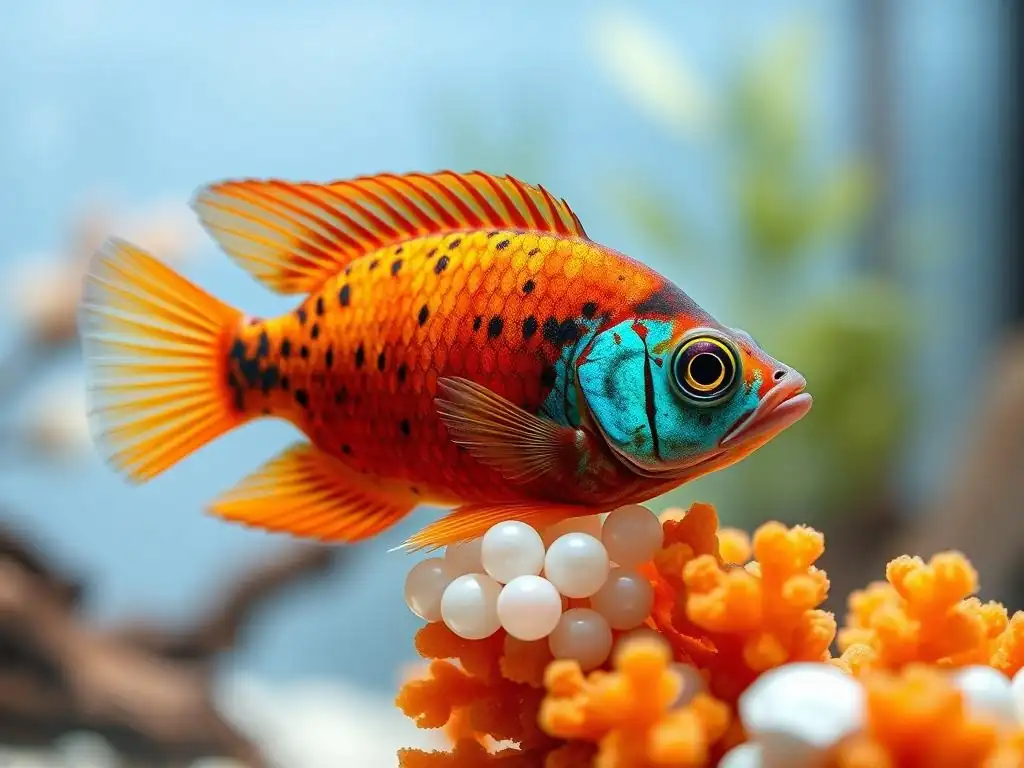
Identifying a receptive mating pair is the first step in observing dwarf cichlid breeding. Males typically display intensified coloration, flaring their fins and performing elaborate dances or "shaking" motions to attract a female. For example, a male German Blue Ram will exhibit deeper blues and more vibrant yellows, while an Apistogramma male might fan his dorsal fin dramatically. A receptive female will often darken her body coloration, particularly her underside, and may engage in a "waggling" motion, signaling her readiness to spawn.
As courtship progresses, the pair will spend more time together, often defending a small, chosen territory from other tank inhabitants. The female's ovipositor, a small tube used for laying eggs, may become visible and slightly protruded a day or two before spawning, serving as a clear indicator that the event is imminent. Observing these subtle yet distinct courtship rituals is a fascinating part of dwarf cichlid breeding care and provides valuable insights into their reproductive biology.
Where Do Dwarf Cichlids Lay Their Eggs? (Spawning Sites)
Dwarf cichlids are predominantly cave spawners, meaning they prefer to deposit their eggs in enclosed, secure locations. These sites can include the inside of overturned clay pots, hollowed-out coconut shells, small PVC pipes, or even natural crevices within driftwood or rock formations. The chosen site is meticulously cleaned by both the male and female prior to spawning, ensuring a pristine surface for the adhesive eggs.
While most dwarf cichlids favor caves, some species, such as the Bolivian Ram ( Mikrogeophagus altispinosa), may also utilize flat surfaces like large, broad leaves or smooth rocks as spawning sites. The female typically lays between 50 to 200 small, adhesive eggs in rows, depending on her size and species, which are then immediately fertilized by the male. This careful selection and preparation of the spawning site is a critical component of successful dwarf cichlid breeding.
From Eggs to Fry: Understanding the Incubation Period
Once laid, dwarf cichlid eggs typically undergo an incubation period of 2-4 days, largely dependent on the water temperature. At the optimal temperature range of 78-82°F (25.5-27.8°C), development is usually swift. During this crucial time, both parents, or primarily the female in maternally focused species, diligently fan the eggs with their fins. This fanning action provides essential oxygen to the developing embryos and helps to prevent fungal growth, which can quickly destroy an entire clutch.
After hatching, the fry are not immediately free-swimming. For another 3-5 days, they remain as "wigglers," largely immobile and attached to the spawning surface or hidden within the cave. During this phase, they absorb their yolk sacs, which provide their initial nourishment. Once the yolk sacs are fully absorbed, the fry become free-swimming, signaling that they are ready to forage for external food sources and marking a significant milestone in the dwarf cichlid breeding process.
Dwarf Cichlid Parental Care: Roles and Responsibilities
The Female Dwarf Cichlid's Role in Protecting Eggs and Fry
In many dwarf cichlid species, particularly those from the Apistogramma genus, the female assumes the primary and most intensive role in protecting the eggs and newly hatched fry. She diligently remains with the clutch, fanning them continuously to ensure proper oxygenation and meticulously removing any unfertilized or fungused eggs to prevent the spread of disease. Once the fry become free-swimming, she acts as their vigilant guardian, herding them into a tight school and guiding them to safe foraging areas within the tank.
The female's dedication is often visually apparent; her coloration may intensify, and she will become highly aggressive towards any perceived threat, regardless of size. For example, an Apistogramma female will bravely confront fish many times her size to defend her offspring. This unwavering commitment to direct fry care is a hallmark of effective dwarf cichlid breeding care and is crucial for the survival of the delicate fry.
The Male Dwarf Cichlid's Role: Defense and Territory
While the female typically focuses on direct care of the eggs and fry, the male dwarf cichlid's role is predominantly one of territorial defense. He patrols the perimeter of the breeding territory, actively chasing away any fish that venture too close to the spawning site or the area where the fry are being nurtured. This wider defense strategy ensures that the female and fry can remain relatively undisturbed, minimizing stress and potential predation.
In bi-parental species like the German Blue Ram ( Mikrogeophagus ramirezi), the male often participates directly in fanning eggs and herding fry alongside the female, sharing the burdens and responsibilities of parental care. His presence provides an additional layer of security, significantly increasing the overall chances of fry survival in a community tank setting. The male's robust defense is an integral part of successful dwarf cichlid breeding care, complementing the female's direct nurturing.
Teamwork: Co-Parenting Strategies in Some Dwarf Cichlid Species
Co-parenting, where both male and female actively participate in the care of eggs and fry, is a remarkable strategy observed in several dwarf cichlid species, most notably Kribensis ( Pelvicachromis pulcher) and German Blue Rams ( Mikrogeophagus ramirezi). In these species, both parents share responsibilities such as fanning the eggs, removing infertile ones, and later, leading and defending the free-swimming fry. This collaborative approach often leads to higher fry survival rates, especially in more complex aquarium environments.
During the fry-rearing phase, one parent might lead the school of fry on a foraging excursion while the other maintains a vigilant watch over the territory. They may also take turns herding the fry back into a secure hiding spot when danger approaches. This division of labor and coordinated defense mechanism is a testament to the sophisticated social structures of these fish and highlights the integrated nature of dwarf cichlid breeding care in bi-parental species.
Caring for Dwarf Cichlid Fry: A Detailed Guide
Initial Care for Newly Hatched Fry (First Foods)
Once dwarf cichlid fry become free-swimming, typically 5-7 days after spawning, their yolk sacs are depleted, and they require external food. For many species, especially those with very small fry like Apistogramma, infusoria is an excellent initial food source due to its microscopic size. This can be followed by, or supplemented with, newly hatched brine shrimp nauplii, which are highly nutritious and stimulate the fry's hunting instincts. Liquid fry foods or finely powdered spirulina can also be used.
The key to successful dwarf cichlid breeding care at this stage is frequent feeding of small amounts. Fry have high metabolic rates and small stomachs, so feeding 3-5 times a day is often necessary to ensure continuous nourishment and rapid growth. Care must be taken not to overfeed, as uneaten food can quickly foul the water, posing a significant threat to the delicate fry.
Maintaining Water Quality for Optimal Fry Development
Maintaining pristine water quality is paramount for the healthy development and survival of dwarf cichlid fry. Fry are extremely sensitive to elevated levels of ammonia, nitrite, and nitrate. Daily small water changes, often 10-15% of the tank volume, are highly recommended, especially when feeding high-protein live foods. A small airline tube can be used to gently siphon debris and uneaten food from the bottom without disturbing the tiny fry.
It is crucial that the replacement water matches the tank's parameters (temperature, pH, and hardness) precisely to prevent shock. A sponge filter is an ideal choice for a fry tank or a breeding setup, as it provides excellent biological filtration without creating strong currents or posing a risk of sucking up the minute fry. Consistent water quality is a non-negotiable aspect of successful dwarf cichlid breeding care.
Protecting Fry from Predators in the Community Tank
Even with the diligent parental care provided by dwarf cichlids, the presence of other fish in a community tank can pose a significant threat to fry survival. While parents are effective at deterring most intruders, highly predatory or overly aggressive tank mates should be removed or housed in a separate aquarium before spawning. Smaller, peaceful dither fish, such as small tetras or rasboras, are generally tolerated and can sometimes even encourage the cichlids to spawn.
Providing abundant physical hiding spots is crucial. Dense thickets of fine-leaved plants like Java Moss, Hornwort, or floating plants offer excellent refuge where fry can escape potential predators. While parents do their best to herd and protect their brood, extra cover significantly boosts survival rates. For aquarists prioritizing maximum fry survival, transferring the breeding pair and their eggs or newly hatched fry to a dedicated breeding or nursery tank is often the most effective strategy in dwarf cichid breeding care.
Common Challenges in Dwarf Cichlid Breeding and Parental Care
Addressing Egg Predation and Fry Loss
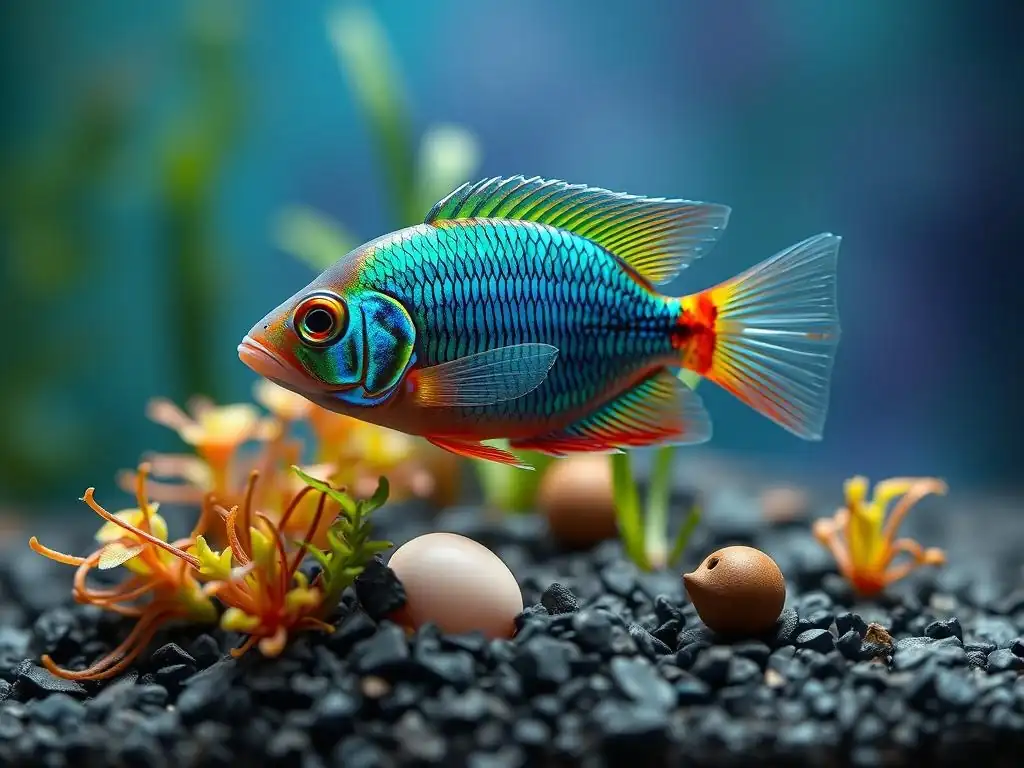
Egg predation is a common challenge in dwarf cichlid breeding. This can occur not only from other tank inhabitants but, surprisingly, sometimes from the parents themselves, especially if they are inexperienced first-time breeders or are under significant stress. To mitigate external predation, ensure the breeding tank is appropriately sized and offers ample hiding spots and line-of-sight breaks. In a community setup, removing other fish is often the most effective solution to protect the clutch.
Fry loss can stem from various factors including poor water quality, insufficient or inappropriate food, or continued predation. If parents are observed consuming eggs or fry, it may indicate stress, an incompatible pair, or a lack of experience. In such cases, some aquarists opt to remove the male after spawning, allowing the female sole responsibility for the brood, particularly for species where maternal care is dominant. Understanding these dynamics is key to improving dwarf cichlid breeding care outcomes.
Dealing with Aggression During the Breeding Period
Aggression, particularly from the male, can escalate significantly during the dwarf cichlid breeding period as pairs establish and defend their territory. This aggression is typically directed towards other males, non-breeding females, or any fish perceived as a threat to the eggs or fry. Insufficient space or a lack of visual barriers in the aquarium can exacerbate this issue, leading to constant harassment or even injury to tank mates.
To manage aggression, ensure the tank is large enough for the chosen species and provides ample hiding spots and defined territories through decor and plants. If aggression becomes severe and persistent, it may be necessary to separate the most aggressive fish or the targeted individual. In some instances, a breeding pair may prove incompatible, requiring re-pairing with different individuals. Careful observation and timely intervention are vital aspects of maintaining a healthy dwarf cichlid breeding environment.
Troubleshooting Common Health Issues in Breeding Pairs
Breeding dwarf cichlids are under increased physiological stress, making them more susceptible to various health issues. Maintaining pristine water quality and providing a high-quality, varied diet are fundamental preventative measures that bolster their immune systems. Aquarists should be vigilant for signs of stress or illness, such as clamped fins, lethargy, loss of appetite, faded coloration, or the appearance of unusual spots or growths on the fish's body.
Common problems include fin rot, often caused by poor water conditions, or Ich (white spot disease), frequently triggered by temperature fluctuations or stress. Prompt and accurate diagnosis followed by appropriate treatment is crucial. When treating, ensure that any medications used are safe for sensitive cichlids and, if fry are present, for the delicate fry as well. A healthy and robust breeding pair is the foundation for successful dwarf cichlid breeding care and the propagation of their species.
Specific Examples of Dwarf Cichlid Parental Care
Apistogramma agassizii: Intricate Maternal Care
Apistogramma agassizii are exemplary of dwarf cichlids that exhibit highly intricate maternal care. After spawning, the female takes almost exclusive responsibility for the eggs and subsequent fry. She diligently fans the clutch within her chosen cave, meticulously removing any unfertilized or fungused eggs to prevent decay. Her coloration often transforms into a striking yellow with prominent black markings, signaling her maternal status and heightened aggression towards any perceived threat.
Once the fry become free-swimming, the female leads her brood through the tank, guiding them to foraging areas and herding them into dense plant cover for protection. While the male typically defends a larger territory around the female's spawning site, his direct involvement with the fry is minimal. This dedicated maternal attention is a cornerstone of successful Apistogramma dwarf cichlid breeding care, ensuring high survival rates for the delicate fry.
Mikrogeophagus ramirezi: Dedicated Parents
German Blue Rams ( Mikrogeophagus ramirezi) are widely celebrated for their strong bi-parental care, making them a rewarding species for aquarists interested in dwarf cichlid breeding. Both the male and female actively participate in the entire breeding process, from meticulously cleaning the spawning site (often a flat rock or broad leaf) to fanning the eggs and removing unfertilized ones. Their shared commitment is a beautiful display of cooperation.
Once the fry hatch and become free-swimming, both parents tirelessly herd them together, leading them on foraging excursions and fiercely defending them from any potential predators. The male often takes a leading role in guarding the perimeter, while the female keeps the fry tightly schooled. This cooperative approach significantly increases the survival rate of the fry, showcasing an advanced form of dwarf cichlid breeding care.
Pelvicachromis pulcher: Community-Focused Parental Care
Kribensis ( Pelvicachromis pulcher) are another excellent example of bi-parental dwarf cichlids, known for their robust and often community-tolerant parental instincts. As cave spawners, the female typically remains inside the chosen cave, diligently tending to the eggs, while the male guards the entrance and the immediate surrounding territory. This division of labor is highly effective in protecting the vulnerable clutch.
Once the fry emerge from the cave, both parents will lead the school through the aquarium, often displaying vibrant colors to deter predators. They are highly protective and will aggressively chase away any fish that approaches their brood. Their strong parental bonds and cooperative care make Kribensis a relatively straightforward and rewarding species for beginners looking to experience successful dwarf cichlid breeding and observe complex fish family dynamics.
Enhancing Fry Survival Rates: Advanced Techniques
Utilizing Fry-Specific Foods and Supplements
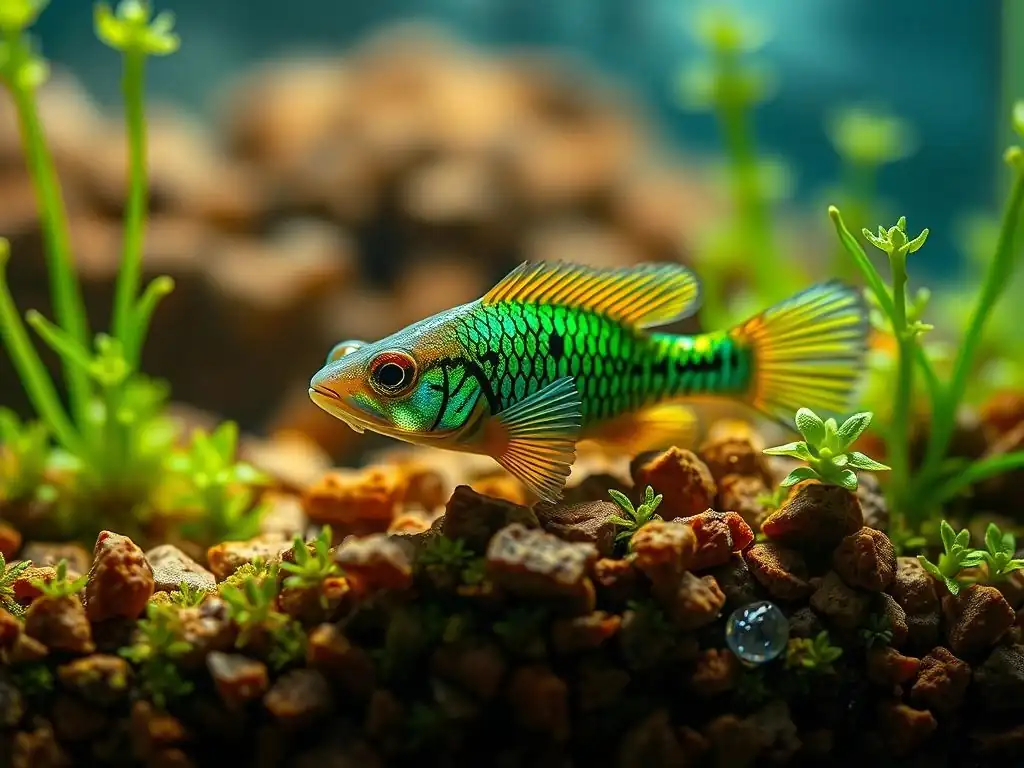
Beyond newly hatched brine shrimp nauplii, which are a staple for growing dwarf cichlid fry, aquarists can employ other specialized foods and supplements to enhance survival and growth rates. For very tiny fry, liquid fry foods or finely powdered spirulina can serve as initial sustenance. As the fry grow, finely crushed high-quality flake foods or specialized powdered fry diets designed for egg-layers can be introduced, providing a broader nutritional profile.
For optimal development and vibrant coloration, consider enriching the fry's diet with vitamin supplements. This can be done by soaking dry foods in liquid vitamins before feeding or by gut-loading live foods like brine shrimp with nutrient-rich algaes or spirulina before offering them to the fry. This meticulous approach to nutrition is a key advanced technique in dwarf cichlid breeding care, promoting robust health and faster growth.
Setting Up a Separate Nursery Tank for Fry Rearing
For aquarists aiming to maximize fry survival, especially from large clutches or in community tank settings where predation is high, setting up a dedicated nursery tank is an invaluable advanced technique. A 5-10 gallon (approximately 19-38 liter) tank is often sufficient for a single brood. This isolated environment allows for precise control over water parameters, feeding schedules, and eliminates the threat of predation from other fish or even the breeding parents if they become aggressive.
The nursery tank should be equipped with a gentle sponge filter, a heater to maintain stable temperatures, and ideally, a bare bottom or a very thin layer of sand for ease of cleaning. Eggs or newly hatched wigglers can be carefully transferred from the breeding tank using a turkey baster or a small, soft net, minimizing stress. This controlled environment significantly boosts fry survival rates, making it a cornerstone of advanced dwarf cichlid breeding care.
Culturing Live Foods to Promote Growth and Coloration
Culturing various live foods at home provides an unparalleled source of nutrition for growing dwarf cichlid fry, significantly promoting faster growth rates and more vibrant coloration. Microworms are excellent for slightly larger fry, offering a continuous supply of nutritious, wiggling food. Vinegar eels and infusoria cultures are perfect for the smallest, newly free-swimming fry that may be too tiny for even newly hatched brine shrimp.
As fry grow, they can be transitioned to larger live foods such as daphnia, grindal worms, and eventually, small blackworms. Live foods not only offer superior nutritional value compared to dry foods but also stimulate the fry's natural hunting instincts, encouraging more active feeding. Establishing and maintaining these live food cultures is an advanced, yet highly rewarding, aspect of comprehensive dwarf cichlid breeding care.
Observing and Learning: Key to Successful Dwarf Cichlid Breeding
Recognizing Signs of Stress or Illness in Breeding Pairs
Vigilant observation is paramount for successful dwarf cichlid breeding. Aquarists must be adept at recognizing subtle signs of stress or impending illness in their breeding pairs, as these conditions can quickly jeopardize a spawn or the health of the fish themselves. Signs of stress include clamped fins, faded or unusually dark coloration, rapid gill movement, excessive hiding, or persistent harassment between the pair.
Illnesses might manifest as white spots (Ich), fungal growths, or bacterial infections like fin rot or body ulcers. Early detection allows for prompt intervention, whether it's adjusting water parameters, improving diet, or initiating appropriate treatment. For instance, if a male becomes overly aggressive towards a female, it might indicate incompatibility or insufficient territory, requiring a change in the dwarf cichlid breeding setup.
Documenting Your Breeding Experiences for Future Success
Keeping a detailed breeding log is an invaluable practice for any serious aquarist engaged in dwarf cichlid breeding. Documenting key information such as spawning dates, estimated egg counts, hatch dates, fry survival rates, water parameters during spawning, types of food used for fry, and any challenges encountered provides a rich dataset for future reference. This systematic approach allows for the identification of patterns and successful strategies.
For example, noting that a specific temperature or pH range consistently led to successful spawns for Apistogramma species can guide future attempts. Conversely, recording instances of fry loss or aggression helps in troubleshooting and refining techniques. This documentation transforms individual experiences into actionable insights, greatly enhancing the chances of sustained dwarf cichlid breeding success.
Adjusting Your Approach Based on Observed Behaviors
Successful dwarf cichlid breeding care requires flexibility and a willingness to adapt based on observed fish behaviors. No two breeding pairs are identical, and what works for one may not work for another. If a pair is not spawning, subtle changes in water parameters (e.g., a small, slightly cooler water change to simulate rain), diet enrichment, or rearrangement of tank decor to create new spawning opportunities might be necessary.
If fry survival is consistently low, reassess feeding frequency, water quality, or the presence of subtle stressors. Learning to interpret the nuances of your fish's body language and making informed adjustments to their environment or care routine is the hallmark of an experienced aquarist. This adaptive mindset ensures continuous improvement and optimal outcomes in the fascinating world of dwarf cichlid breeding.
Conclusion: The Rewards of Witnessing Dwarf Cichlid Parental Care
Frequently Asked Questions
What are the key factors for successful Dwarf Cichlid breeding?
Successful Dwarf Cichlid breeding hinges on stable water parameters, a suitable breeding environment mimicking their natural habitat, and a balanced diet to promote spawning.
How important is water chemistry for Dwarf Cichlid breeding?
Water chemistry is critical. Optimal pH and hardness levels are essential for egg fertilization and fry development. Regular water testing and adjustments are necessary.
What type of environment do Dwarf Cichlids need for breeding?
Dwarf Cichlids require a secure and private breeding area. This could be a cave, a flower pot, or dense vegetation, offering protection from other tank inhabitants.
What does parental care in Dwarf Cichlids typically involve?
Parental care varies, but usually involves guarding the eggs and fry from predators, fanning the eggs to ensure oxygenation, and moving the fry to safer locations.
What are some common challenges in raising Dwarf Cichlid fry?
Common challenges include poor water quality, predation by other fish, and inadequate food sources for the fry. Providing infusoria or commercially available fry food is essential.
Okay, here's a final reflection designed to close your article, "Parental Care in Dwarf Cichlids: Nature's Tiny Guardians," while also subtly reinforcing the keyword "Dwarf cichlid breeding care."
Final Reflection: A Legacy of Nurturing
The intricate world of dwarf cichlid parental care, as we've explored, isn't just a fascinating biological phenomenon; it's a testament to the enduring power of instinct and dedication in the face of vulnerability. Understanding the nuances of dwarf cichlid breeding care is more relevant than ever, as hobbyists increasingly seek to replicate these natural environments and ensure the survival of these captivating creatures in their own aquariums. The dedication these tiny guardians display serves as a powerful reminder of the inherent value of nurturing and protection.
The profound influence of parental care on the survival and development of dwarf cichlids continues to shape our understanding of animal behavior and the delicate balance of ecosystems. Witnessing the unwavering commitment of these fish to their offspring evokes a sense of wonder and underscores the importance of responsible aquarium keeping. The best way to observe a fish is to become a part of its world.
This quote, though simple, encapsulates the essence of appreciating the dedication and complexity inherent in dwarf cichlid breeding care. By understanding their needs, we can better contribute to their well-being.
As we conclude this exploration of dwarf cichlid parental care, consider the lessons these tiny guardians offer. How can we, in our own lives, emulate their dedication and commitment to nurturing those around us? Let the unwavering devotion of these fish inspire you to create environments, both within your aquariums and in your broader world, where growth, protection, and care flourish. Embrace the challenge of responsible dwarf cichlid breeding care, and you'll find yourself rewarded with a deeper appreciation for the wonders of nature and the profound impact of even the smallest acts of love.
Unveil the Secrets to Raising Thriving Cichlids!
Thank you for delving into the fascinating world of dwarf cichlid parental care. We hope you found valuable insights into these incredible creatures and their dedication to their young. Ready to put that knowledge into action?
Here are a few things you can do:
- Start a dedicated journal to document the behaviors of your dwarf cichlids, tracking breeding patterns, fry development, and parental interactions.
- Share your newfound knowledge! Tell your fellow aquarium enthusiasts about the amazing parental skills of dwarf cichlids.
- Consider setting up a breeding tank to witness these behaviors firsthand and perhaps even raise your own tiny guardians.
What specific aspect of dwarf cichlid parental care are you most eager to observe in your aquarium?