
Crosshatch Triggerfish (Xanthichthys mento): A Rare and Prized Gem for Advanced Aquarists

Welcome to Aquarium Mastery!
Ever wondered if you're ready for a truly stunning centerpiece in your saltwater aquarium? Our comprehensive Crosshatch Triggerfish care guide unveils the secrets to successfully keeping this rare and prized gem. Prepare to dive deep into the specific requirements of Xanthichthys mento and discover if you have what it takes to provide the perfect environment. Intrigued? Let's get started!
- Crosshatch Triggerfish (Xanthichthys mento): A Prized Addition for Experienced Aquarists
- Introduction to the Crosshatch Triggerfish: A Striking Saltwater Specimen
- Crosshatch Triggerfish Care Guide: Essential Information
- Identifying a Healthy Crosshatch Triggerfish: Key Indicators
- Compatibility and Tank Mates
- Common Challenges in Care
- Breeding Crosshatch Triggerfish: An Advanced Challenge
- Sourcing and Purchasing
- Crosshatch Triggerfish: A Summary of Their Unique Needs
- Conclusion: Mastering Crosshatch Triggerfish Husbandry
-
Frequently Asked Questions
- What makes the Crosshatch Triggerfish a suitable choice for advanced aquarists?
- What are the essential tank parameters for keeping Crosshatch Triggerfish healthy?
- What type of food should I feed my Crosshatch Triggerfish?
- How large of an aquarium is recommended for a Crosshatch Triggerfish?
- What are some common health problems that affect Crosshatch Triggerfish, and how can I prevent them?
- Final Reflection: Appreciating the Delicate Balance
- Unveil Your Reef Potential
Crosshatch Triggerfish (Xanthichthys mento): A Prized Addition for Experienced Aquarists
Introduction to the Crosshatch Triggerfish: A Striking Saltwater Specimen
Understanding the Appeal of the Xanthichthys mento
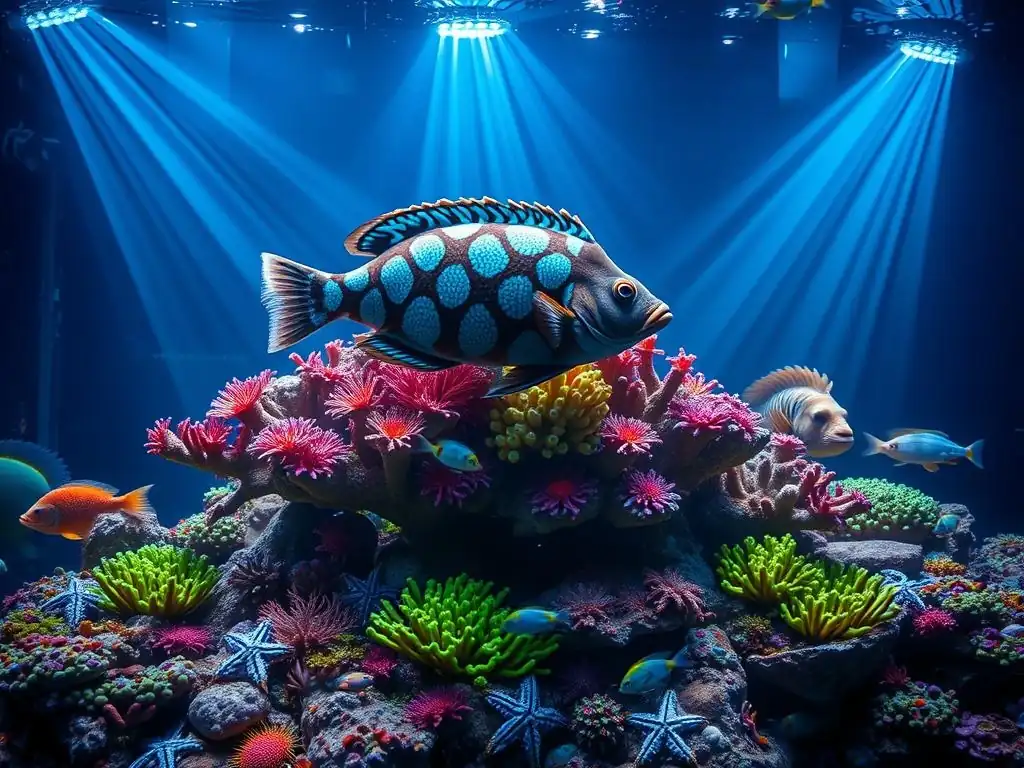
The Crosshatch Triggerfish, scientifically known as Xanthichthys mento, stands out as one of the most visually stunning and sought-after marine aquarium inhabitants. Its allure stems from a captivating coloration featuring intricate patterns of vibrant yellow or orange lines crisscrossing a deep blue or purplish body, often accented with bright blue fins.
This striking appearance, combined with its relatively rare availability and the challenge of its acquisition and care, positions it as a true collector's item for dedicated advanced aquarists. Hailing from deep-water reefs, typically at depths ranging from 60 to over 200 feet (18 to 60 meters), its natural habitat contributes to its mystique and the specialized conditions required for its successful husbandry.
Beyond its aesthetic appeal, the Xanthichthys mento possesses a unique charm derived from its intelligence and personality. Unlike some of its more aggressive triggerfish relatives, the Crosshatch Triggerfish often exhibits a more subdued and curious demeanor, actively observing its surroundings and interacting with its environment. Its graceful swimming patterns and ability to navigate complex rock structures add a dynamic element to any large marine display. This combination of beauty, rarity, and engaging behavior makes the Crosshatch Triggerfish a highly prized specimen, driving many aquarists to seek out comprehensive Crosshatch Triggerfish care guide information to ensure its well-being.
Reef Compatibility of the Crosshatch Triggerfish
A common concern among aquarists regarding triggerfish species is their compatibility with reef environments, given that many triggers are known for their predatory nature towards invertebrates and corals. However, the Crosshatch Triggerfish is a notable exception and is often considered "reef safe with caution." This classification arises from its natural diet, which primarily consists of zooplankton, copepods, and other small, free-swimming invertebrates found in the water column, rather than sessile invertebrates like corals or larger crustaceans. Consequently, a well-fed Xanthichthys mento is unlikely to bother most corals, anemones, or larger ornamental shrimp and snails.
Despite its generally peaceful disposition in a reef setting, caution is still advised. While the Crosshatch Triggerfish typically leaves corals untouched, there remains a slight possibility it might nip at very small, delicate invertebrates if underfed or if it perceives them as a food source. For instance, tiny hermit crabs or very small snails introduced into the tank might occasionally be investigated.
Therefore, continuous observation is recommended, especially during the initial introduction to a mature reef system. Ensuring a consistent and varied diet is paramount to minimizing any potential risks and maintaining the peaceful integration of this magnificent fish into a vibrant reef ecosystem, a critical aspect of any Crosshatch Triggerfish care guide.
Crosshatch Triggerfish Care Guide: Essential Information
Providing the Ideal Habitat: Tank Size and Setup
Providing an appropriately sized habitat is fundamental for the long-term health and well-being of the Crosshatch Triggerfish. Given that adult Xanthichthys mento can reach sizes of up to 6 inches (approximately 15 cm) and are active swimmers, a minimum tank size of 125 gallons (around 470 liters) is recommended for a single specimen.
However, a tank of 180 gallons (about 680 liters) or larger is even more ideal, especially if considering keeping multiple specimens or housing them with other active tank mates. Adequate space is crucial not only for swimming but also to mitigate potential territorial disputes and reduce stress levels, which are vital components of effective Crosshatch Triggerfish care.
The aquascape for a Crosshatch Triggerfish should incorporate a balance of open swimming areas and ample rockwork, creating numerous caves and crevices for the fish to retreat into. While they are active swimmers, these hiding spots provide security and reduce stress, mimicking their natural deep-water reef environment where they can dart into cover. A secure, tight-fitting lid is an absolute necessity, as Crosshatch Triggerfish are known jumpers, especially when startled or during acclimation. Strong water flow, similar to the currents found on outer reef slopes, is also beneficial, providing exercise and aiding in the dispersion of food particles.
Water Parameters for Optimal Health
Maintaining stable and precise water parameters is non-negotiable for the health of a Crosshatch Triggerfish. These fish thrive in conditions that closely mimic their natural deep-water environment, which is characterized by consistent and pristine water quality. Key parameters include a stable temperature range of 74-78°F (23-26°C), a specific gravity (salinity) between 1.020 and 1.025, and a pH level of 8.1-8.4. Additionally, carbonate hardness (alkalinity) should be maintained between 8-12 dKH, calcium between 400-450 ppm, and magnesium between 1200-1350 ppm. Fluctuations in these parameters can cause significant stress, leading to compromised immunity and susceptibility to disease.
These specific parameters are not merely guidelines but critical factors influencing the Crosshatch Triggerfish's physiological functions, including respiration, osmoregulation, and overall metabolic health. Consistent water chemistry supports their vibrant coloration, strong immune system, and natural behaviors. Regular testing, ideally weekly, is essential to monitor these parameters and make necessary adjustments promptly. Ensuring optimal water quality is arguably the most important aspect of a successful Crosshatch Triggerfish care guide, as it directly impacts their longevity and vitality in a captive environment.
Maintaining Water Quality: Filtration and Water Changes
Robust and efficient filtration is paramount for maintaining the pristine water quality that Crosshatch Triggerfish require. A well-designed filtration system should include a large protein skimmer, ideally oversized for the tank volume, to effectively remove organic waste before it breaks down into harmful nitrates. Live rock, at a ratio of approximately 1-1.5 pounds per gallon (0.45-0.68 kg per 3.78 liters), provides excellent biological filtration, housing beneficial bacteria that process ammonia and nitrite. Mechanical filtration, such as filter socks or sponges, should also be incorporated and cleaned or replaced frequently to prevent the accumulation of detritus.
Despite robust filtration, regular water changes are indispensable for replenishing trace elements, reducing nitrate levels, and maintaining overall water purity. A common recommendation for Crosshatch Triggerfish care is to perform weekly or bi-weekly water changes of 10-20% of the total tank volume, depending on the bioload and individual tank parameters. For example, in a 180-gallon system, a 20% bi-weekly water change would involve replacing 36 gallons of water. Using high-quality marine salt mix and RO/DI water is crucial to ensure the new water matches the tank's parameters, minimizing stress on the fish and contributing significantly to their long-term health.
Diet and Feeding: Ensuring Proper Nutrition
The natural diet of the Crosshatch Triggerfish in the wild primarily consists of zooplankton, small crustaceans, and other free-swimming invertebrates found in the water column. This specialized diet is a direct reflection of their deep-water, open-water hunting habits, where they actively pursue small prey. In captivity, replicating this diverse and nutrient-rich diet is crucial for their long-term health, vibrant coloration, and overall vitality. A varied diet prevents nutritional deficiencies and supports their active metabolism, making feeding a key component of any comprehensive Crosshatch Triggerfish care guide.
Providing a wide array of food options is essential to ensure a balanced nutritional intake. Suitable foods include high-quality frozen mysis shrimp, enriched brine shrimp, krill, finely chopped seafood such as shrimp, squid, and clam, and various marine pellets or flakes specifically formulated for carnivorous marine fish. Examples of commercially available foods often include those enriched with spirulina or garlic to boost immune health and palatability. It is important to rotate these food types daily to provide a full spectrum of vitamins, minerals, and proteins, mimicking the diversity of their natural foraging.
Recommended Feeding Schedule
Establishing a consistent and appropriate feeding schedule is vital for the Crosshatch Triggerfish's health and to maintain water quality. For juvenile Crosshatch Triggerfish, feeding 2-3 times per day is recommended to support their rapid growth and high metabolic rate. Adult specimens generally thrive on 1-2 feedings per day. The key is to offer small portions that can be consumed within a few minutes, preventing uneaten food from decaying and fouling the water. Overfeeding not only degrades water quality but can also lead to obesity and other health issues for the fish.
During feeding, observe the fish closely to ensure it is actively consuming the food and that no tank mates are monopolizing the meal. Crosshatch Triggerfish are generally good eaters, but a sudden loss of appetite can be an early indicator of stress or illness. Adjust feeding amounts based on the fish's size, activity level, and overall body condition. For instance, a visibly thin fish may require slightly more frequent or larger feedings, while a robust specimen might need less. Consistent, measured feeding is a cornerstone of responsible Crosshatch Triggerfish care.
Identifying a Healthy Crosshatch Triggerfish: Key Indicators
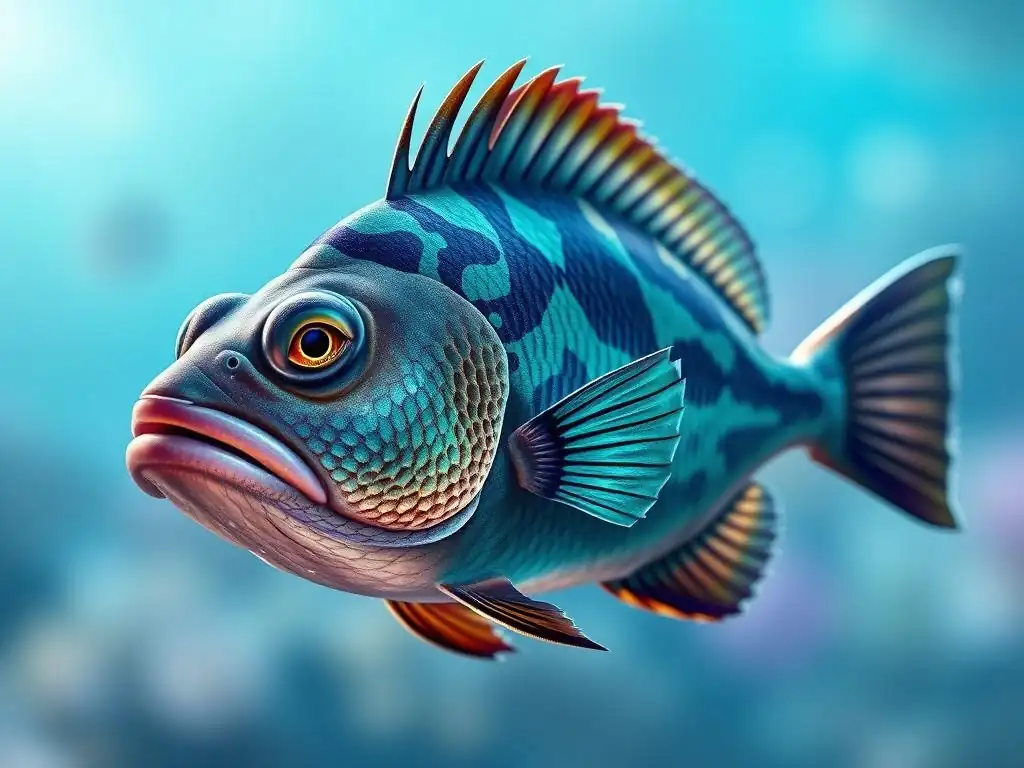
When acquiring or observing a Crosshatch Triggerfish, several key indicators point to its overall health and well-being. A healthy specimen will exhibit vibrant, clear coloration, with its distinctive crosshatch patterns sharply defined and its fins fully intact without any signs of fraying or damage. Its eyes should be clear and bright, not cloudy or sunken. The fish should be alert and actively swimming throughout the tank, displaying curiosity and natural behaviors, rather than hiding excessively or appearing lethargic. A strong appetite and quick response to food are also excellent indicators of a healthy and acclimatized Crosshatch Triggerfish.
Recognizing Signs of Illness
Conversely, recognizing signs of illness early is crucial for prompt intervention and successful treatment. Common symptoms of an unwell Crosshatch Triggerfish include clamped fins (held close to the body), labored or rapid breathing, and visible spots or lesions on the body, such as white spots indicative of marine Ich ( Cryptocaryon irritans) or a dusty appearance suggesting Marine Velvet ( Amyloodinium ocellatum).
Other warning signs include cloudy eyes, faded or dull coloration, a noticeable loss of appetite, and abnormal swimming patterns like darting, scratching against decor, or listlessness. If any of these symptoms are observed, it's imperative to isolate the fish in a quarantine tank for observation and treatment, following established Crosshatch Triggerfish care guide protocols to prevent the spread of disease to other tank inhabitants.
Compatibility and Tank Mates
Choosing Appropriate Tank Mates
Selecting appropriate tank mates for the Crosshatch Triggerfish is crucial for a harmonious aquarium environment, as even this relatively peaceful triggerfish can exhibit territorial behaviors. Ideal companions are similarly sized, semi-aggressive to moderately aggressive fish that can hold their own without being overly dominant or easily intimidated. Good choices often include other triggerfish from the Xanthichthys genus (if ample space is provided), larger angelfish species, certain tangs (like Powder Blue or Yellow Tangs), puffers, and robust wrasses. Avoid very small, docile, or delicate fish, as they may be harassed or outcompeted for food.
While the Crosshatch Triggerfish is generally less aggressive than species like the Clown Triggerfish ( Balistoides conspicillum), careful consideration of individual temperament and tank size is still paramount. If planning to keep multiple Crosshatch Triggerfish, it's best to introduce them simultaneously into a very large aquarium (e.g., 300+ gallons for a trio) to establish a hierarchy from the outset. However, for most home aquarists, a single Crosshatch Triggerfish as a centerpiece in a mixed-species tank is the most common and successful approach, requiring diligent observation of new introductions.
Temperament: Understanding Behavior
The Crosshatch Triggerfish is renowned for being one of the most docile members of the triggerfish family, particularly when compared to its more notorious cousins. Its temperament can be described as intelligent, curious, and generally peaceful towards most tank mates, especially if they are introduced into a sufficiently large and well-aquascaped environment. They often display engaging personalities, recognizing their owners and exhibiting unique swimming patterns. This relatively calm disposition makes them a more viable option for mixed-species displays than many other triggerfish, a key reason for their popularity among advanced aquarists.
However, it is important to remember that they are still triggerfish, and certain inherent traits persist. They can be territorial, especially towards new additions to the tank or if their space feels encroached upon. While rarely overtly aggressive, they may display warning nips or chase smaller, more timid fish if they feel threatened or if competition for food is high.
Observing their behavior closely, particularly during feeding times and after introducing new tank mates, is essential. Providing ample hiding spots and maintaining a generous tank size are effective strategies to mitigate potential aggression and ensure a peaceful co-existence within the aquarium, a vital aspect of Crosshatch Triggerfish care.
Common Challenges in Care
Addressing Potential Health Issues
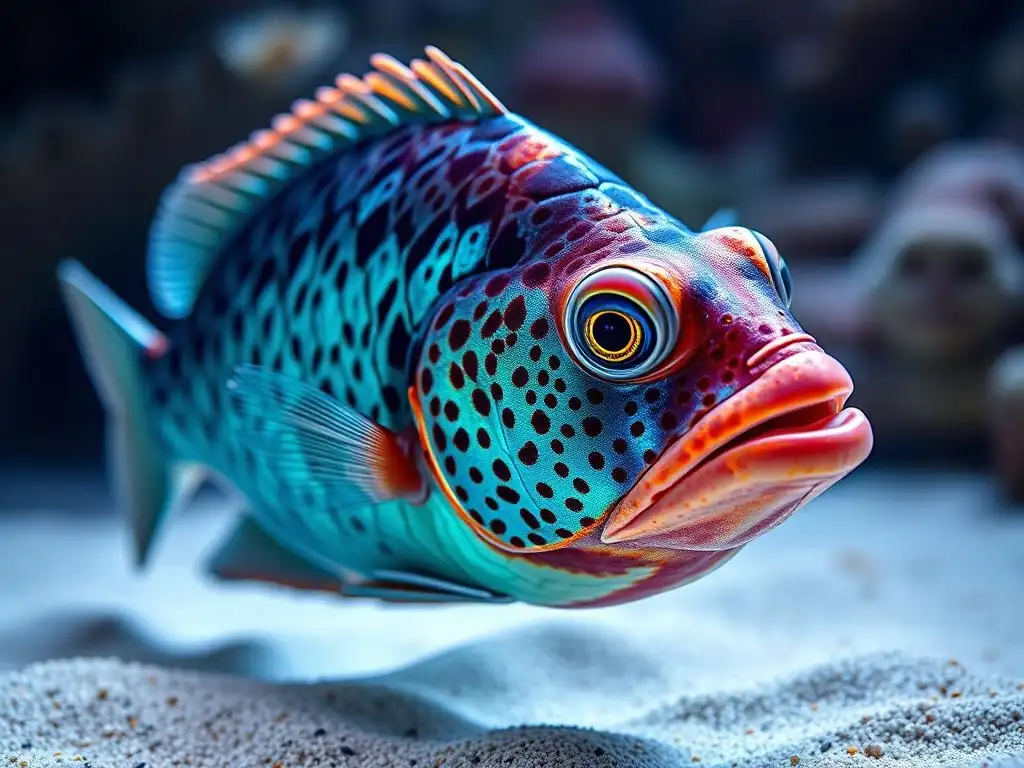
Despite their hardiness when properly cared for, Crosshatch Triggerfish are not immune to common marine aquarium diseases, particularly if stressed by poor water quality, inadequate diet, or improper tank mates. They can be susceptible to external parasites such as Marine Ich ( Cryptocaryon irritans) and Marine Velvet ( Amyloodinium ocellatum), which manifest as white spots or a dusty film on their bodies.
These diseases often emerge when fish are stressed or newly introduced without proper quarantine. Prevention through a stringent quarantine protocol for all new arrivals, maintaining stable and pristine water parameters, and providing a nutritious diet is the most effective Crosshatch Triggerfish care strategy.
Beyond parasitic infections, Crosshatch Triggerfish can also suffer from nutritional deficiencies, particularly if their diet lacks variety or essential vitamins. For instance, a prolonged diet lacking in vitamin A or D can contribute to conditions like Lateral Line Erosion (LLE), characterized by pitting or erosion along the lateral line and head. Symptoms of LLE often include a ghostly white appearance or visible depressions. Addressing such issues requires immediate dietary improvement, often through vitamin-enriched foods and supplements, alongside ensuring optimal water quality. Early detection and proactive measures are key to successful health management for these prized fish.
Preventing Aggression and Territoriality
While the Crosshatch Triggerfish is among the more peaceful triggerfish species, preventing aggression and territoriality remains a significant challenge in their care. The primary method to mitigate these behaviors is providing an exceptionally large aquarium, ideally 180 gallons or more for a single specimen, with ample open swimming space and numerous caves or rock structures for hiding and establishing individual territories. Overcrowding is a major stressor that can trigger aggressive outbursts, even in typically docile individuals.
Careful selection and introduction of tank mates are also critical. Avoid introducing fish that are significantly smaller, overly timid, or have similar body shapes or coloration, which might be perceived as competition. When adding new fish, rearranging the existing rockwork can sometimes disrupt established territorial boundaries, effectively "resetting" the pecking order and reducing initial aggression.
If aggression persists, temporary removal of the aggressor for a few days, followed by reintroduction after re-scaping, can sometimes alleviate the issue. Consistent observation and understanding the individual temperament of your Crosshatch Triggerfish are crucial for maintaining a harmonious tank environment, a cornerstone of effective Crosshatch Triggerfish care.
Breeding Crosshatch Triggerfish: An Advanced Challenge
Reproduction in the Wild
The reproduction of Crosshatch Triggerfish ( Xanthichthys mento) in their natural habitat, primarily deep-water reef slopes and outer reefs, is not extensively documented due to the challenges of observing them at significant depths. However, like many other triggerfish species, they are believed to be pelagic spawners. This means that during the breeding season, pairs or groups release their eggs and sperm directly into the water column, where fertilization occurs externally. The fertilized eggs are buoyant and drift with the ocean currents, becoming part of the zooplankton, which also serves as a food source for many marine organisms.
After a period of development in the open ocean, the larval fish undergo metamorphosis and eventually settle onto suitable reef environments. The specific cues for spawning, such as lunar cycles or temperature changes, and the exact duration of their larval stage remain largely unstudied for Xanthichthys mento due to the logistical difficulties of deep-sea observation. This lack of detailed information on their wild reproductive biology further underscores the complexity of attempting to breed them in captivity.
Captive Breeding Considerations
Captive breeding of Crosshatch Triggerfish is an extremely rare and highly advanced endeavor, with very few documented successes outside of specialized public aquariums or research facilities. The primary challenges stem from replicating their deep-water environment, inducing spawning behavior, and, most significantly, successfully raising the tiny, delicate pelagic larvae. These larvae typically require microscopic live planktonic food sources, cultured in specific densities and sizes, which are exceedingly difficult to provide in a home aquarium setting.
To even attempt captive breeding, an aquarist would require a massive, dedicated breeding tank, potentially hundreds of gallons, with precise control over water parameters, lighting cycles, and water flow to mimic oceanic conditions. Inducing spawning would likely involve specific hormonal triggers or environmental manipulations that are not fully understood for this species. The sheer scale of resources, expertise in aquaculture, and the meticulous care required for larval rearing make captive breeding of the Crosshatch Triggerfish an undertaking reserved for only the most dedicated and experienced aquaculturists, far beyond the scope of typical Crosshatch Triggerfish care guide for hobbyists.
Sourcing and Purchasing
Finding Reputable Suppliers
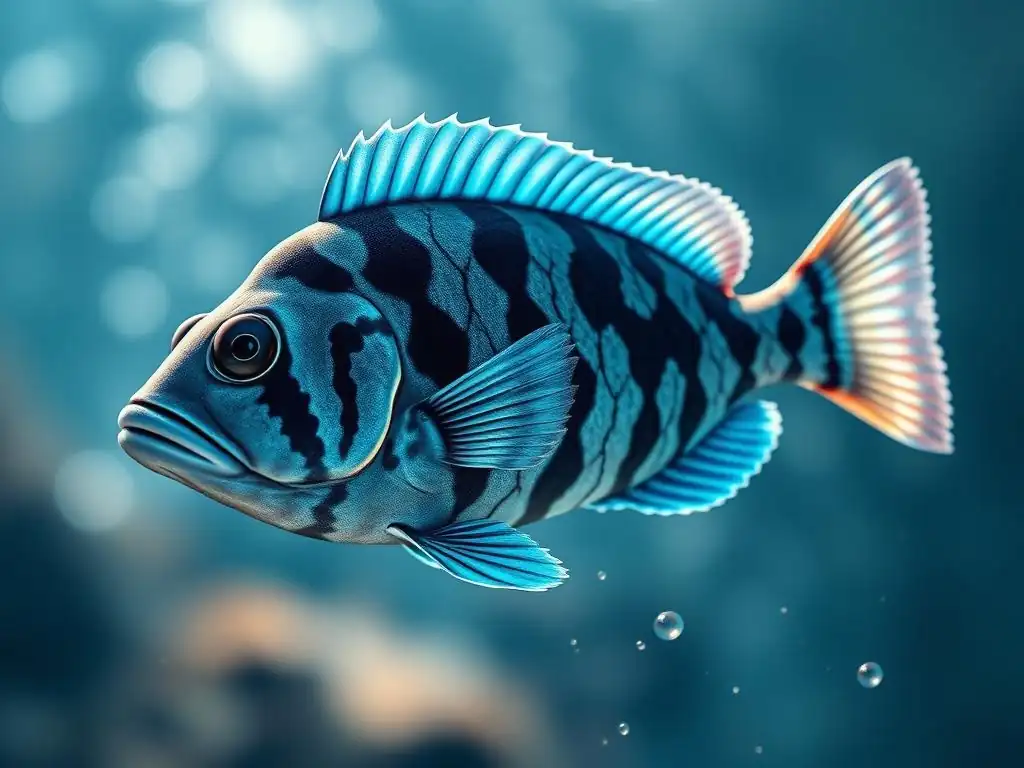
Given the Crosshatch Triggerfish's rarity and the specialized care it requires, sourcing from a reputable supplier is absolutely crucial. Avoid impulse purchases from stores with questionable tank conditions or unknown origins. Instead, seek out specialized marine fish stores or online vendors that have a proven track record of importing and quarantining high-quality, healthy saltwater fish. A good supplier will be transparent about their sourcing, quarantine protocols, and provide detailed information about the fish's history. Asking about their fish-holding practices, such as how long fish are held before sale and what they are fed, can offer valuable insights.
A healthy Crosshatch Triggerfish is a significant investment, often ranging from $250 to $500 USD or even more, depending on size, coloration, and availability. This price reflects the challenges of collection from deep waters, specialized transportation, and the care required to bring them to market.
A reputable supplier will have fish that are active, alert, free of visible parasites or disease, and actively eating. Always choose a supplier who prioritizes the health and well-being of their livestock, as this is a direct reflection of the quality of the fish you will receive and a cornerstone of any Crosshatch Triggerfish care guide.
Ensuring Ethical Sourcing
Ensuring the ethical sourcing of your Crosshatch Triggerfish is an increasingly important consideration for responsible aquarists. Due to their deep-water habitat, collection methods can vary, and it's essential to support suppliers who adhere to sustainable and environmentally responsible practices. Inquire about how the fish are collected; look for assurances that methods do not involve destructive practices such as cyanide fishing, which harms both the fish and the coral reef ecosystem. Supporting collectors and importers who use less impactful methods, such as hand-netting or specialized deep-water collection techniques, helps promote the long-term health of wild populations and their habitats.
While the vast majority of Crosshatch Triggerfish available in the hobby are wild-caught due to the extreme difficulty of captive breeding, prioritizing captive-bred specimens is always the most ethical choice when available for any species. Although currently exceedingly rare for Xanthichthys mento, supporting efforts towards captive breeding, even indirectly, helps reduce pressure on wild populations. Choosing suppliers who demonstrate a commitment to ethical sourcing and sustainability contributes to the health of our oceans and ensures that the beauty of species like the Crosshatch Triggerfish can be enjoyed responsibly for generations to come.
Crosshatch Triggerfish: A Summary of Their Unique Needs
The Rewards of Successful Care
Successfully keeping a Crosshatch Triggerfish requires a significant commitment to providing a specialized environment and consistent, high-level Crosshatch Triggerfish care. Their unique needs include an exceptionally large aquarium, ideally 180 gallons or more, to accommodate their active swimming and potential territoriality. Maintaining pristine and stable water parameters, including specific temperature, salinity, and pH levels, is non-negotiable, necessitating robust filtration and regular, diligent water changes.
Furthermore, a varied and nutritious diet, comprising high-quality frozen and fresh marine foods, is essential for their long-term health and vibrant coloration. Careful selection of tank mates and continuous observation of their behavior are also paramount to prevent aggression and ensure harmony within the aquarium.
Despite these demanding requirements, the rewards of successful Crosshatch Triggerfish care are immense and deeply satisfying. A well-cared-for Xanthichthys mento transforms into a stunning, intelligent, and engaging centerpiece in any advanced marine aquarium. Their unique patterns, graceful movements, and individual personalities provide endless fascination. With proper husbandry, these fish can live for 10 years or more in captivity, offering a long-term, captivating addition to your aquatic world. The successful maintenance of such a prized and challenging species is a testament to an aquarist's dedication and expertise, culminating in the enjoyment of one of the ocean's true gems.
Conclusion: Mastering Crosshatch Triggerfish Husbandry
Frequently Asked Questions
What makes the Crosshatch Triggerfish a suitable choice for advanced aquarists?
Crosshatch Triggerfish require a stable environment and are often picky eaters. They also need a larger tank volume compared to many other aquarium fish, making them more demanding.
What are the essential tank parameters for keeping Crosshatch Triggerfish healthy?
Maintaining pristine water quality is crucial, including stable temperature, salinity, and pH levels. Regular water changes and a robust filtration system are also vital for their well-being.
What type of food should I feed my Crosshatch Triggerfish?
A varied diet is key, including high-quality meaty foods like frozen mysis shrimp, krill, and chopped seafood. They also benefit from occasional algae-based foods to supplement their diet.
How large of an aquarium is recommended for a Crosshatch Triggerfish?
A minimum tank size of 125 gallons is generally recommended for a single Crosshatch Triggerfish. Larger tanks are always preferable to provide ample swimming space and reduce stress.
What are some common health problems that affect Crosshatch Triggerfish, and how can I prevent them?
Crosshatch Triggerfish can be susceptible to parasitic infections and bacterial diseases. Quarantine new arrivals and maintain excellent water quality to minimize the risk of these issues.
Final Reflection: Appreciating the Delicate Balance
The preceding exploration of the Crosshatch Triggerfish, Xanthichthys mento, highlights not only the beauty and rarity of this species but also the significant responsibility that comes with keeping such a delicate creature. Understanding the intricacies of its care, from specific dietary needs to the precise parameters of its environment, underscores the commitment required to ensure its well-being in captivity.
This journey into the world of the Crosshatch Triggerfish underscores the profound impact our choices have on the marine ecosystem. The decision to keep such a specialized animal should be approached with utmost seriousness, acknowledging the potential consequences of unsustainable collection practices and the challenges of replicating its natural habitat. In the end, we will conserve only what we love; we will love only what we understand; and we will understand only what we are taught.
- Baba Dioum
As we conclude this care guide, I invite you to reflect on your own role in the aquarium hobby. Consider the ethical implications of your choices and strive to be a responsible steward of the marine environment. By prioritizing knowledge, research, and sustainable practices, you can contribute to the preservation of these magnificent creatures and ensure that future generations can marvel at the beauty of the Crosshatch Triggerfish, both in aquariums and in the wild.
Unveil Your Reef Potential
Thank you for diving deep into the world of the Crosshatch Triggerfish! We hope you've gained a new appreciation for this stunning and challenging species. Now, it's time to take that knowledge and turn it into action!
- Plan Your Expert-Level Reef Tank: Begin strategizing the ideal environment for a Crosshatch Triggerfish, considering tank size, water parameters, and compatible tankmates.
- Share your favorite image of a Crosshatch Triggerfish on social media with the hashtag #AquariumMastery and tell us why you find it so captivating.
- Explore the possibility of joining a local advanced aquarist group to learn even more specialized reef-keeping techniques.
What specific challenge are you most excited to tackle when creating a perfect habitat for this impressive fish?