
No Anemone? No Problem! Clownfish Happiness & Alternatives to Natural Hosts

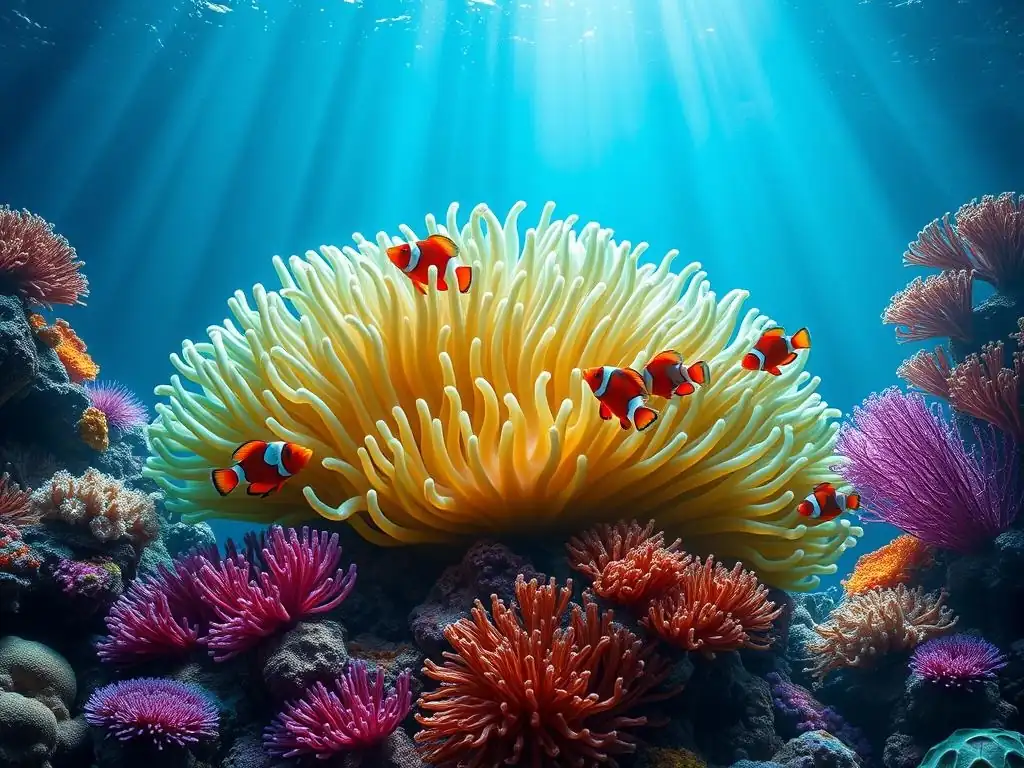
Welcome to Aquarium Mastery!
Ever dreamed of vibrant clownfish darting amongst swaying anemones, but worried about the commitment? You're not alone! Dive into our latest guide, "No Anemone? No Problem! Clownfish Happiness & Alternatives to Natural Hosts," and discover the secrets to keeping your clownfish thriving – even without a traditional anemone. Uncover the best anemone alternatives and compatibility tips to create a happy and harmonious saltwater tank! Ready to unlock the key to clownfish contentment?
- Understanding the Clownfish-Anemone Symbiotic Relationship
- The Challenge: Maintaining Anemones in Captivity
- Clownfish Anemone Alternatives Compatibility: Exploring Options
- Ensuring Clownfish Happiness Without a Natural Host
- Clownfish Behavior in the Absence of Anemones
- Introducing Clownfish to Anemone Alternatives: A Gradual Process
- Clownfish Anemone Alternatives Compatibility Chart: A Quick Reference Guide
- Conclusion: Creating a Thriving Clownfish Environment, With or Without Anemones
-
Frequently Asked Questions
- How crucial is an anemone for clownfish in a home aquarium?
- What are some popular inanimate objects that clownfish might host in place of an anemone?
- Are all clownfish guaranteed to host in something in my aquarium?
- What are the risks of introducing an anemone to a tank solely for clownfish hosting?
- How can I encourage my clownfish to host in a specific alternative?
- Final Reflection: Finding Harmony Beyond the Anemone
- Dive Deeper: Cultivate Your Clownfish Haven!
Understanding the Clownfish-Anemone Symbiotic Relationship
The Natural Bond: Why Clownfish Exhibit Host-Seeking Behavior
The iconic relationship between clownfish and sea anemones is one of nature's most fascinating examples of mutualistic symbiosis. Clownfish, belonging to the Amphiprion and Premnas genera, possess a unique mucus coating that renders them immune to the stinging nematocysts of their host anemone. This protection allows them to safely reside within the anemone's tentacles, gaining refuge from predators such as butterflyfish and triggers. In return, the clownfish may clean the anemone, remove parasites, and even ward off potential predators of the anemone, providing a clear benefit to both organisms.
This innate host-seeking behavior is deeply ingrained in clownfish, driven by millions of years of evolution. Even clownfish bred in captivity, which have never encountered a live anemone, often display a strong instinct to seek out a suitable host. This behavior is not merely for physical protection; it also provides a critical sense of security and territoriality that is fundamental to their psychological well-being and reproductive success in the wild.
Benefits of Anemones for Clownfish Health and Well-being
For clownfish, the presence of a natural host anemone offers multiple tangible benefits that contribute significantly to their health and longevity. Physically, the anemone provides an impenetrable fortress, allowing the clownfish to retreat instantly from perceived threats. This constant access to a safe haven drastically reduces stress levels, which in turn strengthens their immune system and makes them less susceptible to common aquarium ailments like Ich ( Cryptocaryon irritans).
Beyond physical safety, an anemone serves as a central point for the clownfish's territory, reducing the need for them to roam widely and potentially encounter aggressive tank mates. This stability can lead to more consistent feeding habits and less energy expenditure on vigilance, promoting better growth and overall vitality. In a breeding pair, a host anemone often becomes the designated spawning site, providing a secure location for eggs and further cementing the pair's bond and reproductive success.
The Challenge: Maintaining Anemones in Captivity
Why Anemones Can Be Difficult to Keep in Aquariums
Despite their allure, maintaining sea anemones in a home aquarium presents significant challenges, making them unsuitable for many beginner or even intermediate aquarists. Anemones, particularly the popular Bubble Tip Anemone ( Entacmaea quadricolor), require pristine and exceptionally stable water parameters that are often difficult to achieve consistently. They are highly sensitive to fluctuations in salinity, temperature, and nutrient levels, and even minor shifts can lead to stress, bleaching, or "walking" around the tank.
Furthermore, anemones have very specific needs regarding lighting and water flow. Most host anemones require intense light, often demanding powerful LED or metal halide fixtures providing over 200 PAR (Photosynthetically Active Radiation) to support their symbiotic zooxanthellae. They also produce a substantial bioload, releasing waste products that can elevate nitrates and phosphates, necessitating robust filtration and diligent maintenance. Their mobility also poses a risk, as they can sting and kill other corals or invertebrates if they wander too close.
Water Quality Requirements for Healthy Anemones
The cornerstone of successful anemone husbandry lies in maintaining very precise and stable water quality. Salinity should be kept consistently between 1.025 and 1.026 specific gravity, and temperature within a narrow range of 75-78°F (24-25.5°C). Alkalinity (dKH) should be stable between 8-12, calcium between 400-450 ppm, and magnesium between 1200-1350 ppm, as these parameters are vital for their overall health and cellular function.
Crucially, nitrates must be kept below 5 ppm and phosphates below 0.03 ppm. Anemones are highly susceptible to nutrient pollution, which can lead to stress, disease, and bleaching. Regular (e.g., weekly) water changes of 10-20% with high-quality reverse osmosis/deionized (RO/DI) water are essential, alongside robust protein skimming and potentially a refugium to export excess nutrients. Providing moderate to strong, varied water flow is also important for nutrient delivery and waste removal.
Anemone Compatibility with Clownfish: Species Considerations
While many species of clownfish are known to host anemones, the compatibility is not universal across all clownfish and anemone species. For instance, the popular Ocellaris ( Amphiprion ocellaris) and Percula ( Amphiprion percula) clownfish primarily host in Bubble Tip Anemones ( Entacmaea quadricolor), Sebae Anemones ( Heteractis crispa), Magnificent Anemones ( Heteractis magnifica), and Long Tentacle Anemones ( Macrodactyla doreensis). Maroon Clownfish ( Premnas biaculeatus) are often less selective and may host in a wider variety, including Bubble Tip Anemones.
It is critical to research specific clownfish anemone alternatives compatibility before attempting to pair them. Some anemones, like the Carpet Anemone ( Stichodactyla haddoni), are highly aggressive and can easily consume a clownfish if not properly acclimated or if the clownfish is not a naturally compatible species. Furthermore, hobbyists should always prioritize the anemone's needs over the clownfish's desire for a host, as a healthy anemone is far more challenging to maintain than a healthy clownfish.
Clownfish Anemone Alternatives Compatibility: Exploring Options
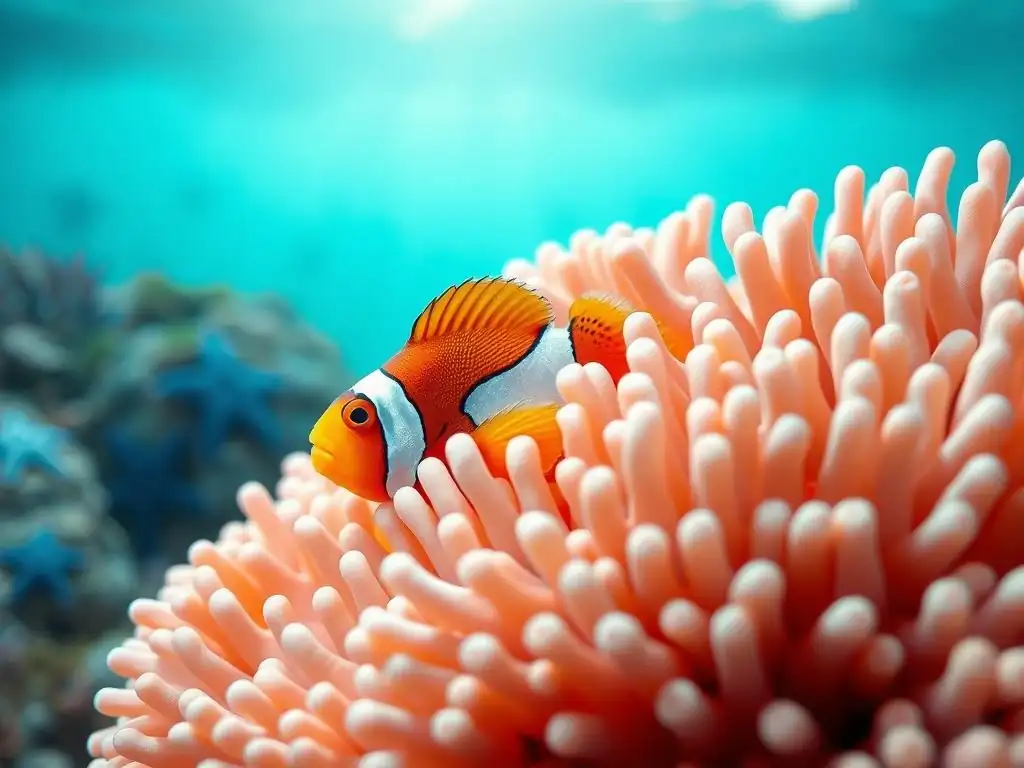
Soft Corals as Clownfish Hosts: A Viable Substitute?
For aquarists unable or unwilling to keep a natural host anemone, several soft coral species have emerged as popular and often successful clownfish anemone alternatives compatibility options. While these interactions are not true biological symbioses in the same vein as the anemone-clownfish bond, many clownfish will readily "host" in soft corals, using them for perceived security and territory. These corals are generally much easier to care for than anemones, making them an attractive substitute.
The success of clownfish hosting in soft corals varies significantly from one individual clownfish to another, and even within the same species. Some clownfish will immediately embrace a soft coral as their new home, while others may ignore it completely, even after months of exposure. Patience and observation are key when exploring soft corals as part of your clownfish anemone alternatives compatibility strategy, as there's no guarantee of acceptance.
Toadstool Leather Coral (Sarcophyton): Clownfish Acceptance and Care
The Toadstool Leather Coral ( Sarcophyton sp.), often referred to as a Mushroom Leather Coral, is one of the most widely accepted and recommended soft coral alternatives for clownfish. These corals are hardy, relatively easy to care for, and grow to a substantial size, providing ample surface area for a clownfish to nestle into. They require moderate lighting (e.g., 50-150 PAR) and moderate water flow, and are tolerant of slightly higher nutrient levels than many other corals.
Many aquarists report their Ocellaris clownfish (e.g., Amphiprion ocellaris) spending over 70% of their time within the folds of a large Toadstool Leather. The coral's leathery texture and often wavy appearance seem to appeal to clownfish seeking a secure spot. While the clownfish's constant rubbing can cause the coral to temporarily retract its polyps, the Toadstool Leather is generally robust enough to withstand this interaction without long-term harm, making it a highly successful option for clownfish anemone alternatives compatibility.
Kenya Tree Coral (Capnella): Clownfish Interaction and Growth
The Kenya Tree Coral ( Capnella sp.) is another soft coral that some clownfish will occasionally host in. Known for its rapid growth and tree-like branching structure, the Kenya Tree is incredibly hardy and adaptable to a wide range of aquarium conditions, including moderate lighting and flow. Its branching form can provide a sense of cover and security for a clownfish, although it typically doesn't offer the same enveloping embrace as a Toadstool Leather.
While less commonly hosted than Toadstool Leathers, instances of clownfish, particularly younger or smaller specimens, interacting with Kenya Tree Corals have been observed. The clownfish might brush against the branches or occasionally rest within them. Their fast growth rate means they can quickly provide a substantial structure, but also requires regular fragging to prevent them from overgrowing the tank. For clownfish anemone alternatives compatibility, Kenya Trees are a viable, albeit less consistent, option.
Other Invertebrates for Clownfish: Tridacna Clams and Long Tentacle Plate Corals
Beyond soft corals, some clownfish have been observed to host in other large, stationary invertebrates, though these instances are far less common and often come with caveats. Large Tridacna clams, such as the Tridacna derasa or T. maxima, are occasionally chosen by smaller clownfish as a resting spot. The clownfish may lie in the clam's mantle, seemingly finding comfort and security in its large, immovable presence.
Similarly, Long Tentacle Plate Corals ( Heliofungia actiniformis), with their long, flowing tentacles, bear a superficial resemblance to some anemones and have been known to attract hosting behavior from certain clownfish. However, it's crucial to understand that neither of these invertebrates are natural hosts. Constant rubbing from a clownfish can irritate the clam's mantle or damage the plate coral's delicate tissue, potentially leading to stress, infection, or even death for the invertebrate. Therefore, while observed, these are not generally recommended as sustainable clownfish anemone alternatives compatibility solutions due to the potential harm to the host.
Duncans, Frogspawn, Hammers and Torches: Clownfish Host Alternatives?
Large Polyp Stony (LPS) corals like Duncans ( Duncanopsammia axifuga), Frogspawn ( Euphyllia divisa), Hammer ( Euphyllia ancora), and Torch ( Euphyllia glabrescens) corals are known for their beautiful, flowing polyps. While some clownfish have been observed attempting to host in these corals, it is generally not recommended. Unlike their natural anemone hosts, LPS corals possess powerful stinging nematocysts that can irritate or even harm the clownfish over time, despite the clownfish's protective slime coat providing some initial resistance.
More significantly, the constant rubbing and burrowing behavior of a clownfish can severely stress and damage the delicate tissue of these LPS corals. This can lead to tissue recession, bacterial infections, or even necrosis, particularly in the areas where the clownfish frequently interacts. For example, a clownfish persistently hosting in a Torch coral might cause the polyps to remain retracted or show signs of bleaching at the points of contact. Therefore, despite their visual appeal as potential hosts, their inclusion in a clownfish anemone alternatives compatibility plan is generally advised against for the long-term health of the coral.
Artificial Anemones: Safety and Suitability for Clownfish
For aquarists prioritizing the clownfish's perceived need for a host without the complexities of live anemones or the risks to other corals, artificial anemones offer a straightforward solution. These synthetic decorations are designed to mimic the appearance and texture of real anemones, providing a physical object for the clownfish to interact with. They require no specialized care, do not sting other inhabitants, and are a permanent fixture that won't move around the tank.
The primary purpose of an artificial anemone is to provide a dedicated "home" for the clownfish, offering a sense of territory and security that can reduce stress and encourage natural behaviors like nesting. While they obviously do not provide any symbiotic benefits (e.g., food scraps, cleaning), they can satisfy the clownfish's innate urge to host. Their acceptance varies; some clownfish will immediately embrace them, while others may ignore them entirely or only occasionally interact.
Benefits and Drawbacks of Using Fake Anemones
The benefits of using artificial anemones as part of a clownfish anemone alternatives compatibility strategy are numerous. They require zero maintenance beyond occasional cleaning for algae, eliminating the complex water parameter and lighting demands of live anemones. They pose no threat to other corals or tank inhabitants with stinging cells, allowing for greater flexibility in tank design. Furthermore, they are a significantly more cost-effective option, typically ranging from $10-$40 compared to live anemones which can cost upwards of $50-$200 or more, not including the advanced equipment needed to sustain them.
However, artificial anemones also have drawbacks. They offer no true symbiotic benefits to the clownfish, meaning there's no exchange of nutrients or cleaning services. Some clownfish simply do not accept them, rendering them purely decorative. They can still accumulate detritus and algae, requiring periodic removal and cleaning. Ultimately, while a practical solution for providing a physical host, they cannot replicate the natural, dynamic interaction of a true symbiotic relationship.
Choosing the Right Artificial Anemone for Your Clownfish
When selecting an artificial anemone, safety and suitability for your clownfish are paramount. Always choose products explicitly labeled as "aquarium safe" and made from non-toxic materials, such as silicone or soft plastic, that will not leach harmful chemicals into your water. The tentacles should be soft and pliable to prevent any injury to the clownfish's delicate fins or slime coat from constant rubbing.
Consider the size of the artificial anemone relative to your clownfish. For adult Ocellaris or Percula clownfish, an artificial anemone with a diameter of 6-8 inches is often more appealing, providing ample space for them to feel secure. Ensure the base is weighted or has a strong suction cup to prevent it from floating away or being dislodged by water flow or the clownfish's activity. While aesthetics are a personal choice, prioritize texture and material safety over visual resemblance to a specific anemone species.
Ensuring Clownfish Happiness Without a Natural Host
Tank Setup Considerations for Anemone-Less Clownfish Tanks
Even without a host anemone, it is entirely possible to create a thriving and happy environment for clownfish. The key lies in providing a tank setup that caters to their natural behaviors and needs for security. A well-scaped live rock structure with numerous caves, overhangs, and crevices can serve as excellent hiding places and territorial markers. For a pair of Ocellaris clownfish, a tank size of at least 30 gallons is recommended, offering sufficient space for them to establish their territory without excessive aggression towards each other.
Adequate filtration, stable water parameters, and appropriate water flow are also crucial for the long-term health of anemone-less clownfish. A robust protein skimmer, regular water changes, and a mature biological filter will ensure pristine water quality, minimizing stress and disease susceptibility. A diverse live rock structure not only provides shelter but also contributes to biological filtration and a stable ecosystem.
Providing Hiding Places and Security for Clownfish
In the absence of a host anemone, providing ample alternative hiding places is essential for a clownfish's sense of security and overall well-being. Live rock aquascaping should include plenty of small caves, tunnels, and overhangs where the clownfish can retreat when feeling threatened or simply for rest. These structures mimic the protective cover an anemone would provide.
Beyond live rock, other aquarium-safe decorations can contribute to their security. Small sections of PVC pipe, ceramic decor shaped like caves, or even dense patches of certain macroalgae (if suitable for your tank) can offer a sense of refuge. The goal is to create an environment where the clownfish feels safe and can establish a distinct territory, which helps reduce stress and encourages natural behaviors, contributing to their overall clownfish anemone alternatives compatibility with their environment.
Optimizing Water Parameters for Clownfish Health and Longevity
Maintaining optimal and stable water parameters is paramount for the health and longevity of clownfish, whether they have a host or not. Salinity should be consistently maintained between 1.024 and 1.026 specific gravity. Temperature should remain stable within 74-78°F (23-25.5°C), and pH between 8.1 and 8.4. Ammonia and nitrite levels must always be undetectable (0 ppm), and nitrates should be kept as low as possible, ideally below 10 ppm.
Regular testing of these parameters (e.g., weekly for ammonia, nitrite, nitrate; bi-weekly for alkalinity, calcium, magnesium) is crucial to catch any fluctuations before they become problematic. Consistent feeding with high-quality, varied foods (e.g., marine pellets, flakes, frozen mysis shrimp, brine shrimp) and diligent bi-weekly water changes (10-20% of tank volume) will help maintain these parameters and ensure the clownfish receive essential nutrients, promoting a lifespan that can exceed 10-15 years in a well-maintained system.
Clownfish Behavior in the Absence of Anemones
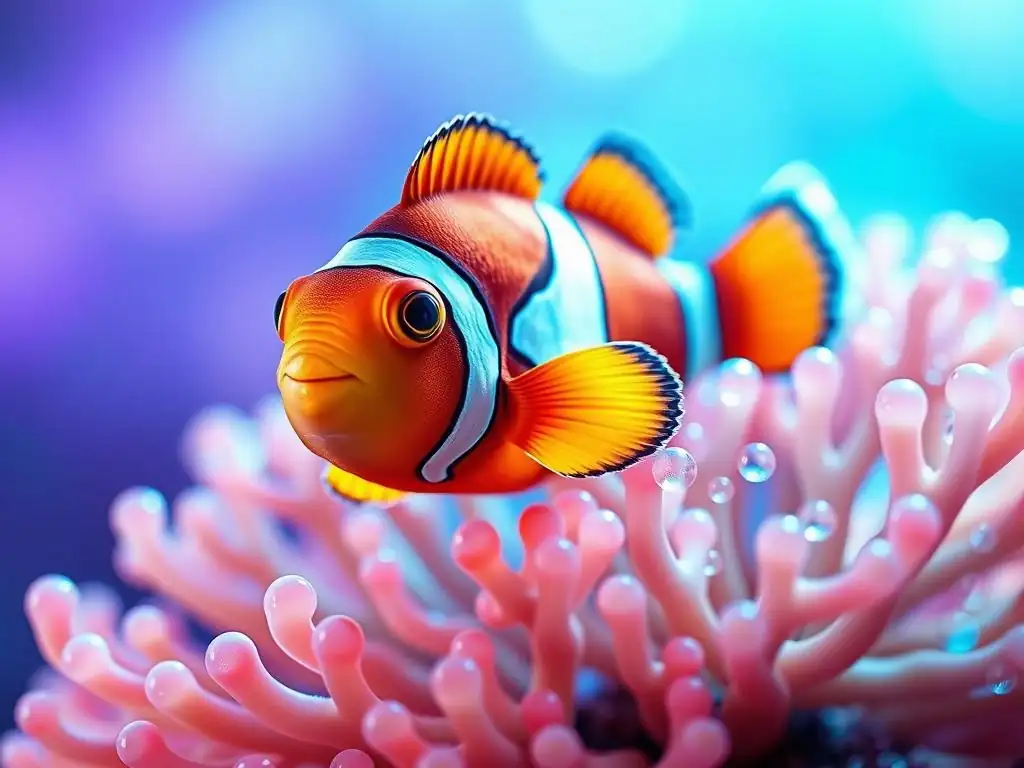
Observing Clownfish for Signs of Stress or Discomfort
Clownfish are generally hardy fish, but without a host anemone, it's important to observe their behavior closely for any signs of stress or discomfort. A stressed clownfish may exhibit rapid breathing, clamped fins (held close to the body), pale coloration, or excessive hiding. They might also display erratic swimming patterns, darting frantically around the tank, or showing unusual aggression towards tank mates or even their own pair mate.
Conversely, a happy and well-adjusted clownfish in an anemone-less tank will typically show vibrant coloration, active and confident swimming, a good appetite, and curiosity towards its surroundings. While they may not "host" in any specific object, they should utilize the available rockwork and decor for exploration and occasional resting. It's important to remember that not all clownfish will host in alternatives, and many can live long, healthy lives simply thriving in a well-structured aquarium.
Encouraging Natural Behaviors in Anemone-Free Environments
Even without a host anemone, aquarists can encourage natural behaviors in their clownfish by providing a stimulating and secure environment. Varying their diet with different types of high-quality frozen and dry foods can encourage natural foraging behaviors. Regularly moving or adding small pieces of live rock or new aquarium-safe decor can provide new exploration opportunities and stimulate their curiosity.
Maintaining a peaceful and appropriately stocked tank is also crucial. Overly aggressive tank mates can stress clownfish, making them more skittish and less likely to display natural behaviors. A well-designed aquascape with plenty of visual barriers and hiding spots allows clownfish to establish territories and feel secure, which can lead to more confident swimming, active interaction with their surroundings, and even the formation of strong pair bonds, contributing to overall clownfish happiness.
Introducing Clownfish to Anemone Alternatives: A Gradual Process
Quarantine Procedures Before Introduction
Before introducing any clownfish, especially if you plan to introduce it to a live alternative host like a soft coral, a strict quarantine procedure is highly recommended. New fish should be quarantined in a separate, dedicated tank for at least 2-4 weeks. This isolation period allows for close observation for signs of disease (e.g., Marine Ich, Velvet, Brooklynella) and provides an opportunity to treat any illnesses before they can spread to your main display tank and its established inhabitants.
During quarantine, the clownfish can also acclimate to captive conditions, become accustomed to prepared foods, and settle into stable water parameters without the added stress of new tank mates or a complex display environment. This reduced stress during quarantine will make the eventual introduction to the main tank and any potential clownfish anemone alternatives compatibility attempts much smoother and more successful.
Slowly Introducing Clownfish to New Hosts
When introducing a clownfish to an alternative host, whether it's a soft coral or an artificial anemone, patience is paramount. Do not attempt to force the clownfish into the host. Instead, place the chosen alternative in a suitable, stable location within the tank where the clownfish frequently swims or rests. For live corals, ensure the placement meets the coral's specific lighting and flow requirements.
Clownfish are naturally curious and will investigate new objects in their territory. Simply allow the clownfish to discover and interact with the alternative on its own terms. Some aquarists report success by placing a small amount of the clownfish's favorite food near the alternative to encourage initial investigation, but direct physical manipulation or attempts to "teach" the clownfish to host are likely to cause stress and be counterproductive.
Monitoring Clownfish Behavior During the Acclimation Period
After introducing a potential alternative host, continuous monitoring of the clownfish's behavior is essential. Observe for signs of acceptance, such as gentle brushing against the host, resting within its folds or branches, or spending prolonged periods near it. Conversely, watch for signs of rejection or stress, such as avoiding the host, darting away when near it, or any of the stress indicators mentioned earlier (clamped fins, rapid breathing).
If a live coral or invertebrate is being used as an alternative, also monitor the host for any signs of irritation or damage from the clownfish's interaction, such as polyps remaining retracted, tissue recession, or discoloration. The acclimation process can vary widely, taking anywhere from a few days to several months, or the clownfish may never host at all. Do not be discouraged if hosting doesn't occur; many clownfish live perfectly happy and healthy lives without ever hosting in anything.
Clownfish Anemone Alternatives Compatibility Chart: A Quick Reference Guide
Compatibility of Clownfish Species with Various Soft Corals and Invertebrates
Understanding clownfish anemone alternatives compatibility is crucial for hobbyists not wishing to keep a true host anemone. While individual clownfish personality plays a significant role, the following chart provides a general guide for how different clownfish species might interact with common alternatives. Remember, "compatibility" here refers to the likelihood of the clownfish hosting, not a true biological symbiosis, and always prioritize the health of all tank inhabitants.
- Ocellaris & Percula Clownfish (Amphiprion ocellaris, A. percula)
- Toadstool Leather Coral (Sarcophyton sp.): High Acceptance. Often chosen as a preferred alternative host. Generally safe for both clownfish and coral.
- Kenya Tree Coral (Capnella sp.): Medium Acceptance. Some clownfish will interact; less consistent than Toadstool. Generally safe.
- Tridacna Clams (Tridacna sp.): Low Acceptance. Rare, opportunistic hosting. Not ideal for the clam's long-term health due to irritation.
- LPS Corals (Frogspawn, Hammer, Torch, Duncan): Not Recommended. High risk of stinging/irritating the clownfish and causing damage/death to the coral.
- Artificial Anemones: Variable Acceptance. Depends on individual clownfish. Provides physical presence without maintenance.
- Maroon Clownfish (Premnas biaculeatus)
- Toadstool Leather Coral (Sarcophyton sp.): High Acceptance. Often readily accepted. Generally safe.
- Kenya Tree Coral (Capnella sp.): Medium Acceptance. Less common but possible.
- LPS Corals (Frogspawn, Hammer, Torch, Duncan): Not Recommended. High risk to coral.
- Artificial Anemones: Variable Acceptance. Can provide a suitable physical host.
- Tomato, Cinnamon, Saddleback Clownfish (Amphiprion frenatus, A. melanopus, A. polymnus)
- Toadstool Leather Coral (Sarcophyton sp.): Medium-High Acceptance. A good alternative, though sometimes less enthusiastic than Ocellaris.
- Kenya Tree Coral (Capnella sp.): Low-Medium Acceptance. Possible, but less likely to become a primary host.
- LPS Corals (Frogspawn, Hammer, Torch, Duncan): Not Recommended. Significant risk to the coral.
- Artificial Anemones: Variable Acceptance. A practical solution for providing a host.
This guide serves as a general indicator; the ultimate success of clownfish anemone alternatives compatibility depends on the individual clownfish's personality and the specific conditions of your aquarium. Always prioritize the well-being of all your tank inhabitants and be prepared that a clownfish may choose not to host in any alternative provided.
Conclusion: Creating a Thriving Clownfish Environment, With or Without Anemones
While the image of a clownfish nestled in its host anemone is iconic, it is by no means a prerequisite for a happy, healthy, and long-lived clownfish in a home aquarium. Maintaining a true host anemone presents significant challenges that many aquarists are not equipped to handle, often leading to the anemone's demise. Fortunately, a variety of viable clownfish anemone alternatives compatibility options exist, ranging from hardy soft corals like Toadstool Leathers to practical artificial anemones, which can satisfy a clownfish's innate hosting drive.
Ultimately, the key to a thriving clownfish environment, regardless of whether a natural host is present, lies in stable water parameters, a well-structured tank with ample hiding places, a high-quality diet, and careful observation of the fish's behavior. By understanding their needs and offering suitable alternatives, aquarists can ensure their clownfish enjoy a fulfilling life, exhibiting natural behaviors and vibrant health, proving that "No Anemone?" truly is "No Problem!"
Frequently Asked Questions
How crucial is an anemone for clownfish in a home aquarium?
While clownfish have a natural symbiotic relationship with anemones in the wild, it's not strictly necessary in captivity. Many clownfish adapt well to life without one, finding alternative hosts or thriving without any host at all.
What are some popular inanimate objects that clownfish might host in place of an anemone?
Clownfish often host in soft corals like leathers or toadstools, or even inanimate objects like powerheads or corners of the tank. They can also host in various types of coral.
Are all clownfish guaranteed to host in something in my aquarium?
No. While most clownfish will eventually choose a host, some may not. This is perfectly normal and doesn't necessarily indicate a problem. It's important to provide a stress-free environment and suitable alternatives.
What are the risks of introducing an anemone to a tank solely for clownfish hosting?
Anemones can be difficult to care for, requiring specific lighting, water parameters, and feeding regimes. Introducing an anemone solely for clownfish can be stressful for the entire tank if you are not fully prepared to meet its needs.
How can I encourage my clownfish to host in a specific alternative?
You can try placing the alternative host (e.g., a soft coral) near the clownfish's preferred area or using a clownfish-safe adhesive to gently attach the clownfish to the desired host for short periods. Patience is key.
Final Reflection: Finding Harmony Beyond the Anemone
The journey we've explored in understanding clownfish happiness and their adaptability to alternative hosts underscores a vital truth: resilience and adaptability are key to thriving, even in the face of unconventional circumstances. Just as clownfish can find contentment and security in substitutes for their natural anemones, we too can discover unexpected sources of joy and fulfillment when faced with change or limitations.
This exploration has profoundly impacted my understanding of the delicate balance within our aquariums and, by extension, the broader natural world. Witnessing the adaptability of these creatures reminds us that rigid expectations can often blind us to the potential for beauty and connection in unexpected places. It is not the strongest of the species that survives, nor the most intelligent that survives. It is the one that is most adaptable to change.
- Charles Darwin. This quote resonates deeply, highlighting the fundamental importance of embracing flexibility and open-mindedness, both in our aquariums and in our lives.
Now, I invite you to consider the lessons learned from these resilient clownfish. How can you apply the principles of adaptability and open-mindedness to your own life? Are there areas where you might be clinging to rigid expectations, preventing you from discovering new sources of joy and connection? Embrace the spirit of the clownfish, and seek out the unexpected harmonies that await you, even when the familiar landscape shifts.
Dive Deeper: Cultivate Your Clownfish Haven!
Thank you for exploring the world of clownfish and their unique hosting habits! We hope you’ve gained valuable insights into keeping these vibrant fish happy and healthy, even without anemones. Now, it's time to put that knowledge into action!
Here are a few ways to further enhance your clownfish care journey:
- Start Today: Introduce a soft coral alternative like a toadstool leather or a branching hammer coral to your clownfish tank and observe their interactions. Document their behavior to track their adaptation.
- Share your experiences: Post photos and videos of your clownfish interacting with their hosts (natural or otherwise) on aquarium forums or social media groups. Use the hashtag #ClownfishCohabitation.
- Experiment with enrichment: Try adding a small, inert object like a ceramic decoration to the tank and see if your clownfish adopt it as a "pseudo-host."
Ready to transform your aquarium into a clownfish paradise?